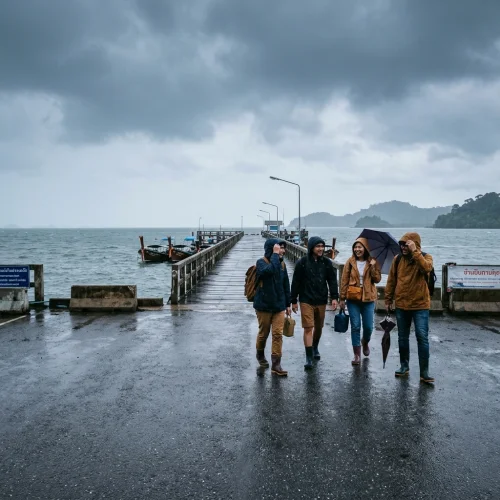
South of Pattaya, Jomtien Beach provides a relaxed coastal escape. Enjoy fresh seafood and water sports, with local baht buses costing just 10 THB for easy travel.
About Jomtien Beach
Leaving the frantic energy of its infamous northern neighbour behind, you can actually hear the waves breaking over the sand here while sipping a perfectly chilled Singha.
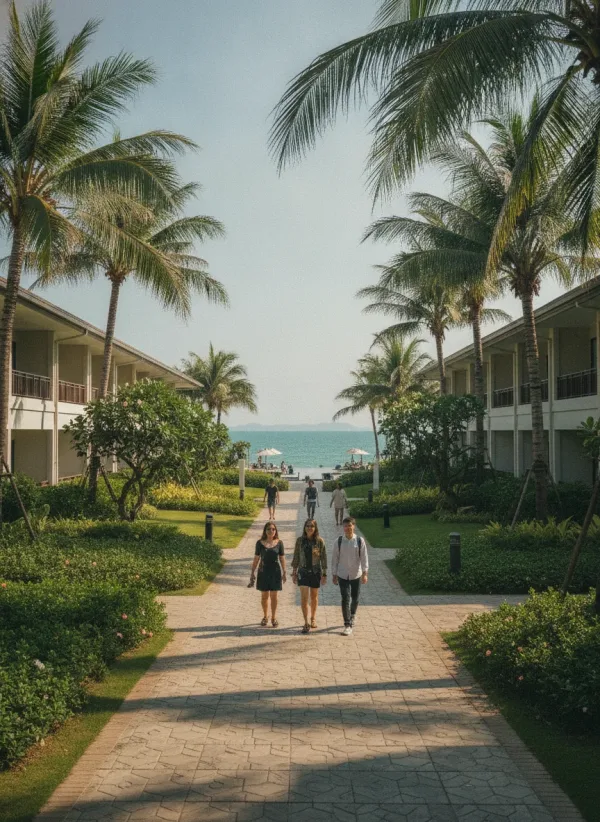
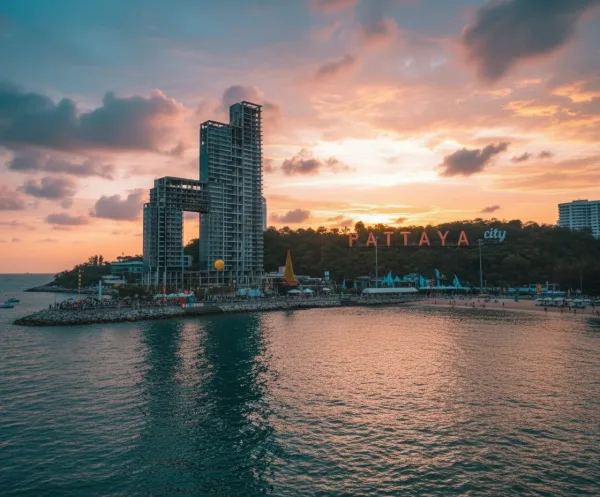
Sitting just three kilometres south of Pattaya, Jomtien Beach stretches out along six straight kilometres of comparatively quiet coastline. It appeals heavily to British expats, winter sun-seekers, and independent travellers who want the convenience of a major resort city without the relentless neon glare. The palm-lined promenade has recently undergone a massive widening project, creating a proper coastal walkway that feels decidedly more Mediterranean than typical Thai.
The water quality here fluctuates wildly depending on the tides and recent rainfall, so it is often better suited to sunset walks and water sports rather than pristine swimming. Yet this slight imperfection is exactly what keeps the mega-resorts at bay, leaving the shoreline to independent cafes, relaxed seafood joints, and a genuinely laid-back atmosphere.
Whether you are booking a fortnight's holiday, planning a winter relocation, or just dropping by for a few days, this guide breaks down exactly how to navigate the coastline. You will find practical advice on the best neighbourhoods to target, realistic daily costs, and where to find the most authentic local food.
Region
Eastern Gulf Coast, Chonburi Province
How to get there
Direct bus or private taxi from Suvarnabhumi Airport
Journey time from nearest hub
90 minutes from Bangkok Suvarnabhumi
Best time to visit
November to February
Budget per day (budget / mid-range / luxury)
£35 / £80 / £180+
Ideal length of stay
4 to 7 days
Best for
Relaxed coastal living, affordable seafood, water sports
AREAS & NEIGHBOURHOODS
The northern end of Jomtien Beach, where it meets Dongtan, is the most developed and heavily populated stretch. This is where you will find a dense cluster of expat bars, massage shops, and busy night markets, making it ideal if you want everything within a short stroll. Move down toward the middle section, roughly around Soi 5 to Soi 9, and the atmosphere shifts into a much more relaxed, family-oriented vibe with wider pavements and quieter cafes. Keep heading south toward Na Jomtien and the landscape changes entirely, giving way to upscale apartment towers, high-end seafood restaurants, and a much cleaner, quieter stretch of sand that feels miles away from the city. Each zone caters to a distinctly different pace of life, from busy beer bars to tranquil beachfront dining. Discover exactly which stretch suits your trip in the complete areas guide.
TOP EXPERIENCES
Spending a morning on the water is practically mandatory here, with the consistent sea breeze making it Thailand's premier spot for kite surfing and windsurfing. Rather than just watching from the sand, you can book a two-hour beginner lesson right on the beach and actually learn the ropes. As late afternoon approaches, grab a mat and secure a spot at the local night market to eat freshly grilled squid while watching the sun drop into the Gulf. For a break from the heat, the nearby Nong Nooch Tropical Botanical Garden offers a genuinely impressive display of prehistoric cycads and French-style landscaping that easily eats up half a day. Find more ways to fill your itinerary in the full things to do guide.
GETTING AROUND
The absolute backbone of local transport is the baht bus, a converted pickup truck that runs a continuous loop up and down the beach road. A single journey costs exactly 10 THB (about 25p), regardless of how far you travel along the route, making it both highly efficient and ridiculously cheap. For journeys off the main loop, motorcycle taxis are waiting at the end of nearly every side street. Always agree on the fare before putting on your helmet, though a standard short hop usually runs between 40 and 60 THB (£1 to £1.50). While ride-hailing apps like Grab and Bolt operate heavily around Jomtien Beach, their cars often get bogged down in the late afternoon coastal traffic, so stick to two wheels if you are in a rush.
WHERE TO STAY
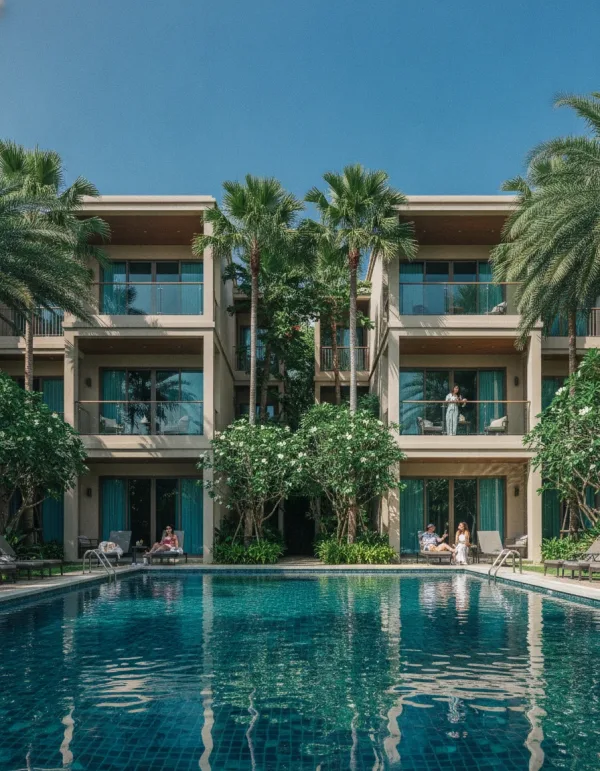
Accommodation here skews heavily toward excellent value rather than ultra-luxury, though the southern end is beginning to change that narrative. Budget travellers can easily find clean, air-conditioned guesthouses tucked just one street back from the sea for around £20 to £30 a night. Mid-range options are the absolute sweet spot, offering modern high-rise serviced apartments with rooftop pools and sea views for roughly £50 to £70. If you want proper upscale resort facilities, you need to look toward the southern border, where £120 a night secures expansive grounds and direct sand access away from the busy road. Explore the best options for your budget in the full hotels guide.
FOOD & DRINK
The culinary draw here is undoubtedly the fresh seafood, served without the inflated price tags of the nearby islands. Late afternoon brings a fleet of mobile vendors to the promenade, where you can buy whole salt-crusted tilapia, known locally as pla pao, stuffed with lemongrass and grilled over charcoal for a few pounds. For a sit-down meal, the southern end of the beach road is lined with massive open-air Thai restaurants where families gather around bubbling pots of tom yum goong and platters of garlic pepper prawns. A proper Jomtien Beach seafood feast with local beer rarely exceeds £15 per person.
ESSENTIAL TIPS
The beach road operates as a one-way system for much of its length, so factor this into your travel times when heading back north toward Pattaya. While the newly expanded Jomtien Beach shoreline looks inviting, the persistent presence of sandflies can occasionally ruin a sunbathing session, so apply a thick layer of coconut oil alongside your suncream as a highly effective natural deterrent. Keep plenty of small 10 and 20 baht coins in your pocket for the local transport, as drivers genuinely rarely have change for large notes. Finally, the best exchange rates are always found at the yellow TT Currency booths dotted along the main road rather than at the airport or your hotel.
Explore the flat coastal plains and shallow sea shelves of Jomtien Beach. Discover local topography, altitude facts, and transport costs for your trip.
What is the best time of year to visit Jomtien Beach?
The best time to visit Jomtien Beach is from November to February. During these months, visitors can enjoy the ideal weather for coastal living, beach walks, and outdoor water sports.
How do you get from Suvarnabhumi Airport to Jomtien Beach?
You can travel directly to Jomtien Beach from Bangkok Suvarnabhumi Airport by taking a direct bus or a private taxi. The journey time from the airport is approximately 90 minutes.
Is Jomtien Beach good for swimming?
Water quality at Jomtien Beach fluctuates depending on the tides and recent rainfall, making it better suited for sunset walks and water sports than pristine swimming. However, this condition keeps mega-resorts away, preserving a laid-back, independent atmosphere along the shore.
How do baht buses work in Jomtien Beach?
Baht buses are converted pickup trucks that run a continuous loop along the beach road. A single journey costs 10 THB regardless of how far you travel along the route. It is best to carry small 10 and 20 THB coins, as drivers rarely have change for large notes.
How can you protect against sandflies at Jomtien Beach?
Sandflies can occasionally disrupt sunbathing along the Jomtien Beach shoreline. To deter them, apply a thick layer of coconut oil alongside your suncream as a natural protective barrier.
Where are the best currency exchange rates found in Jomtien Beach?
The best currency exchange rates in Jomtien Beach are located at the yellow TT Currency booths along the main road. These offers are significantly better than the exchange rates available at the airport or local hotels.
What water sports is Jomtien Beach known for?
Thanks to its consistent sea breeze, Jomtien Beach is Thailand's premier spot for kite surfing and windsurfing. Beginners can easily book two-hour introductory lessons right on the beach.
How does Jomtien Beach differ from Pattaya?
Located three kilometres south of Pattaya, Jomtien Beach offers a much more relaxed coastal escape away from Pattaya's heavy nightlife and neon lights. It features a widened, palm-lined promenade, affordable seafood restaurants, and a mix of family-friendly and quiet residential zones.
Which area of Jomtien Beach is best to stay in or visit?
The northern end near Dongtan is the most developed area with night markets and bars, making it ideal for convenience. The middle section around Soi 5 to Soi 9 offers a quieter, family-oriented vibe with wide pavements, while Na Jomtien to the south provides upscale high-rises and quiet beachfront dining.
This page is provided for general information only. While we aim for accuracy, details can change — please verify anything important independently before relying on it.
STAY UP TO DATE
Join our community to get the newest Thailand destination
guides, travel advice, and expat resources delivered straight to your inbox.