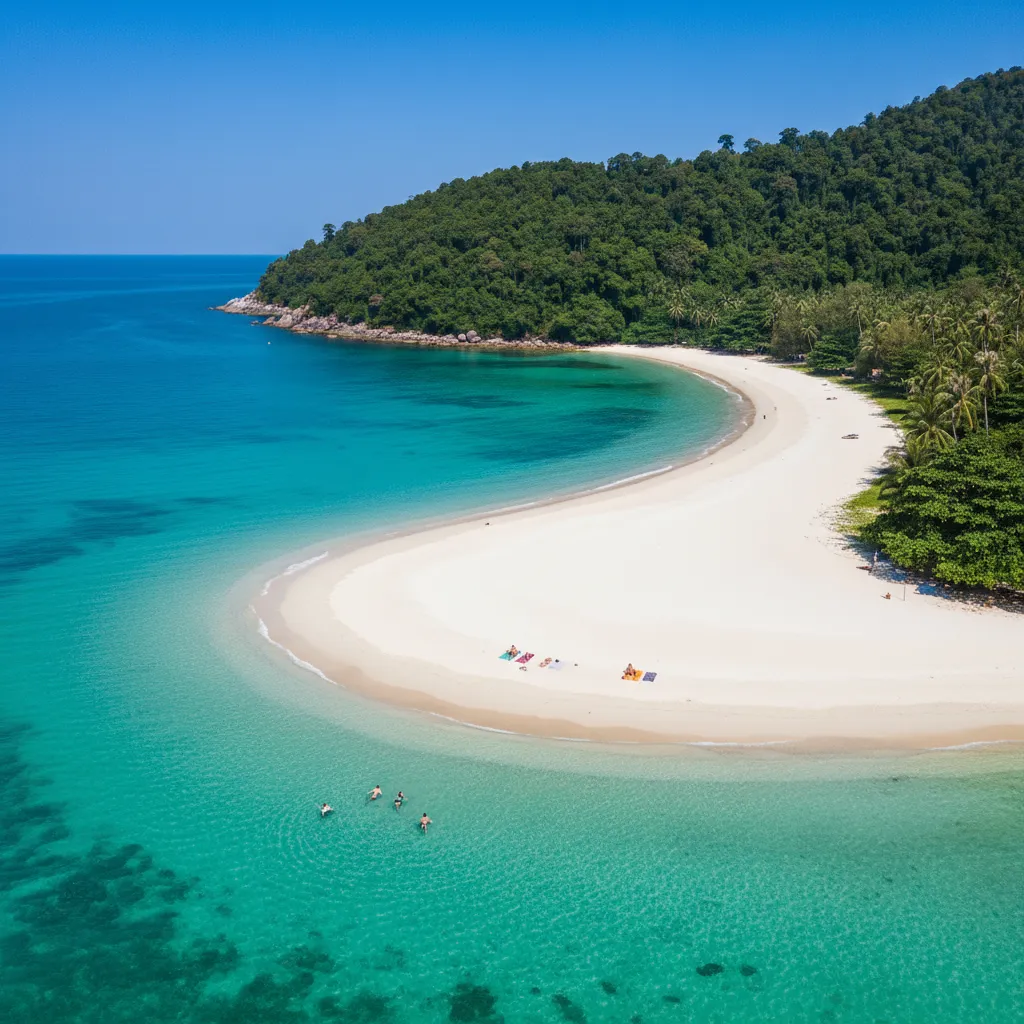
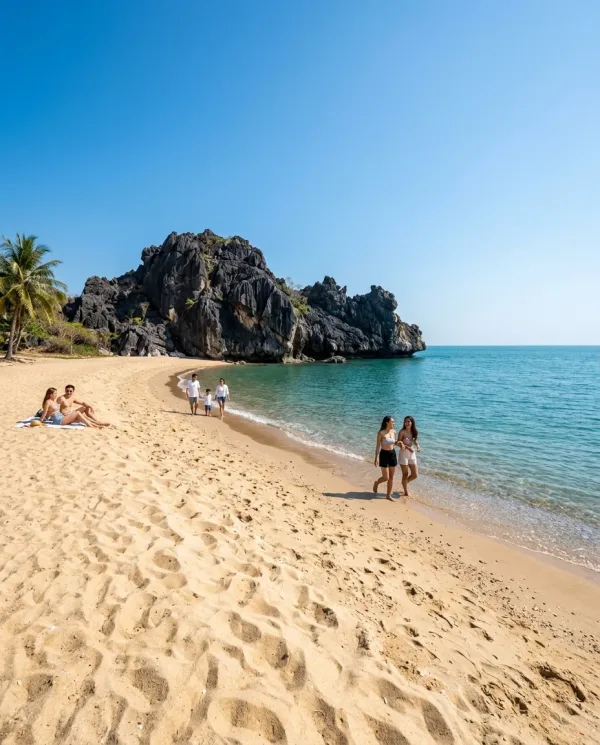
Koh Lanta stretches 30 kilometres along the Andaman coast, inviting longer stays. Its nine distinct beaches offer a relaxed pace, with budget bungalows available for £15 nightly.
About Koh Lanta
The island that everyone plans to visit for three days and ends up staying on for three weeks usually has a secret, but here, the secret is simply the art of doing very little, very well.
Stretching 30 kilometres along the Andaman coast of Krabi province, Koh Lanta is a magnet for digital nomads, young families, and seasoned backpackers who have outgrown the bucket-drink culture. It sits about an hour south of Krabi airport by minivan and ferry, offering nine distinct beaches that get progressively quieter and more rugged as you travel south.
The sea here rarely possesses that glassy, translucent turquoise quality found on neighbouring islands. Instead, you get water that is perfectly swimmable, dramatic sunsets that stain the sky bruised purple, and an atmosphere so profoundly horizontal it practically demands you lie in a hammock.
Whether you are dropping in for a fortnight holiday or looking to rent a villa for the season, this guide breaks down the logistics of island life. You will find practical advice on navigating the west coast road, deciding which beach fits your budget, and tracking down the best southern Thai curries.
Region
Andaman Coast, Krabi Province
How to get there
Minivan and car ferry from Krabi Airport, or speedboat from Phuket
Journey time from nearest hub
1.5 to 2 hours from Krabi Airport
Best time to visit
November to April
Budget per day (budget / mid-range / luxury)
£30 / £70 / £200+
Ideal length of stay
5 to 7 days
Best for
Laid-back beach days, remote workers, families, and scooter explorers
AREAS & NEIGHBOURHOODS
Koh Lanta is essentially one long western coastline divided into distinct sandy strips, separated by rocky points. In the north, Saladan Pier is the functional entry point, useful for ATMs and cheap seafood but lacking charm. Just below it lies Klong Dao, a wide, shallow bay that acts as ground zero for young families and Scandinavian expats, offering pushchair-friendly sands and wonderfully calm waters. Push further south to Long Beach, locally known as Phra Ae, where the backpacker and digital nomad scene thrives among pine trees, beach bars, and laptop-friendly cafes. Keep driving and you hit Klong Nin in the middle of the island, a narrow strip where the jungle meets the sea and beachfront bungalows remain surprisingly affordable. At the far southern tip, Kantiang Bay and the national park offer thick rainforest canopy, resident monkeys, and a handful of secluded resorts. For a deeper dive into choosing your perfect stretch of sand, explore the full areas guide.
TOP EXPERIENCES
Renting a scooter to drive the entire west coast road is a rite of passage, though dodging the occasional wandering macaque keeps you alert. Over on the east coast, Lanta Old Town provides a fascinating afternoon wandering past teak stilt houses originally built by Chinese sea merchants, perfect for picking up local crafts rather than mass-produced souvenirs. Rather than a generic snorkel trip, hire a longtail boat to Koh Rok; the coral has seen better days, but the sheer volume of clownfish makes the hour-long bumpy ride entirely worthwhile. Finally, spending an evening watching fire spinners at a Long Beach bar while nursing a cold local beer is mandatory. Discover more in the full things to do guide.
GETTING AROUND
The island is too large to walk, making a 125cc scooter your most practical asset. Rentals cost around 250 THB (£5.50) per day, and the main coastal road is generally flat and well-paved, though the steep hills in the deep south require confident brakes. If you prefer not to drive, motorised side-car taxis known as tuk-tuks patrol the main beaches constantly. Expect to pay about 100 THB (£2.20) for a short hop between neighbouring beaches, but always agree on the price before sitting down. Car hire is available but largely unnecessary unless you are hauling a large family.
WHERE TO STAY
Accommodation on Koh Lanta leans heavily towards the rustic and relaxed, though modern comforts are rapidly creeping in. Budget travellers should target the sandy alleys behind Long Beach, where simple fan-cooled bamboo huts still exist for around £15 a night, offering authentic charm alongside the occasional mosquito. Mid-range visitors will find the best value around Klong Nin, where £45 to £60 secures a modern air-conditioned bungalow just steps from the high tide line. Luxury options are clustered in the deep south, providing private pool villas carved into the cliffside for upwards of £200, delivering supreme privacy. Find your ideal base in the full hotels guide.
FOOD & DRINK
The culinary landscape perfectly bridges traditional southern Thai fire and Western comfort food. Because of the island's strong Thai Muslim heritage, you will find exceptional massaman curry and rich, flaky roti pancakes served from street carts in Saladan and Klong Dao for mere pennies. A standard local meal at a roadside tin-roofed restaurant runs about 60 to 80 THB (£1.30 to £1.80). For something specific to the region, track down gaeng som, a sour, fiercely spicy yellow curry made with fresh fish and bamboo shoots that will clear your sinuses instantly. You will also find excellent, albeit pricier, artisanal coffee and vegan bowls catering to the nomad crowd.
ESSENTIAL TIPS
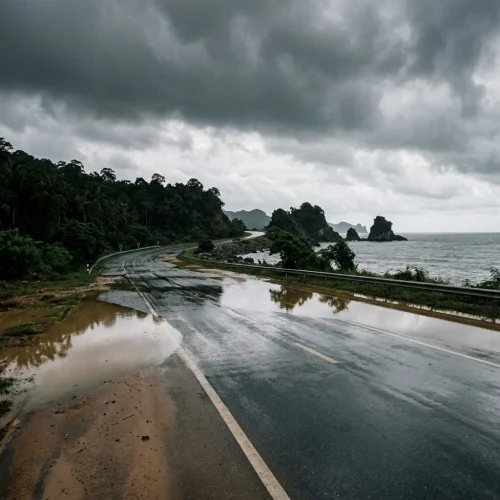
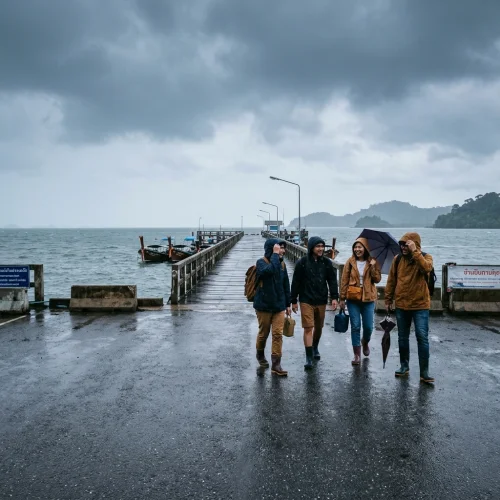
The single best thing you can do is time your arrival for the dry season, as many businesses physically board up and the ferry service reduces drastically between May and October. When drawing cash, use the ATMs at the 7-Eleven in Saladan before heading south on Koh Lanta, as machines become notoriously unreliable the further down the coast you travel. While the local stray dogs are mostly harmless and looked after by an excellent island charity, they can be noisy and territorial at night; a cheap pair of earplugs will save your sleep if your bamboo bungalow has thin walls.
Explore Koh Lanta food and cuisine beyond the beach resorts. Find dark star anise Massaman curries, Lanta Old Town seafood, and hidden morning markets.
The best time to visit Koh Lanta is during the dry season, which runs from November to April. Visiting between May and October is not recommended, as ferry services reduce drastically and many local businesses physically board up for the low season.
How do travellers get to Koh Lanta?
Travellers can reach Koh Lanta from Krabi Airport via minivan and car ferry, a journey taking between 1.5 and 2 hours. Alternatively, the island can be accessed by taking a speedboat from Phuket.
What is the best way to get around Koh Lanta?
Renting a 125cc scooter is the most practical way to get around Koh Lanta, as the main coastal road is generally flat and well-paved, though steep hills in the south require good brakes. Alternatively, motorized side-car tuk-tuks constantly patrol the main beaches, though passengers should always agree on a price before getting in.
Where should you withdraw cash on Koh Lanta?
Visitors should draw cash from the ATMs at the 7-Eleven in Saladan before travelling further south down the island. ATM machines become notoriously unreliable the further south you travel along Koh Lanta's west coast.
Which beach on Koh Lanta is best for families with children?
Klong Dao, located just south of Saladan Pier, is the ideal area for young families. The wide, shallow bay features remarkably calm waters and pushchair-friendly sands.
Which area on Koh Lanta is best for digital nomads?
Long Beach, locally known as Phra Ae, has a thriving digital nomad and backpacker scene. The area is lined with pine trees, beach bars, and laptop-friendly cafes suitable for remote work.
What local dishes should you try on Koh Lanta?
Due to Koh Lanta's strong Thai Muslim heritage, local street carts in Saladan and Klong Dao excel at serving massaman curry and rich, flaky roti pancakes. Visitors should also try gaeng som, a regional specialty featuring a sour, fiercely spicy yellow curry prepared with fresh fish and bamboo shoots.
This page is provided for general information only. While we aim for accuracy, details can change — please verify anything important independently before relying on it.
STAY UP TO DATE
Join our community to get the newest Thailand destination
guides, travel advice, and expat resources delivered straight to your inbox.