Cha-am, a Thai coastal town south of Bangkok, offers fresh crabs directly from fishers at Saphan Hin market. It provides a genuine local beach experience.
About Cha-am
Swap the relentless pace of Bangkok for a coastal retreat where Thai families go to eat exceptional seafood and ride bicycles through pine forests.
Cha-am sits roughly 170 kilometres south of the capital on the Gulf of Thailand, serving as Hua Hin’s sleepier, more affordable northern neighbour. It stretches along a five-kilometre sandy beach fringed by casuarina trees, drawing domestic weekenders rather than international backpacker crowds. The pace here is resolutely slow, perfectly suited for families, retirees, and anyone seeking a proper seaside holiday without the thumping nightlife.
The sea here is rarely crystal clear, trading turquoise waters for a slightly murky, tidal reality. Yet, this means you skip the aggressive touts and overpriced beach clubs, replacing them with deeply authentic street food carts and deckchairs priced for locals. It is a genuine working beach town that happens to welcome visitors, rather than a resort built entirely for them.
This guide breaks down exactly how to navigate the district, from choosing the right stretch of sand to finding the best weekend night markets and transport links. You will find practical advice on accommodation at every price point, realistic daily costs, and the local dishes you actually need to try.
Region
Western Thailand (Phetchaburi Province)
How to get there
Train, bus, or private taxi from Bangkok
Journey time from nearest hub
2.5 to 3 hours from Bangkok
Best time to visit
November to February (cool and dry)
Budget per day (budget / mid-range / luxury)
£30 / £75 / £150+
Ideal length of stay
3 to 5 days
Best for
Families, seafood lovers, and quiet coastal escapes
AREAS & NEIGHBOURHOODS
The district is largely defined by its relationship to the coast, splitting neatly into three distinct zones. North Cha-am appeals heavily to domestic weekenders and budget-conscious travellers, defined by its dense rows of canvas deckchairs and endless parade of pushcart vendors selling grilled squid. Move down to the central beach area and the atmosphere shifts slightly, offering wider pavements and a cluster of mid-range hotels that suit international families wanting easy access to convenience stores and pharmacies. Further south towards the Hua Hin border, the landscape opens up into quieter, more exclusive territory. This southern stretch caters to luxury seekers and long-stay expats, hiding high-end resorts behind thick tropical foliage where the beach is noticeably cleaner and entirely empty of jet skis. Discover exactly which zone suits your travel style in the full areas guide.
TOP EXPERIENCES
Start your mornings early by cycling along the wide, pine-shaded promenade before the midday heat arrives. The teakwood Maruekhathaiyawan Palace is entirely worth the slight detour, offering a fascinating glimpse into 1920s royal summer retreats with its stilted, breezy architecture. Skip the generic tourist traps and head instead to the bustling Saphan Hin seafood market at the northern pier, where you can buy fresh blue swimmer crabs directly from the fishers and have them steamed on the spot. For a break from the sand, hike the limestone trails of Khao Nang Phanthurat Forest Park to find quiet viewpoints over the coast. Plan your itinerary with the full things to do guide.
GETTING AROUND
Navigating the Cha-am coastal strip is remarkably straightforward, though public transport requires a little patience. Orange shared songthaews run up and down the main beach road, costing a flat 30 THB (£0.65) per ride, making them perfect for short hops between your hotel and the night market. Hiring a scooter offers the most freedom for exploring further afield, typically setting you back around 250 THB (£5.50) per day. Just ensure your travel insurance covers two wheels, as local police frequently check international licences. Ride-hailing apps like Grab operate here but are notoriously sparse and expensive compared to Bangkok. Walking is entirely feasible along the immediate beachfront, thanks to the unusually wide and well-maintained pedestrian paths.
WHERE TO STAY
Accommodation heavily favours those who book early, especially around Thai public holidays when domestic tourists flood the coast. Budget travellers should look towards the northern end of the beach road, where simple but spotlessly clean guesthouses offer air-conditioned rooms for around £15 a night. Mid-range options dominate the central strip, providing excellent family-friendly resorts with massive lagoon pools and inclusive breakfasts for roughly £60. If you want genuine seclusion, the southern stretch bordering Hua Hin houses the premium properties. Here, £150 a night secures private villa access and uninterrupted sea views away from the busy public beach. Find your perfect base in the full hotels guide.
FOOD & DRINK
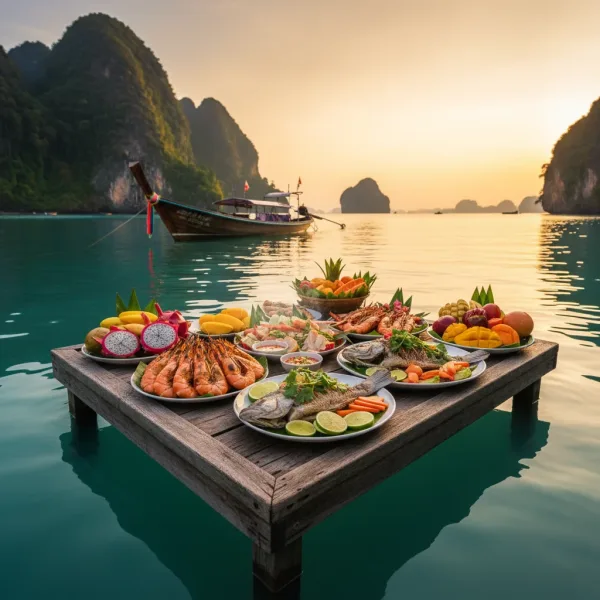
The culinary draw here is unapologetically focused on the ocean, stripping away the pretence of fine dining for spectacular street-side eating. You will find the best meals sitting on a rented canvas beach chair under a parasol, ordering directly from passing vendors. Expect to pay around 150 THB (£3.30) for a massive plate of som tam and sticky rice. You absolutely must try Pla Kapong Neung Manao, a whole sea bass steamed in a fiery, garlic-heavy lime broth, usually costing about 350 THB (£7.70) at the open-air restaurants near the fishing pier. Western food exists, but it is largely an overpriced afterthought compared to the exceptional local catch.
ESSENTIAL TIPS
Timing your visit drastically alters the experience, as the town of Cha-am transforms from a sleepy ghost town on Tuesdays to a packed domestic playground by Friday evening. Be aware that most beach vendors pack up entirely on Wednesdays for a mandatory municipal cleaning day, which leaves the sand beautifully empty but means you will need to walk inland for lunch. Always carry small denomination Thai Baht notes, as the pushcart vendors rarely have change for a thousand-baht bill and card machines are practically non-existent on the sand. Finally, pack serious mosquito repellent if you plan to dine outdoors near the pine forests at dusk.
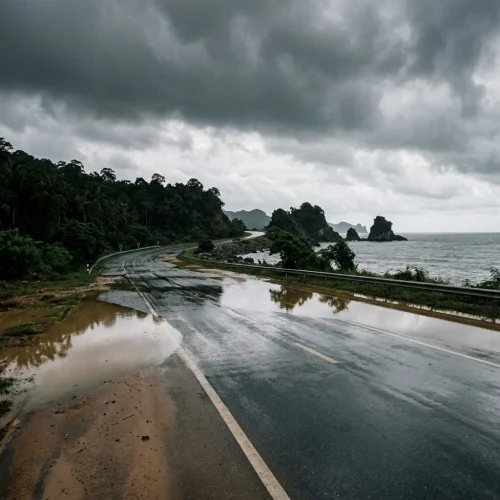
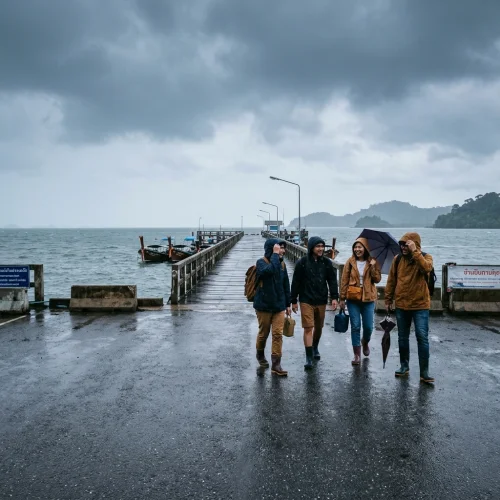
Master the Cha-am climate with our honest guide. Learn exact temperatures, monsoon risks, and why packing a £1.15 rain poncho is better than an umbrella.
Who is Cha-am best suited for as a travel destination?
Cha-am is a quiet coastal town in Western Thailand, located about 170 kilometres south of Bangkok. With its relaxed pace, pine-shaded beaches, and lack of thumping nightlife, it is best suited for families, retirees, and travellers seeking a calm, authentic seaside holiday.
What is the best time of year to visit Cha-am?
The best time to visit Cha-am is between November and February, when the weather is cool and dry. Additionally, weekly timing matters, as Cha-am transforms from a sleepy town on Tuesdays into a lively weekend destination by Friday evening.
Is the water clear for swimming at Cha-am Beach?
The sea at Cha-am is rarely crystal clear, trading turquoise waters for a slightly murky, tidal environment. However, this keeps aggressive touts and overpriced beach clubs away, offering an authentic working beach town atmosphere with reasonably priced deckchairs and street food.
What happens on Wednesdays at Cha-am Beach?
Wednesdays are mandatory municipal cleaning days along Cha-am Beach, during which almost all beach vendors pack up completely. While this leaves the sandy shore beautifully empty, visitors will need to walk inland from the beach to find lunch.
How can travellers get around Cha-am?
Getting around Cha-am is straightforward, with orange shared songthaews providing low-cost rides up and down the main beach road. Walking is easy along the unusually wide beachfront paths, and scooters can be rented for wider exploration. Ride-hailing apps like Grab operate in the area, but availability is sparse compared to Bangkok.
What should travellers know before renting a scooter in Cha-am?
Before hiring a scooter in Cha-am, ensure your travel insurance policy covers two-wheeled vehicles. Local police frequently conduct checks for international driving licences along the coastal routes, so proper documentation is required.
Where is the best place to buy fresh seafood in Cha-am?
The best place to buy fresh seafood is at the bustling Saphan Hin seafood market located near the northern pier. Here, visitors can purchase fresh blue swimmer crabs directly from local fishers and have them cooked or steamed on the spot.
Do beach vendors in Cha-am accept credit cards?
Credit card machines are practically non-existent on the beach in Cha-am, so cash is essential. Visitors should always carry small-denomination Thai Baht notes, as pushcart vendors rarely have change for large thousand-baht bills.
What are the main areas to stay in Cha-am?
Cha-am splits into three primary coastal zones for accommodation. Budget guesthouses are concentrated near North Cha-am, mid-range family resorts line the central beach close to pharmacies and convenience stores, and high-end luxury resorts with private villas lie further south towards Hua Hin.
This page is provided for general information only. While we aim for accuracy, details can change — please verify anything important independently before relying on it.
STAY UP TO DATE
Join our community to get the newest Thailand destination
guides, travel advice, and expat resources delivered straight to your inbox.