Healthcare in Thailand when Retiring

Securing a Non-Immigrant O-A retirement visa for Thailand legally requires you to hold approved health insurance, but relying solely on the mandatory minimum cover leaves you highly exposed to private hospital fees. Annual premium costs for comprehensive medical policies jump significantly at age 65, forcing many British retirees to drastically adjust their long-term financial planning.
This guide details the exact healthcare realities for British retirees in Thailand, moving beyond the basic visa mandates to cover actual medical costs, insurance premiums, and the loss of NHS entitlements. You will learn how to budget for age-related care, prescription medications, and private hospital treatments across your retirement years. This page is designed for UK nationals actively calculating their retirement budget and assessing long-term medical risks. It is not for younger expats or digital nomads relying on travel insurance.

Visa Health Insurance Mandates and NHS Entitlements
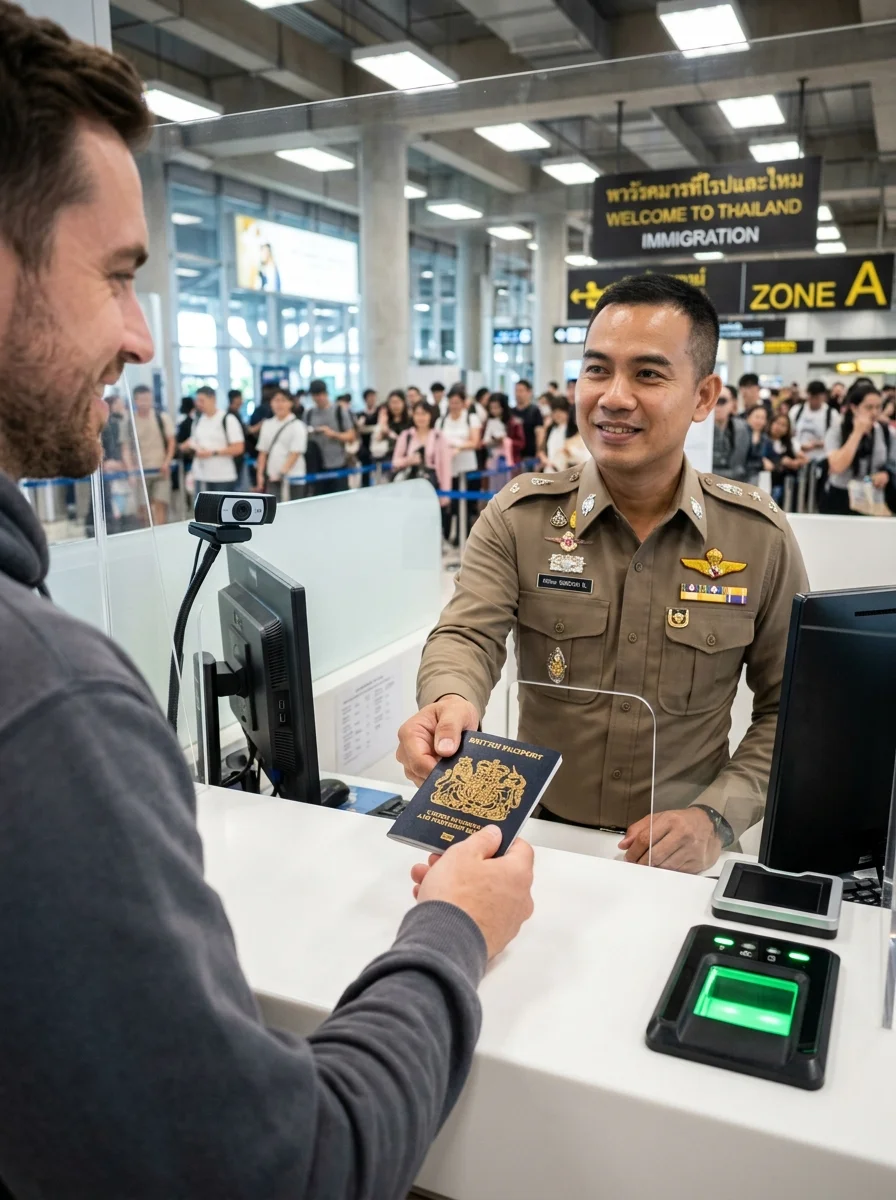
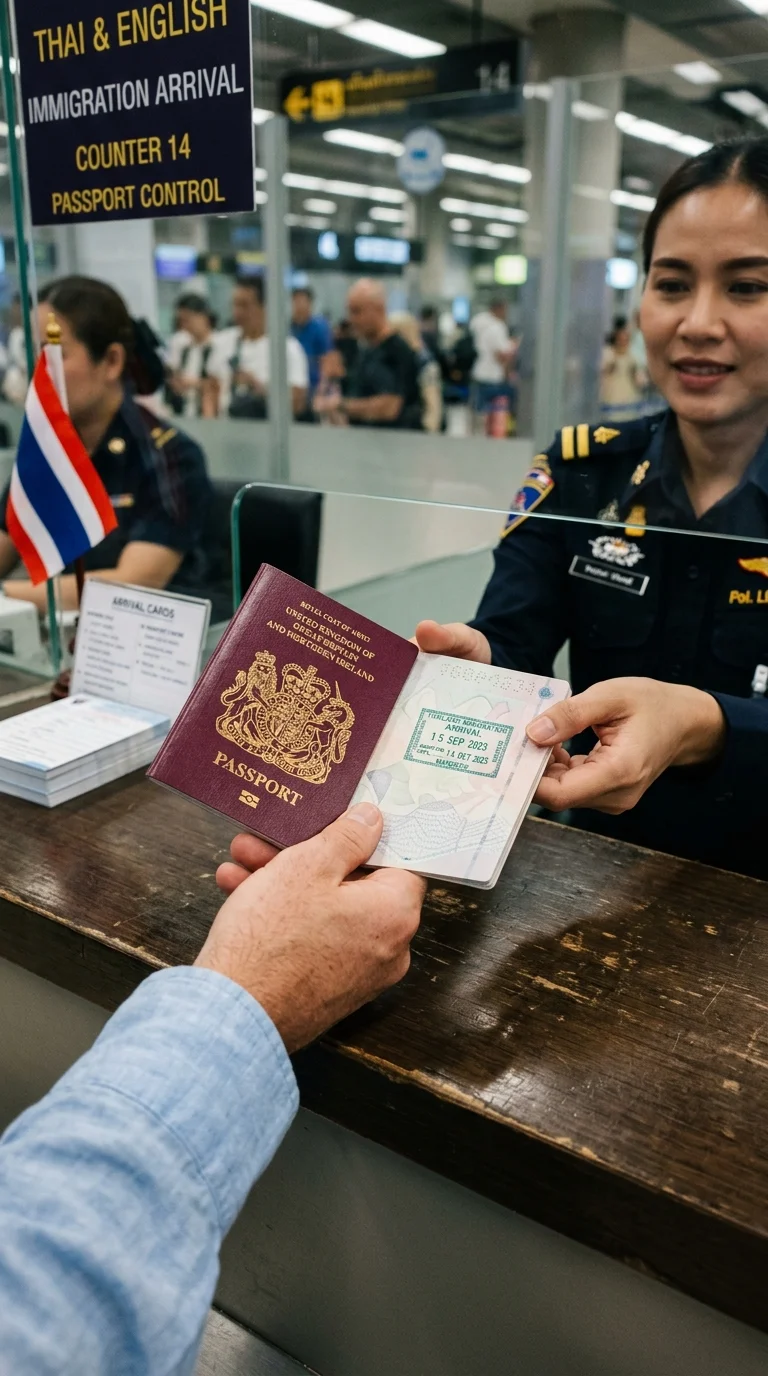
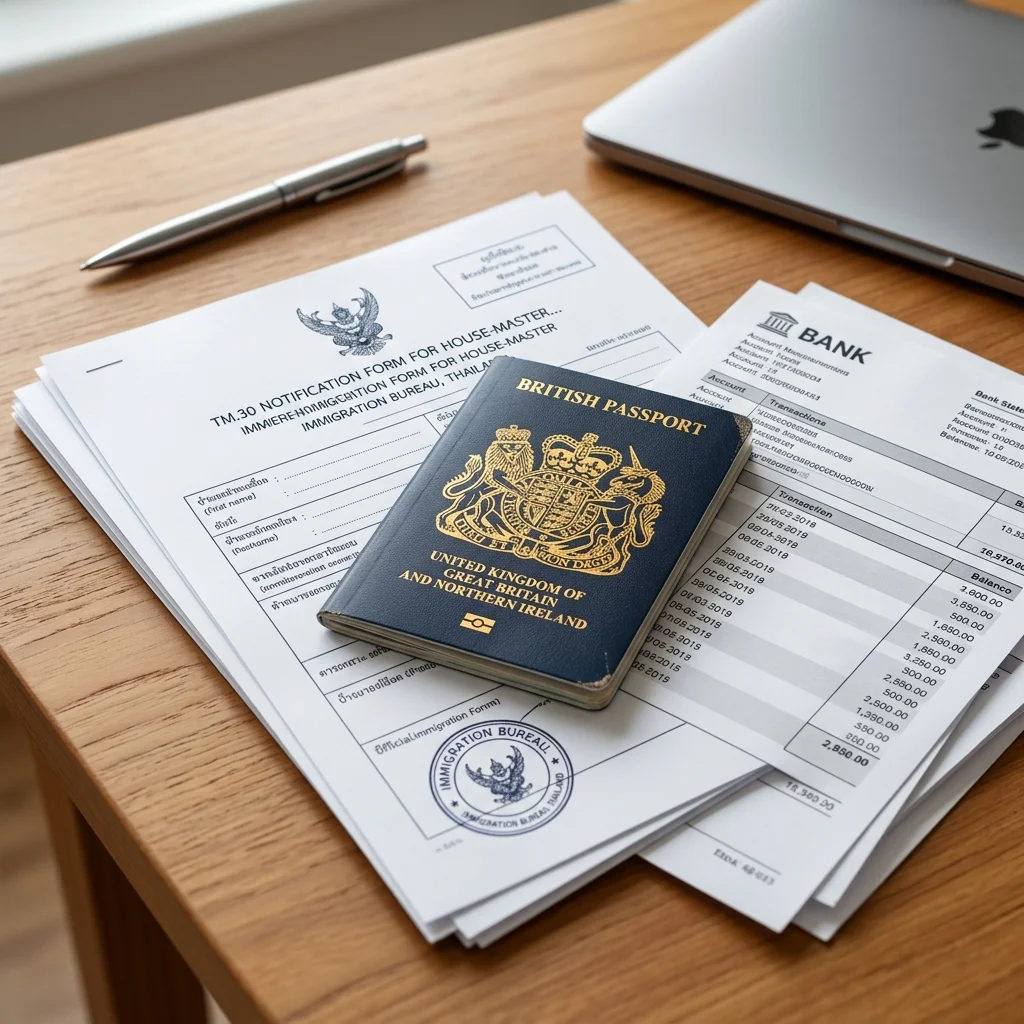
Securing your right to retire in Thailand dictates your initial healthcare setup, as the Non-Immigrant O-A visa requires mandatory medical coverage. Thai immigration rules stipulate a minimum inpatient cover of 40,000 THB (£880) and outpatient cover of 10,000 THB (£220) from an approved provider. Relying solely on these minimums leaves you highly vulnerable. A single night in a private intensive care unit can easily exceed 100,000 THB (£2,200). You must also factor in the loss of your UK state healthcare entitlements. Once you move abroad permanently and cease being ordinarily resident in the UK, you lose automatic access to free NHS hospital treatments. Returning to Britain for planned operations is no longer legally permitted unless you resume permanent residency. This makes comprehensive local insurance essential. When applying for the visa at the Thai Embassy in London, you must present a specific foreign insurance certificate completed by your provider. Immigration officials rigorously check that the policy explicitly states the required minimum limits. Purchasing a robust international policy ensures you meet visa requirements while genuinely protecting your retirement capital. Always secure a policy that vastly exceeds the legal minimums to guarantee actual financial protection.
Discover how to learn Thai as a UK expat, including Education Visa rules, the best language schools, realistic timelines, and monthly tuition budgeting.
| Visa Route | Healthcare Requirement | Minimum Cover Required | Notes |
|---|---|---|---|
| Non-Immigrant O-A | Mandatory approved insurance | 40,000 THB Inpatient / 10,000 THB Outpatient | Must be maintained for the entire duration of the visa |
| Non-Immigrant O | No mandatory insurance | None legally required | Self-funding or voluntary insurance highly recommended |
| LTR Visa (Wealthy Pensioner) | Mandatory insurance or deposit | $50,000 USD cover or $100,000 USD deposit | Requires significantly higher baseline wealth |
| Permanent Residency | No mandatory insurance | None legally required | Only available after holding consecutive yearly extensions |
Health Insurance Premiums and Pre-Existing Conditions
Sponsored
Age is the primary determining factor for health insurance costs in Thailand. Premiums escalate sharply as you advance through retirement. A healthy 55-year-old can expect to pay around 65,000 THB (£1,430) annually for a standard comprehensive policy. By age 60, this typically rises to 90,000 THB (£1,980). At 65, premiums jump significantly to approximately 140,000 THB (£3,080). For those aged 70 and above, maintaining comprehensive cover often exceeds 250,000 THB (£5,500) per year. Pre-existing conditions present a serious challenge. Thai insurers routinely exclude them or apply massive premium loadings. If you develop a chronic illness during your policy term, local providers may hike your renewal rates until they become entirely unaffordable. British retirees facing priced-out policies often have to self-insure. This requires holding substantial cash reserves, typically a minimum of 2,000,000 THB (£44,000), in a dedicated medical emergency fund. If you choose to self-insure after age 70, you must be highly disciplined by ring-fencing this fund entirely apart from your daily living expenses. International providers like Cigna, Pacific Prime, and Luma offer more stable long-term options for expats. Budget for significant premium increases every five years to prevent being priced out of your medical cover.
| Age Bracket | Estimated Annual Premium (THB) | Estimated Annual Premium (GBP) | Policy Type |
|---|---|---|---|
| 55 Years Old | 65,000 THB | £1,430 | Comprehensive Inpatient & Outpatient |
| 60 Years Old | 90,000 THB | £1,980 | Comprehensive Inpatient & Outpatient |
| 65 Years Old | 140,000 THB | £3,080 | Comprehensive Inpatient & Outpatient |
| 70+ Years Old | 250,000+ THB | £5,500+ | Comprehensive Inpatient Only (High Deductible) |
Private Hospital Quality and Specialist Treatment Costs
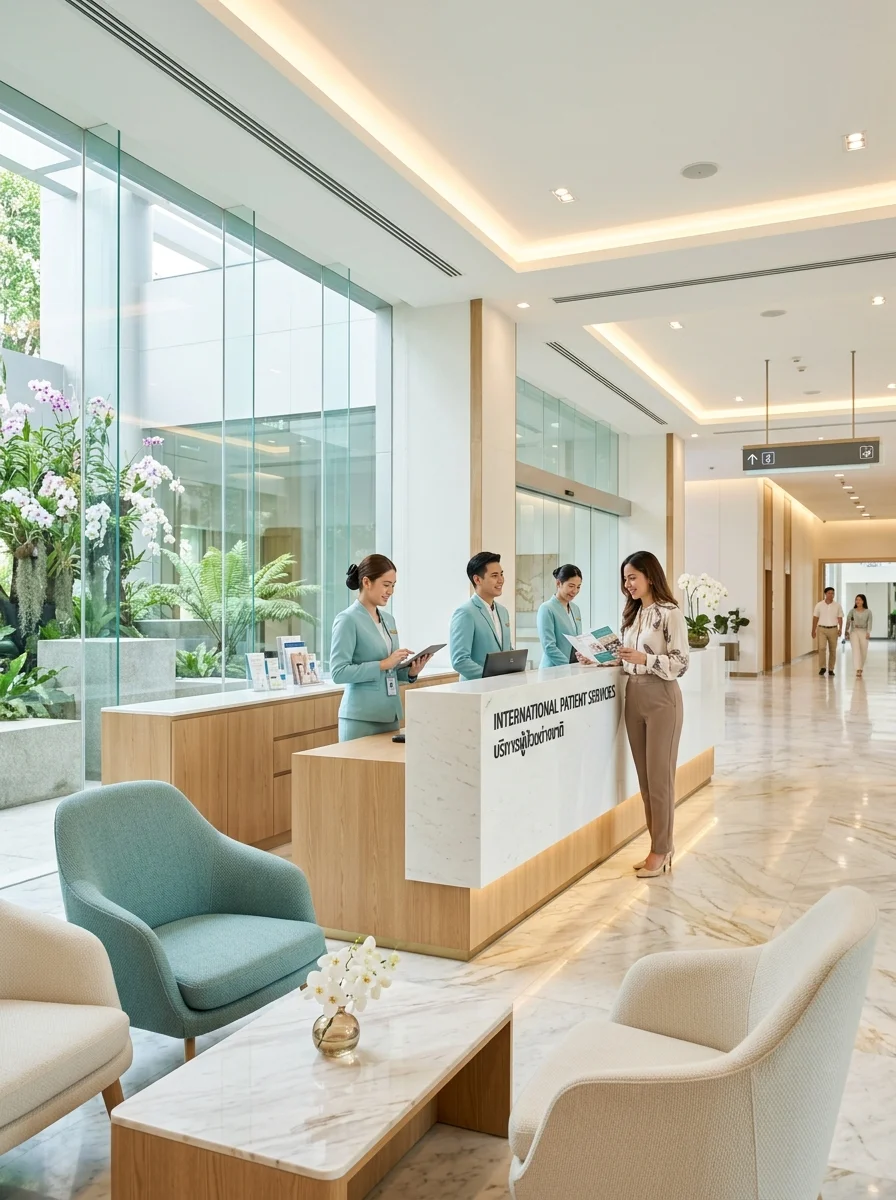
Thailand offers exceptionally high standards of private medical care. This is particularly true for age-related conditions requiring specialist intervention. Facilities like Bumrungrad International feature dedicated cardiac, orthopaedic, and oncology centres equipped with the latest diagnostic technology. The speed of access to specialists is a major advantage of the Thai private system. Unlike the extensive waiting lists often experienced in the UK, you can typically see a consultant cardiologist or orthopaedic surgeon within forty-eight hours. Quality comes at a steep price. A total hip replacement costs around 450,000 THB (£9,900). Complex cardiac bypass surgery easily reaches 1,200,000 THB (£26,400). Cancer treatments involving targeted radiation or chemotherapy can drain savings rapidly, often requiring 150,000 THB (£3,300) per monthly cycle. Routine age-related maintenance is far more affordable and highly accessible. High-quality dental crowns typically cost 15,000 THB (£330). Comprehensive optical exams with premium varifocal lenses run about 12,000 THB (£264). Private hospitals operate like premium hotels, offering private en-suite rooms and translation services. These facilities require upfront payment or a direct billing agreement with a recognised insurance provider before admitting you. Registering with a major private hospital upon arrival ensures your medical records are established before an emergency occurs.
| Treatment / Procedure | Average Cost (THB) | Average Cost (GBP approx) | Notes |
|---|---|---|---|
| Total Hip Replacement | 450,000 THB | £9,900 | Includes standard 4-day hospital stay |
| Cardiac Bypass Surgery | 1,200,000 THB | £26,400 | Complex procedure requiring ICU recovery |
| Chemotherapy (Per Cycle) | 150,000 THB | £3,300 | Costs vary heavily by specific drug used |
| Premium Dental Crown | 15,000 THB | £330 | Ceramic or porcelain fused to metal |
Prescription Medication Costs and Long-Term Care Realities

Managing chronic conditions requires careful financial planning. Thailand does not subsidise prescription medications in the way the NHS does. While basic drugs for blood pressure or cholesterol are cheap, specialist medications are entirely out-of-pocket expenses. Biologics for autoimmune conditions like rheumatoid arthritis can cost upwards of 50,000 THB (£1,100) per month. Many common UK brand-name medications are available in major Thai pharmacies. Pharmacists in Thailand hold significant prescribing authority, allowing you to purchase many medications over the counter that would strictly require a GP prescription in the UK. Sourcing locally manufactured generic alternatives can reduce your monthly pharmacy bill by up to seventy percent. As you age, the reality of long-term care becomes a critical consideration. Thailand lacks a state-funded social care system. This means assisted living or nursing home care is entirely self-funded. High-quality private care homes charge between 40,000 THB (£880) and 80,000 THB (£1,760) per month, which includes 24-hour nursing supervision. If long-term care becomes financially unviable, medical repatriation to the UK via a specialised air ambulance costs upwards of 4,000,000 THB (£88,000). Always verify the exact local availability and pricing of your specific daily medications before finalising your relocation budget.
| Medication / Care Type | Monthly Cost (THB) | Monthly Cost (GBP approx) | Notes |
|---|---|---|---|
| Basic Generic Blood Pressure Meds | 500 THB | £11 | Locally manufactured variants |
| Imported Biologics (Autoimmune) | 50,000 THB | £1,100 | Entirely out-of-pocket, unsubsidised |
| Private Nursing Home Care | 60,000 THB | £1,320 | Includes accommodation, meals, and 24/7 nursing |
| Medical Repatriation Flight | 4,000,000 THB | £88,000 | One-off cost for specialised air ambulance to UK |
Costs and Budgeting
Accurately forecasting your monthly expenditure is vital for a sustainable retirement in Thailand. Beyond your visa capital requirements, your day-to-day living costs will vary significantly depending on your location. A comfortable retirement in a primary expat hub like Bangkok requires a higher baseline than quieter provinces. Renting a modern one-bedroom apartment in a central area consumes a large portion of the budget. You must also factor in rising electricity costs from constant air conditioning use. Groceries mixing local produce with imported British comforts will increase your food expenditure. Healthcare remains the most volatile variable, as monthly insurance premiums replace the safety net of the NHS. Transport costs are generally low, especially if relying on modern mass transit systems rather than maintaining a private vehicle. The table below outlines a realistic monthly budget for a single retiree maintaining a comfortable lifestyle.
| Item | Monthly Cost (THB) | Monthly Cost (GBP approx) | Notes |
|---|---|---|---|
| Rent (1-Bed Apartment) | 25,000 THB | £550 | Central Bangkok or prime Phuket location |
| Utilities & Internet | 4,500 THB | £99 | Heavily dependent on daily air conditioning usage |
| Food & Groceries | 15,000 THB | £330 | Mix of local markets and imported Western goods |
| Transport | 3,000 THB | £66 | Using BTS/MRT and occasional taxis |
| Healthcare Premium | 11,500 THB | £253 | Based on an average 65-year-old comprehensive policy |
| Entertainment & Dining | 12,000 THB | £264 | Regular meals out and social activities |
| Visa Extensions & Admin | 1,000 THB | £22 | Averaged monthly cost of annual visa renewals |
Common Mistakes and How to Avoid Them

Relying on cheap local insurance to meet Non-O-A visa requirements is a critical error. This leaves you dangerously underinsured, risking financial ruin from intensive care bills. Secure a comprehensive policy offering high annual limits rather than just fulfilling immigration mandates.
Assuming you can fly back to Britain for free NHS operations is incorrect. Becoming a permanent resident in Thailand legally revokes your entitlement to non-emergency NHS treatment. You must build total self-sufficiency into your Thai healthcare plan.
Failing to declare pre-existing conditions when applying for coverage will destroy your financial security. Insurers investigate medical histories during major claims and instantly void policies for omissions. Always declare every historical issue, even if it results in specific exclusions.
Moving without checking the availability of daily prescription drugs causes budget crises. Many specialist medications are unavailable locally or prohibitively expensive compared to fixed NHS charges. Consult a Thai pharmacy before moving to confirm your medications are affordable.
Practical Tips
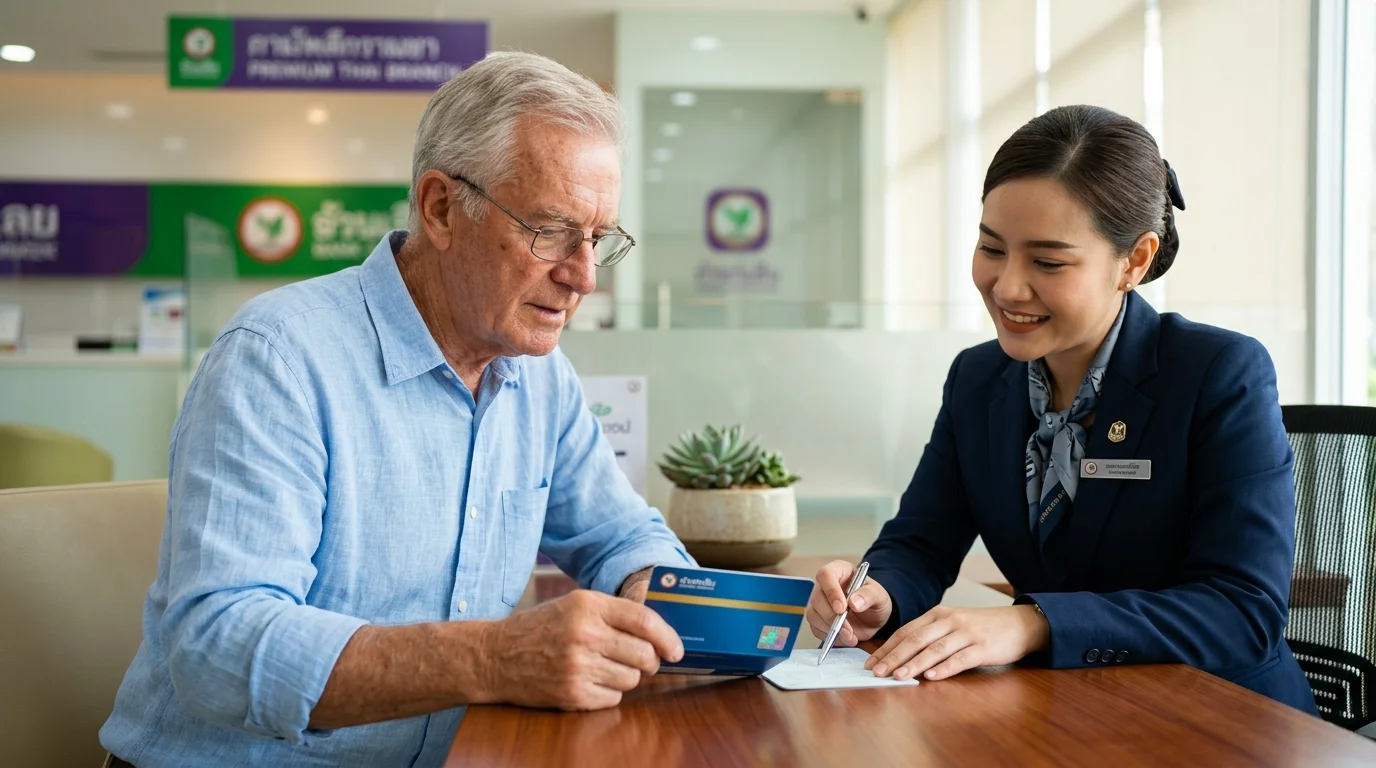
Register with a top-tier private hospital immediately upon arriving in your chosen Thai province. Establishing a patient record and obtaining a hospital card drastically speeds up admission during a medical emergency.
Build a dedicated cash emergency fund in a high-interest Thai bank account to cover insurance deductibles. Having immediate access to 500,000 THB (£11,000) prevents delays in treatment while waiting for insurance pre-authorisation.
Ask your local Thai pharmacist about domestically manufactured generic alternatives for your daily medications. Companies like the Government Pharmaceutical Organisation produce high-quality equivalents that cost a fraction of imported British brands.
Keep physical copies of your health insurance certificate and emergency contact numbers in your wallet at all times. Private ambulances and hospitals need immediate proof of ability to pay before dispatching advanced life support units.
Schedule comprehensive dental and optical check-ups in Thailand rather than during visits back to the UK. The standard of private dental care is exceptional, and out-of-pocket costs are significantly lower than British private clinics.
Request a detailed English-language summary of your medical records from your UK GP before deregistering. Thai specialists need this baseline data to accurately continue your care and safely prescribe new medications.
Investigate the direct billing networks of any health insurance policy before purchasing it. Choosing an insurer that settles bills directly with your local Thai hospital saves you from temporarily fronting massive surgical costs.
Quick Reference Table
| Item | Detail | Notes |
|---|---|---|
| Primary Visa Route | Non-Immigrant O-A | Requires ongoing proof of financial means and health cover |
| Mandatory Minimum Cover | 40,000 THB Inpatient / 10,000 THB Outpatient | Legal minimum for O-A visa; entirely insufficient for real emergencies |
| Average Premium (Age 65) | 140,000 THB (£3,080) annually | Costs scale aggressively with age and pre-existing conditions |
| Private Hospital Standard | Exceptionally high | Fast access to specialists, modern diagnostic equipment, private rooms |
| NHS Entitlement | Revoked upon permanent relocation | Cannot return to the UK solely for free planned operations |
| Prescription Costs | Self-funded | High costs for biologics; cheap local generics available for basics |
| Long-Term Care Options | Private nursing homes | 40,000 - 80,000 THB monthly; entirely self-funded |
| Medical Repatriation | 4,000,000+ THB (£88,000) | Requires specialised air ambulance; rarely covered by basic policies |