Choosing Between Thailands Two Gulf Coast Giants
When deciding on a coastal base within easy reach of Bangkok, you will inevitably find your choices split between the historic royal sanctuary of Hua Hin on the western coast of the Gulf of Thailand and the massive, sprawling metropolis of Pattaya on the eastern seaboard. Both destinations offer highly established infrastructure, high-end championship golf courses, and distinct, long-standing expat communities, yet they operate on entirely different social frequencies that appeal to very different lifestyles. While Hua Hin appeals to those seeking a dignified pace of life, traditional Thai etiquette, and a natural protective rain shadow created by the Tenasserim Hills that keeps the town drier during the wet months, Pattaya draws those who want urban convenience, round-the-clock entertainment, and easy access to pristine offshore islands like Koh Larn. Whether you are planning a short winter holiday, a family getaway, or looking to purchase a retirement property, understanding the stark differences in atmosphere, beach quality, and daily living costs will determine which of these coastal hubs fits your personal and financial expectations.

Hua Hin
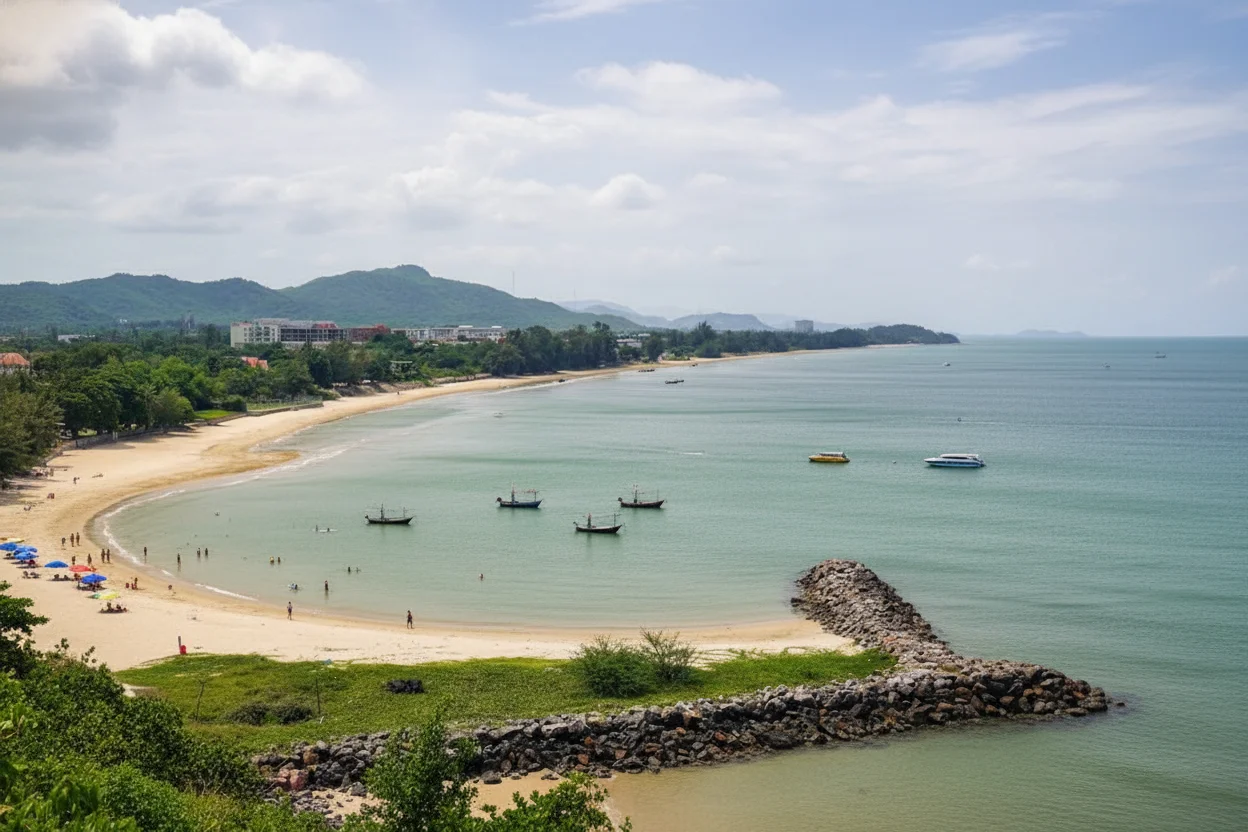
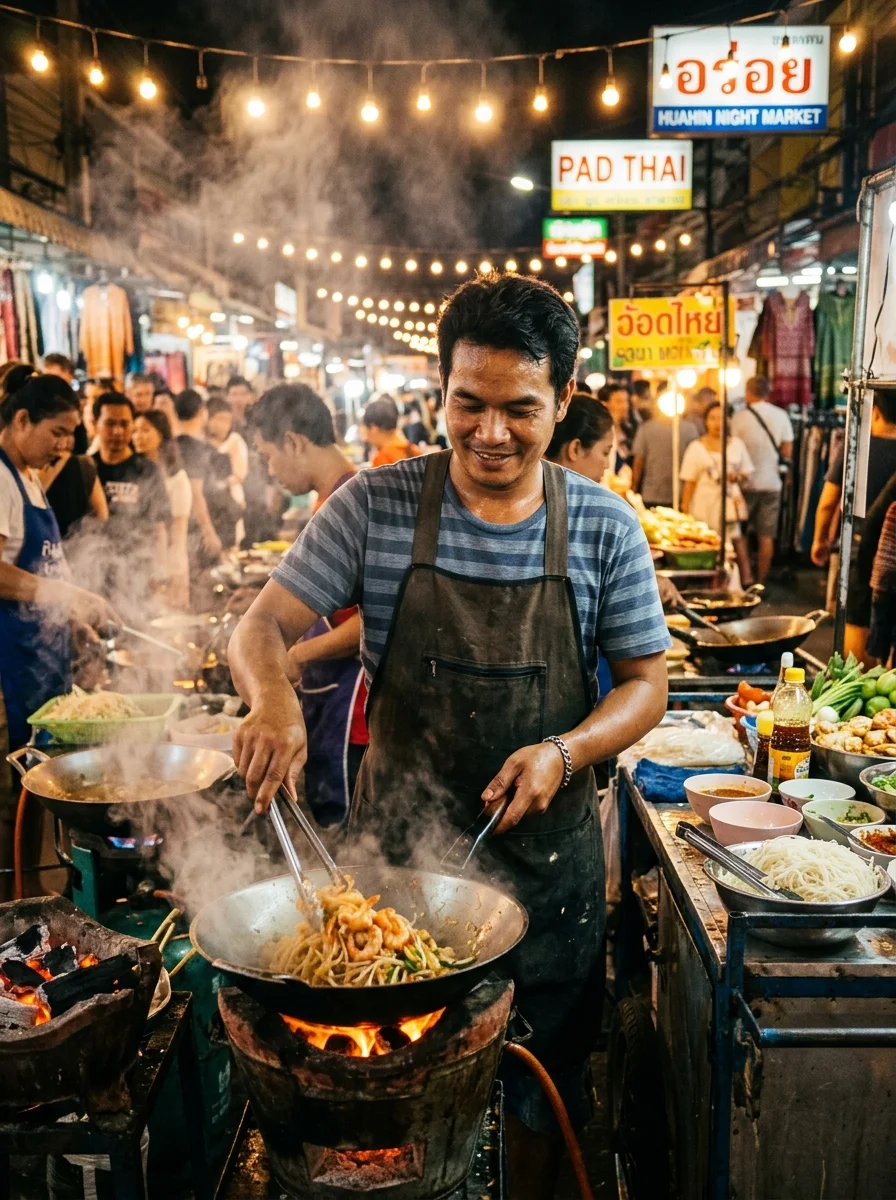
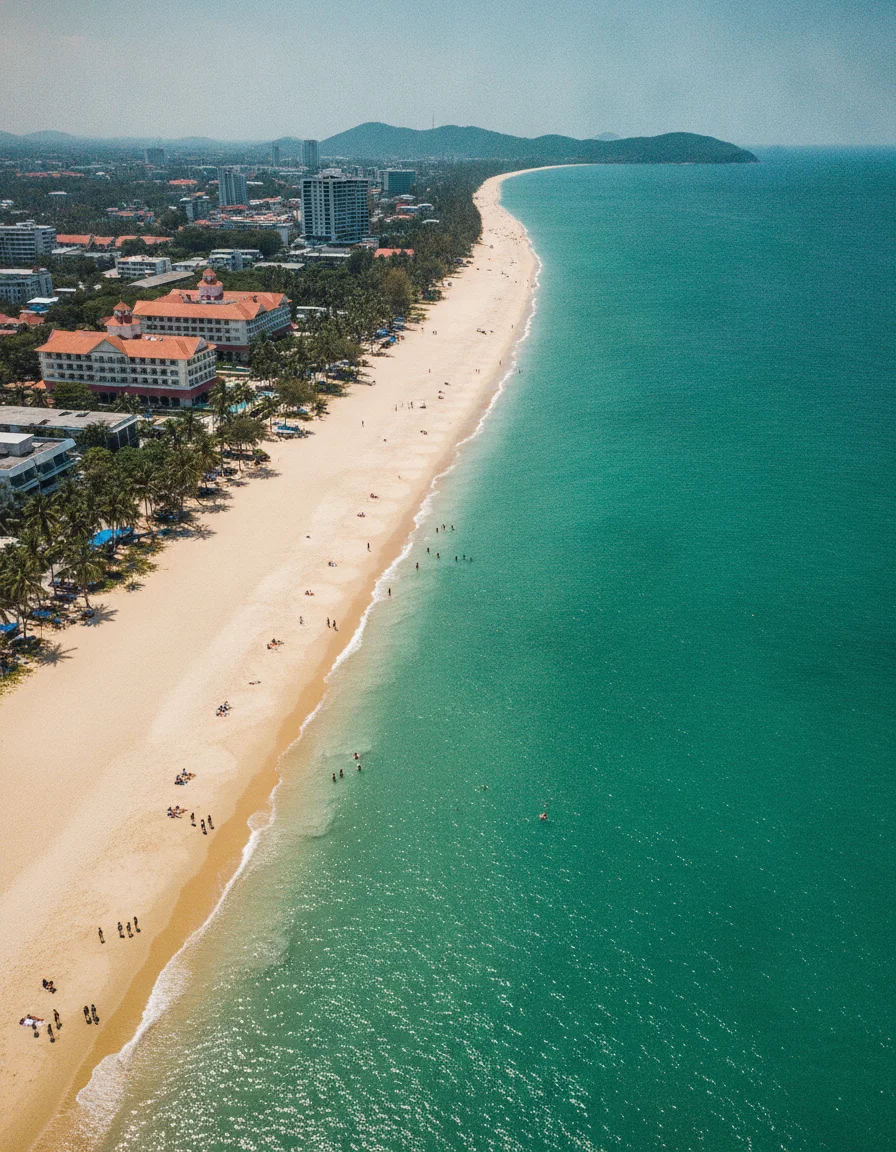
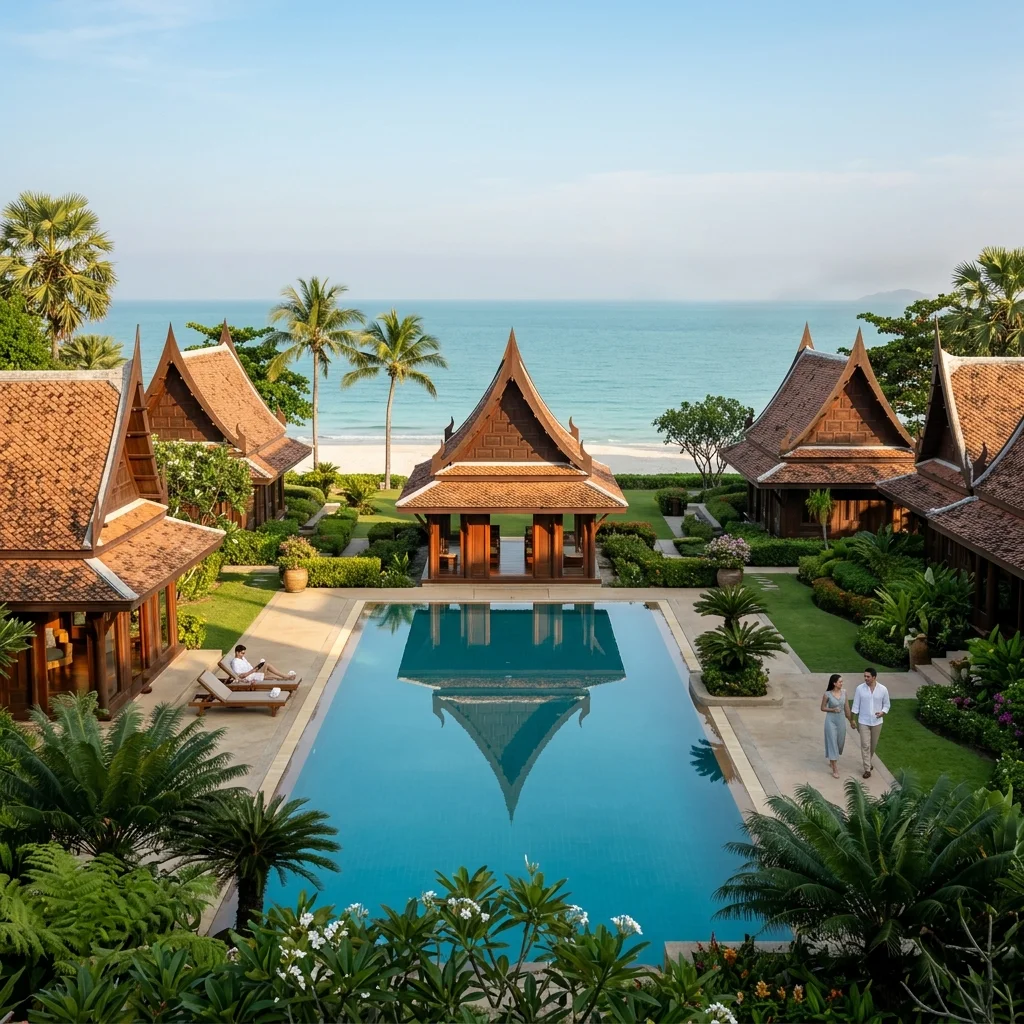
Positioned 200 kilometres south of the capital in Prachuap Khiri Khan province, Hua Hin serves as a sophisticated urban-coastal strip on the sunrise coast of the Gulf of Thailand, positioning itself as a premium residential and retirement market characterised by polite restraint. The area retains its historic prestige as a royal retreat, home to the Klai Kangwon Palace, which influences the local culture to maintain a quiet, measured pace completely free of rowdy, neon-lit nightlife. Your days here are likely to revolve around high-end leisure, from playing a round at the acclaimed Black Mountain Golf Course to sampling local delicacies like crispy oyster omelettes at the Chatchai Night Market or sweet mango sticky rice at Mae Nong Nuch. Financially, the town accommodates a range of budgets, with daily mid-range costs sitting around £75, whilst accommodation ranges from simple £20 central guesthouses to premium £180-per-night luxury estates along the northern coastline. The destination is a natural fit for long-stay retirees, families, and golfers who value reliable infrastructure, paved pavements, and the preservation of traditional Thai social norms. Conversely, it will not suit travellers who prefer a rugged southern island vibe, nor is it appropriate for those who expect to walk around the town streets in swimwear, a practice considered highly offensive off the sand. Getting here requires a three-to-four-hour journey from Bangkok, with options including a 300 THB coach, a 412 THB second-class train, or a 2,000 THB private car transfer. A massive practical benefit is the local weather pattern, as the nearby Tenasserim Hills cast a protective rain shadow over the region, making Hua Hin significantly drier during the peak monsoon months of October and November than its eastern counterpart. However, the biggest compromise you must accept is the beach itself, where the sand is coarse, the water is often shallow or murky, and high tides frequently submerge the entire shoreline against the concrete sea walls. Ultimately, the defining element of Hua Hin is its uncompromising preservation of traditional Thai dignity, making it the premier choice for a quiet, long-term coastal relocation.
Pattaya
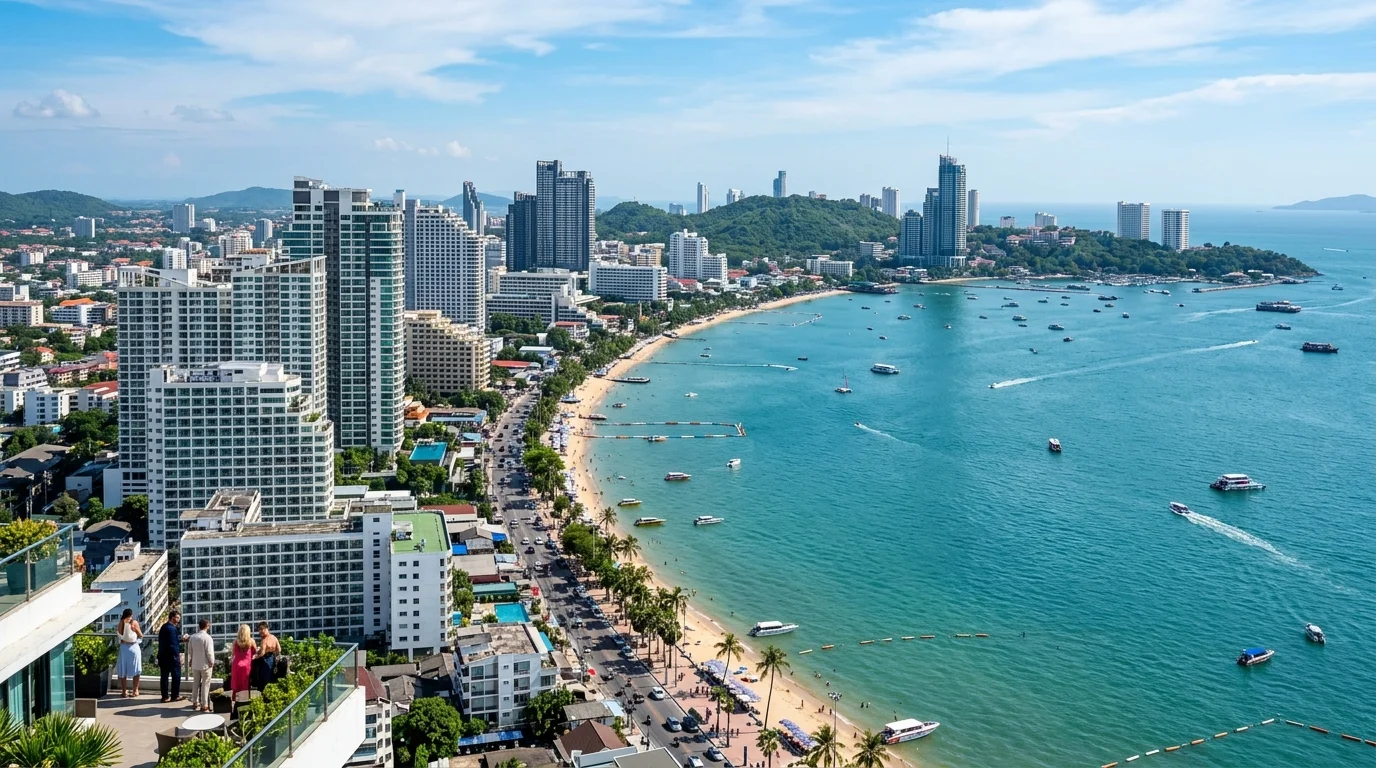
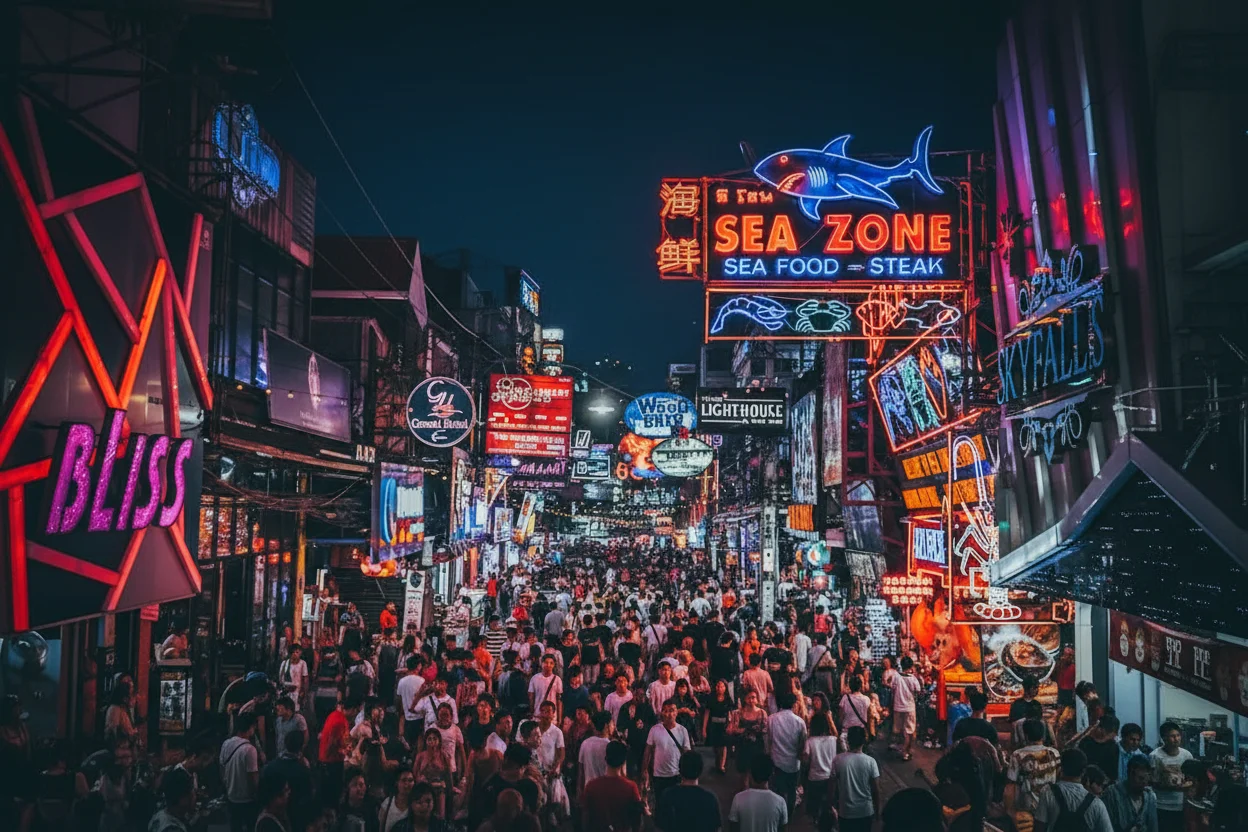
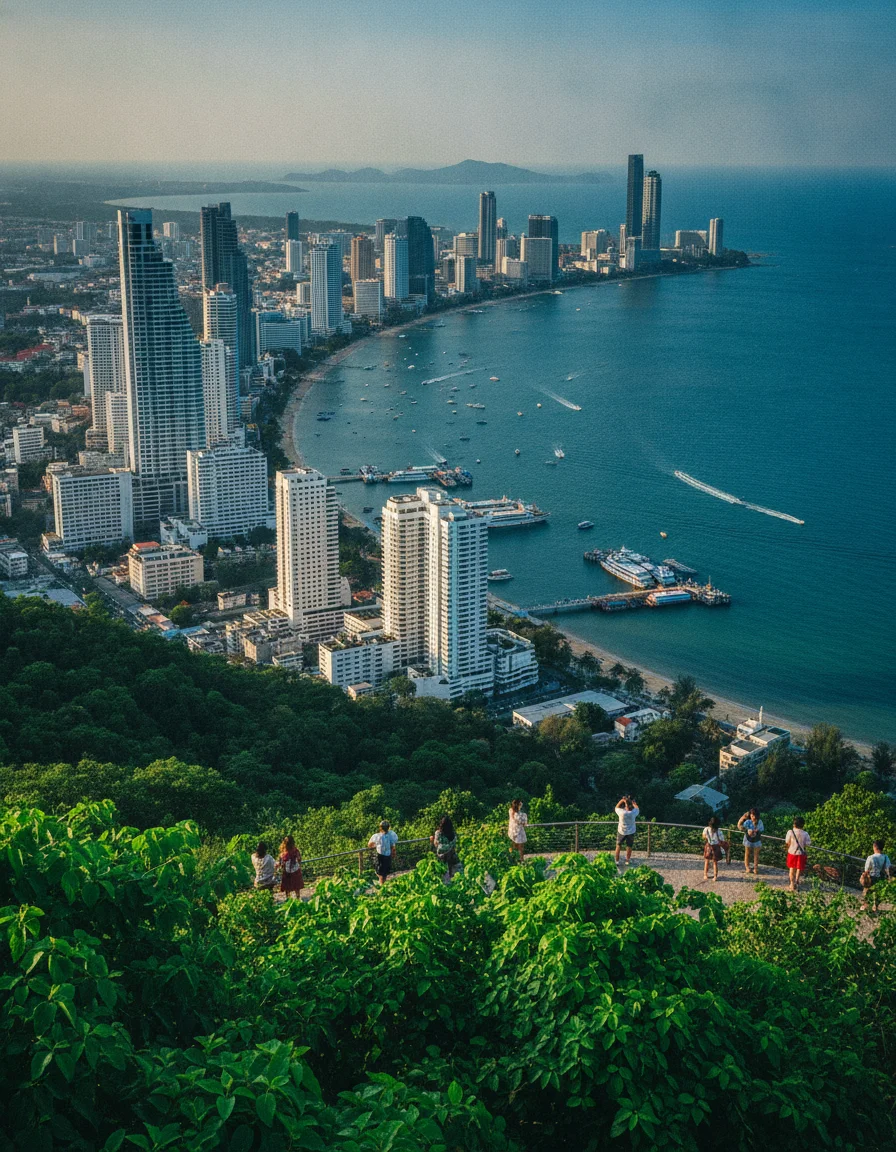
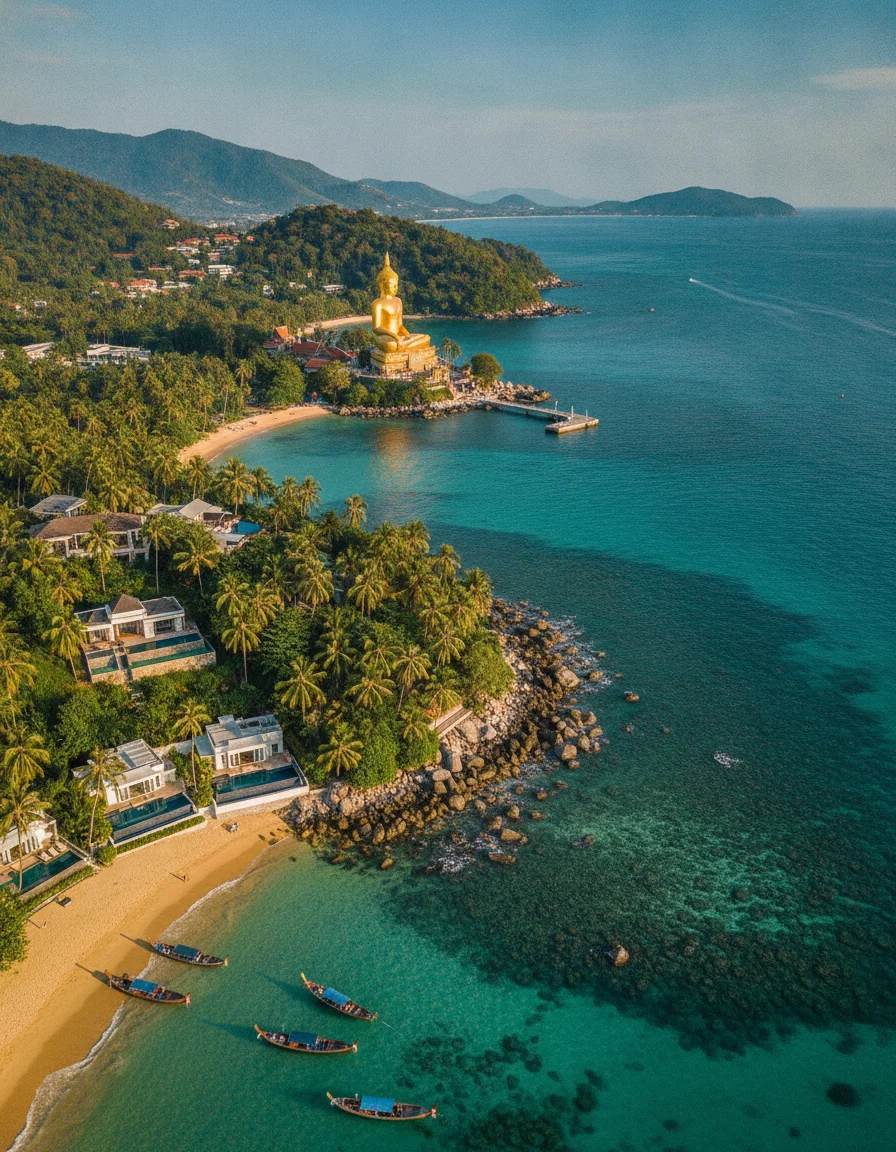
Located 150 kilometres southeast of Bangkok in Chonburi Province, Pattaya is a massive, highly functional coastal metropolis that serves as a weekend playground for the capital and a primary hub for international retirees. The overall atmosphere transitions from frantic and rowdy along the neon-drenched central streets to a leafy, relaxed pace in northern Wong Amat and the family-friendly southern stretch of Jomtien. You can expect a highly urbanised lifestyle where street food meals cost as little as 50 THB, while a high-end dinner featuring fresh local seafood at Mum Aroi will cost around 1,200 THB. Accommodation caters to all sectors, offering basic £15 guesthouses, mid-range hotels with rooftop pools for £40 to £60, and luxury waterfront options like the Pullman Pattaya Hotel G starting around £120 per night. The resort is ideal for those who prioritise urban convenience, diverse dining options ranging from spicy Isan dishes to Russian borscht, and immediate access to top-tier international hospitals. It will not suit travellers seeking pristine mainland waters or those who are sensitive to the noise of nightlife venues that operate until 4 AM in the central district. For recreation, the area features more than twenty championship golf courses and striking cultural landmarks such as the massive, all-wood Sanctuary of Truth. Travel to and from the capital is swift and affordable, taking just 90 to 120 minutes from Suvarnabhumi Airport via a 143 THB Roong Reuang coach or a 1,500 THB private taxi. The most critical physical feature of the city is its grand 2.7-kilometre shoreline restoration project, which has successfully widened the main beach from a tiny 3.4-metre strip to a spacious 35-metre expanse of imported sand. Despite some local infrastructure drawbacks like uneven pavements, the sheer variety of entertainment and nearby island escapes like Koh Larn ensures that Pattaya remains one of the most dynamic coastal cities in Southeast Asia.
Discover the best of Hua Hin Food & Cuisine with our expert guide. Find the top spots for salt-crust grilled fish and mango sticky rice at local prices.
Comparative Breakdown of Hua Hin and Pattaya
| Hua Hin | Pattaya | |
|---|---|---|
| Transfer time from Bangkok | 3 to 4 hours from the capital by train, Roong Reuang coach, or private car. | 90 to 120 minutes from Suvarnabhumi Airport or Ekkamai Eastern Bus Terminal. |
| Atmosphere and pace | Sophisticated urban-coastal lifestyle with polite restraint and a quiet, royal sanctuary feel. | Frantic and rowdy in neon-lit central streets, shifting to a leafy, relaxed pace in Jomtien. |
| Main beach characteristics | Coarse sand and shallow, murky water that is frequently swallowed by high tides against sea walls. | Expanded 35-metre-wide main beach with sand restoration, but poor water quality in central areas. |
| Biggest practical trade-off | Limited beach usability due to tidal swells and strict local etiquette regarding dress codes. | High central city water pollution levels and uneven pavements featuring hidden gaps. |
| Signature local landmark | Klai Kangwon Palace, Khao Takiab temple, and Phraya Nakhon Cave in Khao Sam Roi Yot. | Sanctuary of Truth all-wood structure, Buddha Mountain, and Tiffany's Show. |
| Daily cost and accommodation | Daily mid-range spend of £75, with Khao Takiab seaside condos priced between £50 and £80. | Daily mid-range spend of £75 to £80, with central rooftop pool hotels costing £40 to £60. |
| Best time to visit | November to February cool season, with June as a drier, low-cost alternative. | November to February cool season, with early November offering calmer seas before peak crowds. |
| Transport links and local transit | Local green songthaews, traditional tuk-tuks, and domestic flights from Hua Hin Airport to Chiang Mai. | Dark blue songthaew loop buses, Bolt app, and Bali Hai Pier ferries to Koh Larn. |
Which Coastal Destination Suits Your Travel Style
The choice between these two destinations ultimately depends on your relationship with urban density and traditional Thai etiquette. Hua Hin operates under an atmosphere of dignified pace and royal heritage, a direct result of being home to the Klai Kangwon Palace. This history has fostered a community that values quiet evenings, early mornings, and a distinct lack of loud, late-night disruptions. In contrast, Pattaya is a sprawling, high-rise metropolis that thrives on high-energy entertainment and round-the-clock activity. While its central district can feel rowdy with nightlife running until 4 AM, neighbourhoods like Wong Amat and Jomtien offer a much more relaxed, family-oriented environment that mirrors a typical seaside suburb. If you prefer peaceful strolls around a historic clock tower and dining at quiet markets like Cicada, Hua Hin will align with your sensibilities. However, if you crave the convenience of massive shopping malls like Terminal 21 and Central Festival alongside a diverse international community, Pattaya provides a scale of urban living that Hua Hin cannot match.
When it comes to the coastline, both destinations require you to manage your expectations, though for completely different reasons. In Hua Hin, the beach is secondary to the town itself; the sand is coarse, the water is frequently shallow, and high tides often swallow the beach entirely against concrete sea walls. This means beach activities are highly dependent on the daily tide cycle. Pattaya, on the other hand, has invested heavily in its coastline, executing a massive 2.7-kilometre shoreline restoration that expanded its main beach from a narrow 3.4-metre strip to a generous 35-metre-wide expanse of sand. However, the water quality in Pattaya's city centre remains poor and unsuitable for swimming due to high coliform bacteria. Pattaya solves this by offering quick 15-minute speedboat transfers from Bali Hai Pier to the white-sand beaches of Koh Larn, such as Tien and Samae. Golfers will find exceptional choices in both locations, with Hua Hin offering the renowned Black Mountain Golf Course and Pattaya featuring over twenty championship courses in the surrounding Chonburi province.
Logistically, Pattaya holds a distinct advantage for those who travel frequently or expect regular visitors. Located just 90 to 120 minutes from Suvarnabhumi Airport, it allows for swift, stress-free transfers via the Roong Reuang coach for 143 THB. Hua Hin requires a more demanding three-to-four-hour journey from Bangkok, though it does offer domestic connections via Hua Hin Airport to northern hubs like Chiang Mai. From a climate perspective, Hua Hin benefits from a special geographic shield. The Tenasserim Hills create a protective rain shadow over the western Gulf coast, making Hua Hin notably drier and more comfortable during the traditional wet season of October and November. Pattaya, conversely, experiences heavy rainfall and high tidal swells during its peak wet months of September and October, with extreme heat climbing to 38°C in April.
For long-term relocation, retirees and digital nomads must weigh the cost of living against the style of community they wish to join. Hua Hin attracts a cohesive community of long-stay retirees, upper-middle-class Bangkokians, and expats who appreciate its orderly pavements and quiet streets. A mid-range daily budget of £75 covers comfortable living, and high-quality condos in areas like Khao Takiab range from £50 to £80 per night. Pattaya is a much larger expat haven with a highly diverse international demographic, including a significant population of travellers from CIS nations. Pattaya offers a slightly lower entry point for accommodation, with mid-range rooftop pool apartments renting for £40 to £60 per night and cheap street food meals widely available for 50 to 150 THB. Both cities provide excellent healthcare infrastructure and international hospitals, ensuring peace of mind for older expats.
To simplify your final decision, here are the direct recommendations based on your primary travel or relocation goals.
For the retiree or family seeking a peaceful, culturally rich coastal retreat, Hua Hin is the superior choice because its protective Tenasserim Hills rain shadow keeps the town dry and comfortable while its strict social etiquette maintains a quiet sanctuary free from late-night party disruptions.
For the urban enthusiast or active expat who values immediate convenience and island day trips, Pattaya is the ideal destination because its 90-minute proximity to Bangkok's main airport combines with fast 15-minute speedboat access to the pristine swimming waters of Koh Larn to deliver an unmatched balance of city life and coastal escape.