Digital Nomad Banking in Thailand

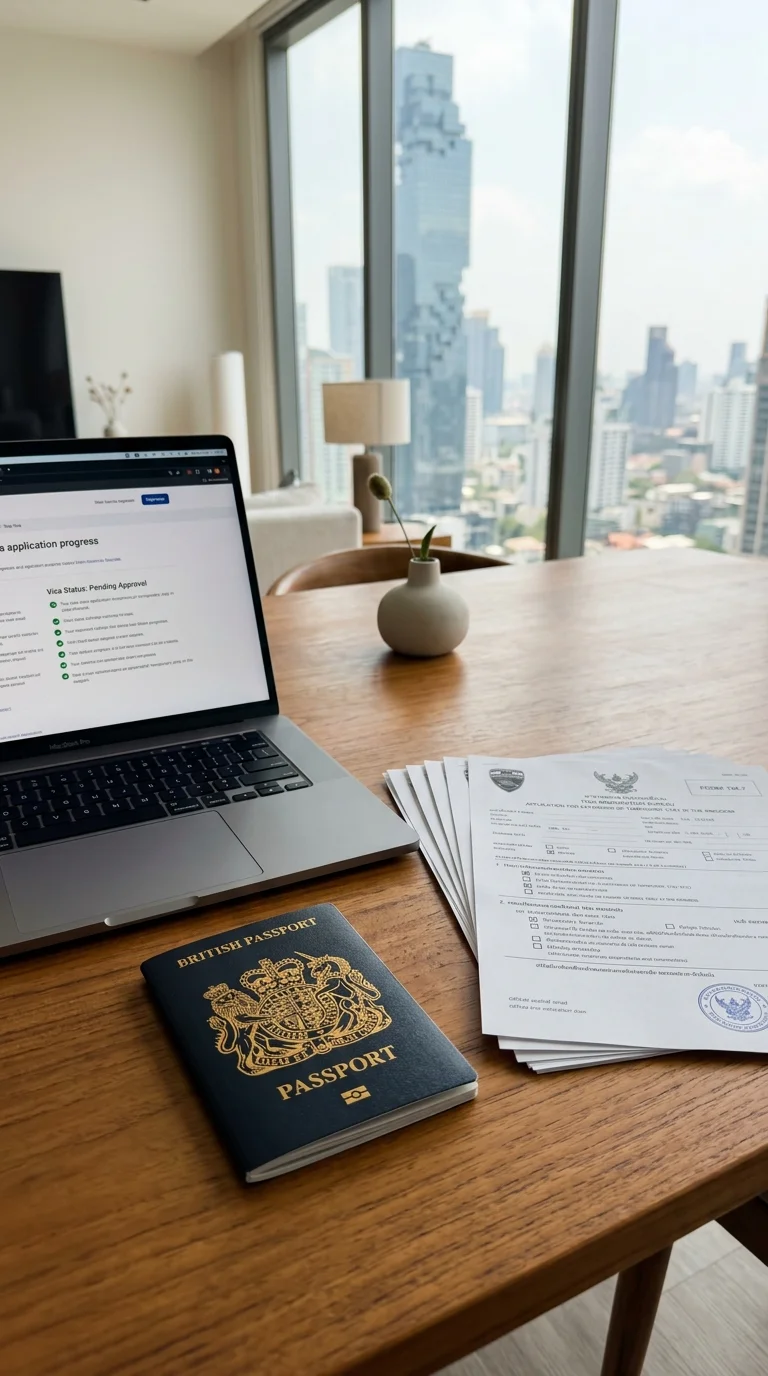
Securing a local bank account on Thailand’s Destination Thailand Visa (DTV) requires a Certificate of Residence from Immigration, a document rarely issued until you register a long-term lease. Until that local account is active, you will be paying a mandatory 220 THB (£4.80) withdrawal fee every time you use a UK debit card at a Thai ATM.
This guide details the exact financial setup required for UK digital nomads and remote workers relocating to Thailand. You will learn how to structure your spending for the first 90 days, the documentation required to open a Thai bank account on a DTV or long-stay visa, and the most cost-effective methods for transferring GBP to THB. This is for remote workers earning foreign income; it does not cover corporate banking for those setting up Thai companies.

The First 90 Days and Multi-Currency Cards
Surviving the first three months before securing a local bank account requires relying heavily on multi-currency travel cards to minimise foreign transaction fees. High street UK bank cards often charge a non-sterling transaction fee of around 2.99 percent per purchase, which rapidly inflates your daily living expenses. Setting up accounts with providers like Wise or Revolut before you leave the UK allows you to convert GBP to THB at the mid-market exchange rate. You hold the Thai Baht balance in your digital wallet and spend directly from it using the linked debit card at major supermarkets, shopping malls, and international restaurants. However, Thailand remains a heavily cash-based society for street food, local markets, and independent cafes. Every time you withdraw cash using a foreign card at a Thai ATM, you incur a mandatory 220 THB (£4.80) access fee imposed by the local banking network, on top of any fees your UK provider might charge. To dilute this cost, you should always withdraw the maximum machine limit, which is typically 20,000 THB (£435) at most banks or 30,000 THB (£652) at Krungsri Bank's yellow ATMs. Arriving with a solid strategy for card spending and bulk cash withdrawals protects your budget during the initial transition period.
Discover the best international schools in Thailand for UK expat families. Compare British, US, and IB curricula, admission processes, and realistic fees.
Obtaining the Certificate of Residence
Sponsored
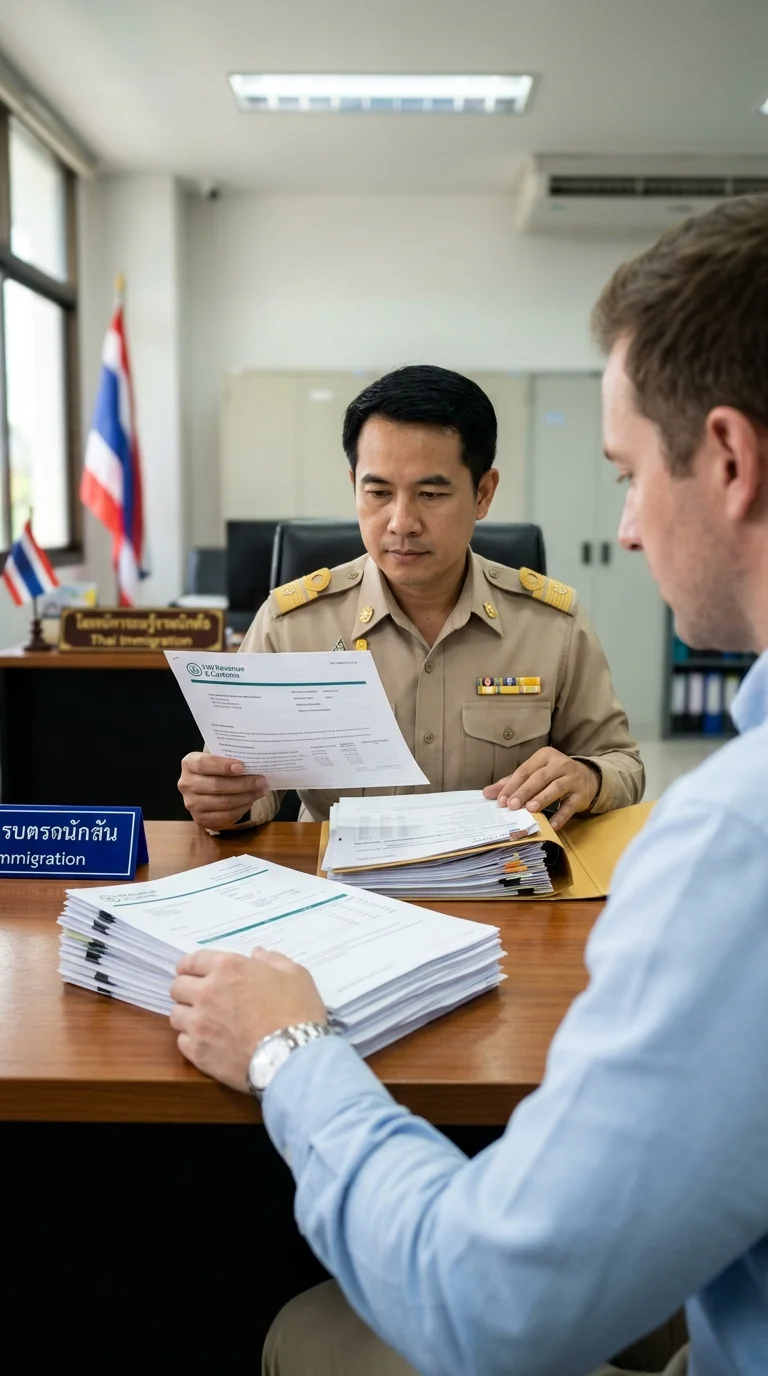
Securing a Thai bank account as a foreigner fundamentally depends on proving your local address through a Certificate of Residence. This official document is issued by your local Thai Immigration office or your home country's embassy, though the UK Embassy in Bangkok no longer provides this service for banking purposes. To apply at Thai Immigration, you must present your passport, your DTV or long-stay visa, two passport-sized photographs, and a signed lease agreement. Crucially, your landlord must have filed a TM30 form — the official notification of a foreigner residing at their property — and you must bring the receipt of this filing to your appointment. Many immigration offices, including the main branch at Chaeng Watthana in Bangkok, require you to have completed your first 90-day report before they will issue the certificate, which creates a frustrating waiting period for new arrivals. Some provincial offices, like Jomtien in Pattaya or the Chiang Mai branch, may process it sooner if you provide a twelve-month lease. The official fee is legally zero, but many offices charge a standard 300 THB (£6.50) processing or mailing fee, and the document is usually mailed to your address within two to three weeks. Ensuring your landlord registers your TM30 immediately upon moving in is the critical first step to unlocking local banking services.
| Requirement | Purpose | Notes |
|---|---|---|
| TM30 Receipt | Proves landlord registered your stay | Must be filed within 24 hours of arrival |
| Original Lease | Confirms long-term residency intent | Typically requires a minimum 6-month contract |
| Passport & Visa | Validates legal entry and status | DTV, Non-O, or Non-B visas are highly preferred |
| Passport Photos | Required for immigration files | Standard 4x6cm size, taken within 6 months |
Opening a Thai Bank Account as a Digital Nomad
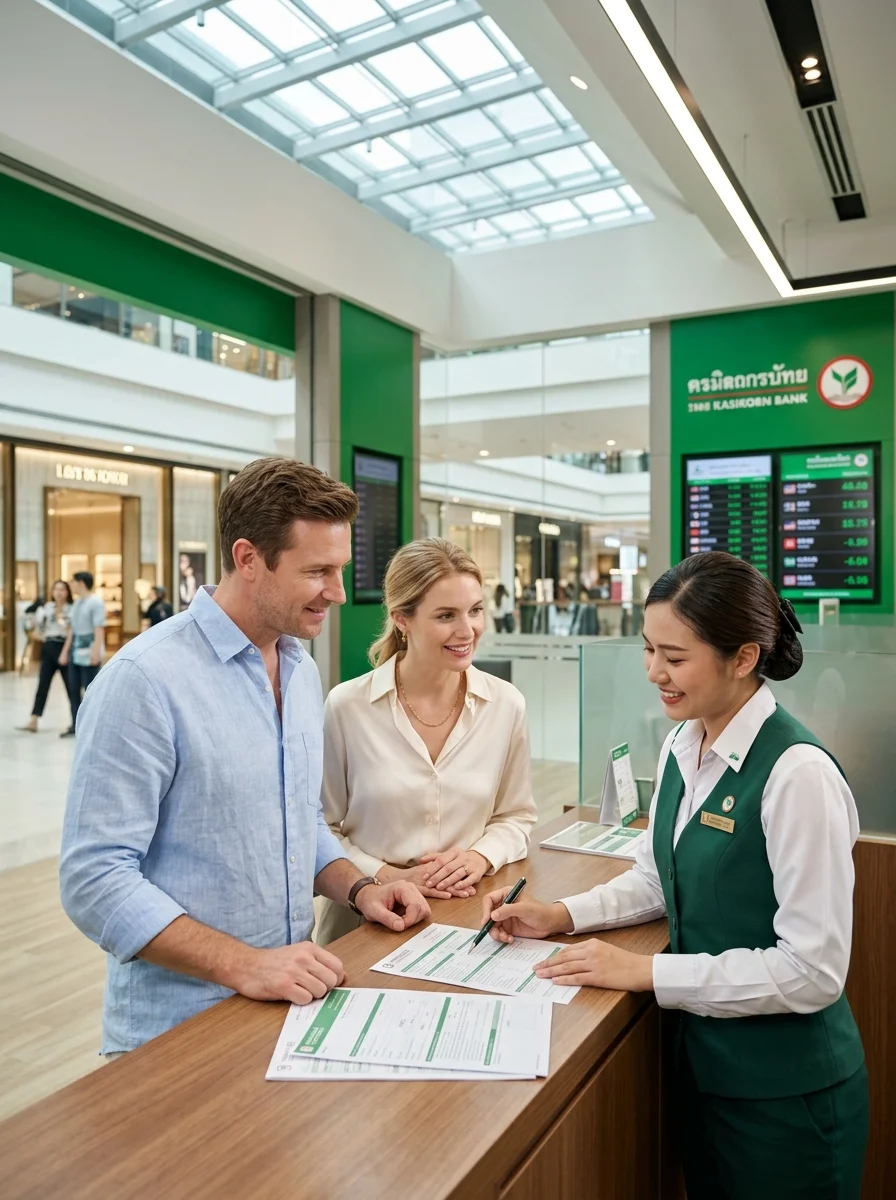
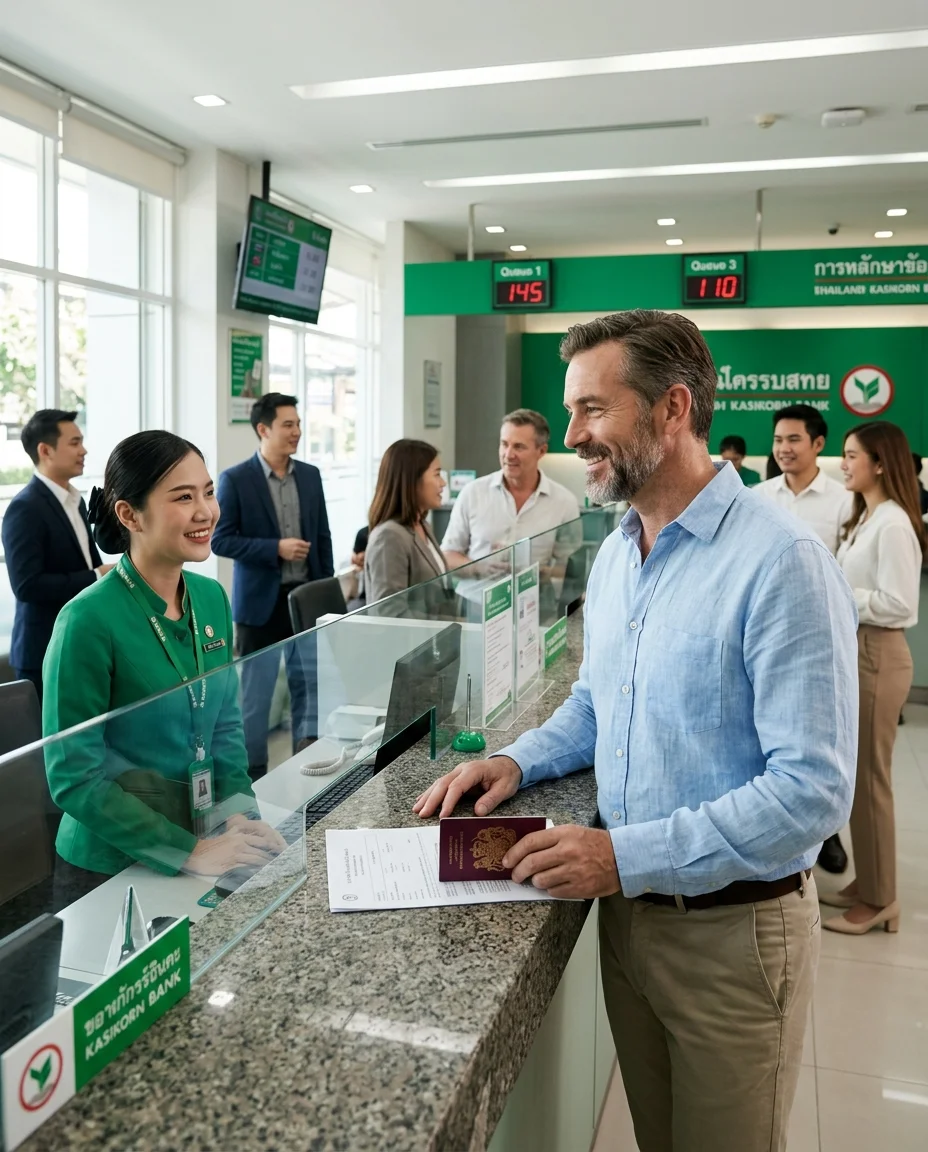
Walking into a Thai bank branch with the correct documents does not guarantee you will walk out with an active account, as branch managers hold significant discretion over foreigner applications. Bangkok Bank is widely considered the most accessible institution for expats, particularly their headquarters on Silom Road, which actively processes accounts for foreigners holding long-stay visas. Kasikorn Bank (KBank) is highly favoured by digital nomads due to its superior mobile banking application, but their branches are notoriously strict regarding visa types. Presenting a DTV visa alongside your Certificate of Residence and lease agreement is usually sufficient, but some branches may still demand a Thai work permit, fundamentally misunderstanding the remote-work nature of the DTV. If a teller refuses your application, the standard practice is to simply visit a different branch, particularly those located in expat-heavy commercial centres like EmQuartier in Bangkok or Maya Mall in Chiang Mai. You will need to deposit an initial minimum balance, typically 500 THB (£10.80), and pay an annual debit card fee of approximately 300 THB (£6.50) plus an issuance fee. Securing an account provides you with a local debit card and access to the national mobile payment network, instantly removing the burden of foreign ATM fees.
Managing UK Income and Currency Transfers
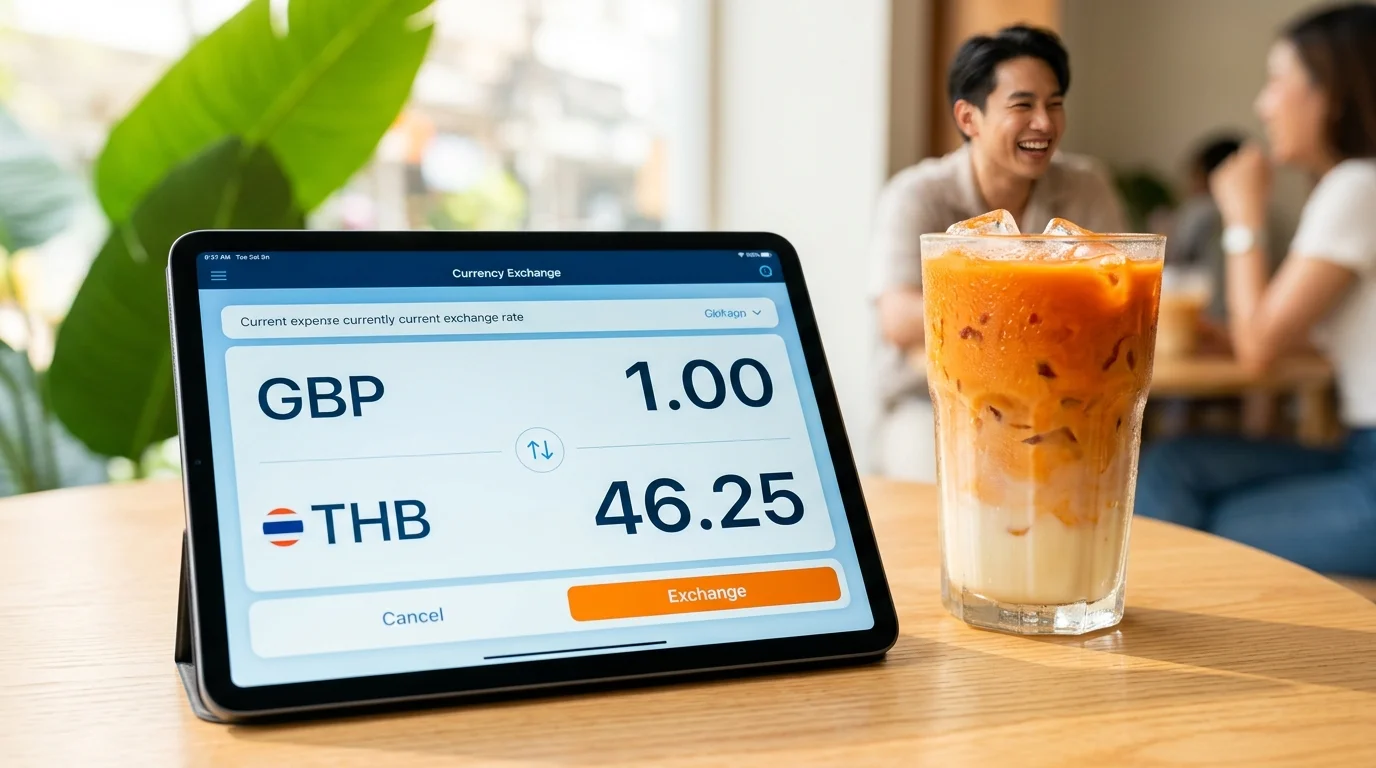
Routing your UK salary or freelance income to Thailand requires avoiding traditional SWIFT transfers to protect your earnings from excessive margin fees and poor exchange rates. High street UK banks typically charge fixed international transfer fees of between £15 and £25 per transaction, while also applying a hidden markup of up to three percent on the exchange rate. For a nomad transferring 100,000 THB (£2,170) monthly, these hidden margins cost hundreds of pounds over the course of a year. Dedicated remittance services like Wise or Remitly are the standard solution for expats, as they utilise the mid-market exchange rate and charge a transparent, upfront fee. When transferring funds to a Thai account, particularly Bangkok Bank or Kasikorn, the money often arrives within seconds if you use the PromptPay network integration offered by these remittance apps. You must also manage the risk of currency fluctuation, as the GBP to THB rate can swing significantly over a six-month period. Retaining your primary income in a UK account and transferring living expenses in monthly tranches allows you to control exactly when you convert your funds, rather than being forced to accept unfavourable rates on payday.
Navigating PromptPay and Cashless Spending
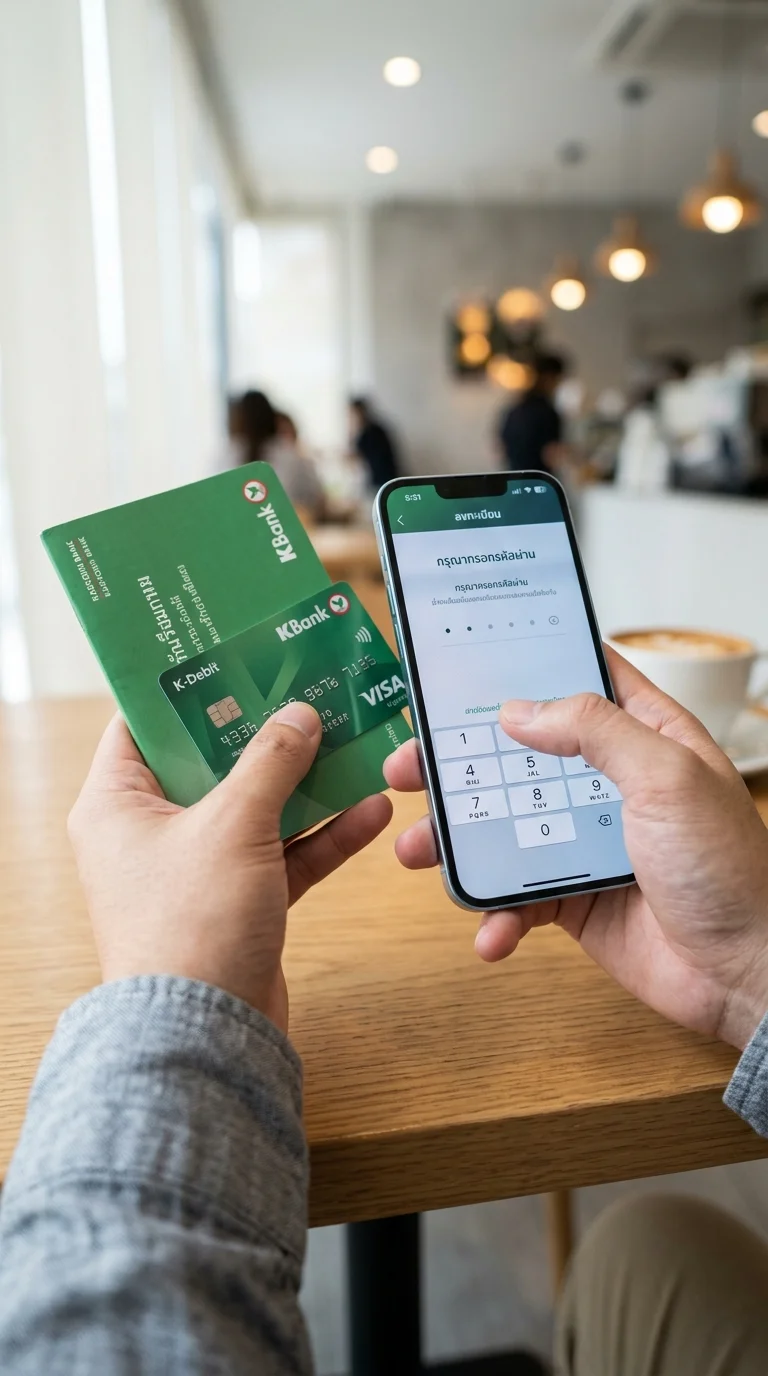
Once your Thai bank account is active, your financial life will immediately shift to the national cashless payment system known as PromptPay. This network links your Thai bank account directly to your Thai mobile number or national ID, allowing for instant, fee-free transfers between individuals and businesses across the country. Every street food vendor, local market stall, taxi driver, and major retailer displays a PromptPay QR code. You simply open your Kasikorn or Bangkok Bank mobile app, scan the code, verify the merchant's name, and authorise the payment. This system completely removes the need to carry large amounts of cash and eliminates the issue of vendors lacking small change for 1,000 THB notes. As a digital nomad, you will also use PromptPay to pay your monthly apartment rent, settle your MEA electricity bills, and split dinner bills with other expats. To utilise this system effectively, you must ensure your Thai mobile number is permanently tied to your bank account, meaning you cannot let your local SIM card expire if you travel outside the country. Setting up the mobile banking app in the branch on the day you open your account ensures you leave fully equipped to participate in Thailand's digital economy.
Maintaining Your UK Banking Setup
Keeping an active UK high-street bank account is essential for maintaining your domestic credit file and managing ongoing financial obligations back home. Many UK banks actively close accounts if they discover you are no longer a UK resident, which can severely complicate your finances if you hold direct debits for student loans, storage units, or voluntary National Insurance contributions. Before relocating on your DTV, you should switch your banking address to a trusted family member's home in the UK to maintain a residential footprint. You must also ensure you retain a UK mobile number to receive two-factor authentication (2FA) text messages, which are required to log into most British banking apps. Moving your UK number to a cheap pay-as-you-go network or an eSIM provider like Lebara allows you to receive these crucial SMS messages in Thailand over Wi-Fi calling without paying daily roaming charges. If your primary bank does restrict your account due to your nomadic lifestyle, having a secondary account with an international-friendly digital bank like Monzo or Starling provides a vital backup. Managing your UK financial footprint carefully before departure prevents sudden account freezes while you are thousands of miles away.
Monthly Financial Operations and Living Costs
Operating as a remote worker in Thailand involves standard living expenses alongside specific financial operational costs. Renting a modern one-bedroom apartment in a nomad-centric area like Nimman in Chiang Mai or Ekkamai in Bangkok will form your largest single expense. Beyond accommodation, you must budget for high-speed fibre internet, co-working space memberships, and comprehensive international health insurance. Financial friction costs accumulate rapidly during your first few months, particularly ATM withdrawals at 220 THB (£4.80) per transaction if you rely solely on foreign debit cards. Food costs scale drastically depending on your reliance on local street markets versus imported British goods at supermarkets like Villa Market. Visa maintenance, including potential border runs or 90-day reporting transport, must be factored into your annual budget and divided by twelve. Keeping a three-month emergency buffer in GBP while drawing down your THB living costs monthly protects your baseline from unexpected expenses and severe currency market swings.
| Item | Monthly Cost (THB) | Monthly Cost (GBP approx) | Notes |
|---|---|---|---|
| 1-Bed Apartment Rent | 15,000 - 25,000 | 325 - 540 | Depends heavily on Bangkok vs Chiang Mai |
| Utilities (Electric, Water, Wi-Fi) | 2,000 - 3,500 | 43 - 76 | Air conditioning usage drives electricity costs |
| Co-working Space Membership | 3,000 - 5,000 | 65 - 108 | Dedicated desk access with high-speed internet |
| Food and Groceries | 12,000 - 20,000 | 260 - 435 | Mix of local street food and supermarket imports |
| International Health Insurance | 4,000 - 7,000 | 85 - 150 | Essential for long-term residency and visa security |
| Transport (BTS/Grab/Taxis) | 3,000 - 5,000 | 65 - 108 | Based on daily commuting in major urban centres |
| ATM and Foreign Card Fees | 880 - 1,320 | 19 - 28 | Assumes 4 to 6 withdrawals before local account setup |
Common Banking Mistakes Digital Nomads Make
Failing to secure the TM30 receipt from a landlord immediately upon moving in is the most frequent error expats commit. Without this simple slip of paper, Immigration will not issue a Certificate of Residence, completely halting your ability to open a local bank account. You must demand the landlord files the TM30 within 24 hours of your arrival and sends you the confirmation.
Relying on traditional SWIFT transfers from a UK high-street bank to fund Thai living expenses drains funds through hidden exchange rate markups. You lose up to three percent of your transfer value on top of fixed processing fees every time you move money. Using a dedicated digital remittance service ensures you receive the actual mid-market exchange rate with transparent upfront pricing.
Withdrawing small amounts of cash frequently from Thai ATMs using a UK debit card destroys weekly budgets. Every single transaction incurs a flat 220 THB (£4.80) fee, meaning a small 1,000 THB withdrawal carries an effective 22 percent surcharge. You should always withdraw the maximum machine limit of 20,000 to 30,000 THB to minimise the impact of these network charges.
Letting a UK mobile phone contract expire or cancel when moving abroad cuts off access to British banking apps. Most UK banks require SMS two-factor authentication to authorise new payees or log into web banking. Converting your UK number to a cheap pay-as-you-go eSIM allows you to receive these verification texts globally over Wi-Fi without paying roaming fees.
Practical Tips for Nomad Banking
Always carry your physical passport when visiting a Thai bank branch for any administrative task. Thai banks do not accept driving licences or digital copies as valid identification for foreign customers.
Choose a bank branch located inside a major shopping mall rather than a standalone street branch. Mall branches have longer operating hours, remain open on weekends, and their staff are far more accustomed to processing foreign applications.
Use Krungsri Bank ATMs (the yellow machines) when withdrawing cash with a foreign card. They offer a maximum withdrawal limit of 30,000 THB per transaction, whereas most other banks cap withdrawals at 20,000 THB, allowing you to save on access fees.
Download the LINE application before you attempt to open your Thai bank account. Many bank tellers will ask you to add their official branch LINE account to send you digital copies of your application documents and provide direct customer support.
Ensure your name on your Thai lease agreement matches your passport exactly, including all middle names. Bank managers will reject your application if the lease agreement says "Tom Smith" but your official documents say "Thomas James Smith".
Keep your Thai SIM card active even if you leave the country for a short trip. Your Thai mobile banking app is permanently linked to that specific phone number, and losing the number means losing access to your funds until you visit a branch in person.
Request a Visa debit card rather than a Mastercard when opening your Thai account. Visa is more widely accepted for online purchases on domestic Thai websites, including domestic airline bookings and food delivery applications.
Quick Reference Guide to Nomad Finances
| Item | Detail | Notes |
|---|---|---|
| Primary Visa Route | Destination Thailand Visa (DTV) | Grants 5-year validity with 180-day stays |
| Key Banking Document | Certificate of Residence | Requires active TM30 and signed lease agreement |
| Most Accessible Bank | Bangkok Bank | Silom headquarters is highly experienced with expats |
| Foreign ATM Fee | 220 THB (£4.80) | Charged locally on top of UK bank fees |
| Max ATM Withdrawal | 30,000 THB (£652) | Available at Krungsri Bank (yellow ATMs) |
| Daily Payment Method | PromptPay (QR Code) | Requires active Thai bank account and local SIM |
| Currency Transfer | Wise or Remitly | Avoids high-street SWIFT margin fees |
| Minimum Bank Deposit | 500 THB (£10.80) | Standard opening requirement for most local accounts |