Best Digital Nomad Cities in Thailand
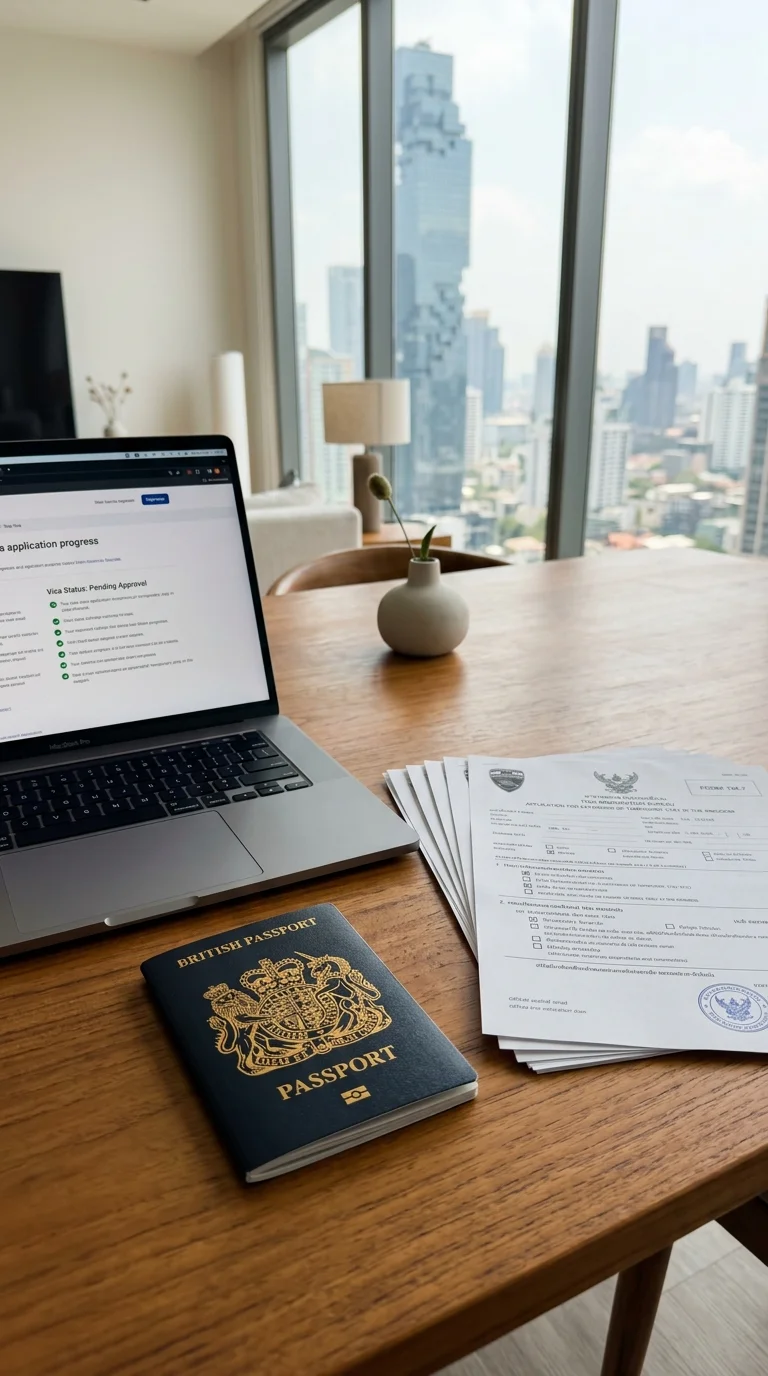
The newly introduced Destination Thailand Visa (DTV) allows UK remote workers to live in Thailand for up to five years, provided they can demonstrate a 500,000 THB (£11,000) bank balance. While Chiang Mai remains the default entry point for most digital nomads, soaring wet-season humidity and regional burning seasons dictate that a multi-city strategy is essential for year-round comfort.
This guide breaks down the practical realities of working remotely from Thailand’s major digital nomad hubs, including Chiang Mai, Bangkok, Phuket, Koh Lanta, and Pai. You will learn how to choose the right base for your working style, navigate the legal requirements, and budget accurately for regional living costs. This is for UK nationals actively planning a remote work relocation. It is not for retirees or individuals seeking local employment within Thai companies.

Legal Routes and the Nomad Visa Landscape
The introduction of the Destination Thailand Visa (DTV) has fundamentally changed how UK remote workers establish legal residency. Previously, digital nomads relied on precarious back-to-back tourist exemptions or expensive Elite Visas. Now, the DTV offers a multiple-entry, five-year validity period with 180-day stays per entry, specifically targeting freelancers and remote employees. To qualify, you must provide an employment contract or portfolio, prove your location of work, and maintain a minimum balance of 500,000 THB (£11,000) in your UK or Thai bank account. The application fee is 10,000 THB (£220) when applying through the Royal Thai Embassy in London via the official E-Visa portal. For shorter stays, the standard 60-day visa exemption serves those testing different cities. You can extend this exemption once by 30 days at a local immigration office for 1,900 THB (£42). Education (ED) visas remain an alternative for individuals genuinely committing to learning the language, requiring around 30,000 THB (£660) in tuition fees for a year, though immigration officials now closely monitor school attendance. Securing the correct visa before leaving the UK prevents the stress of emergency border runs to Laos or Malaysia. Always verify your documents against the exact embassy requirements to ensure a successful application.
Plan your move to Thailand with our comprehensive UK expat guide. Discover visa routes, living costs, accommodation tips, and how to set up banking and healthc…
| Visa Route | Validity & Stay Limits | Cost & Financial Requirements |
|---|---|---|
| Destination Thailand Visa (DTV) | 5 years validity, 180 days per entry | 10,000 THB fee, 500,000 THB minimum balance |
| Tourist Exemption | 60 days on arrival, 30-day extension | Free entry, 1,900 THB for local extension |
| Education Visa (ED) | 1 year validity, 90-day reporting | 30,000 THB tuition, regular attendance required |
| Thailand Privilege (Elite) | 5 to 20 years validity | 900,000 THB+ one-off fee, no income proof |
Regional Living Costs and Financial Planning
Sponsored
Budgeting for your relocation requires understanding the stark financial divides between the northern provinces, the capital, and the southern islands. Chiang Mai consistently offers the lowest cost of living for remote workers. A comfortable lifestyle here, including daily cafe visits and a modern one-bedroom apartment, requires around 45,000 THB (£1,000) per month. Bangkok demands a higher baseline of 65,000 THB (£1,450) to achieve a similar standard, largely driven by elevated rental prices along the BTS Skytrain routes and higher grocery costs at expat-focused supermarkets like Villa Market. Phuket represents the most expensive nomad destination in Thailand. You will need upwards of 85,000 THB (£1,900) monthly on the island due to premium accommodation pricing and heavily inflated local transport costs. Setting up your daily finances involves opening a Thai bank account, which is possible on a DTV or long-stay tourist visa if you obtain a Certificate of Residence from your local immigration office. Using a multi-currency card like Monzo or Revolut incurs a 220 THB (£4.80) fee at local ATMs, making bulk cash withdrawals or immediate local bank setup financially prudent. Base your initial budget on your primary city rather than a national average.
| Destination | Minimum Monthly Budget (THB) | Minimum Monthly Budget (GBP) |
|---|---|---|
| Chiang Mai | 45,000 THB | £1,000 |
| Pai | 35,000 THB | £775 |
| Koh Lanta | 50,000 THB | £1,100 |
| Bangkok | 65,000 THB | £1,450 |
| Phuket | 85,000 THB | £1,900 |
Securing Short and Long-Term Accommodation
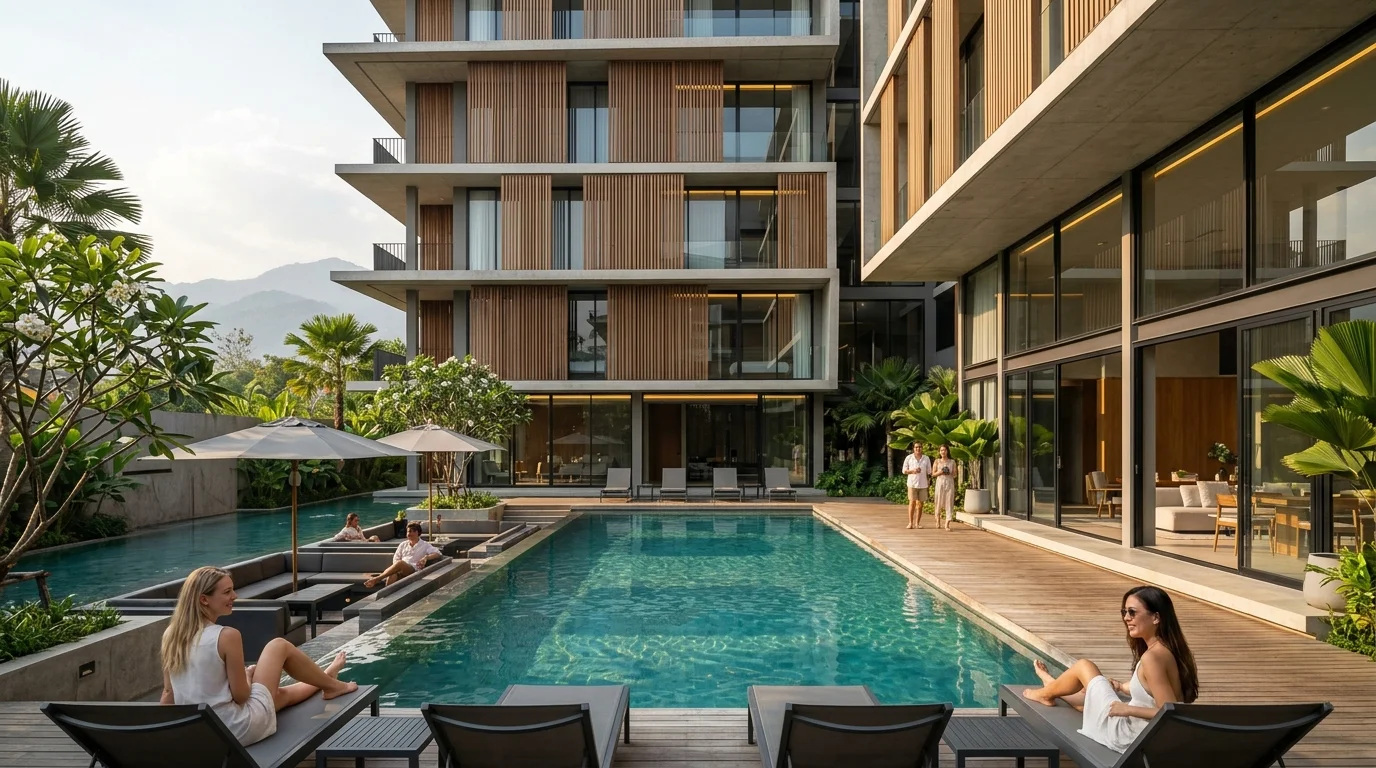
Securing reliable accommodation demands different strategies depending on whether you are committing to a six-month lease or rotating monthly between cities. In Chiang Mai’s Nimman and Santitham areas, one-bedroom serviced apartments cost between 12,000 THB (£265) and 18,000 THB (£400) monthly. You can often negotiate these rates directly with building managers upon arrival rather than using booking platforms. Bangkok requires a more structured approach. Real estate agents typically demand a two-month deposit and a strict twelve-month contract for prime Sukhumvit or Silom apartments, pushing monthly rents to 20,000 THB (£445) or higher. For seasonal nomads, Pai and Koh Lanta operate heavily on short-term bungalow rentals ranging from 10,000 THB (£220) to 25,000 THB (£550). You must book these island and rural properties months in advance of the November-to-February high season to secure reliable internet access. Never sign a long-term lease before viewing the property in person to check internet latency, construction noise, and air conditioning efficiency. Furthermore, ask the landlord to confirm that utility bills are charged at the government rate, as some building owners apply a heavy markup to electricity units. Book a hotel for your first week in any new Thai city to allow time for on-the-ground viewings.
| City & Property Type | Typical Lease Term | Monthly Rent (THB) |
|---|---|---|
| Chiang Mai (1-Bed Apartment) | 1 to 6 months | 12,000 - 18,000 THB |
| Bangkok (1-Bed Apartment) | 12 months minimum | 20,000 - 35,000 THB |
| Phuket (Studio/Villa) | 3 to 6 months | 25,000 - 45,000 THB |
| Koh Lanta (Bungalow) | 1 to 3 months | 15,000 - 25,000 THB |
Digital Infrastructure and Practical Setup

Reliable digital infrastructure dictates where remote workers can successfully base themselves long-term. Bangkok leads the country for professional facilities, offering enterprise-grade spaces like True Digital Park with redundant fibre connections. Monthly hot-desk memberships in the capital cost around 5,000 THB (£110). Chiang Mai remains the undisputed hub for community-driven spaces, particularly around the Nimmanhaemin district. Here, 3,000 THB (£65) secures 24/7 access at established venues like Punspace and instant integration into the largest expat nomad community in Asia. Phuket presents a fragmented landscape for remote workers. While areas like Rawai and Chalong host excellent facilities, the island experiences localised power cuts during monsoon season, making uninterruptible power supplies (UPS) essential for desktop users. Upon arrival, securing a 5G SIM card from AIS or TrueMove at a local mall provides unlimited data for roughly 800 THB (£17) monthly. This acts as a crucial backup for video calls if your apartment's Wi-Fi drops. Prioritise destinations with established co-working infrastructure if your employment requires constant high-bandwidth availability.
| Location | Co-working Availability | Internet Reliability |
|---|---|---|
| Bangkok | Extensive, enterprise-grade | Excellent, fibre standard |
| Chiang Mai | Extensive, community-focused | Excellent, highly stable |
| Phuket | Moderate, spread out | Good, but power cuts occur |
| Koh Lanta | Limited, cafe-reliant | Moderate, weather dependent |
| Pai | Very limited | Variable, drops in heavy rain |
Seasonal Rotations and Island Bases
Thailand’s aggressive weather patterns make year-round residence in a single city uncomfortable, necessitating a seasonal rotation strategy. Chiang Mai and Pai are highly desirable from November to February due to cool morning temperatures and clear skies. However, the north becomes heavily polluted between late February and April due to the agricultural burning season, which pushes PM2.5 air pollution to hazardous levels. During these months, nomads typically migrate south to Koh Lanta, Koh Samui, or Phuket, where the air remains clear and sea breezes moderate the intense heat. Koh Lanta has emerged as the premier alternative to Phuket for those seeking a quieter environment. It offers a tight-knit remote community and reliable internet without the heavy traffic or inflated pricing of larger islands. Conversely, Koh Lanta virtually shuts down during the wettest months of September and October as storms disrupt ferry services and internet lines. Bangkok’s weather-proof infrastructure and indoor transit systems make it the safest bet for productivity during the peak of the monsoon season. Plan your city rotations aligned with regional weather patterns to maintain productivity and protect your respiratory health.
Costs and Budgeting
Maintaining a realistic budget requires factoring in both daily expenses and the hidden costs of expatriate life. Local street food remains highly affordable at 60 THB (£1.30) per meal. However, maintaining a Western diet and frequenting nomad-oriented cafes will rapidly inflate your grocery and dining expenditures to 15,000 THB (£330) monthly. Utility costs fluctuate wildly based on your reliance on air conditioning. Expect to pay between 1,500 THB (£33) and 3,000 THB (£66) per month for electricity in a standard apartment. Comprehensive international health insurance is a non-negotiable expense, typically costing a healthy 30-year-old around 4,500 THB (£100) monthly. Transport costs vary significantly by location. Bangkok’s BTS and MRT networks cost around 2,000 THB (£44) monthly for regular users, whereas renting a reliable scooter in Chiang Mai runs to 3,500 THB (£77) per month. Build a 15% buffer into your monthly calculations to absorb currency fluctuations between the Pound and the Baht.
| Item | Monthly Cost (THB) | Monthly Cost (GBP approx) | Notes |
|---|---|---|---|
| Rent (1-Bed Apartment, Chiang Mai) | 15,000 THB | £330 | Excludes utilities |
| Utilities (Electricity & Water) | 2,500 THB | £55 | Heavily dependent on AC use |
| Groceries & Dining Out | 15,000 THB | £330 | Mix of local food and Western cafes |
| Co-working Space Membership | 3,500 THB | £77 | Unlimited monthly access |
| Transport (Scooter Rental/BTS) | 3,000 THB | £66 | Excludes fuel costs |
| Health Insurance | 4,500 THB | £100 | Essential for all UK expats |
| Mobile Data (Unlimited 5G) | 800 THB | £17 | AIS or TrueMove |
Common Mistakes and How to Avoid Them
Relying on consecutive tourist visa exemptions is a frequent error. This strategy eventually results in being denied entry by immigration officials, leaving you separated from your belongings. Secure a proper DTV or long-term visa before your initial arrival.
Committing to long-term leases in Chiang Mai during January is heavily detrimental. This traps remote workers in the north during the peak of the toxic burning season. Only sign three-month leases if arriving in the winter.
Driving a scooter without a valid UK motorcycle licence and International Driving Permit is financially dangerous. Doing so invalidates your health insurance completely in the event of an accident. Always obtain the correct legal endorsements before renting any vehicle.
Ignoring local tax residency implications when staying over 180 days creates severe liabilities. This exposes you to potential dual taxation on remitted income under new Thai revenue rules. Consult a professional regarding the UK-Thailand Double Taxation Agreement.
Practical Tips
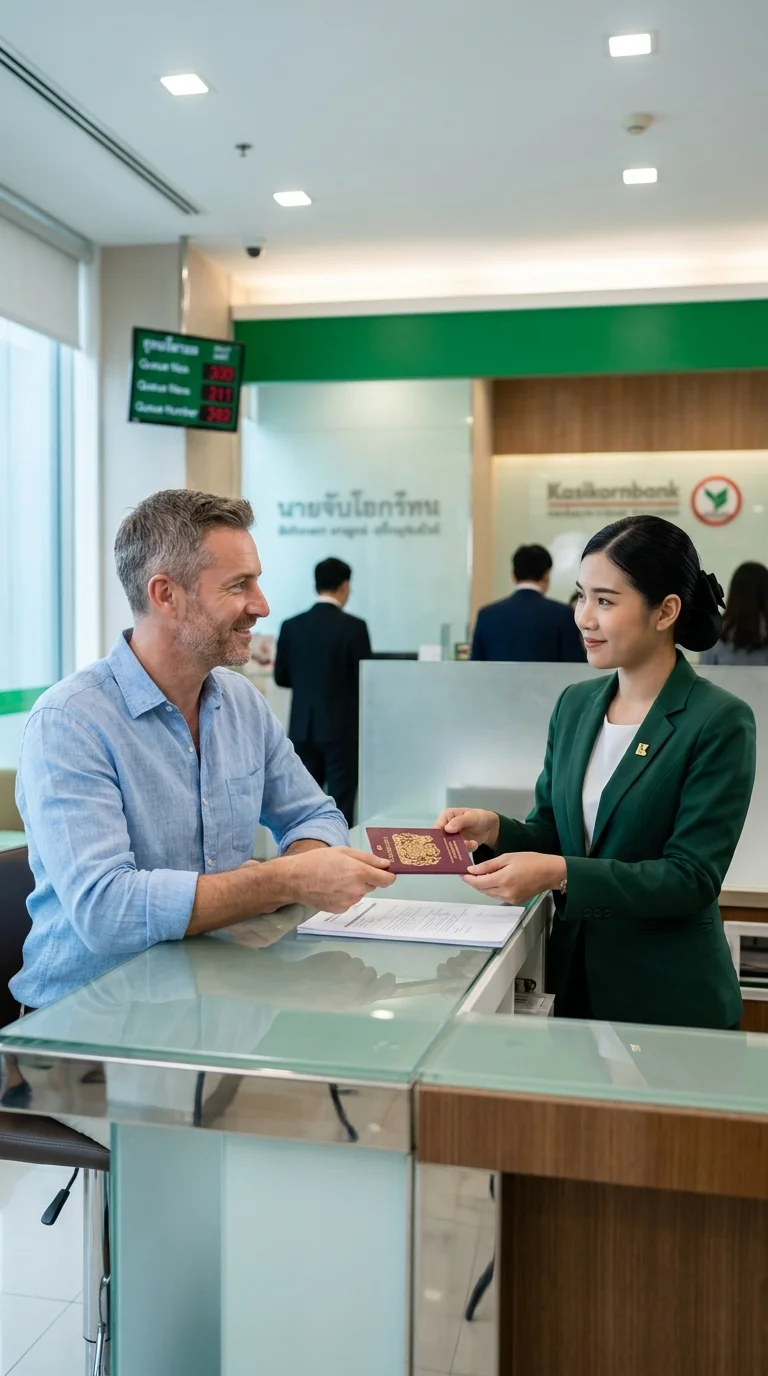
Request a TM30 receipt from your landlord immediately upon moving into any apartment. Thai immigration requires this proof of address for all visa extensions and when applying for a local bank account.
Register with your preferred UK GP for online access before leaving the country. Maintaining this connection allows you to request specific medical records easily if a Thai hospital requires your history.
Download the Grab and Bolt applications and link them to a travel card like Monzo or Starling. This ensures you pay the exact metered rate for transport without needing small change or negotiating with tuk-tuk drivers.
Join the specific Line and Facebook groups for your chosen city, such as 'Chiang Mai Digital Nomads'. These hyper-local networks are essential for finding short-term lease takeovers and buying second-hand monitors.
Schedule your heavy downloading and cloud backups for off-peak hours if working from the islands. Infrastructure in places like Koh Lanta experiences severe bandwidth throttling during the evening when tourists return to their resorts.
Carry crisp, uncreased Bank of England £50 notes if bringing emergency cash from the UK. Thai currency exchanges often reject damaged notes or offer significantly lower rates for smaller denominations.
Move abroad with confidence — get a free Thailand relocation plan from expat specialists.
Quick Reference Table
| Item | Detail | Notes |
|---|---|---|
| Best Visa Route | Destination Thailand Visa (DTV) | 5-year validity, requires 500k THB balance |
| Minimum Income/Savings | 500,000 THB (£11,000) | Required to hold in bank for DTV application |
| Average Monthly Cost | 45,000 - 85,000 THB | Varies heavily from Chiang Mai to Phuket |
| Typical Lease Terms | 1 to 12 months | Bangkok requires 12 months; North is flexible |
| Healthcare Options | Private International Insurance | Mandatory to protect against high hospital fees |
| Best Areas for Expats | Nimman (Chiang Mai), Sukhumvit (Bangkok) | High concentration of co-working spaces |
| Language Considerations | Basic Thai highly recommended | English widely spoken in nomad hubs |
| Weather Warnings | Burning Season (Feb-Apr) in North | Relocate to Southern islands during this period |