Thailand Hotels: Every Type, Every Budget
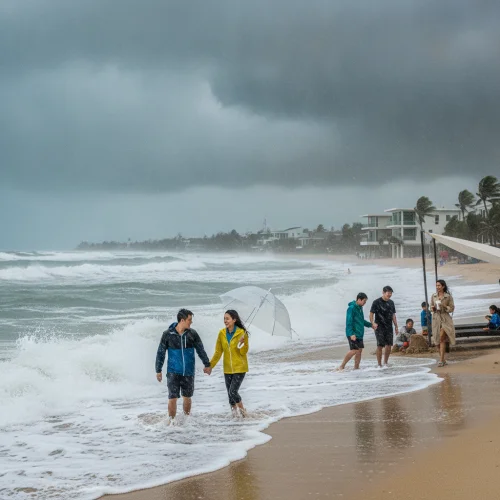
Booking a £40-a-night room in Chiang Mai often secures a boutique property with a private plunge pool, whereas that same rate in Phuket during January barely covers a windowless guesthouse near a noisy main road. Understanding how the Thai hotel market fractures across different regions and seasons is the difference between an exceptional stay and an expensive disappointment.
This guide decodes the Thai accommodation landscape, helping you navigate the massive discrepancies in regional pricing and seasonal fluctuations. You will learn exactly when to use Agoda instead of Booking.com, how to interpret local star ratings compared to UK standards, and what hidden tourist taxes or resort fees to check for. By the end, you will know precisely which destinations offer the strongest value for money and which require careful budgeting.

Regional Pricing and Value for Money
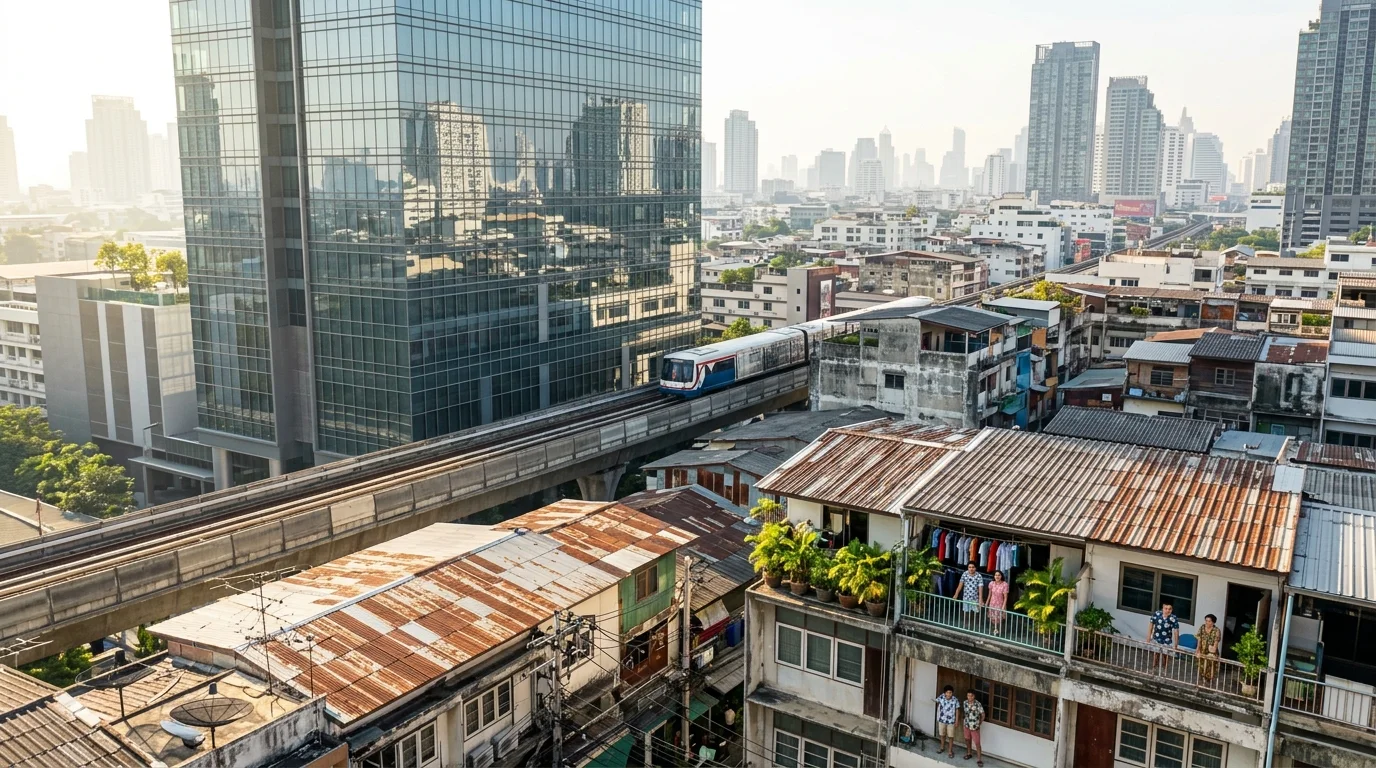
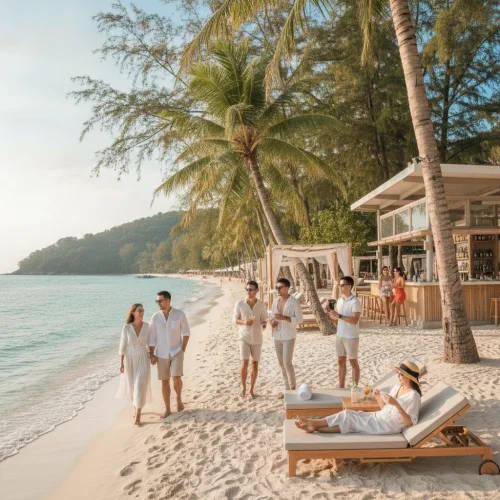
Hotel value in Thailand varies drastically depending entirely on your chosen province. Bangkok operates as a heavily saturated, highly competitive market where luxury is surprisingly accessible, allowing UK visitors to secure five-star rooms at internationally recognised properties for under 6,000 THB (£130) per night. Chiang Mai represents the absolute peak of Thai accommodation value, offering beautifully designed independent boutique hotels with excellent service for 1,500 to 2,500 THB (£32 to £54). Conversely, the southern islands command heavily inflated prices relative to their quality. Phuket and Koh Samui operate on entirely different economic models due to intense international demand and higher operating costs. A mid-range four-star resort on Phuket's west coast often starts at 4,500 THB (£97) in high season, yet delivers smaller rooms and older facilities than a Bangkok hotel charging half that rate. Islands like Koh Lipe or Koh Tao push prices even higher for beachfront access, where you pay a premium simply for the sand rather than the room standard. To maximise your budget, structure your itinerary so your longest stays are in the north or the capital. Always calibrate your quality expectations based on the region, as island accommodation will consistently cost double that of a comparable room in Chiang Mai.
Compare direct flights and layover routes from the UK to Thailand. Find practical advice on airlines, transit hubs, and navigating Thai arrivals. Book smart.
| Destination | Value Rating | Average 4-Star Cost (THB) | Notes |
|---|---|---|---|
| Chiang Mai | Excellent | 2,000 | Highest concentration of high-quality independent boutiques. |
| Bangkok | Very Good | 3,500 | Fierce competition keeps luxury chain prices relatively low. |
| Koh Samui | Fair | 5,500 | Heavily inflated by resort focus and limited land availability. |
| Phuket | Poor | 6,000+ | You pay a massive premium for proximity to the beach. |
Booking Platforms and Direct Rates
Sponsored
Securing the best rate requires knowing which platform dominates the Southeast Asian market. Agoda is structurally embedded in Thailand, often holding exclusive inventory and significantly lower rates for domestic and regional properties than its western competitors. Booking.com remains useful for international chains or if you hold Genius loyalty status, but it consistently displays fewer mid-range independent guesthouses. Going direct to the hotel is a strategy that requires nuance. Large international chains like Marriott or Hilton strictly enforce rate parity, meaning their website price will match the online travel agencies, though booking direct guarantees loyalty points. Independent Thai hotels operate differently. Emailing a boutique property in Chiang Mai or messaging them via the LINE app can often yield a direct quote 15% lower than their Agoda listing, simply because they avoid the platform's heavy commission fees. When comparing platforms, always ensure you click through to the final payment screen. Some sites display rates excluding Thailand's 7% VAT and 10% service charge, making them appear artificially cheap on the initial search page. Cross-reference Booking.com with Agoda, but always contact independent hotels directly via LINE to negotiate a better deal for stays longer than three nights.
| Booking Method | Best Used For | Typical Rate Difference | Notes |
|---|---|---|---|
| Agoda | Independent and budget Thai hotels | Often 10-15% cheaper | Massive inventory across all provinces. |
| Booking.com | International chains and flexible cancellations | Usually standard rate | Good for UK users holding high-tier Genius status. |
| Direct (Email/LINE) | Boutique properties and long stays | Up to 20% discount | Requires negotiation and sometimes a bank transfer deposit. |
| Direct (Chain Website) | Global luxury brands | Rate parity (same as OTAs) | Essential if you want to collect or spend brand loyalty points. |
Decoding Thai Star Ratings
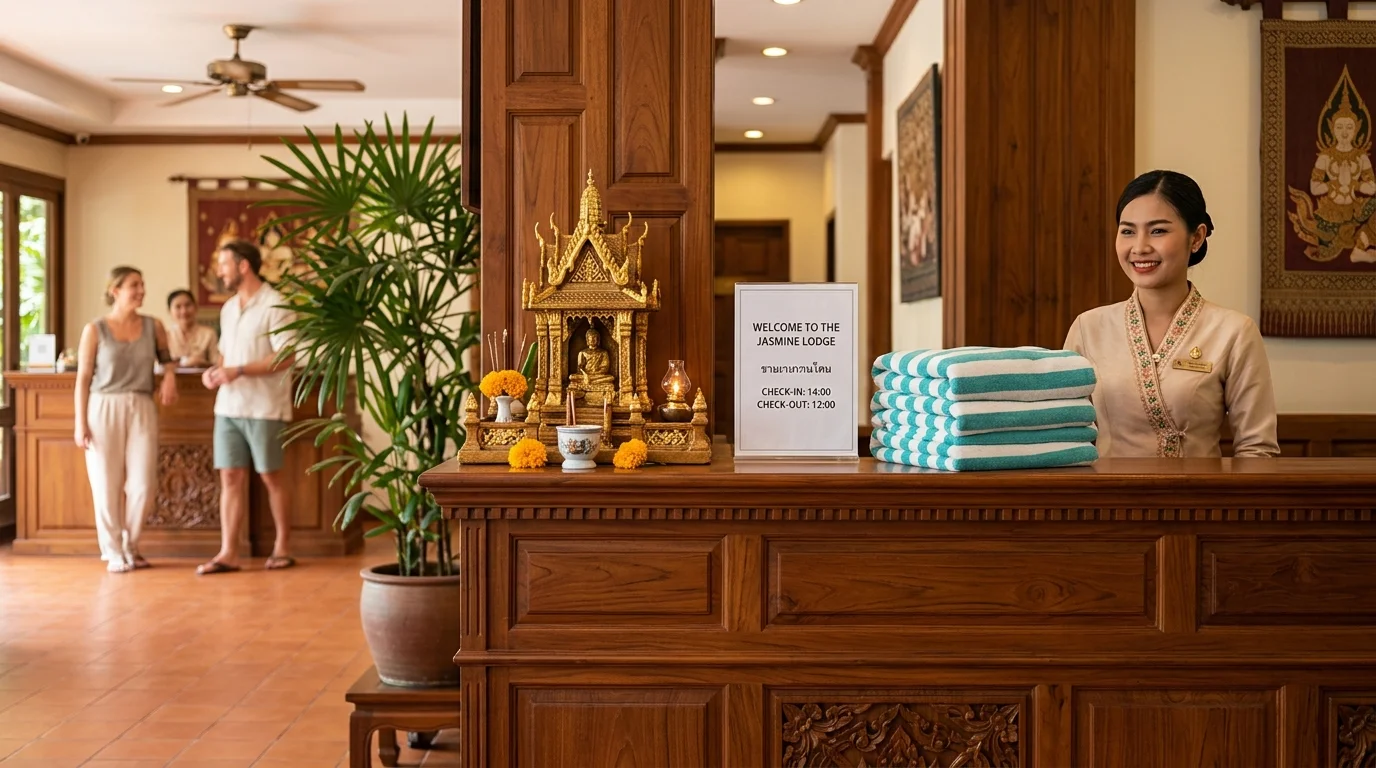
Star ratings in Thailand function more as an indicator of available facilities rather than a strict guarantee of room quality or service standards. A four-star rating in the UK typically ensures a highly polished, consistent experience, whereas a Thai four-star property might simply mean the hotel has a pool, an on-site restaurant, and a lift. Many older, slightly faded properties in Pattaya or Phuket retain their official four-star status despite desperately needing renovation, simply because they meet the structural criteria. Conversely, independent boutique hotels often deliberately bypass the official rating system entirely. You will frequently find unrated or three-star guesthouses in Chiang Mai or Bangkok's Sukhumvit area that offer exceptional, personalised service, high-end linens, and modern aesthetics that easily rival European four-star standards. International chains provide the most reliable benchmark for UK travellers. A Hyatt, Anantara, or Centara property will strictly align with global expectations, delivering the exact level of luxury their brand dictates. When assessing independent options, completely ignore the star rating and focus entirely on recent guest reviews from the last three months. Rely on recent photographic reviews rather than official star categories when evaluating independent Thai accommodation.
Essential Amenities and Location Strategy
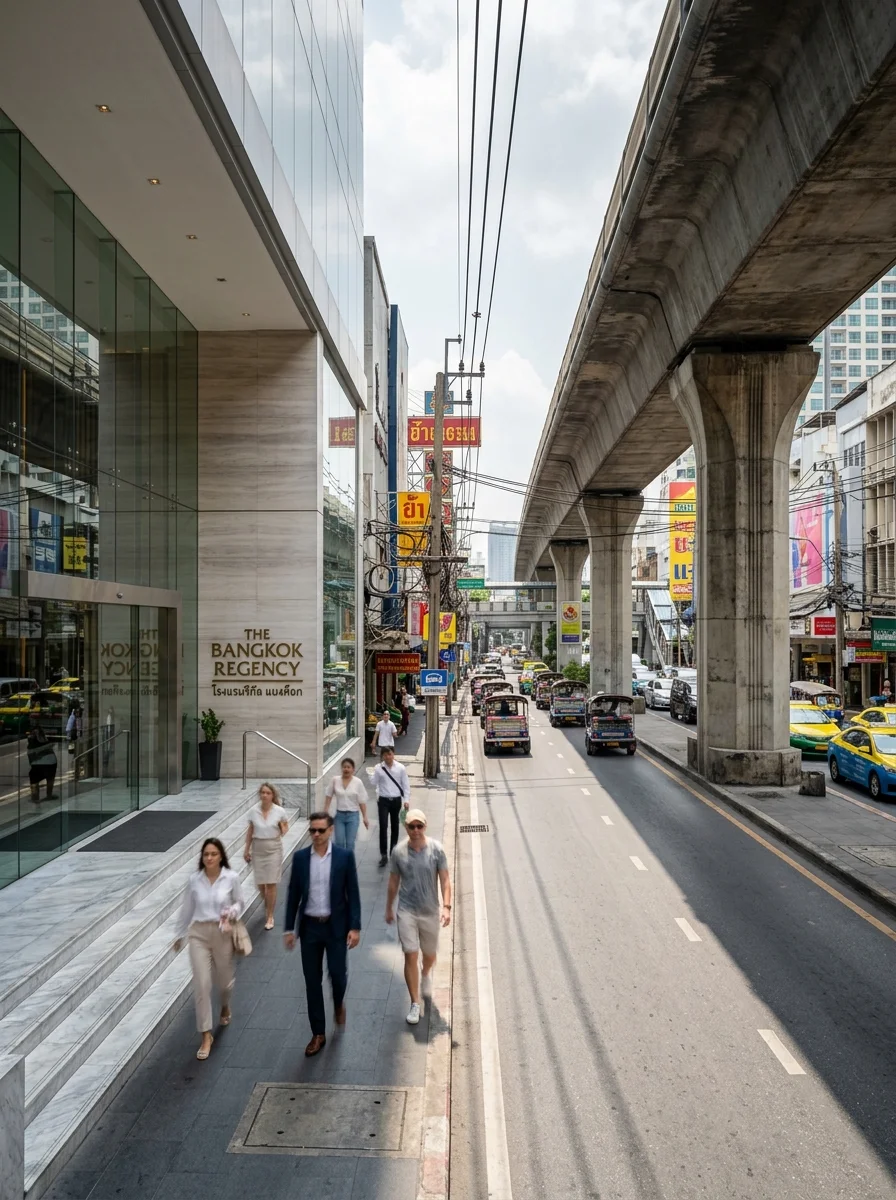
Selecting the right location and amenity package dictates the daily rhythm of your trip. In Bangkok, proximity to the BTS Skytrain or MRT underground is non-negotiable. Booking a cheaper hotel that requires a daily taxi ride to the nearest station will ultimately cost you more in time and frustration due to the city's notorious gridlock. Pool access is another critical factor, particularly between March and May when temperatures exceed 35 degrees. While island resorts naturally feature extensive pool complexes, urban hotel pools vary wildly. Many Bangkok mid-range properties feature plunge pools heavily shaded by neighbouring skyscrapers, offering freezing water and zero sunlight. Breakfast inclusion requires careful thought. Five-star resorts usually offer extensive buffet spreads featuring both western and Asian options, making the extra cost worthwhile. However, adding a breakfast package at a budget or mid-range hotel is rarely a smart financial move. Thailand's street food and cafe culture is phenomenal, and paying 300 THB (£6.50) for a mediocre hotel buffet when a superb local meal costs 60 THB (£1.30) just outside the lobby makes little sense. Prioritise rail transport proximity over room size in Bangkok, and skip the hotel breakfast unless staying at a luxury resort.
Seasonality and Hidden Costs
The Thai hotel market is aggressively seasonal, with room rates fluctuating by as much as 200% depending on the month. High season runs from November to February, bringing peak prices across all regions, particularly the southern islands. During the Christmas and New Year window, many resorts implement a compulsory gala dinner surcharge. This is a mandatory fee, often costing upwards of 3,000 THB (£65) per person, added to your bill regardless of whether you actually attend the event. The green season from May to October offers immense value, with luxury properties frequently slashing rates by half to maintain occupancy. When budgeting, watch out for the standard tax additions. Most displayed rates are subject to "++", which denotes a 7% government tax and a 10% service charge. While Agoda allows you to toggle the display to show the final price, direct booking sites often hide this 17% markup until the final checkout page. Unlike parts of Europe or the US, Thailand does not currently charge municipal city taxes or hidden resort fees beyond this standard tax and service structure. Always look for the "++" symbol on hotel menus and booking pages to avoid a 17% surprise on your final bill.
Costs and Budgeting
Establishing a realistic accommodation budget requires factoring in both your destination and your standard of living. A budget traveller can easily secure a clean, private, air-conditioned room in a local guesthouse for 600 to 1,000 THB (£13 to £21) per night, though these are usually located slightly further from major transport hubs or beaches. Mid-range travellers seeking modern amenities, reliable Wi-Fi, and a swimming pool should budget between 2,000 and 4,000 THB (£43 to £86) daily. This tier secures excellent four-star boutique properties in Chiang Mai, or solid business hotels in central Bangkok. For premium and luxury stays, the baseline sits around 6,000 THB (£130), but internationally branded five-star beachfront resorts in Phuket or Koh Samui frequently exceed 12,000 THB (£260) during the dry season. Keep in mind that securing a weekly or monthly rate at a serviced apartment often cuts the nightly cost by up to 40%.
| Option | Cost (THB) | Cost (GBP approx) | Notes |
|---|---|---|---|
| Budget Guesthouse | 600 - 1,000 | £13 - £21 | Basic private room with AC and en-suite. No pool. |
| Mid-range Boutique | 2,000 - 4,000 | £43 - £86 | Four-star equivalent, good location, usually includes a pool. |
| Premium Urban Hotel | 5,000 - 8,000 | £108 - £173 | Five-star Bangkok properties with extensive facilities. |
| Luxury Island Resort | 10,000 - 25,000+ | £217 - £543+ | Beachfront access on major islands during high season. |
Common Mistakes and How to Avoid Them
Booking island hotels without checking the exact beach topography. Many affordable resorts market themselves as having a sea view but sit on muddy tidal flats or rocky outcrops entirely unsuitable for swimming. Always cross-reference the hotel's location on satellite maps and read reviews specifically mentioning beach access before booking.
Assuming Bangkok hotel pools get sunlight all day. Surrounding high-rises often plunge lower-deck pools into permanent shade, leaving the water uncomfortably cold. Look for rooftop pools or properties that clearly advertise south-facing, unobstructed pool decks.
Ignoring the mandatory New Year gala dinner fees. Budgeting for a cheap December stay only to be hit with an unavoidable £100 per person dinner charge shatters travel budgets. Read the fine print on the booking platform regarding compulsory holiday surcharges before confirming.
Relying solely on Booking.com for rural or island stays. Using only western platforms restricts your options and inflates prices for independent properties. Always compare the Agoda app, which has far deeper penetration in the Thai domestic market.
Practical Tips
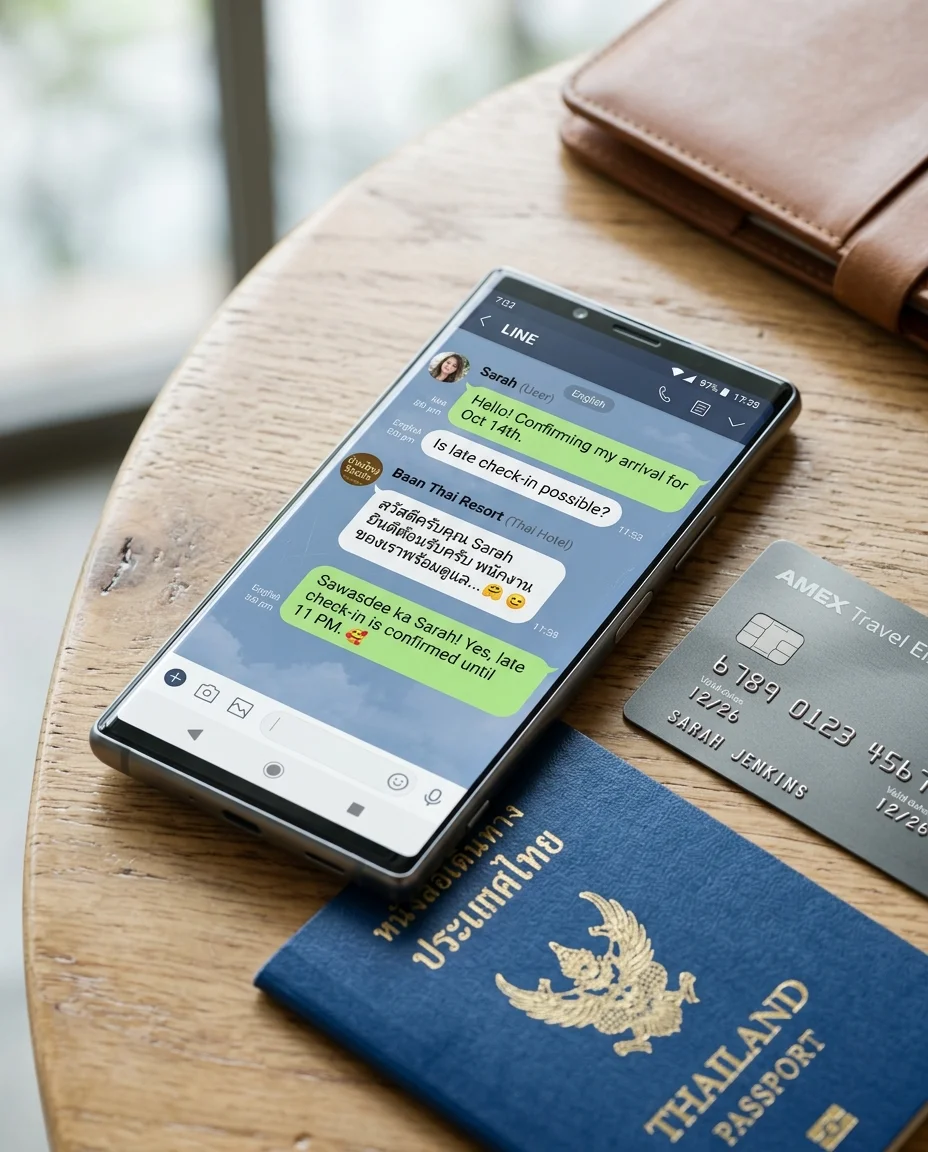
Download the LINE app before you travel to contact hotels directly. This is the primary communication method in Thailand, and reception desks respond to LINE messages far faster than traditional emails.
Carry a physical credit card for the hotel security deposit. Most mid-range and luxury properties require a pre-authorisation of 1,000 to 2,000 THB per night, which can take weeks to refund if you use a debit card.
Check the exact distance to the nearest 7-Eleven. This convenience store is the lifeblood of Thai travel for cheap water, snacks, and toiletries, and a hotel situated more than a ten-minute walk from one is genuinely inconvenient.
Request a room on a higher floor if staying in Bangkok or Chiang Mai. Street noise, particularly from modified motorcycle exhausts and early morning street vendors, easily penetrates lower-level hotel windows.
Do not drink the tap water provided in the bathroom sinks. Hotels will provide two complimentary glass or plastic bottles of drinking water daily, which you should use even for brushing your teeth.
Leave a 20 to 50 THB tip on the pillow for the housekeeping staff each morning. While tipping is not strictly mandatory in Thailand, this small daily gesture ensures exceptional attention to your room throughout your stay.
Check the air-conditioning unit placement before unpacking. Units blowing directly onto the bed will cause dry throats and poor sleep, so adjust the louvres immediately upon arrival.
Quick Reference Table
| Item | Detail | Notes |
|---|---|---|
| Best platform | Agoda | Holds the largest inventory of domestic Thai properties. |
| Tax and Service | 17% total | Usually denoted as "++" on rates (7% VAT, 10% service). |
| Best value region | Chiang Mai | Exceptional boutique options for under £50 per night. |
| Peak pricing | Dec to Feb | Expect rates to double on the southern islands. |
| Transport proxy | BTS/MRT access | Essential for Bangkok hotels to avoid severe traffic. |
| Direct contact | LINE App | Best way to negotiate rates for stays over three nights. |
| Security deposits | Credit card | Avoid using debit cards due to slow refund processing times. |