Cost of Retiring to Thailand

Securing a Non-Immigrant O-A retirement visa requires permanently parking 800,000 THB (around £17,500) in a Thai bank account or proving a monthly income of 65,000 THB (£1,420). This financial threshold fundamentally dictates your lifestyle options, meaning a Thai retirement requires strict capital allocation rather than just a casual reliance on your UK state pension.
This guide breaks down the true financial reality of retiring in Thailand, detailing exactly how much capital you need for a permanent move across modest, comfortable, and premium lifestyles. It is written strictly for UK nationals planning a permanent relocation, rather than long-stay tourists. You will learn how to manage the financial impact of mandatory health insurance as you age, the reality of currency fluctuations on your British pension, and the hidden setup costs of establishing your new life.

Visa Requirements and the Capital Deposit
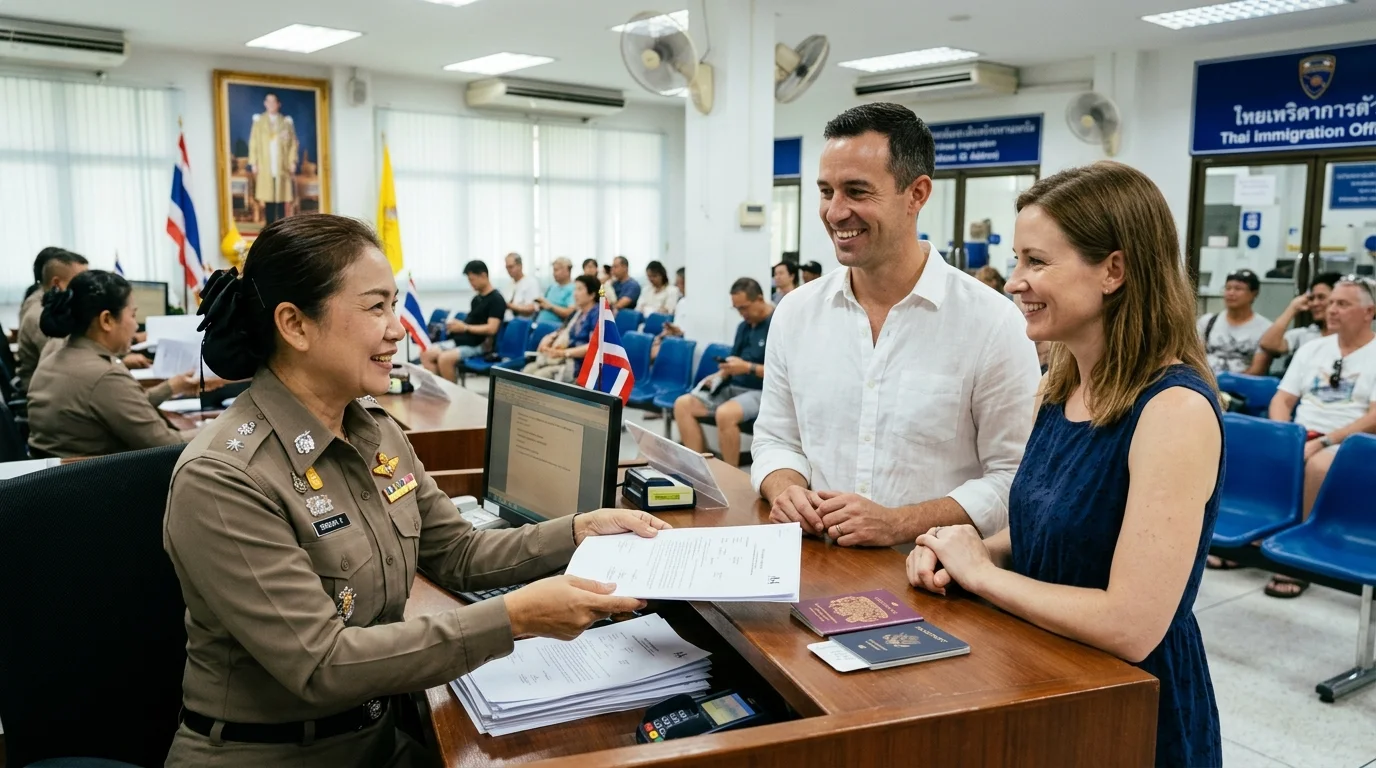
The Non-Immigrant O (Retirement) or O-A visa forms the legal foundation of your move. To qualify, you must hold 800,000 THB (£17,500) in a Thai bank account for two months before applying, or prove a monthly income of at least 65,000 THB (£1,420). Many UK retirees wrongly assume this deposit is a temporary hurdle. In reality, Thai immigration requires this balance to remain untouched for three months after your visa is granted, and it cannot drop below 400,000 THB at any point during the year. This effectively locks away a significant portion of your capital, removing it from your accessible emergency fund. You must factor this dead capital into your initial relocation budget. The O-A visa applied for from the UK also requires a clear police record and a medical certificate proving you do not carry specific prohibitive diseases. The annual renewal process requires showing these exact financial proofs every single year, meaning your capital must remain compliant permanently. Relying solely on the income method requires notarised proof from the British Embassy, adding administrative friction to your yearly renewal. Choosing the right financial route upfront prevents visa rejection and last-minute capital scrambling.
Plan your move from the UK to Thailand. Learn about visas, shipping, banking, local registration, and budgeting in our comprehensive expat guide.
| Visa Route | Financial Requirement | Best Suited For |
|---|---|---|
| Non-Immigrant O (Retirement) | 800k THB deposit or 65k THB monthly income | Retirees applying from within Thailand |
| Non-Immigrant O-A | 800k THB deposit and police/medical clearance | Retirees applying from the UK before travel |
| LTR Visa (Wealthy Pensioner) | $80k USD annual income and $250k USD health insurance | High-net-worth retirees seeking 10-year validity |
| Elite Visa (Privilege) | 900k THB one-off fee (5 years) to 5m THB (20 years) | Those who want to avoid annual financial proofs |
Pension Income and Currency Reality
Sponsored
Converting a UK pension into Thai baht introduces a permanent element of exchange rate risk to your retirement. A full UK state pension currently yields roughly £11,500 annually, which equates to about 43,000 THB per month depending on the prevailing rate. This falls significantly short of the 65,000 THB monthly visa requirement, meaning private pensions or savings are mandatory. During the early 2000s, the pound bought 70 baht, but today it hovers between 43 and 46 baht. This drastic reduction in purchasing power highlights the danger of budgeting your Thai retirement on today's exchange rate alone. If your monthly budget requires 100,000 THB, a drop from 45 to 40 baht to the pound increases your monthly GBP cost from £2,222 to £2,500. Furthermore, UK state pensions do not receive the annual triple-lock uprating if you live in Thailand, meaning your state income is frozen at the rate it was when you emigrated. Establishing a multi-currency account or using specialist foreign exchange brokers rather than high street banks will mitigate transfer fees. Transferring lump sums when rates are favourable provides a crucial buffer against sudden currency dips.
| Transfer Method | Exchange Rate Quality | Notes |
|---|---|---|
| High Street Bank Transfer | Poor (High margins added) | Often incurs hidden receiving fees in Thailand |
| FX Specialist Broker | Excellent (Near mid-market rate) | Best for transferring large lump sums safely |
| Multi-Currency Account | Very Good | Ideal for holding GBP and converting when rates peak |
| UK Credit/Debit Card | Variable (Depends on card terms) | ATM withdrawal fees in Thailand are 220 THB per use |
Regional Living Costs Compared
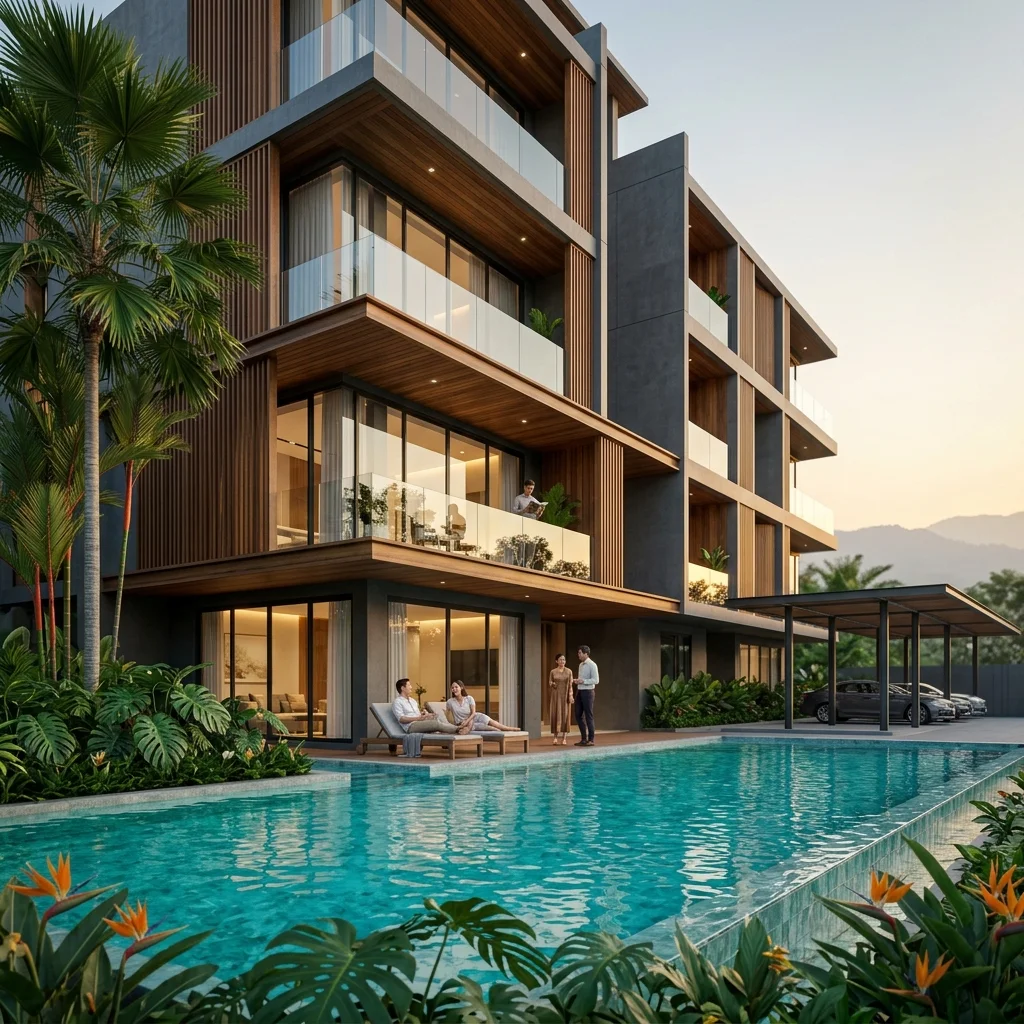
Your choice of location dictates your baseline expenditure more than any other factor. Chiang Mai offers the most affordable retirement profile, where a modern one-bedroom apartment rents for roughly 12,000 THB (£260) monthly. Local food markets keep grocery bills incredibly low, though you must budget for domestic flights to escape the severe air pollution during the burning season from February to April. Hua Hin provides a solid middle ground, heavily favoured by older expats for its flat terrain, high-quality hospitals, and lack of aggressive nightlife. Renting a modest private villa here costs around 25,000 THB (£545) per month. Pattaya delivers excellent value for money regarding infrastructure and imported goods, though beachfront properties in areas like Jomtien command premium prices. Phuket represents the most expensive retirement destination in the country. A comfortable villa in Phuket can easily exceed 50,000 THB (£1,090) monthly, and the island operates with a notable premium on transport, dining, and private healthcare. Securing a twelve-month lease always yields better rates than short-term contracts. Never sign an annual agreement without physically inspecting the property and checking the water pressure, air conditioning units, and local noise levels.
| Destination | Monthly Rent (Comfortable) | Lifestyle Profile |
|---|---|---|
| Chiang Mai | 15,000 THB - 25,000 THB | Affordable, cultural, requires travel during burning season |
| Hua Hin | 25,000 THB - 35,000 THB | Quiet, flat terrain, excellent medical facilities |
| Pattaya | 20,000 THB - 40,000 THB | High convenience, great infrastructure, active nightlife |
| Phuket | 40,000 THB - 80,000 THB | Premium island living, highest overall cost of living |
Healthcare Premiums and Ageing

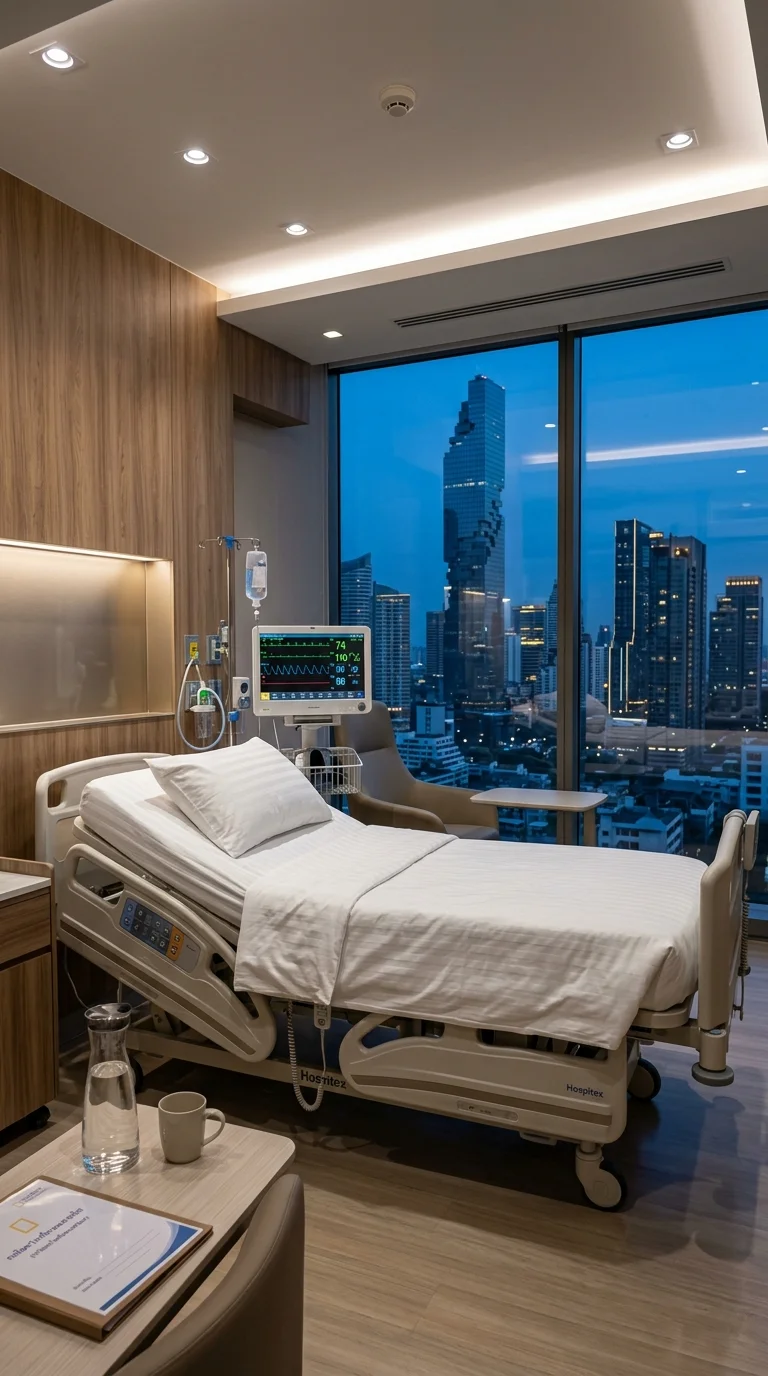
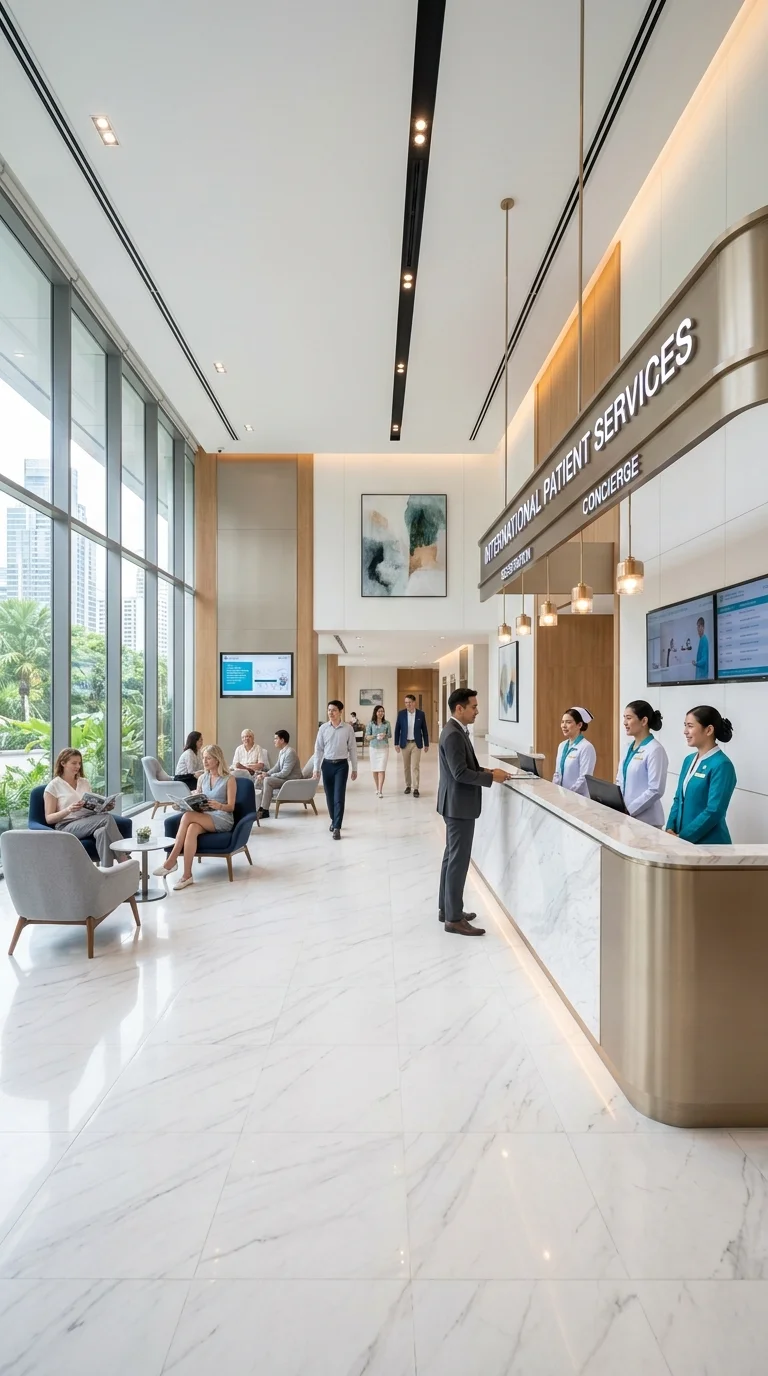
Private medical insurance is the largest escalating cost of a Thai retirement. While the O-A visa legally requires a health insurance policy with minimum coverage of 3,000,000 THB (£65,200), relying solely on a basic policy is a dangerous financial strategy. Thai private hospitals, such as Bangkok Hospital or Bumrungrad, deliver excellent care, but serious treatments like cardiac surgery or oncology can easily exceed 2,000,000 THB (£43,500). As a UK national in your early sixties, a comprehensive inpatient policy will cost approximately 60,000 to 90,000 THB (£1,300 to £1,950) annually. However, premiums increase sharply at age 70, and again at 75, often doubling or tripling in price. Many expats fail to project these increases into their long-term budget, forcing them to drop coverage precisely when they need it most. Outpatient care is generally cheap enough to pay out of pocket, but inpatient cover is non-negotiable. Self-insuring is an option for the wealthy, but requires ring-fencing at least 4,000,000 THB (£87,000) specifically for medical emergencies. You must secure a policy with guaranteed lifetime renewal before you reach 65 to ensure you are not priced out of the system in your eighties.
| Healthcare Option | Estimated Annual Cost (Age 60-65) | Coverage Level |
|---|---|---|
| Basic Thai Insurance | 25,000 THB - 40,000 THB | Meets visa minimums, insufficient for major surgery |
| Comprehensive Inpatient | 60,000 THB - 90,000 THB | Full cover for hospital stays, excludes routine GP visits |
| Premium International | 120,000 THB - 180,000 THB | Global coverage, includes outpatient and dental |
| Self-Insurance Reserve | 4,000,000 THB (Lump sum) | Requires locking away massive capital for emergencies |
Setup Expenses and Hidden Fees
Transitioning from a holidaymaker to a permanent resident involves significant initial capital outlay that falls outside your monthly budget. Securing a long-term rental property requires a two-month security deposit plus the first month of rent paid upfront. If you are renting an unfurnished or partially furnished house, equipping it with essential appliances, high-quality mattresses, and adequate air conditioning units will easily cost upwards of 150,000 THB (£3,260). Transport also requires a heavy initial investment, as public transport outside central Bangkok is poor. Buying a reliable second-hand car, such as a Honda City or Toyota Vios, costs between 350,000 and 500,000 THB (£7,600 to £10,800). A new scooter will set you back roughly 50,000 THB (£1,080). You must also account for high-speed internet installation, utility deposits, visa processing fees, medical certificates, and the cost of translating or notarising UK documents at the embassy. These setup costs typically consume between 300,000 and 600,000 THB (£6,500 to £13,000) within the first three months of arrival. Ring-fencing this setup capital before you arrive ensures your monthly operating budget remains intact and stress-free.
Taxation and Financial Reporting
Thailand recently overhauled its tax rules regarding foreign income, fundamentally changing the financial landscape for UK retirees. Previously, foreign income was only taxed if remitted into Thailand during the same calendar year it was earned. Under the new regulations introduced in 2024, any foreign income brought into Thailand by a tax resident is subject to personal income tax, regardless of when it was earned. You become a tax resident if you spend 180 days or more in Thailand during a calendar year. This means your UK private pension, rental income from British properties, and capital gains could face Thai taxation if transferred to fund your retirement. The UK and Thailand hold a Double Taxation Agreement, which generally prevents you from being taxed twice on the same income. However, navigating this requires filing a Thai tax return and potentially claiming relief from HM Revenue and Customs. UK state pensions remain taxable only in the UK under the current treaty. You must engage a cross-border tax specialist to structure your capital transfers efficiently. Engaging a professional early ensures your capital transfers remain compliant and tax-efficient under the new system.
Costs and Budgeting
Living in Thailand permanently requires a realistic assessment of your daily expenditure across different lifestyle tiers. A modest lifestyle, heavily reliant on local markets, a small apartment, and a scooter, costs approximately 35,000 to 45,000 THB (£760 to £980) monthly. This budget leaves little room for extensive travel, premium imported foods, or regular rounds of golf. A comfortable lifestyle, which most UK retirees aim for, requires between 75,000 and 90,000 THB (£1,630 to £1,950) per month. This comfortably undercuts popular southern European retirement destinations such as Spain or Portugal, where a comparable lifestyle typically costs £2,500–£3,500 per month. This allows for a two-bedroom house, regular meals at mid-range restaurants, running a car, and comprehensive health insurance. A premium retirement, featuring a private pool villa, imported groceries, regular domestic flights, and private hospital memberships, demands upwards of 150,000 THB (£3,260) monthly. You must also divide annual expenses, such as the 1,900 THB (£41) visa extension fee and your yearly insurance premium, into your monthly spreadsheet to avoid cash flow issues.
| Expense Category | Modest Tier (THB) | Comfortable Tier (THB) | Premium Tier (THB) |
|---|---|---|---|
| Accommodation | 12,000 | 30,000 | 65,000 |
| Food & Groceries | 10,000 | 20,000 | 40,000 |
| Transport | 3,000 | 8,000 | 15,000 |
| Utilities & Internet | 3,000 | 6,000 | 12,000 |
| Healthcare & Visa Prep | 7,000 | 12,000 | 25,000 |
| Estimated Total | 35,000 THB (£760) | 76,000 THB (£1,650) | 157,000 THB (£3,410) |
Common Mistakes and How to Avoid Them
Underestimating medical insurance inflation is a critical error UK retirees make. This forces expats to drain life savings when premiums double at age 70. Model insurance increases into your budget up to age 85 before moving.
Failing to maintain the minimum visa bank balance leads to immediate extension rejections. Dropping your balance below 400,000 THB means you will be ordered to leave the country. Keep your 800,000 THB visa deposit in a completely separate, untouched account.
Signing a long-term lease unseen traps you in unsuitable living conditions. You may discover severe noise pollution or failing plumbing only after handing over your deposit. Rent a short-term apartment for the first month while you physically inspect permanent properties.
Relying on high street banks for pension transfers destroys your purchasing power. Poor exchange rates and high receiving fees drain hundreds of pounds from your income annually. Use dedicated foreign exchange brokers to transfer your pension.
Practical Relocation Tips
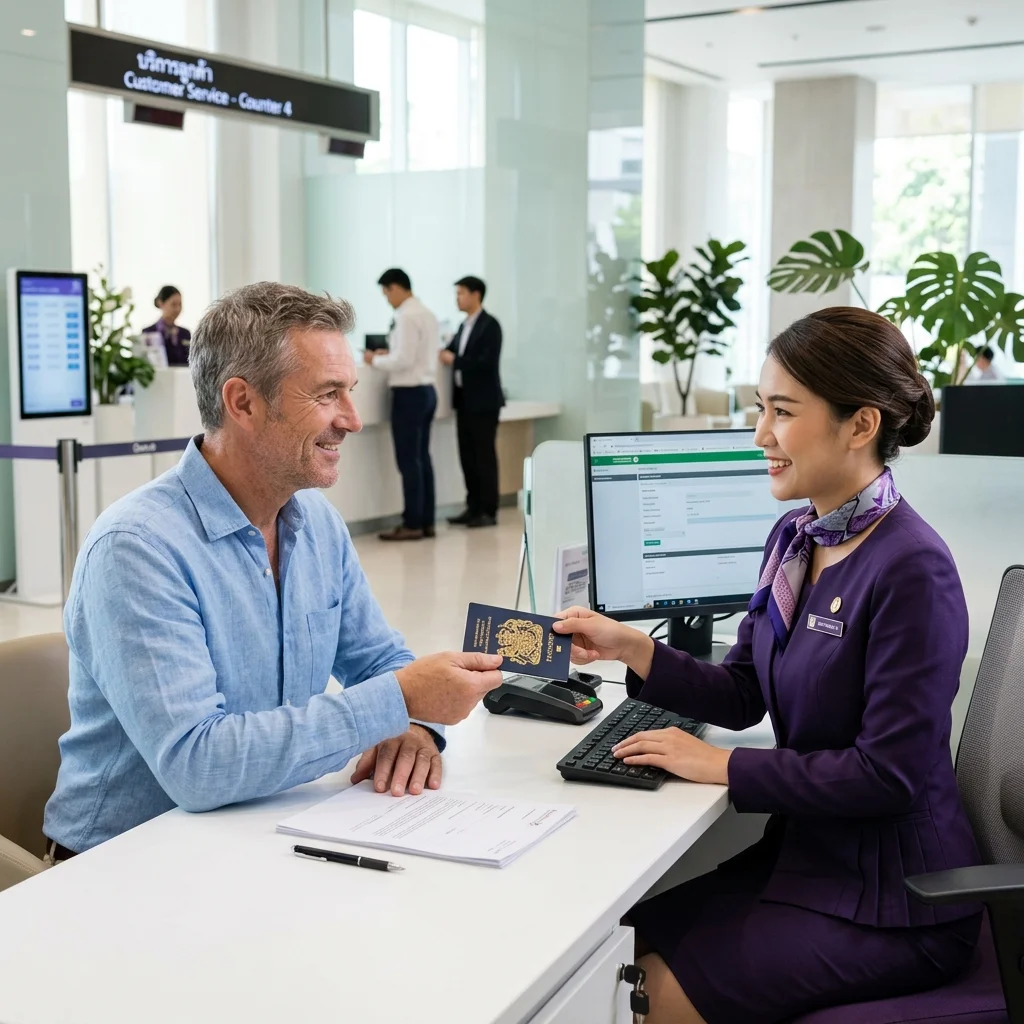
Open a Thai bank account as soon as you arrive on your non-immigrant visa. You will need this account active immediately to season your 800,000 THB deposit for the required two months before your annual extension.
Register your address with local immigration within 24 hours of moving into your permanent property. The TM30 reporting requirement is strictly enforced, and failing to file it will result in fines and delays during your visa renewal.
Apply for a Thai driving licence rather than relying on an International Driving Permit. A local licence acts as an official ID, allowing you to secure domestic resident rates at national parks and domestic flights.
Retain at least one active UK bank account and credit card when you move. You will need them to manage UK-based direct debits, state pension matters, and to maintain a credit footprint in your home country.
Purchase your heavy electronics and kitchen appliances locally rather than shipping them from Britain. Thai consumer electronics are cheaper, carry valid local warranties, and you avoid complex import duties at customs.
Schedule your annual dental check-ups and minor health screenings at private Thai clinics. Out-of-pocket costs for preventative care are incredibly low, reducing the need to claim on your expensive international health insurance policy.
Set up a standing order to transfer a fixed amount of GBP to THB during periods of strong exchange rates. This builds a local currency buffer, protecting your daily spending power when the pound inevitably dips.
Keep digital copies of your passport, visa stamps, and TM30 receipts on your phone at all times. Thai authorities occasionally conduct spot checks on foreigners, and producing these documents immediately resolves any immigration questions.
Thailand Retirement Quick Reference
| Relocation Item | Detail | Notes |
|---|---|---|
| Primary Visa Route | Non-Immigrant O or O-A | Requires renewal every 12 months |
| Capital Requirement | 800,000 THB (£17,500) | Must sit in a Thai bank account |
| Income Alternative | 65,000 THB (£1,420) monthly | Requires notarised embassy proof |
| Average Monthly Budget | 76,000 THB (£1,650) | Based on a comfortable lifestyle |
| Healthcare Rule | 3,000,000 THB minimum cover | Mandatory for O-A visa holders |
| Lease Contracts | 12 months standard | Two months deposit usually required |
| Tax Residency | Triggered at 180 days | UK private pensions may be subject to Thai tax |