What to Pack for Thailand
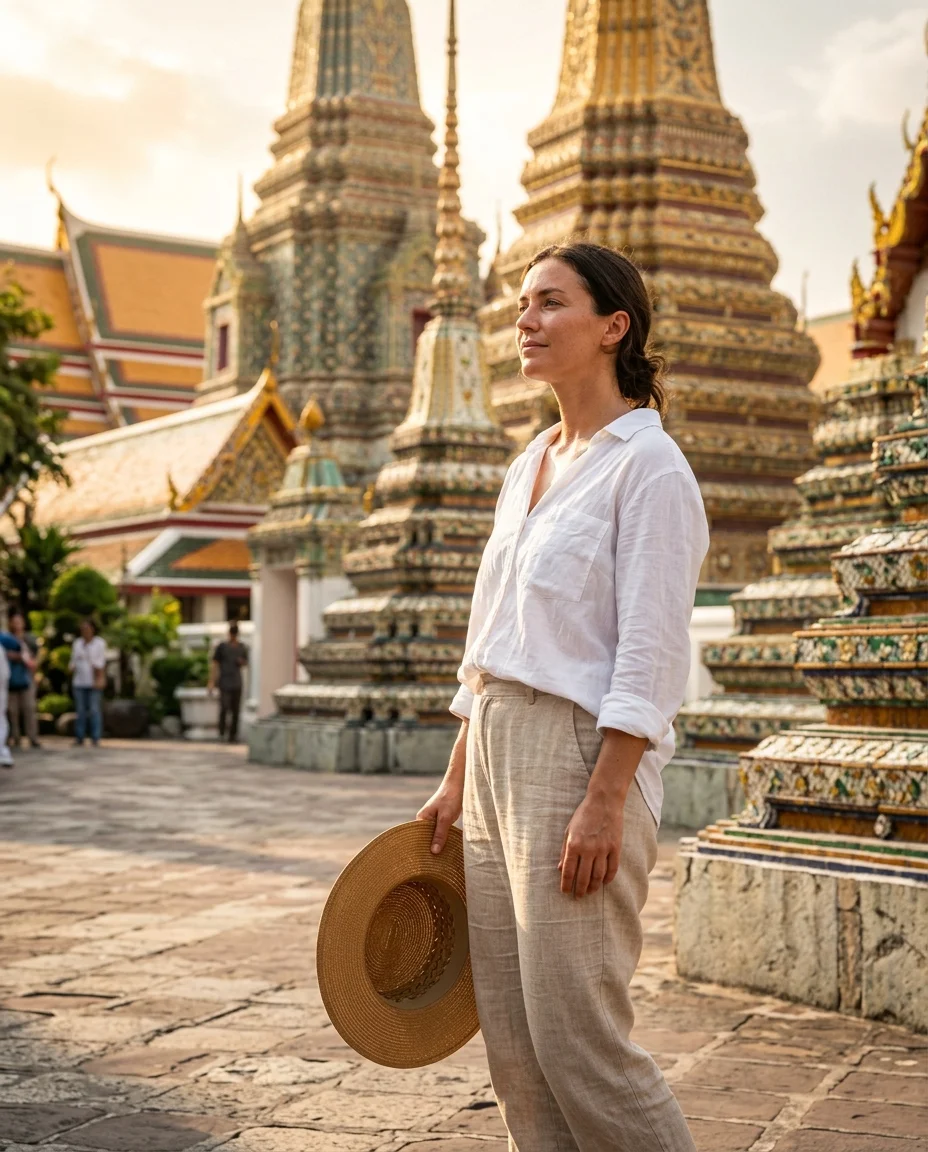
Stepping off a 12-hour flight from Heathrow into Bangkok's 35-degree humidity instantly reveals whether you packed the right fabrics or made a terrible mistake. The combination of intense heat, conservative temple dress codes, and widely available cheap laundry services means your standard summer holiday wardrobe requires a complete rethink.
This guide details exactly what to put in your suitcase for Thailand, ensuring you are prepared for the climate, cultural expectations, and practical realities of the country. You will learn which fabrics survive the humidity, the specific items required for temple visits, and which toiletries are genuinely cheaper to buy before leaving the UK. It also breaks down the packing differences between a quick resort holiday, a backpacking route, and a long-term relocation.
Clothing for Heat, Humidity and Temples
Thailand’s aggressive humidity requires a wardrobe built entirely around breathability, while cultural norms demand modest coverage for religious sites. The temperature rarely drops below 28 degrees Celsius, even at night, making heavy cottons and synthetic blends clingy and profoundly uncomfortable. You need lightweight, moisture-wicking fabrics like linen, merino wool, or advanced synthetics designed for tropical climates. When visiting temples, including the Grand Palace or local shrines, strict dress codes apply to both men and women. Shoulders and knees must be completely covered. Many tourists are turned away at the gates or forced to buy overpriced, low-quality trousers from street vendors because they arrived in shorts and vests. A sensible packing strategy involves bringing two pairs of lightweight, loose-fitting trousers and a few breathable t-shirts or blouses that cover the collarbone and shoulders. Slip-on shoes are equally essential, as you must remove your footwear before entering any temple building. Do not pack jeans, as the heavy denim takes days to dry in the humid air and will cause severe chafing. Instead, rely on clothing that can be washed cheaply at local laundries and returned to you dry within 24 hours. Leave your heavy layers at home and focus on light, culturally appropriate layers that dry quickly.
Discover how to rent a scooter in Thailand safely. Learn about UK licence laws, insurance exclusions, daily costs, and avoid common rental mistakes. Read more.
Toiletries and Medications: UK versus Thailand
Sponsored
Knowing exactly which bathroom essentials to bring from the UK and which to buy on arrival saves significant luggage weight and expense. Thailand has excellent pharmacies, like Boots and Watsons, lining almost every high street and shopping mall. Standard painkillers, including paracetamol and ibuprofen, cost as little as 15 THB (£0.35) for a blister pack, meaning there is no need to bulk-buy them before you fly. However, certain items are notoriously expensive or difficult to source in the exact format you might prefer. Suncream is heavily imported and taxed, often costing upwards of 500 THB (£11.50) for a standard 200ml bottle of Nivea or Banana Boat. Furthermore, many Thai moisturisers, deodorants, and suncreams contain bleaching agents labelled as 'whitening', which most UK travellers wish to avoid. Roll-on deodorants without these additives are scarce outside major tourist areas. Female hygiene products, particularly tampons with applicators, are incredibly difficult to find on the islands or in rural provinces, as sanitary pads are the local standard. Bring enough reef-safe suncream, specific prescription medications, and preferred sanitary products to last your entire trip.
| Item | UK vs Thailand Sourcing | Cost Comparison | Notes | |
|---|---|---|---|---|
| Paracetamol / Ibuprofen | Buy in Thailand | UK: £0.50 | THB: 15 (£0.35) | Widely available in all pharmacies and 7-Eleven stores. |
| Suncream (200ml) | Bring from UK | UK: £6.00 | THB: 500+ (£11.50+) | Thai options are expensive and often contain whitening agents. |
| Deodorant | Bring from UK | UK: £2.00 | THB: 120 (£2.80) | Local roll-ons frequently contain skin-bleaching ingredients. |
| Tampons (Applicator) | Bring from UK | UK: £3.00 | THB: 200+ (£4.60+) | Very hard to find outside central Bangkok; pads are the norm. |
Tech, Adaptors and Power Requirements
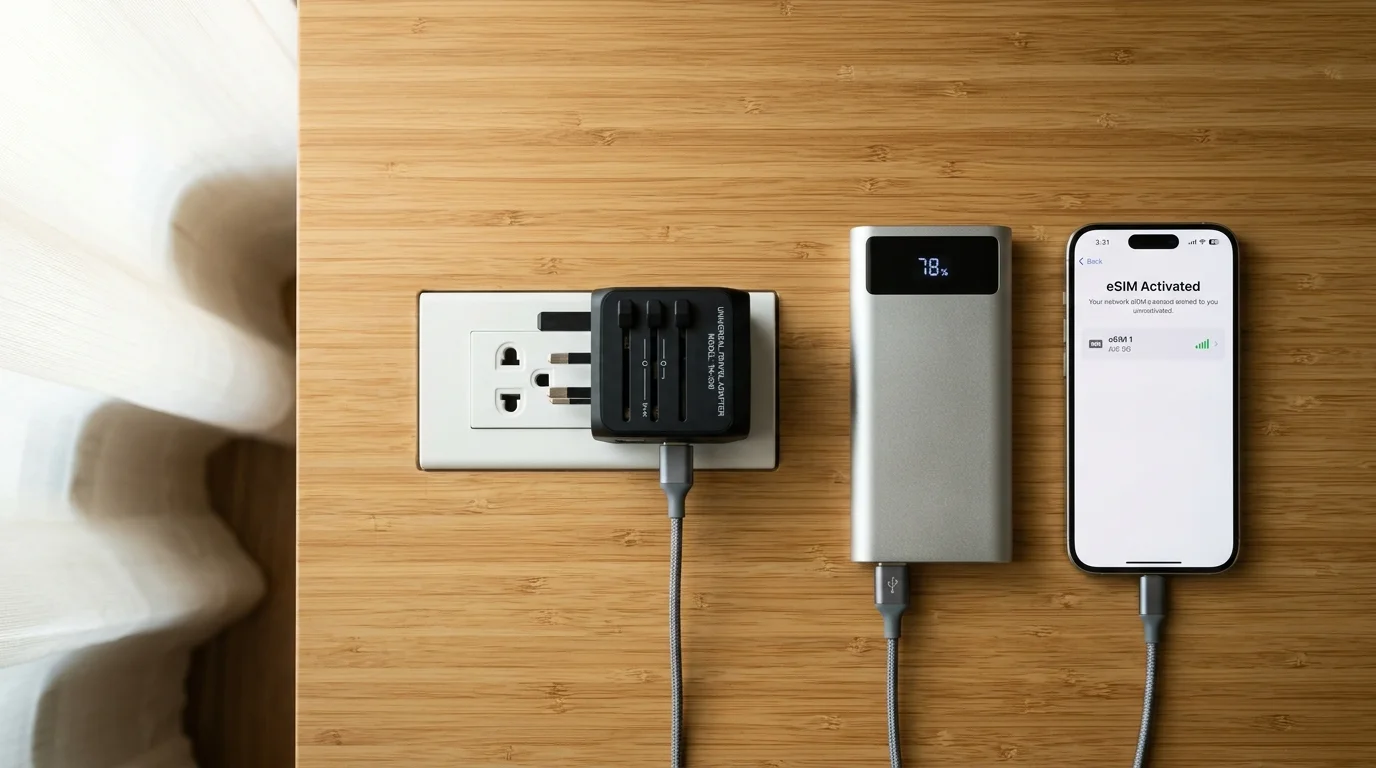
Managing your electronics in Thailand requires understanding local socket types and the physical limitations of battery travel. The standard voltage is 220V, which perfectly matches the UK, meaning you do not need a voltage converter for your hair straighteners or laptop chargers. However, Thai wall sockets are a hybrid design that accepts flat two-pin plugs (Type A and B) and round two-pin plugs (Type C and O). Your UK three-pin plug will not fit anywhere without an adaptor. A universal travel adaptor is the most practical solution, ideally one equipped with multiple USB-C and USB-A ports so you can charge several devices simultaneously from a single wall outlet. Power banks are essential for long travel days, particularly when using navigation apps or booking Grab taxis, but you must adhere to strict airline regulations. Thai aviation rules dictate that any power bank brought onto a flight must clearly display its capacity, and anything over 32,000mAh is strictly confiscated at security. Pack your power bank in your carry-on luggage, as they are prohibited in checked bags. Ensure your devices are unlocked before leaving the UK so you can immediately install a local tourist eSIM on arrival.
| Tech Item | Necessity Level | Application in Thailand | Notes |
|---|---|---|---|
| Universal Adaptor | Essential | Converts UK 3-pin to Thai 2-pin | Buy one with multiple USB ports to save wall space. |
| Power Bank | Essential | Keeps phone charged for maps and Grab apps | Must be under 32,000mAh with capacity clearly printed. |
| Unlocked Smartphone | Essential | Allows use of local Thai eSIMs | Check with your UK network provider before departure. |
| Waterproof Phone Case | Highly Recommended | Protects tech on boats and during monsoon rains | Essential if travelling during the wet season or doing boat tours. |
Beach Gear, Water Activities and What People Overpack
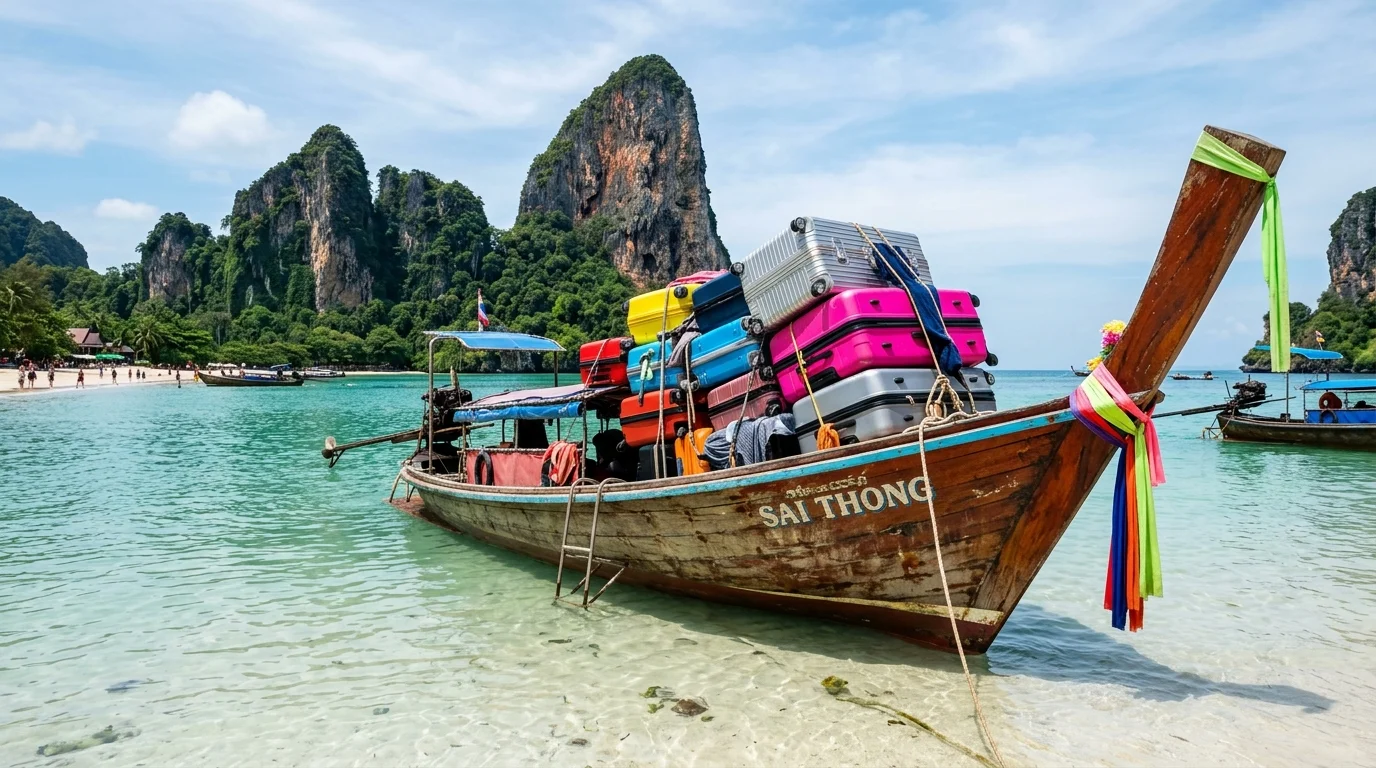
The most common packing error UK travellers make is bringing far too much heavy clothing and unnecessary equipment for a tropical environment. You will spend the majority of your time in swimwear, light shorts, and flip-flops, rendering that third pair of trainers or evening jacket completely useless. High heels sink into the sand and are hazardous on the uneven pavements of Bangkok, while expensive jewellery simply becomes a target for loss or damage in the sea. For water activities, you only need to pack specific gear if you have professional requirements. Dive shops and tour operators provide masks, snorkels, and fins as part of any boat trip, so there is no need to waste valuable suitcase space on bulky plastic equipment. If you plan to visit rocky islands or participate in waterfall hikes, a pair of lightweight water shoes provides excellent protection against sharp coral and slippery rocks. A dry bag is a highly practical investment for boat trips, protecting your phone, cash, and hotel keys from sudden downpours and sea spray. Pack half the clothes you think you need and leave the bulky accessories in the UK.
Packing Profiles: Backpackers, Resorts and Relocation
How you pack must align directly with how you plan to move around the country, as the transport infrastructure heavily dictates luggage suitability. If you are a backpacker navigating ferries, shared pickup trucks, and budget domestic flights, a 40-litre to 50-litre travel backpack is the absolute limit. Dragging a wheeled suitcase across sand or hauling it up three flights of stairs in a hostel without a lift quickly becomes exhausting. Conversely, if you are heading straight to a luxury resort in Phuket or Koh Samui via a private transfer, a sturdy four-wheel hard-shell suitcase is perfectly appropriate. Resort travellers can afford to pack slightly heavier items like evening wear or multiple pairs of shoes, as their luggage is handled by porters and transport is point-to-point. For those relocating long-term, the priority shifts entirely away from holiday wear. Expats should use their baggage allowance to import high-quality UK shoes, as finding sizes above a UK 10 (EU 45) for men or a UK 7 (EU 40) for women is highly challenging in Thai department stores. Tailor your luggage choice and volume strictly to your mode of transport and length of stay.
| Traveller Profile | Ideal Luggage Type | Primary Packing Focus | Notes |
|---|---|---|---|
| Backpacker | 40L - 50L Backpack | Mobility and weight reduction | Essential for navigating ferries and uneven pavements. |
| Resort Holiday | 4-Wheel Hard Suitcase | Convenience and varied outfits | Suitable when using private airport transfers and porters. |
| Digital Nomad | Carry-on plus Tech Backpack | Electronics protection and basic wear | Prioritise safely transporting laptops over extensive wardrobes. |
| Expat Relocation | Maximum Checked Allowance | Hard-to-find sizes and home comforts | Bring large shoes, specific cosmetics, and favourite tea bags. |
Costs and Budgeting
Preparing your luggage involves deciding what to buy in the UK and what to purchase upon arrival to balance convenience with cost. Thailand operates a dual economy for consumer goods. Local market clothing and basic pharmacy supplies are exceptionally cheap, while imported Western brands carry heavy taxes. Buying a basic t-shirt at a Bangkok night market is highly affordable, whereas replacing a lost bottle of premium European suncream will heavily dent your daily budget. Laundry services are an integral part of your packing budget, allowing you to travel light. Drop-off laundry services charge by the kilo, saving you the expense of checking in a massive suitcase on domestic flights. Budget travellers should prioritise bringing expensive toiletries from home, while those relocating should invest their budget in shipping essential electronics rather than easily replaceable clothing.
| Option | Cost (THB) | Cost (GBP approx) | Notes |
|---|---|---|---|
| Local Drop-off Laundry (per kg) | 50 - 80 | £1.15 - £1.85 | Usually returned washed, dried, and folded within 24 hours. |
| Basic T-shirt (Night Market) | 150 - 200 | £3.50 - £4.60 | Quality varies; try to negotiate if buying multiple items. |
| Western Brand Suncream (200ml) | 500 - 700 | £11.50 - £16.00 | Heavily taxed import; much cheaper to buy in the UK. |
| Pharmacy Painkillers (Pack of 10) | 15 - 30 | £0.35 - £0.70 | Extremely cheap; no need to waste UK luggage space on these. |
Common Mistakes and How to Avoid Them
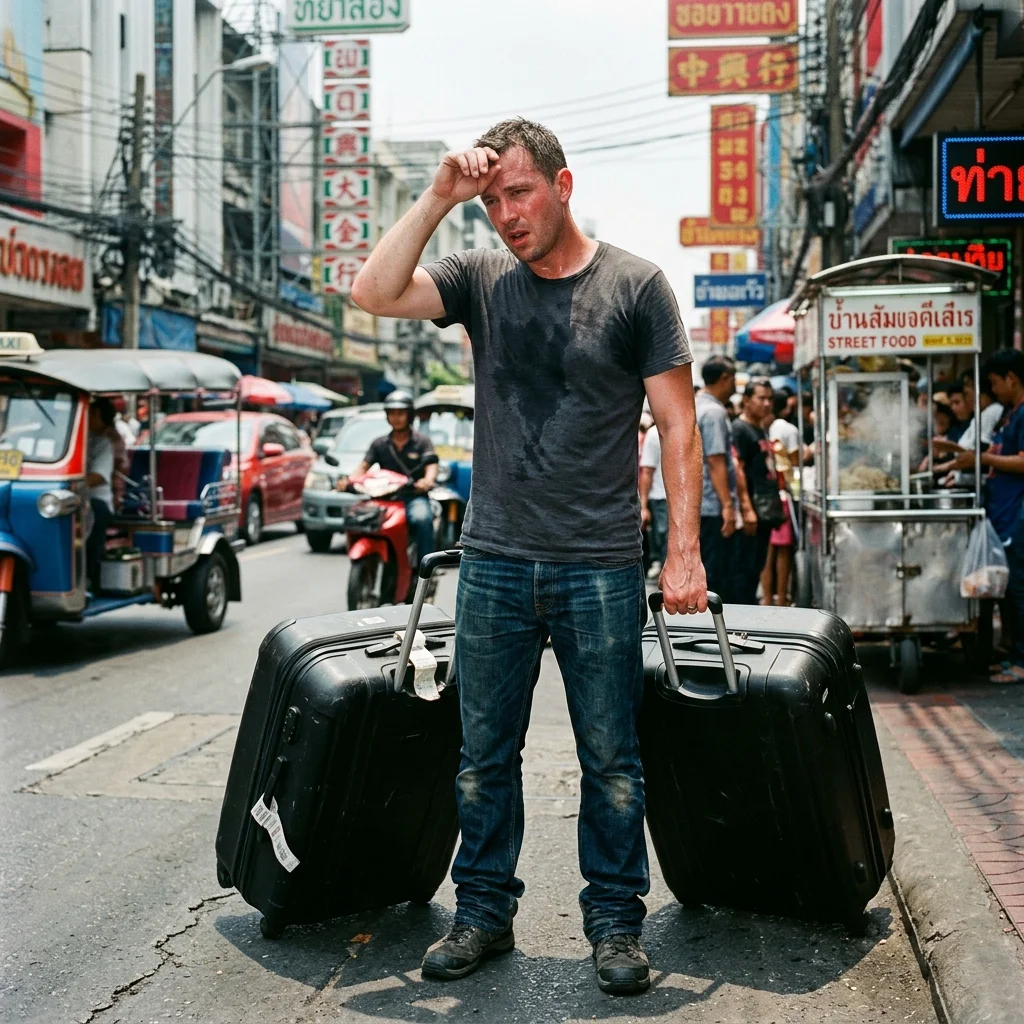
Packing heavy denim jeans for evening wear. The thick fabric traps heat and moisture, leaving you sweating profusely within minutes of leaving your air-conditioned hotel. Pack lightweight linen trousers or breathable cotton blends instead.
Assuming all toiletries are easily and cheaply available. Many travellers run out of suncream and are shocked by the high prices and the prevalence of bleaching agents in local skincare products. Bring enough suncream, preferred deodorants, and specific sanitary products from the UK to cover your entire trip.
Forgetting a cover-up for air-conditioned spaces. Domestic flights, shopping malls, and long-distance buses keep their air-conditioning set to freezing temperatures, causing extreme discomfort if you only packed vests and shorts. Always carry a light jumper, cardigan, or oversized scarf in your day bag.
Packing non-compliant power banks in checked luggage. Airport security in Thailand strictly enforces battery regulations, and putting a large power bank in your hold luggage guarantees it will be confiscated. Carry all power banks in your hand luggage and ensure the capacity is clearly printed on the casing.
Practical Tips
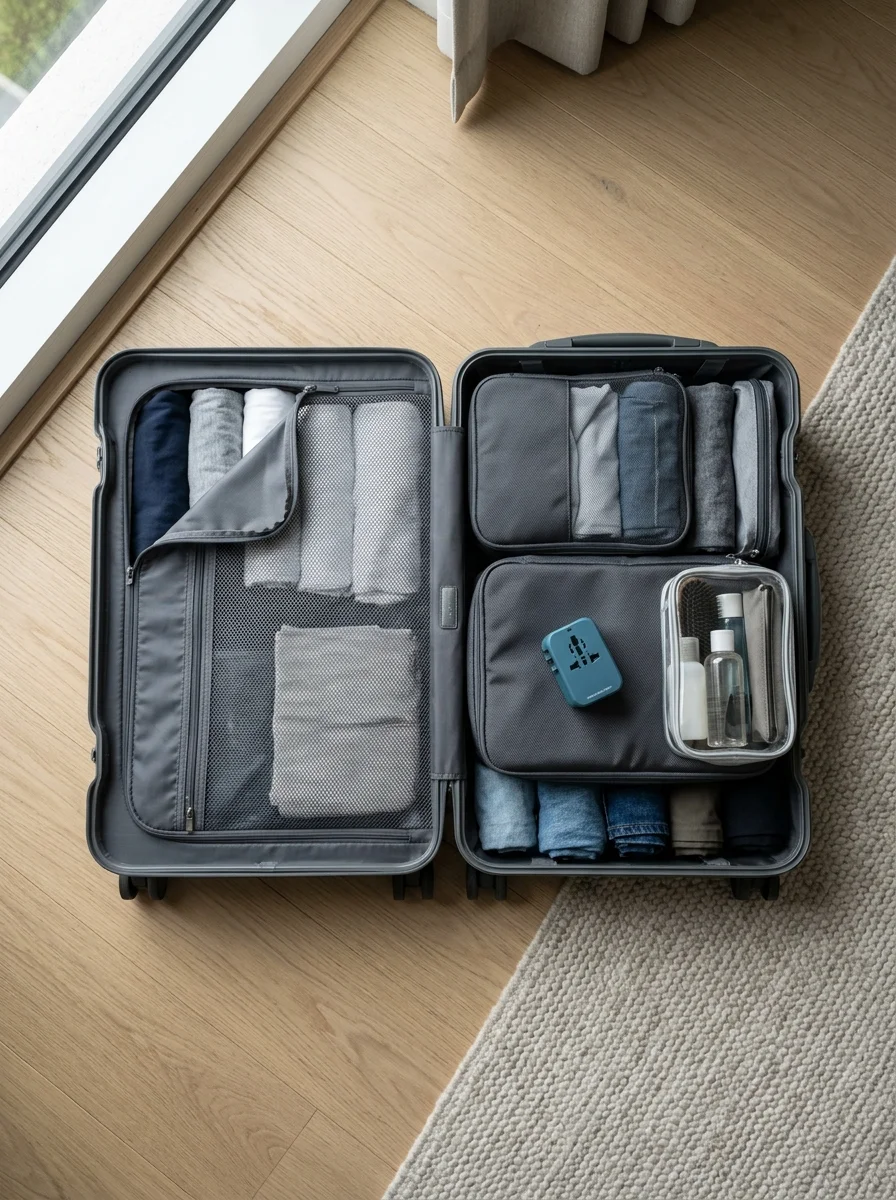
Roll your clothes instead of folding them. This technique prevents deep creases in lightweight fabrics like linen and creates significantly more space in smaller backpacks.
Use packing cubes to separate clean and dirty items. In a humid climate, worn clothes quickly develop a damp odour, and isolating them prevents your fresh clothes from smelling musty.
Carry a small roll of toilet paper and hand sanitiser in your day bag. Many public toilets outside major shopping centres, particularly at bus stations or rural stops, do not provide tissue or soap.
Photocopy your passport and keep it separate from the original. If you lose your primary document, having a physical copy speeds up the replacement process at the British Embassy in Bangkok.
Pack a lightweight dry bag for island trips. Sudden tropical downpours and sea spray on longtail boats can ruin expensive cameras and smartphones in seconds.
Leave 20 percent of your suitcase empty when departing the UK. You will inevitably buy cheap clothing, souvenirs, or local snacks, and starting with a full bag guarantees you will exceed airline weight limits on the return flight.
Pack slip-on shoes for days when you plan to visit temples. You will be required to take your shoes off repeatedly before entering buildings, making complicated laces incredibly frustrating.
Quick Reference Table
| Item | Detail | Notes |
|---|---|---|
| Clothing Fabrics | Linen, light cotton, merino wool | Avoid heavy denim and thick synthetic blends. |
| Temple Wear | Trousers/long skirts, shoulder cover-ups | Strict enforcement; no shorts or vests allowed inside. |
| Suncream | Bring from the UK | Thai options are expensive and often contain bleach. |
| Power Adaptor | Universal plug with USB ports | Thailand uses 2-pin flat and round sockets (220V). |
| Power Banks | Must be under 32,000mAh | Carry-on only; capacity must be printed on the device. |
| Luggage | 40L Backpack or 4-Wheel Suitcase | Depends entirely on your transport style and destinations. |
| Footwear | Flip-flops, slip-ons, water shoes | Avoid high heels; pack slip-ons for easy temple access. |