Travel Insurance in Thailand
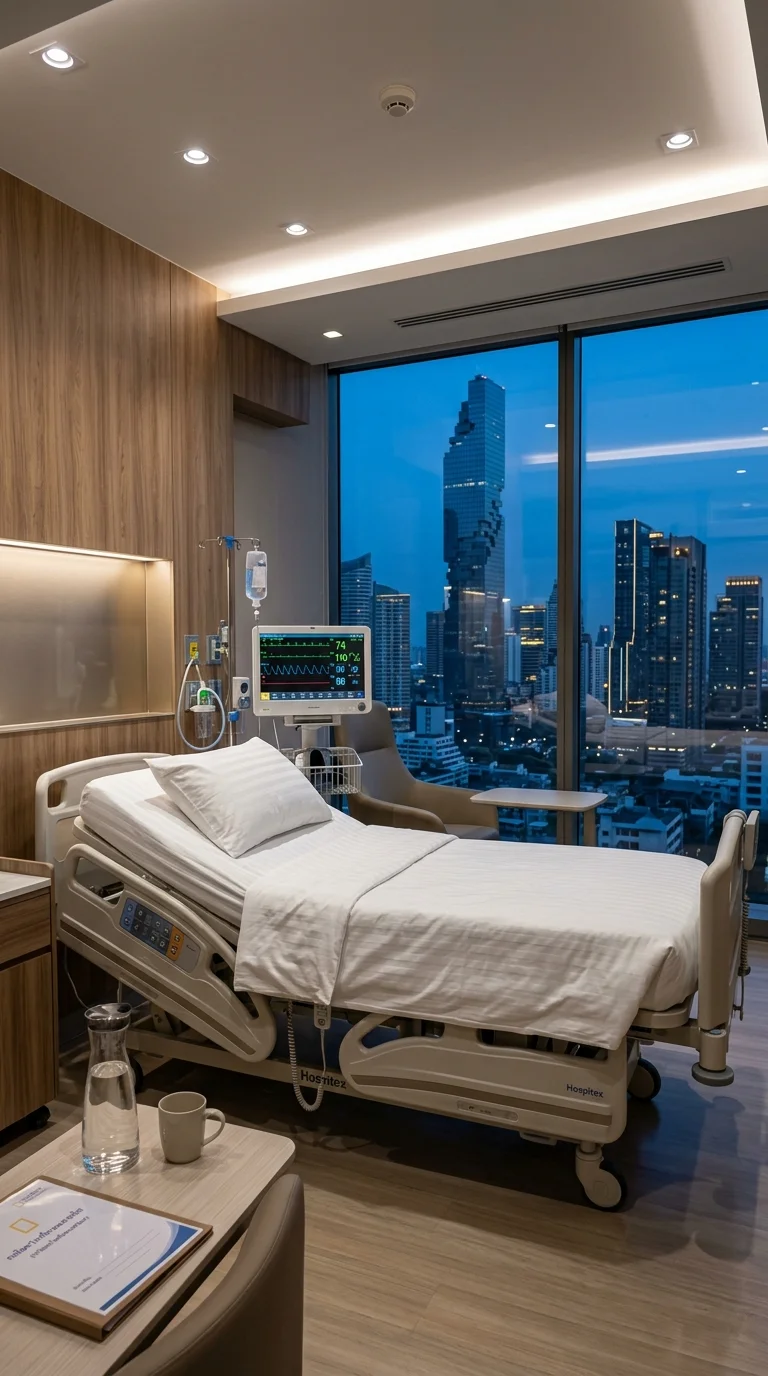
A broken collarbone from a minor scooter slide in Koh Samui will cost you upwards of 150,000 THB (£3,300) in a private Thai hospital before they even begin physical therapy. Without the correct motorcycle endorsement on your travel insurance policy, that entire bill comes directly out of your own bank account.
This guide breaks down exactly what a Thailand-specific travel insurance policy must cover to protect you from catastrophic financial loss. It details realistic medical coverage minimums for private Thai hospitals, explains the strict rules surrounding scooter and adventure sports cover, and clarifies how pre-existing conditions are actually handled. You will also find a direct comparison of the main providers used by UK travellers, alongside the exact steps required to successfully file a claim while still in the country.

Medical Coverage Minimums for Private Thai Hospitals
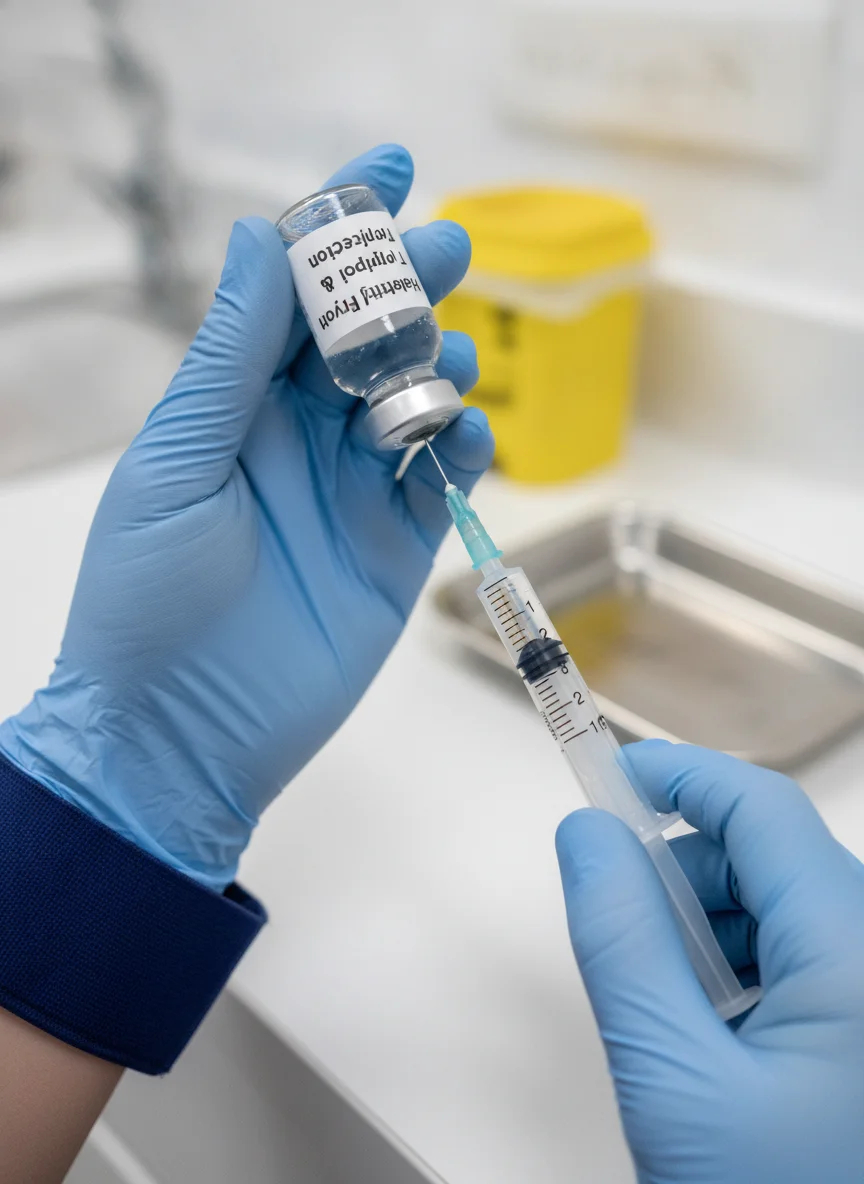
Your travel insurance policy must include a minimum of £2 million in medical coverage to account for the high costs of private healthcare in Thailand. While public facilities like Vachira Phuket Hospital are inexpensive, they suffer from severe overcrowding and significant language barriers. Foreign tourists are almost always directed to private facilities such as Bangkok Hospital or Bumrungrad International. These institutions operate at Western clinical standards and charge accordingly. A moderate case of dengue fever requiring a five-day inpatient stay with intravenous fluids and blood monitoring typically costs around 80,000 THB (£1,750). If you require emergency surgery and an air ambulance evacuation back to the UK, the bill can easily exceed 4,000,000 THB (£88,000). You need a policy that pays the hospital directly for inpatient care, rather than forcing you to settle the bill upfront and claim it back later. Check the fine print for a 'guarantee of payment' clause. This allows the insurer's assistance team to liaise directly with the Thai hospital's international billing department.
Discover what boutique hotels in Thailand really offer. Compare costs, locations, and facilities against chain hotels before you book your next stay.
Always confirm your policy guarantees direct billing for inpatient admissions at private Thai hospitals to prevent massive upfront out-of-pocket expenses.
The Strict Reality of Scooter and Adventure Cover
Sponsored
Riding a scooter without the correct documentation is the single most common reason UK travellers have their insurance claims rejected in Thailand. Standard travel insurance does not automatically cover two-wheeled transport. To be covered, you must hold a full UK motorcycle licence, carry an International Driving Permit (IDP) with the motorcycle category physically stamped, and wear a helmet. A standard UK car licence only permits you to ride mopeds up to 50cc. However, almost every rental scooter in Thailand, such as the ubiquitous Honda Click, is 110cc or 125cc. If you rent a 125cc scooter in Chiang Mai using just a car licence, your insurer will void any claim resulting from an accident. Beyond scooters, Thailand's adventure activities require specific policy add-ons. Scuba diving in Koh Tao is usually covered up to 18 metres on a basic policy, but you need an extreme sports upgrade to dive to 30 metres with an Advanced Open Water certification. Activities like Muay Thai training, rock climbing in Railay, and wakeboarding often fall under 'hazardous pursuits' exclusions. You must manually add these activities during the quote process, which usually increases the premium by 15 to 20 percent.
Never rent a scooter in Thailand unless you hold a valid UK motorcycle licence and a corresponding IDP, as insurers will instantly reject your accident claim. See our full guide to car and motorbike insurance in Thailand for exactly what's covered and how to claim.
Navigating Pre-Existing Conditions
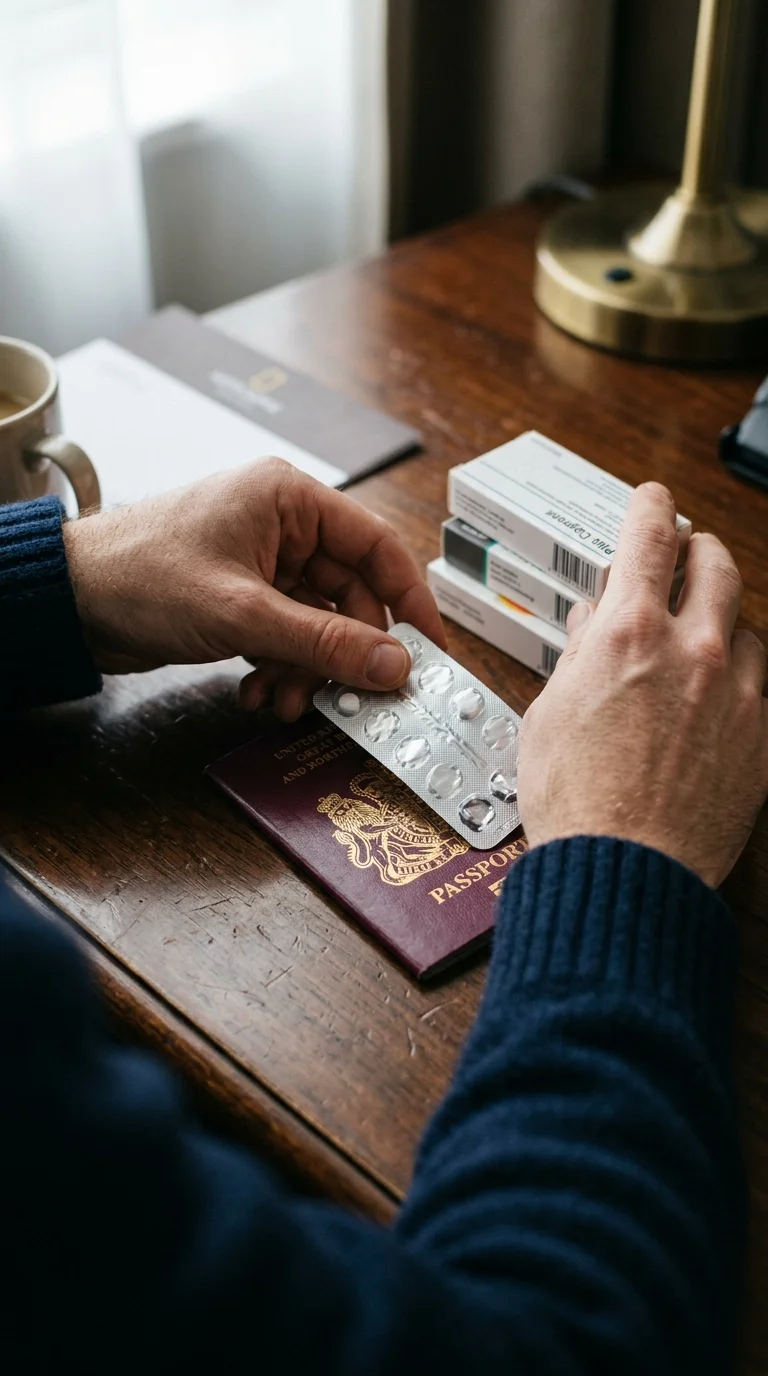
Failing to declare a medical condition during your application gives the insurer legal grounds to deny entirely unrelated claims later in your trip. A pre-existing condition is generally defined as any illness, injury, or symptom you have sought medical advice or medication for within the last two to five years, depending on the provider. If you take statins for slightly elevated blood pressure and fail to declare it, an insurer could refuse to pay out for a broken leg sustained in Phuket. They will argue the policy was invalid from the start due to non-disclosure. UK insurers use a standard medical screening questionnaire where you must answer honestly about everything from asthma to anxiety. Declaring a condition does not necessarily mean you cannot get cover. Many standard ailments, such as controlled hypothyroidism, are covered at no extra cost. More serious conditions, like a recent heart bypass or active cancer treatment, require a specialist provider such as Staysure or AllClear. These companies underwrite the specific risk, resulting in a higher premium but guaranteeing your protection while travelling through Southeast Asia.
Declare every medical consultation and prescription from the past five years during the screening process to ensure your policy remains legally binding.
Comparing UK Insurers vs Nomad Policies
UK travellers generally choose between traditional domestic insurers and digital nomad policies designed for flexible, long-term travel. Standard UK providers like Post Office or LV= are ideal for fixed-date holidays of up to 31 days. They offer comprehensive coverage, high baggage protection, and simple cancellation clauses. The strict rule is that you must purchase them before you leave British soil. If you decide to extend your trip while already in Bangkok, traditional policies usually cannot be renewed. Digital nomad providers like SafetyWing and World Nomads operate differently. SafetyWing acts more like a subscription service, charging a flat monthly fee with lower medical limits (£200,000) and minimal electronics cover. Its primary benefit is that you can buy or cancel it while already overseas. World Nomads sits in the middle, offering robust coverage for high-risk adventure sports and high medical limits. This makes it a favourite for backpackers doing multi-month Southeast Asia loops, though it is significantly more expensive than standard UK options. Your choice depends entirely on whether you have a return flight booked and what activities you plan to undertake.
Choose a traditional UK insurer for short, fixed-date holidays, but opt for SafetyWing or World Nomads if you need the flexibility to extend your trip or buy cover while already abroad.
| Provider Type | Best Suited For | Key Advantage | Major Limitation |
|---|---|---|---|
| Standard UK Insurers (e.g., LV=, Post Office) | 2 to 3 week fixed holidays | High medical limits, cheaper premiums | Must purchase before leaving the UK |
| SafetyWing | Long-term digital nomads | Buy while abroad, monthly subscription model | Lower medical limits (£200k), minimal tech cover |
| World Nomads | Backpackers and adventure travellers | Covers extreme sports, high medical limits | Expensive premiums compared to domestic rivals |
| TrueTraveller | Extended gap years | Tailored for UK citizens, excellent activity cover | Only available to European residents |
Filing a Claim and the Number One Rejection Reason
The mechanics of filing a successful claim from Thailand rely entirely on acquiring the correct documentation before you leave the hospital or police station. For minor medical claims under 20,000 THB (£440), you will usually have to pay out of pocket at the clinic and claim reimbursement later. You must demand an official medical certificate signed by the attending doctor, detailing the exact diagnosis, alongside a fully itemised receipt showing a zero balance. Thai hospitals are accustomed to this and will prepare a 'medical claim pack' upon request. For stolen items, Thai police require you to file a report in person at the local station within 24 hours of the incident. You can often call the Tourist Police on 1155 for English-speaking assistance. Without a stamped police report, your insurer will not process a theft claim. The absolute most common reason claims are rejected in Thailand is alcohol consumption. If you trip and break your wrist leaving a beach club in Koh Phangan, the hospital will note if you smell of alcohol or test your blood. Most policies feature a blanket exclusion for injuries sustained while under the influence of alcohol.
Always collect a signed medical certificate and itemised receipt before leaving a Thai clinic, as insurers will not process a reimbursement without them.
Costs and Budgeting
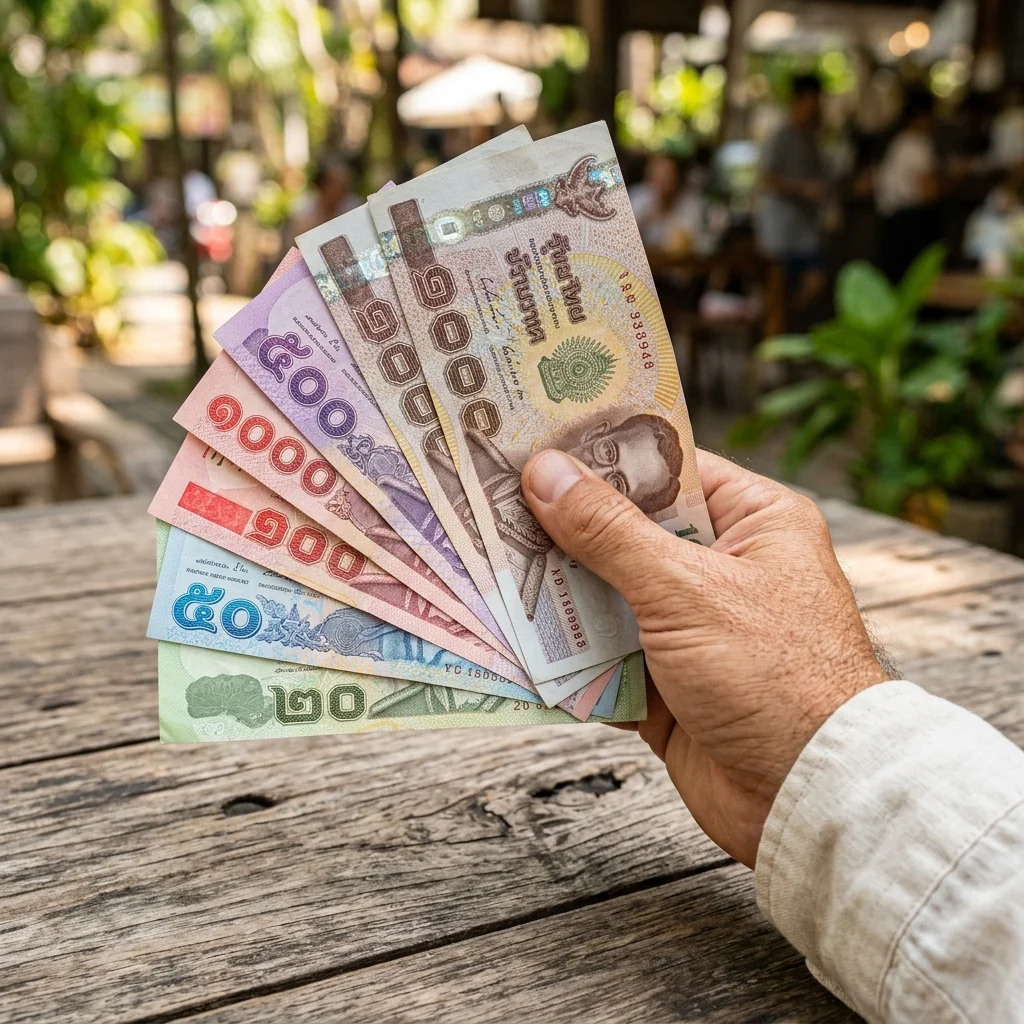
Travel insurance premiums for Thailand vary wildly based on your age, trip duration, and planned activities. A healthy 30-year-old taking a standard two-week holiday can secure basic medical and cancellation cover for a very low price. However, adding extreme sports, increasing gadget limits, or declaring pre-existing medical conditions will push the price into the mid-range or premium brackets. Long-term backpackers on multi-month trips will naturally pay more overall, though the cost per day decreases significantly. When budgeting, you must factor in the policy excess—the amount you pay towards a claim. A cheaper premium often hides a high excess of 11,350 THB (£250), which makes claiming for minor clinic visits pointless. Paying a slightly higher upfront premium to reduce the excess to zero is usually the smartest financial move for Thailand. Minor ailments like food poisoning or ear infections are common, and a zero-excess policy ensures you can visit a clinic without hesitation.
| Option | Cost (THB) | Cost (GBP approx) | Notes |
|---|---|---|---|
| Budget (2 weeks, basic cover) | 1,135 - 1,815 | £25 - £40 | High excess, no adventure sports, standard medical limits |
| Mid-range (2 weeks, comprehensive) | 2,270 - 3,400 | £50 - £75 | Zero excess, covers minor adventure sports, good baggage limits |
| Premium / Pre-existing (2 weeks) | 4,540 - 9,080+ | £100 - £200+ | Covers declared medical conditions, high cancellation limits |
| Long-term Nomad (per month) | 1,815 - 2,270 | £40 - £50 | Subscription basis, covers multiple countries, lower medical limits |
Common Mistakes and How to Avoid Them
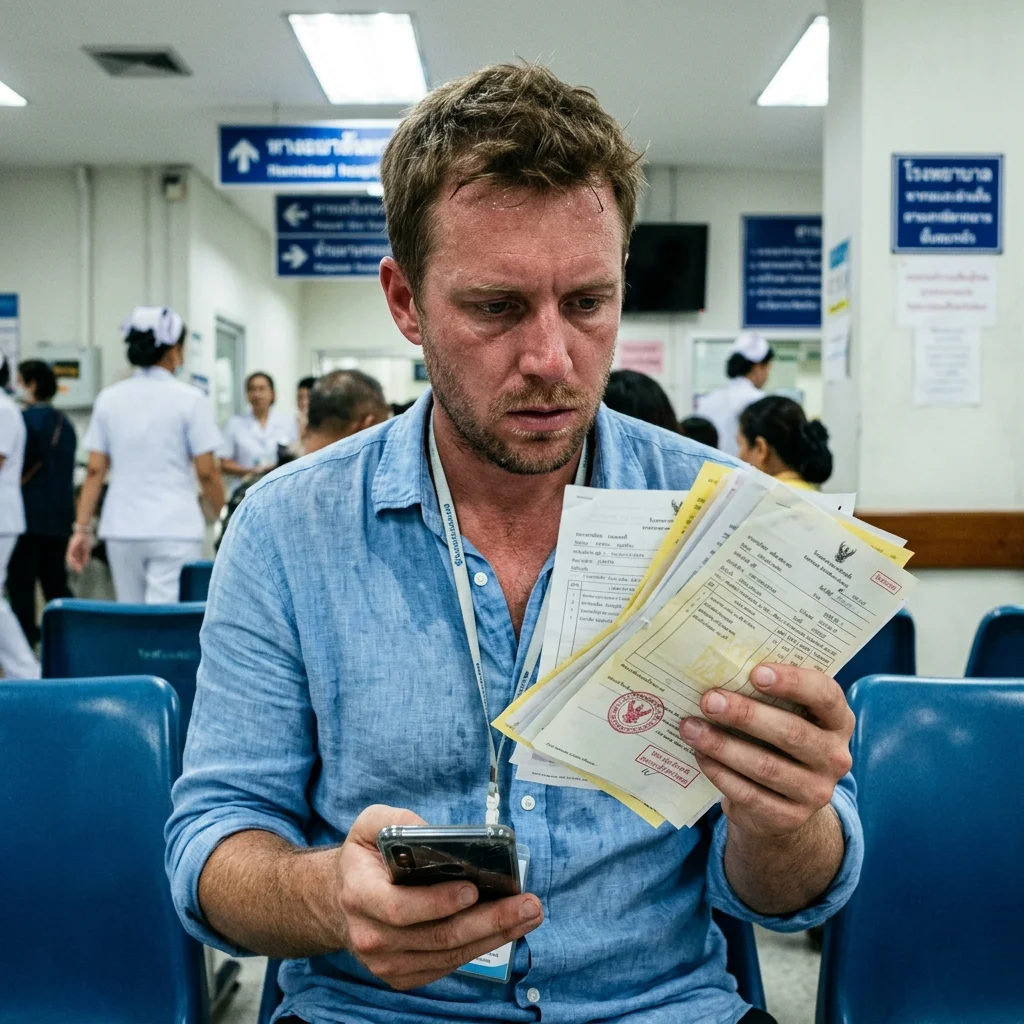
Failing to call the 24-hour assistance line before hospital admission is a critical error. The insurer may refuse to cover the bill if they have not pre-approved the private hospital's rates. Call the emergency number the moment you realise you need inpatient care.
Leaving valuables unattended on a beach while swimming is a frequent oversight. Insurers will deny your theft claim because the items were not under your direct supervision. Keep electronics locked in your hotel safe and take minimal cash to the sand.
Buying traditional insurance after leaving the UK invalidates the policy. If you purchase a standard policy from a hotel in Bangkok, claims will be rejected for breach of terms. Purchase cover while still physically in the UK, or use a specialist nomad provider.
Riding a scooter without an International Driving Permit guarantees a rejected claim. You will be left paying thousands of pounds for medical and vehicle damage. Secure an IDP stamped for motorcycles before leaving Britain.
Practical Tips
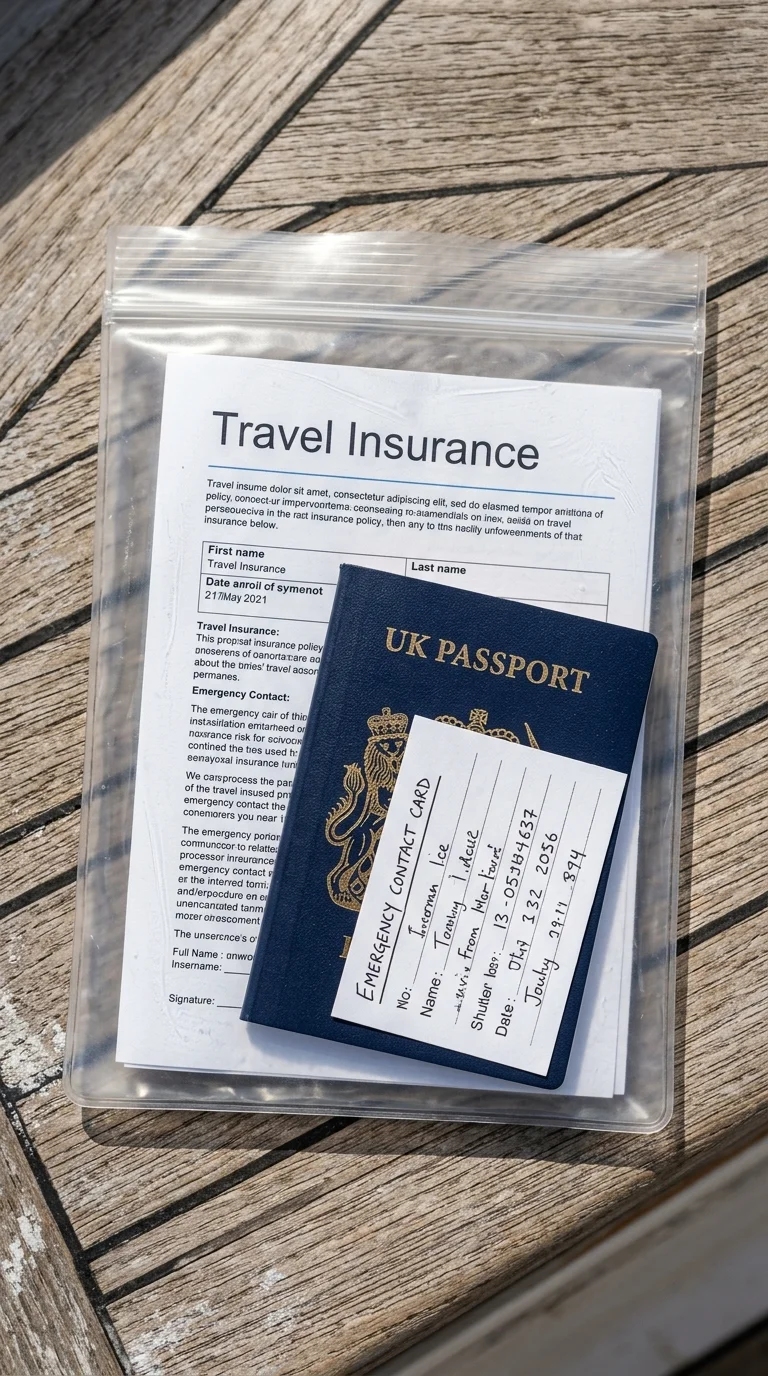
Keep a digital copy of your policy documents on your phone and email a copy to a trusted family member. If you lose your bags, you will still have immediate access to your policy number and the emergency assistance telephone line.
Save the insurer’s 24-hour medical emergency number directly into your phone contacts before you fly. Searching for contact details while dealing with a severe bout of food poisoning in a foreign country is unnecessarily stressful.
Carry a printed copy of your insurance certificate in your day bag when doing adventure activities. Thai hospitals will demand proof of insurance before admitting you for anything other than immediate life-saving care.
Check the maximum trip duration limit if you have an annual multi-trip policy. Most annual policies restrict individual trips to 31 or 45 days, meaning your cover will silently expire halfway through a two-month backpacking route.
Pay for your policy using a UK credit card rather than a debit card. This provides an extra layer of protection under Section 75 of the Consumer Credit Act if the insurance broker goes into administration.
Request an English translation of any police reports filed for stolen goods in Thailand. Insurers in the UK will delay your claim for weeks if they have to arrange their own translation of Thai police documents.
Ensure your policy covers repatriation of remains as well as emergency medical evacuation. While unpleasant to think about, the cost of returning a body to the UK from Thailand is astronomical without dedicated coverage.
Quick Reference Table
| Item | Detail | Notes |
|---|---|---|
| Minimum Medical Cover | £2,000,000 | Required to cover private hospital fees and air ambulance evacuation back to the UK. |
| Scooter Requirements | Full UK Motorcycle Licence + IDP | A standard UK car licence only covers 50cc. Thai rental scooters are 110cc+. |
| Alcohol Exclusion | Zero tolerance on most policies | Claims for injuries sustained while intoxicated will be rejected entirely. |
| Pre-existing Conditions | Must be declared | Covers anything you have sought medical advice for in the last 2-5 years. |
| Theft Claims | Police report required within 24 hours | Call Tourist Police on 1155. Unattended items on beaches are never covered. |
| Purchasing Abroad | Restricted for traditional insurers | Use SafetyWing or World Nomads if you have already left the UK. |
| Direct Billing | Inpatient only | Outpatient clinic visits usually require you to pay upfront and claim back later. |