Because this island lacks an airport, every arrival requires timing a 350 THB (£8) ferry crossing with the temperamental Gulf of Thailand tides.
You will spend at least half a day in transit from the mainland. However, this geographical barrier successfully filters out the weekend crowds and preserves the laid-back rhythm that originally made the region famous.
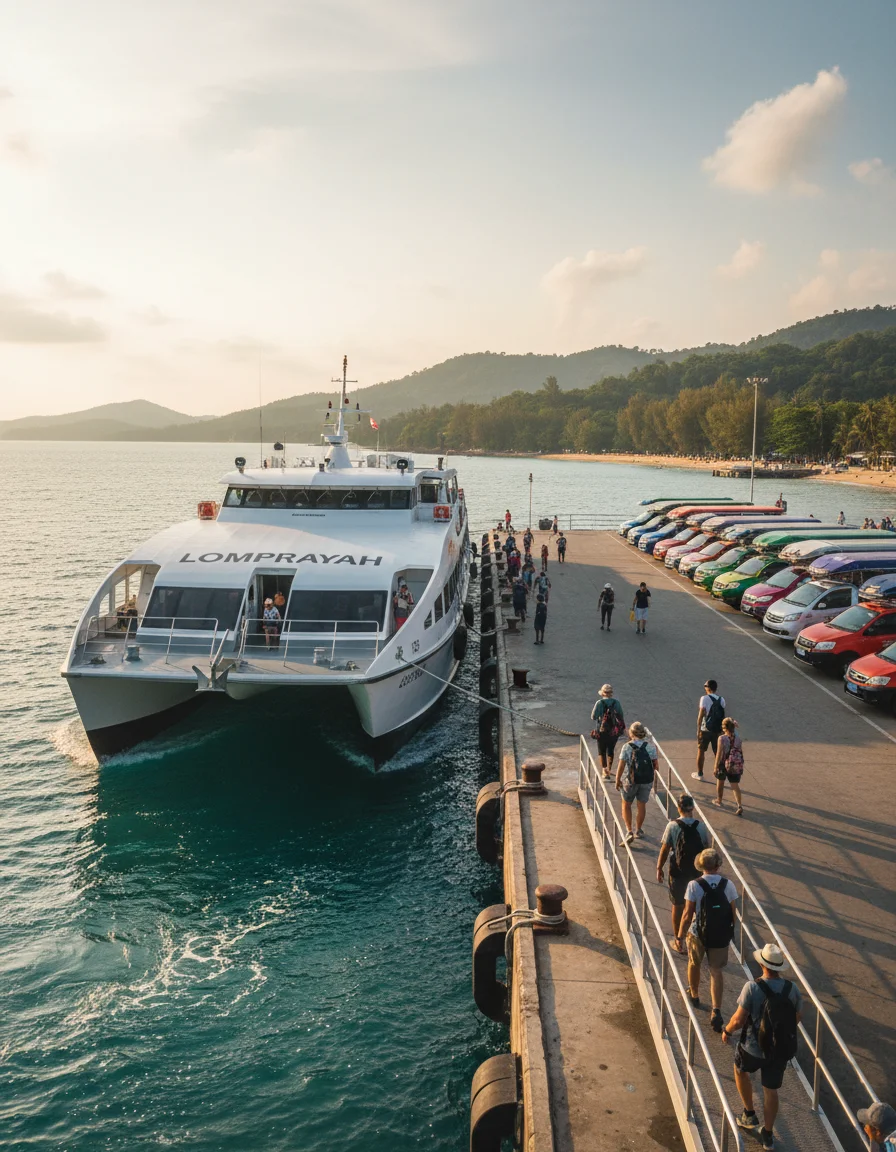
Flying direct from London Heathrow to Bangkok with Thai Airways or EVA Air takes exactly 11 hours and 30 minutes, costing around 31,500 THB (£700) for a return ticket. From the capital, you have two distinct paths. The fastest route involves a 90-minute Bangkok Airways flight to neighbouring Koh Samui for about 4,500 THB (£100), followed by a 30-minute Lomprayah catamaran crossing costing 350 THB (£8). Be warned that the last ferry leaves Samui at 16:30, so any flight landing after 15:00 means an enforced overnight stay. Alternatively, you can fly Thai AirAsia to Surat Thani on the mainland for 1,575 THB (£35), taking 75 minutes. From there, you buy a joint bus and ferry ticket with Seatran for 540 THB (£12), which demands another four hours of travel. This mainland route is vastly cheaper but eats up an entire day, so pack a decent book and secure your travel insurance beforehand just in case of delays.
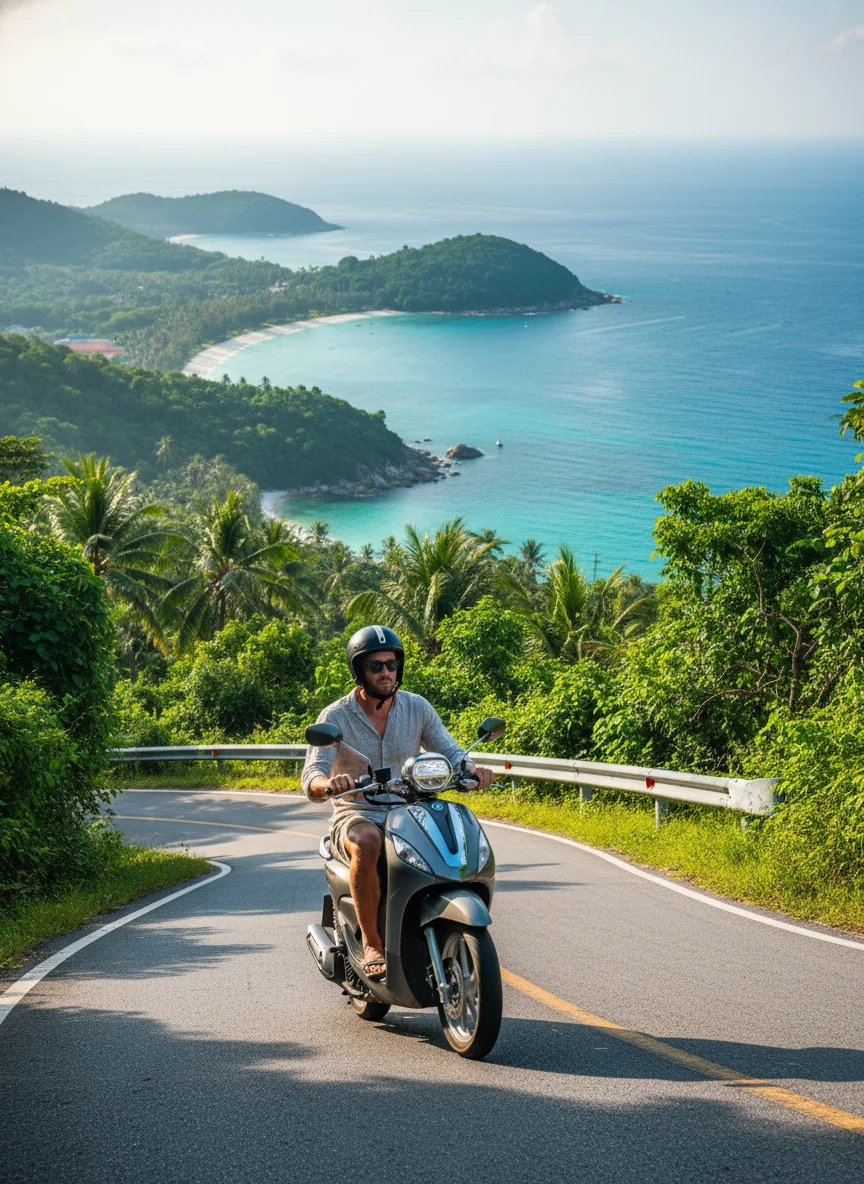
Shared songthaews act as the primary public transport network here. These converted pickup trucks with bench seating wait at the pier and charge a flat rate of 100 THB (£2.20) to popular spots. Be warned. Prices mysteriously double after 18:00. Always confirm the fare before climbing into the back. Scooter rental gives you absolute freedom and costs around 250 THB (£5.50) per day, but the hills leading to the eastern beaches are notoriously steep and unforgiving. Only rent one if you hold a valid international permit and possess actual riding experience, as the local clinics do a roaring trade in patching up gravel rash. Taxis are essentially private hires of those same songthaews. While apps like Grab and InDrive work wonderfully in Bangkok, they are entirely useless on this island due to a strong local taxi syndicate. If you need a private ride from the pier to a secluded northern bay like Thong Nai Pan, expect to pay a heavily inflated 800 THB (£17.70). Do not try to haggle the drivers down to mainland prices because you will simply be left standing on the curb. Walk a few streets away from the pier to find drivers willing to negotiate slightly better rates.
GETTING OUT
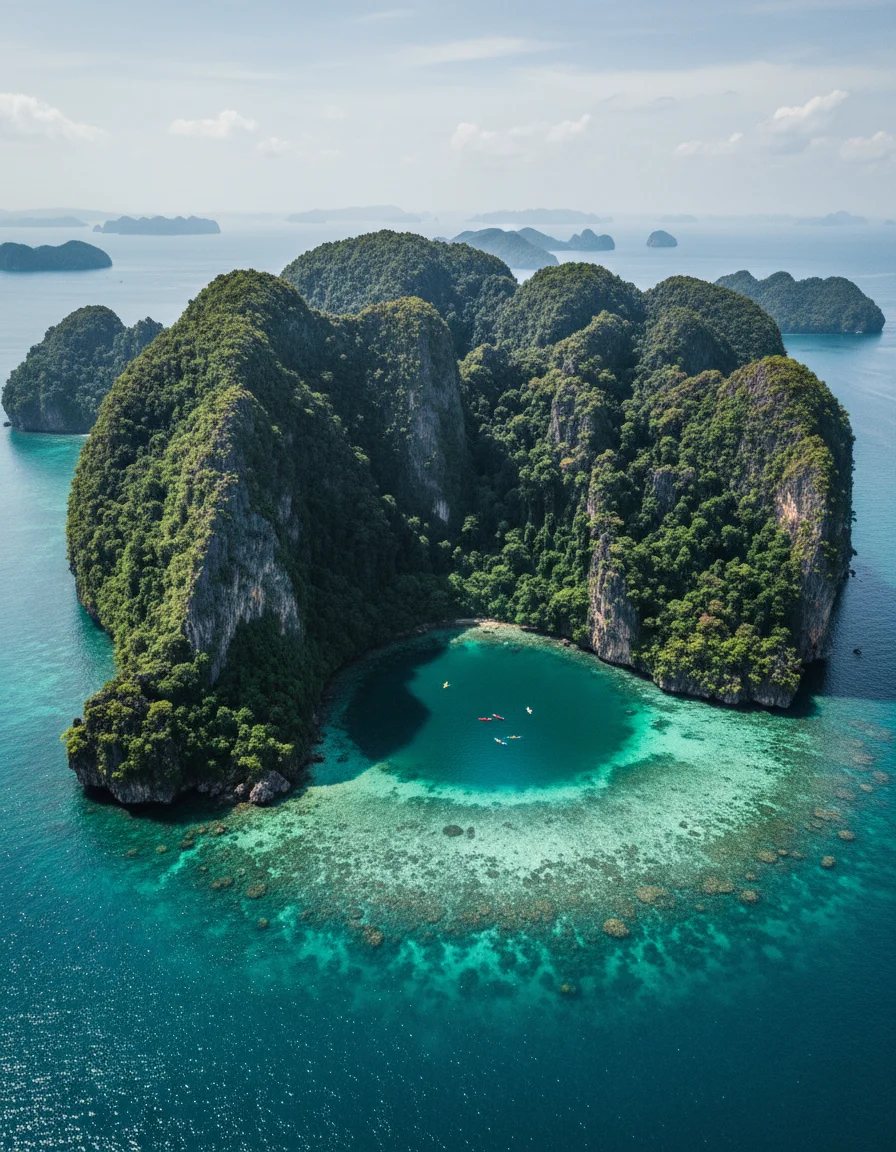
The most popular day trip is Ang Thong National Marine Park, an archipelago of uninhabited limestone islands. Group speedboat tours depart from the main pier daily, taking 45 minutes to reach the park and costing roughly 1,800 THB (£40) per person, which covers your kayaking gear and lunch. When it is time to move on, a 90-minute Lomprayah ferry ride to the diving mecca of Koh Tao costs 600 THB (£13.30). Book your ferry tickets online at least two days in advance during the dry season, as the best morning departure times sell out incredibly fast.
Thong Sala Pier is the singular gateway to the island, handling every incoming catamaran, ferry, and night boat. Lomprayah and Seatran are the dominant operators using the main berths. Ignore the aggressive touts offering accommodation the moment you step off the gangway. Instead, walk straight past them to the official taxi rank at the end of the pier where fares are printed on a large blue board, saving you an immediate 225 THB (£5) tourist tax.
Expect to spend around 1,350 THB (£30) a day on a backpacker budget, 3,600 THB (£80) for mid-range comfort with air-conditioning, and upwards of 9,000 THB (£200) for luxury beachfront resorts. ATMs are everywhere in the main towns, but they all charge a painful 220 THB (£4.80) withdrawal fee. Card acceptance is growing at larger hotels, yet smaller beach bars and night markets operate strictly in cash. To minimise fees, bring a travel-friendly debit card and withdraw the maximum 30,000 THB (£665) limit from the yellow Krungsri bank machines in one go.
CONNECTIVITY
Pick up an AIS tourist SIM card at the pier for 300 THB (£6.60), which provides generous 5G data for eight days. AIS offers the most reliable coverage across the island, particularly in the remote northern bays where other networks often completely vanish. Accommodation wifi is generally excellent, averaging 50 Mbps. Power outages are the real connectivity killer here. Heavy tropical downpours frequently knock out the local grid and take the cell towers down with it, so download your maps offline in advance.
British passport holders receive a 60-day visa exemption upon landing in Thailand, costing absolutely 0 THB (£0). Tipping is not mandatory, but leaving a 50 THB (£1.10) note for good restaurant service or a helpful maid is highly appreciated by local workers. Plugs are two-prong types A and C delivering 220V, making a universal adapter essential for UK electronics. Dial 1155 for the Tourist Police if you run into serious trouble. One crucial detail most ignore is the local tap water. It is heavily chlorinated and entirely unsafe to drink, but brushing your teeth with it is perfectly fine and saves you buying endless plastic bottles.