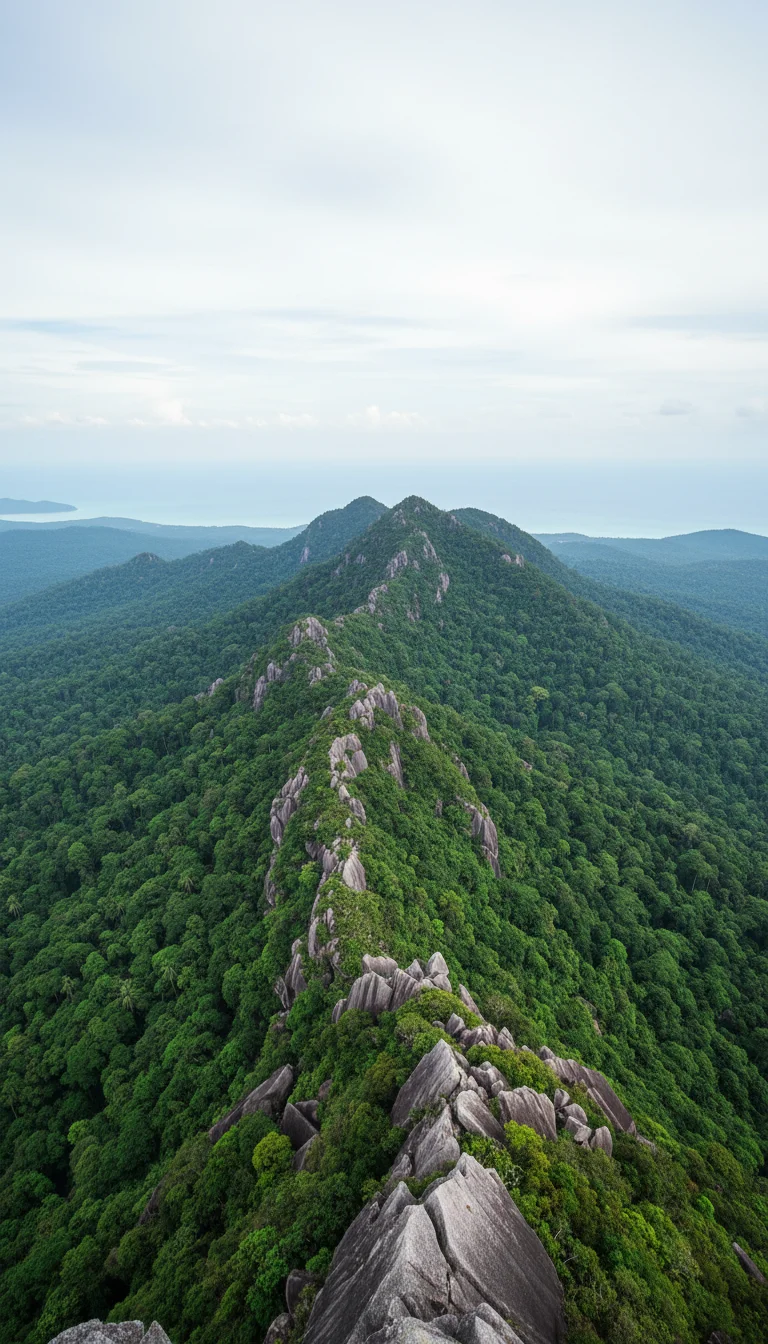
Rising from the lower Gulf of Thailand as a massive chunk of granite, this island is defined by a brutal, beautiful central ridge that effectively severs the east coast from the west.
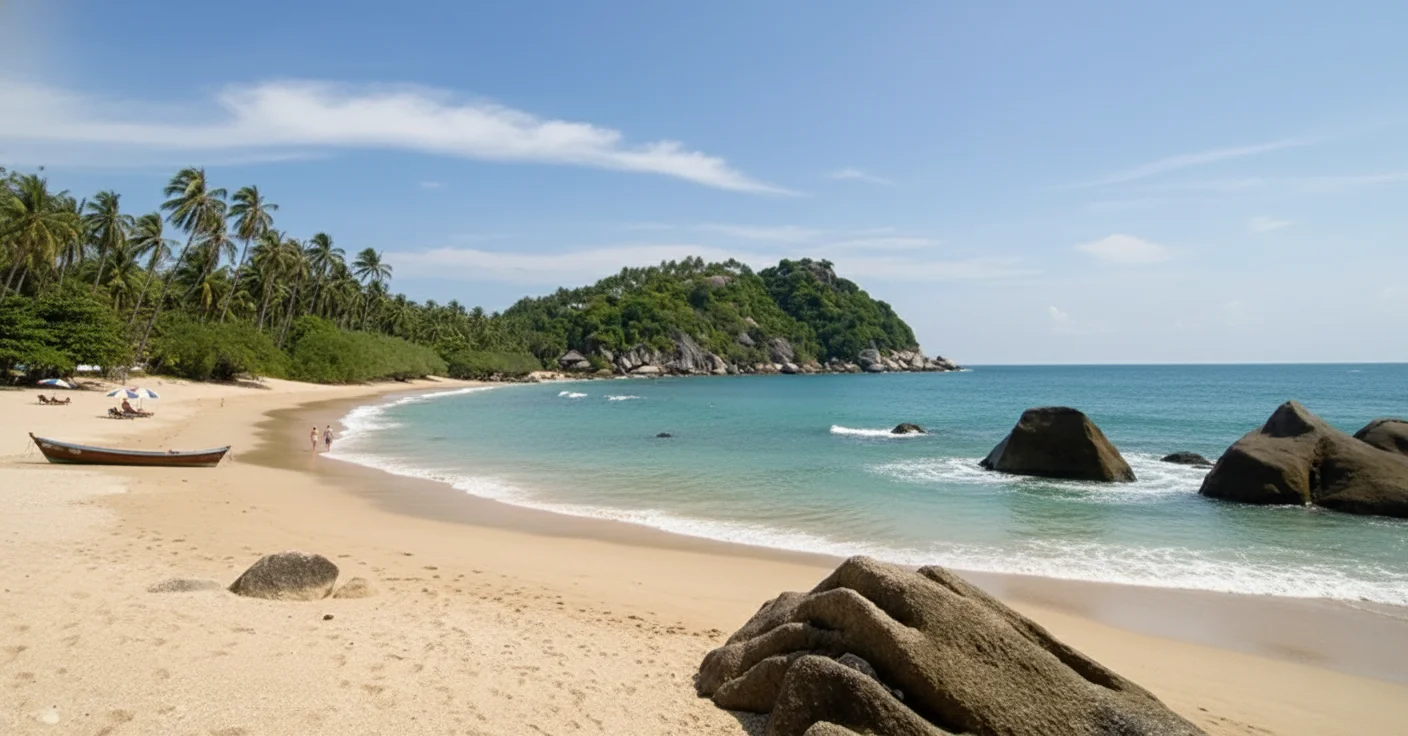
This extreme verticality is precisely what keeps the eastern bays so wildly pristine, offering you the rare chance to find untouched, jungle-backed coves that feel entirely your own. Paying the simple 20 THB (£0.44) pier arrival fee at Thong Sala is the only barrier between you and some of the most dramatic, isolated coastal geography in the entire archipelago.
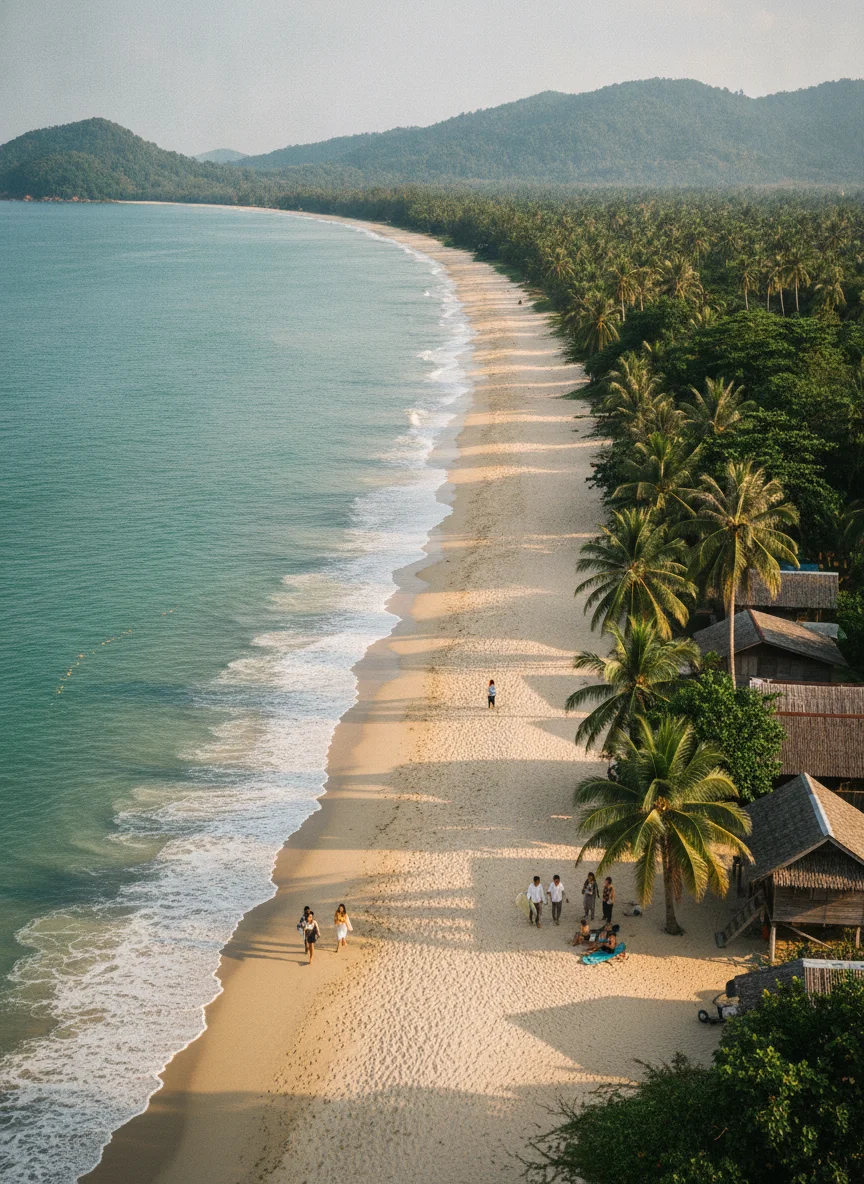
Covering 125 square kilometres, the landmass forms a rough circle dominated by a colossal spine of jungle-draped rock. This central mountain range dictates absolutely everything about human settlement. People live, build, and trade almost exclusively on the relatively flat western and southern coastal fringes, leaving the rugged interior mostly to the macaques. The eastern side drops so sharply into the sea that roads are either terrifyingly steep or non-existent. To understand this scale from the ground, take a 30-minute private songthaew ride across the main western width from Thong Sala to Haad Yao. Expect this short but winding journey to cost around 400 THB (£8.88). It is a brilliantly raw landscape. The sheer rock faces and deep valleys make the island feel twice its actual size, rewarding anyone willing to explore beyond the flatlands.
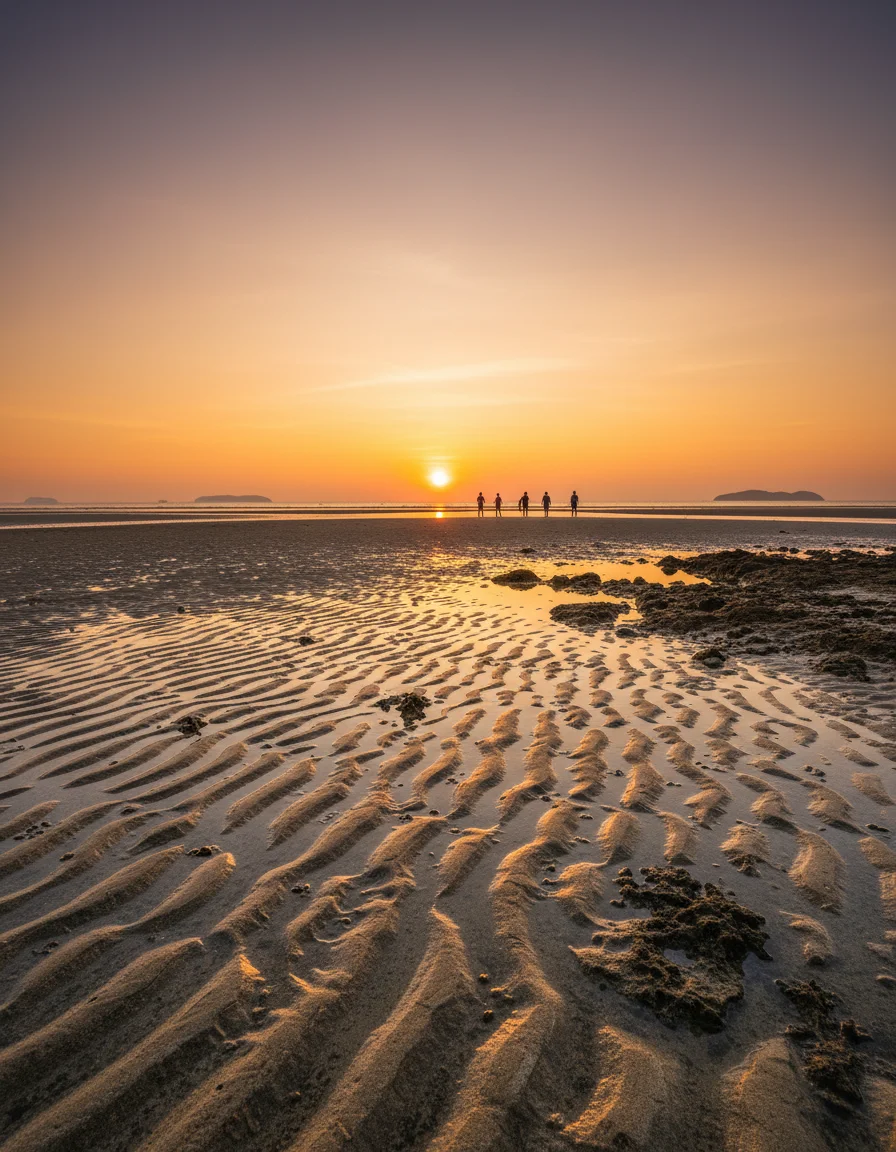
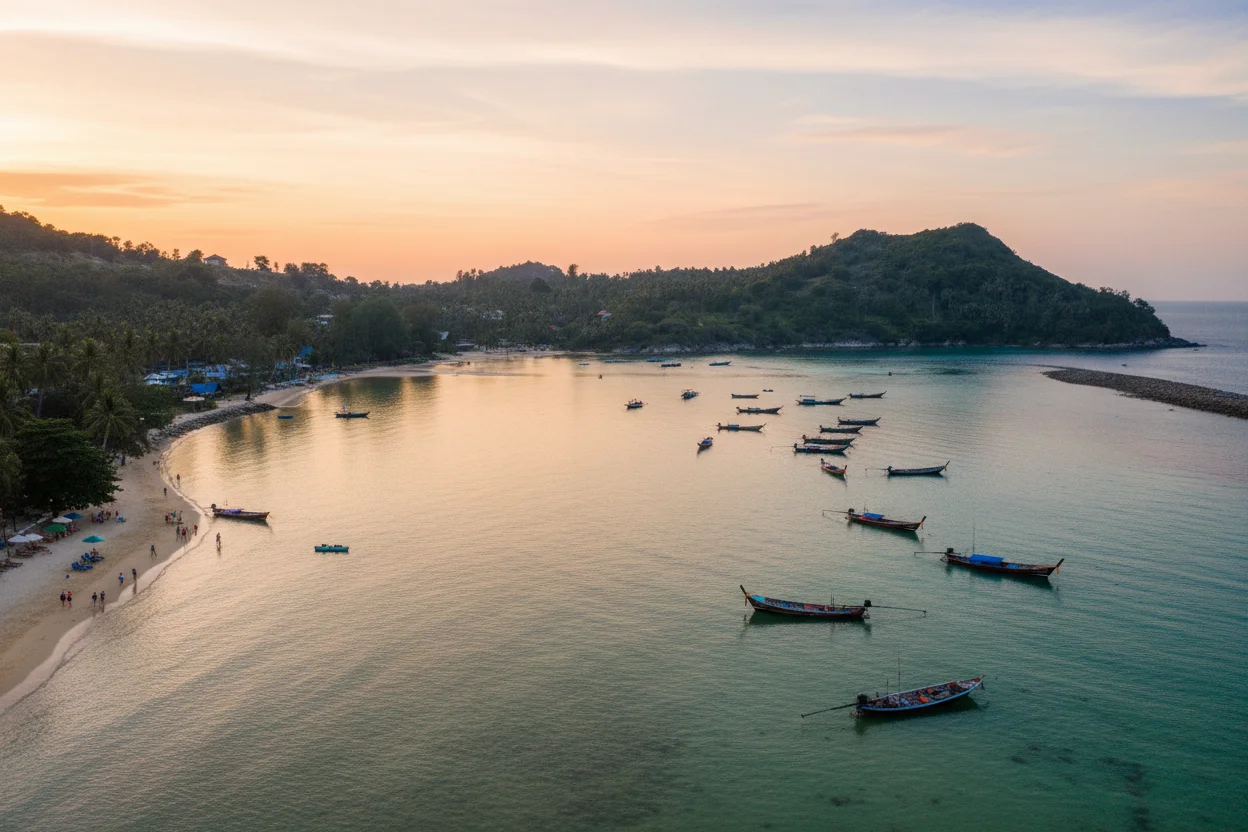
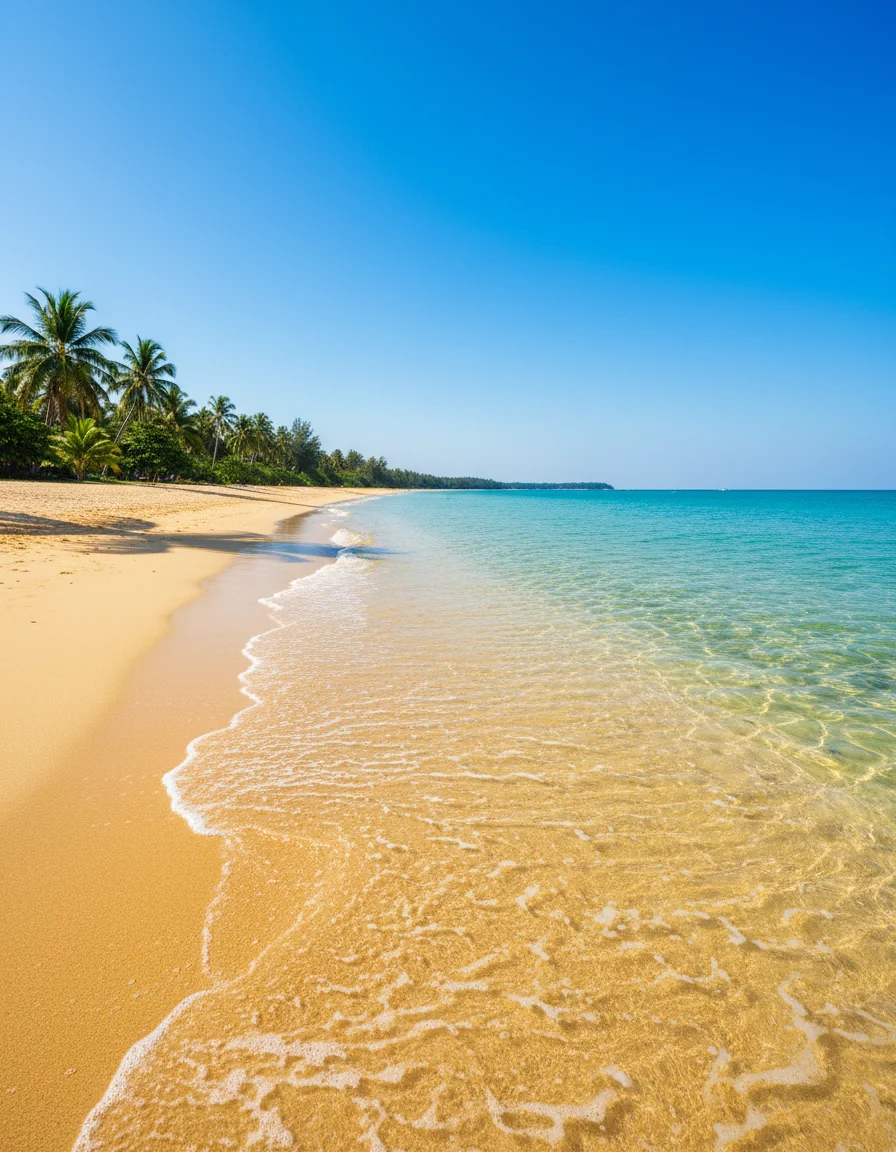
The perimeter is a masterclass in coastal variety. On the western edge, the sea shelf is notoriously shallow. Tidal flats near Hin Kong retreat hundreds of metres to reveal rocky pools at low tide. You will want the east coast for proper swimming. Here, the granite plunges straight into the Gulf, creating deep, clear water and bays filled with powdery, quartz-rich sand. Reaching the most isolated northern edge, like Bottle Beach, requires hiring a long-tail boat from Chaloklum. This 20-minute coastal bypass costs roughly 300 THB (£6.66) and provides a magnificent view of the sheer cliffs. Much of this eastern seaboard falls under the protection of Than Sadet-Koh Pha-ngan National Park, a rugged expanse of waterfalls and wild coastline. Foreigners pay an entry fee of 100 THB (£2.22). This is frankly a bargain for access to such unblemished, prehistoric-looking coves. The contrast between the shallow western mudflats and the plunging eastern bays means you can choose your perfect tidal environment every single morning.
CONCRETE VS CANOPY
Despite its reputation, a massive 70 percent of this terrain remains pure, impenetrable canopy. The interior is blanketed in dense, primary monsoon forest, transitioning to thick mangroves along the southwestern shoreline near Baan Tai. While the flat western coastal strip is rapidly losing its native scrubland to concrete villas and wellness centres, the mountains remain untouchable. Strict zoning and the sheer physical impossibility of building on 45-degree granite slopes keep the jungle intact. You can dive deep into this emerald heart by hiring a local ranger for a guided nature walk up towards the central peaks. This will typically set you back 500 THB (£11.11). Walking under the towering dipterocarp trees, the humidity spikes instantly, but the air is incredibly clean. The jungle here feels genuinely alive. It forms a wild and breathing counterweight to the creeping concrete of the coastal roads.
Expert Insight
Koh Pha-Ngan Travel Guide →
Discover the real Koh Pha-Ngan with this complete guide to the island's best beaches, yoga hubs, transport tips, and local food away from the party scene.
Anchored in the lower Gulf of Thailand, this landmass belongs to Surat Thani province. It sits just 15 kilometres north of its highly developed neighbour, Koh Samui. A standard ferry ticket to cross this short channel costs 350 THB (£7.77). Looking 30 kilometres to the west, you will spot the limestone monoliths of Mu Ko Ang Thong Marine Park breaking the horizon.
VERTICAL LIMITS & VIEWPOINTS
The island reaches its absolute ceiling at Khao Ra, a formidable peak standing 627 metres above sea level. The gradients surrounding this summit are aggressively steep, which has heavily influenced local building regulations. It is illegal to construct anything on slopes exceeding 35 degrees, ensuring the highest ridges remain wonderfully free of luxury developments. The hike up is punishing, so most opt for the paved, albeit winding, road to the Dom Sila viewpoint. Renting a reliable scooter to tackle these sharp inclines will cost about 250 THB (£5.55) per day. The panoramic reward at the top is spectacular.
HYDROLOGY & WATERWAYS
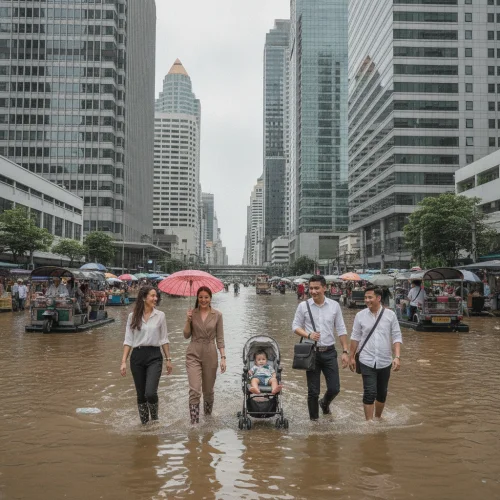
Freshwater flows down from the central granite through a series of steep, seasonal waterfalls, with the Than Sadet river being the most historically significant. Water clarity in the mountain pools is superb, though the coastal flats near Baan Tai face a genuine reality of flash flooding when the November monsoons overwhelm the shallow khlongs. Fortunately, the water drains into the gulf almost as quickly as it arrives. A standard one-litre bottle of local drinking water from a 7-11 costs just 15 THB (£0.33).
The topography here absolutely dictates your daily movement. The steep ascents on the Haad Rin road will ruthlessly murder the fuel economy of a cheap scooter, and the unpaved jungle tracks heading east turn to thick, impassable clay after a heavy October downpour. Do not let this trap you in your resort. The simple solution is to upgrade your transport. A standard 125cc scooter costs 250 THB (£5.55) a day, but spending 400 THB (£8.88) on a mountain-rated 150cc machine gives you the necessary torque to conquer the hills safely. Respect the gradients, and the whole island opens up.