Villas & Rentals in Thailand
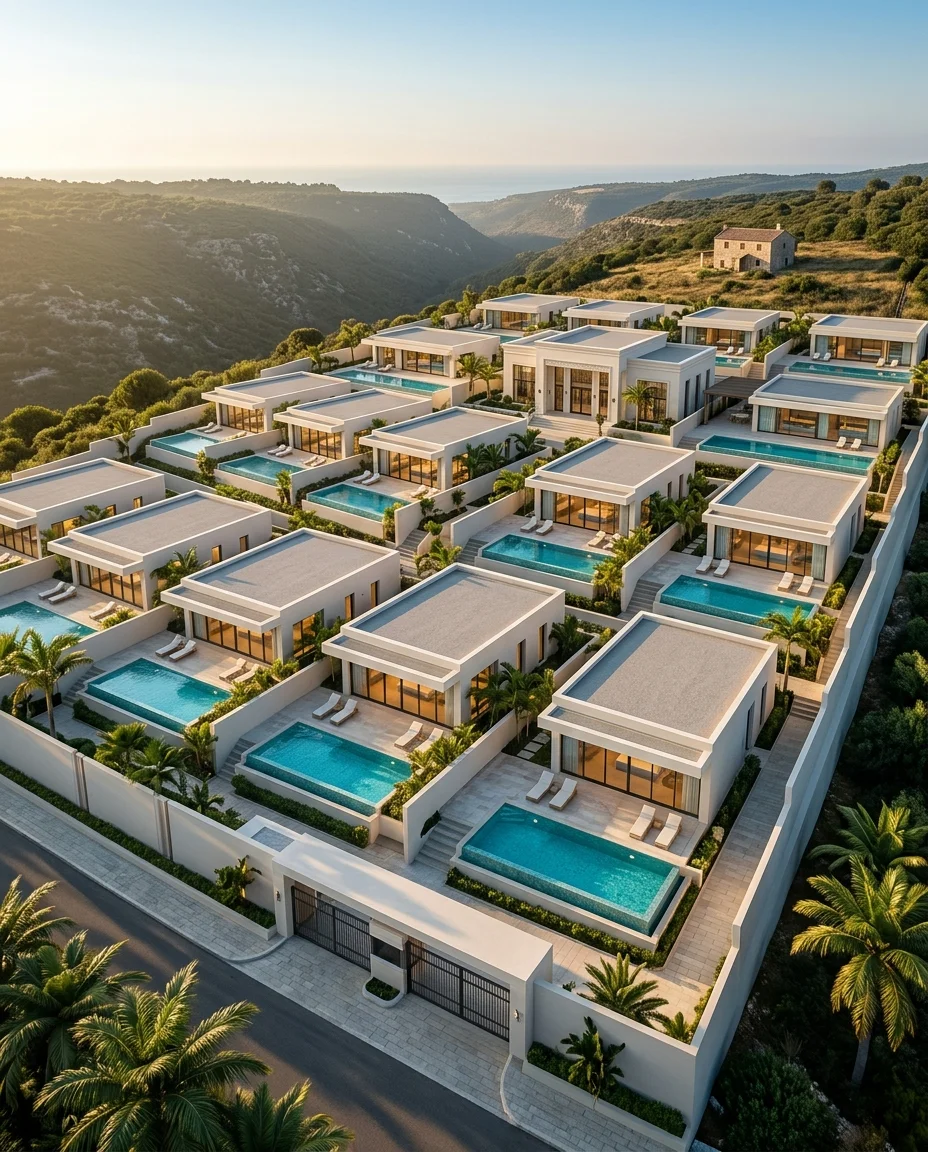
Booking a private pool villa in Phuket for six friends often works out cheaper per person than reserving three basic hotel rooms on the same beach. Yet the transition from standard holidaymaker to private property renter involves navigating utility meter readings, hefty cash deposits, and the crucial distinction between a managed resort and an isolated house.
This guide explains exactly how to rent short-term private properties across Thailand’s most popular regions, including Phuket, Koh Samui, Koh Lanta, and Chiang Mai. It breaks down the financial realities of booking direct versus using platforms, decodes Thai rental contracts, and highlights what typically goes wrong. By the end, you will understand how to evaluate a property’s location, staffing levels, and hidden costs before transferring any funds.

Resort Villas versus Standalone Private Rentals
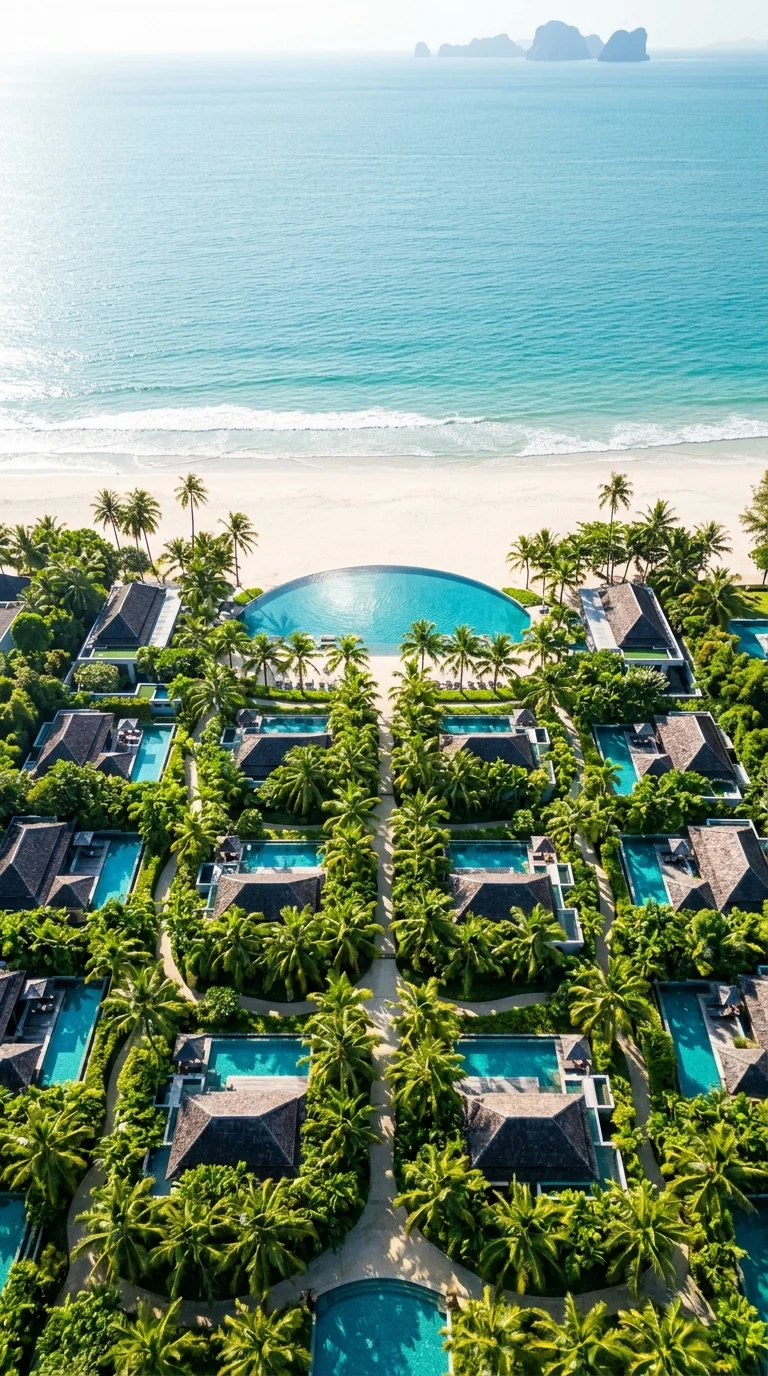
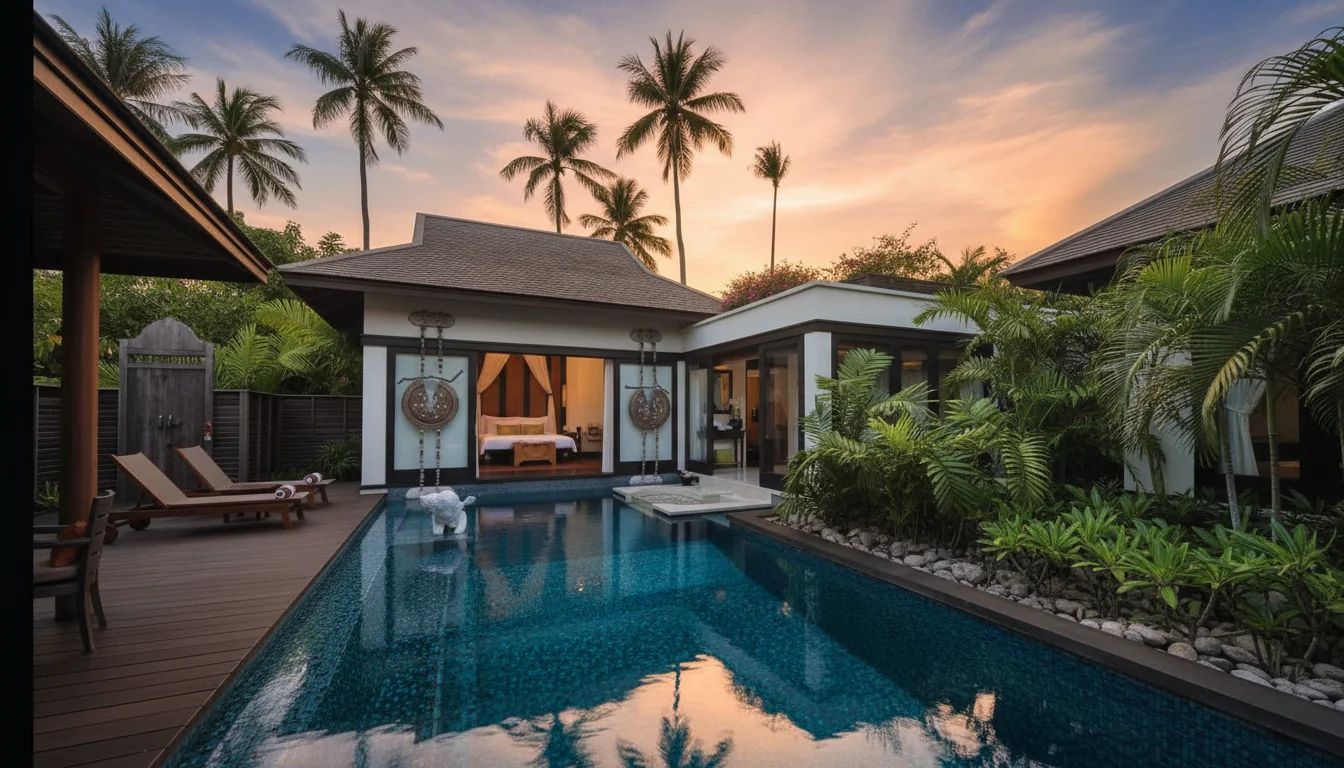
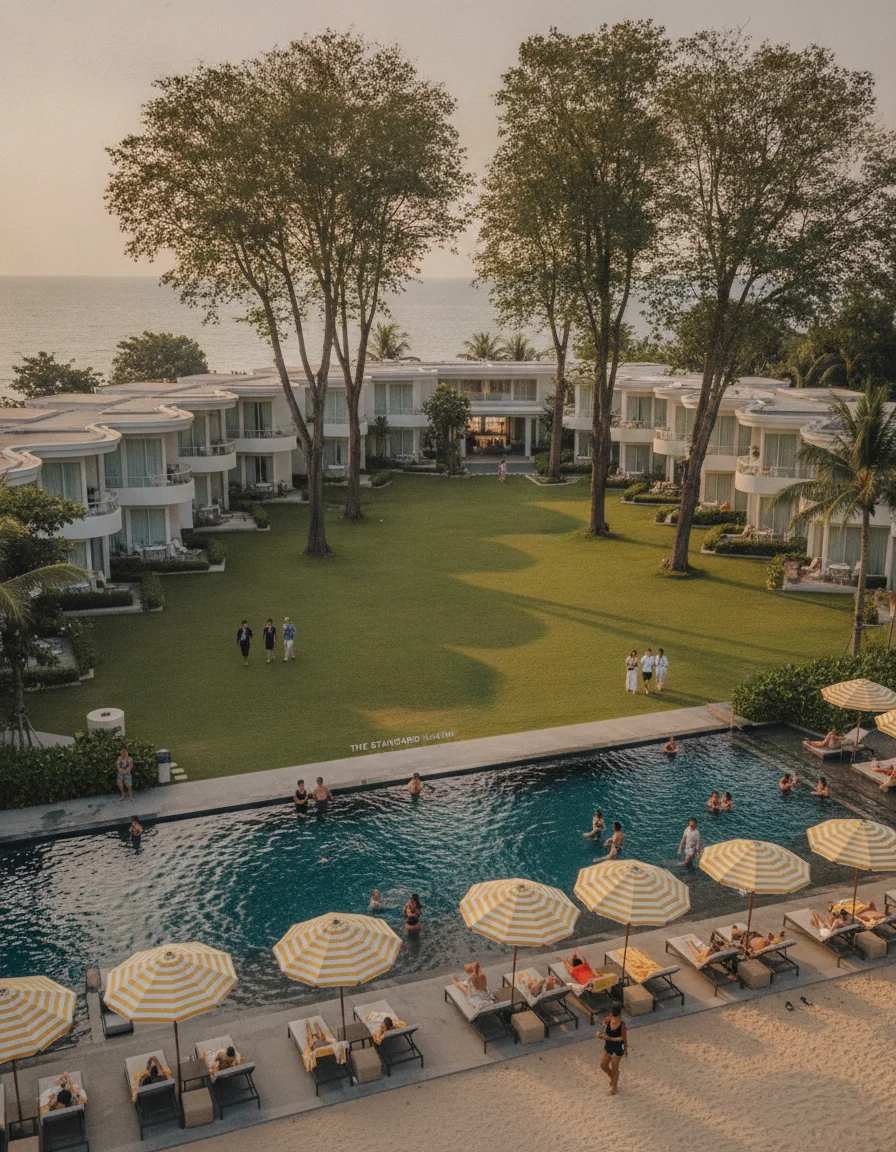
Choosing the right type of villa dictates your entire daily routine in Thailand. Resort villas sit within managed estates like the Banyan Tree in Phuket or smaller boutique setups, offering front desk support, daily housekeeping, and immediate maintenance if the air-conditioning fails. Standalone private rentals are entirely independent properties, often owned by foreign expats and managed by local keyholders. The latter provides absolute privacy and usually more square footage for your money, but it requires you to be entirely self-sufficient. You will need to organise your own transport, arrange grocery deliveries through apps like Grab or Villa Market, and handle minor inconveniences without a concierge. Standalone properties excel for large groups travelling together who want exclusive use of facilities, whereas resort villas suit those who want hotel-level service with the footprint of a house. When evaluating a standalone property, check whether the management company has an English-speaking representative available locally, as dealing directly with an absentee owner across different time zones is highly impractical.
Discover exactly what to pack for Thailand. From temple dress codes and humidity-proof clothing to the toiletries you must bring from the UK.
Always confirm if a villa is part of a serviced estate or a standalone property before booking, as this changes your responsibilities on arrival.
Regional Variations Across Thailand
Sponsored
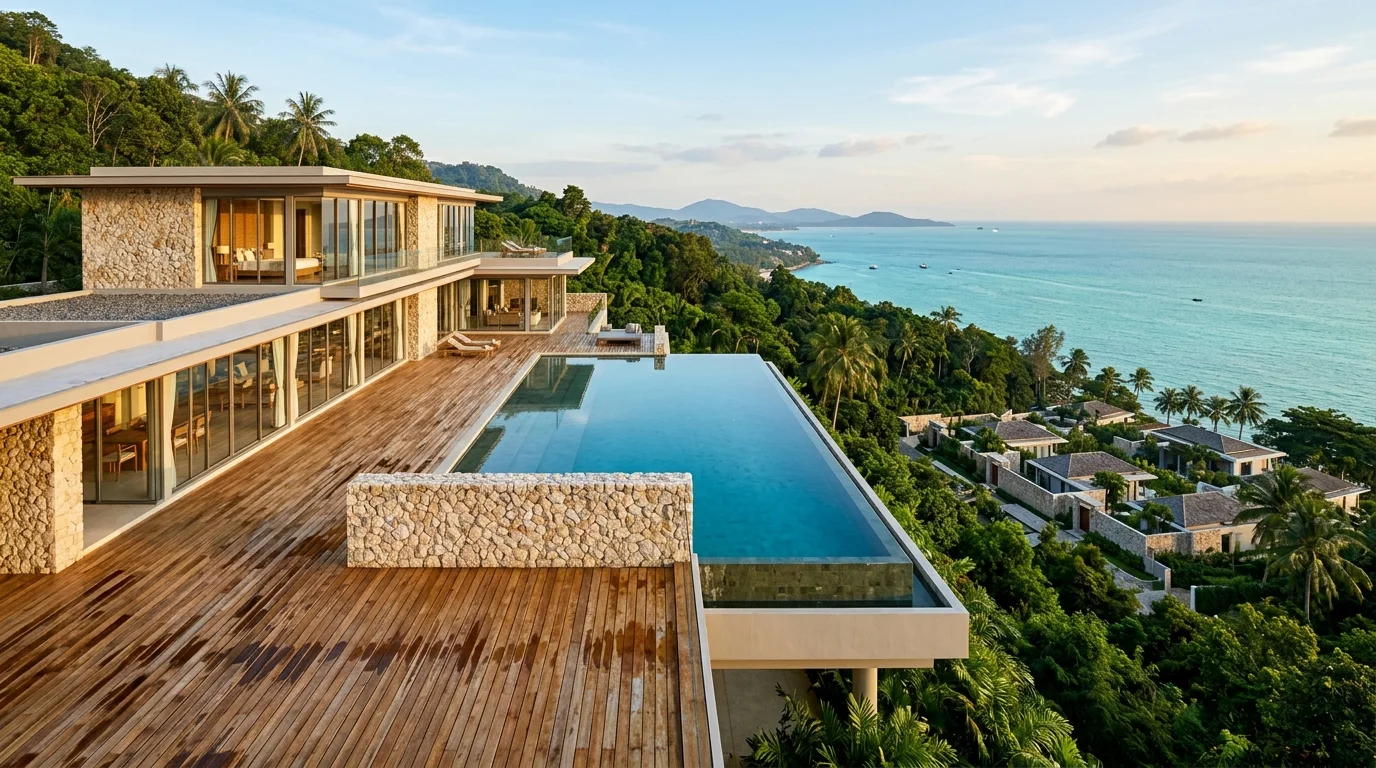
Where you rent heavily influences the style, cost, and logistics of the property. Phuket dominates the luxury market, offering vast hillside estates in Kamala and Surin with dedicated staff, though these require a rental car or private driver due to steep access roads. Koh Samui provides a mix of high-end cliffside properties in Bophut and more accessible beachfront homes in Maenam, often featuring open-air living spaces that suit the Gulf coast climate. Koh Lanta is distinctly more relaxed, focusing on mid-range, family-friendly pool villas near Long Beach that rarely exceed two storeys and offer easy, flat access to the main road. Up north, Chiang Mai swaps ocean views for walled garden compounds and restored teak houses in areas like Hang Dong or the Old City. The northern climate means private pools are less essential between December and February, making older, atmospheric properties highly appealing. Access to western supermarkets and international hospitals is excellent in Phuket, Samui, and Chiang Mai, but requires more planning on islands like Lanta.
Match your villa location to your group's mobility, as the most impressive sea views usually require navigating steep, unlit access roads.
| Region | Typical Villa Style | Transport Necessity | Best Suited For |
|---|---|---|---|
| Phuket | Cliffside luxury, large secure estates | Essential (car or driver) | High-end groups, premium budgets |
| Koh Samui | Open-plan tropical, beachfront | Highly recommended | Families, extended stays |
| Koh Lanta | Single-storey, functional, flat access | Optional (tuk-tuks suffice) | Mid-range budgets, slow travel |
| Chiang Mai | Walled gardens, heritage teak homes | Recommended (scooter or car) | Cultural trips, winter escapes |
Booking Platforms versus Going Direct
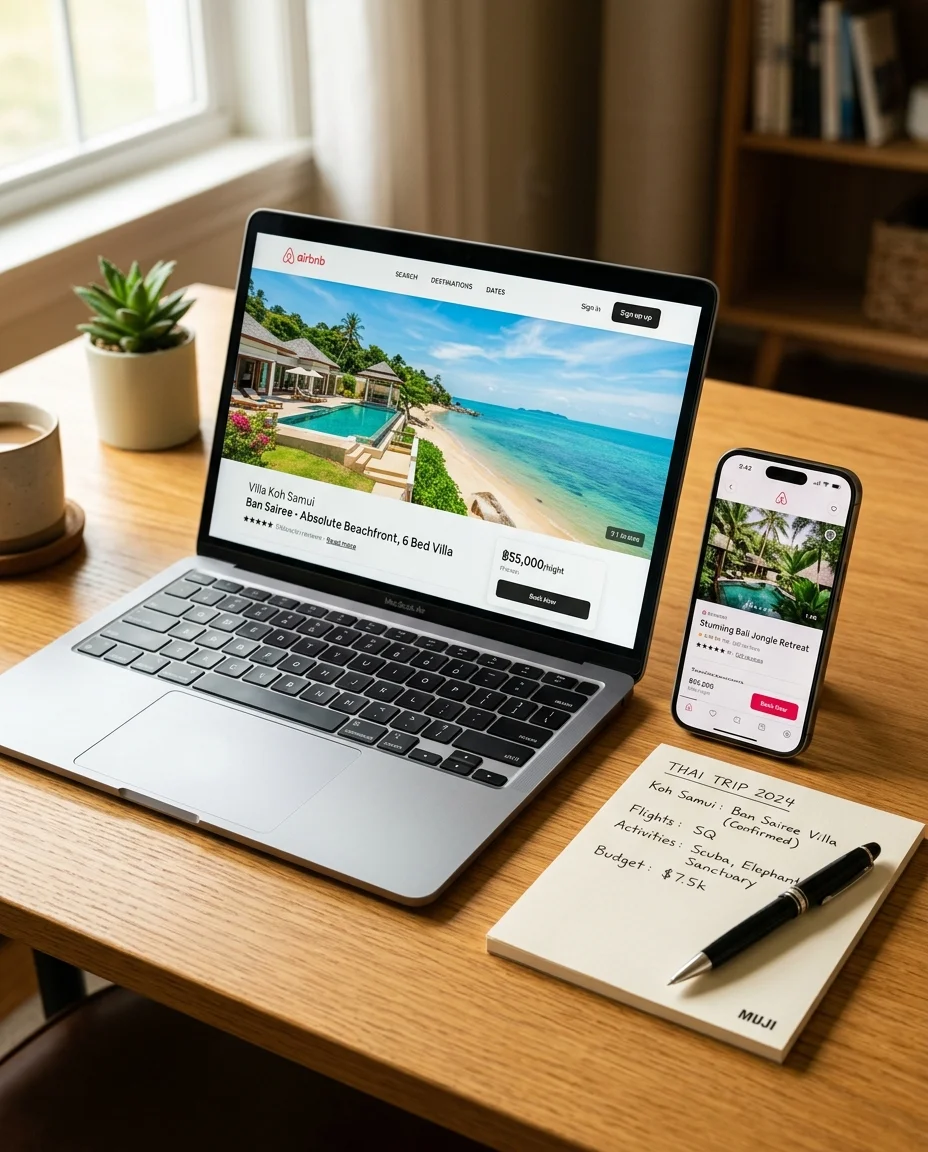
Securing your property through an international platform offers security at the cost of a significant markup. Airbnb, Booking.com, and Vrbo hold your payment in escrow and provide a clear mediation process if the villa fails to match its description. However, these platforms add service fees that can inflate a two-week rental by up to twenty percent. Going direct through local property management companies, such as Siam Real Estate or Samui Villas, removes the middleman and often yields a much lower nightly rate. Local agencies hold the keys, manage the cleaning staff, and act as your direct point of contact. The compromise is that you will usually need to pay via international bank transfer using services like Wise rather than a credit card, which removes Section 75 protection for UK buyers. For rentals under two weeks, the security of an international platform is generally worth the premium. For stays of a month or longer, negotiating directly with a local management agency is far more cost-effective.
Use international booking platforms for short stays to guarantee consumer protection, but switch to local management agencies for rentals exceeding three weeks to secure substantial discounts.
Understanding the Rental Contract and Deposits
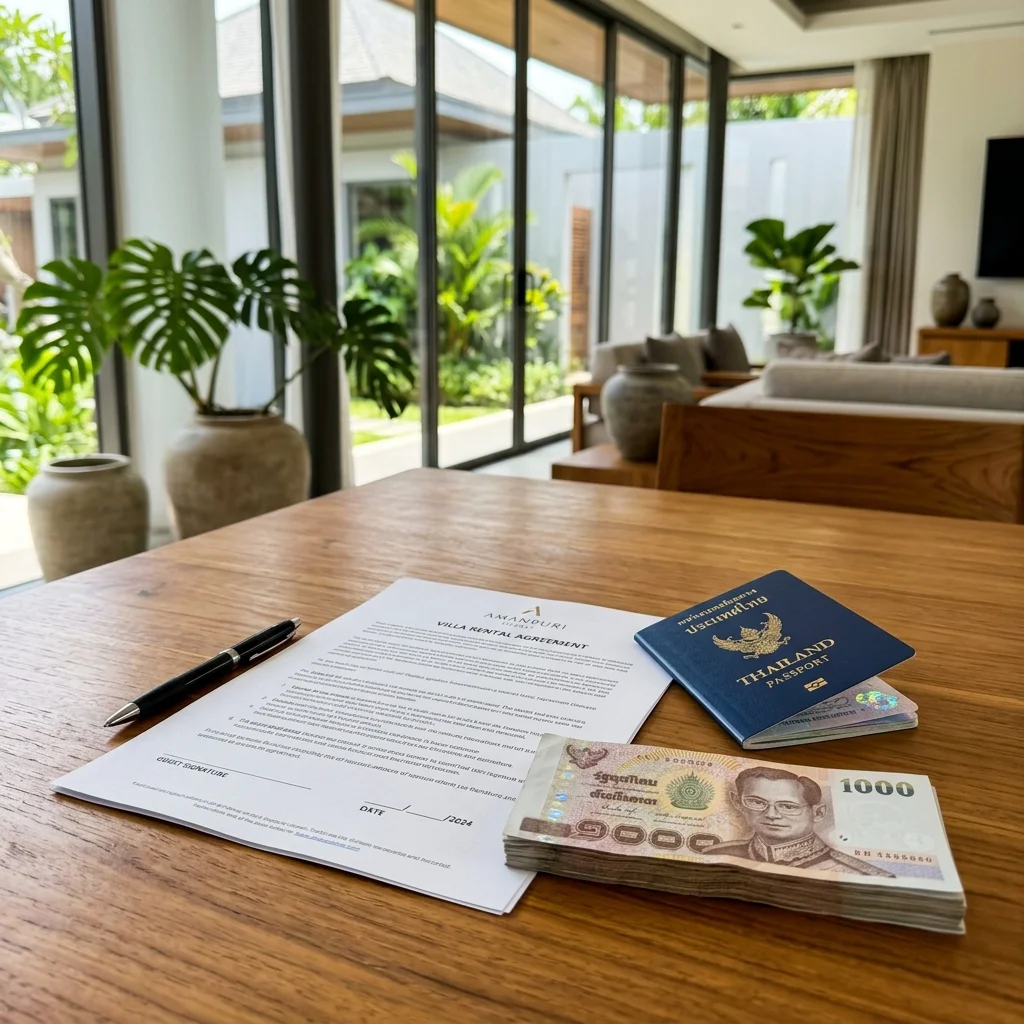
Renting a private property in Thailand involves strict financial protocols that differ significantly from standard hotel check-ins. Most standalone villas require a substantial cash security deposit on arrival, typically ranging from 10,000 THB (£220) to 30,000 THB (£660) depending on the property's value. This is held to cover breakages and, crucially, your utility usage. Unlike hotels, many private rentals do not include electricity in the nightly rate. The property manager will photograph the electricity meter with you during check-in, and you will pay for the units consumed when you leave, usually at a rate of 6 to 8 THB (£0.13 to £0.17) per unit. Air-conditioning is the primary drain; running units in empty rooms all day can result in a final bill exceeding 5,000 THB (£110) for a fortnight. The rental contract should clearly state this unit rate, alongside specific rules about noise curfews, maximum occupancy, and whether outside guests are permitted. Read the inventory list carefully before signing, as you will be charged for missing items on departure.
Always photograph the electricity meter alongside the property manager at check-in to prevent disputes over utility deductions from your deposit.
Staff, Inclusions, and Hidden Daily Costs
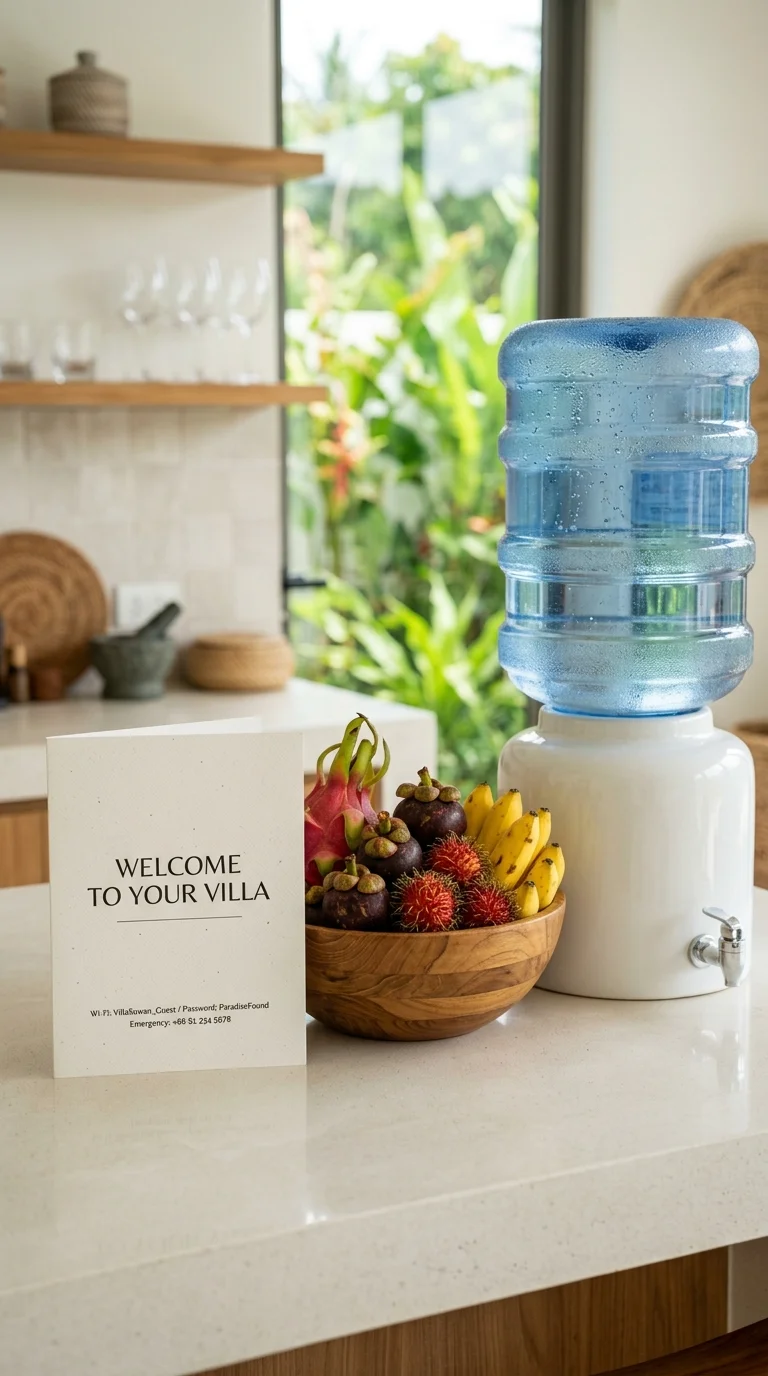
The definition of a fully staffed villa varies wildly across the Thai rental market. Premium properties often include a dedicated villa manager, a daily maid, and a private chef who prepares meals for the cost of groceries plus a standard twenty percent market surcharge. Mid-range rentals usually provide a less intensive service, such as a cleaner who visits every third day and a pool maintenance team that arrives twice a week. You must clarify exactly what is included in the base rate before confirming the booking. Drinking water is rarely potable from the tap, so verify if a water cooler with replacement large bottles is provided. You should also ask about the internet setup; while fibre optic broadband is standard in built-up areas, remote hillside villas may rely on unstable mobile routers. If you require a chef, a driver, or daily breakfast, these can usually be arranged by the property manager for a daily fee, but booking them in advance ensures availability during peak season.
Request a complete list of staff duties and utility inclusions in writing before paying the deposit, so you know exactly which services require extra cash.
Costs and Budgeting
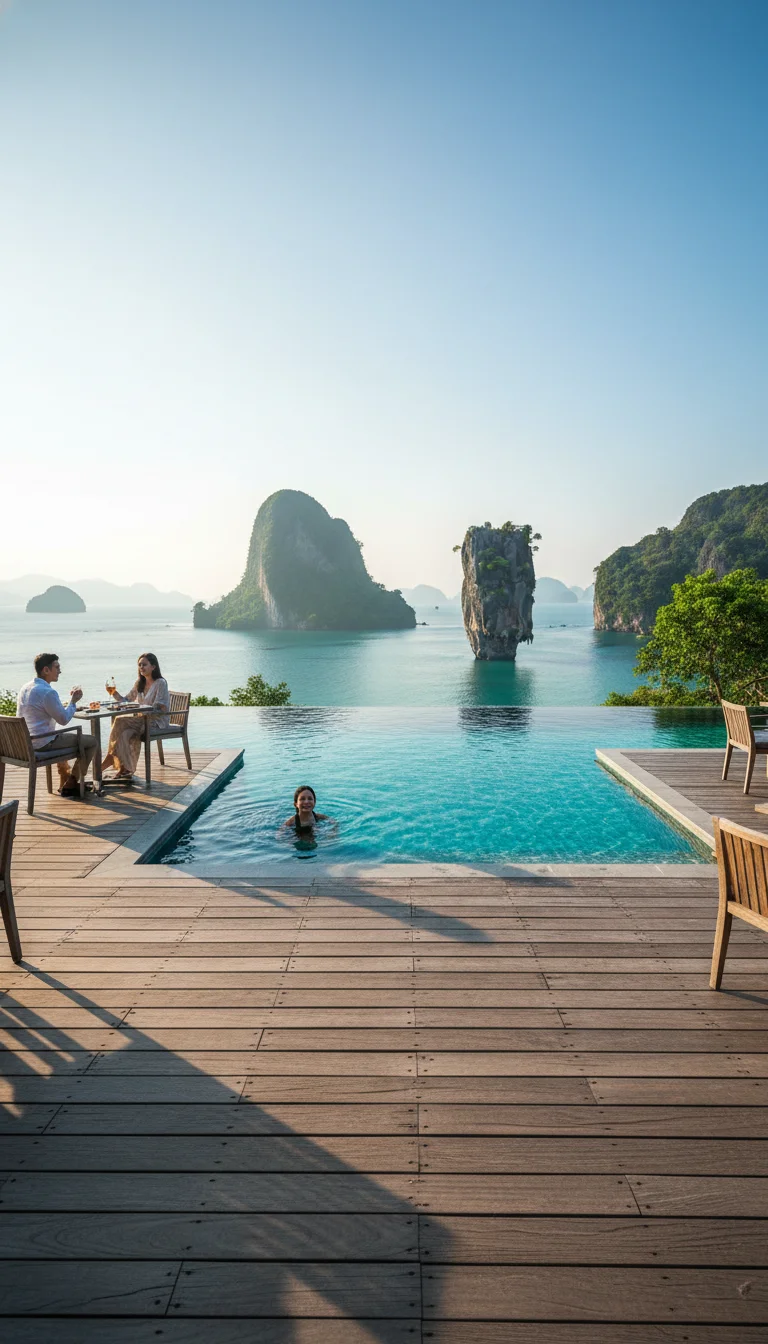
Villa rental prices in Thailand fluctuate aggressively based on the season, peaking between December and February and dropping by up to forty percent during the September monsoon. The figures below represent high-season rates for a typical short-term rental. Budget options are usually older, two-bedroom properties set inland, requiring a scooter ride to the beach. Mid-range villas offer three to four bedrooms, private pools, and modern western kitchens, often located within a ten-minute drive of major coastal hubs like Bang Tao in Phuket or Bophut in Samui. Premium properties deliver panoramic ocean views, infinity pools, and dedicated staff, sitting squarely in the luxury bracket. Always factor in the additional cost of electricity, which is rarely included in budget and mid-range standalone rentals.
| Option | Cost (THB) | Cost (GBP approx) | Notes |
|---|---|---|---|
| Inland 2-bed pool villa (Nightly) | 3,500 - 5,000 | 77 - 110 | Excludes electricity, older build |
| Coastal 3-bed private villa (Nightly) | 8,000 - 15,000 | 175 - 330 | Modern amenities, pool, bi-weekly clean |
| Premium 4-bed staffed estate (Nightly) | 25,000 - 60,000 | 550 - 1,320 | Includes chef, maid, ocean views |
| Electricity surcharge (Per week) | 1,500 - 3,000 | 33 - 66 | Varies heavily based on AC usage |
Common Mistakes and How to Avoid Them

Booking based solely on sea views without checking the access road. Many hillside villas require navigating steep, unlit concrete tracks that local taxis refuse to drive up. Confirm the exact access conditions with the host before paying.
Ignoring the electricity policy in the fine print. Travellers often leave the air-conditioning running all day, returning to a shockingly high utility bill at checkout. Turn off units when leaving and confirm the per-unit rate in advance.
Assuming the kitchen is fully equipped for western cooking. Many Thai rental kitchens look modern but lack ovens or sufficient glassware for a large group. Ask the property manager for a specific inventory list if you intend to cook.
Transferring large deposits to unverified overseas bank accounts. Scammers frequently clone legitimate villa listings and demand direct international transfers. Always use a reputable booking platform or a highly reviewed local management agency with a physical office.
Practical Tips
Download the Grab and Foodpanda applications immediately upon arrival. These services deliver groceries, bottled water, and restaurant meals directly to private villas, which is essential if you are located away from the main road.
Pack a small portable blackout blind or eye mask for your trip. Many modern Thai villas feature expansive floor-to-ceiling windows with sheer curtains, meaning the bedrooms flood with harsh sunlight shortly after dawn.
Inspect all mosquito nets and window screens during your initial check-in walkthrough. A torn screen renders the protection useless, allowing insects inside, so ask the management to repair any damage on day one.
Set up a Wise account before leaving the UK to handle direct payments. Local management companies often require bank transfers for excursions or chef services, and Wise offers significantly better conversion rates than high street banks.
Pin your villa's exact location on Google Maps and share it with your group. Rental properties rarely have standard street addresses that local taxi drivers recognise, so having a digital pin is the only reliable way to navigate home.
Bring a few universal plug adapters specifically for the kitchen and living areas. Standalone villas often have fewer electrical outlets than modern hotels, making it difficult to charge multiple devices while running appliances.
Quick Reference Table
| Item | Detail | Notes |
|---|---|---|
| Best platforms | Airbnb, Agoda Homes, Vrbo | Best for stays under 2 weeks with buyer protection. |
| Local agencies | Siam Real Estate, Samui Villas | Ideal for longer stays to negotiate better rates. |
| Standard deposit | 10,000 - 30,000 THB (£220 - £660) | Usually paid in cash on arrival; retain your receipt. |
| Electricity costs | 6 - 8 THB (£0.13 - £0.17) per unit | Meter is read at check-in and check-out. |
| Transport needs | Car hire or scooter usually essential | Standalone villas are rarely on public transport routes. |
| Staff inclusions | Highly variable | Always confirm maid frequency and pool cleaning in writing. |
| Drinking water | Tap water is not safe to drink | Check if a large water dispenser is provided. |