Finding a Home in Thailand
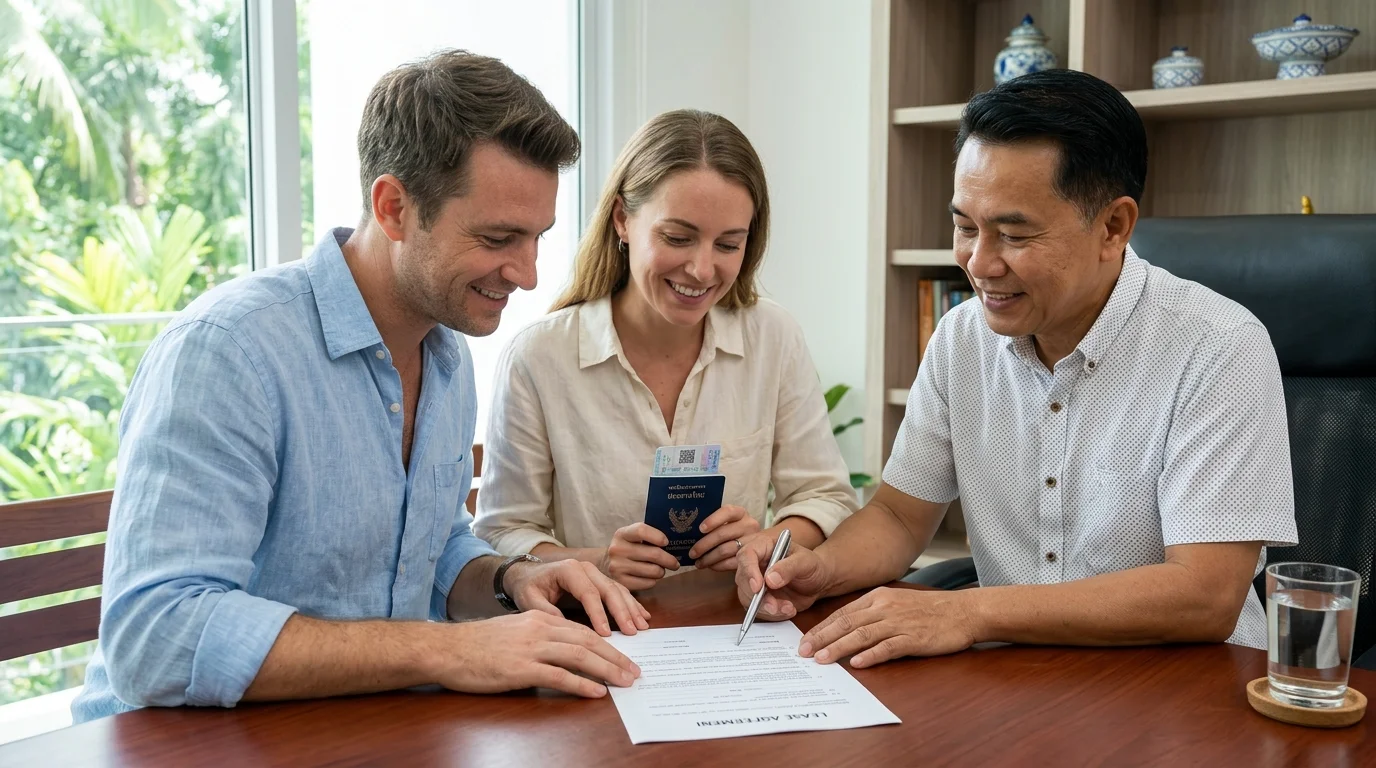
Foreigners cannot legally own land in Thailand, making the long-term rental market highly competitive and heavily regulated with mandatory address reporting laws. Securing a standard one-year lease in Bangkok or Chiang Mai typically requires a two-month security deposit and one month's rent upfront, paid strictly via a local Thai bank account.
This guide details exactly how to find, secure, and manage a rental property in Thailand as a UK national. It covers realistic market prices across major expat hubs, the legalities of signing a Thai lease contract, and the platforms you must use to find legitimate listings. This is for long-term movers ready to commit to a six-to-twelve-month contract, not tourists seeking short-term holiday lets or informal sub-lets.

Legalities of Renting as a Foreigner
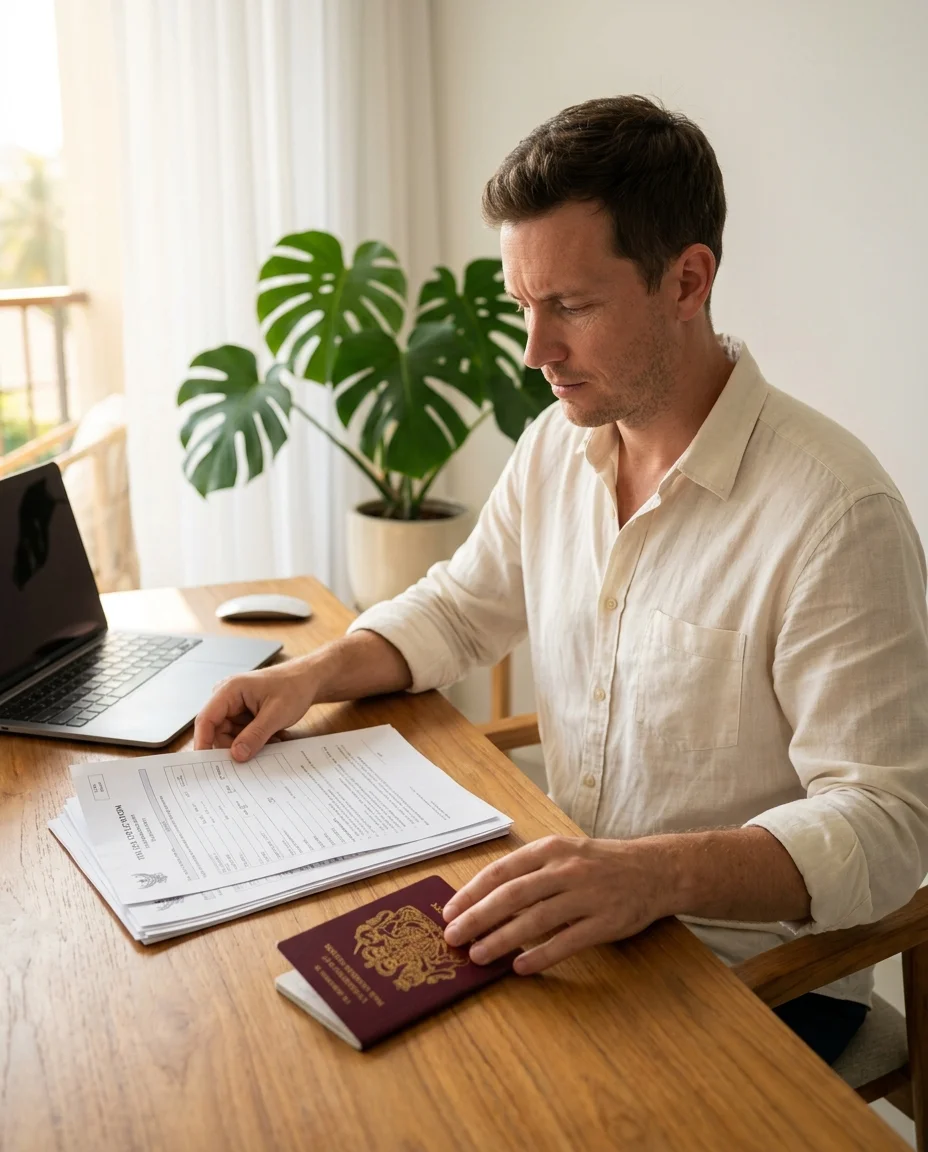
UK nationals have the legal right to rent property in Thailand on any valid visa. However, compliance with local reporting laws is strictly enforced by immigration authorities. The most critical legal obligation for foreign renters is the TM30 regulation, which requires your landlord to register your presence at their property within 24 hours of your arrival. While the legal burden falls on the property owner, failure to register carries heavy consequences. It will block you from extending your visa, opening a local bank account, or obtaining a Thai driving licence. You must ask for the printed TM30 receipt slip. Keep this physically stapled inside your passport at all times. Unlike the UK, tenant protection laws in Thailand strongly favour the landlord, meaning the written contract is absolute and verbal agreements carry no legal weight. You do not need a specific long-term visa to sign a lease. Sub-letting is explicitly illegal unless permitted in writing by the owner, and doing so can result in immediate eviction and visa cancellation. Ensure your passport name perfectly matches the contract details to avoid administrative delays. Always demand the TM30 registration slip from your landlord within two days of moving in to protect your immigration status.
Navigate healthcare in Thailand as a UK expat. Discover private hospital costs, visa insurance rules, and how to access premier medical treatment abroad.
| Visa Route | Rental Implication | TM30 Requirement |
|---|---|---|
| Tourist Exemption (60 Days) | Difficult to secure 12-month lease | Mandatory within 24 hours |
| Non-Immigrant O (Retirement) | Preferred by landlords for long-term lets | Mandatory within 24 hours |
| Non-Immigrant B (Working) | Highly preferred, proves local income | Mandatory within 24 hours |
| Non-Immigrant ED (Education) | Accepted, often used for 6-12 month apartment leases | Mandatory within 24 hours |
The Rental Market Across Key Expat Hubs
Sponsored
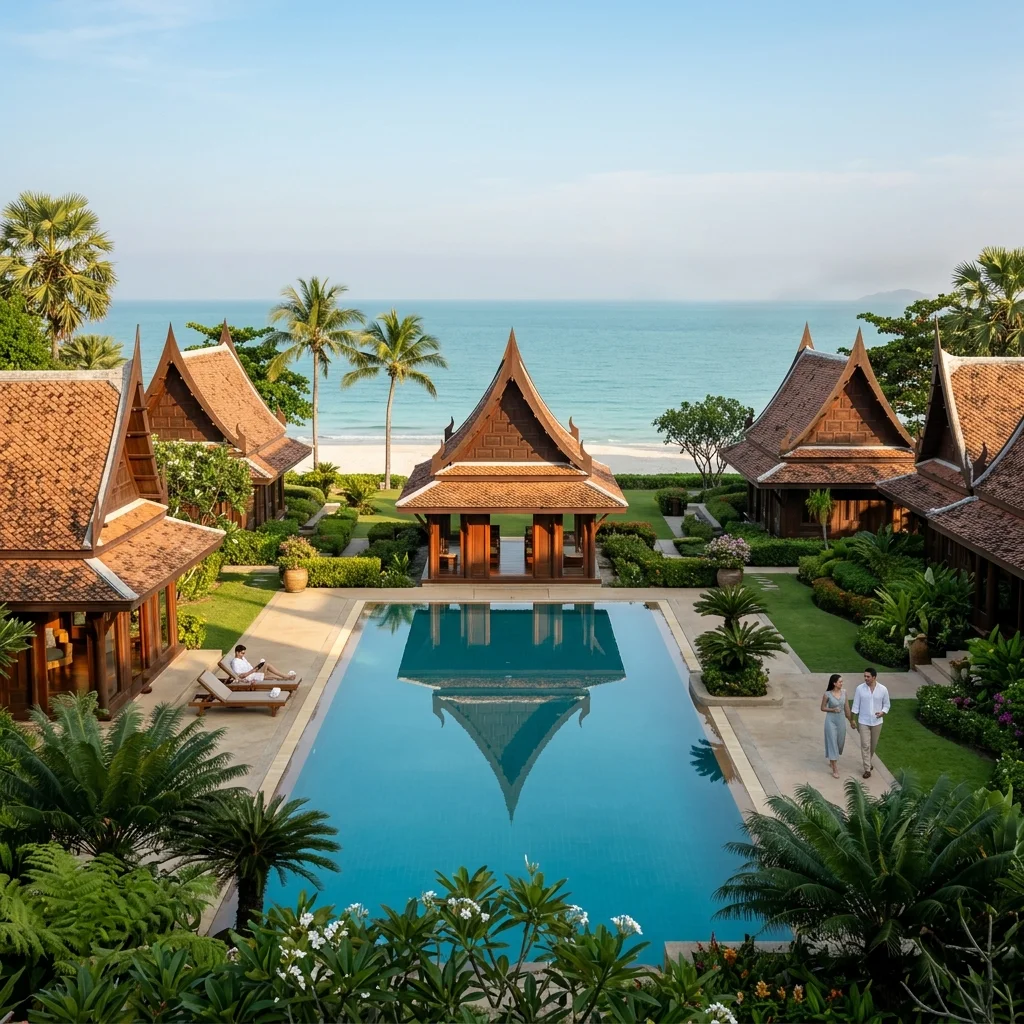
Your budget and lifestyle will dictate which of Thailand's primary expat destinations suits your relocation timeline. Bangkok offers the widest variety of accommodation. You will find everything from high-rise apartments along the BTS Sukhumvit line to detached family homes in suburban Nonthaburi. A modern one-bedroom apartment in central Bangkok typically costs between 20,000 THB (£435) and 35,000 THB (£760) per month. Chiang Mai appeals heavily to retirees and remote workers. It offers significantly lower living costs, with a three-bedroom house in Hang Dong averaging 25,000 THB (£545) monthly. Coastal markets operate differently due to seasonal tourism impacts. Phuket commands premium pricing, particularly in areas like Bang Tao or Rawai. Rental rates for pool villas there often exceed 80,000 THB (£1,740) and fluctuate heavily with the high season. Pattaya provides a cheaper coastal alternative. Areas like Wongamat and Jomtien offer sea-view apartments from just 15,000 THB (£325). Hua Hin remains a quiet, stable market favoured by UK retirees, featuring steady year-round pricing on serviced apartments and gated community villas. You must visit these areas personally rather than committing to a twelve-month lease blind from the UK. Rent temporary accommodation for your first month to physically inspect neighbourhoods and commute times before signing a permanent lease.
| Location | Typical Property Type | Estimated Monthly Cost (THB) |
|---|---|---|
| Central Bangkok | 1-Bedroom High-Rise Apartment | 20,000 - 35,000 |
| Chiang Mai (Hang Dong) | 3-Bedroom Detached House | 20,000 - 30,000 |
| Phuket (Bang Tao) | 2-Bedroom Pool Villa | 60,000 - 90,000 |
| Pattaya (Wongamat) | Sea-View Studio/1-Bed Apartment | 15,000 - 25,000 |
| Hua Hin | Serviced Apartment/Villa | 25,000 - 45,000 |
How to Search for Thai Property
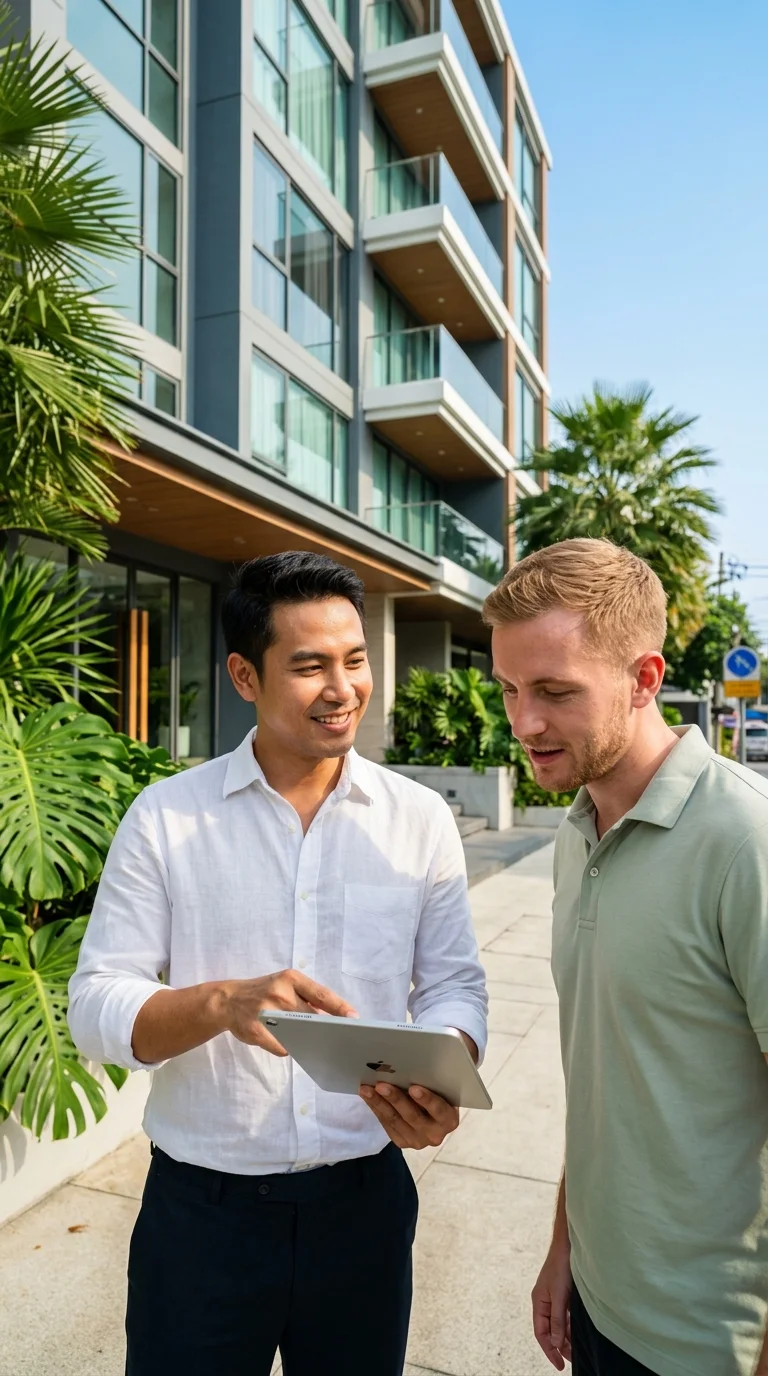
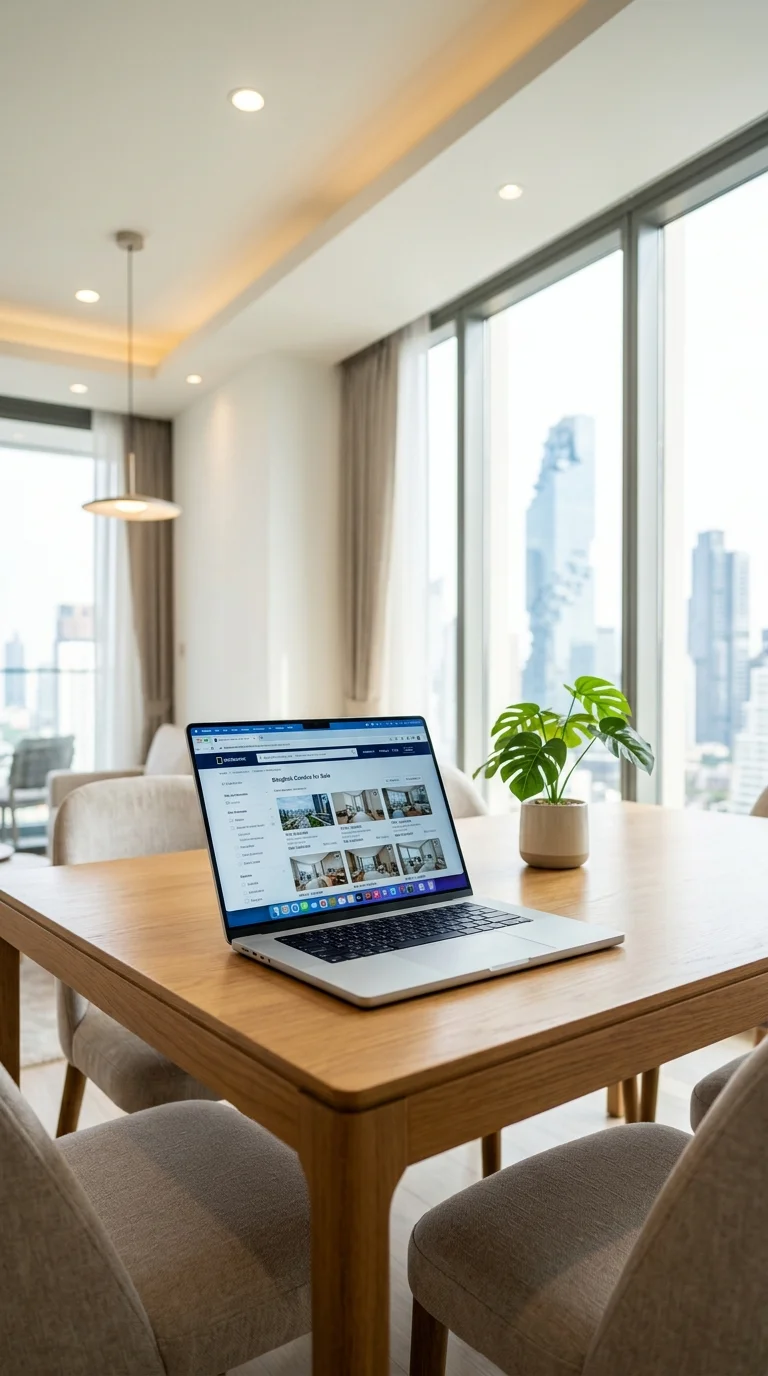
Finding a home in Thailand relies heavily on local property portals and direct communication with English-speaking real estate agents. Unlike the UK market dominated by central databases, Thai property listings are heavily fragmented. You must navigate multiple platforms like DDProperty, Hipflat, and FazWaz. These websites give you an accurate baseline for regional pricing. However, listings are frequently outdated or act merely as bait to connect you with an agency. Local real estate agents are absolutely crucial. They communicate directly with Thai landlords and charge you nothing, as their commission is paid entirely by the property owner. Facebook groups, such as 'Bangkok Expats' or 'Chiang Mai Real Estate', are highly active. They provide excellent opportunities for finding direct-by-owner rentals, bypassing agent delays entirely. You should contact agents via LINE, the dominant messaging app in Thailand. Do not rely on email or international phone calls. When viewing properties, verify the building's management quality by checking the common areas. Poor maintenance is a frequent issue in older apartment blocks. Never pay a reservation fee before physically viewing the unit and meeting the agent or property owner in person. Set up a LINE account before you begin your property search to ensure agents respond to your rental enquiries promptly.
| Platform / Method | Best Used For | Agent Required? |
|---|---|---|
| DDProperty / Hipflat | Researching baseline regional pricing | Yes, mostly agent listings |
| FazWaz | Viewing 3D tours and modern apartment options | Yes, internal agents |
| Facebook Expat Groups | Finding direct-by-owner rentals | No, direct communication |
| Local Walk-ins | Finding unlisted units in specific buildings | No, juristic office assists |
Contracts, Deposits, and Inclusions

Thai rental contracts follow strict standard formats. They heavily penalise tenants who break the lease early or fail to document existing property damage. A standard long-term lease runs for twelve months. It requires a security deposit equal to two months of rent, plus the first month paid in advance. For a 30,000 THB (£650) apartment, you must transfer 90,000 THB (£1,950) before receiving the keys. Rent typically includes the property management fee. This grants you access to apartment facilities like gyms, pools, and co-working spaces. It rarely includes utilities, internet, or regular cleaning services. Serviced apartments are the notable exception. They charge a premium to bundle electricity, water, Wi-Fi, and weekly maid service into one predictable monthly bill. Always request a bilingual contract to ensure you understand your legal liabilities. Ensure the lease clearly states the return conditions for your deposit. Local landlords occasionally deduct inflated cleaning and repair fees. You should conduct a meticulous inventory check on moving day. Photograph every scratch, stain, and appliance defect, and email the evidence to the agent immediately. Refuse any contract that attempts to charge electricity at a marked-up rate rather than the official government tariff.
| Expense Type | Included in Standard Lease | Typical Monthly Cost |
|---|---|---|
| Property Management Fee (CAM) | Yes, paid by landlord | N/A |
| Government Rate Electricity | No, paid by tenant | 1,500 - 3,000 THB |
| High-Speed Fibre Internet | No, paid by tenant | 500 - 800 THB |
| Professional Cleaning Service | No, paid by tenant | 500 THB per visit |
Utilities, Internet, and Setup Costs
Managing your monthly household bills in Thailand requires setting up direct debits through a local bank account or paying in cash at convenience stores. Electricity is your largest variable expense due to heavy air conditioning usage throughout the tropical year. In a standard apartment paying the government rate, expect monthly electricity bills between 1,500 THB (£32) and 3,000 THB (£65). Water is exceptionally cheap. It rarely exceeds 300 THB (£6) per month even with daily showers. High-speed fibre internet from providers like AIS, True, or 3BB is reliable and inexpensive. This typically costs around 600 THB (£13) monthly for a 500Mbps connection. Setting up internet requires your passport and lease agreement. Depending on the provider's current corporate policy, you may also need a work permit or long-stay visa. If you rent a detached house rather than a apartment, your responsibilities increase. You must arrange your own pest control, garden maintenance, and private refuse collection. Factor these hidden maintenance costs into your budget when choosing between a managed apartment and a private villa. Download your local electricity authority application, such as MEA or PEA, to track your usage and pay bills directly from your smartphone.
| Utility / Service | Standard Provider | Payment Method |
|---|---|---|
| Electricity | MEA (Bangkok) / PEA (Provinces) | Mobile banking app or 7-Eleven |
| Mains Water | Building Juristic Office | Cash or local bank transfer |
| Fibre Internet | AIS, True, or 3BB | Direct debit or mobile banking app |
| Mobile Network | AIS, True, or dtac | Monthly postpaid bill |
Building Management and Routine Maintenance
Maintaining a positive relationship with your landlord and building management is essential for a comfortable, secure tenancy. Most apartment buildings are governed by a juristic office. This team of administrative staff handles building security, mail sorting, and communal repairs. You must register your fingerprint or keycard with this office upon moving in. Present your signed lease agreement and passport to complete the process. Routine maintenance inside your apartment is usually the tenant's financial responsibility. This includes mandatory air conditioning cleaning every six months. A standard professional aircon cleaning service costs approximately 500 THB (£11) per wall-mounted unit. Major structural repairs or appliance replacements fall to the landlord. However, communication can be slow without a proactive agent acting as an intermediary. Thailand experiences heavy monsoon rains between July and October. These storms often reveal hidden roof leaks or balcony drainage issues in older properties. You should report any water damage immediately. This prevents the landlord from withholding your security deposit for alleged negligence. Retain all digital receipts and invoices for maintenance work you commission during your stay to prove your compliance with the lease terms.
| Maintenance Task | Responsible Party | Estimated Cost (THB) |
|---|---|---|
| Air Conditioning Cleaning | Tenant (Every 6 months) | 500 per unit |
| Lightbulb Replacement | Tenant | 100 - 200 per bulb |
| Major Appliance Failure | Landlord | Covered by owner |
| Structural Plumbing Issues | Landlord | Covered by owner |
Costs and Budgeting
Establishing a realistic monthly budget is essential before committing to a rental property in Thailand. Your total expenditure will vary dramatically based on your chosen location and lifestyle choices. A comfortable middle-tier lifestyle in Bangkok requires a monthly budget of around 65,000 THB (£1,410). This covers renting a modern one-bedroom apartment, government-rate utilities, and regular grocery shopping at supermarkets like Villa Market or Tops. It also includes daily transport using the BTS Skytrain. Dining out heavily at international restaurants or frequenting expat bars will quickly inflate your food and entertainment costs. Healthcare must also be factored into your financial planning. Comprehensive international health insurance is a non-negotiable ongoing expense for UK expats. Visa extensions, TM30 reporting travel, and mandatory 90-day reporting add minor but recurring administrative costs to your annual budget. You should maintain an emergency fund in your UK account to cover unexpected flights home or sudden medical excesses.
| Item | Monthly Cost (THB) | Monthly Cost (GBP approx) | Notes |
|---|---|---|---|
| Rent (1-Bed Apartment, Bangkok) | 25,000 | 545 | Excludes all utility bills |
| Electricity & Water | 2,500 | 55 | Assumes heavy daily aircon use |
| Groceries & Household | 12,000 | 260 | Mix of local markets and imported goods |
| Transport (BTS/MRT & Taxis) | 4,000 | 85 | Daily commuting via public transit |
| Health Insurance Premium | 5,000 | 110 | Mandatory for comprehensive private cover |
Common Mistakes and How to Avoid Them
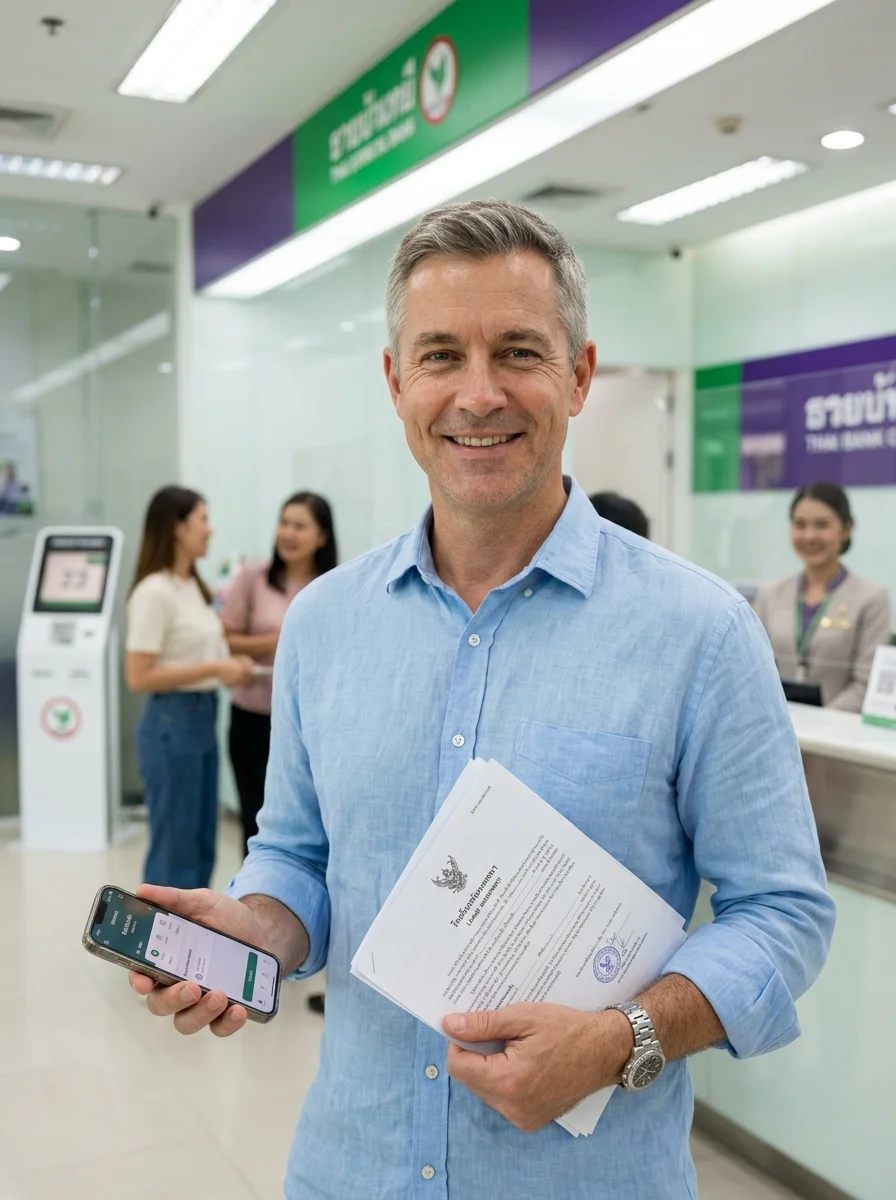
Accepting inflated utility rates in private apartment buildings is a frequent trap for new arrivals. Landlords often charge double the government electricity rate, adding thousands of Baht to your monthly outgoings over a twelve-month lease. You must insist on a contract clause stating electricity is billed directly at the official Provincial Electricity Authority (PEA) or Metropolitan Electricity Authority (MEA) rate.
Failing to document existing property damage upon moving in guarantees a lost deposit. Landlords will routinely charge you for pre-existing scratches on hardwood floors or cracked bathroom tiles when your lease concludes. You must photograph every defect on day one and email the time-stamped images to the agent as a formal record.
Ignoring the TM30 registration law puts your entire immigration status at risk. Immigration officers will refuse to process your visa extension or 90-day report if your landlord has not registered your address in the national database. You must legally demand the TM30 receipt from your landlord within 48 hours of taking residence.
Paying reservation fees before viewing a property physically often results in outright fraud. Scammers list luxury apartments at aggressive discounts on Facebook groups, pressuring overseas tenants to transfer holding deposits via bank transfer. You must only hand over money after touring the unit in person and verifying the agent's credentials.
Practical Tips for Renting in Thailand
Install the LINE messaging application immediately upon deciding to move. Thai real estate agents, landlords, and building juristic offices rely exclusively on this app for all professional communication.
Open a local Thai bank account as soon as you have a signed lease and TM30 receipt. Landlords require monthly rent transfers from a domestic account to avoid international transfer delays and hidden currency conversion fees.
Check the orientation of the apartment unit before signing the contract. West-facing apartments absorb extreme afternoon heat, forcing your air conditioning units to work harder and significantly inflating your electricity bills.
Test the water pressure and air conditioning units during your physical viewing. Older buildings frequently suffer from poor plumbing and poorly maintained compressor units that will disrupt your daily comfort.
Introduce yourself to the building's juristic office staff on your first day. These management teams control your mail delivery, maintenance requests, and tradesperson access, making a positive relationship essential for a comfortable tenancy.
Negotiate a break clause if you are signing a lease longer than twelve months. This protects your financial deposit if your visa status changes or you are forced to return to the UK unexpectedly.
Confirm whether the building permits pets before paying any reservation fees. The vast majority of Thai apartments strictly prohibit dogs and cats, and sneaking them in will result in immediate eviction.
Move abroad with confidence — get a free Thailand relocation plan from expat specialists.
Quick Reference Guide
| Item | Detail | Notes |
|---|---|---|
| Standard Lease Length | 12 months | 6-month leases exist but attract a 10-20% monthly premium. |
| Upfront Costs | 2 months deposit + 1 month rent | Must be paid in THB, usually via local bank transfer. |
| Mandatory Registration | TM30 Form | Landlord must complete this within 24 hours of your arrival. |
| Primary Search Portals | DDProperty, Hipflat, FazWaz | Use these for pricing research, then contact agents via LINE. |
| Best Hubs for UK Expats | Bangkok, Chiang Mai, Hua Hin | Bangkok for careers, Chiang Mai for remote work, Hua Hin for retirement. |
| Utilities Payment | MEA/PEA direct billing | Avoid buildings that mark up electricity rates above government tariffs. |
| Sub-letting | Strictly prohibited | Breaking this rule violates your lease and threatens your visa status. |
| Deposit Return | 30 days post-tenancy | Document all pre-existing damage to ensure full return. |