Southeast Asia Cruises in Thailand
Exploring Thailand by sea allows you to wake up in the Gulf of Thailand one morning and the Andaman Sea the next, covering over 1,500 nautical miles of coastline without packing a single suitcase between stops. Ships ranging from Royal Caribbean’s 4,000-passenger mega-vessels to Cunard’s classic liners use Singapore as a primary hub to unlock Thailand’s major ports in a single voyage.
Southeast Asia cruises operate primarily between November and March, capitalising on the region's dry season. Major operators including Celebrity Cruises, Princess Cruises, P&O Cruises, Cunard, and Royal Caribbean dominate these routes, offering round-trips from Singapore or one-way voyages terminating in Hong Kong. These itineraries cater specifically to travellers who want to sample multiple Thai destinations, alongside neighbouring countries like Vietnam and Malaysia, within a controlled, premium environment. It is an ideal format for older couples, multi-generational families, and first-time visitors to Asia who value predictable logistics over independent overland travel.

The Major Cruise Lines and Ships
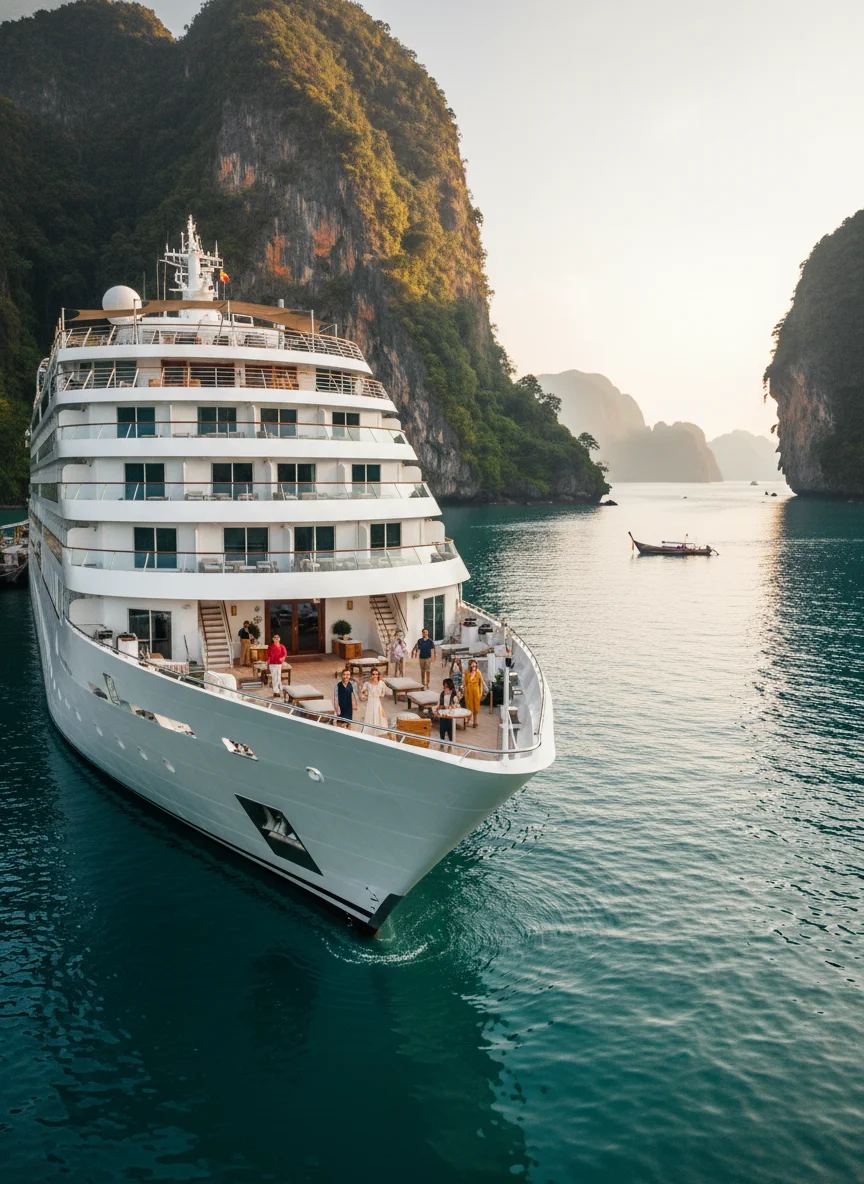
The Southeast Asia cruise market features vessels ranging from family-focused resort ships to traditional ocean liners. Royal Caribbean deploys its Quantum-class ships, such as Spectrum of the Seas, which feature skydiving simulators, robotic bartenders, and bumper cars. These mega-ships cater heavily to active families and younger couples. Celebrity Cruises and Princess Cruises occupy the premium middle ground, sailing mid-sized vessels like Celebrity Millennium and Diamond Princess. These operators focus on high-quality dining, extensive thermal spa facilities, and destination-focused lectures about Thai culture. For British passengers seeking familiar comforts, P&O Cruises and Cunard frequently feature Thai ports on their longer global itineraries or dedicated winter deployments. Ships like Queen Mary 2 or Arcadia offer afternoon tea, formal gala nights, and pound sterling onboard pricing. This provides a distinctly British atmosphere while navigating the Gulf of Thailand. Repositioning cruises, which occur in October and April as ships move between Australia and Asia, offer extended sea days and lower per-night rates. Conversely, dedicated seasonal itineraries focus on intensive port-hopping with fewer days at sea. Selecting the right operator dictates whether your evenings involve high-energy theatre productions or quiet classical recitals.
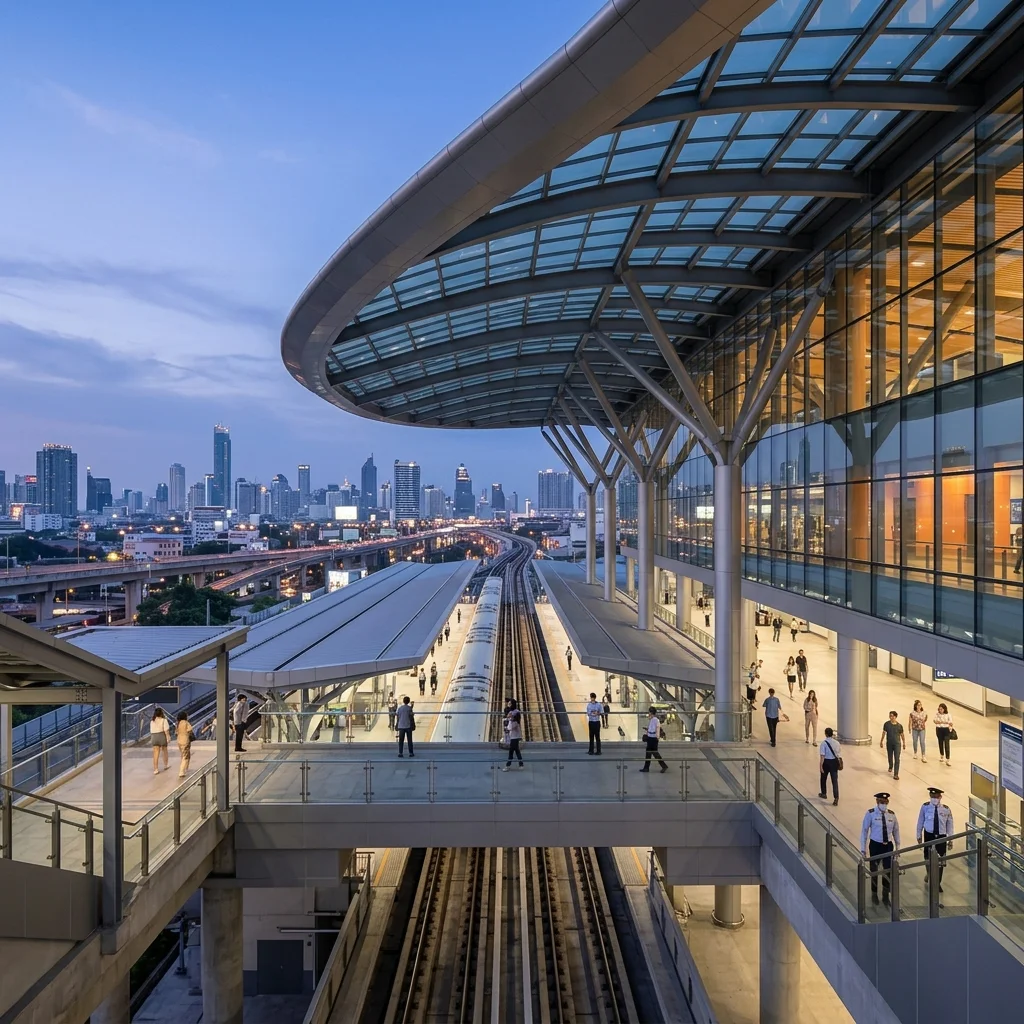
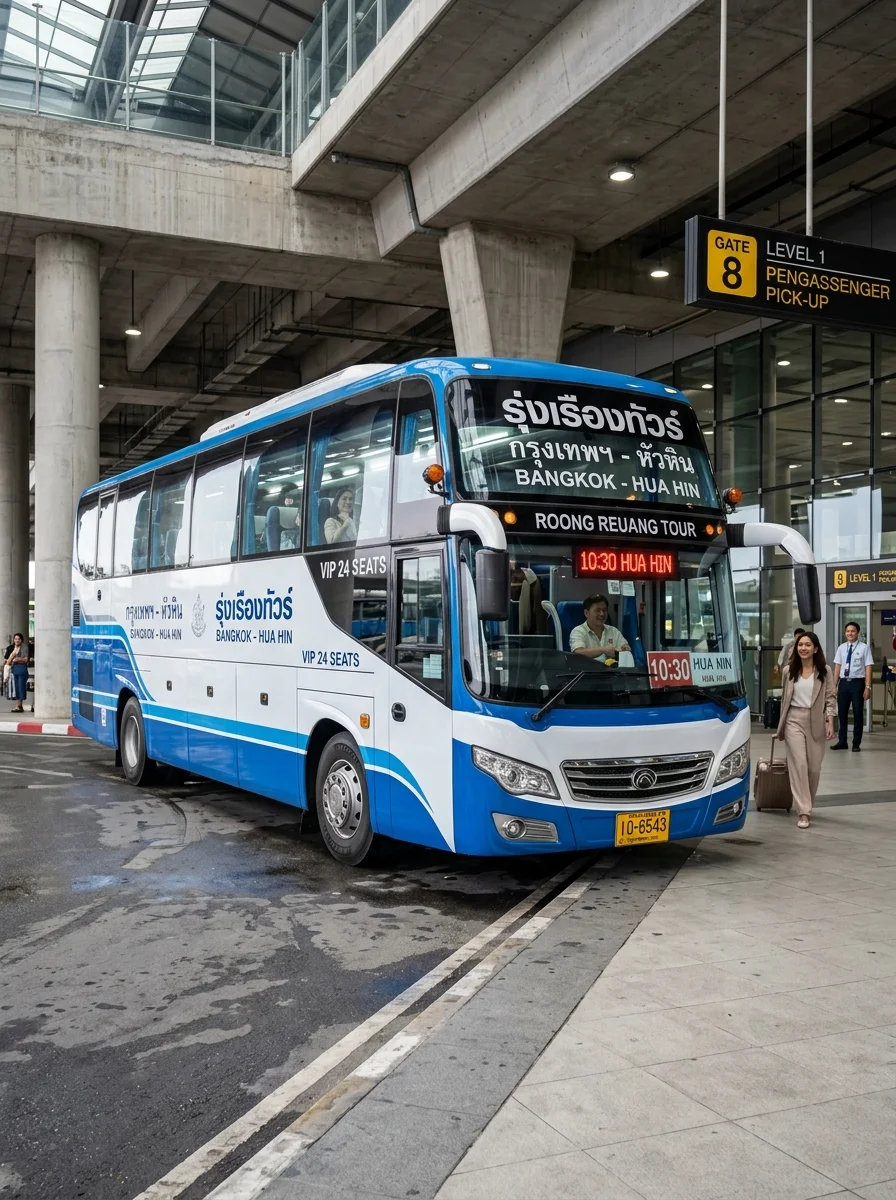
Compare VIP buses, the new dual-track trains, minivans, and private transfers from Bangkok to Hua Hin. Book the right route for your budget and schedule.
| Cruise Line | Ship Style | Typical Target Audience |
|---|---|---|
| Royal Caribbean | Mega-ship resort | Families and active couples |
| Princess / Celebrity | Premium mid-size | Older couples and food enthusiasts |
| P&O / Cunard | Traditional British | UK mature travellers |
| Holland America | Classic traditional | Retirees seeking longer voyages |
Typical Itineraries and Routes
Sponsored
Dedicated Southeast Asia itineraries typically run for seven to fourteen nights. They use Singapore as the primary embarkation hub due to its massive Marina Bay Cruise Centre and frequent direct flights from London Heathrow. A standard seven-night route usually departs Singapore, calls at Port Klang for Kuala Lumpur, stops in Penang, and spends two days anchored off Phuket before returning south. Longer two-week voyages expand into the Gulf of Thailand. These ships head up the eastern coast to Koh Samui and Laem Chabang, which serves as the maritime gateway for Bangkok. Extended one-way voyages often begin in Singapore, trace the Thai coastline, continue to Phu My for Ho Chi Minh City, and terminate at Hong Kong’s Kai Tak Cruise Terminal. This linear route structure allows passengers to sample three or four distinct countries in a single fortnight. Because distances between these major Asian ports require significant sailing time, you can expect at least two or three full sea days on a longer itinerary. Pay close attention to the port times on your schedule. An overnight stay in Laem Chabang provides significantly more value than a brief eight-hour daytime call.
Primary Thai Ports of Call
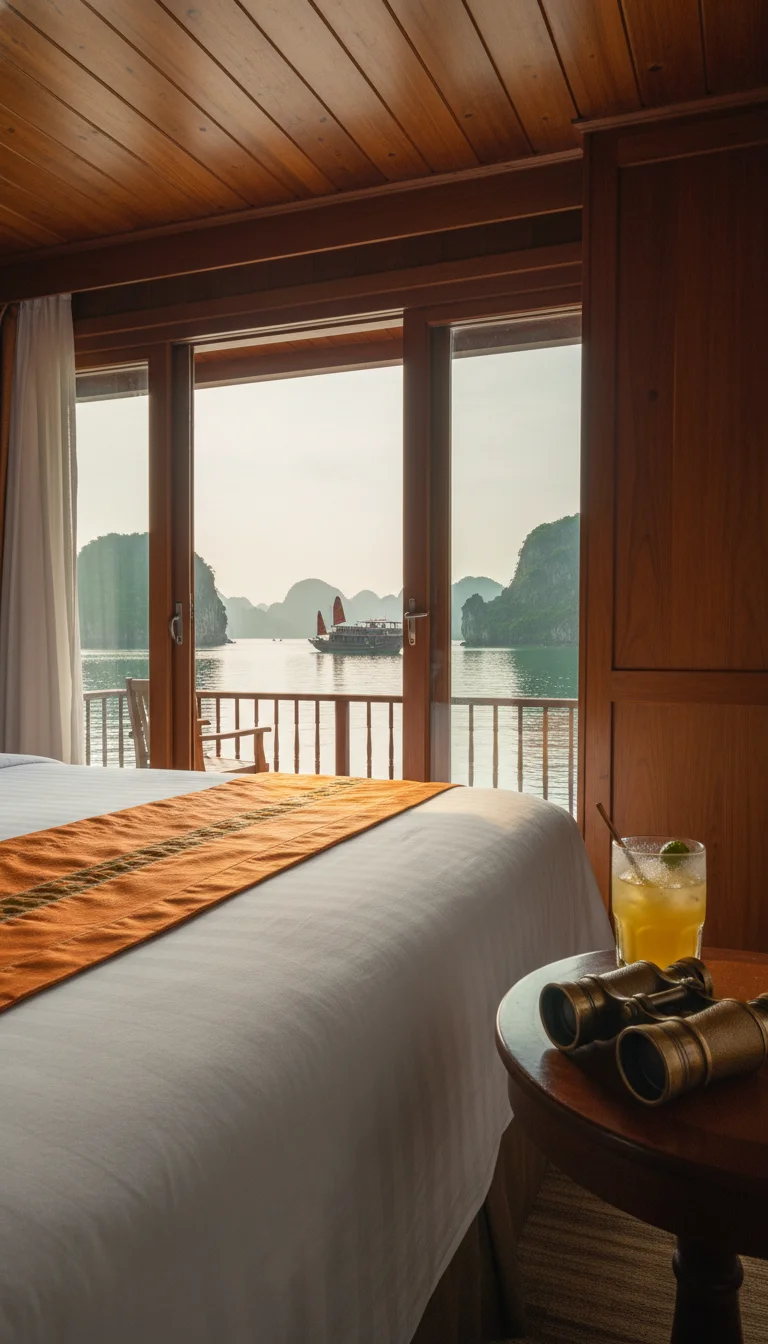
Thailand’s cruise infrastructure relies on three distinct ports, each offering a completely different access point to the country. Laem Chabang is the country’s massive deep-water commercial port, situated on the eastern seaboard near Pattaya. While cruise lines advertise it as Bangkok, the capital is actually a two-hour drive north along the motorway. This makes the port better suited for overnight calls or excursions to the nearby wooden Sanctuary of Truth. Phuket serves the Andaman coast, where larger ships must drop anchor in Patong Bay and use tender boats to bring passengers ashore. This drops you directly into the main beach resort area, providing immediate access to local markets and excursion boats heading out to Phang Nga Bay. Koh Samui operates similarly, requiring a tender operation to Nathon Pier on the island's west coast. From here, passengers access the Ang Thong National Marine Park, the towering Big Buddha temple, or the quieter northern beaches of Maenam. Because Phuket and Koh Samui rely heavily on tender boats, passengers with mobility issues must factor in the physical requirements of stepping onto smaller vessels in open water. Always check whether your ship docks dockside or requires tendering at your preferred Thai destinations.
Shore Excursions and Independent Exploration

Maximising your time ashore in Thailand requires deciding between ship-sponsored excursions and independent travel arrangements. Cruise line excursions guarantee you will not be left behind if the tour runs late. This protection is particularly valuable when visiting Bangkok from Laem Chabang due to the 120-kilometre distance and unpredictable highway traffic. These official tours typically cover the Grand Palace, Wat Pho, and a Chao Phraya river cruise, costing upwards of 3,500 THB (£78) per person. In contrast, Phuket and Koh Samui are highly conducive to independent exploration. Tender boats deposit you near local taxi ranks where you can negotiate a private driver for the day for approximately 2,000 THB (£45). This allows you to visit the Chalong Bay Rum Distillery or Wat Chalong in Phuket at your own pace. You easily avoid the crowded 50-seater coaches. For marine activities like snorkelling around Phi Phi or James Bond Island, local operators often run smaller, faster speedboats than the cruise line contractors. This approach provides a much more personal experience. Pre-booking independent tours through reputable local agencies saves money and secures smaller group sizes compared to the ship's official offerings.
Cruise vs Independent Thailand Holiday
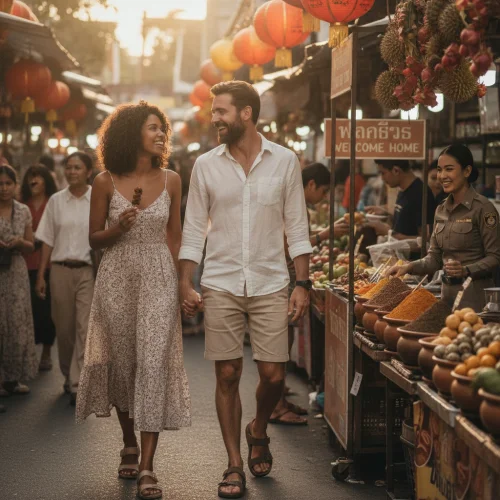
Choosing a cruise over an independent land-based holiday fundamentally changes how you experience Thailand and its culture. A cruise provides a highly sanitised, comfortable vantage point. It allows you to sample the heat, noise, and intensity of Thai cities during the day before retreating to an air-conditioned cabin, a familiar menu, and western plumbing at night. You unpack once, avoid chaotic domestic flights, and bypass the need to negotiate with multiple hoteliers or ferry operators. However, this convenience comes at the cost of deep cultural immersion. Ships depart just as the sun sets, meaning cruise passengers entirely miss Thailand’s famous night markets and evening street food scenes. You also miss the cooler, atmospheric mornings before the tourist crowds arrive. A land-based holiday allows you to spend a week exploring the northern mountains of Chiang Mai, a region entirely inaccessible by cruise ship. Alternatively, you can settle into the slow rhythm of a single island like Koh Lanta. A cruise serves best as an introductory tasting menu to Southeast Asia, while an independent holiday delivers the full, unedited main course. Consider your priority carefully. If you want effortless logistics and multiple countries, choose a cruise; if you want authentic local interaction, book a flight.
LOCATION AND GETTING THERE
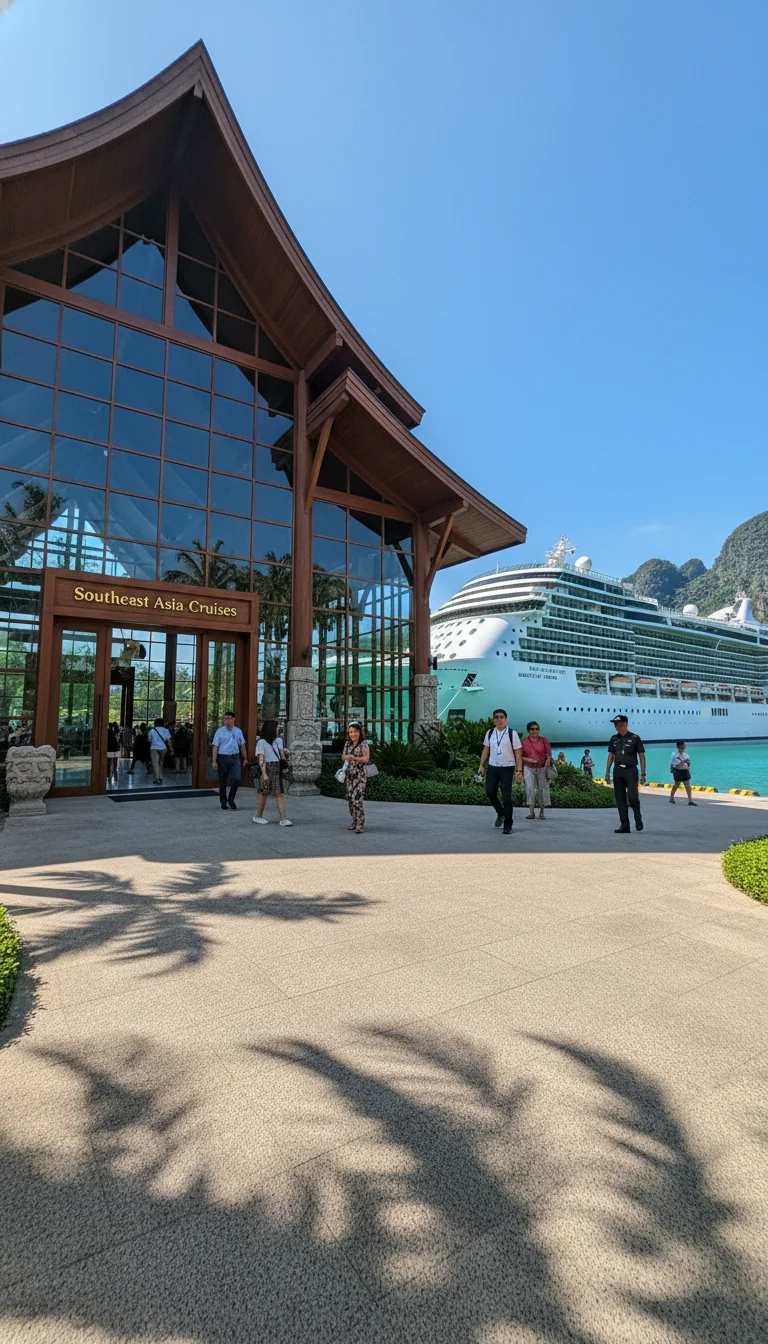
The vast majority of Southeast Asia cruises embark from the Marina Bay Cruise Centre in Singapore, making your arrival logistics highly straightforward. UK passengers typically fly direct from London Heathrow to Singapore Changi Airport via British Airways or Singapore Airlines. This flight takes approximately 13 hours. From Changi Airport, the cruise terminal is a 20-minute taxi ride via the East Coast Parkway. This short transfer costs around 650 THB (£15) equivalent in local currency. If your cruise departs from Hong Kong, direct flights from Heathrow take around 12 hours. The Kai Tak Cruise Terminal is located 40 minutes from Hong Kong International Airport. For itineraries embarking directly in Thailand at Laem Chabang, you will fly into Bangkok Suvarnabhumi Airport. The port sits 115 kilometres southeast of the airport. A pre-booked private transfer from Suvarnabhumi to the Laem Chabang cruise terminal takes 90 minutes and costs approximately 1,800 THB (£40).
COSTS AND BOOKING
Cruise pricing in Southeast Asia varies dramatically based on the operator, cabin category, and the time of year. Peak season runs from December to February, aligning with the driest, coolest weather in the region. This period commands the highest fares. November and March offer shoulder season rates, though humidity and the risk of rain increase. A standard 10-night itinerary on a premium line like Princess or Celebrity typically includes your accommodation, main dining room meals, buffet access, and basic entertainment. However, you must budget for mandatory daily gratuities. These service charges average 650 THB (£15) per person, per day. Drinks packages, specialty dining, Wi-Fi, and shore excursions represent significant supplementary costs. Booking through a UK-based cruise specialist travel agent often yields better value than booking direct. They frequently bundle return flights from London, pre-cruise hotel stays in Singapore, and onboard credit into a single ATOL-protected package.
| Option | Cost (THB per night) | Cost (GBP approx) | Notes |
|---|---|---|---|
| Inside Cabin | 3,500 - 5,000 | £78 - £110 | Best for budget-conscious travellers |
| Balcony Cabin | 6,000 - 8,500 | £135 - £190 | Provides private outdoor space |
| Mini-Suite | 10,000 - 15,000 | £220 - £335 | Includes sitting area and larger bathroom |
| Daily Gratuities | 650 - 800 | £15 - £18 | Mandatory charge added to onboard account |
WHO IT SUITS BEST
Southeast Asia cruises are exceptionally well-suited to older travellers, multi-generational families, and first-time visitors to Asia who want the security of a floating resort. It is the perfect choice for those who wish to see multiple countries without the physical toll of dragging luggage through airports and ferry terminals. It is not right for budget backpackers or independent explorers seeking deep cultural immersion. Travellers who want to experience Thailand’s famous nightlife and evening street food culture will be disappointed, as ships almost always sail before dinner.
WHAT TO KNOW BEFORE YOU BOOK
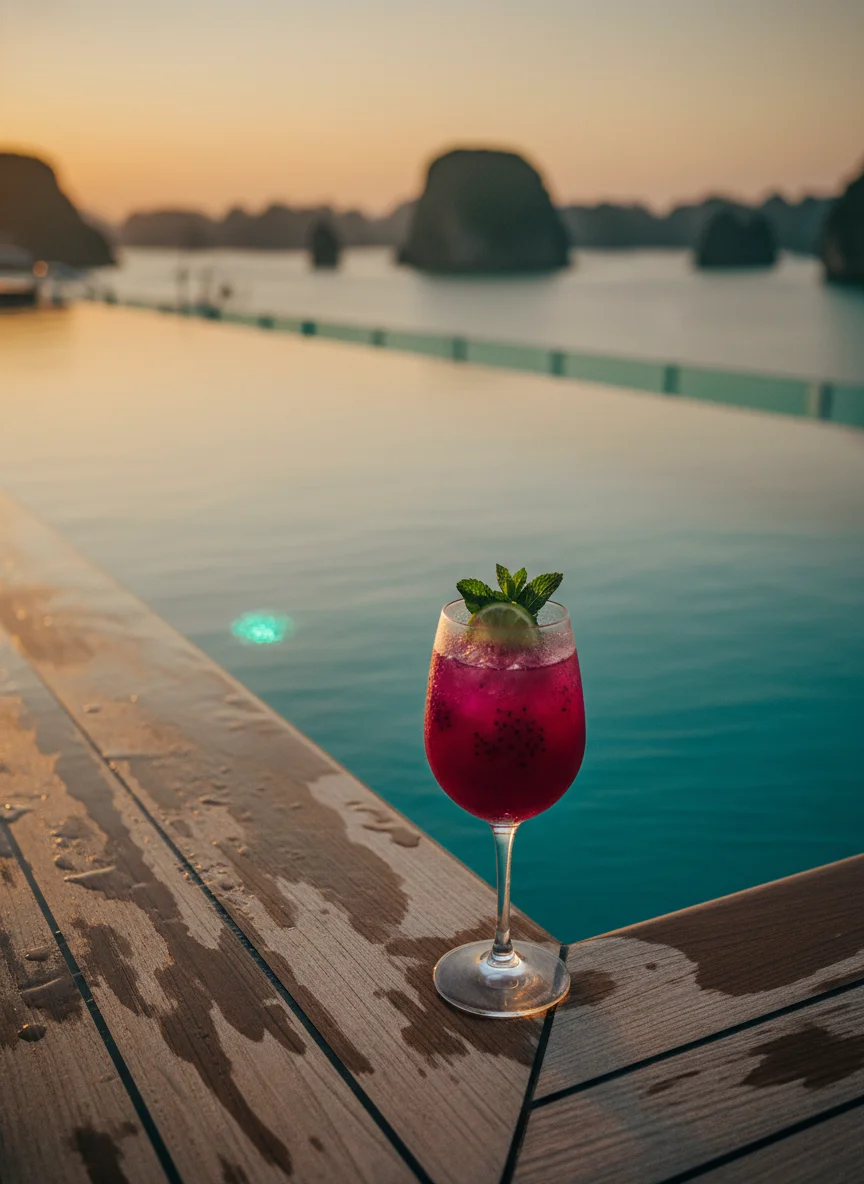
Tendering is required for major Thai islands. Ships cannot dock directly at Phuket or Koh Samui, meaning you must use small tender boats to reach the shore, which can be challenging for wheelchair users or those with limited mobility.
Laem Chabang is not Bangkok. The commercial port is a two-hour drive from the capital, so visiting Bangkok requires a long, expensive day trip with significant time spent on a coach.
Visas are usually handled onboard. For UK passport holders visiting Thailand, Vietnam, and Malaysia by sea, the cruise line typically manages the necessary transit visas and charges them directly to your onboard account.
The humidity is intense. Even in the peak winter months of January and February, temperatures regularly exceed 32°C with high humidity, making strenuous outdoor shore excursions physically demanding.
PRACTICAL TIPS
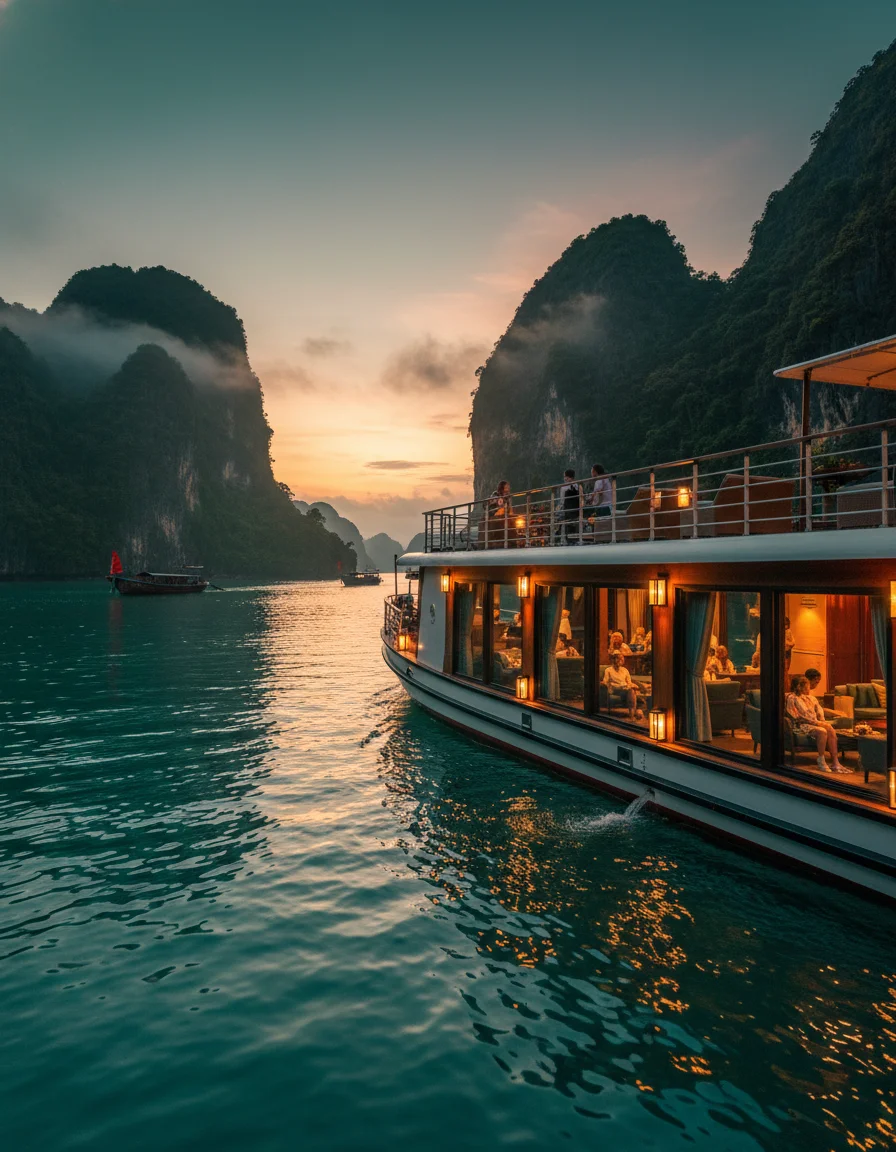
Book independent transfers from Laem Chabang. Instead of paying the cruise line's premium rate for a shuttle to Pattaya or Bangkok, pre-book a private local taxi online for significant savings.
Pack modest clothing for temple visits. If you plan to visit the Grand Palace or Wat Chalong, you must cover your shoulders and knees, so bring lightweight trousers and a sarong.
Carry local currency in small denominations. While major excursion operators accept credit cards, you will need 100 THB notes for buying street food, paying tuk-tuks, or leaving small tips ashore.
Monitor your mobile roaming settings. As the ship sails close to the coastline between Malaysia and Thailand, your phone may connect to maritime satellite networks, resulting in exorbitant data charges.
Utilise the ship's laundry during long humid itineraries. The tropical heat means you will sweat through clothes rapidly, so take advantage of mid-voyage laundry specials rather than overpacking.
Get off the ship early in tender ports. Tender tickets are usually distributed on a first-come, first-served basis, and securing an early departure maximises your limited time on the islands.
QUICK REFERENCE TABLE
| Item | Detail | Notes |
|---|---|---|
| Property Name | Southeast Asia Cruises | Various operators |
| Location | Gulf of Thailand & Andaman Sea | Hubs in Singapore and Hong Kong |
| Property Type | Cruise and Voyage Experience | Ranging from 2,000 to 5,000 passengers |
| Star Rating | 3 to 5 Star equivalent | Varies heavily by cruise line |
| Main Thai Ports | Laem Chabang, Phuket, Koh Samui | Laem Chabang serves Bangkok |
| Seasonality | November to March | Peak dry season for the region |
| Nearest Airports | Singapore Changi, Bangkok Suvarnabhumi | Depends on embarkation port |
| Booking Platform | Cruise Specialists | Booking via UK agents recommended |