Rental Prices in Thailand
Foreigners cannot legally own land in Thailand, making long-term rentals and registered 30-year leaseholds the primary residential strategy for most UK expats. Signing a standard rental agreement without verifying the landlord’s Chanote title deed leaves you legally unprotected if the property is foreclosed or sold.
This guide breaks down realistic rental costs across Thailand for UK nationals planning a relocation or long stay. You will learn exactly what your budget secures in Bangkok, Chiang Mai, Phuket, Pattaya, and Hua Hin, alongside the legal requirements for securing a tenancy. This is for expats actively budgeting for a move and comparing property types. It is not for tourists seeking short-term holiday lets or hotel accommodation.

Legal Lease Structures and Pricing Baselines
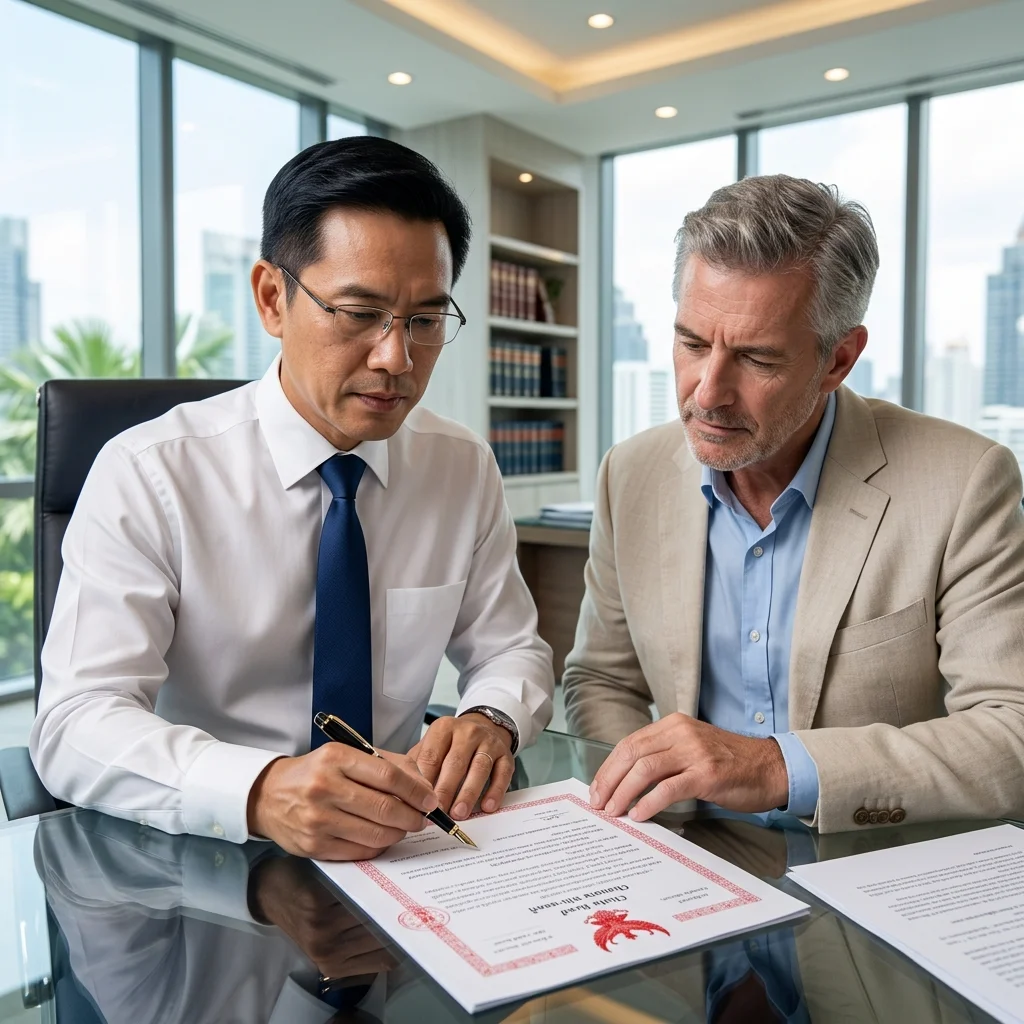
Any lease exceeding three years in Thailand must be registered at the local Land Department office and noted on the back of the property's title deed to be legally enforceable. Standard residential rentals operate on 12-month contracts, governed by the Civil and Commercial Code. While a one-year lease does not require formal Land Department registration, you must ensure the landlord registers your residence via a TM30 form within 24 hours of arrival. Complying with this immigration law is mandatory. Rental pricing heavily depends on the legal structure of your stay. A legally registered 30-year leasehold on a detached villa in Hua Hin requires a substantial upfront capital transfer. This sum is often equivalent to a full purchase price. Conversely, a rolling 12-month contract requires only a standard security deposit. Most UK expats opt for the 12-month route, which offers flexibility and avoids the 1.1% lease registration fee levied on long-term registered leases.
A complete legal and financial guide for UK nationals buying property in Chiang Mai. Understand leaseholds, foreign quotas, real costs, and rental yields.
On average, expect to pay between 15,000 and 45,000 baht (THB) per month — roughly £330 to £1,000 — for a standard one-bedroom apartment in a major Thai city, rising sharply for villas or prime locations. Monthly base rates start around 15,000 THB (£330) for older city units and scale past 100,000 THB (£2,220) for luxury properties. Always verify the landlord’s identity against the Chanote document before transferring any deposit funds.
| Lease Structure | Legal Requirement | Typical Cost Profile | Notes |
|---|---|---|---|
| Short-term (Under 6 months) | Standard contract, TM30 reporting | 20% to 50% premium on monthly rate | Landlords apply heavy seasonal markups |
| Standard Long-term (12 months) | Standard contract, TM30 reporting | Base market rate, 2-month deposit required | The most common route for UK expats |
| Registered Leasehold (3+ years) | Land Department registration | Upfront capital sum, 1.1% registration fee | Requires title deed endorsement |
| 30-Year Leasehold | Land Department registration | Full property value paid upfront | Often used as an alternative to buying |
Destination Price Breakdown and Property Types
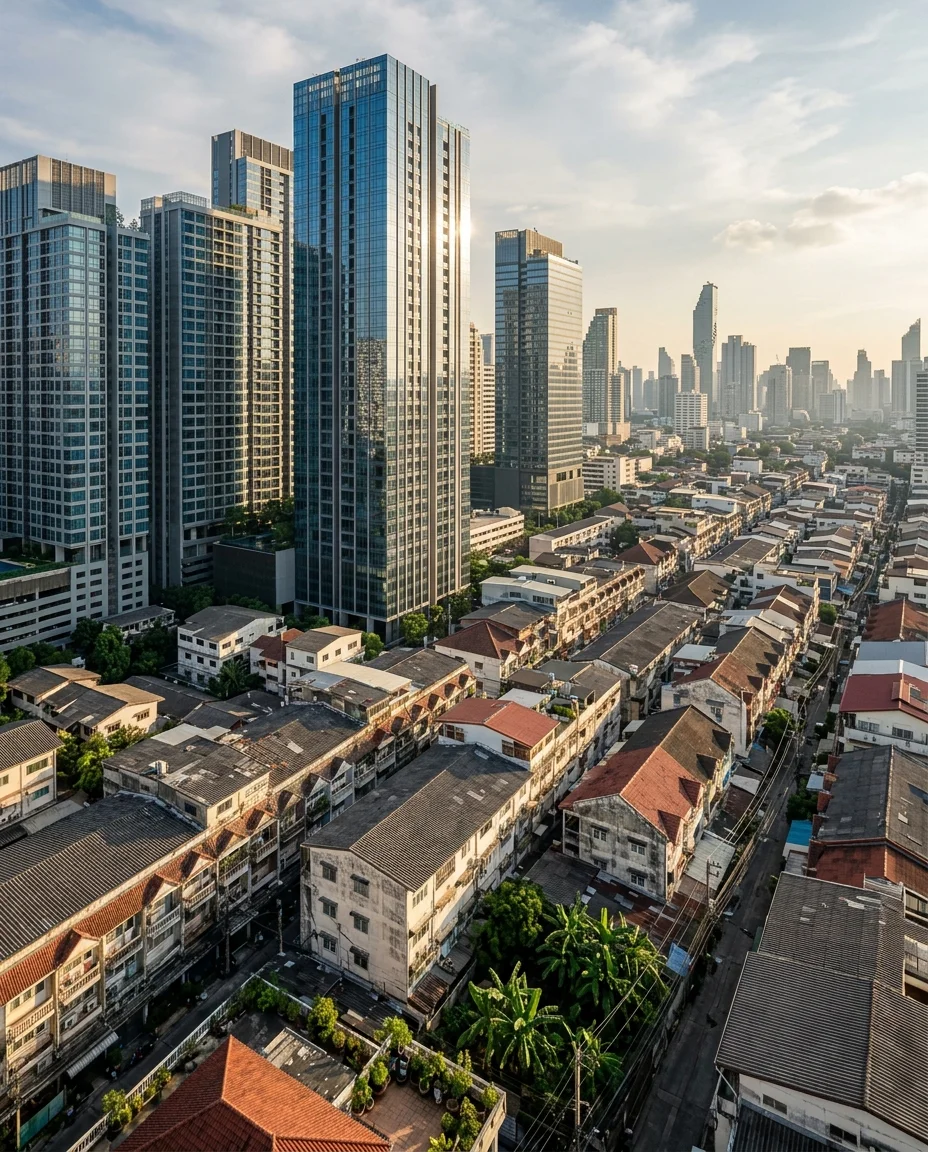
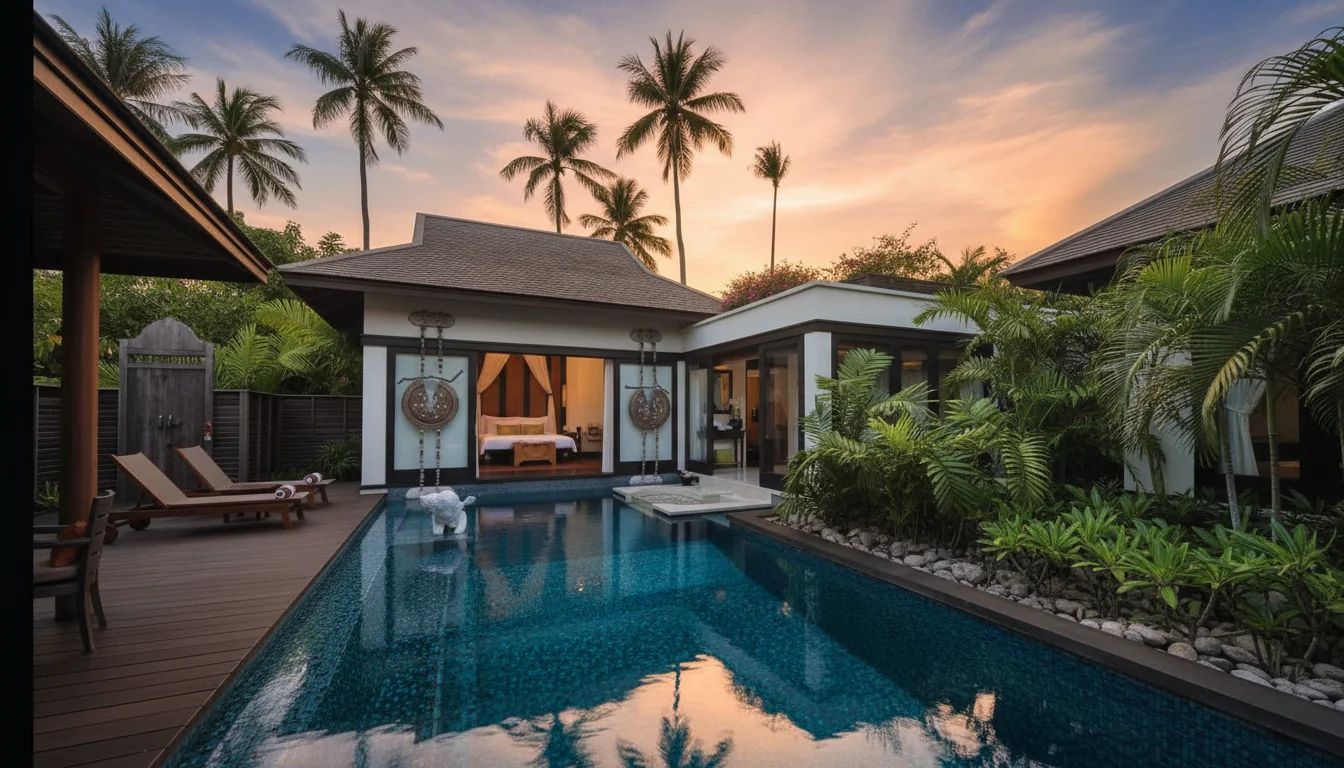
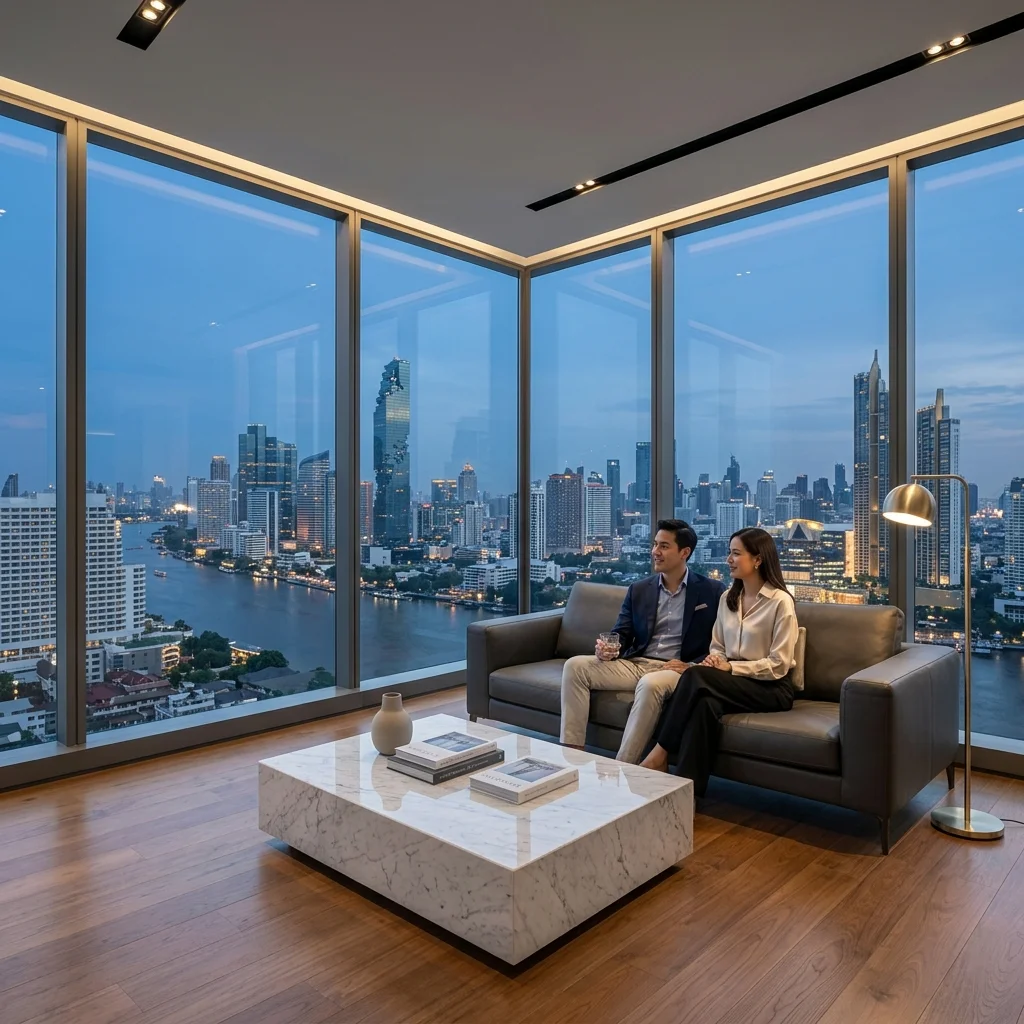
Rental yields and monthly costs vary drastically between Bangkok’s central business district, northern expat communities, and the southern islands. In central Bangkok locations like Sukhumvit or Silom, a modern one-bedroom apartment commands 25,000 THB to 45,000 THB (£550 to £1,000) per month. To put this in perspective, a 45,000 THB (£1,000) monthly budget in the UK barely secures a modest one-bedroom flat in a secondary city. In central Bangkok, that same expenditure rents a premium high-rise apartment featuring 24-hour security, a rooftop pool, and a fully equipped gym. Move 30 minutes away on the BTS Skytrain network, and that same budget secures a three-bedroom townhouse in suburban areas like On Nut or Bang Na. Chiang Mai offers the lowest cost of living for UK expats. Here, 15,000 THB (£330) rents a modern studio apartment in the Nimman district. A budget of 35,000 THB (£770) secures a detached house with a private garden in Chiang Mai suburbs like Hang Dong. Conversely, Phuket operates on a premium pricing model driven by heavy foreign demand. A detached house with a private pool in Cherngtalay or Rawai rarely lists below 80,000 THB (£1,770) on a 12-month contract. Pattaya and Hua Hin represent a middle ground. These coastal cities offer two-bedroom apartments near the beach for approximately 35,000 THB (£770). Always factor in your lifestyle requirements before committing to a location. Saving 10,000 THB (£220) by renting in a deep suburb often results in higher transport costs and longer daily commutes. Focus your search on neighbourhoods that balance daily convenience with realistic rental valuations.
| Location | 1-Bed Apartment (City Centre) | 3-Bed House (Suburbs) | Detached Pool Villa |
|---|---|---|---|
| Bangkok | 25,000 THB to 45,000 THB | 40,000 THB to 60,000 THB | 100,000 THB+ |
| Chiang Mai | 12,000 THB to 18,000 THB | 25,000 THB to 35,000 THB | 50,000 THB to 80,000 THB |
| Phuket | 20,000 THB to 35,000 THB | 45,000 THB to 65,000 THB | 80,000 THB to 150,000 THB |
| Pattaya / Hua Hin | 15,000 THB to 25,000 THB | 30,000 THB to 45,000 THB | 60,000 THB to 90,000 THB |
Contract Lengths and Seasonal Fluctuations
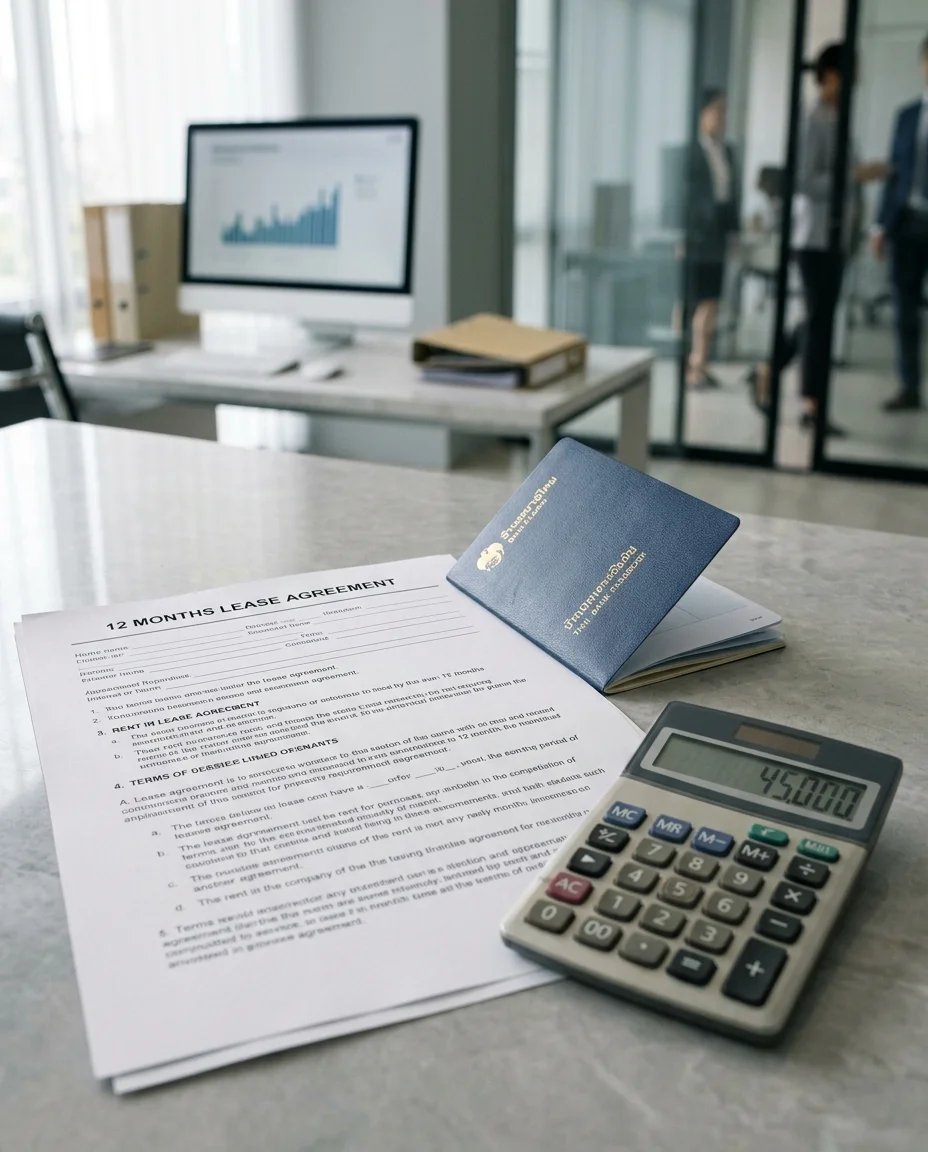
Landlords in tourist-heavy provinces like Phuket and Koh Samui apply severe price premiums to short-term leases spanning less than six months. A one-bedroom apartment in Phuket that costs 25,000 THB (£550) per month on a 12-month contract will often surge to 50,000 THB (£1,110) per month if rented from November to March. This is the peak tourist season. Short-term tenants effectively subsidise the property's empty months during the monsoon season. To secure local residential rates, UK expats must commit to a minimum one-year lease. This legally locks in the price and prevents mid-contract hikes. Six-month contracts are occasionally negotiated but typically incur a 20% to 30% monthly premium. When signing a 12-month lease, the standard financial requirement is two months' rent as a security deposit plus the first month paid in advance. This means a 40,000 THB (£880) per month villa requires an initial capital outlay of 120,000 THB (£2,660). Ensure your contract explicitly states that the deposit is held against property damage and unpaid utility bills. It should never be treated as a substitute for the final two months of rent. Negotiating a long-term contract during the low season from May to October provides the strongest leverage for securing lower monthly rates.
| Contract Length | Pricing Impact | Deposit Required | Notes |
|---|---|---|---|
| 1 to 3 Months | 50% to 100% premium | 1 month rent | Highly subject to seasonal spikes |
| 6 Months | 20% to 30% premium | 1 to 2 months rent | Difficult to secure in high season |
| 12 Months | Base market rate | 2 months rent | Standard expat residential contract |
| 3 Years+ | Below market rate | Negotiable | Requires Land Department registration |
Fund Transfers and Rental Due Diligence

Transferring rent directly from a UK bank account to a Thai landlord incurs heavy international swift fees. It also exposes you to volatile exchange rates. For long-term rentals, you should open a local Thai bank account. Doing so requires a non-immigrant visa and your signed lease agreement as proof of residence. Until your local account is operational, use a regulated currency exchange service to send your deposit and advance rent directly into the landlord’s Thai account. Never hand over cash for a deposit. Electronic transfers provide a legally recognised paper trail. The Thai courts require this evidence if a deposit dispute arises at the end of your tenancy. Before transferring any funds, conduct basic due diligence on the property. Verify that the name on the bank account matches the name on the Chanote title deed and the lease agreement. If an agent is managing the property, ensure they have a documented power of attorney from the legal owner to collect funds. Keep all utility bills in the owner's name. Ensure the contract stipulates you pay the official government rates rather than inflated private management rates. Setting up automated monthly transfers from a Thai account ensures rent arrives on time, protecting you from late payment penalties.
Costs and Fees
Transaction costs for renting in Thailand differ significantly from buying, as the financial burden shifts largely to the landlord. UK tenants do not pay property agent commission. The landlord pays the broker a fee equivalent to one month's rent for a 12-month contract. Your primary upfront costs are the security deposit, which is capped by Thai law at two months' rent, and one month's rent paid in advance. You must also budget for ongoing utility costs and minor maintenance. Electricity is billed at the government rate of approximately 4 THB to 5 THB (£0.08 to £0.11) per unit. Older private apartments sometimes illegally surcharge this up to 8 THB (£0.17). Water is inexpensive, rarely exceeding 300 THB (£6) monthly. Building maintenance fees, known as CAM fees, and the annual property tax are legally the landlord's responsibility and must be factored into the advertised rental price. Leases also incur a minor stamp duty of 0.1% of the total contract value, usually absorbed by the landlord. If a landlord demands you pay the annual building maintenance fee or building insurance, decline the property.
| Cost Item | Rate or Amount | Paid By | Notes |
|---|---|---|---|
| Security Deposit | Up to 2 months' rent | Tenant | Refundable at end of tenancy minus damages |
| Advance Rent | 1 month's rent | Tenant | Applied to the first month of the contract |
| Agent Commission | 1 month's rent | Landlord | Tenants should never pay a finder's fee |
| Lease Stamp Duty | 0.1% of total contract | Landlord | Legally required to validate the contract |
| CAM / Maintenance Fees | Variable by building | Landlord | Must be included in the advertised monthly rent |
Common Mistakes and How to Avoid Them

Paying inflated electricity rates in older buildings. Many private apartment owners charge an illegal flat rate of 8 THB per unit instead of the government rate, doubling your monthly cooling costs. Always demand a apartment or house where you pay the Provincial Electricity Authority (PEA) or Metropolitan Electricity Authority (MEA) directly.
Failing to document existing property damage. Moving into a rental without taking timestamped photographs and noting defects on an inventory list guarantees you will lose your deposit when you leave. Attach a printed, signed photo inventory to the lease agreement on the day you receive the keys.
Ignoring the TM30 immigration reporting requirement. Landlords must report a foreigner's presence to immigration within 24 hours, but failure to do so results in the tenant being denied visa extensions or facing fines. Include a clause in your lease withholding the second month's rent until the landlord provides the TM30 receipt.
Signing a contract without a diplomatic clause. Committing to a 12-month lease without an exit clause means you forfeit your entire deposit if your UK employer relocates you or your visa is unexpectedly cancelled. Negotiate a clause allowing you to break the lease with 60 days' notice and retain your deposit under specific documented circumstances.
Practical Tips

Test the air conditioning units before signing the lease. Replacing a broken compressor costs upwards of 15,000 THB (£330), and ambiguous contracts often force tenants to cover repairs after the first 30 days.
Request the previous month's utility bills during your viewing. This provides concrete proof of the property's insulation quality and confirms there are no outstanding debts attached to the meters.
Ensure the lease specifies who pays for routine air conditioning cleaning. Units require professional cleaning every six months to prevent mould and high electricity consumption, which typically costs 500 THB (£11) per unit.
Cross-reference the landlord's bank details with the property deed. Transferring a large deposit to a relative or a sub-letting tenant leaves you with zero legal recourse if the actual owner evicts you.
Check the fibre optic internet availability before committing. Some older buildings lock tenants into slow, overpriced corporate internet contracts, preventing you from installing a private high-speed line.
Confirm the building's pet policy in writing if you own an animal. Thailand has strict rules regarding pets in high-rise buildings, and keeping a dog secretly violates the Civil and Commercial Code, leading to immediate eviction and deposit forfeiture.
Keep all communication with your landlord in writing via email or a messaging app. Verbal agreements regarding repairs or rent reductions hold no legal weight in a Thai court during a tenancy dispute.
Quick Reference Guide
| Item | Detail | Notes |
|---|---|---|
| Standard Lease Term | 12 months | Shorter terms incur high seasonal premiums |
| Maximum Deposit | 2 months' rent | Mandated by Thai consumer protection laws |
| Advance Rent | 1 month | Paid upfront alongside the security deposit |
| Agent Commission | 0% for tenants | Landlords pay the property broker's fee |
| Required Documents | Passport, Visa | Landlord requires these for TM30 registration |
| Legal Registration | Required over 3 years | 3+ year leases must be registered at Land Department |
| Utility Billing | Government rates | Avoid buildings charging flat inflated rates |