Yoga Retreats in Thailand
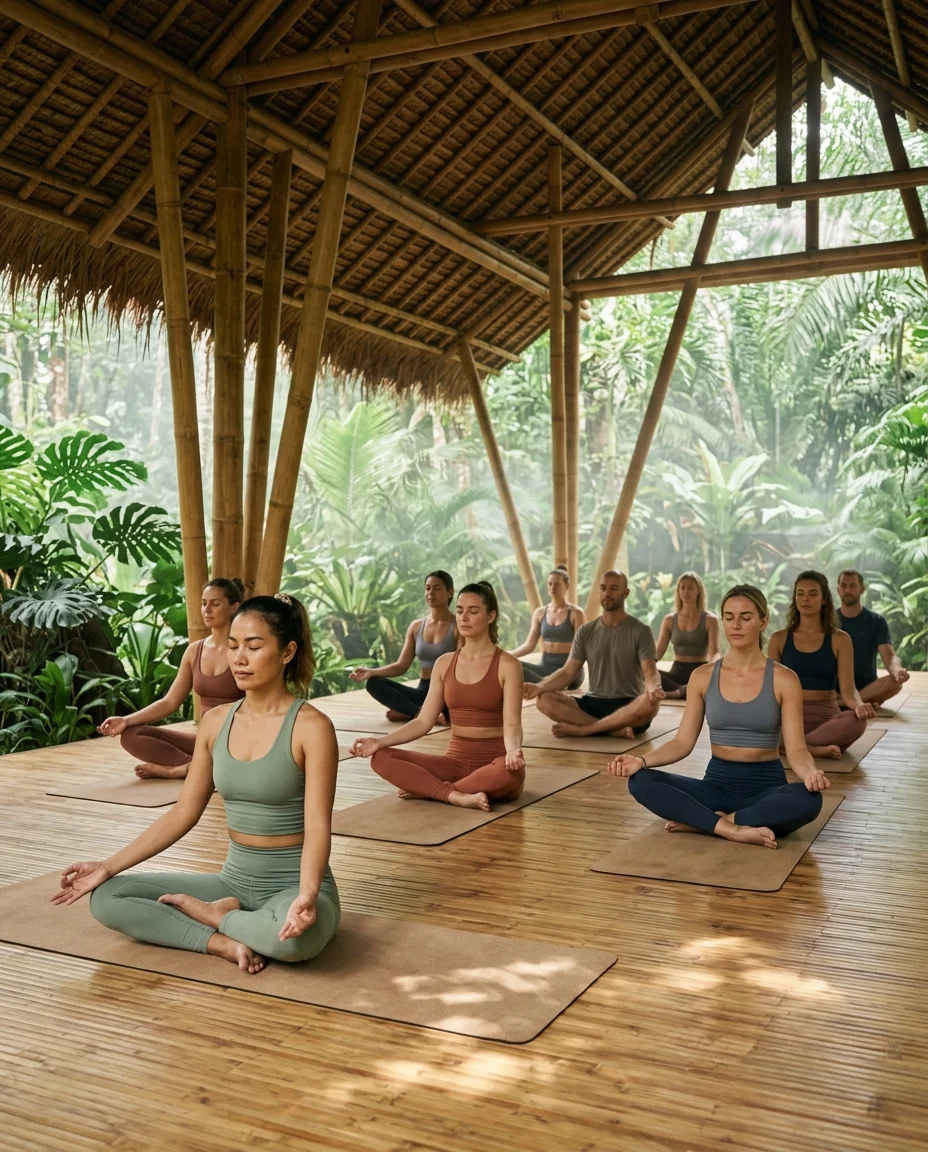
At 6:00 am in a teak pavilion above the Gulf of Thailand, thirty people move silently through sun salutations while the dawn humidity causes sweat to pool on their natural rubber mats. You can hear nothing but the synchronised breath of the room and the distant hum of longtail boat engines starting up for the day.
This guide unpacks everything you need to plan a yoga or wellness retreat in Thailand, from choosing the right location to understanding daily schedules and realistic costs. We cover the core differences between premium wellness resorts and strict ascetic ashrams, alongside a breakdown of popular yoga styles and intensive teacher training courses. You will learn exactly how to vet legitimate centres, avoid poorly run operations, and navigate the complex wellness scene on islands like Koh Phangan.
Understanding the Retreat Landscape: Resorts versus Dedicated Centres
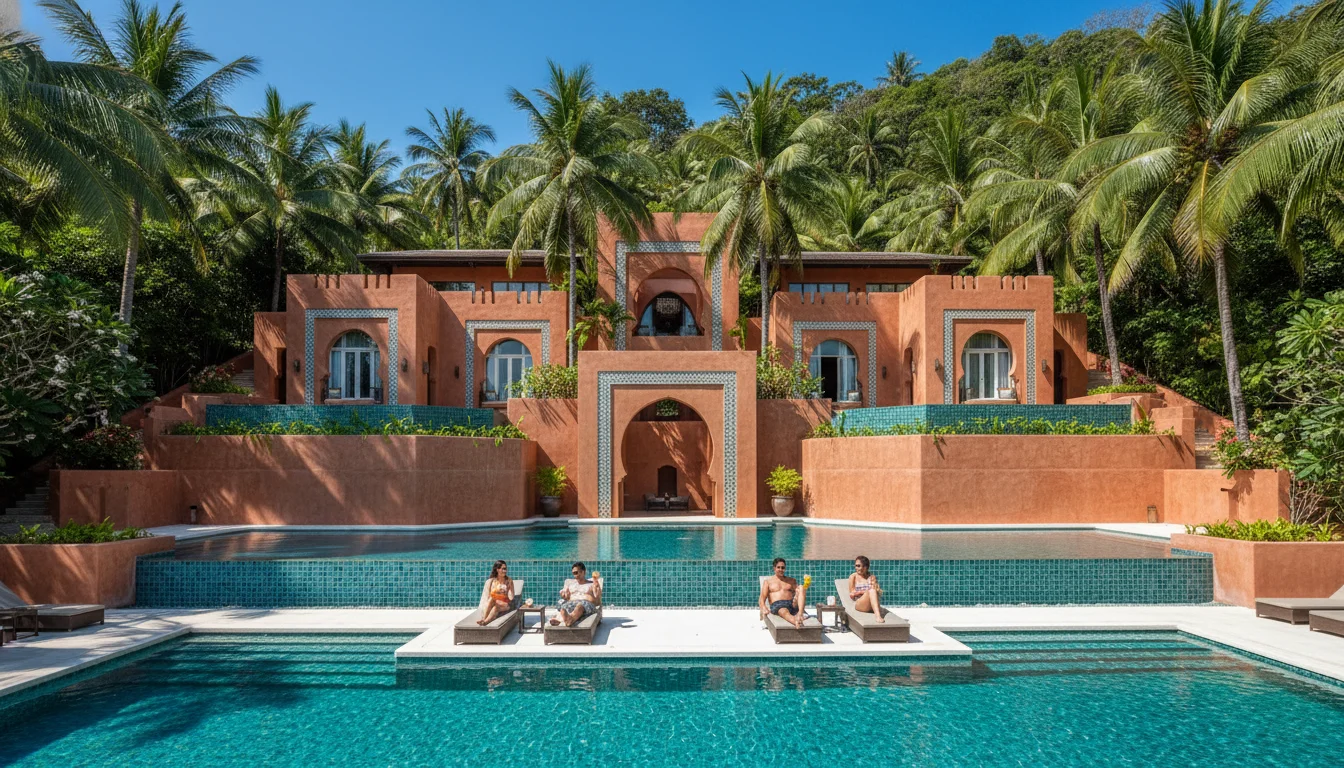
The Thai wellness industry splits sharply into two categories: casual resort-based yoga holidays and intensive, dedicated retreat centres. Resort holidays, like those at Kamalaya in Koh Samui, layer daily drop-in Vinyasa or Hatha classes over a standard premium hotel experience. You sleep in high-end villas, order a glass of wine with dinner, and treat yoga as an optional activity alongside paddleboarding or spa treatments. These properties cater to stressed professionals who want to decompress without giving up their creature comforts. Dedicated retreat centres, such as Suan Sati in Chiang Mai or The Sanctuary on Koh Phangan, operate entirely differently. Here, the entire property exists to facilitate a specific programme. You commit to a fixed schedule spanning three, seven, or twenty-one days. You share meals at communal tables and adhere to strict campus rules that often ban alcohol, caffeine, and sometimes even digital devices. Accommodation at these dedicated centres ranges from simple bamboo fan-cooled huts with cold-water showers to comfortable, air-conditioned private bungalows. The focus remains heavily on the inward journey rather than external luxury. If you want a relaxing holiday with some stretching thrown in, book a wellness resort; if you want to fundamentally shift your physical and mental state, choose a dedicated centre.
Master Thai temple etiquette and Buddhism basics before your trip. Learn dress codes, avoid scams, and explore sacred sites confidently. Read our full guide.
| Retreat Type | Accommodation Style | Vibe & Rules | Typical Duration |
|---|---|---|---|
| Drop-in / Day Classes | Arranged separately | Casual, flexible, no lifestyle rules | 1 to 2 hours |
| Resort Wellness Holiday | Premium hotel rooms or villas | Relaxed, optional classes, alcohol permitted | 3 to 7 days |
| Dedicated Retreat Centre | Bamboo huts to AC bungalows | Intensive, scheduled, strict diet/rules | 5 to 14 days |
| Yoga Teacher Training | Communal dorms or basic private rooms | Highly disciplined, study-focused, demanding | 21 to 28 days |
A Typical Retreat Day: Sweat, Silence, and Somtum
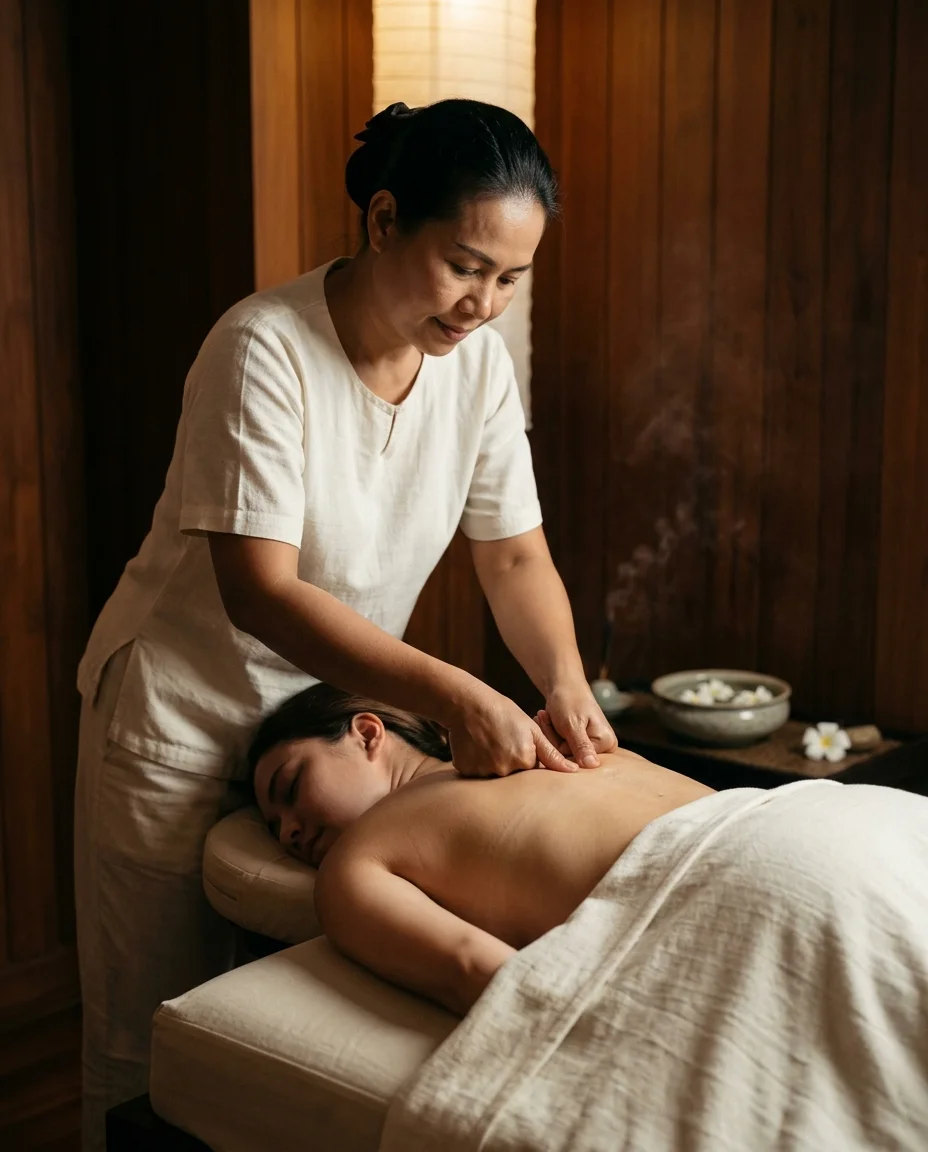
Most immersive Thai yoga retreats follow a rigorous daily rhythm designed to reset your nervous system. Your day typically begins before dawn, often around 5:30 am, with a silent meditation session followed immediately by a two-hour dynamic physical practice. This morning session is usually Ashtanga or an energetic Vinyasa flow, designed to build heat and exhaust the muscles. Breakfast arrives at 8:30 am. You will sit down to a plant-based spread featuring fresh tropical fruits like papaya and dragonfruit, alongside raw vegan bowls or traditional Thai rice congee modified without pork. Mid-mornings are left free for scheduled holistic therapies. Depending on the centre's focus, this might involve traditional Thai massage, deep tissue work, or alternative practices like Chi Nei Tsang abdominal massage and ice bath plunges. A lighter, restorative Yin or Hatha class takes place in the late afternoon. This second class focuses on deep connective tissue release as the heat of the day finally breaks. Evening meals are early and strictly vegetarian or vegan, drawing heavily on local ingredients to create dishes like raw pad thai or mild, coconut-rich curries. By 8:30 pm, the campus falls completely silent. Understand that a genuine retreat is physically demanding, and you should expect to feel profound fatigue by day three before the energising benefits finally take hold.
Finding Your Style: From Ashtanga to Yin
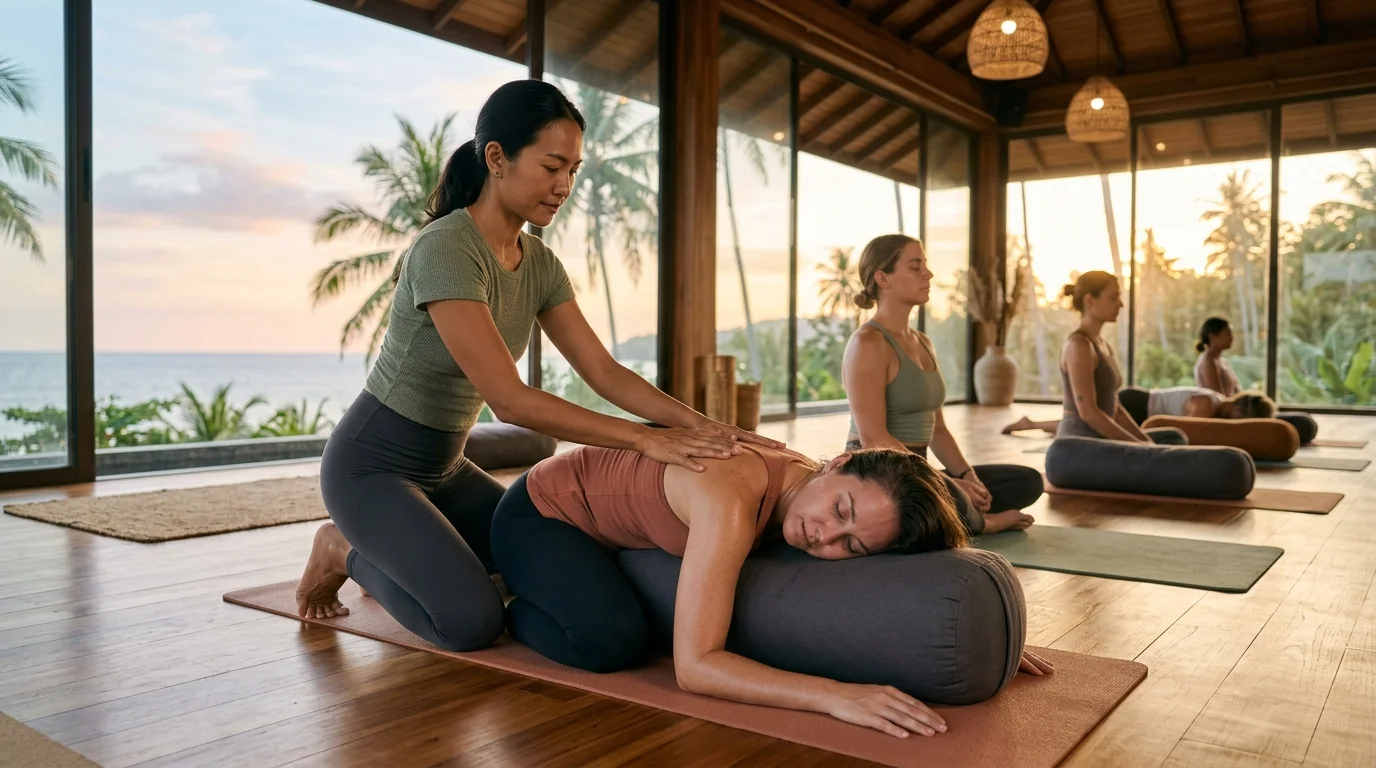
Thailand caters to every major discipline of yoga, but matching your physical capability to the right style is crucial for a successful trip. Ashtanga is highly prevalent in places like Koh Phangan and Chiang Mai. It offers a rigid, physically punishing set sequence of postures linked by breath, demanding high cardiovascular fitness and discipline. It is often taught in 'Mysore style', where students practice at their own pace while a teacher adjusts them individually. Vinyasa flow is the most common style found in resort settings and drop-in studios, providing a fluid, dance-like sequence that builds heat and flexibility. Hatha yoga serves as the foundational practice at many mid-range retreats. It moves slower than Vinyasa and holds basic postures longer, making it highly accessible for older practitioners or absolute beginners. Finally, Yin yoga has seen a massive surge in popularity across Thai wellness centres. This passive practice involves holding seated or lying postures for up to five minutes, targeting the deep fascia rather than muscles. Many comprehensive retreats pair a fiery morning Ashtanga or Vinyasa class with a cooling evening Yin session. Always check the retreat's primary teaching style before paying a deposit to ensure it aligns with your physical limitations.
| Yoga Style | Physical Intensity | Pace & Focus | Best Suited For |
|---|---|---|---|
| Ashtanga | High | Fast, rigid sequence, strength-building | Fit, disciplined practitioners |
| Vinyasa | Medium to High | Fluid, breath-linked movement, cardiovascular | Active individuals wanting variety |
| Hatha | Low to Medium | Slow, alignment-focused, foundational | Beginners and older adults |
| Yin | Low | Static, deep tissue stretching, meditative | Injury recovery and stress relief |
The Koh Phangan Question: Wellness Hub or Party Island
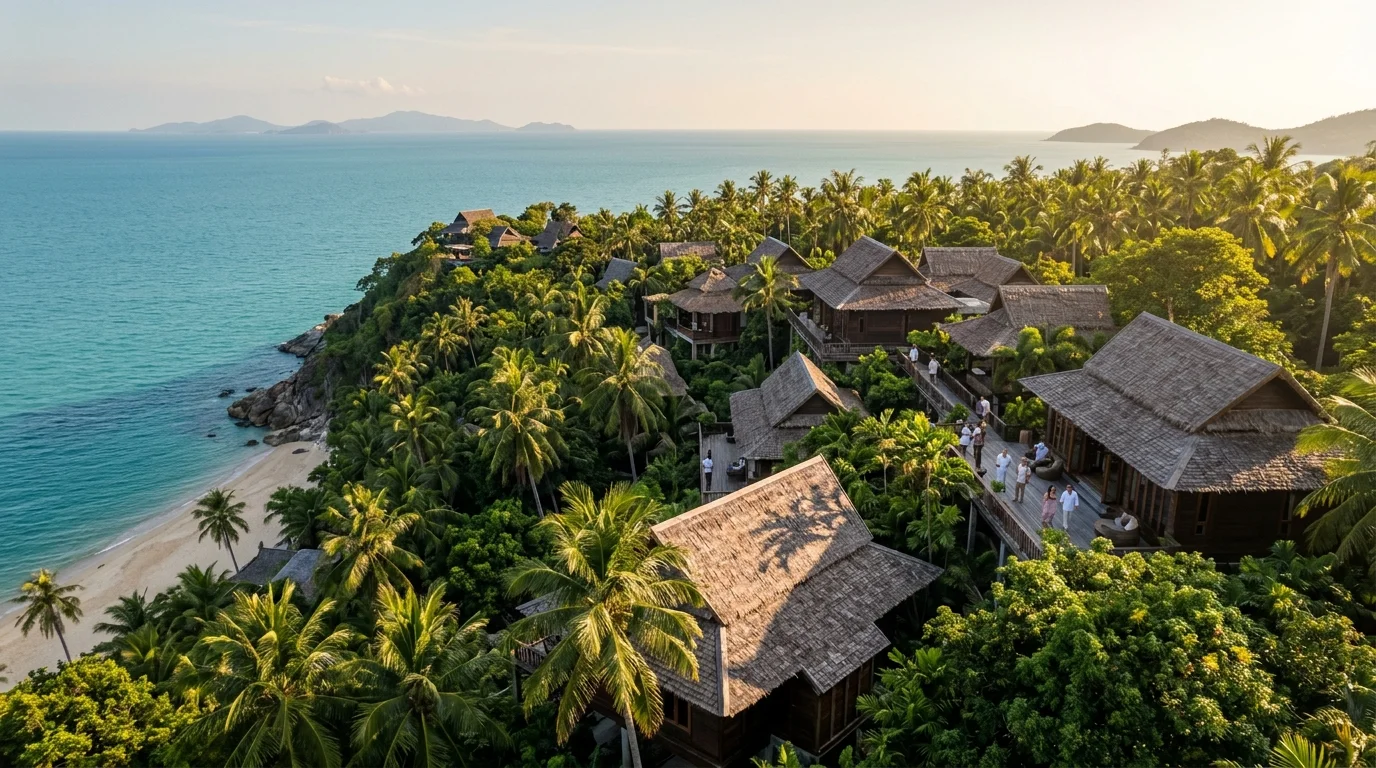
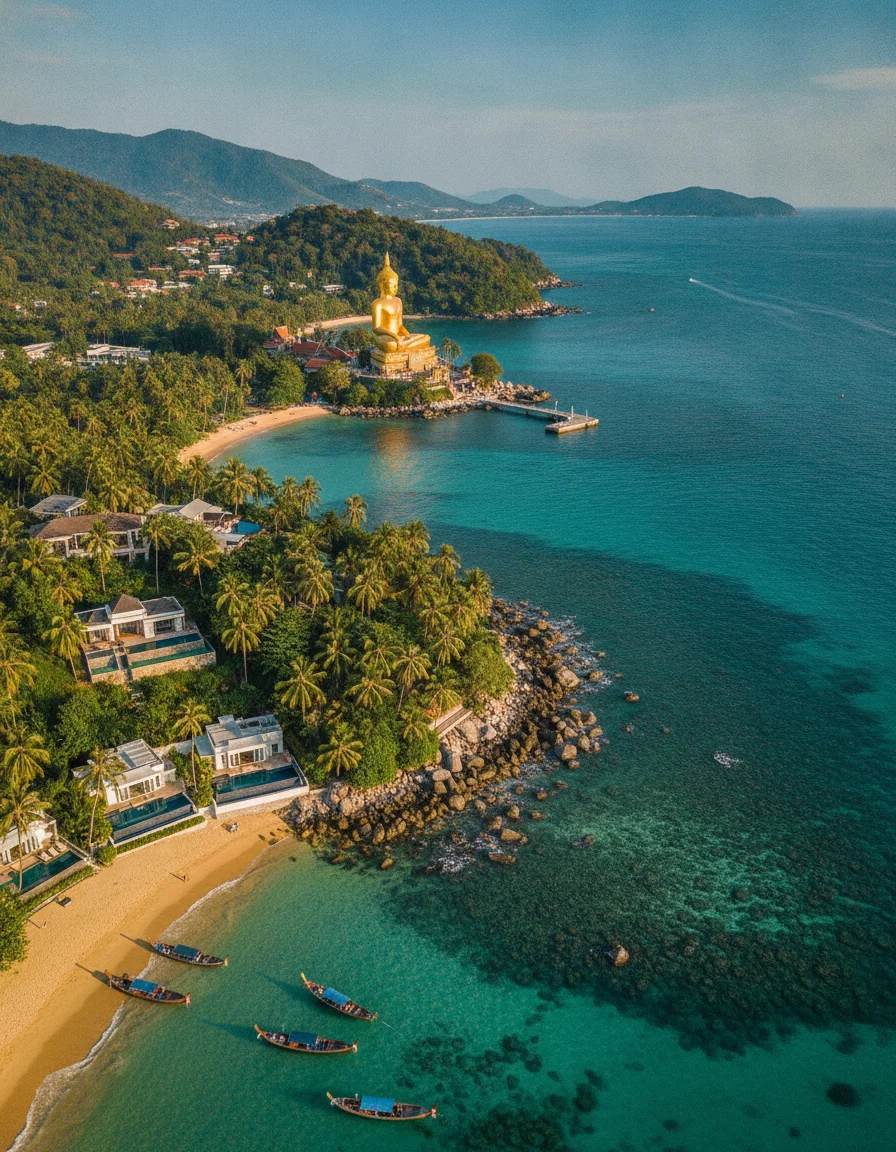
Koh Phangan represents the most complex wellness destination in Southeast Asia, demanding careful navigation from UK visitors. The island is entirely bifurcated. The southern tip, particularly Haad Rin, hosts the infamous Full Moon Party, defined by cheap bucket cocktails, neon paint, and heavy trance music. Conversely, the western and northern coasts—specifically the Sri Thanu enclave—house one of the densest concentrations of vegan cafes, tantra workshops, and yoga shalas in the world. This intense concentration of spiritual seekers attracts highly skilled, globally recognised teachers alongside a fringe element of unqualified gurus offering dubious, unscientific therapies. Legitimate operations like Orion Healing Centre or Wonderland Healing Center provide rigorously structured, professional programmes with certified staff. However, poorly run bolt-ons exist, where guesthouses simply hire transient backpackers to lead classes on a dirty terrace to make extra cash. To vet a retreat, look for centres that list their lead teachers' full biographies and Yoga Alliance credentials on their website. If a centre's marketing leans heavily into vague spiritual buzzwords without detailing the exact daily schedule, accommodation standards, or teacher qualifications, take your money elsewhere.
Taking the Leap: Yoga Teacher Training
Thousands of UK visitors travel to Thailand annually not just to practice, but to become certified instructors through a 200-hour Yoga Teacher Training (YTT) course. These month-long immersive programmes are gruelling, transformative experiences that require intense physical and mental stamina. A standard Yoga Alliance-certified 200-hour YTT in places like All Yoga Training on Koh Phangan or Vikasa on Koh Samui involves six-day work weeks. You will practice for up to four hours daily, study anatomy and physiology, learn Sanskrit terminology, and practice teaching methodology. You are not just paying for a holiday; you are paying for an intensive vocational education. The physical toll of practicing multiple times a day in tropical heat is significant. Injuries are common among students who push themselves too hard too quickly to achieve advanced postures. Ensure the school limits class sizes to no more than twenty students, as larger groups mean you will not receive the individual alignment adjustments crucial for learning how to teach safely. Treat a YTT as an educational investment rather than a vacation, and arrive with at least six months of consistent home practice under your belt.
The Best Destinations for Yoga in Thailand
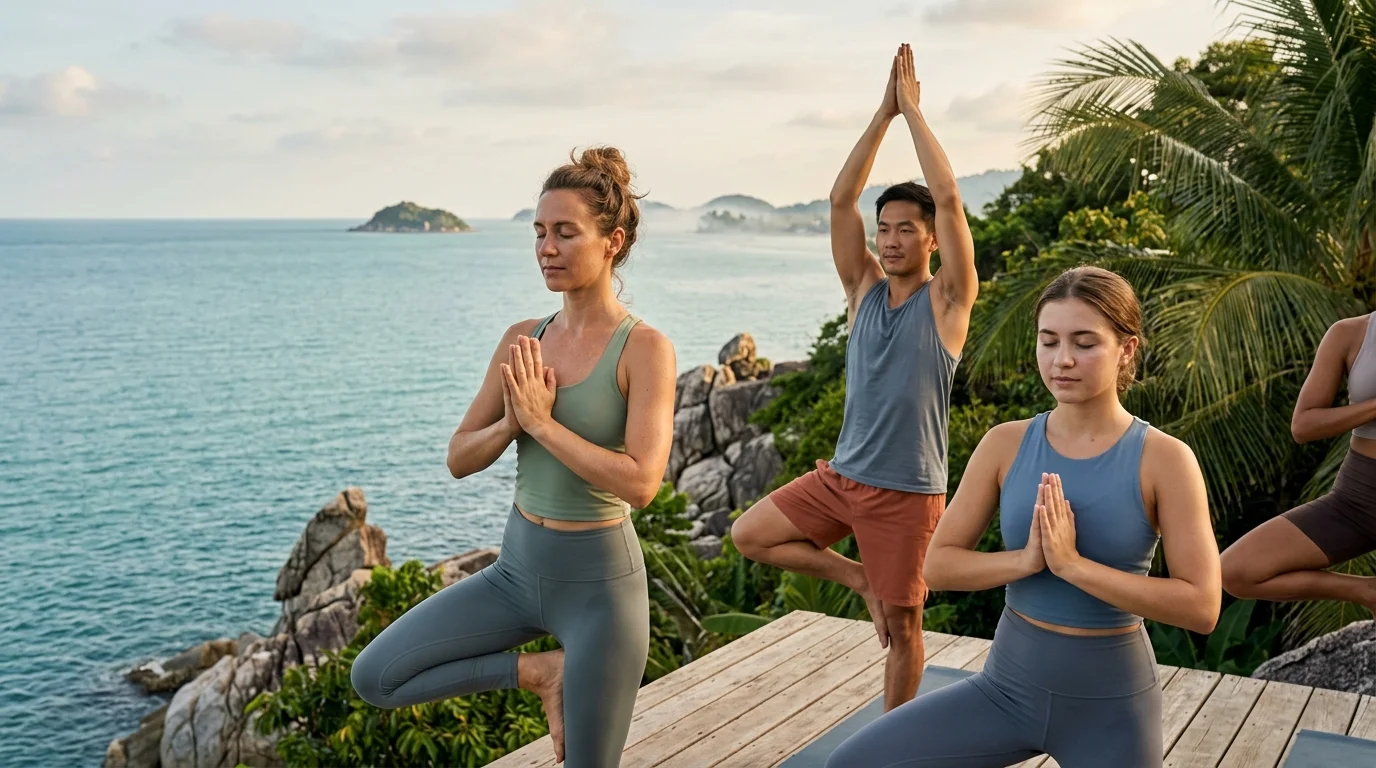
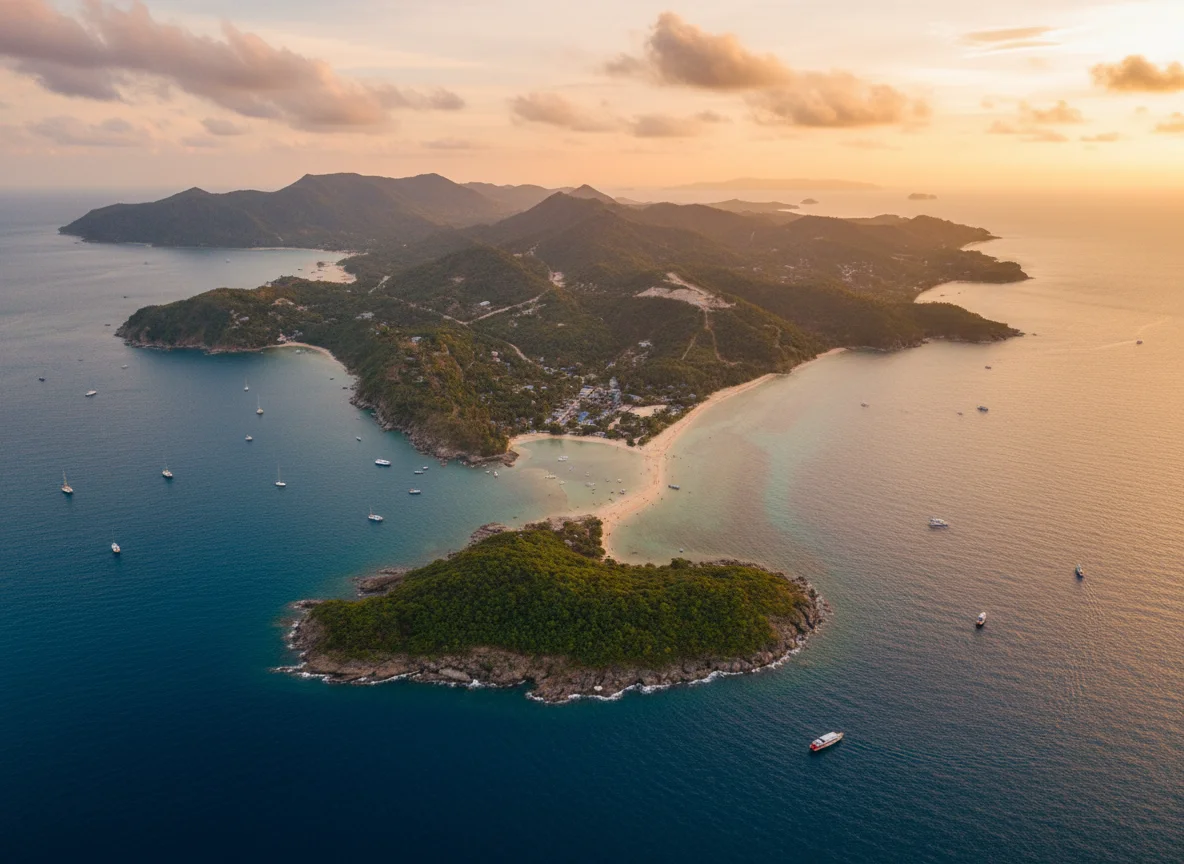
Choosing the right location heavily dictates the atmosphere of your retreat. Koh Samui stands as the premier destination for luxury and premium wellness. Centres like Absolute Sanctuary and Vikasa cater to an older, higher-budget demographic, offering clinical-grade spa facilities, medical detox programmes, and pristine, air-conditioned studios. Koh Phangan, specifically the Sri Thanu area, remains the gritty, bohemian epicentre of the Thai yoga scene. It offers incredible variety, from budget ashrams to mid-range holistic centres, appealing to younger crowds and those interested in alternative therapies. In the north, Chiang Mai provides a distinctly different environment. Retreats here are often set among working rice paddies or dense teak forests outside the city limits. The cooler mountain air makes physical practice far more comfortable than in the humid south, and the vibe is generally more grounded and traditional. Further north, Pai offers a highly affordable, laid-back backpacker wellness scene, perfect for drop-in classes and budget-friendly weekend retreats at places like Pai Yoga Shala. For a first-timer seeking a balance of professional instruction, comfortable facilities, and tropical scenery, Koh Samui provides the most reliable and polished introduction.
Costs and Budgeting
Yoga retreats in Thailand span a massive financial spectrum, from bare-bones ascetic camps to ultra-premium resorts. Budget retreats, often found in Pai or deeper in Koh Phangan, offer basic fan-cooled accommodation and simple vegetarian meals. Mid-range options provide private air-conditioned rooms, varied plant-based buffets, and access to pools or herbal steam rooms. Premium wellness resorts on Koh Samui or Phuket charge western prices, delivering high-end therapies, luxury villas, and highly personalised attention. Yoga Teacher Training (YTT) requires a significant upfront investment but covers a full month of food, lodging, and tuition. Always check if the quoted price includes airport transfers and all daily meals, as these add up quickly.
| Option | Cost (THB) | Cost (GBP approx) | Notes |
|---|---|---|---|
| Drop-in Yoga Class | 300 - 600 | 7 - 14 | Standard 90-minute session, mat included. |
| Budget Retreat (7 Days) | 12,000 - 18,000 | 270 - 400 | Fan room, basic meals, limited therapies. |
| Mid-Range Retreat (7 Days) | 25,000 - 45,000 | 560 - 1,000 | Private AC room, full meal board, daily massage. |
| Premium Wellness Resort (7 Days) | 80,000 - 150,000+ | 1,800 - 3,300+ | Private villa, clinical therapies, highly tailored. |
| 200-Hour YTT (28 Days) | 65,000 - 110,000 | 1,450 - 2,450 | Includes tuition, accommodation, and most meals. |
Crucial Preparation for Thai Retreats
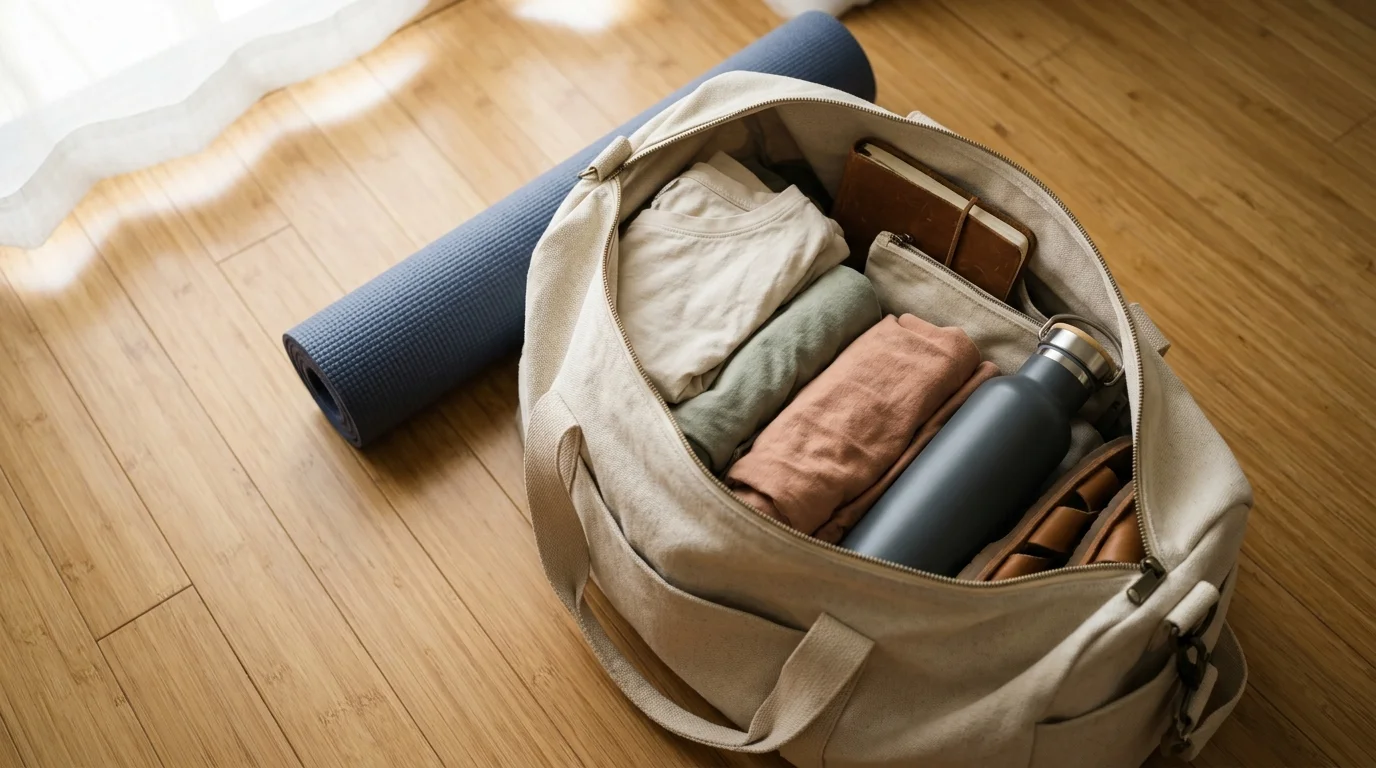
The tropical heat will dramatically alter your physical capabilities during practice. You will sweat significantly more than in a UK studio, meaning you must deliberately manage your hydration and electrolyte intake to avoid severe cramping.
Many dedicated ashrams enforce a strict dress code that requires shoulders and knees to be covered outside the yoga shala. Respecting these modesty rules ensures you do not offend the local Thai staff who manage the property.
Mosquitoes are a constant presence in open-air jungle and beach studios, especially during the dawn and dusk classes. Applying a natural, DEET-free repellent before practice is essential if you want to hold a meditation without constantly swatting your legs.
Retreat food is highly specific and often acts as a sudden dietary shock for those used to heavy, processed meals. The immediate switch to a high-fibre, raw vegan diet can cause temporary digestive distress, so consider easing off heavy meats and alcohol a week before you fly.
Making the Most of Your Retreat
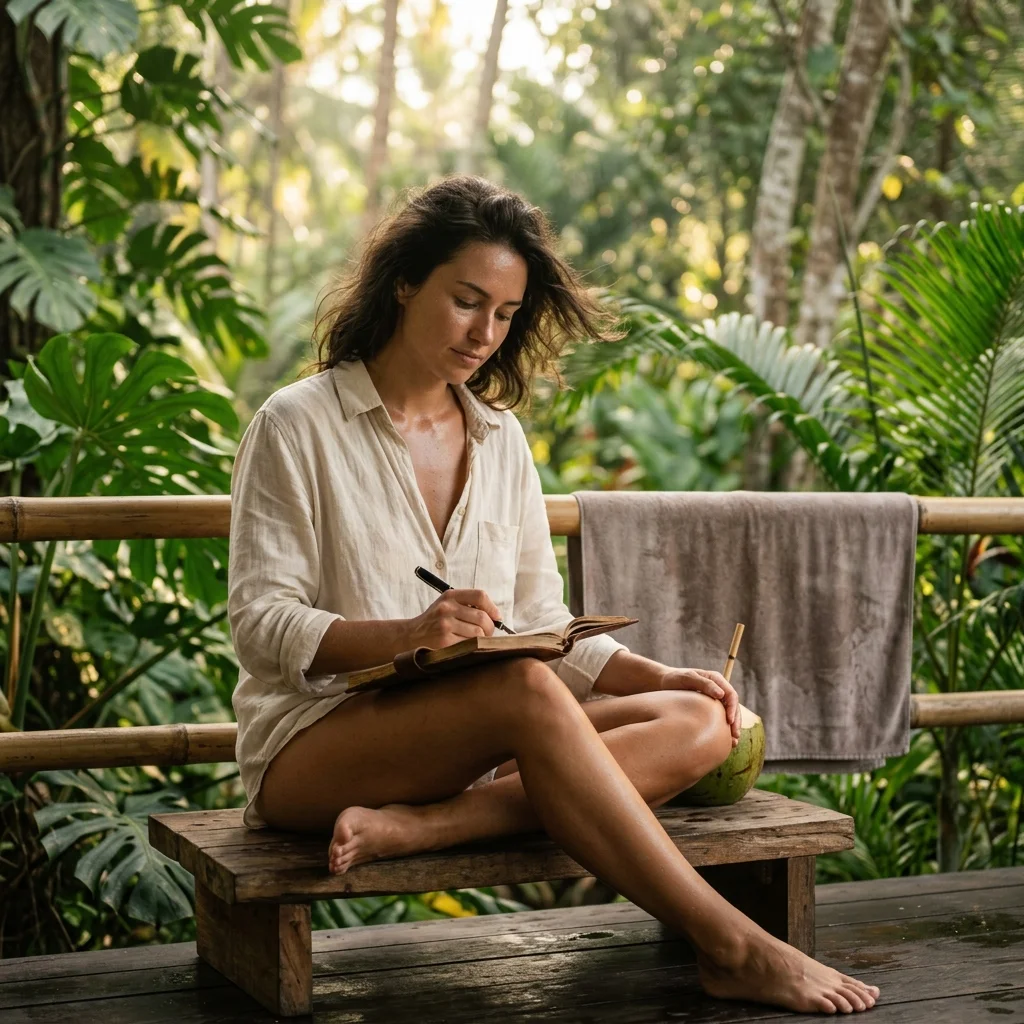
Bring your own high-quality travel yoga mat from home. While all centres provide mats, the high humidity means studio mats absorb a lot of sweat and can become unhygienic over a busy season.
Pack a highly absorbent microfibre towel to layer over your mat during practice. You will slip during downward dog without one due to the intense tropical perspiration.
Purchase electrolyte sachets from any Thai pharmacy (sold as Oreda) to mix into your water bottle daily. Drinking plain water is not enough to replace the salts lost during a two-hour Ashtanga session in thirty-degree heat.
Research the monsoon seasons for your specific destination before booking. Doing Yin yoga while a tropical storm hammers the tin roof is atmospheric, but slogging through ankle-deep mud to reach the dining hall is miserable.
Do not book a strict fasting or raw-food detox retreat if you have never tried it at home. The combination of intense physical practice, severe calorie restriction, and jet lag can completely ruin your experience.
Leave expensive activewear brands at home and pack lightweight, breathable cotton or bamboo blends. Thick, compressive leggings designed for a London winter will cause severe heat rash in the Thai jungle.
Listen closely to your body rather than your ego during the first few days. Pushing into deep backbends because the heat makes you feel artificially flexible is the fastest route to a torn hamstring.
Engage with the local staff beyond the yoga teachers. The Thai massage therapists and kitchen staff are often the hardest working people at the retreat and hold incredible knowledge about local plant medicine and culture.
Retreat Essentials at a Glance
| Item | Detail | Notes |
|---|---|---|
| Best Time to Go | November to February | Lowest humidity and coolest temperatures for physical practice. |
| Visa Requirements | 60-day exemption for UK | Longer YTTs (over 60 days) require a pre-approved Tourist Visa. |
| Primary Locations | Koh Samui, Koh Phangan, Chiang Mai | Samui for luxury; Phangan for variety; Chiang Mai for nature. |
| Average Class Duration | 90 to 120 minutes | Classes in Thailand are generally longer than standard UK studio sessions. |
| Dress Code | Modest outside the studio | Bring loose-fitting trousers and t-shirts for dining and communal areas. |
| Health Risk | Dehydration and heat exhaustion | The primary cause of injury is pushing too hard in the unfamiliar heat. |