Pai - Mae Hong Son
Pai is a small town in a broad mountain valley in Mae Hong Son Province, reached from Chiang Mai by the winding Route 1095. The centre is compact and easy to explore on foot, while waterfalls, hot springs, viewpoints and villages are spread across Pai District and require separate transport.
The town has long since developed beyond its former role as a quiet agricultural settlement. Its visitor economy now includes hostels, riverside guesthouses, small resorts, cafés, bars, tour agencies and scooter-hire shops. Rice fields, forested ridges and the Pai River still shape the landscape, but central Pai is firmly established as one of northern Thailand's busiest traveller destinations.

Character and Landscape of the Pai Valley
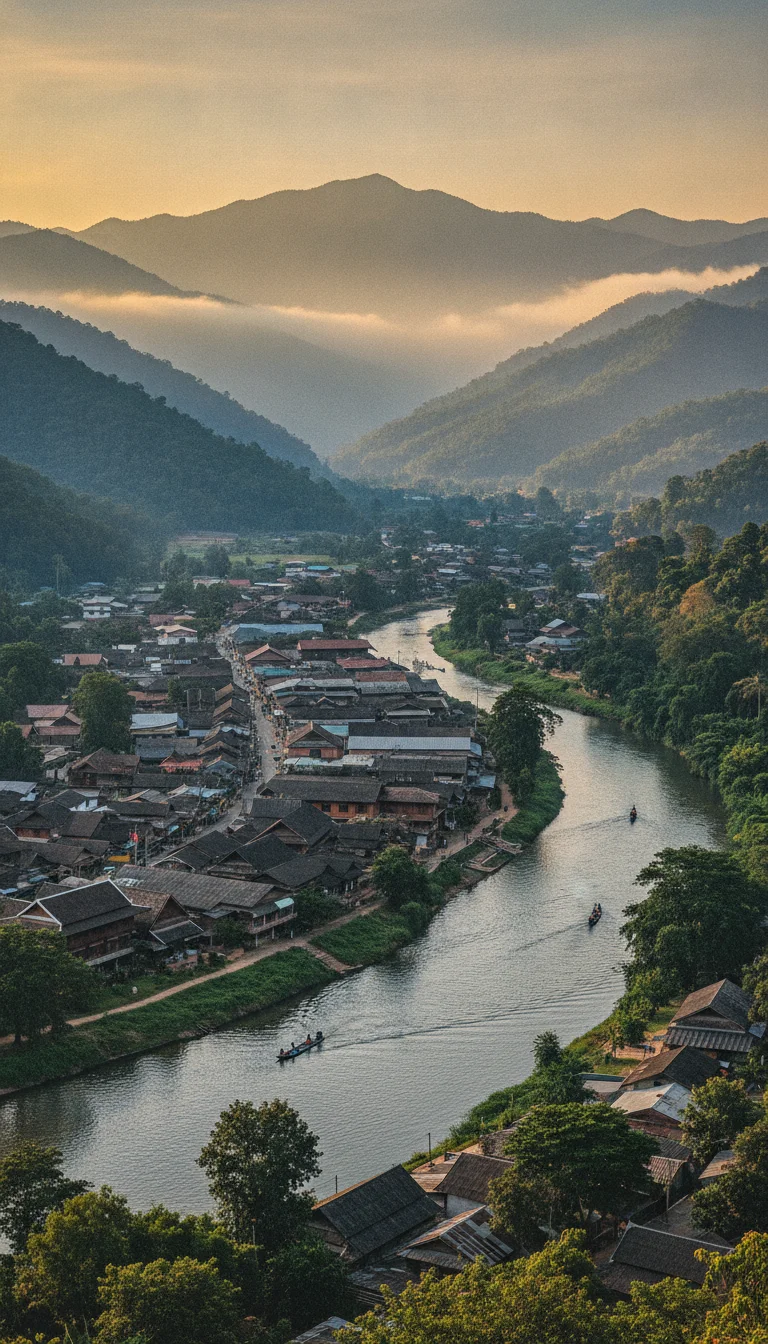
Pai town occupies part of a valley surrounded by mountains. The Pai River passes east of the central streets, with footbridges and local roads connecting the centre to accommodation and countryside around Mae Hi. Most restaurants, shops and travel services are concentrated around Chaisongkran Road, Rangsiyanon Road and the streets leading to the bus station.
This compact core can be crossed on foot, and the evening walking-street market makes it busier after dark. Outside it, Pai becomes much more dispersed. Wat Phra That Mae Yen lies across the river, Santichon and Yun Lai are northwest of town, and Pai Canyon, Tha Pai Hot Spring and the Memorial Bridge are reached by travelling south along Route 1095.
That layout matters when choosing accommodation. A room near the walking street is convenient for evenings and for travellers without their own transport. Riverside and rural properties can provide more space and mountain views, but walking routes may be dark, indirect or impractical after rain. Check the actual road access rather than relying only on a straight-line map distance.
Pai Canyon, Waterfalls and Hot Springs
Pai Canyon, also known as Kong Lan, is about 8 km south of central Pai beside Route 1095. Erosion has created narrow earthen ridges above steep gullies. The first viewpoint is accessible from the car park, but routes farther along the ridges are exposed, dusty and unprotected. There are no railings on the narrow sections, so visitors should keep well back from the edges and avoid the ridges during rain or poor light.
Sunset is the busiest time at the canyon. Arriving earlier gives more time to assess the terrain and return before dark. Entry is currently free, although facilities and access arrangements can change.
Pam Bok Waterfall lies southwest of town on the route towards the Kho Ku So bamboo bridge area. Mo Paeng Waterfall is north of Pai, beyond the Santichon turn-off. Water levels and swimming conditions vary greatly with rainfall, and rocks can be slippery even when the approach looks dry. Do not assume that a waterfall will be suitable for swimming on the day of a visit.
Tha Pai Hot Spring is inside Huai Nam Dang National Park, south of town. The hottest source pools are unsuitable for bathing; designated pools farther downstream have lower temperatures. The current national-park admission for foreign visitors is 300 THB (approximately £6.70) for adults and 150 THB (approximately £3.35) for children. Confirm the fee, opening arrangements and any temporary closure before travelling.
| Place | Approximate Position from Central Pai | Current Admission | Main Practical Point |
|---|---|---|---|
| Pai Canyon | 8 km south | Free | Exposed ridges have steep drops and no barriers |
| Tha Pai Memorial Bridge | About 9 km south | Free | Short roadside stop beside Route 1095 |
| Tha Pai Hot Spring | South of town in Huai Nam Dang National Park | 300 THB adult / 150 THB child (approximately £6.70 / £3.35), foreign visitor rate | Use designated bathing pools only |
| Santichon and Yun Lai | About 5–6 km northwest | Charges vary by activity and viewpoint access | Road climbs above the village |
Master Thailand temple etiquette with practical guidance on dress codes, monastic interactions, entrance fees, and scam avoidance for visiting wats.
Food, Markets and Evenings in Pai
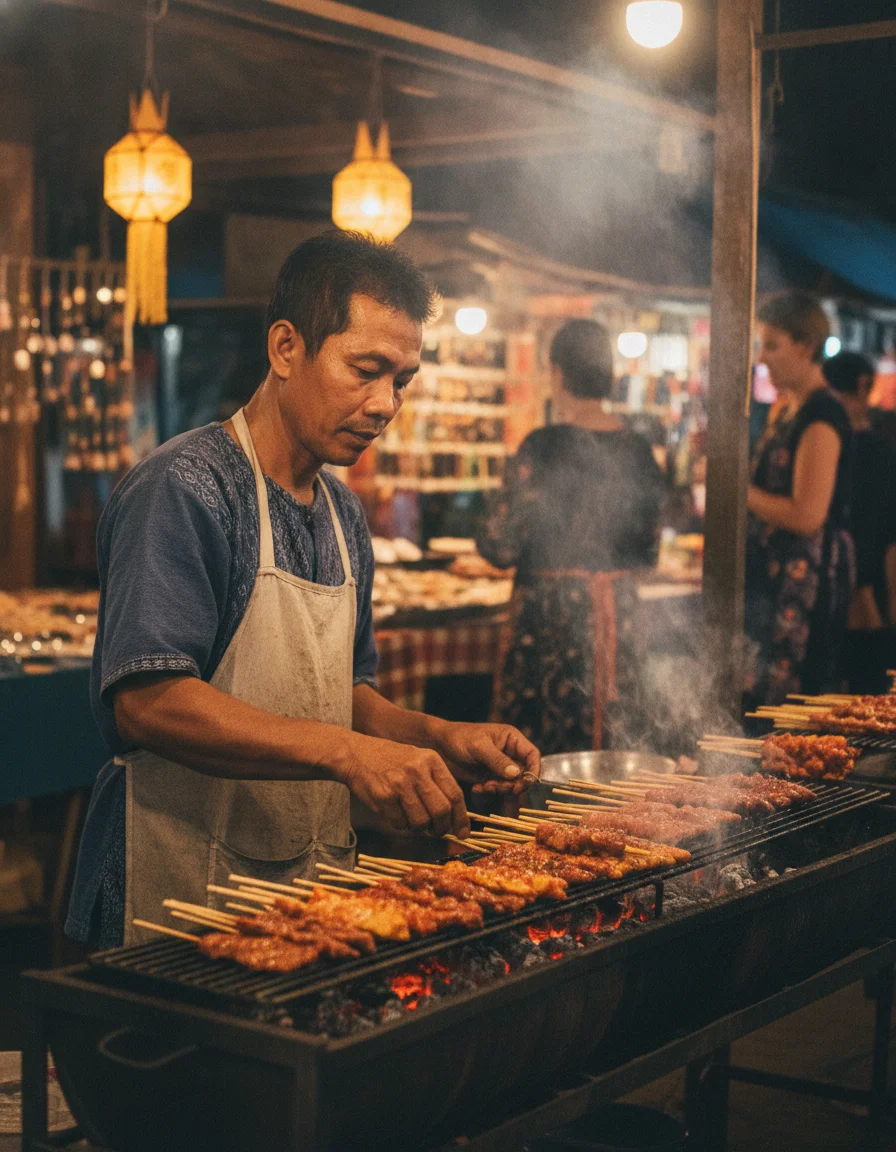
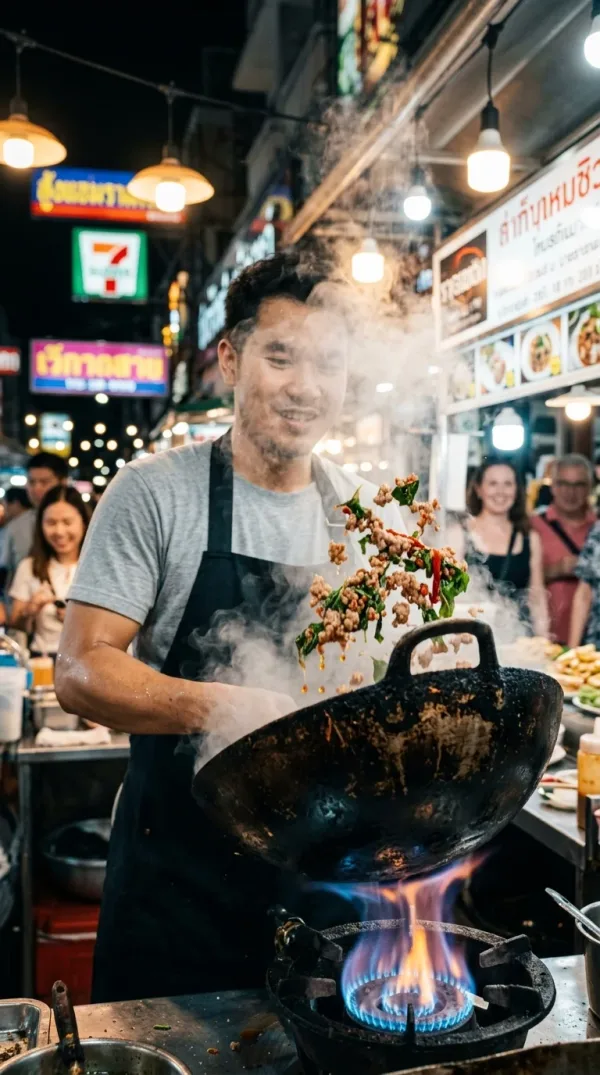
Pai's evening walking street is centred on Rangsiyanon Road and nearby central lanes. Stalls sell Thai snacks, grilled food, fruit, desserts and small handicrafts, with opening and closing times varying by day, season and weather. This is the easiest place to compare inexpensive food in one area, but central restaurants remain useful when rain disrupts outdoor stalls.
Northern Thai dishes commonly available in Pai include khao soi, sai ua sausage and nam phrik chilli dips. Yunnanese food and tea are associated particularly with Santichon. The town also has an unusually large selection of vegetarian, vegan, bakery and international café food for its size, reflecting its long-established visitor market.
Simple Thai dishes and market food commonly cost around 50–100 THB (approximately £1.10–£2.25), while café meals and Western dishes are more often about 120–300 THB (approximately £2.70–£6.70). Portions, location and ingredients make a large difference. Confirm menu prices before ordering, especially where tax or service is added.
Bars and live-music venues are concentrated near the walking street. Accommodation immediately beside these lanes is convenient but can be noisy. Pai is quieter away from the centre, although rural roads and river crossings make late-night walking less straightforward.
Santichon, Yun Lai and Pai's Cultural Landscape
Santichon is a Yunnanese Chinese community northwest of Pai. Its visitor area includes clay-coloured buildings, tea shops, Yunnanese food and cultural displays. It is a living community as well as a tourism site, so the public visitor area should not be treated as representative of every resident's daily life.
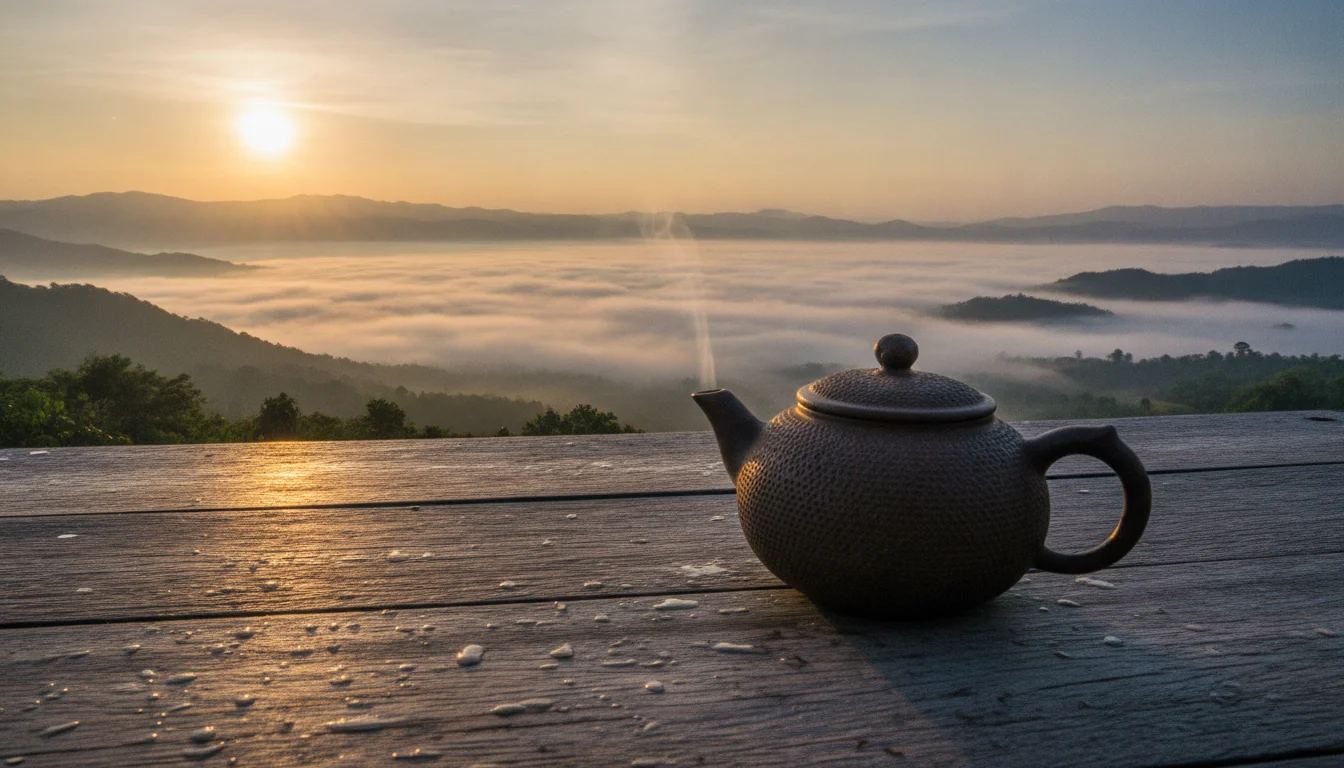
The road continues uphill to Yun Lai Viewpoint, which looks across the Pai Valley. Sunrise is popular, but visibility depends on cloud, mist, smoke and seasonal weather. Tea and simple food may be available around the viewpoint, while admission and parking arrangements can change. Visitors travelling before dawn should allow for an unlit mountain road and cooler temperatures at elevation.
Wat Phra That Mae Yen stands on a hill east of town and is recognisable by its large white seated Buddha image. Steps lead to the upper area and a wide view over the valley. It is an active Buddhist site: shoulders and knees should be covered, shoes removed where indicated, and voices kept low around worship areas.
Pai's communities include Tai Yai or Shan, northern Thai, Yunnanese Chinese and several highland ethnic groups. Guided village visits should be approached as visits to people's homes and communities, not as staged access to a generic “hill tribe” culture. Ask before photographing residents and choose operators that explain where the money goes and how the community participates.
Where to Stay in Pai
Pai has dormitory hostels, simple guesthouses, riverside bungalows, family-run resorts and higher-priced boutique hotels. Current booking searches show dorm beds from roughly 200–500 THB (approximately £4.50–£11) and basic private rooms from around 600–1,200 THB (approximately £13–£27) on lower-demand dates. Better-appointed central and resort rooms commonly begin around 1,500 THB (approximately £34), while boutique properties can exceed 2,500 THB (approximately £56) per night. These are current indicative rates rather than fixed tariffs; compare the total for your dates, occupancy, taxes and cancellation terms before paying.
The central grid works best for the bus station, walking street, restaurants and tour offices. The east side of the river and Mae Hi provide a more rural setting but vary considerably in access. Properties north and south of town may suit travellers with a car or properly licensed motorcycle, although every trip to dinner or the bus station then requires transport.
Cool-season nights can feel cold in lightweight buildings. Check whether a room has hot water, adequate bedding, screened windows and heating if those matter to you. During the hotter smoky period, air conditioning does not necessarily mean filtered indoor air; travellers sensitive to pollution can ask whether the room seals well and whether an air purifier is provided.
Outdoor Activities and Responsible Trekking
Trekking, cycling, rafting and river activities are sold by agencies in central Pai, but routes and availability change with water levels, fire risk and trail conditions. A responsible trekking operator should explain the walking distance, elevation, group size, guide arrangements, meals, accommodation and community payments before taking a booking.
Travellers should be cautious about itineraries marketed mainly around access to ethnic-minority villages. Useful questions include whether residents have agreed to the visit, whether photography is restricted and how fees benefit hosts. A local guide is particularly important on unfamiliar forest routes, where phone reception, signs and emergency access may be limited.
River tubing is seasonal and should only operate when water conditions permit. Confirm whether transport, safety equipment and insurance are included, and do not combine river activities with alcohol. Waterfall access and unsealed rural tracks may also become difficult after heavy rain.
Travelling from Chiang Mai to Pai
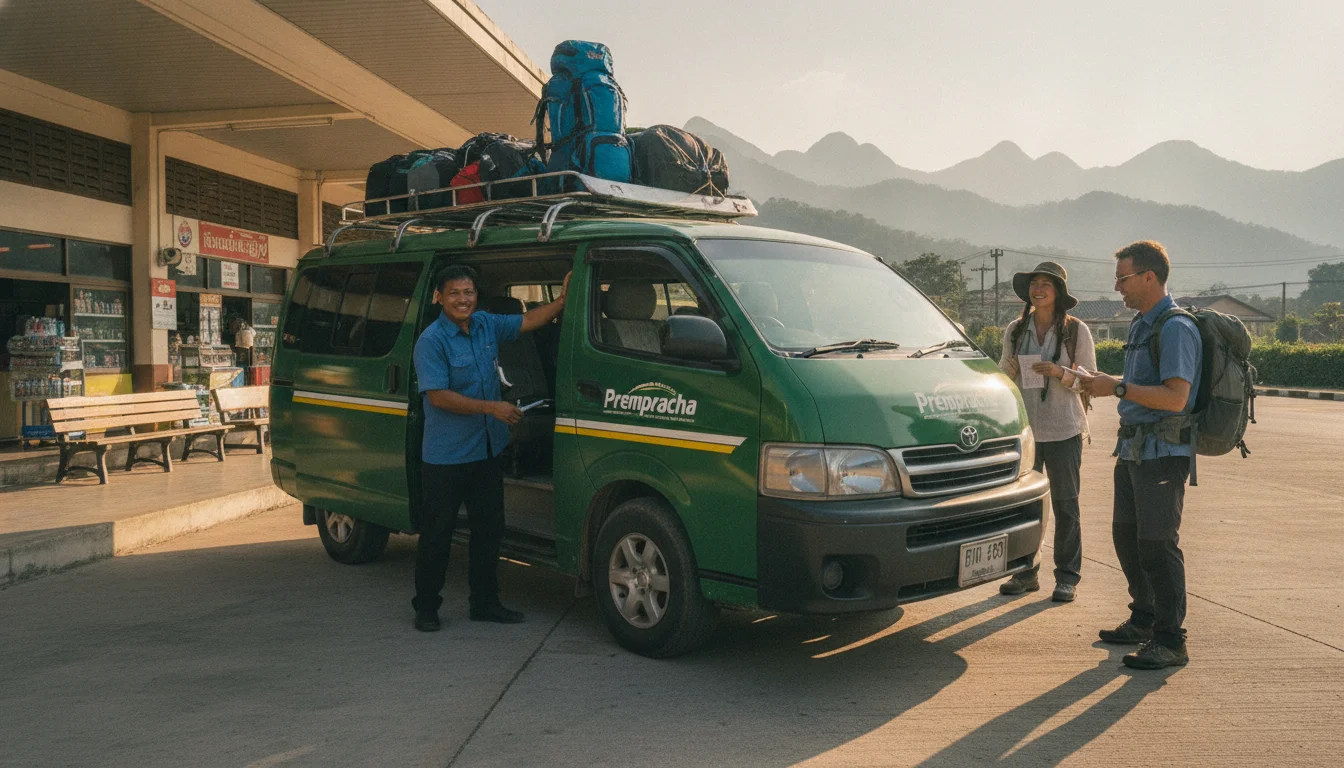
Prempracha Transport runs scheduled services between Chiang Mai and Pai on Route 1095. Its current published fares are 220 THB (approximately £4.90) for a van and 260 THB (approximately £5.80) for a minibus. Services leave from Chiang Mai Arcade Bus Station and arrive at Pai Bus Station in the town centre. Published journey times are roughly four hours, but roadworks, weather and traffic can extend the trip.
The mountain section contains repeated bends and can cause motion sickness. Sit where you feel most comfortable, avoid a heavy meal immediately before departure and seek advice from a pharmacist before using travel-sickness medicine. Tickets can sell out during busy holiday periods, so reserve ahead when a particular departure is important. Recheck the current timetable and boarding point before travel.
Driving from Chiang Mai gives more flexibility but requires confidence on a long mountain road with sharp bends, changing gradients and mixed traffic. Rain, fog, smoke and roadworks can reduce visibility. Pai can also be approached from Mae Hong Son via Pang Mapha, forming part of the wider Mae Hong Son Loop.
Seasons, Air Quality and Packing
November to February generally brings cooler and drier conditions and is Pai's busiest visitor period. Nights and early mornings can be markedly cooler than afternoons, particularly in simple accommodation and at elevated viewpoints. A light warm layer is useful.
March and April are hot, and northern Thailand can experience severe PM2.5 pollution from fires, agricultural burning and stagnant conditions. The timing and intensity vary each year, so fixed “burning season” dates are unreliable. Check live readings through Thailand's Air4Thai service before travel and each day before strenuous outdoor activity. Anyone with respiratory or cardiovascular conditions should follow medical advice and avoid treating reduced visibility as the only measure of risk.
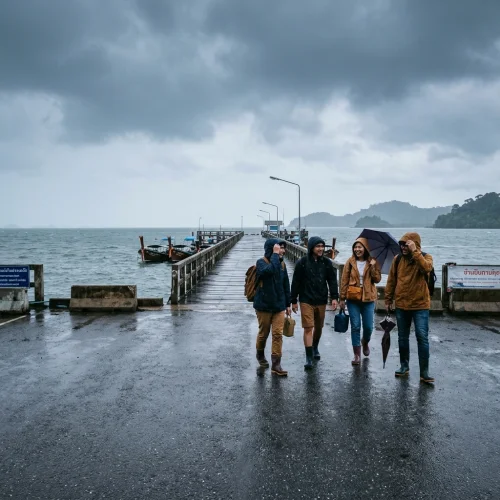
The rainy season usually develops from May and continues into October. Rain makes the valley green and strengthens waterfalls, but it can also affect trails, unsealed roads, river activities and Route 1095. Keep plans flexible during periods of heavy rain and follow local warnings.
Getting Around Pai Safely
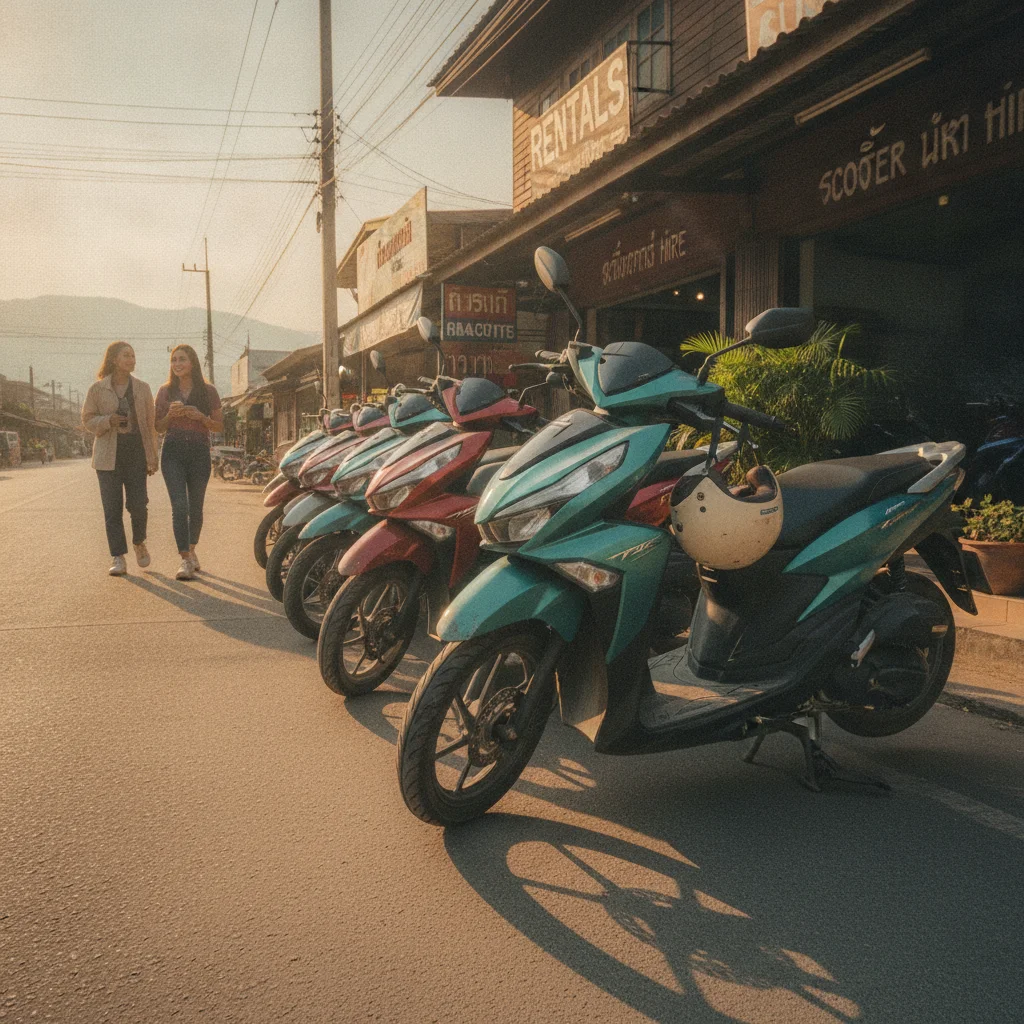
Walking is practical within central Pai, but most outlying sights are too far apart for a comfortable day on foot. Options include a hired car with driver, organised tour, bicycle, taxi arranged through accommodation or a rental motorcycle.
Scooters are widely available, typically from about 200–300 THB (approximately £4.50–£6.70) per day, but rental availability does not establish that a rider is legally qualified. To ride lawfully, a visitor needs a valid licence covering motorcycles and the appropriate International Driving Permit; a car-only licence does not cover a scooter. Both rider and passenger should wear properly fitting helmets. Check tyres, brakes, lights and existing damage before leaving the shop, and understand the deposit, insurance and damage terms.
Road surfaces outside town can include gravel, potholes, steep concrete lanes and mud. Riders without recent motorcycle experience should use another form of transport. Travel insurance may exclude motorcycle incidents when licence, helmet, engine-size or policy conditions are not met.
Daily Costs in Pai
Pai remains accessible across a wide range of budgets, but the old image of uniformly cheap accommodation is no longer dependable. A dorm bed, two simple Thai meals and local snacks can begin around 500–900 THB (approximately £11–£20) before transport and activities. A private room, mixed Thai and café meals, plus local transport is more realistically around 1,500–3,000 THB (approximately £34–£67) per person per day. Boutique accommodation, private transport and guided activities take spending above that range.
| Cost | Typical Current Range | Approximate GBP | Basis |
|---|---|---|---|
| Dorm bed | 200–500 THB | £4.50–£11 | Per person, per night |
| Basic private room | 600–1,200 THB | £13–£27 | Per room, lower-demand dates |
| Thai or market meal | 50–100 THB | £1.10–£2.25 | Per dish or simple meal |
| Café or Western meal | 120–300 THB | £2.70–£6.70 | Per person |
| Rental scooter | 200–300 THB | £4.50–£6.70 | Per 24 hours, fuel and insurance may be extra |
| Chiang Mai–Pai scheduled transport | 220–260 THB | £4.90–£5.80 | One way, van or minibus |
ATMs are available in central Pai, but cash remains useful for markets, small food stalls and rural attractions. Confirm current prices before travel or payment.
Practical Travel Advice for Pai
Reserve Chiang Mai–Pai transport in advance for weekends and Thai public holidays, then verify the departure point shown on the ticket.
Choose central accommodation if you do not intend to ride or hire a driver. A low room price outside town can be offset by repeated transport costs.
Carry drinking water and sun protection when visiting exposed places such as Pai Canyon. Use refill stations only where the machine appears maintained and the water is intended for drinking.
Download an offline map before travelling into rural parts of the district. Mobile coverage is not consistent on every mountain or forest route.
Dress respectfully at temples and ask before photographing people. This applies equally in Santichon and during guided community visits.
Check air quality as well as the weather forecast. Clear-looking mornings do not guarantee low PM2.5 levels later in the day.
Pai Quick Reference Guide
| Item | Detail | Notes |
|---|---|---|
| Location Name | Pai | Town and district in northern Thailand |
| Province | Mae Hong Son | Pai town is the district centre |
| Region | Northern Thailand | Mountain valley reached by Route 1095 |
| Main Gateway | Chiang Mai | Scheduled vans and minibuses use the mountain road |
| Arrival Point | Pai Bus Station | In the central town grid |
| Chiang Mai Transport Fare | 220–260 THB (approximately £4.90–£5.80) | Current Prempracha van and minibus fares, one way |
| Typical Visit Duration | 3–5 days | Allows time for the town and dispersed valley sights |
| Cooler, Drier Period | November–February | Also the busiest period; nights can be cool |
| Wettest Travel Period | Broadly May–October | Conditions vary and heavy rain can disrupt outdoor plans |
| Local Transport | Walking in town; driver, tour, bicycle or motorcycle outside | Attractions are spread across the district |
| Main Visitor Areas | Central Pai, Mae Hi, Santichon, southern Route 1095 | Choose accommodation according to transport access |
| Notable Places | Pai Canyon, Tha Pai Hot Spring, Santichon, Yun Lai, Wat Phra That Mae Yen | Check current fees and conditions |
| Air-Quality Check | Air4Thai | Particularly important in the hot, dry months |
FAQ: Pai - Mae Hong Son
How much does it cost to travel from Chiang Mai to Pai?
What should travellers consider when choosing accommodation in Pai?
What safety precautions should visitors take at Pai Canyon?
Is it safe to swim in waterfalls in Pai?
What is the proper etiquette for visiting temples in Pai?
What should I know about renting a scooter in Pai?
What is the best time of year to visit Pai?
How can visitors stay safe when participating in river activities in Pai?
What should I be aware of regarding air quality in Pai, especially during certain seasons?
What should I consider when booking accommodation in Pai during the cool or smoky seasons?
Reviewed by the Thailand Guide Editorial Team • Last reviewed: 21 August 2026
This page is provided for general information only. While we aim for accuracy, details can change — please verify anything important independently before relying on it.