Elderly Care and Nursing Homes
Thailand does not provide state-funded social care for foreign nationals, meaning UK retirees must fully self-fund any nursing or assisted living arrangements. This self-funded model operates at a fraction of UK private care costs, with comprehensive residential fees starting from approximately 35,000 THB (£800) per month.
This guide details the structural differences, visa pathways, and financial realities of navigating elderly care in Thailand for UK citizens. It is designed for British families planning long-term care for themselves or an aging parent. It is not for those seeking temporary holiday medical treatments. You will learn how to evaluate nursing facilities remotely, manage the legal logistics of relocation, and budget accurately across different Thai provinces.

Legal Pathways and Visa Requirements for Elderly Care

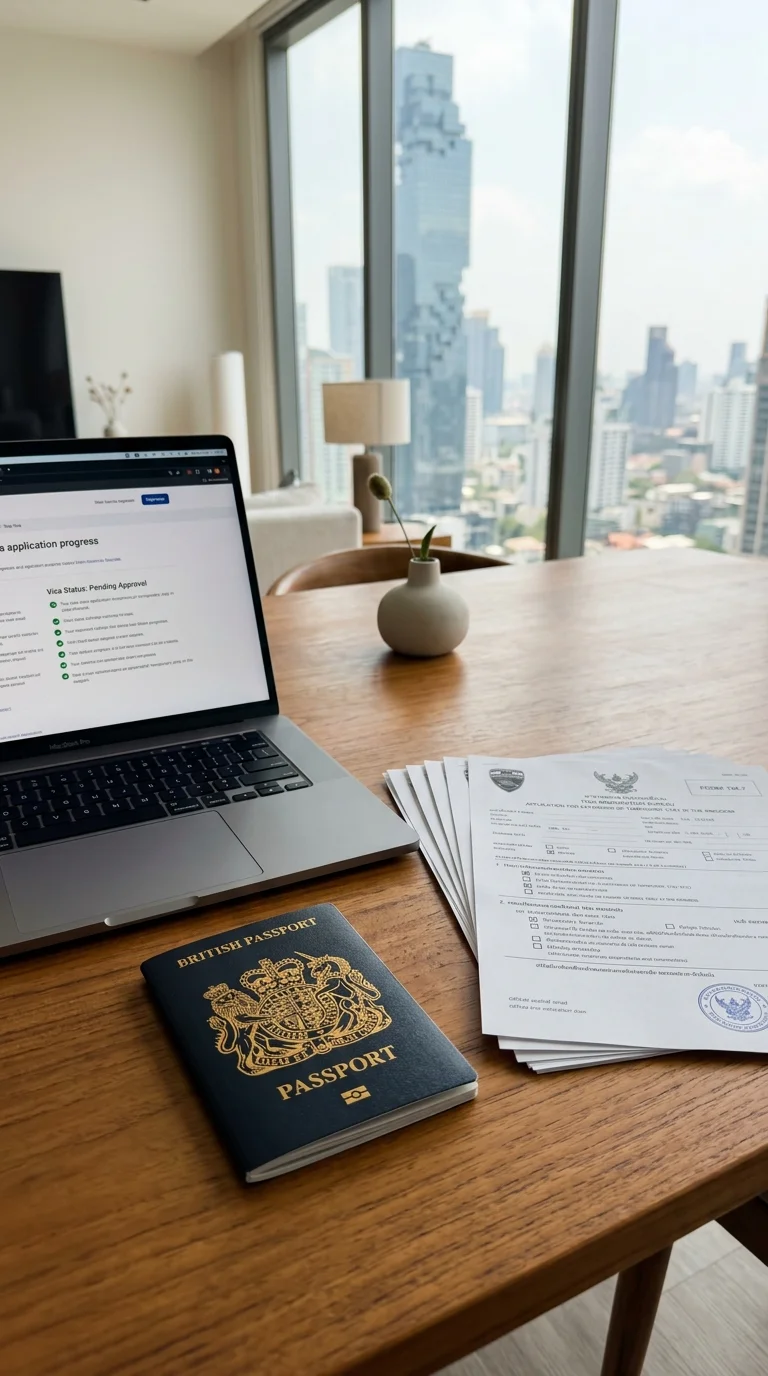
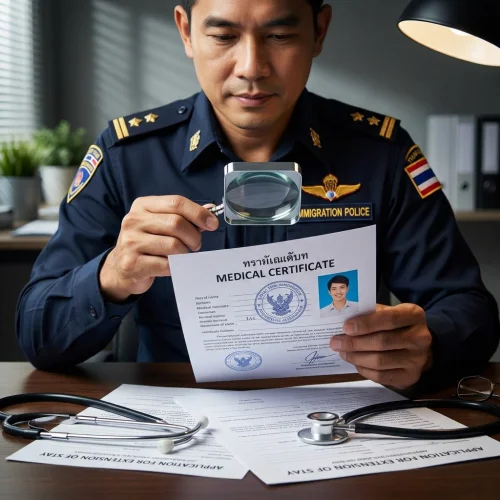
Relocating to Thailand for long-term care requires a legally secure immigration status because there is no specific care visa. Most UK nationals enter this system using retirement visas. To qualify, you must show a monthly income of at least 65,000 THB (£1,480) or deposit 800,000 THB (£18,200) in a Thai bank account. If the care recipient has severe cognitive decline, establishing a legal power of attorney (POA) recognised by Thai authorities is a critical first step. This legal document must be notarised in the UK and legalised by the Foreign, Commonwealth & Development Office (FCDO) before Thai immigration will accept a family member managing the visa renewals. You must also secure compliant health insurance, which can become challenging or expensive if the applicant has extensive pre-existing medical conditions. The nursing facility must also complete a TM30 address registration within 24 hours of arrival to maintain legal compliance. Failing to secure the correct visa status can lead to immigration fines or deportation during a medical crisis.
Discover the best international schools in Thailand for UK expat families. Compare British, US, and IB curricula, admission processes, and realistic fees.
Establish all legal powers of attorney in the UK before beginning any Thai retirement visa application.
Core Care Levels and the Reality of Self-Funded Care
Sponsored
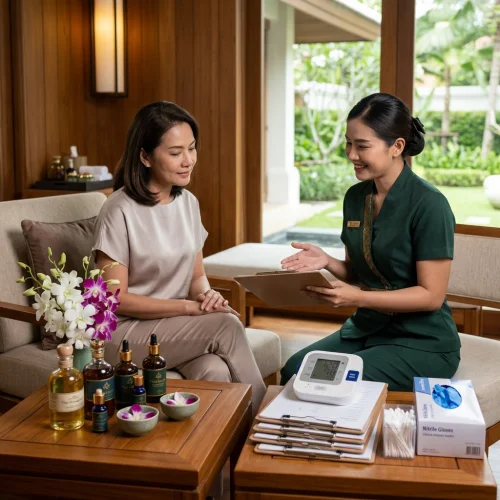
Thailand has no state-funded social care safety net for foreign residents. Consequently, you must fund every aspect of your healthcare and housing privately. Understanding the distinction between assisted living, full nursing care, and dementia-specific care is essential to choosing the right facility. Assisted living is for those who retain basic independence but need help with daily tasks. Full nursing care provides 24-hour medical monitoring. Dementia care units offer secure environments to prevent wandering. Because Thai facilities are private, care levels can be tailored specifically to your needs. This means you only pay for the specific tier of nursing attention required. If medical needs increase over time, the facility will adjust the staffing ratio and billing accordingly.
Assess the recipient's daily medical dependencies accurately to avoid paying for unnecessary clinical services or underestimating the level of care required.
| Care Level | Target Group | Monthly Cost Range (THB) | Average Staff-to-Resident Ratio |
|---|---|---|---|
| Assisted Living | Semi-independent retirees | 35,000 to 50,000 THB | 1:4 |
| Full Nursing Care | Bedbound or highly dependent patients | 55,000 to 80,000 THB | 1:1 or 1:2 |
| Dementia / Memory Care | Patients with moderate to severe cognitive decline | 60,000 to 90,000 THB | 1:1 |
| Rehabilitative Care | Short-term stroke or post-surgical recovery | 45,000 to 75,000 THB | 1:2 |
Choosing a Location: Chiang Mai, Pattaya, Phuket, and Bangkok

Selecting the right province shapes both the cost of care and the lifestyle your family member will experience. Chiang Mai has a long-established reputation for elderly care. It offers specialised dementia facilities with peaceful garden settings at a lower cost of living. Bangkok provides immediate access to premier, hospital-adjacent care, making it the safest option for residents who require frequent specialist consultations or emergency interventions. Pattaya offers an accessible, beachside environment with a strong UK expat community. Its facilities tend to focus on active assisted living. Phuket provides premium, resort-style rehabilitation, but it carries the highest monthly overhead costs in the country. Your choice must balance medical needs with travel logistics. Bangkok is highly connected for international flights, while provincial locations require onward domestic travel.
Choose a location based on the balance between medical emergency access and the daily comfort of the resident's physical environment.
Vetting a Care Facility Remotely from the UK

Managing a move from the UK requires systematic vetting of potential facilities. You must ensure they meet international clinical standards. First, verify the English proficiency of the direct care staff. Language barriers can lead to dangerous medical misunderstandings. Second, request written evidence of formal partnerships with named local hospitals. A reputable home must have an established protocol for admitting residents to an emergency ward. Third, investigate their emergency response setup. Check for on-site defibrillators and oxygen supply systems. Do not rely solely on website brochures. Ask for a live video tour during normal working hours. You should also request copies of their licensing from the Thai Ministry of Public Health. This verifies that they operate under professional medical supervision rather than basic hotel licenses.
Confirm all medical partnerships and emergency response times in writing before signing any long-term residency contract.
Managing Practical Logistics and Family Support from Abroad

Coordinating care from thousands of miles away requires structured communication channels. You should establish a dedicated international money transfer service to handle monthly care fees. This avoids high retail bank fees while locking in favorable exchange rates. Most reputable Thai care facilities designate a specific care coordinator. This person acts as your primary contact, providing weekly email updates and scheduling regular video calls. It is also advisable to hire an independent local advocate in Thailand. This individual can make unannounced visits to verify that care standards are maintained. Such oversight provides immense peace of mind when immediate travel from the UK is not possible. They can also assist with local bureaucratic issues such as visa renewals and medication procurement.
Secure an independent local contact in Thailand to monitor your relative's well-being and manage administrative tasks directly.
Costs and Budgeting
Budgeting for elderly care in Thailand requires calculating both the monthly facility fees and the auxiliary costs of medical care. While basic assisted living can start around 35,000 THB (£800) per month, high-dependency nursing care can reach 80,000 THB (£1,820) or more depending on specialised requirements. These fees typically cover housing, meals, laundry, and nursing supervision. However, they exclude external hospital treatments, specialised medications, and emergency ambulance transport. You must also account for visa renewal fees and mandatory health insurance premiums. These costs escalate as a resident ages. Maintain an emergency fund of at least 200,000 THB (£4,550) in a local bank account. This covers unexpected medical emergencies that require immediate cash payment before insurance claims are processed.
| Item | Monthly Cost (THB) | Monthly Cost (GBP approx) | Notes |
|---|---|---|---|
| Assisted Living Room & Board | 35,000 to 50,000 THB | £800 to £1,140 | Includes meals, housekeeping, and basic care |
| Intensive Nursing/Dementia Care | 60,000 to 90,000 THB | £1,370 to £2,050 | 24/7 nursing and cognitive therapies |
| Medication and Consumables | 5,000 to 15,000 THB | £115 to £340 | Varies by prescription and medical needs |
| Health Insurance Premium | 8,000 to 20,000 THB | £180 to £455 | Age-dependent, pre-existing conditions affect rates |
| Visa Renewals & Bureaucracy | 1,500 THB | £35 | Pro-rated monthly cost of annual retirement visa |
| Emergency Fund Reserve | 200,000 THB (one-off) | £4,550 | Recommended cash buffer for hospital admission |
Common Mistakes and How to Avoid Them

Underestimating the speed of cognitive decline can leave families with inadequate visa coverage. If a relative loses mental capacity without a legalised power of attorney, managing visa extensions becomes legally impossible. You must secure this legal document in the UK before moving.
Failing to verify the proximity of emergency medical services is another critical error. Remote clinics might seem peaceful, but traffic delays can compromise emergency medical care. Ensure your chosen home is within a fifteen-minute drive of a major provincial hospital.
Assuming that all English-speaking facilities use Western care protocols can lead to cultural misunderstandings regarding personal dignity. Thai staff are naturally gentle, but they may lack training in structured rehabilitation or cognitive engagement. You must interview the nursing director to verify specific training programmes.
Neglecting to account for currency fluctuations can disrupt your long-term budget. A sudden drop in the value of Pound Sterling relative to the Thai Baht can make fees unaffordable. Keep a six-month sterling buffer in a high-yield account.
Practical Tips

Verify the hospital affiliation of any home before making a deposit. This ensures smooth medical transfers during a health crisis.
Obtain a written breakdown of what is excluded from the monthly care fee. Hidden costs for medical consumables like bandages or oxygen can quickly inflate your budget.
Initiate the power of attorney process before the resident leaves the UK. Thai authorities require foreign documents to be fully legalised, which is much harder to coordinate from abroad.
Choose facilities that employ full-time, registered Thai nurses rather than relying solely on low-cost care assistants. Registered nurses are essential for managing complex medication regimes safely.
Maintain a dedicated Thai bank account with at least three months of care fees. This buffer ensures uninterrupted payment during international banking holidays or transfer delays.
Visit the facility in person or hire a local proxy before signing a long-term contract. Online photos often depict outdated conditions that do not reflect current standards.
Register the resident with the local UK Embassy or consulate upon arrival. This provides a formal channel of support and communication in the event of an emergency.
Quick Reference Table
| Item | Detail | Notes |
|---|---|---|
| Primary Visa Options | Non-Immigrant O or O-A Retirement Visa | Requires applicant to be 50+ years old |
| Minimum Income/Savings | 65,000 THB (£1,480) monthly or 800,000 THB (£18,200) deposit | Must be maintained in a Thai bank account |
| Average Monthly Care Cost | 35,000 to 80,000 THB (£800 to £1,820) | Dependent on location and level of medical care |
| Typical Lease/Stay Terms | Monthly rolling or annual contracts | Shorter terms are common for rehab stays |
| Healthcare System | Strictly private self-funded model | No state-funded social care exists for expats |
| Best Areas for Expats | Chiang Mai, Bangkok, Pattaya, Phuket | Chiang Mai leads in specialised dementia care |
| Language Considerations | English-speaking medical staff required | Direct caregivers' English levels must be vetted |
| Emergency Protocols | Direct hospital partnership mandatory | Verify ambulance access times before signing |