Death Repatriation Guide
Full body repatriation from Thailand to the United Kingdom is a formal legal process that typically takes between two and four weeks, with costs generally starting from £5,000. Securing clearance from the British Embassy in Bangkok and registering the passing with Thai civil authorities requires specific, sequential steps that should begin without delay.
This guide outlines the legal, administrative, and practical steps required following the death of a British national in Thailand. Written for families, next of kin, and executors, it details police procedures, forensic autopsies, consular paperwork, and transport logistics. Understanding the requirements for both international repatriation and local cremation helps you manage practical decisions effectively during a crisis.

Immediate Steps and Forensic Reporting
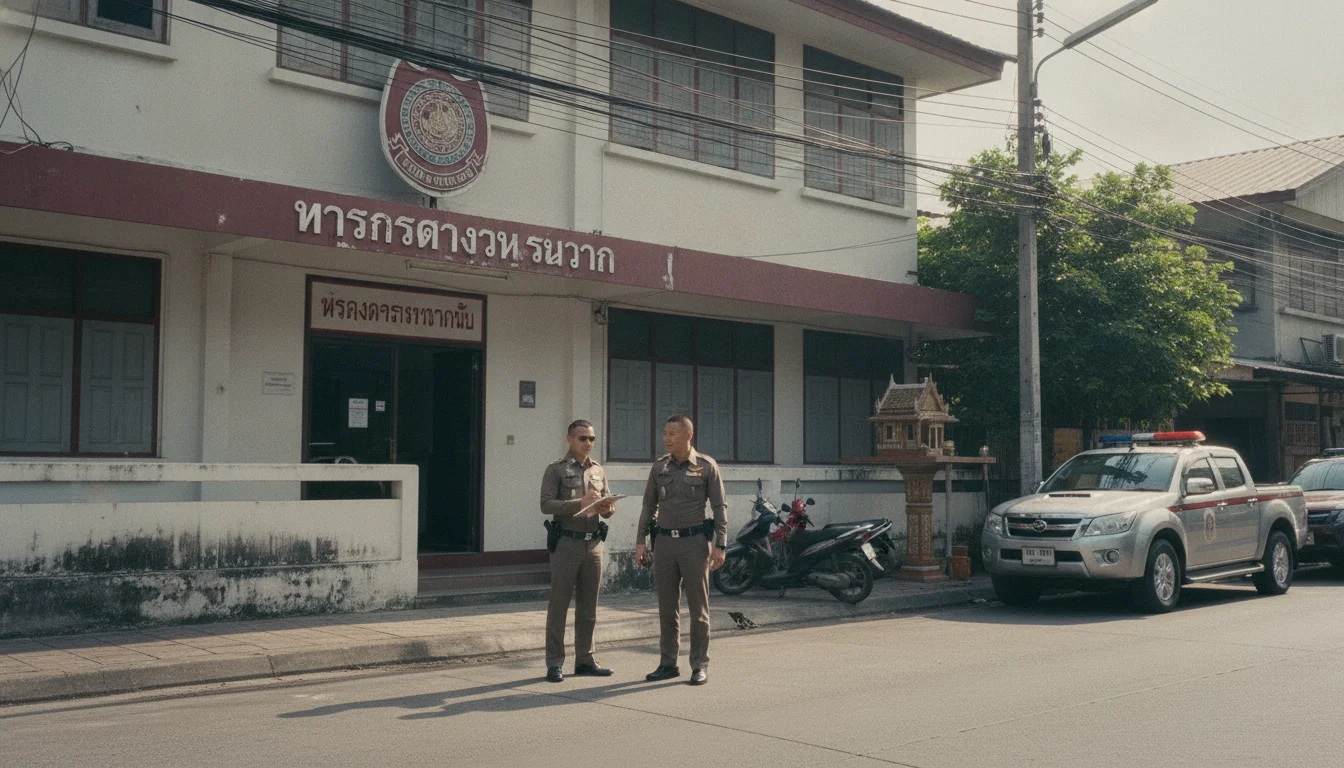
The required initial actions depend on whether the death occurs in a hospital or at a private residence or hotel. For a death outside a medical facility, contact the police by dialling 191, or dial 1155 for the English-speaking Tourist Police. Officers attend the scene alongside medical personnel to assess the circumstances before arranging transfer to a mortuary. In Bangkok, deceased foreigners are typically transferred to the Institute of Forensic Medicine at Police General Hospital, while provincial cases go to regional state hospital forensic units.
Under Thai law, a post-mortem examination is standard procedure for any sudden, unexpected, or non-hospital death of a foreign national. Forensic pathologists carry out the examination to establish the cause of death. The complete written autopsy report typically takes around 45 working days to finalise. However, the deceased can usually be released to an appointed funeral director earlier once initial examinations are complete.
You must secure the initial police report, as this document is required to obtain subsequent documentation from local authorities. Locate the deceased's passport promptly, because Thai authorities require the original document for identification. Do not move the deceased from a private residence before the police and forensic doctors complete their on-site inspection, as unauthorised movement breaches local regulations. If a death occurs in a hospital, attending medical staff issue an initial medical certificate specifying the cause of death, which streamlines the subsequent administrative stages.
Registering the Death and the Embassy Release Letter
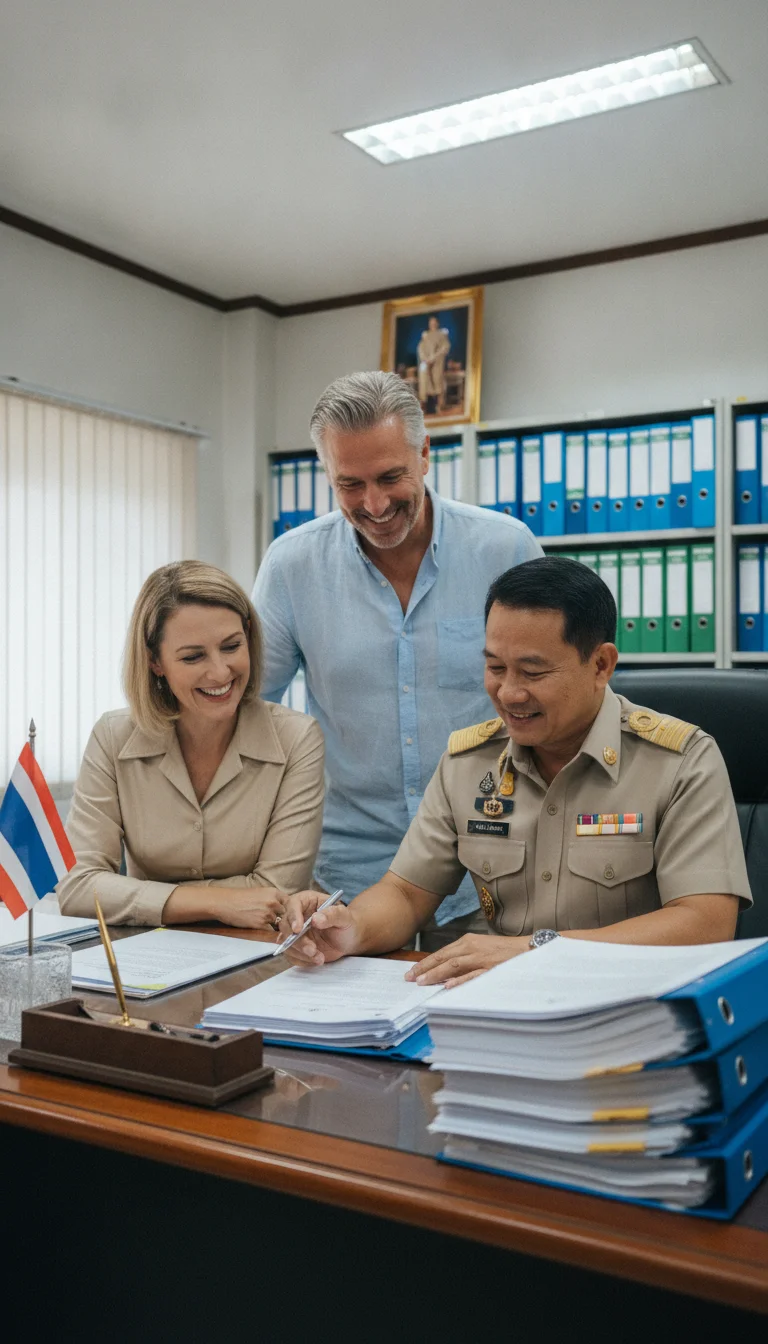
When a British citizen dies in Thailand, the death must be formally reported to the local district office covering the area where the passing occurred. Thai civil registration law requires deaths to be registered with the local registrar within 24 hours of notification, presenting the deceased person's original British passport alongside either a hospital confirmation of death or an official police report. The district office issues the official Thai death certificate, which is produced in the Thai language. Because UK probate courts, insurers, and financial institutions cannot process documents in Thai, the certificate must be translated into English by a certified translator and legalised by the Department of Consular Affairs at the Thai Ministry of Foreign Affairs.
Thai hospitals, forensic institutes, and provincial mortuaries will not release the deceased's body for burial, cremation, or international repatriation without a formal release letter issued by the British Embassy in Bangkok. The embassy issues this document to confirm the individual's British nationality and verify that the person or organisation collecting the body holds lawful authority to do so. The designated next of kin can apply for this release letter online by submitting proof of identity, evidence of their relationship to the deceased, and official confirmation of the death. If the next of kin is in the UK, they can appoint an authorised representative, a local lawyer, or an international repatriation specialist to act on their behalf. Thai authorities require this authority to be granted through a formal power of attorney notarised in the UK.
| Repatriation or Funeral Option | Typical Timeframe | Estimated Cost | Key Requirement |
|---|---|---|---|
| Full Body Repatriation | 2 to 4 weeks (without autopsy) | £5,000 to £15,000 | UK-registered international funeral director |
| Local Cremation and Ash Return | 5 to 10 days | £1,500 to £3,500 | Consent from designated next of kin |
| Delayed Repatriation (with Post-Mortem) | 8 to 12 weeks | £6,500 to £17,000 | Forensic clearance from Thai police |
| Local Burial in Thailand | 7 to 14 days | £3,000 to £6,000 | Allocation of plot in a designated cemetery |
Takeaway: Obtain the British Embassy release letter as early as possible, as Thai mortuaries and medical facilities will not release the deceased to a funeral director or family member without it.
Complete guide to Thai bank accounts, 2024 foreign income tax rules, ATM fees, and UK-Thailand Double Taxation Treaty compliance for British expats.
Repatriation to the United Kingdom

Repatriating a deceased person from Thailand to the UK involves strict legal and aviation procedures requiring close coordination between providers in both countries. International aviation regulations require that human remains are fully embalmed and sealed within a specialised, hermetically sealed zinc-lined coffin before an airline will accept the transfer.
To carry out the process, families must appoint an international funeral director in the UK to work alongside a licensed repatriation specialist or funeral director in Thailand. The Thai provider prepares the body, secures the embalming and transit certificates, and manages the transfer to an international airport such as Bangkok or Phuket. The UK funeral director oversees British customs clearance, collection at the UK arrival airport, and the onward journey to a local mortuary.
Repatriation costs typically range from 225,000 THB (approx £5,000) to 675,000 THB (approx £15,000), depending on the region where the death occurred, internal transfer distances across Thailand, airline cargo rates, and mortuary storage fees. If the deceased held valid travel insurance or an international expat policy covering repatriation, the insurer will normally appoint their contracted handlers and settle these fees directly. When no valid insurance policy is in place, the estate or next of kin must cover all expenses upfront before flight bookings are confirmed and transit permits are released.
Takeaway: Physical repatriation requires appointing an international funeral director to coordinate airline freight regulations, zinc-lined container standards, and customs clearance between Thailand and the UK.
Local Thai Cremation and Returning Ashes

Choosing a local cremation in Thailand followed by taking the ashes back to the UK is considerably faster, simpler, and less expensive than full body repatriation. Arranged at a Thai Buddhist temple, the service is conducted by resident monks with care and dignity, providing a respectful farewell that avoids the prolonged delays of international cargo logistics.
At the time of writing, the typical cost for a basic local cremation package ranges from 45,000 THB to 112,000 THB (approx £1,000 to £2,500). This figure generally includes temple hall rental, monk donations, basic casket provision, crematorium operating fees, and administrative coordination. Exact charges vary depending on the chosen temple, the duration of the ceremony, and whether an international funeral director manages the arrangements.
Once the cremation takes place, the crematorium provides an official certificate of cremation, and the remains are placed in a sealed urn. To carry the ashes back to the UK, you should travel with the original cremation certificate, a certified copy of the official death certificate, and a sealing certificate issued by the funeral director.
Unlike full body repatriation, bringing ashes into the United Kingdom requires no UK import licence or customs clearance. However, commercial airlines enforce strict cabin baggage policies. Most carriers allow an urn in your hand luggage, provided you notify them before departure and the container is made from an X-ray-transparent, non-metallic material such as wood, composite, or dense plastic. Airport security staff cannot open a sealed urn, so metallic or lead-lined containers will be refused at security checkpoints.
Choosing local cremation allows families to complete funeral rites in Thailand swiftly and carry their loved one home on a scheduled flight with minimal administrative disruption.
Insurance and Consular Support

When a British national dies in Thailand, locating any active travel, expat health, or life insurance policies is the immediate financial priority. Most comprehensive travel and international health policies provide repatriation cover, which funds either the transit of remains back to the United Kingdom or a local cremation in Thailand.
You must contact the insurance provider's 24-hour emergency assistance team before agreeing to any services or signing contracts with local funeral directors. Insurers coordinate with designated international assistance partners to manage logistics, mortuary storage, and documentation. Engaging a private firm or making payments independently without prior insurer authorisation can lead to claims being declined.
If the deceased held no valid insurance cover, the designated next of kin bears full responsibility for all associated expenses. This includes outstanding hospital bills, cold-storage fees, local administrative costs, and international repatriation or local cremation charges.
The British Embassy in Bangkok provides consular guidance, assists with passport cancellation, and issues the official letter required by Thai hospitals and local authorities to release the deceased. UK government policy is strict: the embassy cannot fund repatriations, burials, cremations, hospital debts, or mortuary storage fees, nor can it provide emergency loans to surviving relatives. Contacting insurers immediately prevents unexpected liabilities and ensures assistance protocols are followed from the start.
Communicating with Thai Authorities
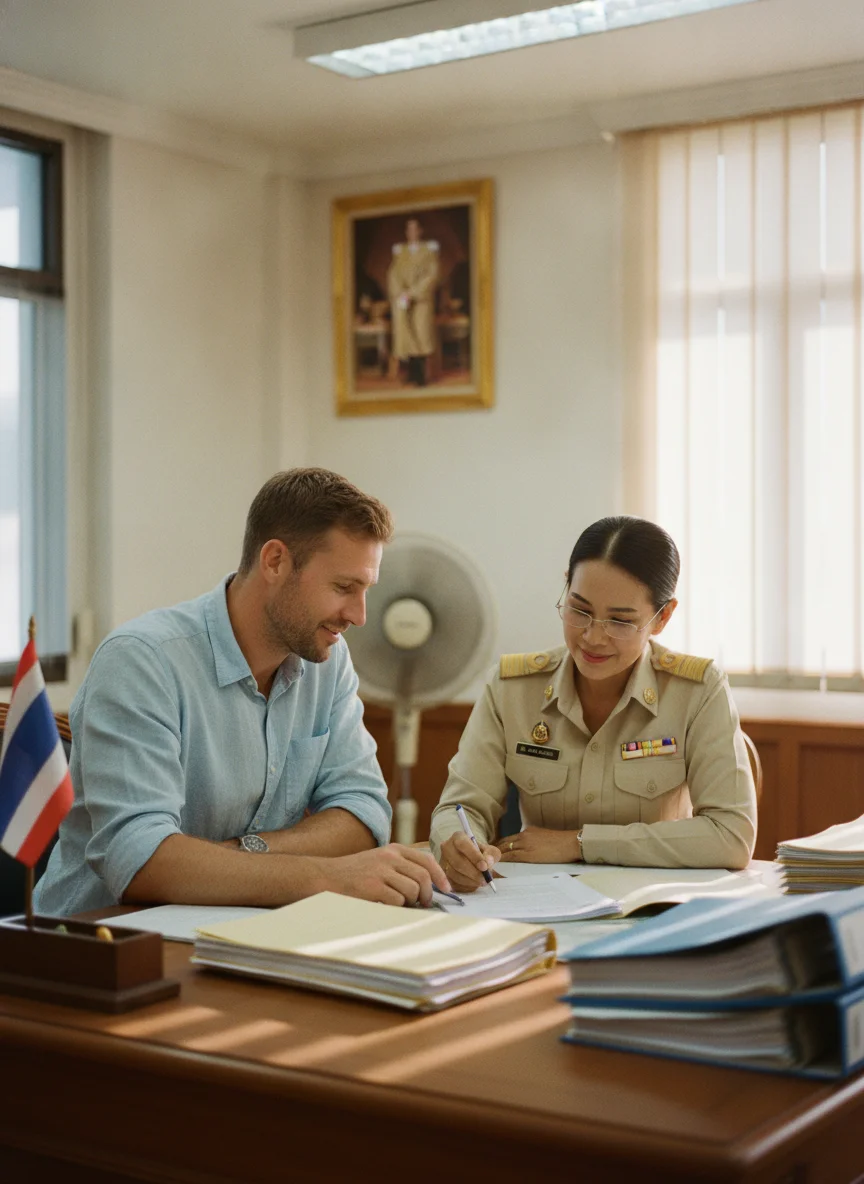
Dealing with administrative offices in Thailand requires patience and clear communication, particularly during a distressing period. Thai public bodies, including police stations, provincial hospitals, and local district offices, conduct all official business in the Thai language. English-speaking staff are rarely available at municipal offices outside central Bangkok or major tourist hubs. Appointing a professional local interpreter or managing communication through an international funeral director helps prevent critical details from being lost in translation.
Document accuracy is vital when registering paperwork with local officials. Thai civil registers require exact transcription of personal data, meaning the deceased's full legal name, date of birth, and British passport number must match the passport photo page precisely. Any spelling variation, omitted middle name, or transposed number on a police report or death certificate will cause the Ministry of Foreign Affairs to reject the document during the legalisation process. Rectifying an error requires returning to the issuing district office to amend the local register and produce a corrected document, adding days to the repatriation timeline.
Administrative culture in Thailand places high value on composure, politeness, and respect for official hierarchy. Raising one's voice, expressing visible frustration, or attempting to rush civil servants is counterproductive and frequently stalls the process. Bringing multiple copies of the deceased's passport, carrying all original medical and police reports in an organised folder, and maintaining a calm, cooperative manner remain the most reliable ways to navigate official requirements.
Costs and Budgeting
Managing the financial side of a death in Thailand involves accounting for local administrative charges, mortuary fees, and international transit. Total expenditure depends primarily on whether the family elects for full international body repatriation or a local cremation followed by the return of ashes to the UK.
Full body repatriation is the most expensive route. Total international charges generally start at 225,000 THB (£5,000) and frequently reach 540,000 THB to 675,000 THB (£12,000 to £15,000). These figures include zinc-lined shipping caskets, professional embalming, Thai export documentation, international airfreight, and UK receiving funeral director charges. Regional transfers from remote provinces or islands to Bangkok add to the total.
A local cremation followed by the transport of ashes is considerably less costly. A standard temple cremation ceremony typically costs between 45,000 THB and 112,500 THB (£1,000 to £2,500), depending on the temple, the duration of prayers, and the choice of casket. The complete process, including local cremation, certified paperwork, and conveying the ashes home as airline hand luggage, generally remains under 135,000 THB (£3,000).
Additional variable fees arise during the administrative process. Hospital morgues and forensic institutes charge daily storage fees, typically between 500 THB and 3,000 THB (£11 to £66) per day while police or consular paperwork is processed. Certified English translations and Ministry of Foreign Affairs legalisation for the death certificate bundle cost roughly 4,500 THB to 9,000 THB (£100 to £200) via commercial agencies, while the British Embassy charges a statutory consular fee of £50 (approx 2,250 THB) for the official release letter.
Without valid insurance cover in place, all Thai hospital bills, morgue fees, and repatriation charges must be paid upfront before the deceased is released for transit or cremation.
| Service | Cost in THB | Cost in GBP | Details |
|---|---|---|---|
| Full Body Repatriation | 225,000 to 675,000 | £5,000 to £15,000 | Includes zinc coffin, embalming, flights, and UK handling |
| Local Cremation Ceremony | 45,000 to 112,500 | £1,000 to £2,500 | Temple fees, casket, and basic ceremonial rites |
| Mortuary Storage (Per Day) | 500 to 3,000 | £11 to £66 | Daily cold storage during investigation or paperwork |
| Translation & MFA Legalisation | 4,500 to 9,000 | £100 to £200 | Per document set via translation and legalisation agency |
| Embassy Release Document | 2,250 | £50 | Standard UK consular fee for formal clearance letter |
Common Mistakes and How to Avoid Them
Failing to contact travel or expat life insurers immediately often results in families paying thousands of pounds out of pocket. Most policies require early notification and will refuse retrospective reimbursement if services are booked before their designated global assistance partners give formal authorisation.
Attempting to coordinate body repatriation without a UK-based international funeral director creates severe complications. While Thai providers manage local transit and embalming, airlines and British border authorities require a recognised UK funeral director to receive the coffin and clear UK customs and coroner procedures upon arrival.
Overlooking the legalisation of the Thai death certificate causes significant delays when settling affairs in the UK. Because Thailand is not part of the Hague Apostille Convention, official UK institutions—including probate registries, pension schemes, and banks—routinely reject translated death certificates unless they bear official legalisation stamps from the Thai Ministry of Foreign Affairs.
Assuming local Thai funeral homes can independently secure the British Embassy release letter is another frequent error. Thai mortuaries and hospitals release human remains only after receiving formal clearance from consular officials. The designated next of kin, or a legally appointed representative holding written authority, must apply directly through the embassy’s official consular service to initiate this document.
Practical Tips
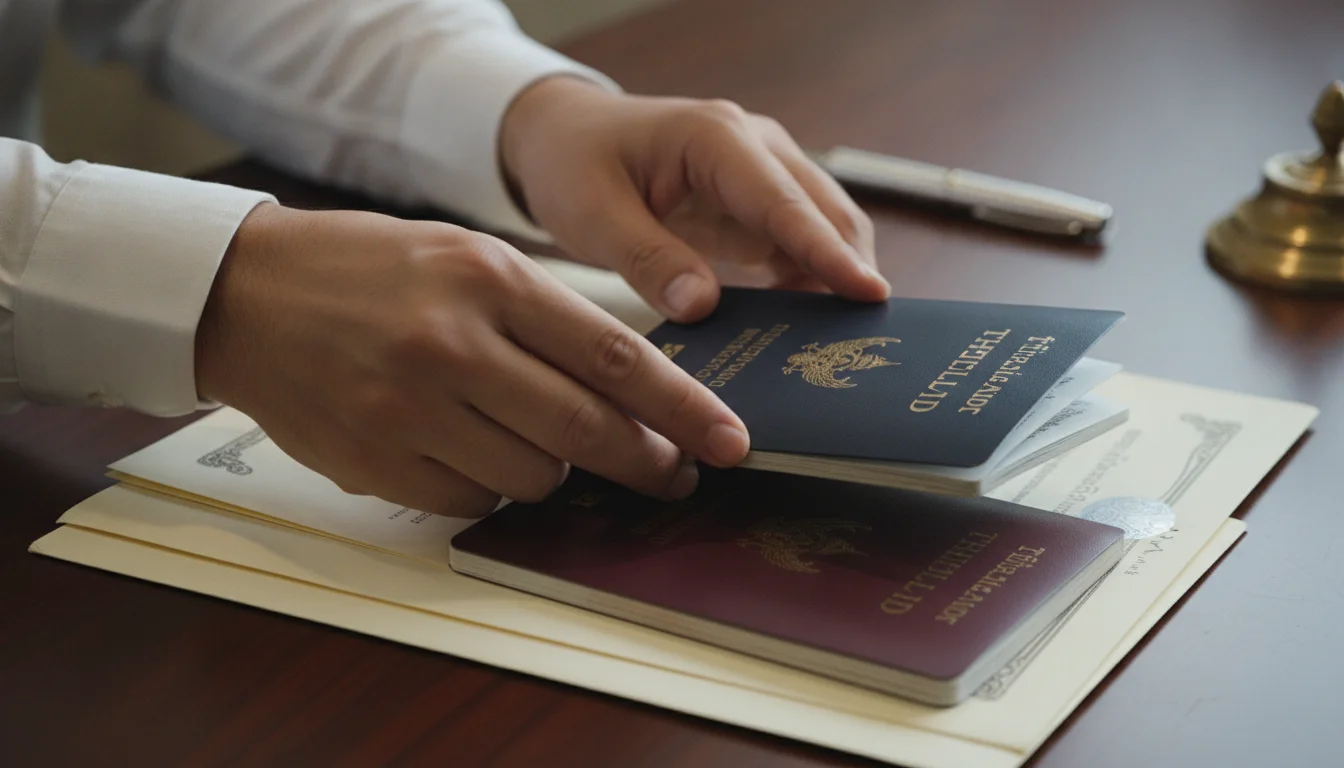
Locate the passport of the deceased as soon as possible. Thai police, hospital staff, forensic mortuaries, and consular officials require original photographic identification before registering the death or issuing administrative release documents.
Contact the deceased's travel or life insurance provider promptly. Most insurers enforce strict notification windows and require early involvement to approve coverage for medical bills, local funeral arrangements, or international repatriation.
Report the death to the local district office within twenty-four hours. Thai civil registration law requires timely notification, typically handled by the hospital for inpatient deaths or by the family, property owner, or funeral director for deaths occurring elsewhere. Requesting multiple certified copies of the official death certificate at this initial appointment saves substantial administrative time later, as separate certified copies are needed for UK probate, pension providers, banks, and HM Passport Office.
Engage an accredited professional translation service for all Thai-language certificates. Documents required for UK legal processes must be translated into English and legalised by the Thai Ministry of Foreign Affairs Legalisation Division before British authorities will accept them.
Understand autopsy timelines if a forensic investigation is ordered. While full post-mortem toxicology and pathology reports typically take thirty to forty-five days to complete, the body is usually released within a few days once physical examinations conclude, allowing repatriation or local funeral ceremonies to proceed without waiting for the final written findings.
Request a comprehensive itemised invoice from your chosen funeral director before signing contracts or transferring deposits. Itemised billing clarifies what is included in mortuary collection, cold storage, embalming, documentation fees, and consular clearance.
Check airline requirements before transporting cremated remains. Most commercial carriers permit ashes only in cabin baggage, provided they are stored in a non-metallic, X-ray-compliant urn and accompanied by the original death certificate, cremation certificate, and an official sealing certificate.
Quick Reference Table
| Item | Detail | Notes |
|---|---|---|
| Emergency Police Numbers | Dial 191 (Thai Police) or 1155 (Tourist Police) | Mandatory for non-hospital deaths; do not move the body before inspection |
| Death Registration Deadline | Within 24 hours of notification | Reported to local district office; issues Thai-language death certificate |
| British Embassy Release Letter | £50 (approx 2,250 THB) consular fee | Mandatory clearance document required by Thai mortuaries before releasing remains |
| Full Body Repatriation | £5,000 to £15,000 (225,000 to 675,000 THB) | Takes 2 to 4 weeks; requires zinc-lined coffin and UK-registered funeral director |
| Local Cremation & Ash Return | £1,000 to £2,500 (45,000 to 112,500 THB) | Takes 5 to 10 days; conducted at a Buddhist temple with ashes placed in sealed urn |
| Mortuary Storage | £11 to £66 (500 to 3,000 THB) per day | Charged by hospital morgues and forensic institutes during paperwork processing |
| Translation & MFA Legalisation | £100 to £200 (4,500 to 9,000 THB) | Required for UK probate, banks, and insurers to accept the Thai death certificate |
| Autopsy Report Timeline | Approx 45 working days | Standard for unexpected or non-hospital deaths; body released earlier once examined |
| Transporting Ashes to the UK | Permitted in airline hand luggage | Urn must be non-metallic and X-ray transparent; no UK import licence needed |
| Consular Financial Support | Nil (no funding or loans available) | British Embassy cannot pay for hospital debts, storage, burials, or repatriation |
FAQ: Death Repatriation Guide
What should someone do if a British national dies outside a hospital in Thailand?
Is a post-mortem examination required for a foreign national's death in Thailand?
What is a critical rule to follow if a death occurs at a private residence in Thailand?
Why is a British Embassy release letter necessary for a death in Thailand?
What are the key requirements for repatriating a deceased person from Thailand to the UK?
What are the requirements for bringing cremated ashes from Thailand into the UK?
What is the first financial step to take when a British national dies in Thailand?
Can the British Embassy in Bangkok provide financial assistance for death repatriation or funeral costs?
What is a common mistake regarding the Thai death certificate for use in the UK?
How many copies of the official Thai death certificate should be requested?
Reviewed by the Thailand Guide Editorial Team • Last reviewed: 27 August 2026
This page provides general information only and is not financial, legal, or immigration advice. Always verify current rules with official Thai government sources or a qualified professional before making decisions.