Bangkok City
Bangkok's full ceremonial name consists of 168 letters, making it the longest place name in the world according to Guinness World Records. Beneath this staggering title lies a sprawling metropolis where century-old wooden canal homes stand in the direct shadow of steel skyscrapers.
Bangkok City is the sprawling capital of Thailand, positioned across the low-lying Chao Phraya River delta in the central region of the country. This massive urban area houses over ten million residents, drawing global travellers with its complex combination of sacred royal districts and hyper-modern commercial developments. It is a high-energy environment that suits cultural explorers, urban adventurers, and culinary enthusiasts who want to experience Asia at its most intense. First-time visitors will find an overwhelming sensory experience, while repeat travellers can easily uncover quieter residential neighbourhoods and canal networks that preserve a slower pace of life.
The Character of the Chao Phraya Delta
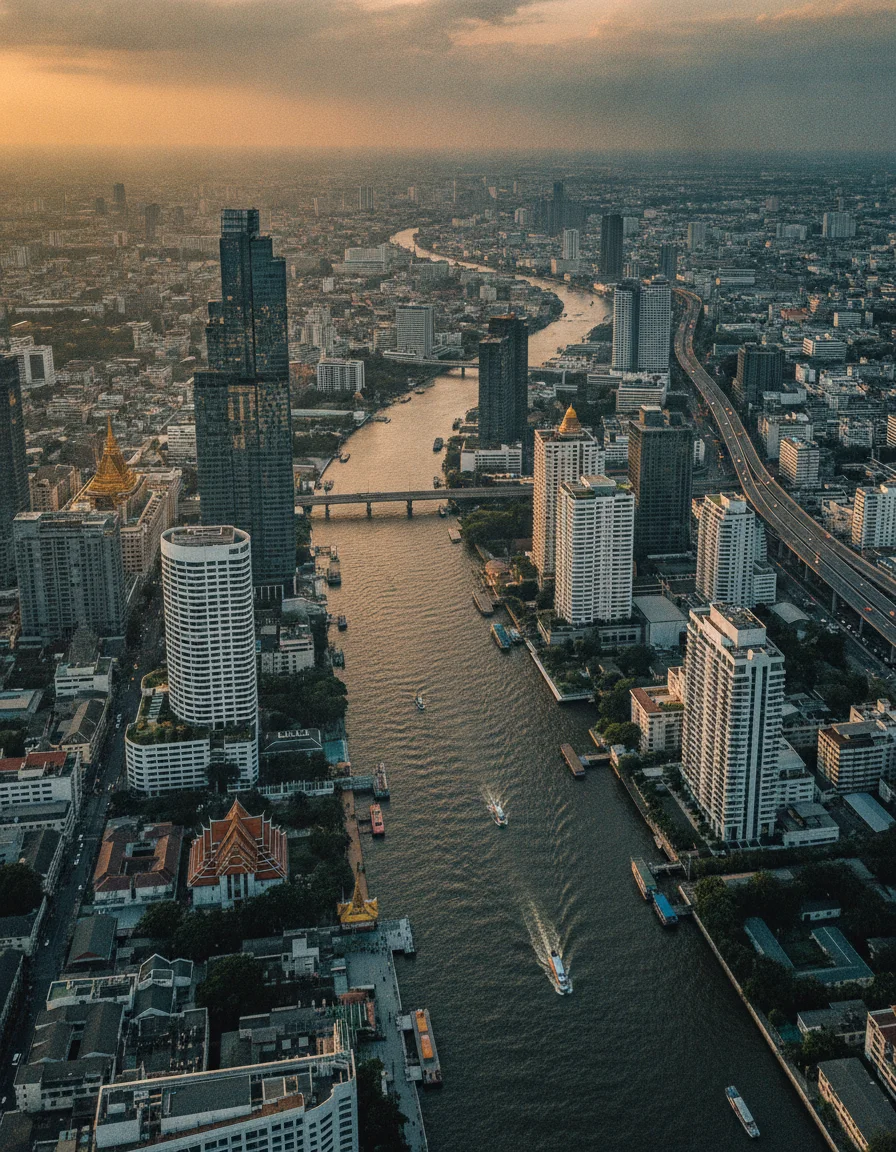
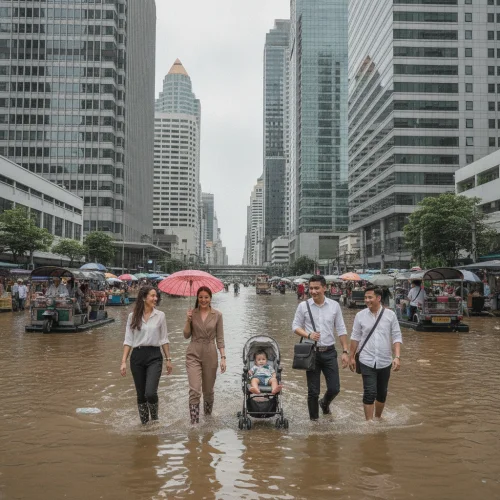
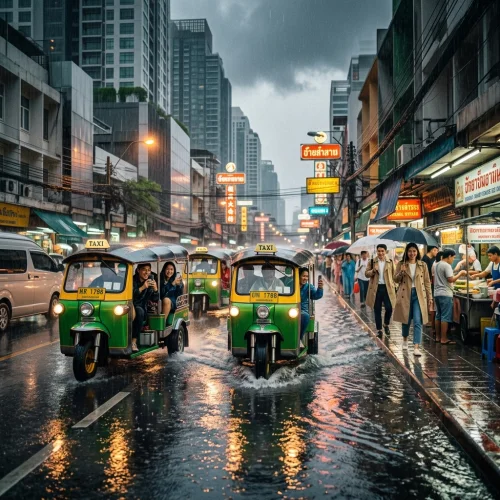
The physical layout of Bangkok is defined by the winding path of the Chao Phraya River, which splits the older royal quarters of Phra Nakhon from the modern, sky-high developments of Sukhumvit and Silom. To the west of the river lies Thonburi, a quieter region crisscrossed by old khlongs (canals) where traditional stilt houses still stand. East of the river, the city expands into a dense grid of elevated expressways, concrete apartment blocks, and colossal shopping malls linked by concrete skywalks. Navigating between these contrasting halves reveals how quickly the city has developed over the past half-century. You can traverse this geography using the orange flag river boats for a flat fare of 16 THB (£0.36), which depart every 15 to 20 minutes from Central Pier at Sathorn. This water highway offers a direct view of wooden shanties sitting next to international luxury hotels. For land-based travel, the BTS Skytrain runs above Sukhumvit Road, costing between 17 THB (£0.38) and 62 THB (£1.38) per single journey. Avoid using taxis during the peak rush hours of 07:30 to 09:30 and 17:00 to 19:30 when the roads freeze completely. To understand the city’s scale, travel by river boat early in your trip to see how the historic and modern districts connect.
Plan your trip around Thailand's major festivals. Discover the reality of Songkran water fights, the Chiang Mai lantern release, and local temple fairs.
Sacred Landmarks of Phra Nakhon
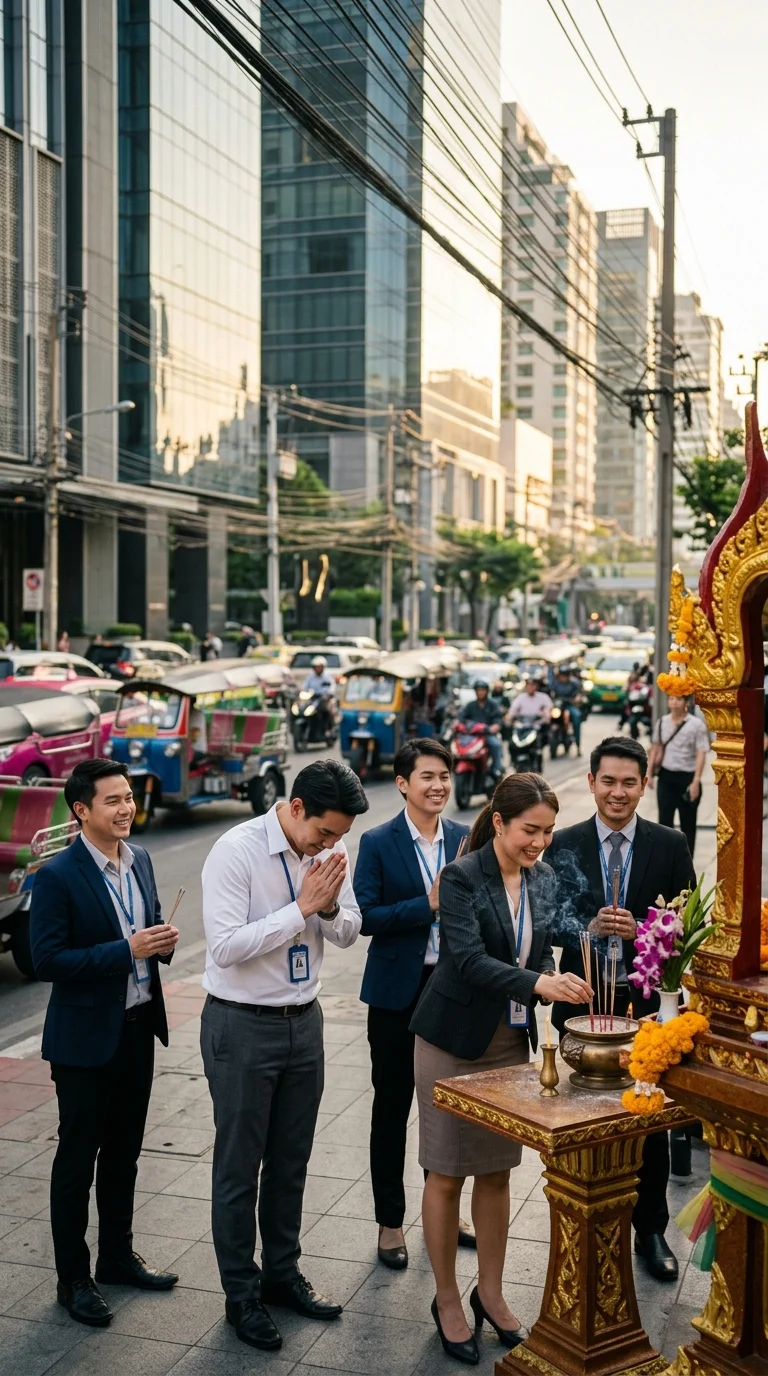
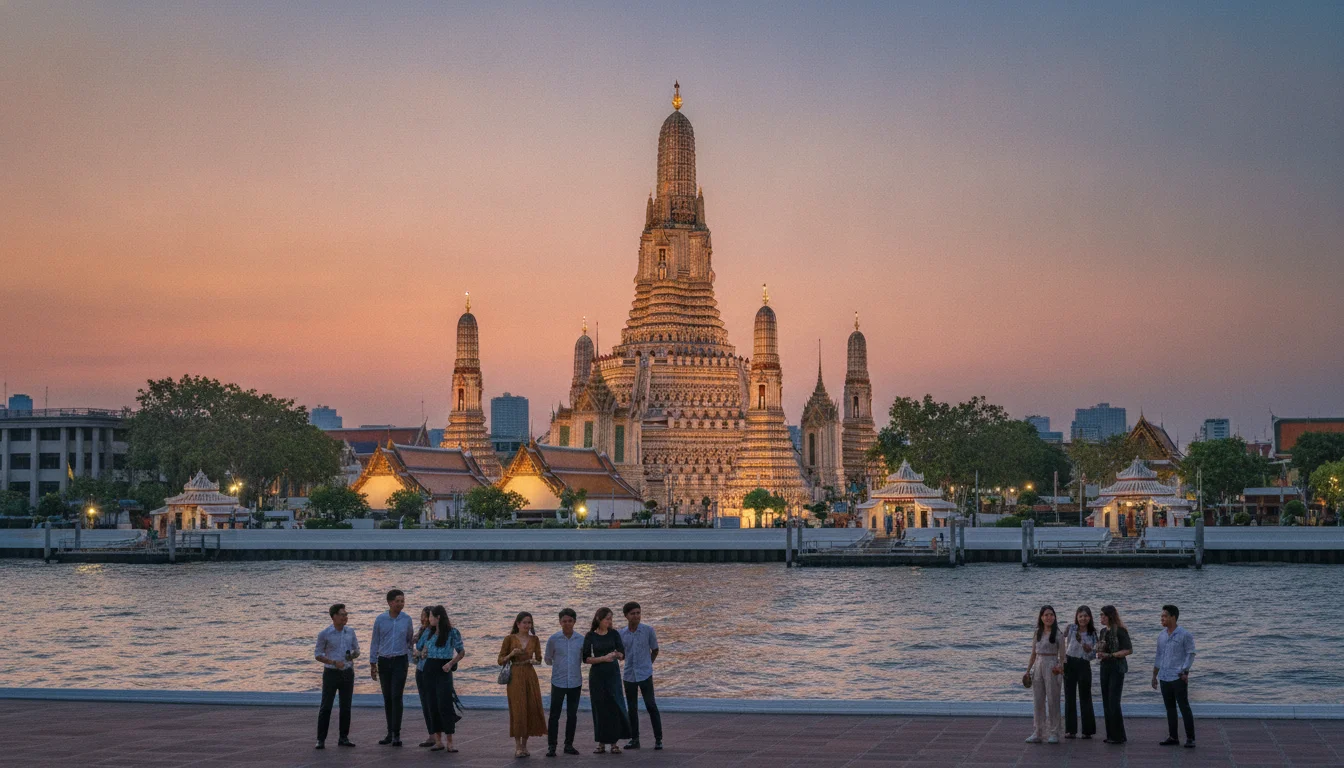
The historic core of Bangkok remains anchored by its royal palaces and highly revered Buddhist temples situated on the banks of the Chao Phraya River. The Grand Palace, established in 1782, serves as the spiritual core of the nation and houses Wat Phra Kaew, home to the Emerald Buddha. Entry to the Grand Palace complex costs 500 THB (£11.11) for foreign visitors and requires strict adherence to a dress code covering shoulders and ankles. A short ten-minute walk south leads to Wat Pho, famous for its 46-metre-long gold-plated Reclining Buddha and its traditional Thai massage school, where a one-hour treatment costs 420 THB (£9.33). Across the river, reachable via a 5 THB (£0.11) ferry ride from Tien Pier, the striking spire of Wat Arun (Temple of Dawn) rises 82 metres high, decorated with fragments of Chinese porcelain. These sites open daily from 08:30 to around 17:30, making morning visits essential to escape the midday heat and the largest tourist crowds. You should also explore the smaller surrounding shrines, where locals offer yellow marigold garlands and incense to pay their respects throughout the day. Ensure you wear lightweight, full-length trousers and a sleeved shirt on the day you tour these sacred royal grounds.
Street Food Capitals and Acclaimed Kitchens
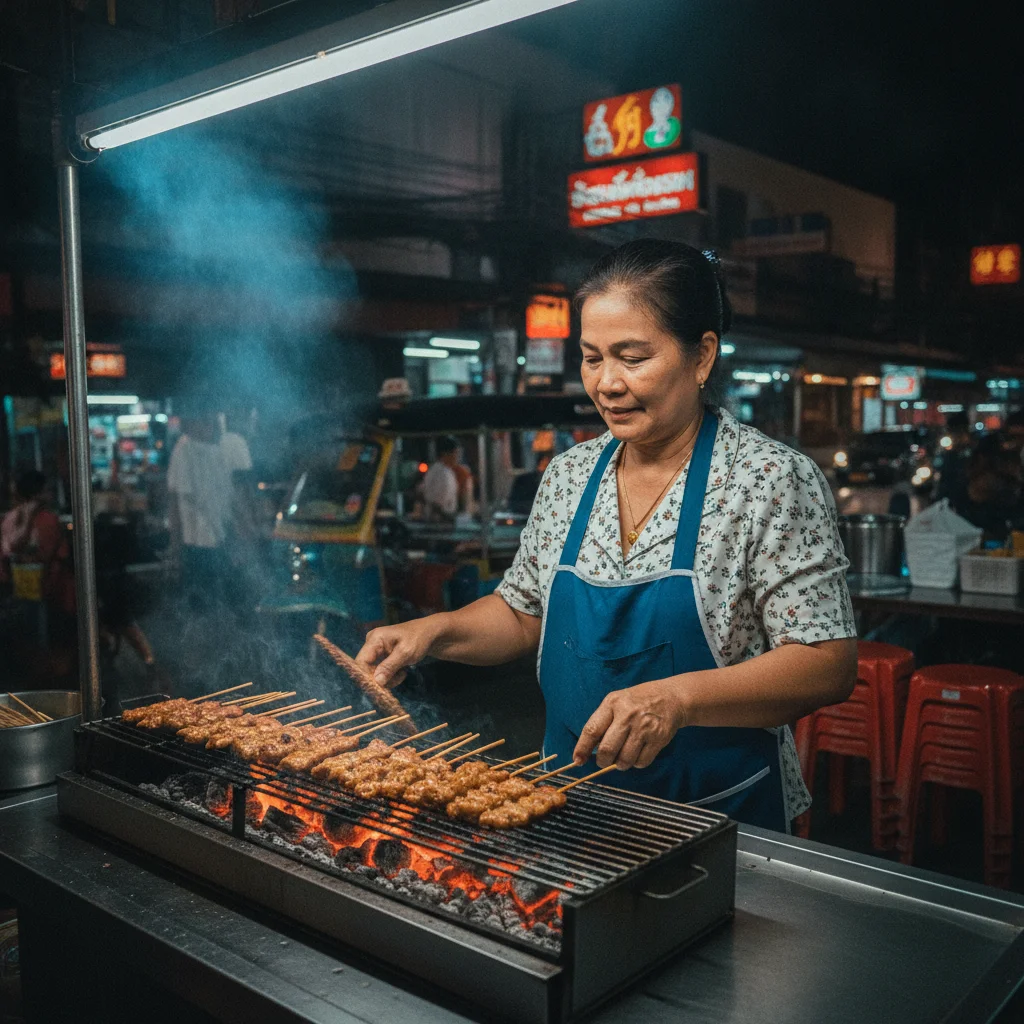
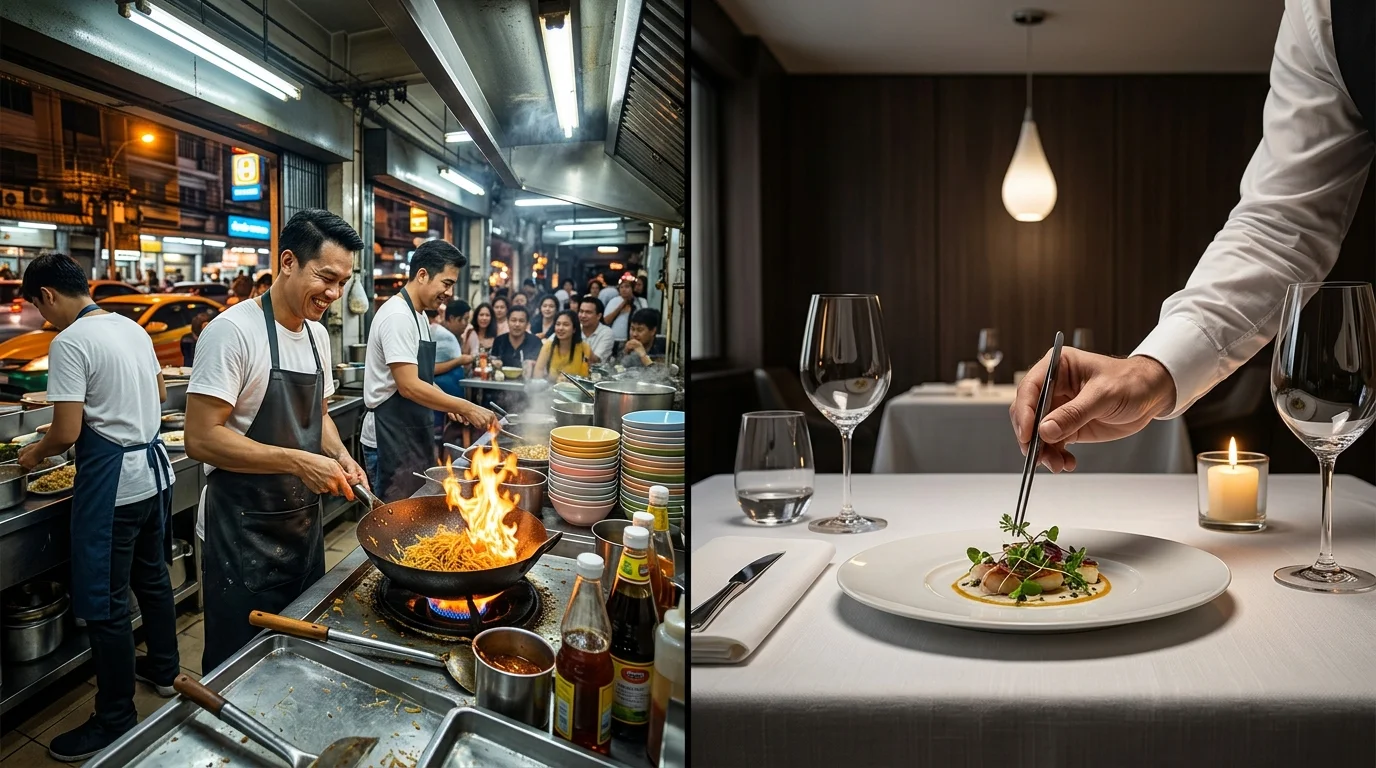
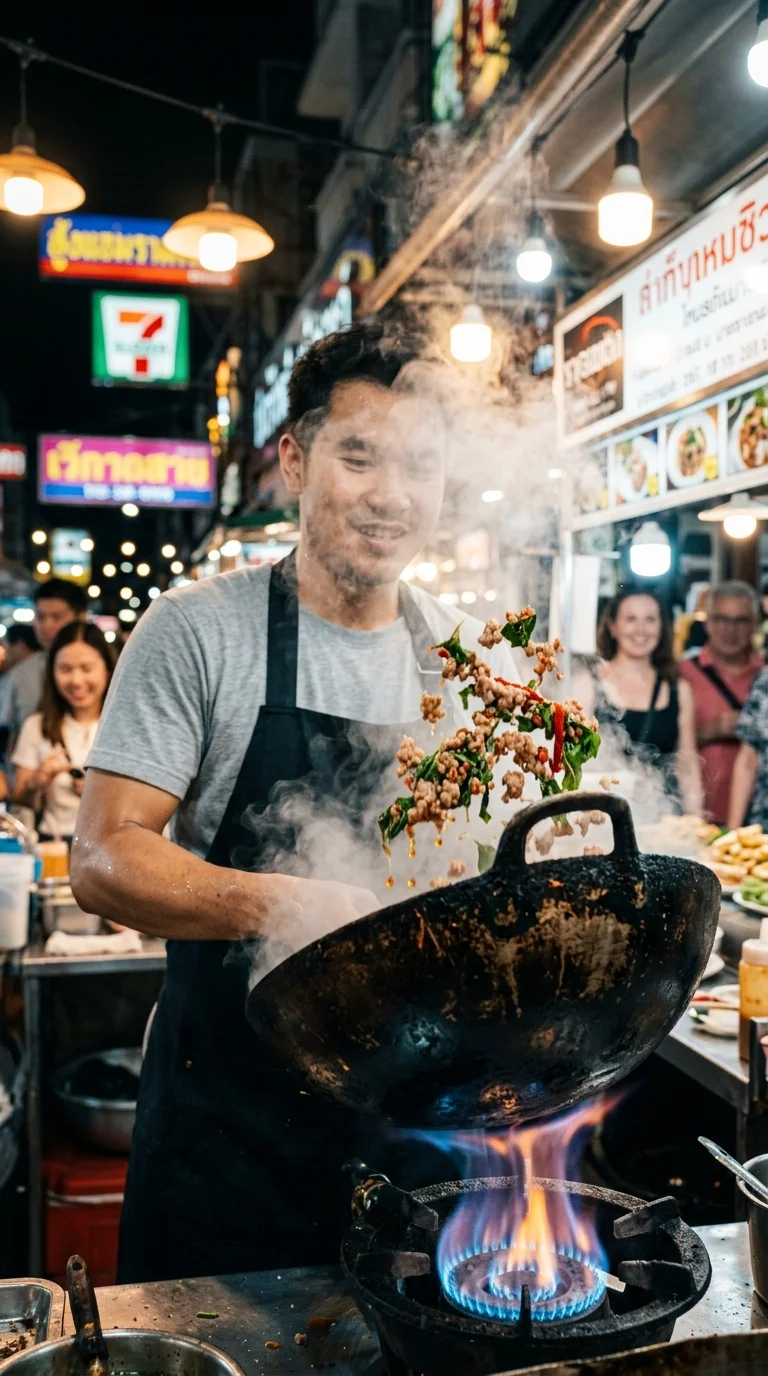
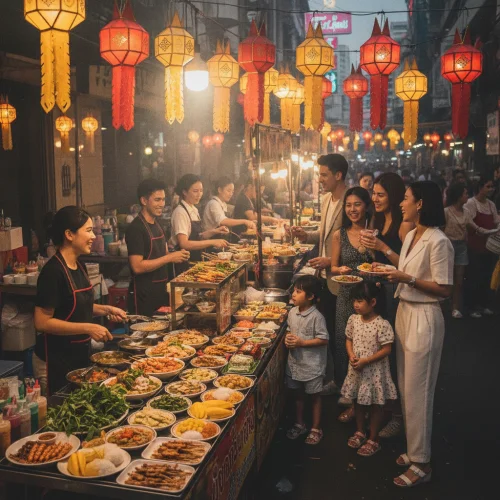
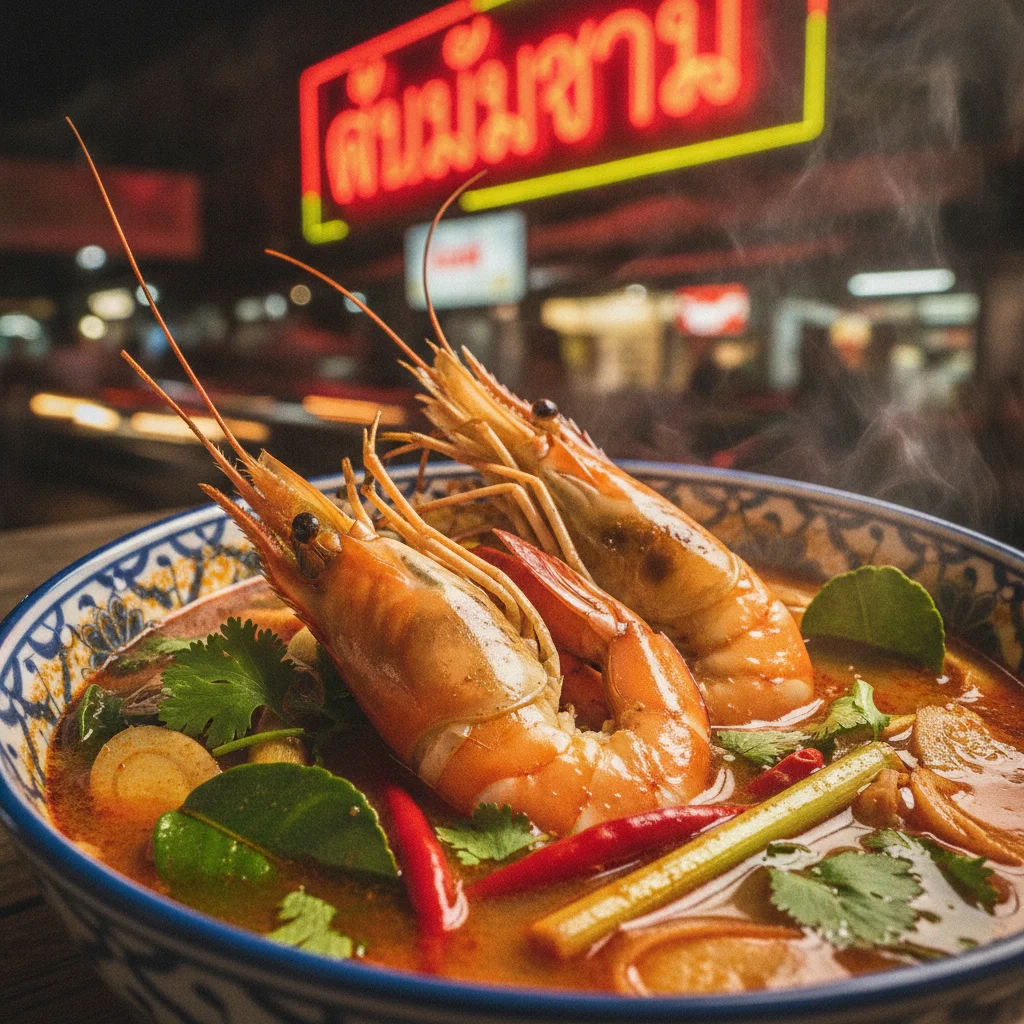
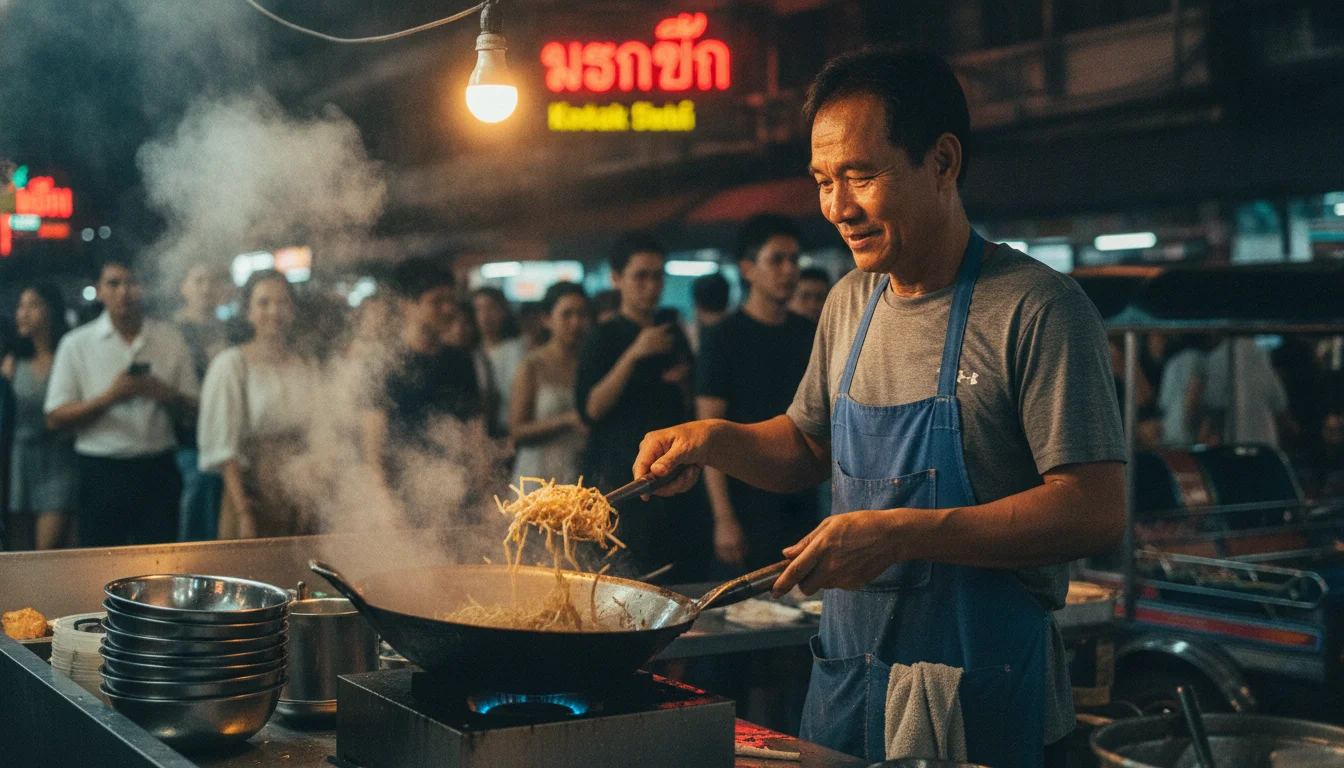
Bangkok is globally recognised for its street food culture, which ranges from humble pavement carts to internationally recognized dining spots. In the dense, neon-lit alleyways of Yaowarat (Chinatown), crowds gather nightly to sample dishes like the peppery pork broth with rolled rice noodles known as guay jub at Nai Ek Roll Noodles, where a bowl costs 80 THB (£1.78). For a more famous culinary experience, Raan Jay Fai in Samran Rat serves its iconic, thick, charcoal-fired crab omelette for 1,400 THB (£31.11). Booking a table here requires reserving months in advance, though walk-in queues form daily along Maha Chai Road starting around 07:00. If you prefer a more comfortable, air-conditioned dining experience, the SookSiam indoor market inside the ICONSIAM shopping complex replicates regional dishes from across Thailand's 77 provinces. Here, you can eat northern-style khao soi curry noodles for 80 THB (£1.78) or grilled river prawns for 300 THB (£6.67) in a clean environment. Each food stall is regularly inspected, and looking for places with high local turnover ensures the ingredients are fresh and safe. Plan your food excursions around Chinatown on weekday evenings when the crowds are slightly smaller than on busy weekends.
Lodging from Backpacker Hubs to Riverside Luxury
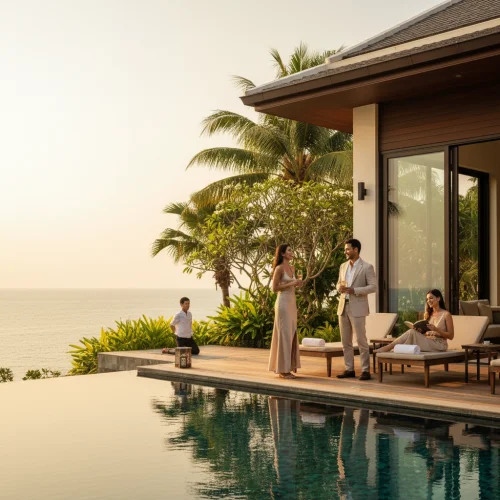
Bangkok offers lodging options tailored to every travel budget, with distinct accommodation zones scattered across its vast urban footprint. Budget travellers usually head to Khao San Road, where social spots like the Mad Monkey Hostel provide dorm beds from 450 THB (£10.00) per night and private rooms from 1,200 THB (£26.67). For mid-range travellers seeking character, the Amdaeng Riverside Hotel in Thonburi offers historic design and river views with rooms priced around 3,200 THB (£71.11) per night. Luxury travellers are drawn to the historic banks of the Chao Phraya, where institutions like The Mandarin Oriental offer premier service, riverside terraces, and private shuttle boats starting from 22,000 THB (£488.89) per night. Staying near a BTS Skytrain or MRT Metro station is highly recommended to bypass the city's notorious traffic jams. Silom and Sukhumvit are excellent mid-range options that place you within walking distance of modern train terminals, meaning you can traverse the metropolis in minutes rather than spending hours stuck in a stationary taxi. These modern commercial hubs also offer access to high-end rooftop venues, such as Octave Rooftop Lounge on Sukhumvit Road, where a beer costs around 250 THB (£5.56). Book your accommodation along the Chao Phraya River if you want easy access to historic temples, or along Sukhumvit Road if you prefer modern shopping and nightlife.
Multi Tiered Retail and Riverfront Hubs
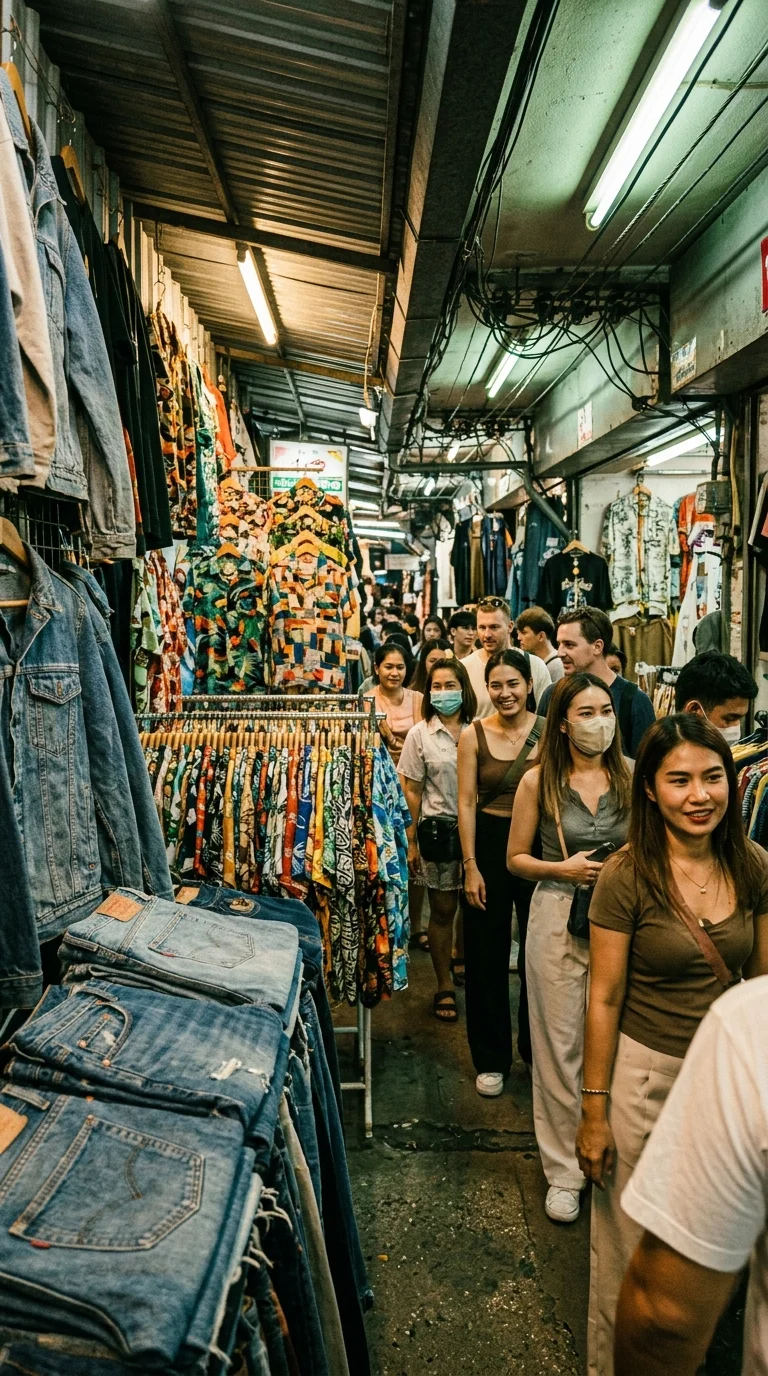
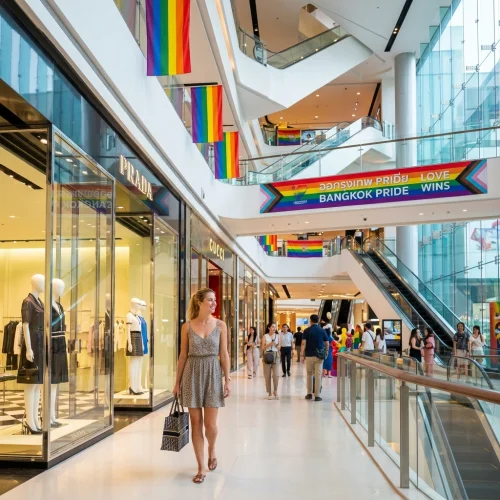
Modern Bangkok is defined by its massive retail complexes that double as social hubs, dining zones, and architectural landmarks. Located on the Thonburi side of the river, ICONSIAM stands as the premier destination, combining a multi-tiered open-air shopping design with a massive indoor floating market. This colossal development contains high-street shops, luxury boutiques, and a massive riverside promenade that hosts free fountain shows daily at 18:30 and 20:00. You can reach ICONSIAM easily by taking the BTS Skytrain to Krung Thon Buri station, then transferring to the Gold Line monorail for 16 THB (£0.36). For a different retail experience, the Chatuchak Weekend Market in the north of the city features over 15,000 stalls selling everything from vintage clothing to local handicrafts from 09:00 to 18:00 on Saturdays and Sundays. It is easy to spend an entire afternoon wandering the covered aisles where cold drinks cost 30 THB (£0.67) and street snacks are widely available. Visit ICONSIAM in the late afternoon to explore the indoor market before watching the sunset over the river from the outdoor terrace.
Transport Hubs and City Navigation
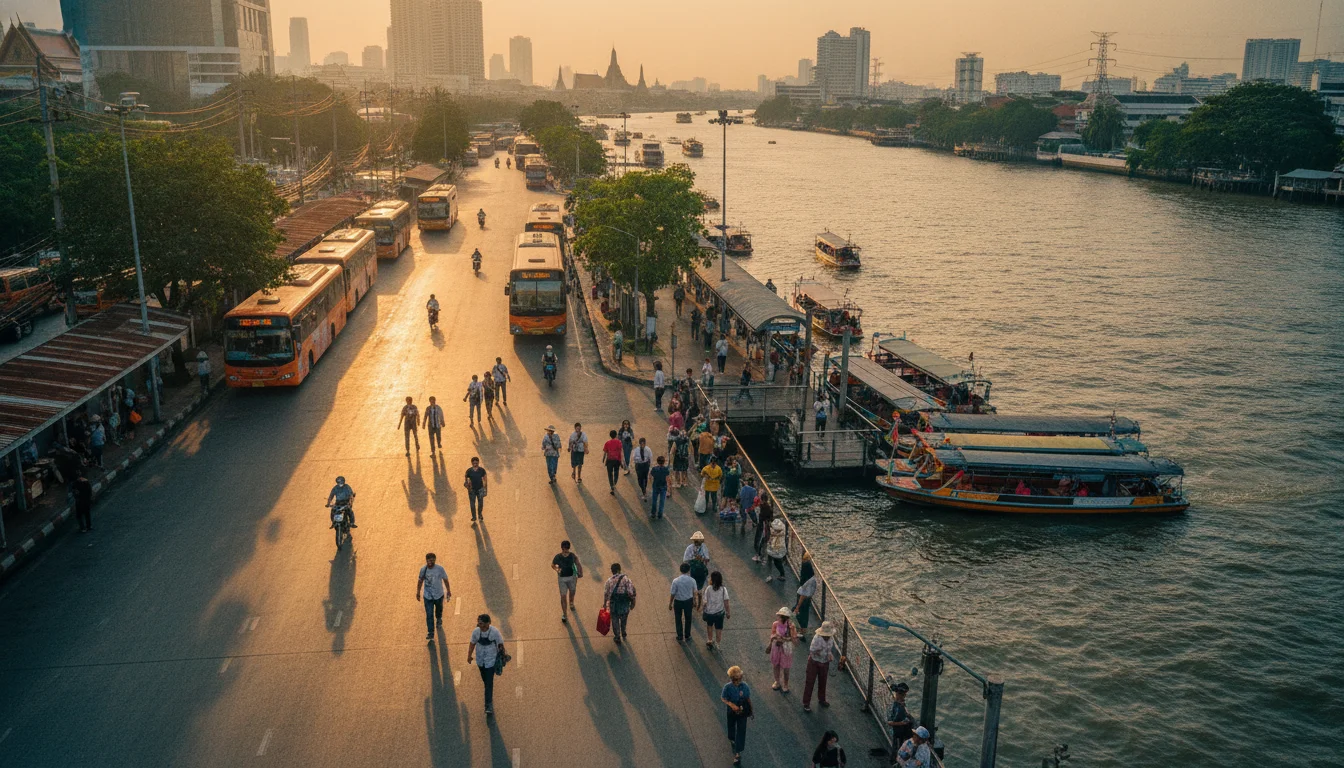
Most UK travellers arrive at Suvarnabhumi Airport (BKK), located 30 kilometres east of the city centre. The most efficient way to reach downtown is via the Airport Rail Link, which costs 45 THB (£1.00) and takes 30 minutes to reach Phaya Thai station, where you can connect directly to the BTS Skytrain network. Alternatively, a licensed public taxi from the ground-floor airport queue costs roughly 350 THB to 500 THB (£7.78 to £11.11), including the 50 THB (£1.11) airport surcharge and highway toll fees. Once inside the city, the elevated BTS Skytrain and underground MRT Metro are the best tools for bypassing heavy road traffic, with single fares ranging from 17 THB to 60 THB (£0.38 to £1.33). For areas not served by rail, use the Grab ride-hailing app to secure transparent pricing for cars and motorbikes, or hail an orange-flag river boat to travel quickly along the Chao Phraya River corridor.
Daily Budgets and Expenses
Bangkok remains an incredibly high-value destination for UK travellers, though it is easy to spend large sums in the city’s high-end rooftop bars and luxury shopping malls. A budget traveller can comfortably survive on 1,200 THB (£26.67) per day by staying in hostels, eating at street-side stalls, and using public river boats and trains. Mid-range travellers spending between 3,000 THB and 5,000 THB (£66.67 to £111.11) per day can enjoy boutique hotel rooms, sit-down meals in air-conditioned restaurants, and daily taxi rides or temple tours. A comfortable budget of 10,000 THB (£222.22) or more opens up world-renowned riverside luxury hotels, fine dining at Michelin-starred restaurants, and private long-tail boat tours along the canals. Keep some cash on hand, as smaller street vendors and local transport options do not accept international credit cards.
| Item | Budget (THB) | Mid-Range (THB) | Notes |
|---|---|---|---|
| Hostel Bed / Hotel Room | 450 THB | 3,200 THB | Hostels around Khao San vs Boutique hotels in Thonburi |
| Street Meal / Restaurant Dinner | 60 THB | 450 THB | Street food noodle stall vs sit-down mid-range restaurant |
| BTS Skytrain Day Pass | 150 THB | 150 THB | Unlimited travel on the elevated Skytrain network |
| Temple Entry Fee | 100 THB | 500 THB | Local temple (Wat Saket) vs Grand Palace entry |
Target Travellers and Who Should Skip
Bangkok City is highly suited to active travellers, food enthusiasts, and culture seekers who thrive in high-energy urban environments. Digital nomads will find excellent co-working spaces and high-speed internet, while history enthusiasts can spend days exploring royal palaces and ancient temple grounds. It is less suited to those seeking a quiet, slow-paced holiday or families with very young children who may struggle with the intense heat, crowded pavements, and vehicle exhaust fumes. If you dislike urban noise, heavy traffic, and constant sensory stimulation, you should limit your stay to a brief transit.
Key Advice for British Travellers
Respect for the Royal Family is legally enforced across Thailand, and negative remarks can result in severe legal penalties. Always handle money carefully because notes feature the King's portrait, and stepping on a rolling coin is considered highly disrespectful. Traffic does not automatically stop for pedestrians at zebra crossings, so you must exercise extreme caution when crossing any multi-lane road. Do not assume drivers will yield just because the pedestrian light is green. Scams involving tuk-tuk drivers claiming the Grand Palace is closed are very common near major tourist sites. Politely ignore these drivers and walk directly to the official ticket counter to check opening times yourself. Tap water is not safe to drink, meaning you must rely on bottled water or treated ice. Most restaurants use commercial ice, which is perfectly safe to consume.
Essential Tips for Navigating Bangkok
Carry a light scarf or sarong in your daypack. This ensures you can cover your shoulders or legs instantly when entering unexpected temple grounds.
Download the Grab and Bolt apps before leaving your hotel. These ride-hailing services provide fixed pricing and prevent you from having to negotiate fares with stubborn taxi drivers.
Buy a Rabbit Card at the first BTS station you find. This pre-loaded transit card lets you tap through the turnstiles without waiting in long ticket queues.
Carry a physical water bottle and use the water refill machines found on residential streets. These machines charge only 1 THB (£0.02) per litre, saving you money and reducing plastic waste.
Visit popular outdoor markets early in the morning or late at night. This keeps you out of the direct midday sun when temperatures can regularly exceed 35 degrees Celsius.
Keep small change and 20 THB notes handy in an accessible pocket. Many bus conductors and street food vendors cannot easily change large 1,000 THB bank notes.
Wear slip-on shoes when planning a day of sightseeing. You will need to remove your footwear frequently before entering temple halls and private homes.
Bangkok Quick Reference
| Item | Detail | Notes |
|---|---|---|
| Location Name | Bangkok City (Krung Thep) | Capital city of Thailand |
| Province | Bangkok Metropolis | Special administrative area |
| Region | Central Thailand | Located in the Chao Phraya River basin |
| Nearest Airport | Suvarnabhumi Airport (BKK) / Don Mueang (DMK) | BKK for long-haul, DMK for low-cost regional flights |
| Distance from Bangkok | 0 km | Centerpoint of the national highway network |
| Typical Visit Duration | 3 to 5 days | Recommended time to see key sites without burnout |
| Best Time to Visit | November to February | The cooler, dry season with lower humidity |
| Average Daily Budget | 2,500 THB (£55.56) | Comfortable mid-range experience |
| Currency Accepted | Thai Baht (THB) | Cash is highly preferred for street transactions |
| Primary Transport | BTS Skytrain, MRT, River Boats | Best options to avoid chronic road congestion |
| Notable Landmarks | Grand Palace, Wat Arun, ICONSIAM | Historic temples combined with modern riverside icons |