Property Management Services
Under Thai law, rental income generated by foreign non-residents is subject to a flat 15% withholding tax that must be remitted to the Revenue Department, a legal obligation often missed by overseas landlords. You will quickly discover that enforcing a lease agreement or managing emergency repairs from 6,000 miles away is financially risky without a highly competent local management company acting as your proxy.
This page details how to establish and monitor property management services in Thailand as a remote UK investor. It covers the exact services you must secure, the difference between developer-run rental pools and independent management companies, typical fee structures, and how to vet an agency to protect your physical asset. This guide is specifically for buyers intending to let their Thai property out for investment yields, not for those purchasing a primary residence for personal use.

The Reality of Remote Property Management in Thailand
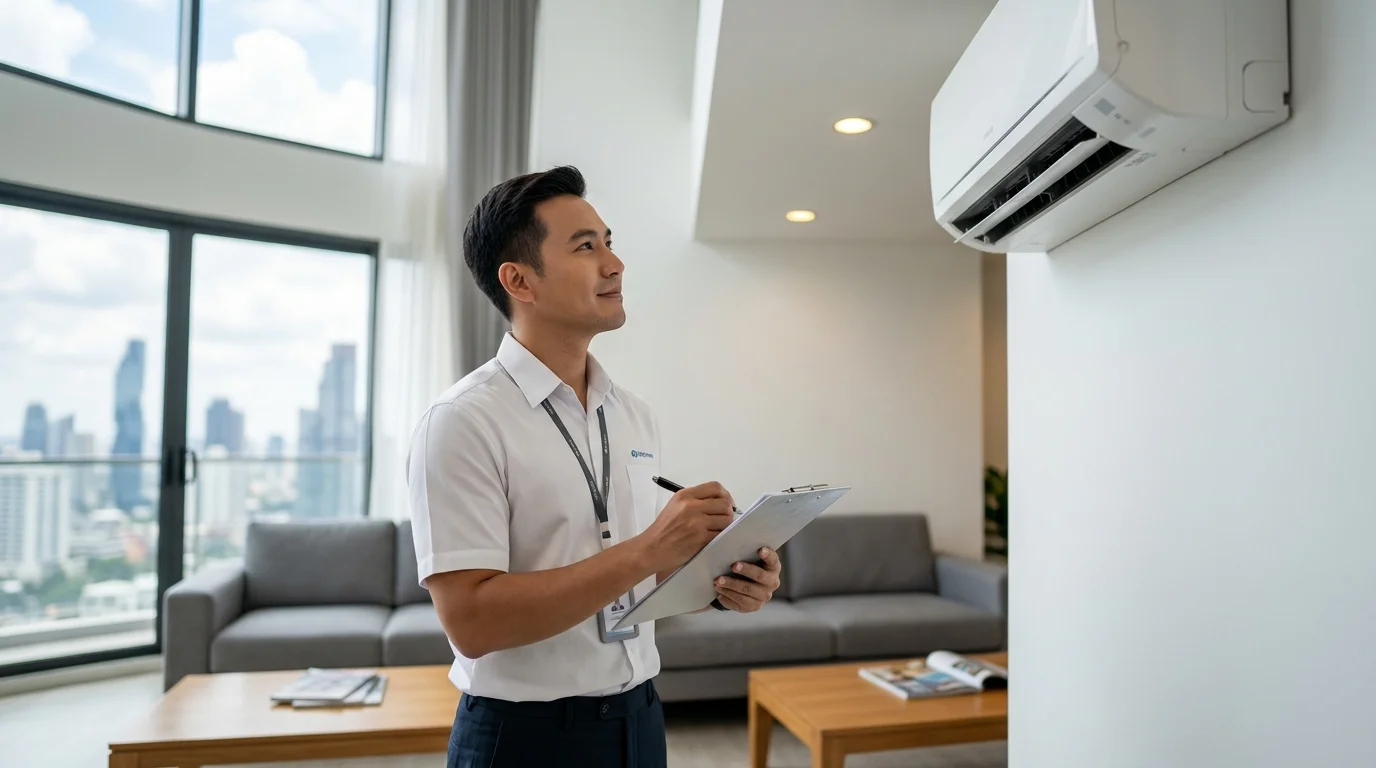
Your legal liability as a landlord under the Thai Civil and Commercial Code does not diminish simply because you reside in the UK. Managing a Thai property remotely introduces severe logistical hurdles, from processing monthly rent payments in Thai Baht (THB) to handling urgent maintenance issues during a tropical monsoon season. A competent property management company acts as your legal representative on the ground, ensuring your tenant complies with the lease and local juristic office regulations. Without local representation, you risk delayed rent collections, unaddressed water leaks that can destroy flooring, and non-compliance with the strict TM30 immigration reporting requirement for foreign tenants. You must understand that the building's juristic person handles common areas only; they will not manage the interior of your private apartment or deal directly with your tenant's daily complaints. You must appoint a dedicated management agency to handle interior maintenance, utility bill coordination, and financial reporting. Attempting to manage this yourself often results in damaged assets and voided warranties. Securing reliable local representation is the most effective way to safeguard your investment yield and physical asset.
Learn how UK nationals can buy property in Pattaya safely. Discover realistic prices, foreign ownership laws, rental yields, and how to avoid oversupply risks.
Developer Rental Pools Versus Independent Management
Signing a guaranteed yield agreement with a developer legally binds your property into a communal rental pool, fundamentally changing how your asset generates income. Many off-plan projects in Phuket and Pattaya offer these developer-run pools, promising fixed returns of 5% to 7% per annum for a set period, typically three to five years. In this structure, the developer manages the entire building under a commercial hotel license, handling all bookings, maintenance, and tenant interactions legally. The primary drawback is a severe restriction on your personal usage, often limited to 14 days during the low season. Conversely, hiring an independent management company gives you total control over your property, allowing you to secure long-term tenants on 12-month leases. This independent route provides variable income dependent on market conditions but generally results in lower wear and tear compared to short-term holiday lets. Independent management also requires you to fund all maintenance costs directly, whereas a developer pool often covers routine repairs within their operational budget. You must weigh the certainty of a developer's fixed return against the control and potentially higher long-term yields of independent management.
| Management Structure | Income Predictability | Personal Usage Allowances | Typical Fee Structure |
|---|---|---|---|
| Developer Rental Pool | High (Fixed percentage yield) | Low (Usually 14 days per year) | Built into the yield payout |
| Independent Agency | Variable (Market dependent) | High (Total control over dates) | 8% to 12% of monthly rent |
| Self-Managed | Variable (Market dependent) | High (Total control) | Zero fees, high personal time cost |
| Hybrid Short-Term Let | Variable (Seasonal peaks) | Medium (Requires blocking out dates) | 15% to 20% of booking revenue |
Standard Management Fee Structures and Costs
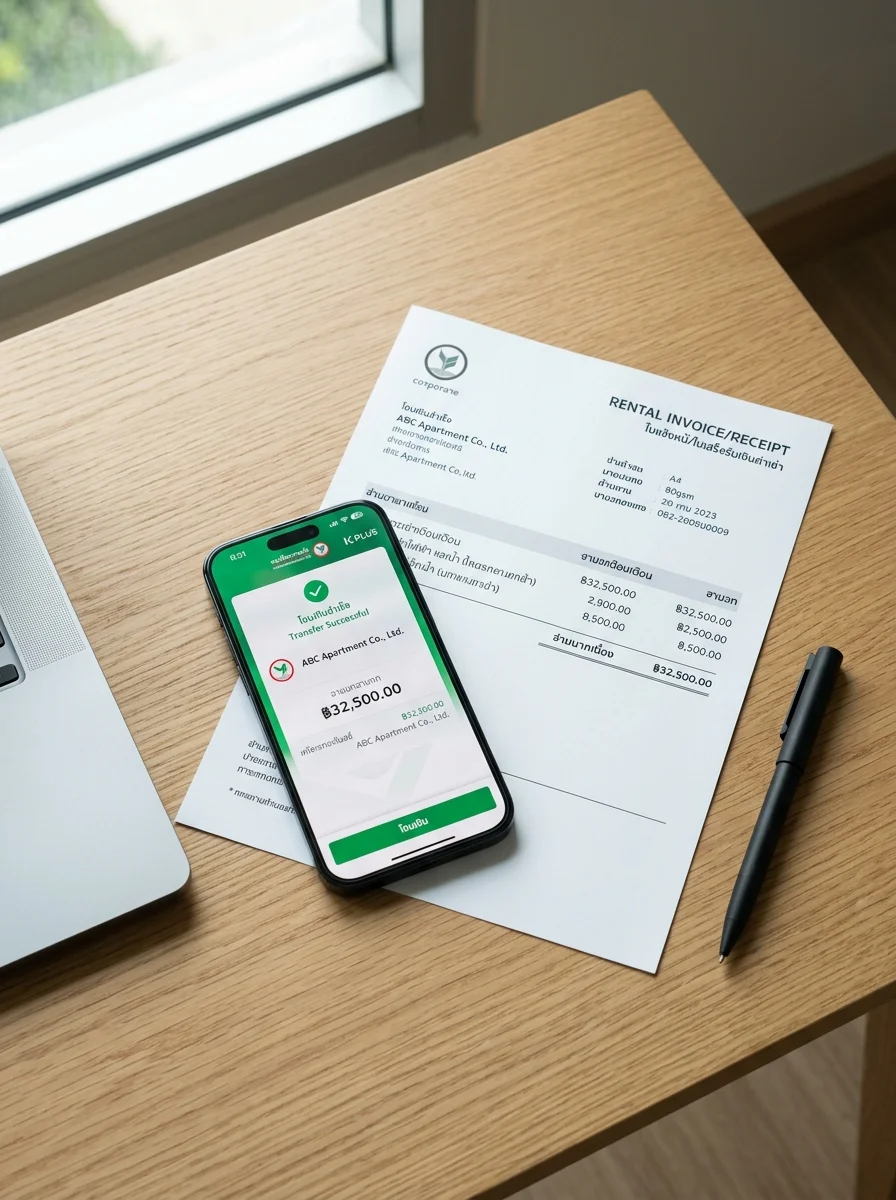
Property management fees in Thailand are not strictly regulated by a central governing body, meaning financial structures vary significantly between agencies. The most common model for long-term lets is a percentage-based fee, where the management company deducts between 8% and 12% of the gross monthly rental income. For a Bangkok apartment renting at 40,000 THB (£880) per month, expect to pay around 4,000 THB (£88) monthly for full ongoing management. Furthermore, you must account for Thailand's 7% Value Added Tax (VAT), which registered companies will add to their service invoices. Alternatively, some agencies charge a fixed monthly retainer, typically ranging from 1,500 THB to 3,000 THB (£33 to £66), regardless of whether the property is occupied. Finding a tenant is billed separately as a commission, universally set at one month's rent for securing a 12-month lease. If the tenant signs a six-month lease, the commission is halved. You must ensure your contract explicitly states whether the ongoing management fee applies during vacant periods. Some agencies will pause percentage fees when the property is empty but continue charging for basic key-holding and physical checks. Always demand a clear, written breakdown of all potential charges before signing an agency agreement.
Core Services Your Agreement Must Include

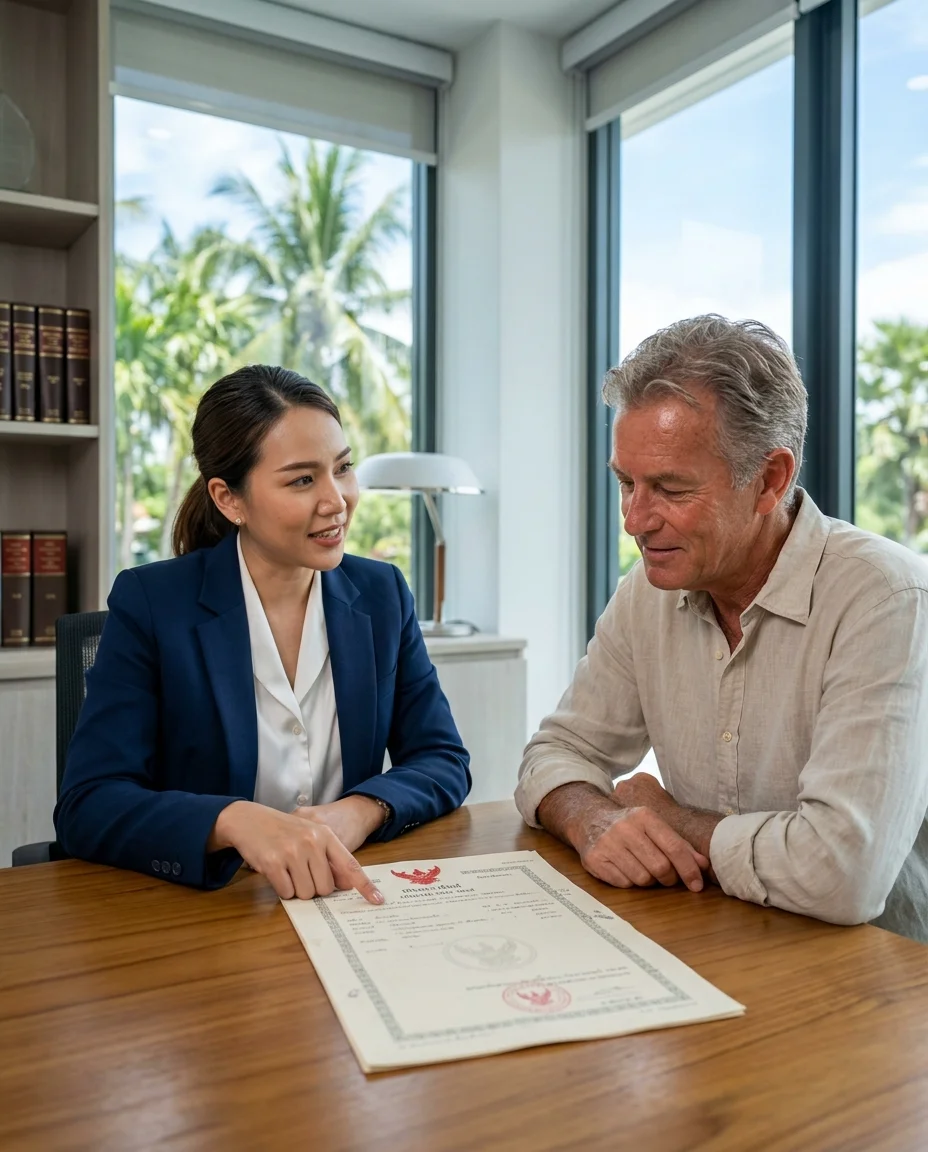
A legally robust property management agreement must explicitly list the exact operational duties the agency will perform on your behalf. Tenant finding and screening should include checking employment records and securing a standard two-month security deposit. Once occupied, the agency must handle all rent collection, depositing the funds into your Thai bank account or executing an international transfer, minus their agreed fees and any applicable withholding tax. Comprehensive inventory management is vital; the agent must conduct a detailed photographic check-in and check-out to legally justify any deductions from the tenant's security deposit. Maintenance coordination is another critical service. Your agreement should authorise the manager to spend up to a pre-agreed limit, typically 5,000 THB (£110), for emergency repairs without seeking your immediate approval. This prevents minor issues, such as a broken water pump, from escalating into major damage while you are asleep in the UK. Utility management ensures water and electricity bills are paid on time to prevent disconnection by the Provincial Electricity Authority (PEA) or Metropolitan Electricity Authority (MEA). A comprehensive service contract protects you from hidden costs and ensures your physical asset is actively monitored.
Vetting Companies and Handling Disputes

Holding a negligent property management company accountable from the UK is incredibly difficult, making rigorous upfront vetting your primary legal defence. The quality of management services drops sharply outside established markets like Bangkok, Phuket, and Chiang Mai. In secondary locations, you will often find unregulated individuals acting as informal managers, offering zero legal protection or financial recourse if rental funds go missing. Before appointing a company, verify their corporate registration with the Department of Business Development (DBD) and ask for references from other overseas landlords. You should also verify they maintain a physical office location, rather than just a website and a mobile number. Common disputes arise over withheld rental income, inflated maintenance invoices, and failure to inspect properties at the end of a tenancy. If a registered company breaches their contract, your recourse involves instructing a Thai lawyer to issue a formal demand letter, which often resolves the issue without litigation. However, pursuing formal court action for small claims is rarely cost-effective for a UK investor. Thorough due diligence and clear contractual terms are far cheaper than attempting to untangle a mismanaged asset.
Costs and Fees
Operating a rental property in Thailand involves several fixed and variable costs that directly impact your net yield. The most significant upfront cost is the tenant finding commission, which equals one full month's rent for a standard one-year lease. Ongoing management fees typically consume 8% to 12% of your monthly rental income. You must also budget for the annual Land and Building Tax, which for residential investment properties is calculated at 0.02% of the appraised government value. As an owner, you remain responsible for the building's common area maintenance (CAM) fee, usually billed annually at 40 to 80 THB per square metre, per month. Furthermore, foreign landlords must account for the 15% withholding tax on rental income, though filing an annual tax return in Thailand can often result in a partial refund depending on deductible expenses.
| Cost Item | Rate or Amount | Paid By | Notes |
|---|---|---|---|
| Tenant Finding Commission | 1 month's rent (for 12-month lease) | Landlord | Halved for 6-month leases |
| Ongoing Management Fee | 8% - 12% of monthly rent | Landlord | Alternative is a fixed monthly retainer |
| Security Deposit | 2 months' rent | Tenant | Held to cover damages or unpaid bills |
| Common Area Fee (CAM) | 40 - 80 THB per sqm/month | Landlord | Paid directly to the juristic person |
| Land and Building Tax | 0.02% of appraised value | Landlord | Annual property tax for investment assets |
| Rental Withholding Tax | 15% of gross rent | Landlord | Deducted and remitted to Revenue Department |
Common Mistakes and How to Avoid Them

Relying on verbal management agreements is a critical error. Without a written contract outlining specific duties and fee structures under Thai law, you have no legal recourse if the agent fails to collect rent or inspect the property. Always insist on a bilingual management contract that clearly defines maintenance authorisation limits and reporting schedules.
Allowing the management company to hold your rental income creates unnecessary financial risk. If the agency faces insolvency or acts fraudulently, recovering your funds from the UK is nearly impossible. Instruct tenants to pay rent directly into your non-resident Thai bank account, and pay the management company their fee via a separate transaction.
Ignoring the TM30 immigration reporting requirement exposes you to significant fines. Landlords are legally required to report a foreign tenant's residence to Thai Immigration within 24 hours of arrival. Ensure your management contract explicitly assigns the responsibility of filing the TM30 form to your local agent.
Failing to set a maintenance spending limit leads to inflated repair bills. Unregulated agents may authorise expensive, unnecessary work using contractors who pay them a hidden commission. Write a strict 5,000 THB (£110) emergency repair limit into your contract, requiring photographic evidence and your written approval for anything above that amount.
Practical Tips
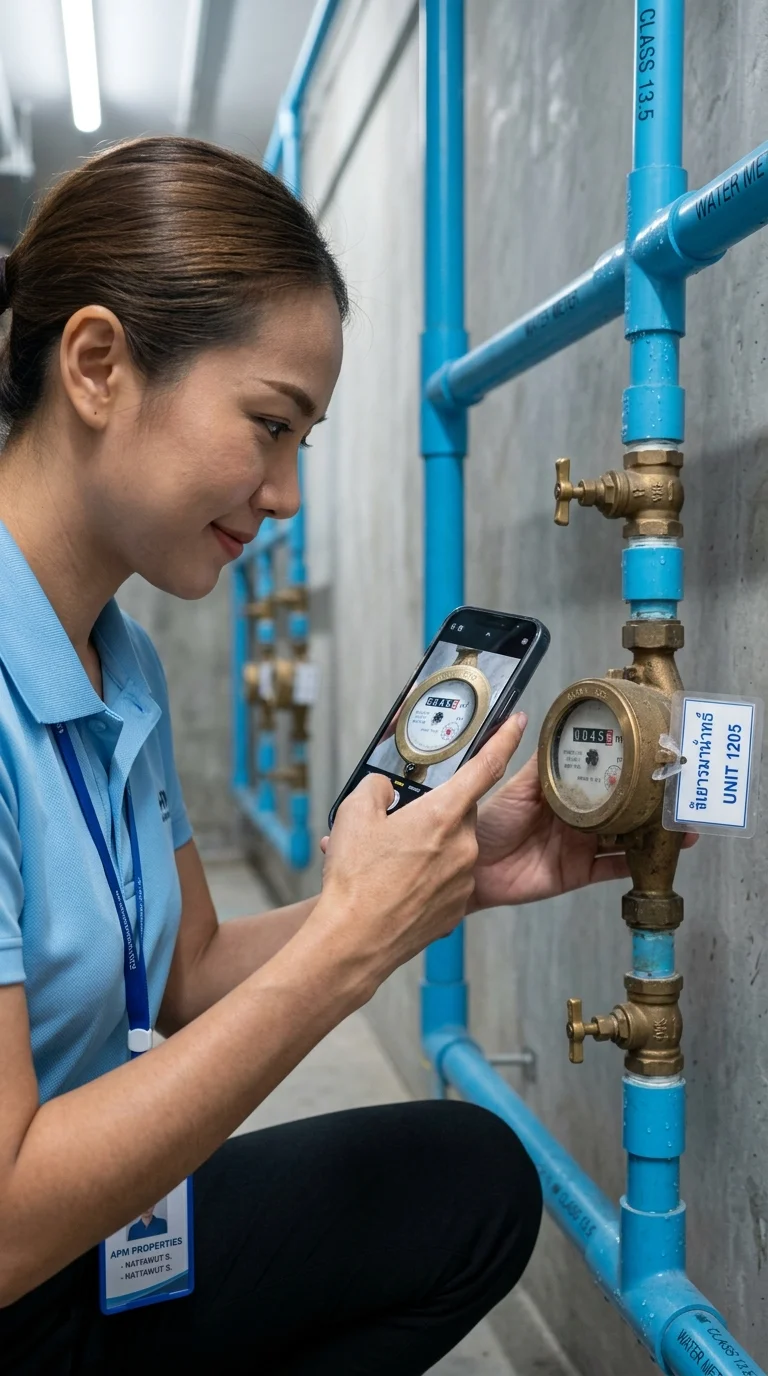
Demand quarterly video inspections of your property. This visual evidence prevents agents from hiding severe wear and tear that could ultimately devalue your physical asset.
Keep utility bills registered in your name rather than the tenant's name. This ensures that the Provincial Electricity Authority (PEA) sends disconnection notices to your management company, preventing tenants from absconding with unpaid bills attached to the property.
Request copies of the tenant's passport and visa before approving a lease. You need to ensure they have the legal right to reside in Thailand long-term to minimise the risk of sudden abandonment.
Set up a dedicated Thai bank account specifically for your property income. Keeping rental deposits and maintenance funds separate from your personal finances drastically simplifies your annual tax reporting to the Thai Revenue Department.
Verify the management company's registered capital with the Department of Business Development. A company with minimal registered capital will not have the assets to compensate you if they are successfully sued for gross negligence.
Include a clear termination clause in your management agreement. You must have the legal right to dismiss underperforming agents with 30 days' notice without incurring prohibitive financial penalties.
Require three quotes for any major repair work exceeding 10,000 THB (£220). This financial control prevents your agent from exclusively using overpriced contractors who provide them with hidden kickbacks.
Quick Reference Table
| Item | Detail | Notes |
|---|---|---|
| Finding Commission | 1 month's rent | Standard rate for a 12-month contract |
| Ongoing Fee | 8% to 12% | Deducted from gross monthly rental income |
| Emergency Repair Limit | 5,000 THB (£110) | Recommended cap before requiring owner approval |
| Security Deposit | 2 months' rent | Legally capped at 2 months for residential leases |
| Rental Tax | 15% Withholding | Applicable to foreign non-resident landlords |
| TM30 Reporting | Required within 24 hours | Agent must file this with Thai Immigration |
| Common Area Fee | 40 - 80 THB / sqm | Landlord remains responsible for this juristic fee |
| Required Contract | Bilingual Agreement | Must explicitly list all managed duties and fees |