Thai Etiquette
Stepping on a dropped 10-baht coin to stop it rolling away will provoke immediate outrage from surrounding locals. The head is sacred and the feet are considered spiritually unclean, meaning every physical movement you make carries profound social weight.
This guide decodes the complex social rules governing daily life in Thailand, helping you navigate everything from strict temple dress codes to communal street food dining. You will quickly learn how to properly execute the wai greeting. We also cover why losing your temper in public is deeply counterproductive, alongside the severe legal realities surrounding the Thai monarchy. Mastering these fundamentals prevents awkward misunderstandings and earns immediate respect from locals during your stay.
The Wai and Social Hierarchy
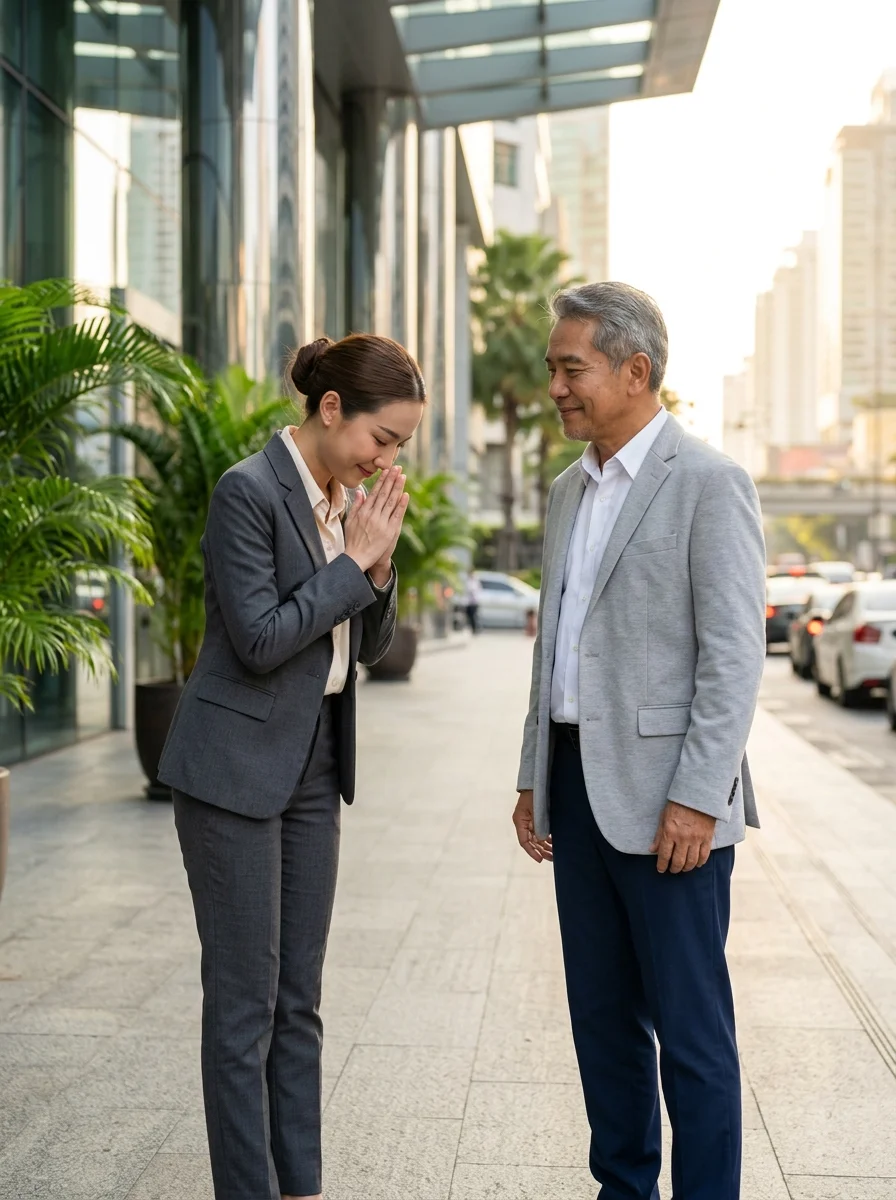
The wai is far more than a simple greeting; it is a physical acknowledgement of social status, respect, and age. You will see the wai everywhere, from hotel receptions to street food stalls. However, as a foreign visitor, you are not expected to initiate it in every interaction. Returning a wai to a service worker, like a cashier at a Bangkok 7-Eleven or a barista at Casa Lapin, actually disrupts the social hierarchy. Instead, a warm smile and a polite nod of the head are perfectly sufficient. When you do wai someone older or of higher status, press your palms together like a prayer gesture. Raise your hands so your thumbs touch your chin and your index fingers touch the tip of your nose, then bow your head slightly. Do not maintain eye contact while bowing. If you are meeting a highly respected figure, the hands go higher, with thumbs touching the nose. Never wai a child. If they wai you, simply smile and nod in return. Reserve your wai for formal introductions, older individuals, or to show genuine gratitude, rather than treating it as a blanket replacement for a handshake.
Master shopping in Thailand. Discover the best Bangkok mega-malls, find genuine bargains, avoid tailor scams, and learn how to claim your tourist VAT refund.
Saving Face and the Thai Smile
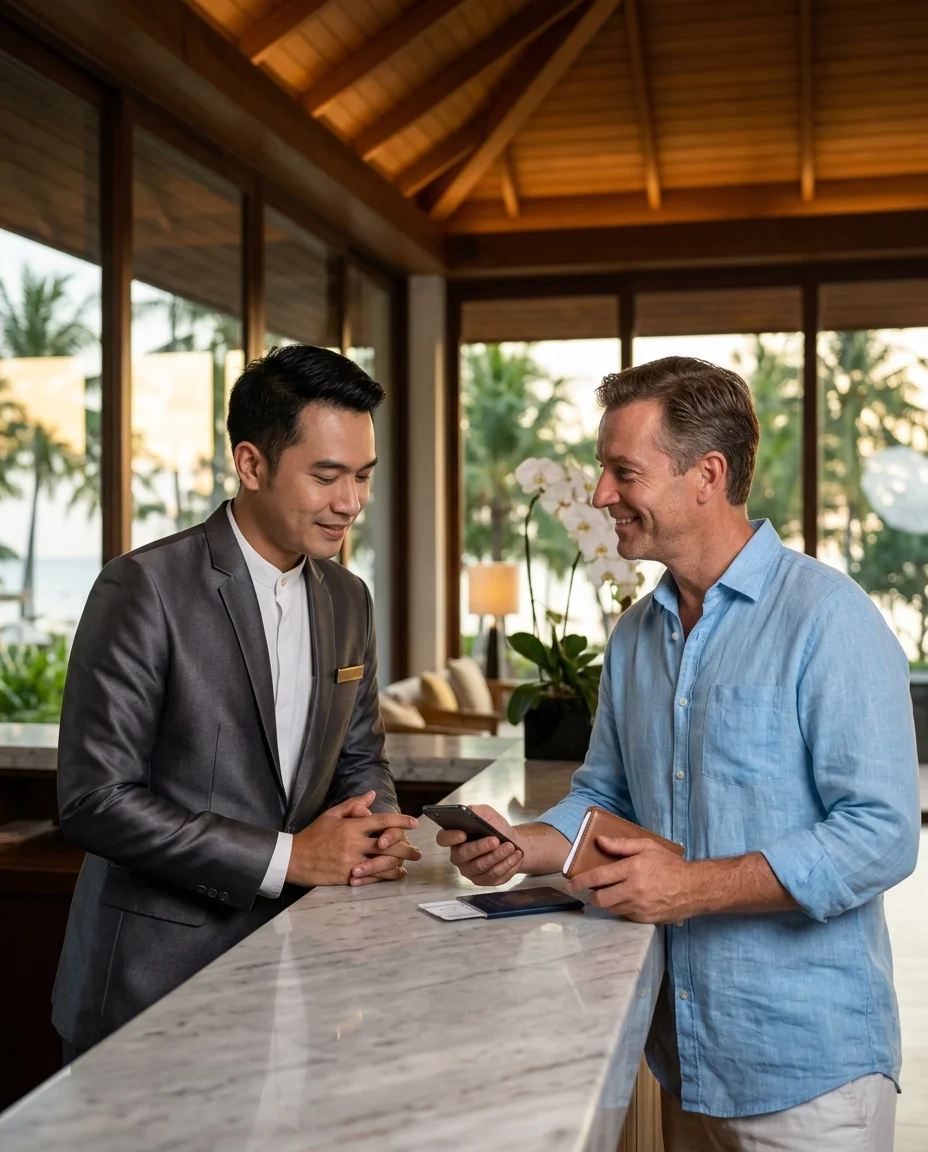
Preserving public dignity dictates almost every social interaction in Thailand, making overt displays of anger the fastest way to lose respect. The concept of 'jai yen' (cooling the heart) is central to everyday Thai behaviour. If you find yourself in a dispute over a 500 THB (£11) taxi fare or a delayed order at a restaurant in Chiang Mai, raising your voice will immediately backfire. The person you are confronting will likely smile. This is not a western smile of happiness or mockery; it is a defensive mechanism deployed to diffuse tension and cover embarrassment. Pushing harder forces the Thai person to lose face, which can lead to them simply walking away or reacting with sudden hostility. Instead, state your issue quietly. Offer a compromise that allows the other person to fix the problem without admitting fault. If a waiter brings the wrong dish, point to the menu, smile, and gently explain the mix-up. Approach every frustration with a calm demeanour and a quiet voice to resolve issues effectively without forcing anyone into a humiliating public corner.
| Smile Type (Yim) | Cultural Meaning | Appropriate Response |
|---|---|---|
| Yim thak thaai | Polite greeting smile for strangers | Return a gentle smile and a nod |
| Yim su | Smiling in the face of adversity or stress | Remain calm, lower your voice |
| Yim mai awk | An awkward smile to conceal negative emotion | Drop the confrontational subject immediately |
| Yim cheun chom | An authentic smile of admiration or joy | Return the positive energy openly |
The Monarchy and Lèse-Majesté Laws
[IMAGE: A large, ornate golden portrait of the Thai King erected on a busy Bangkok street corner, with pedestrians walking respectfully past beneath the elevated BTS Skytrain tracks.]
The Thai royal family commands absolute reverence across the country, protected by some of the strictest defamation laws on earth. Under Section 112 of the Thai Criminal Code, insulting, defaming, or threatening the King, Queen, Heir-apparent, or Regent carries a prison sentence of up to 15 years per offence. This is not merely a theoretical statute. It is actively enforced against both Thai nationals and foreign visitors. Do not make jokes, sarcastic comments, or engage in political debates regarding the monarchy, either in public spaces or online while using Thai Wi-Fi networks. This respect extends to physical representations of the royal family. Because Thai Baht banknotes and coins bear the image of the King, you must never step on them to stop them blowing away. Furthermore, the royal anthem plays twice daily at 8:00 am and 6:00 pm in parks and transport hubs, as well as before films at cinemas like SF Cinema City at MBK Centre (tickets around 250 THB / £5.50). Stand immediately and remain quiet until the music stops. Treat all conversations, images, and symbols related to the Thai monarchy with silent, unwavering respect to avoid severe legal consequences.
Temple Dress Codes and Monks
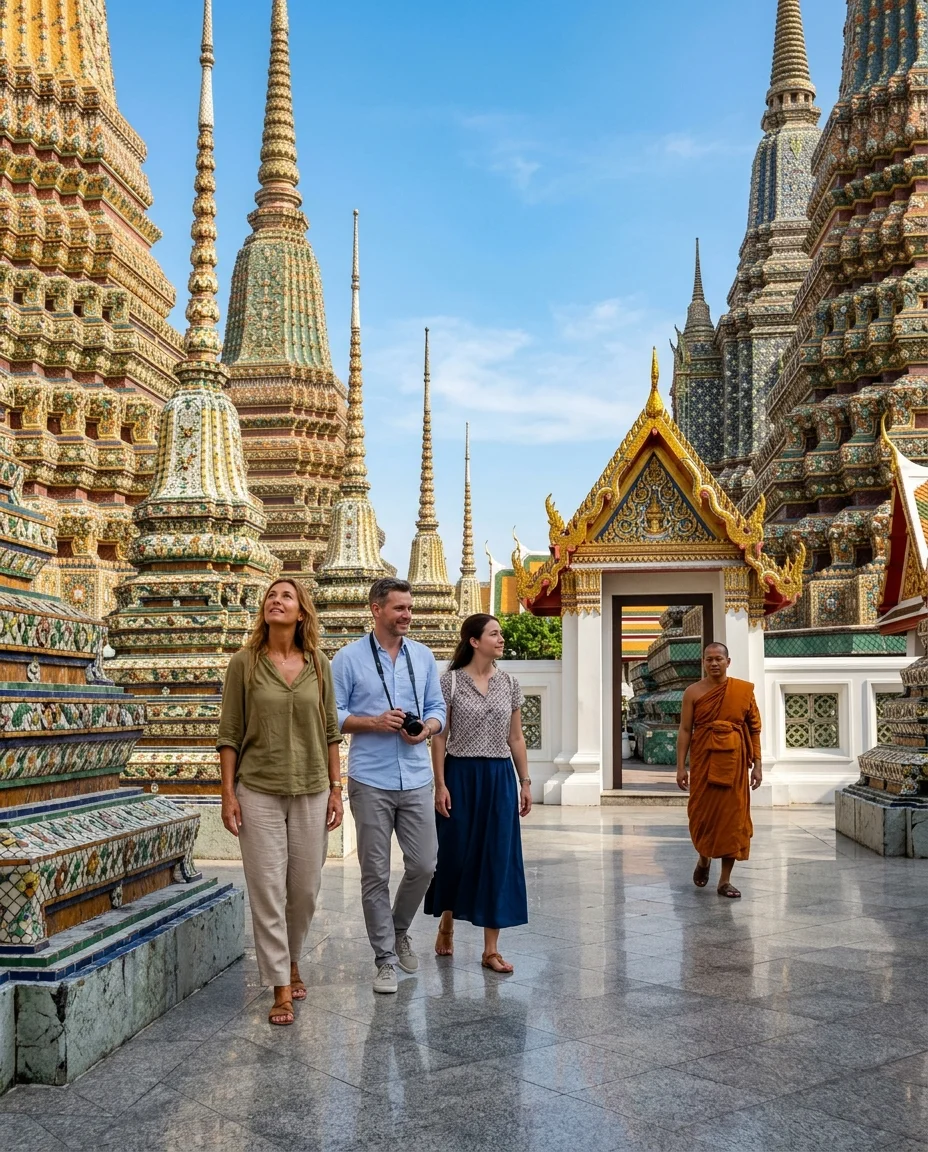
Entering a Buddhist space requires strict adherence to modesty rules and highly specific physical protocols regarding monks. Whether you are visiting the Grand Palace in Bangkok (500 THB / £11 entry) or a small provincial shrine, your shoulders and knees must be covered. Elephant trousers bought from a street vendor for 150 THB (£3.30) are perfectly acceptable. However, tying a pashmina loosely over a vest top will often get you turned away by temple guards. Shoes must always be removed before crossing the threshold into any building housing a Buddha image. Step over the raised wooden threshold, never directly on it, as guardian spirits are believed to reside there. When inside, sit with your feet tucked behind you. Pointing your toes at a Buddha statue or a monk is deeply offensive. Monks are highly revered figures in Thai society. Women must never touch a monk or hand anything directly to them. If a woman needs to offer a donation, she must place it on a piece of saffron cloth laid down by the monk, or hand it to a male intermediary. Carry a pair of lightweight trousers and slip-on shoes in your day bag whenever you plan to explore religious sites.
Dining Etiquette and Communal Eating
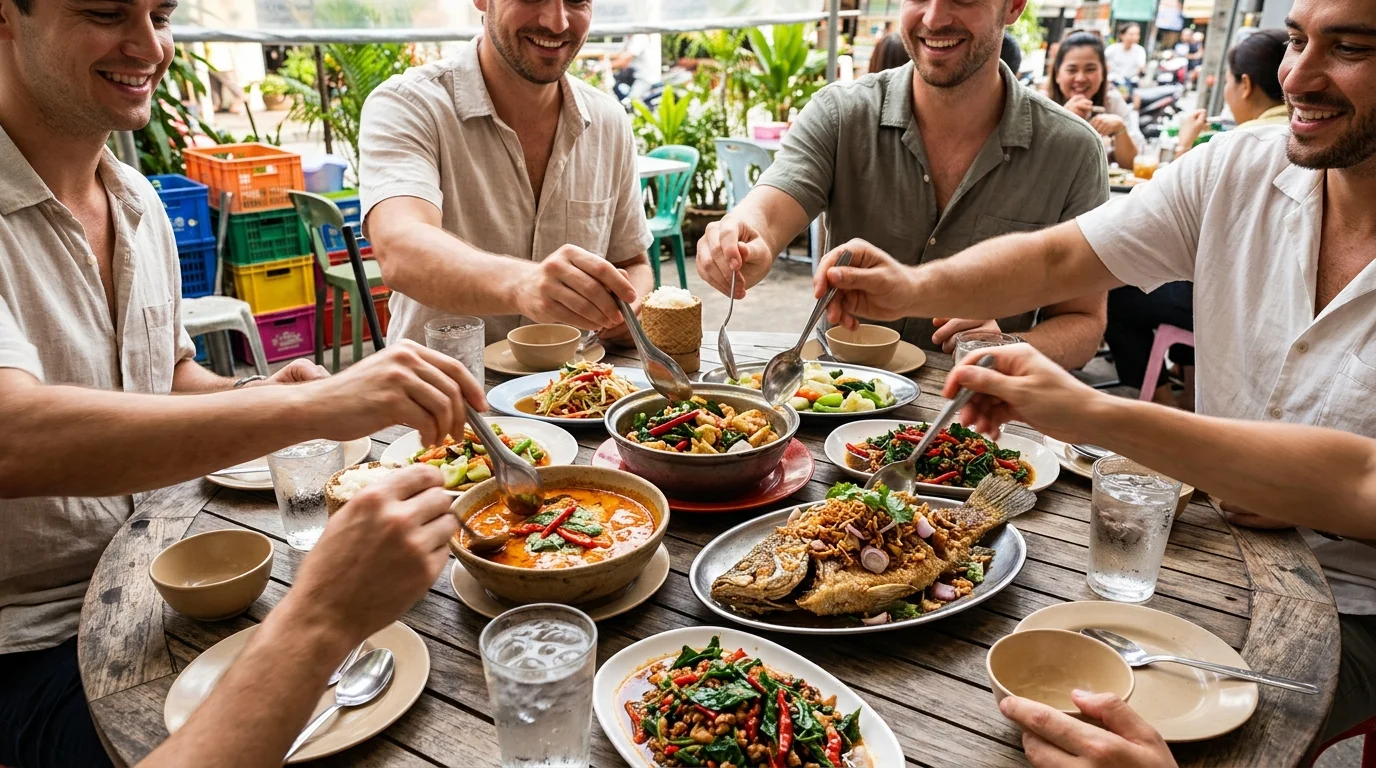
Thai dining is inherently a shared experience where ordering individual, separate portions fundamentally misunderstands the local food culture. When eating at a local spot like Jay Fai or a neighbourhood street food market, dishes arrive as soon as they are cooked. You will be given a plate of plain jasmine rice. Use the communal serving spoons to take just one or two spoonfuls of a shared dish at a time, placing it onto your rice. Taking large heaps of meat or curry all at once appears exceptionally greedy. Thais eat with a spoon in the right hand and a fork in the left. The fork is never put into the mouth. It is only used to push food onto the spoon. Chopsticks are strictly reserved for noodle dishes like pad thai or noodle soups. In the northern Isaan region, sticky rice is eaten using the right hand, rolling it into a small ball to dip into salads and meats. Leaving a small amount of food on your plate signals that you are full. Embrace the communal nature of Thai meals by ordering a balanced variety of spicy, sweet, and sour dishes for the whole table to share.
| Dining Tool | Correct Usage | Inappropriate Usage |
|---|---|---|
| Spoon (Right Hand) | Primary eating utensil for rice and curries | Never leave in the communal dish |
| Fork (Left Hand) | Pushing food onto the spoon | Never put directly into the mouth |
| Chopsticks | Eating noodle soups or standalone noodle dishes | Never use for rice dishes |
| Right Hand (Fingers) | Rolling and eating sticky rice | Never use the left hand for eating |
Body Language, Heads, and Feet
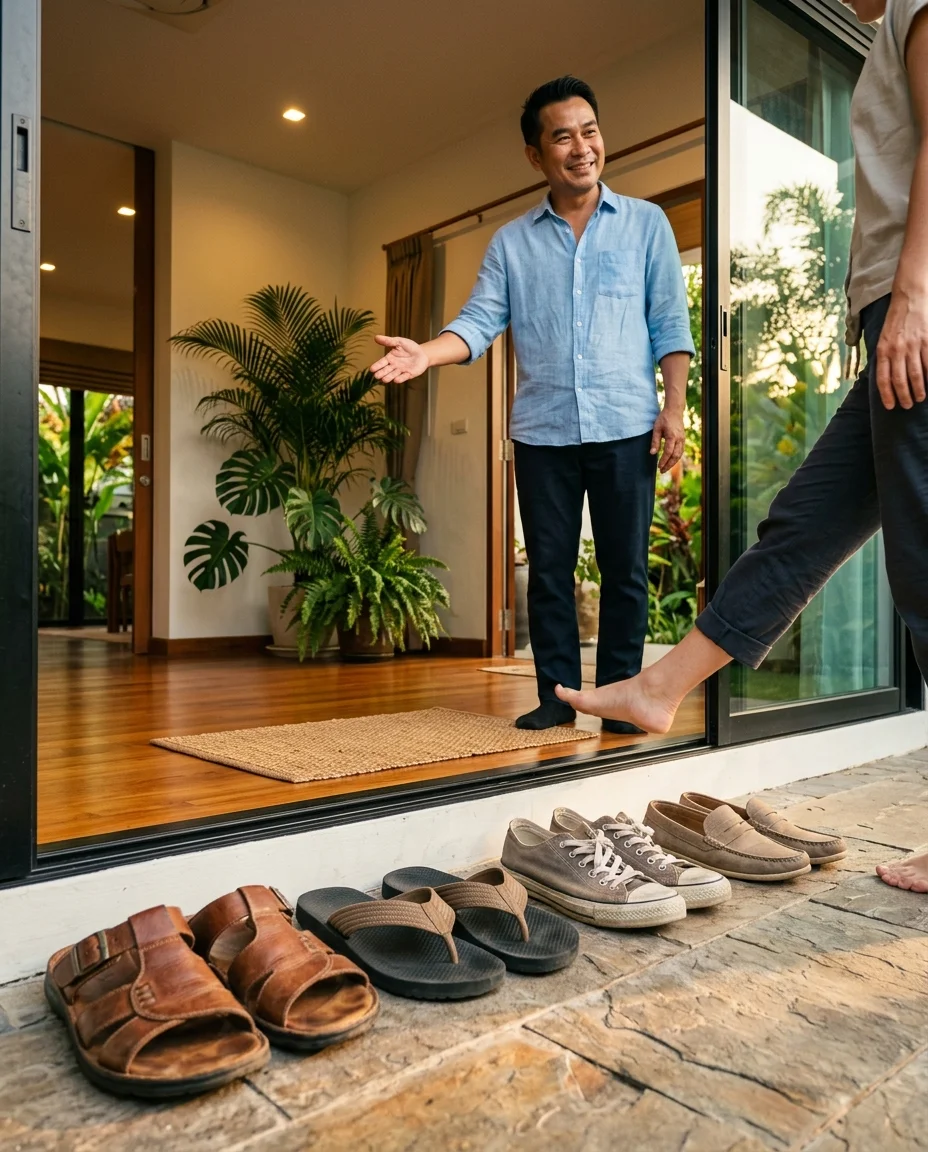
Thai culture physically maps spiritual purity from the sacred head down to the culturally unclean feet. The head is considered the most spiritually elevated part of the body. You must never touch a Thai person on the head, nor should you playfully ruffle a child's hair. Conversely, the feet are the lowest and dirtiest part. Pointing your foot at a person, a religious object, or even a door to push it open is considered exceptionally rude. When sitting on the floor, always tuck your legs underneath or beside you. This spatial awareness extends to footwear. Removing your shoes before entering a Thai home is non-negotiable. You will also need to remove them before entering certain shops, massage parlours, and clinic waiting rooms. If you see a pile of shoes outside a doorway, add yours to the collection before stepping inside. Wearing clean, hole-free socks is advisable if you prefer not to walk barefoot. Instead of pointing with your index finger, which is considered aggressive, locals often indicate direction by lifting their chin or gesturing with an open palm. Always look down at the doorway for a pile of shoes before entering any building, and stay acutely aware of where your feet are pointing when seated.
Experiencing Authentic Thai Culture First-Hand
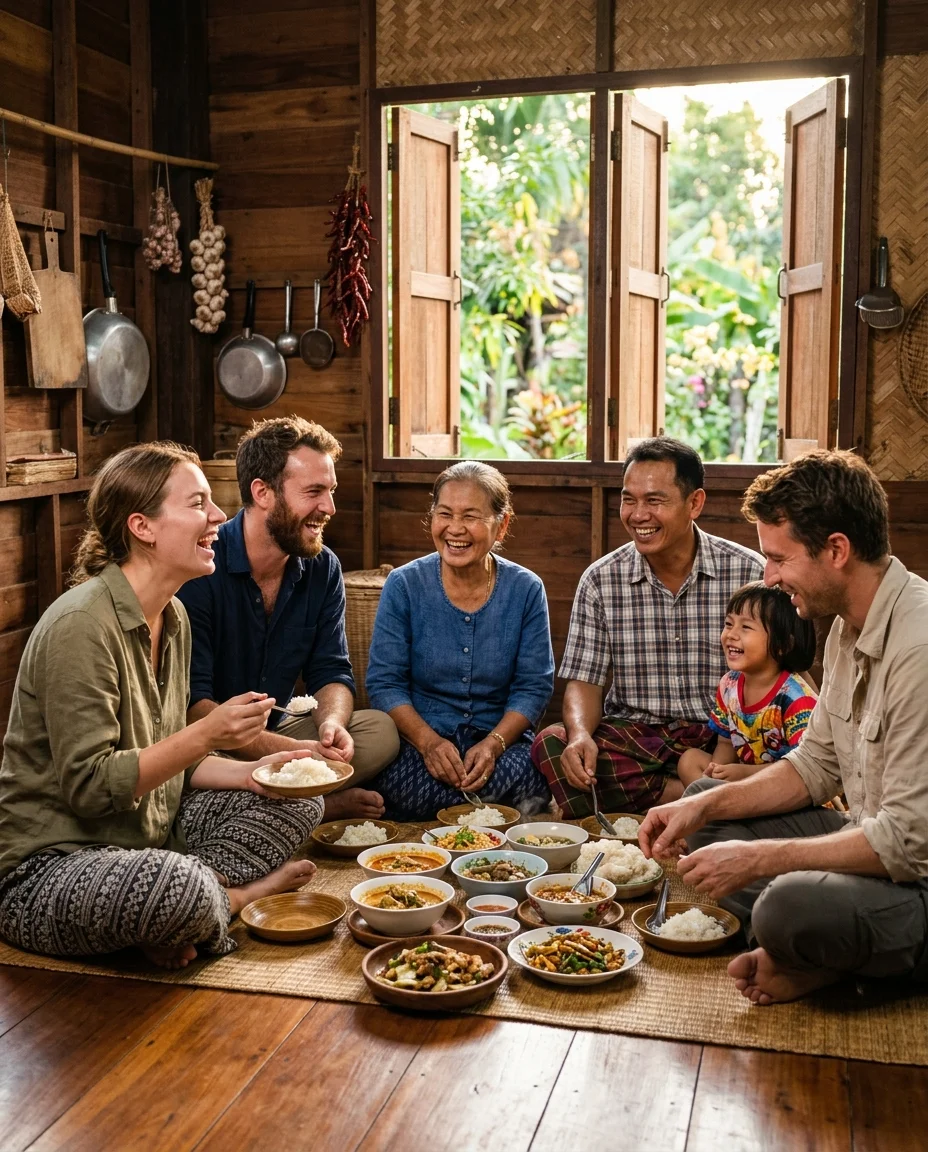
The best way to practice Thai etiquette is through structured cultural experiences where locals are happy to guide you. In Chiang Mai, booking a full-day cooking course at a farm like Thai Akha Kitchen immerses you in communal dining etiquette and market behaviour. For deeper integration, consider a rural homestay in the Isaan region, such as those organised in the villages around Udon Thani. Here, you will experience the daily realities of removing shoes, sharing floor-seated meals, and navigating village hierarchy without the buffer of a tourist resort. If you are staying in Bangkok, attending a Vipassana meditation retreat at Wat Mahathat provides an intense, highly disciplined environment to learn temple protocols. For absolute beginners, hiring a private local guide for a day trip to Ayutthaya offers a safe space to ask detailed questions about the wai, royal history, and social norms. Start with a guided food tour in Bangkok to master communal dining and street vendor etiquette in a relaxed, highly social setting.
Expected Costs for Cultural Tours
Learning Thai etiquette often happens naturally, but booking specific cultural experiences will accelerate your understanding. Budget travellers can learn basic temple protocols by taking free or donation-based meditation classes in Bangkok or Chiang Mai. Mid-range budgets open up immersive cooking classes and guided walking tours. These provide a controlled environment to practice dining and social etiquette under the guidance of a bilingual local. Premium budgets allow for private, multi-day homestays or hiring a dedicated cultural guide. A private guide will navigate complex interactions, translate nuances, and ensure you observe all protocols correctly throughout your trip.
| Option | Cost (THB) | Cost (GBP approx) | Notes |
|---|---|---|---|
| Basic Temple Meditation Class | 100 - 300 | £2 - £7 | Often donation-based; covers basic modesty and monk interaction. |
| Group Thai Cooking Class | 1,000 - 1,500 | £22 - £33 | Excellent for learning communal dining and market etiquette. |
| Private Local Guide (Full Day) | 3,000 - 4,500 | £65 - £100 | Personalised coaching on social norms, the wai, and saving face. |
| Premium Rural Homestay (2 Nights) | 5,000 - 8,000 | £110 - £175 | Deep immersion into village hierarchy and domestic rules. |
Essential Preparation for Thai Social Norms
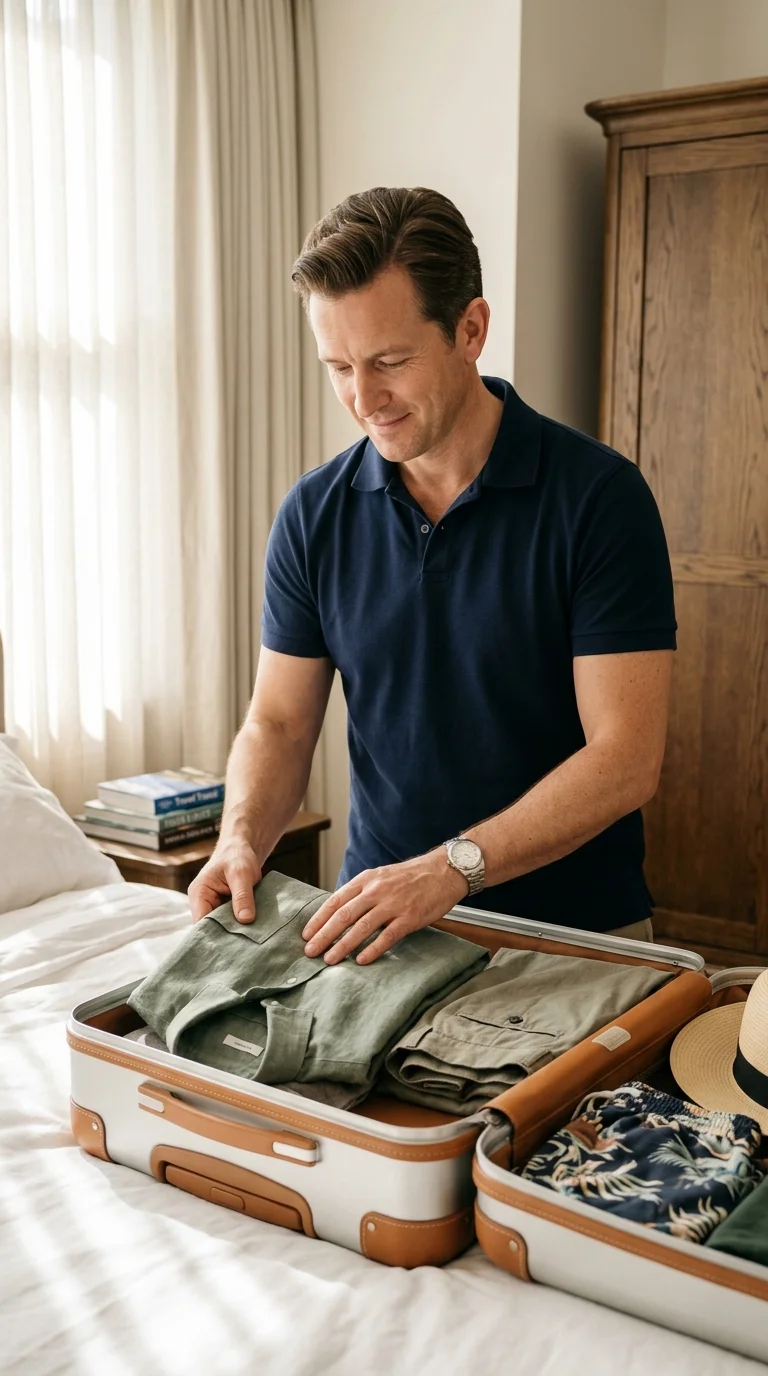
Pack clothing that covers your knees and shoulders. You will frequently encounter unexpected temples or royal sites where strict dress codes are enforced, and carrying appropriate layers prevents you from being denied entry.
Slip-on shoes are far more practical than lace-up boots. You will be taking your footwear off multiple times a day to enter homes, temples, and small businesses.
Download a translation app with a reliable audio function. Misunderstandings often trigger the defensive Thai smile, and having a tool to clearly communicate your needs helps both parties save face.
Carry small denominations of Thai Baht. Handing a 1,000 THB note to a street vendor for a 50 THB item causes them embarrassment if they lack change, which creates immediate social friction.
Practical Tips
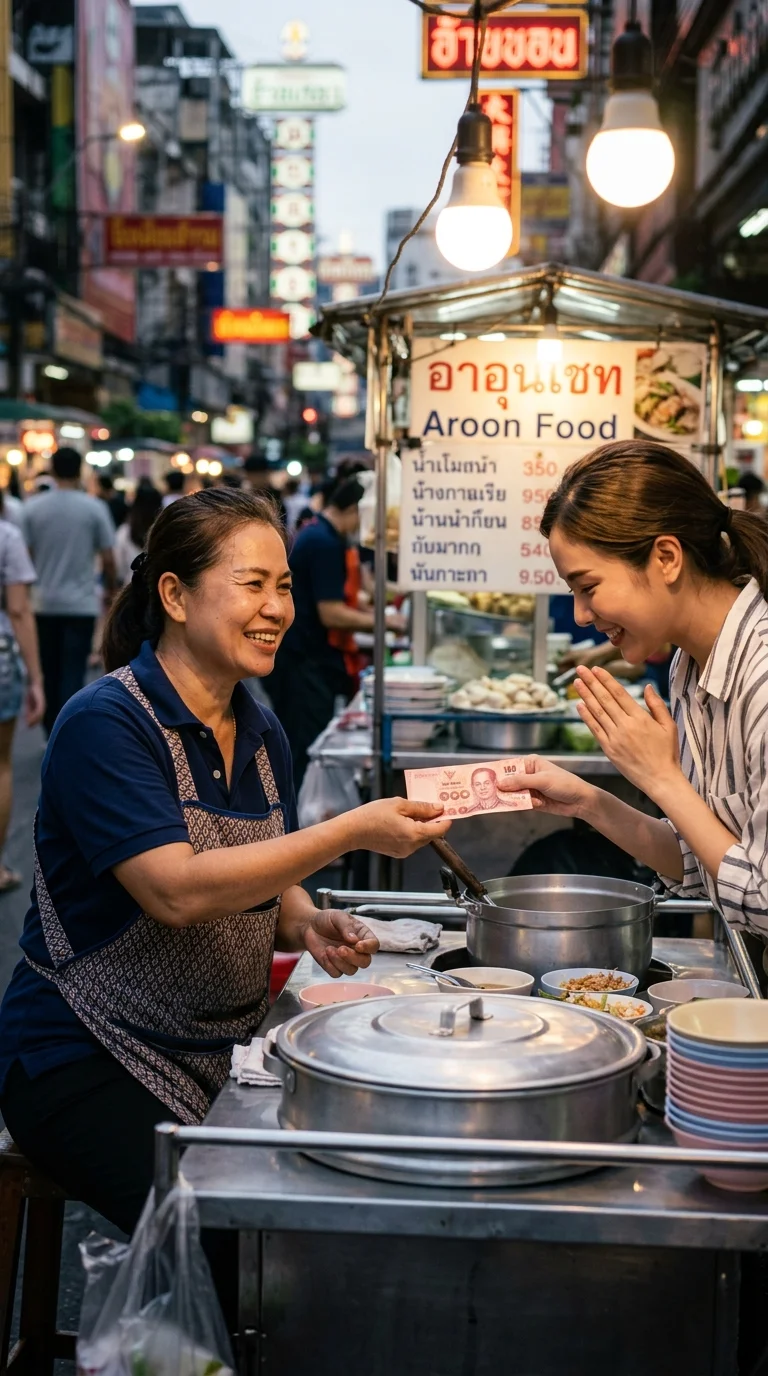
Pass items using your right hand rather than your left. The left hand is traditionally associated with toilet duties and is considered culturally unclean.
Lower your head slightly when walking between two people conversing. This physical lowering of your stature shows respect and acknowledges you are interrupting their space.
Do not step over someone's legs if they are sitting on the floor. Ask them to move or find a way around, as passing your feet over any part of their body is highly offensive.
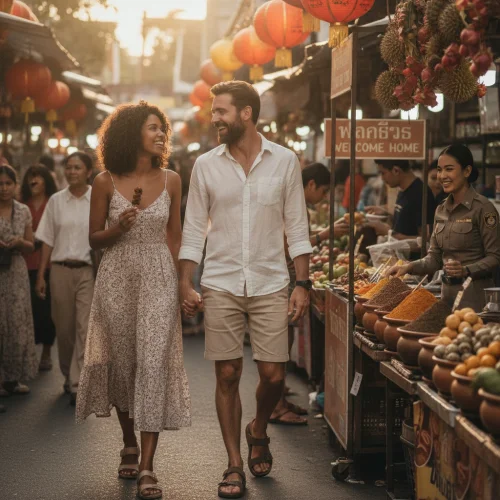
Keep public displays of affection to a minimum. Holding hands is acceptable in modern areas, but kissing or heavy physical contact in public makes locals deeply uncomfortable.
Address older locals as 'Pi' (older sibling) followed by their name if you know it. This establishes a polite hierarchy and shows you understand basic Thai social structures.
Avoid blowing your nose loudly at the dinner table. If you eat a spicy curry and need to clear your nose, excuse yourself to the bathroom.
Never write a Thai person's name in red ink. Red is traditionally used to write the names of the deceased on coffins, making this a severe social faux pas.
Thai Etiquette Quick Reference
| Item | Detail | Notes |
|---|---|---|
| The Wai | Press palms together at chest or face level | Do not wai children or service staff; a polite nod suffices. |
| Dress Codes | Shoulders and knees must be securely covered | Strictly enforced at all temples and royal sites. |
| The Head | Sacred and spiritually elevated | Never touch anyone on the head, including children. |
| The Feet | Culturally unclean and the lowest point | Never point feet at people, monks, or Buddha images. |
| Monks | Highly revered religious figures | Women must never touch a monk or hand items directly. |
| Monarchy | Protected by strict lèse-majesté laws | Never insult, joke about, or defame the royal family. |
| Dining | Food is always shared communally | Eat with spoon in right hand, fork in left. |
| Conflict | Maintain 'jai yen' (a cool heart) | Shouting or losing your temper causes immediate loss of face. |