Social Life for Retiress in Thailand
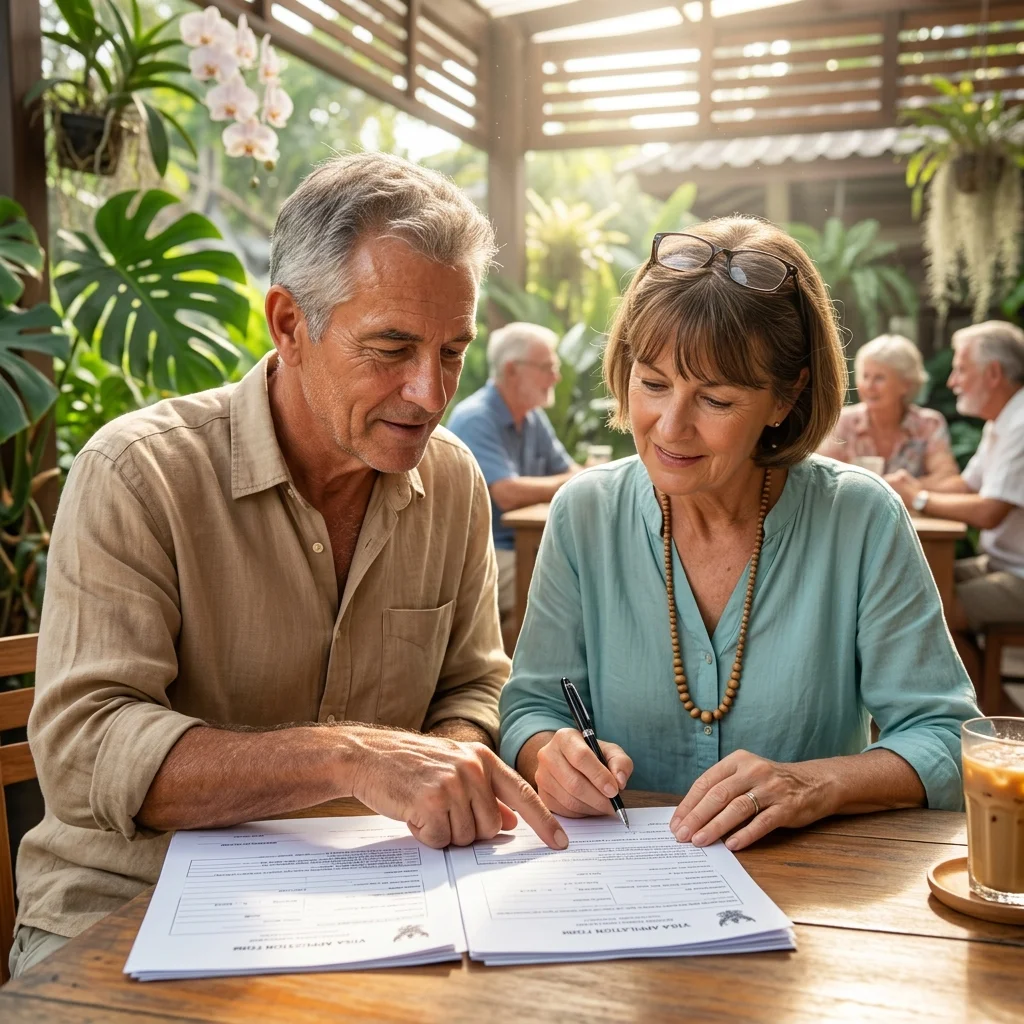
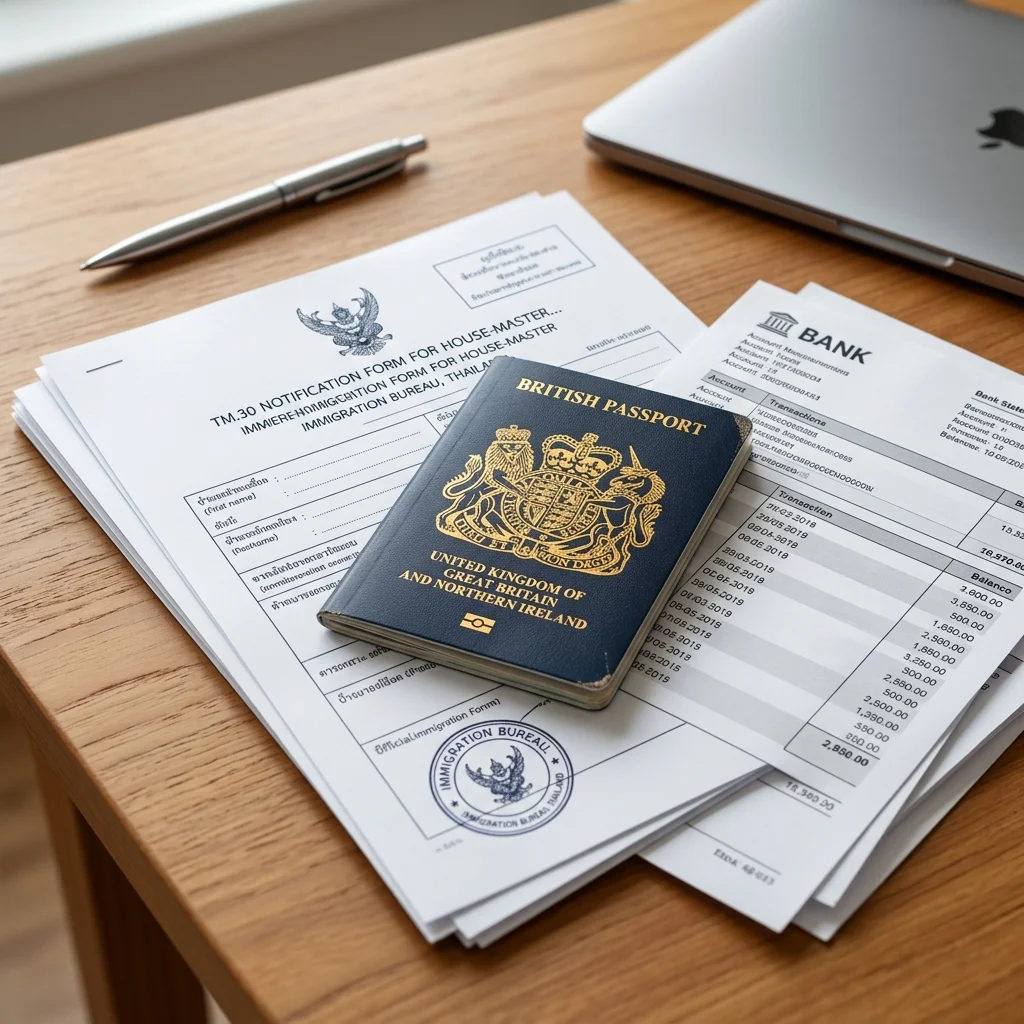
Over 50,000 UK nationals currently draw their State Pension in Thailand, making it one of the most heavily populated British retirement destinations outside Europe. Arriving on a Non-Immigrant O-A or O visa provides the legal right to stay, but building a functional social circle requires active, deliberate effort from your very first week.
This guide details exactly how to build a social network as a UK retiree in Thailand. You will learn where the established British communities are concentrated, how to access specific clubs and societies, and the genuine risks of isolation for those relocating alone. This page is for those actively planning their retirement move and needing practical strategies for integration. It is not for younger digital workers or short-term holidaymakers seeking nightlife.

Retirement Visas and Choosing Your Community
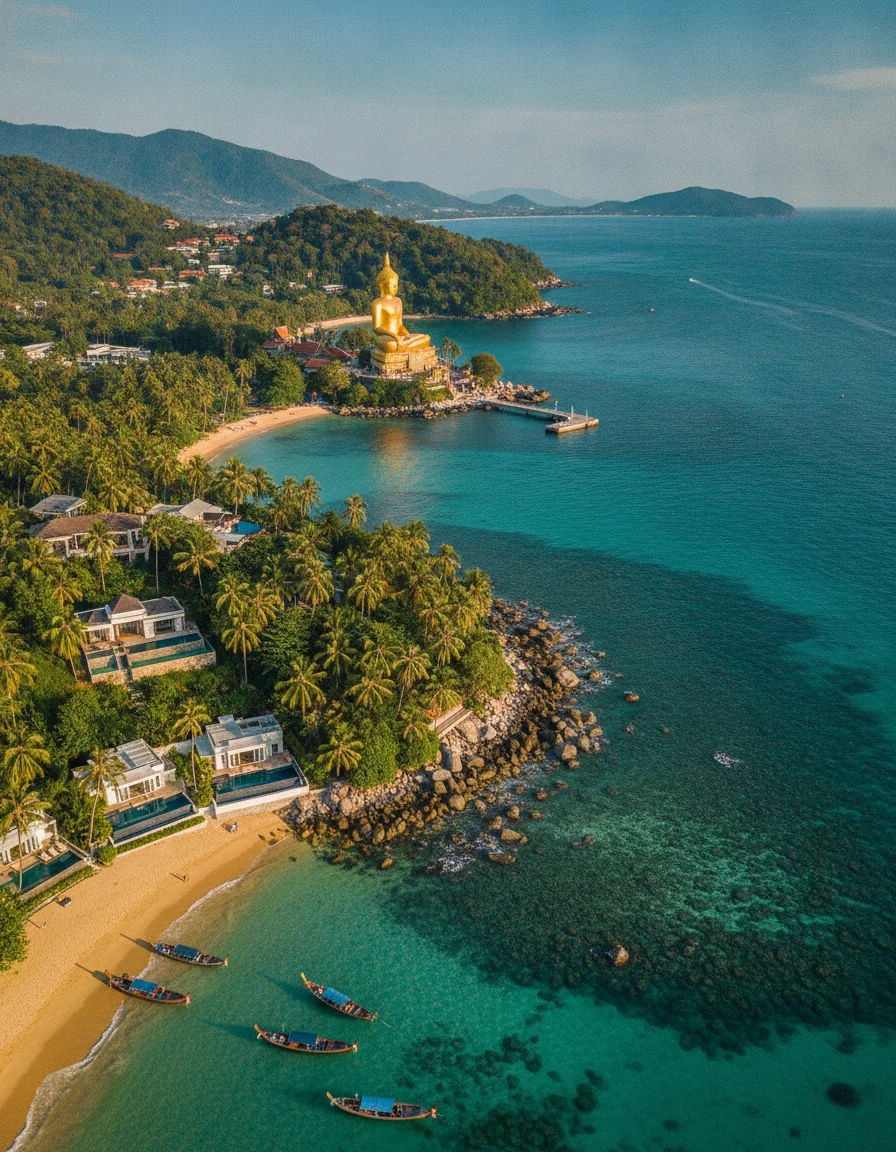
The location you choose for your Non-Immigrant O or O-A retirement visa dictates your daily social environment and which local immigration office you must visit for your 90-day reporting. UK retirees heavily concentrate in five distinct areas, each offering a completely different social dynamic. Chiang Mai attracts those focused on cultural activities, cycling, and cafe society. However, the annual burning season from February to April forces many residents to relocate temporarily, disrupting social routines. Hua Hin functions as a traditional, quieter destination favoured by married couples and serious golfers. Pattaya holds the largest concentration of single male retirees. It offers intense evening entertainment, but also an extensive network of organised daytime sports leagues and social clubs. Phuket provides a premium coastal lifestyle with high-end dining and yachting circles, though it requires a significantly higher monthly budget. Bangkok appeals to urbanites who want sophisticated dining, international arts, and excellent public transport. Selecting the right base immediately narrows down your potential friend group. Furthermore, your local immigration office often acts as an unexpected social hub, where expatriates frequently exchange advice and local news while waiting to process their annual visa extensions. Choose a location that aligns with your actual daily habits rather than holiday memories.
Discover the realistic cost of living in Thailand for UK expats. Learn exact budget tiers, visa eligibility fees, and setup costs to plan your relocation.
| Destination | Primary Expat Demographic | Key Social Focus |
|---|---|---|
| Chiang Mai | Active retirees, culturally focused | Cycling, cafes, arts, hiking |
| Hua Hin | Married couples, golfers | Golf clubs, quiet dining, resorts |
| Pattaya | Single males, budget-conscious | Sports leagues, pubs, nightlife |
| Phuket | High-income retirees | Yachting, beach clubs, premium dining |
| Bangkok | Urbanites, highly mobile | International events, high-end dining, arts |
The Financial Cost of a Social Life
Sponsored
Maintaining a familiar British social life in Thailand requires a specific financial allocation beyond your mandatory 800,000 THB (approximately £17,700) retirement visa bank balance. Imported comforts carry heavy taxes. A pint of imported British ale or cider in an expatriate pub costs between 250 THB and 350 THB (£5.50 to £7.70). Conversely, local beers like Chang or Singha cost around 80 THB to 120 THB (£1.70 to £2.60). Golfing serves as a primary social anchor for many UK retirees. An 18-hole round at a mid-tier course in Hua Hin or Pattaya, including green fees, a mandatory caddie, and a buggy, averages 2,500 THB to 4,000 THB (£55 to £88). Joining formal associations also incurs annual fees. Local British Legion branches or expatriate networking groups generally charge between 1,000 THB and 3,000 THB (£22 to £66) per year. Dining at Western restaurants costs significantly more than eating local food, with a traditional Sunday roast priced around 450 THB to 600 THB (£10 to £13). Entertaining at home also increases your monthly overheads, as running air conditioning units while hosting guests will significantly inflate your electricity bill. You must budget realistically for these activities if you plan to socialise primarily within the Western expatriate bubble.
Choosing Accommodation for Social Integration
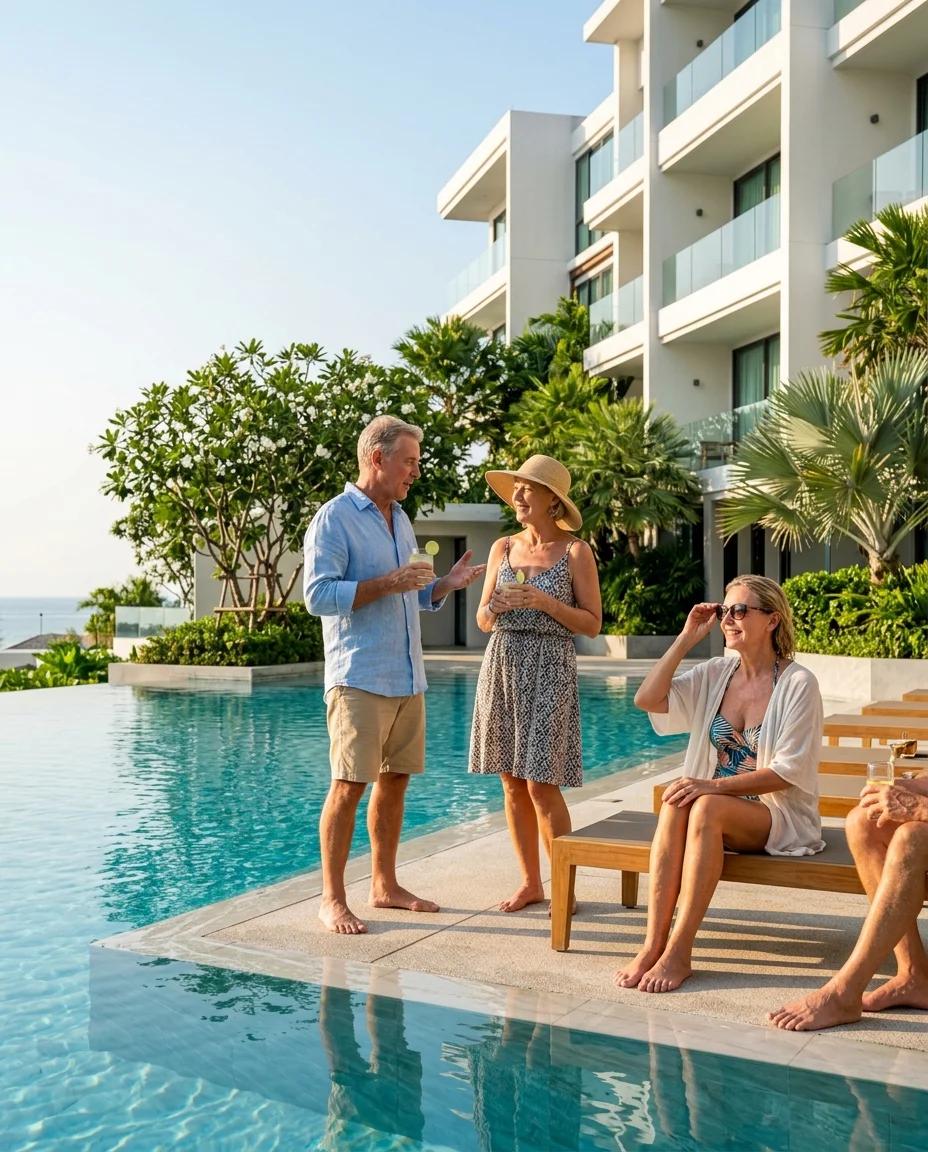
The physical type of property you rent directly impacts your ability to form immediate social connections. Leasing a unit in a large, modern apartment block provides built-in social infrastructure. These buildings feature communal swimming pools, gyms, and lobby areas where you will naturally encounter other foreign residents. Apartments often have physical noticeboards or digital Line groups where residents organise informal gatherings or share local advice. Standard leases run for twelve months, requiring a two-month security deposit and one month in advance. Conversely, renting a detached house in a Thai 'mooban' (gated housing estate) offers more space and privacy but introduces severe social isolation risks if you live alone. Suburban estates lack communal meeting points. Your neighbours will primarily be working Thai families with entirely different daily schedules. If you choose a rural location in Isan or a quiet province, you will be entirely dependent on personal transport to reach any English-speaking environment. This isolation becomes problematic if you fall ill or lose your ability to drive. Prioritise central, high-density expatriate postcodes for your first year while you build your initial social network from scratch.
Practical Setup: Clubs, Societies, and Routine
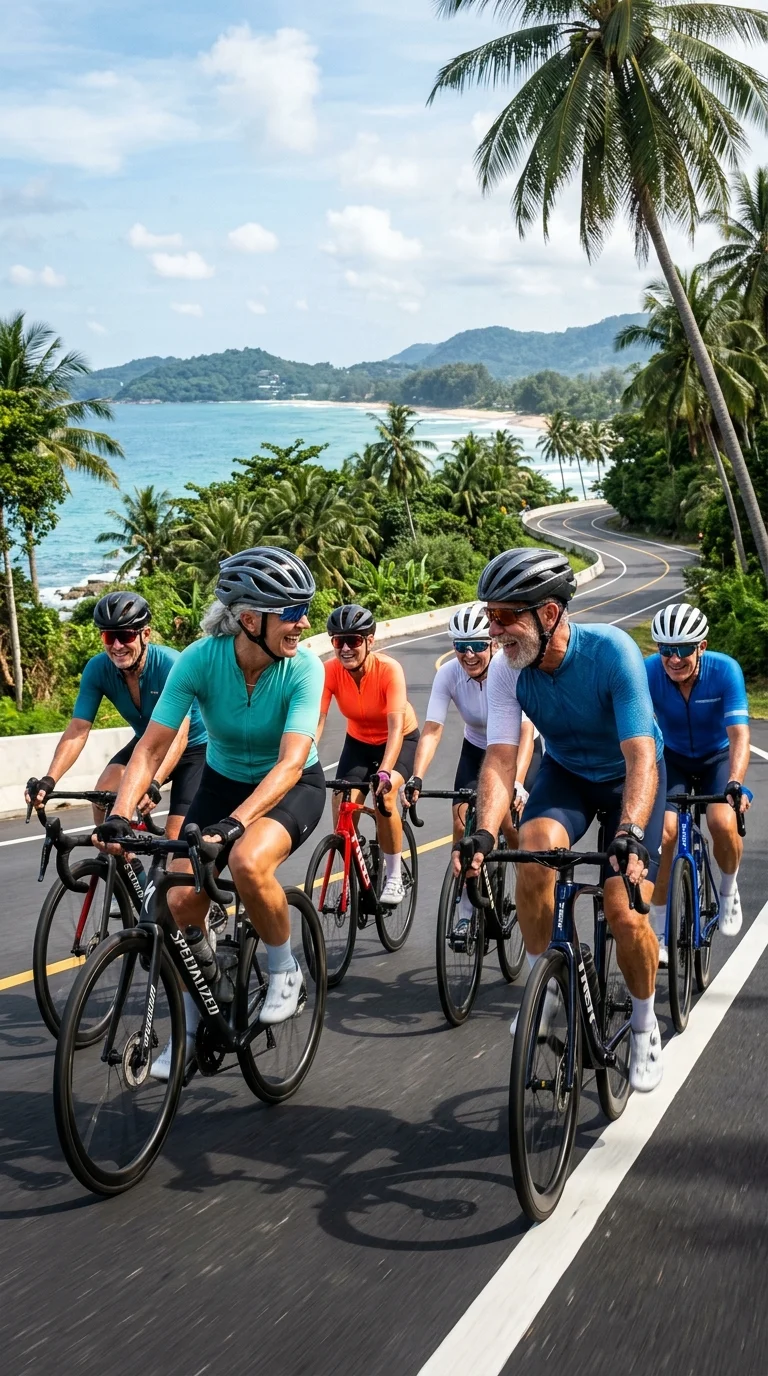
Establishing a routine through formal clubs and societies is the most reliable method for replacing the social network you left behind in the UK. The Royal British Legion operates highly active branches in Chonburi (Pattaya) and Chiang Mai, functioning as crucial welfare and social anchors. These branches organise weekly drop-in sessions, welfare visits to isolated members, and formal Remembrance events. For active retirees, the Hash House Harriers maintain chapters across the country. They combine cross-country running or walking with heavily social, beer-focused gatherings. Lawn bowls remains particularly popular in Pattaya, which hosts dedicated greens and competitive expatriate leagues. Cycling groups are prominent in Chiang Mai and Phuket, usually organising rides via Facebook or Line groups before convening at a local cafe. Paying for these activities requires local banking infrastructure. You will need to set up a Thai bank account, such as Kasikorn or Bangkok Bank, to utilise the PromptPay system, as physical cash is increasingly rejected for formal club dues. British pubs serve as informal community centres where retirees exchange information regarding visa rule changes, recommended tradespeople, and reliable healthcare providers. Joining established groups immediately inserts you into a pre-existing support network of experienced expatriates.
The Reality of Integration and Language Barriers
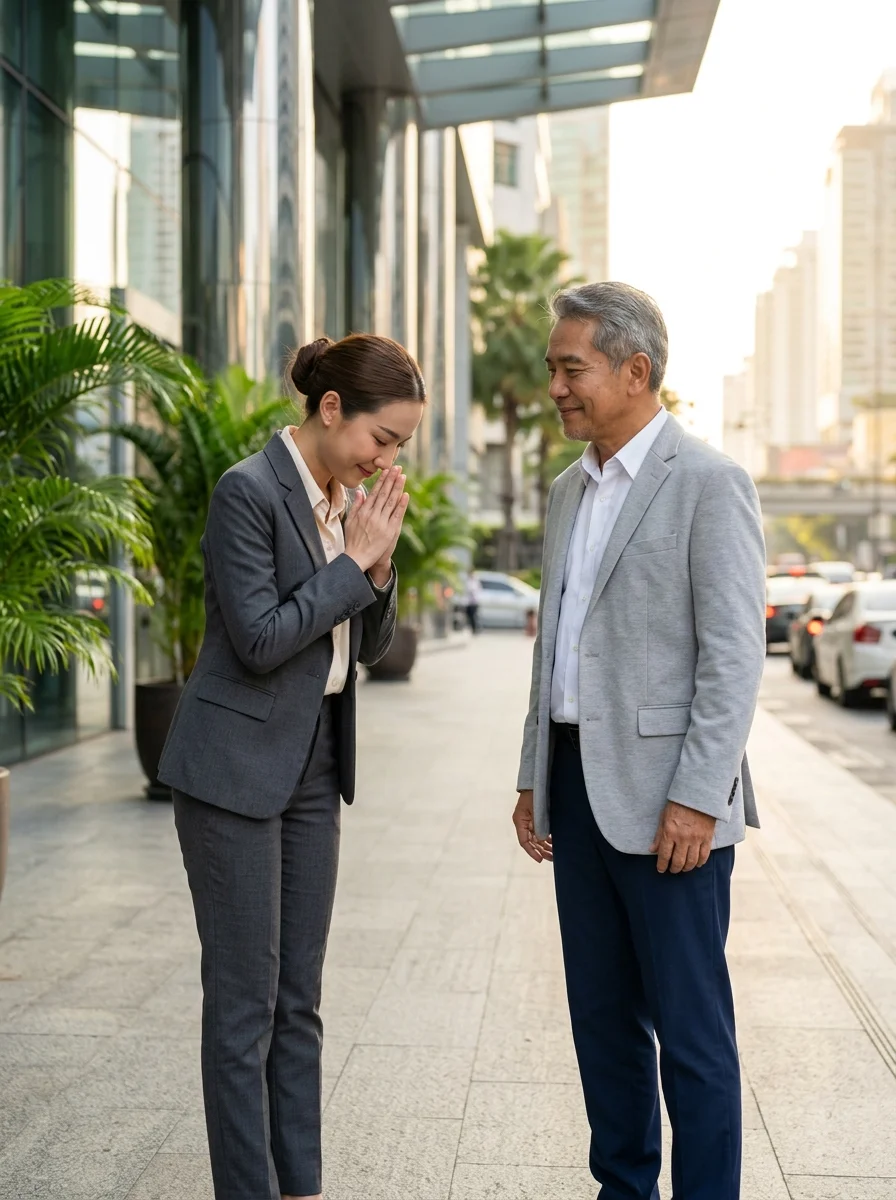
Forming deep, meaningful friendships with Thai nationals remains highly challenging for most UK retirees due to profound linguistic and cultural barriers. The vast majority of older British expatriates never achieve fluency in the Thai language. Consequently, social interactions with locals often remain strictly transactional. Your daily conversations may be limited to restaurant staff, taxi drivers, and shop owners. While Thai people are generally polite and welcoming, their deep social circles revolve around extended family and long-term school friends. The cultural concept of 'kreng-jai'—a desire to avoid imposing or causing discomfort—further complicates social dynamics, as Thai neighbours may keep their distance out of politeness. Without speaking the language, you will inevitably gravitate toward the expatriate bubble out of practical necessity. This bubble provides immediate comfort but can feel claustrophobic over time. The transient nature of expatriate life means friends frequently relocate or return to the UK due to health or financial issues. Taking formal Thai language classes at a local school provides a structured weekly activity. It also introduces you to other foreigners actively trying to integrate. Managing your expectations regarding local integration prevents frustration and helps you focus on building a solid expatriate support network.
Ageing, Mobility, and Managing Loneliness
Loneliness represents a severe and under-discussed risk for single UK retirees moving to Thailand alone. The initial excitement of tropical living eventually fades. This leaves you with empty days that require deliberate planning to fill. As you age, declining mobility fundamentally alters your ability to socialise. Navigating uneven Thai pavements or relying on aggressive local transport becomes physically exhausting. Many older expatriates eventually stop driving motorcycles or cars due to safety concerns. This drastically reduces their independence and shrinks their social radius. This loss of mobility often traps retirees in their immediate neighbourhood. Proximity to a local pub, cafe, or supermarket becomes critical for daily human contact. Furthermore, friends within your demographic will inevitably experience health crises, pass away, or return to the UK for state-funded medical care. Establishing clear emergency contacts and maintaining communication with the British Embassy for welfare purposes is essential. To counter these challenges, you must proactively build friendships across different age groups. Ensure your chosen location remains highly accessible even if your physical health deteriorates over time.
Costs and Budgeting
Your monthly social budget in Thailand depends entirely on how closely you wish to replicate a UK lifestyle. Relying on imported goods, Western dining, and heavily air-conditioned environments will rapidly deplete your pension. Conversely, adopting local habits significantly reduces your financial burden. Renting a one-bedroom apartment in an expatriate-heavy area like Pattaya or Chiang Mai costs between 15,000 THB and 25,000 THB monthly. Utilities, particularly electricity for air conditioning, add another 2,000 THB to 4,000 THB. Comprehensive international health insurance becomes exponentially more expensive as you age, often exceeding 10,000 THB per month for those over 70. You must also account for the annual costs of renewing your retirement visa and maintaining the required financial balances.
| Item | Monthly Cost (THB) | Monthly Cost (GBP approx) | Notes |
|---|---|---|---|
| Rent (1-bed apartment in expat area) | 15,000 - 25,000 | 330 - 550 | Includes access to communal pool/gym |
| Utilities (Electricity, Water, Internet) | 3,000 - 5,000 | 66 - 110 | Heavily dependent on air conditioning use |
| Groceries (Mix of local and imported) | 10,000 - 15,000 | 220 - 330 | Imported cheese, wine, and meat increase costs |
| Socialising (Pubs, Western dining, clubs) | 12,000 - 20,000 | 265 - 440 | Based on 3-4 outings per week |
| Healthcare (Insurance premium) | 8,000 - 15,000 | 175 - 330 | Varies drastically by age and coverage |
Common Mistakes and How to Avoid Them
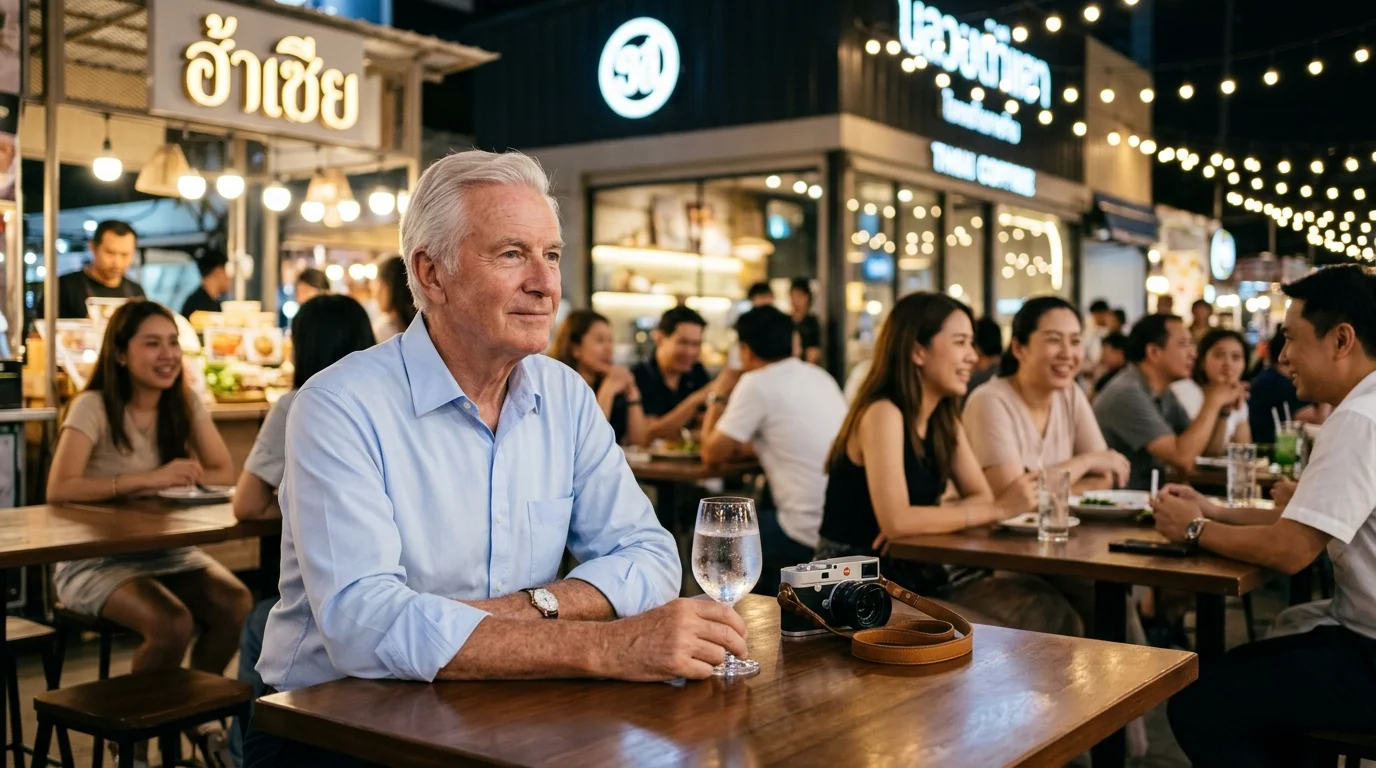
Relying entirely on bar culture for social interaction. Many single retirees use nightlife venues as their primary social outlet, which quickly leads to alcohol dependency and financial strain. You must join daytime clubs, sports leagues, or volunteer groups to build a sustainable and healthy routine.
Refusing to learn basic Thai phrases. Expecting everyone to speak English isolates you from your immediate neighbourhood and makes basic daily tasks highly stressful. Enrolling in a beginner language course provides you with essential vocabulary and introduces you to fellow expatriate learners.
Moving immediately to an isolated rural area. Renting a house in a remote village because it is cheap often results in severe loneliness and depression. Rent a central apartment in an established expatriate area for your first year to ensure easy access to English-speaking networks.
Underestimating the cost of imported socialising. Assuming Thailand is universally cheap leads retirees to overspend on imported beers, British food, and expensive golf memberships. Track your discretionary spending carefully during your first three months to establish a realistic long-term budget.
Practical Tips
Set up a Line account before you arrive. This messaging application is universally used in Thailand for everything from joining cycling groups to contacting your landlord.
Download the Meetup and Facebook applications. Expatriate communities in Thailand rely almost exclusively on these platforms to organise weekly lunches, book clubs, and walking groups.
Open a Thai bank account quickly. You will need access to the PromptPay QR code system to pay for club memberships, group dinners, and local transport easily.
Vary your daily routine. Visiting the exact same cafe or pub every day limits your exposure to new people and shrinks your worldview.
Carry your passport copy and emergency contacts. If you suffer a medical issue while socialising, your friends need immediate access to your insurance details and next of kin.
Attend your local immigration office early. The waiting areas for 90-day reporting are excellent places to strike up conversations with other long-term residents in your exact situation.
Volunteer your time. Animal rescue charities in places like Phuket and Chiang Mai are heavily run by expatriates and provide an excellent avenue for meeting compassionate people.
Quick Reference Table
| Item | Detail | Notes |
|---|---|---|
| Primary Visa Routes | Non-Immigrant O or O-A | Requires annual renewal at local immigration |
| Minimum Financial Requirement | 800,000 THB in a Thai bank | Must be seasoned for 2-3 months prior to application |
| Average Monthly Social Budget | 12,000 - 20,000 THB | Covers clubs, golf, and moderate Western dining |
| Typical Lease Terms | 12 months | Requires 2 months deposit and 1 month advance |
| Best Areas for UK Retirees | Chiang Mai, Hua Hin, Pattaya | Offer the highest density of English-speaking clubs |
| Healthcare Requirement | Mandatory for O-A visa | Private insurance is essential for all social/active retirees |
| Language Barrier | High | English is common only in central expat hubs |