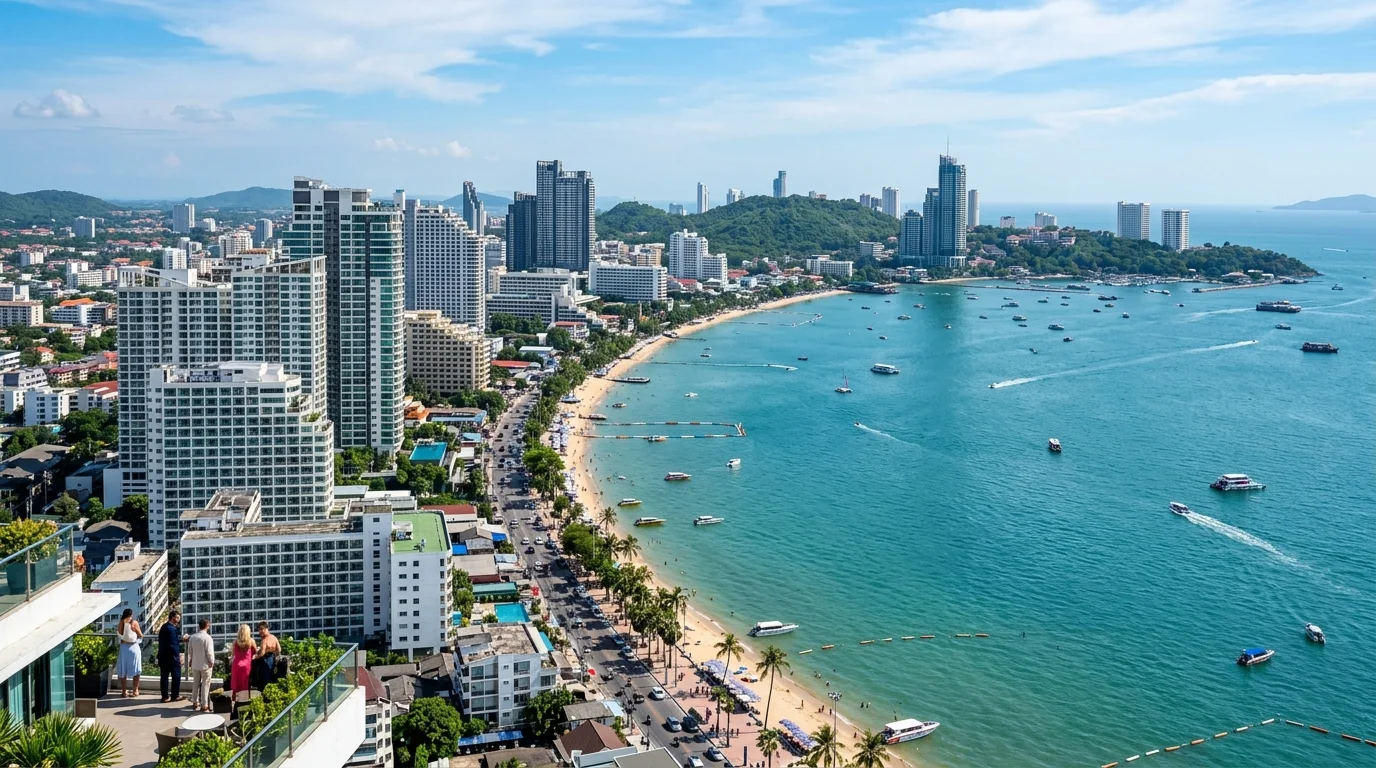
Thailand: Freehold & Leasehold Property
Under Thai law, foreign nationals cannot own land freehold, leaving the apartment freehold title as the only legally secure route to genuine property ownership. Many UK buyers mistakenly sign 90-year leasehold agreements structured as 30 plus 30 plus 30 years, without realising that only the first 30-year term is legally guaranteed by the Land Department.
This guide explains the precise legal differences between freehold and leasehold property ownership in Thailand. It breaks down the apartment foreign quota system, exposes the legal reality behind lease renewal clauses, and compares Thai leaseholds directly to the UK system. Designed for British nationals planning to invest in or retire to Thailand, this page provides the legal facts required to choose a secure ownership structure. It is not for those seeking short-term holiday rentals.

The Reality of Freehold Ownership for Foreigners
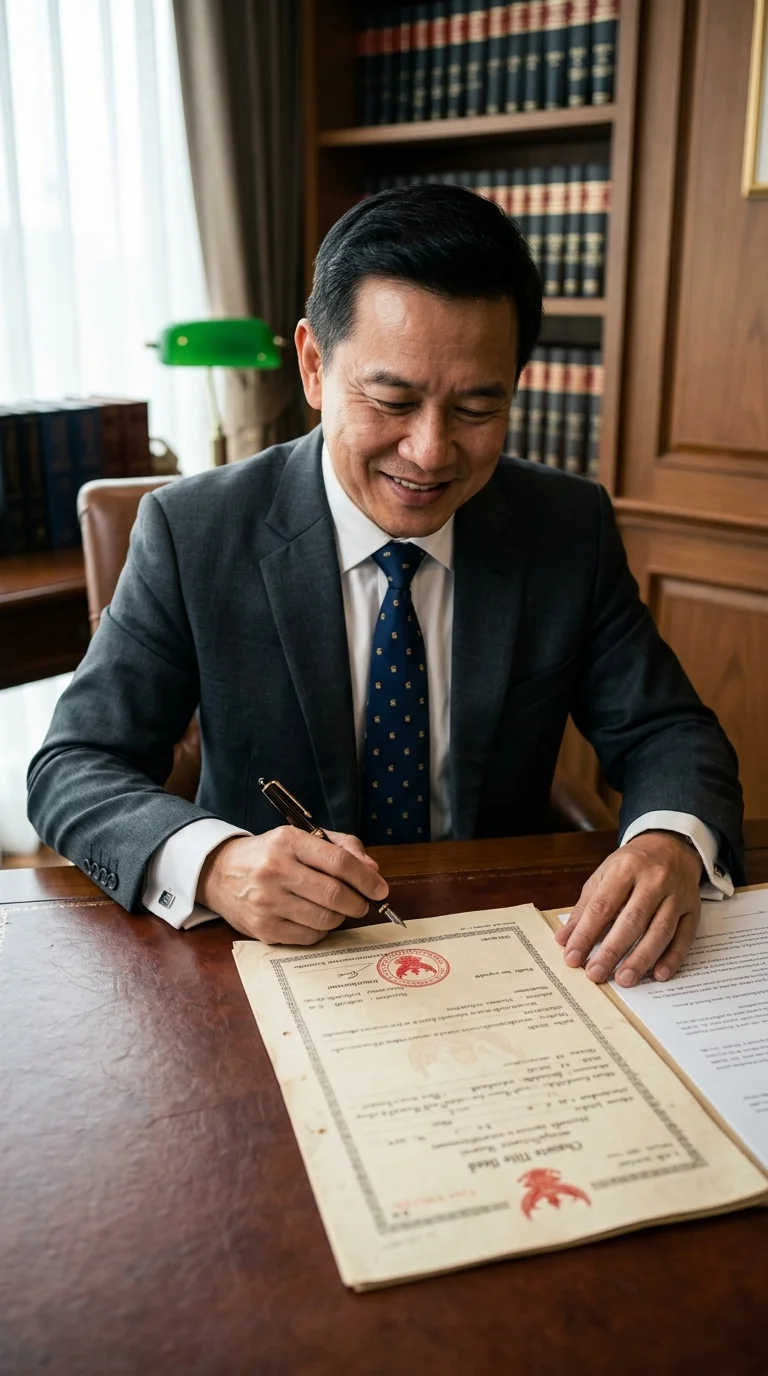
Foreigners are prohibited by the Land Code Act from owning land in Thailand, restricting true freehold ownership almost entirely to apartment units. To secure this title, the specific property must fall within the building's 49% foreign ownership quota. When you buy a freehold apartment, your name is registered directly on the Chanote title deed at the local Land Department. This formal registration grants you perpetual ownership rights identical to those held by a Thai citizen. You can subsequently sell, lease, or pass the property to your heirs under Thai succession law. Buying land or a villa freehold requires complex and heavily scrutinised company structures. The Thai government actively discourages these corporate setups and frequently investigates them for compliance breaches. Therefore, the apartment foreign quota remains the only direct, legally indisputable route to permanent property ownership for a UK national. Always verify the building's quota status before placing a deposit, as developers often attempt to sell leasehold contracts once the 49% allocation is full.
A complete guide for UK nationals buying or investing in Koh Samui property. Navigate leaseholds, Thai companies, villa yields, and local due diligence.
If you want permanent, legally indisputable ownership in your own name, restrict your search strictly to foreign quota freehold apartments.
| Ownership Route | Legal Security | Best Suited For |
|---|---|---|
| Freehold Apartment | Absolute ownership under Thai law | Long-term investors and permanent retirees |
| Registered 30-Year Lease | Highly secure for the initial three decades | Lifestyle buyers seeking villas or townhouses |
| Unregistered Lease | Zero legal protection against third parties | High-risk short-term occupants |
| Company Ownership (Land) | High legal risk; heavily scrutinised by the state | Corporate investors with genuine local business operations |
How Thai Leasehold Actually Works
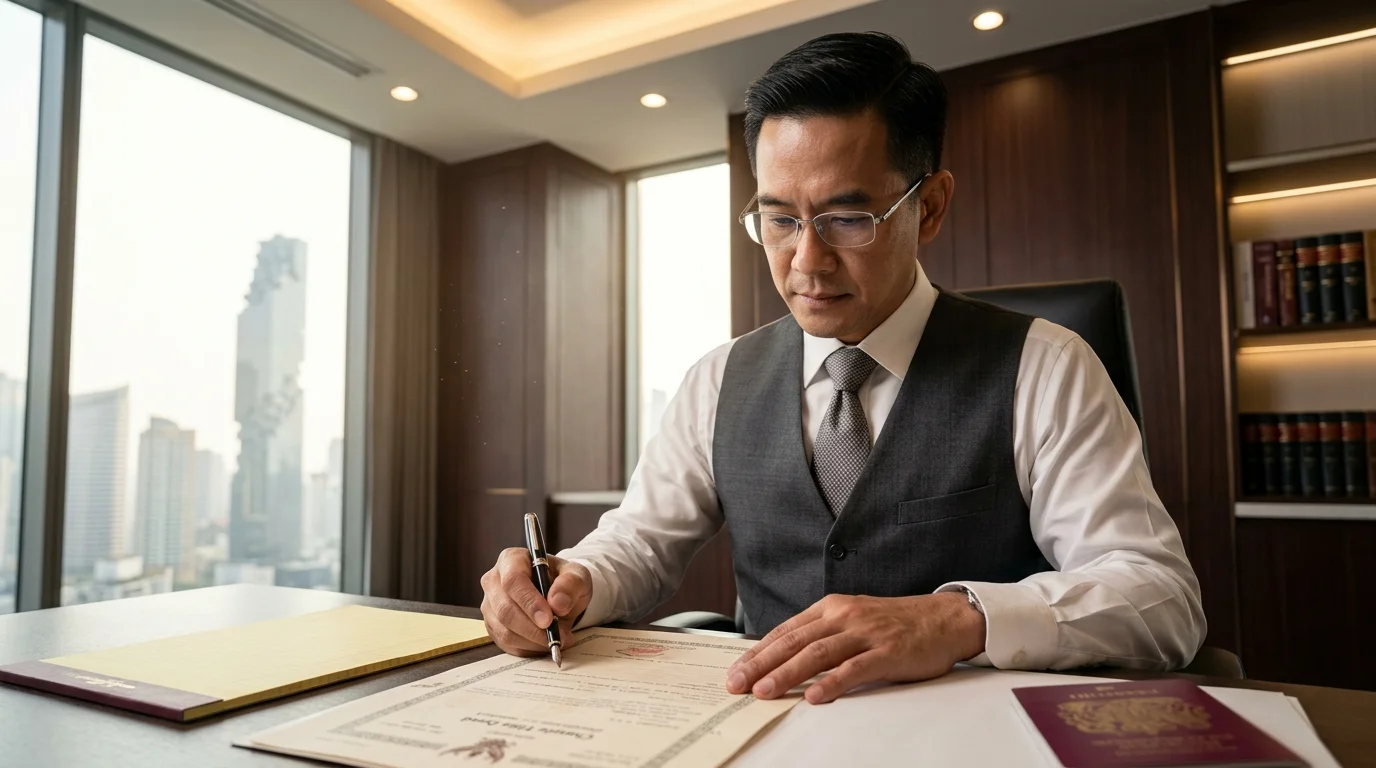
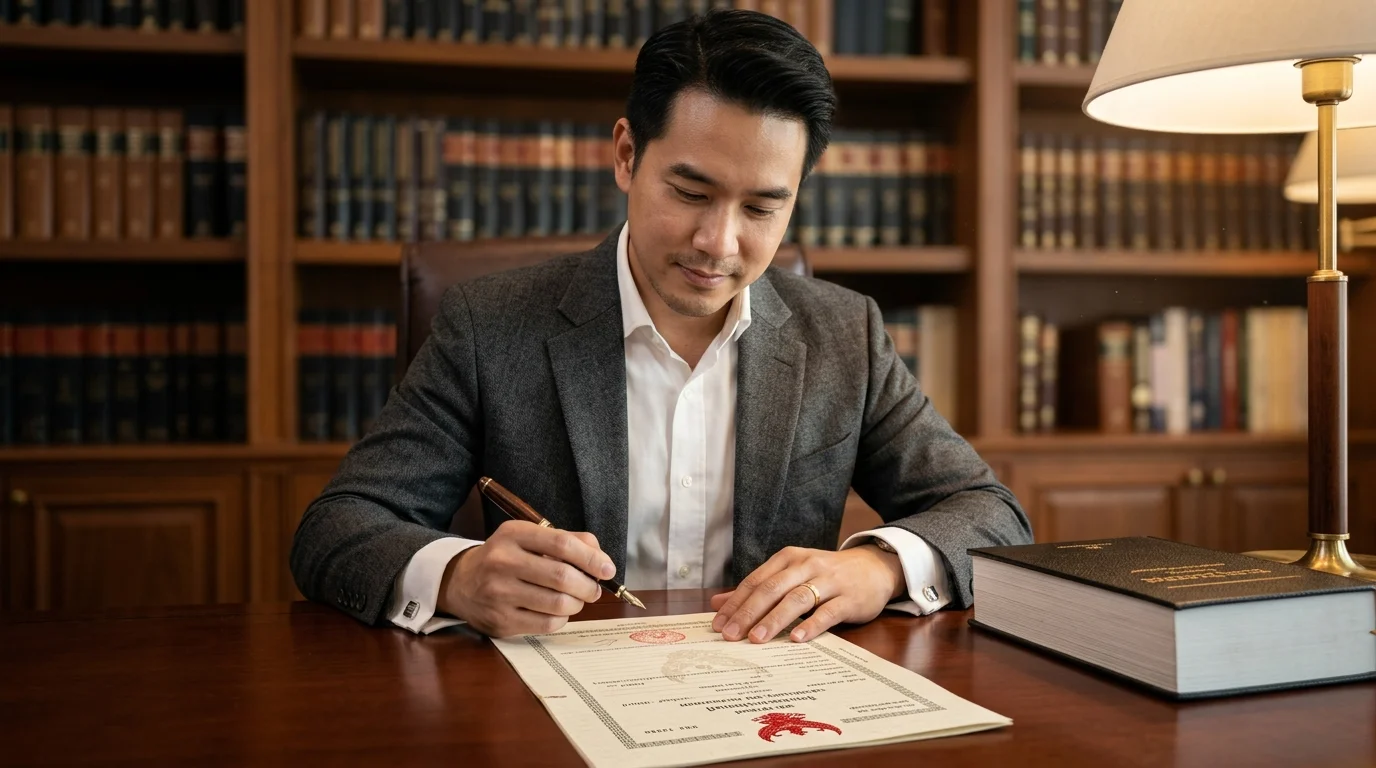
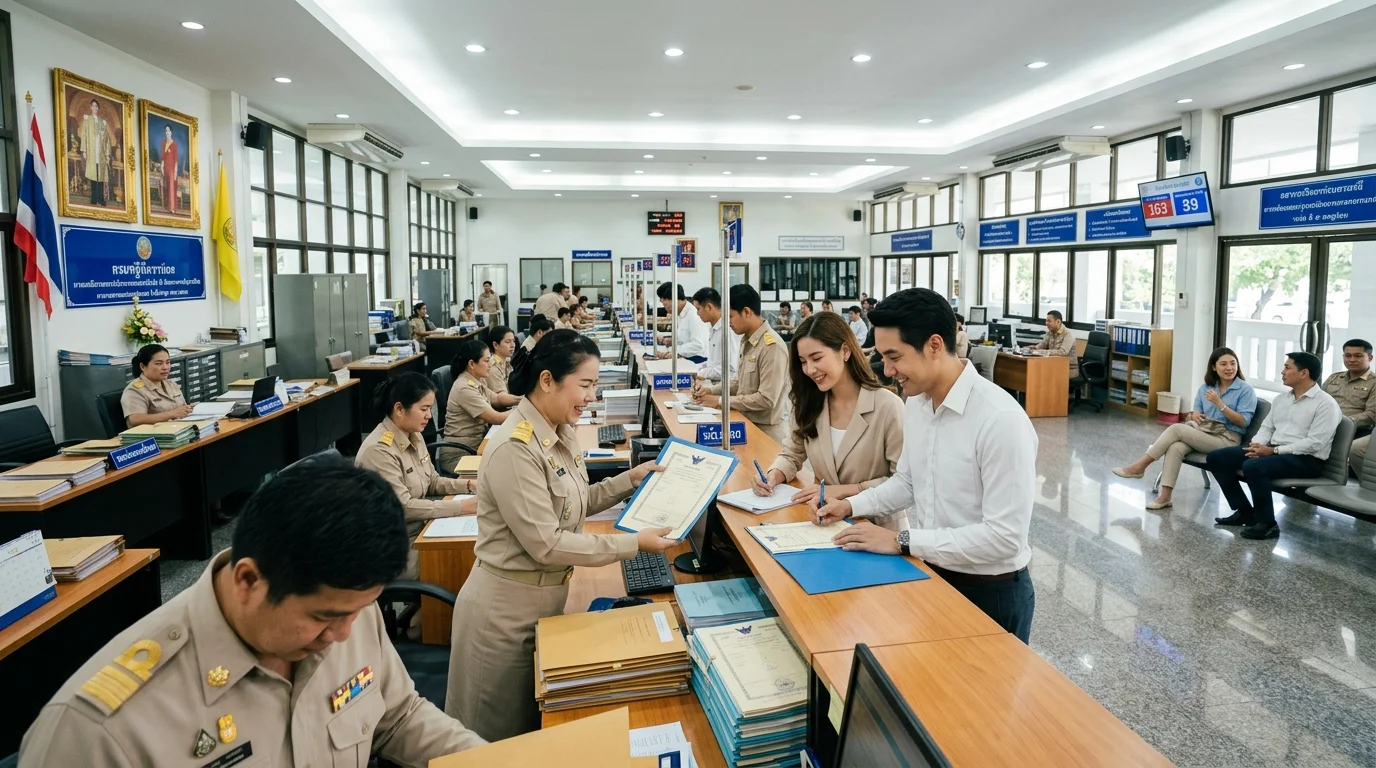
A Thai leasehold grants you the right to use and occupy a property for a maximum registered term of 30 years. Unlike the UK system where leases routinely run for 99 or 999 years and have statutory extension rights, Thai property law strictly limits residential leases. You do not own the property. You are simply a long-term tenant paying upfront for a three-decade tenancy. The lease must be registered at the Land Department and stamped onto the back of the Chanote title deed to be legally enforceable against third parties. If the landowner sells the land or passes away, a registered 30-year lease remains valid and binding on the new owner. Unregistered leases offer zero legal protection. Private agreements kept between you and a developer can be terminated immediately if the land changes hands. You must insist on official registration to protect your financial outlay.
Never hand over funds for a leasehold property unless the contract guarantees the lease will be officially registered on the title deed at the Land Department.
The 30 Plus 30 Plus 30 Renewal Myth
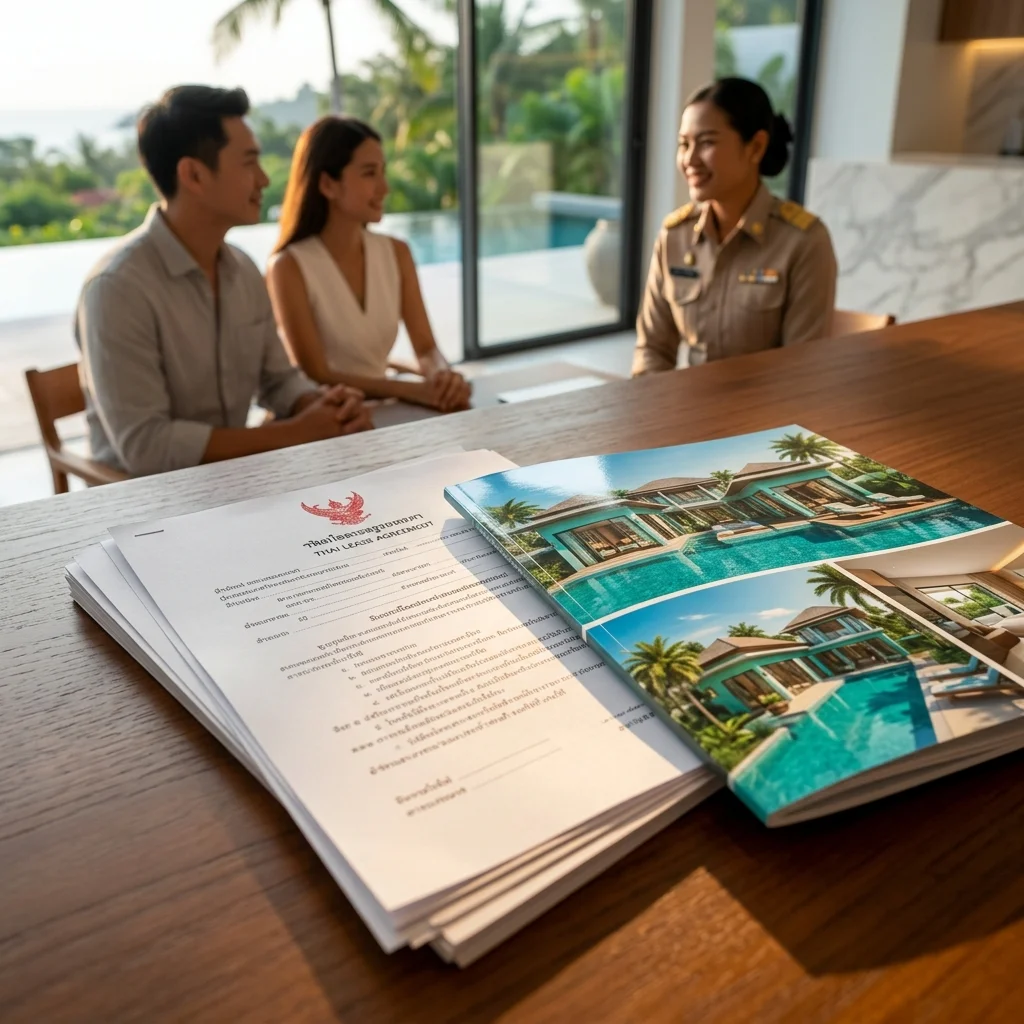
Developers frequently market leasehold villas and apartments to foreign buyers as 90-year leases, presenting them as an initial 30-year term with two guaranteed 30-year renewals. Under Thai civil law, only the first 30-year period is a registered property right guaranteed by the Land Department. The subsequent 30-year renewals are merely personal contractual promises between you and the current landowner. If the original developer goes bankrupt, dies, or sells the freehold to a third party, the new owner is under no strict legal obligation to honour the renewal clauses. Furthermore, renewing a lease after 30 years incurs new registration fees and taxes based on the property's assessed value at that future date. Many UK buyers sign these contracts assuming they hold a secure 90-year asset. They only discover decades later that they have no legal leverage to force a renewal when the landowner demands additional payment.
Treat any leasehold purchase as a strict 30-year commitment and calculate your investment returns based solely on that initial, legally enforceable term.
Comparing Thai and UK Leasehold Systems
British buyers often misunderstand Thai leaseholds because they project UK property laws onto the Thai system. In the UK, a leaseholder has statutory rights to extend their lease, buy the freehold through enfranchisement, and benefit from a highly regulated property tribunal system. Thailand offers none of these statutory protections. A Thai leasehold is a depreciating asset from day one. In contrast, a UK leasehold with 900 years remaining functions almost identically to a freehold in terms of market value. Reselling a Thai leasehold is notoriously difficult because buyers are reluctant to take over a contract with only 15 or 20 years remaining. Local banks will not issue mortgages against short leases, further shrinking your pool of potential buyers. You also cannot leave a Thai lease to your heirs automatically. The original lease agreement must contain a specific succession clause drafted by a competent legal professional for the asset to transfer upon your death.
Remove all assumptions based on the UK leasehold system, as a Thai leasehold offers no statutory right to extend and drastically depreciates in resale value over time.
| Feature | UK Leasehold System | Thai Leasehold System |
|---|---|---|
| Standard Term | 99 to 999 years | Strictly capped at 30 years |
| Statutory Extension Right | Yes, legally guaranteed | No, requires private negotiation |
| Freehold Purchase Right | Yes, via enfranchisement | No legal mechanism exists |
| Inheritance | Automatic transfer to heirs | Terminates on death unless contracted |
Financing and Fund Transfers for Freehold Purchases
To legally register a freehold apartment in your name, Thai law requires you to prove that the purchase funds originated from outside Thailand in a foreign currency. You must transfer the funds, typically GBP, directly into a Thai bank account where they are converted into THB upon arrival. The receiving bank will then issue a Foreign Exchange Transaction Form (FETF) for any transfer exceeding USD 50,000 (roughly GBP 39,500). The Land Department requires this specific document to transfer the Chanote title deed into a foreign national's name. Local Thai mortgages are generally unavailable to non-residents. This restriction means most UK buyers must be cash buyers or secure financing against their existing UK assets. Ensure your transfer instructions explicitly state the funds are for the purchase of a apartment, including the specific unit number and development name. Without this exact wording, the bank may refuse to issue the required documentation.
Always transfer funds to Thailand in British Pounds and instruct the receiving bank to issue an FETF, as you cannot secure freehold ownership without it.
Valuations and Resale Potential Compared
The financial trajectory of a Thai property depends heavily on its ownership structure. Freehold apartments generally appreciate in value over time, tracking alongside local inflation and infrastructure developments. Because a freehold title never expires, you possess a permanent asset that appeals to both domestic Thai buyers and foreign investors on the resale market. Conversely, a Thai leasehold functions strictly as a depreciating asset. Once a 30-year lease passes the ten-year mark, its resale value drops significantly. Prospective buyers are highly reluctant to inherit a contract with limited time remaining, knowing they will face immediate renewal negotiations with the landowner. Furthermore, Thai banks flatly refuse to issue mortgages on leasehold properties with short remaining terms. This eliminates the vast majority of local buyers who require financing. You must view a leasehold purchase not as a capital growth investment, but as a prepaid, long-term rental arrangement where the capital is entirely consumed by the end of the term.
Purchase leasehold property only for personal lifestyle usage or high-yield rental income, as you are highly unlikely to recoup your initial capital upon resale.
Costs and Fees
Buying property in Thailand involves state-mandated taxes and fees calculated on either the registered appraisal value or the purchase price, whichever is higher. For freehold properties, the Land Department charges a 2% transfer fee, usually split equally between buyer and seller. If the seller has owned the property for less than five years, a Specific Business Tax of 3.3% applies. Otherwise, a 0.5% Stamp Duty is levied. Withholding tax, calculated on a sliding scale from 1% to 35%, is the seller's responsibility but heavily influences the final negotiation. Registering a 30-year lease incurs a 1% registration fee and a 0.1% stamp duty based on the total lease value. Legal fees for due diligence and contract review typically range from THB 30,000 to THB 80,000 (GBP 650 to GBP 1,750). Property agents are paid by the seller. Ongoing costs include common area maintenance fees, billed annually at THB 40 to THB 100 (GBP 0.85 to GBP 2.15) per square metre per month.
| Cost Item | Rate or Amount | Paid By | Notes |
|---|---|---|---|
| Transfer Fee (Freehold) | 2.0% of appraised value | Split 50/50 | Standard practice, though negotiable |
| Specific Business Tax | 3.3% of registered value | Seller | Applies if owned for under five years |
| Stamp Duty | 0.5% of registered value | Seller | Replaces Specific Business Tax after five years |
| Lease Registration Fee | 1.0% of total lease value | Buyer | Required for all 30-year registered leases |
| Legal Fees | THB 30,000 to THB 80,000 | Buyer | Covers due diligence and contract review |
Common Mistakes and How to Avoid Them

Assuming a 90-year lease is guaranteed. Believing a 30 plus 30 plus 30 structure provides 90 years of tenure leaves you vulnerable when landowners refuse to renew. Draft a separate succession contract, acknowledging only the first 30 years are absolute.
Transferring funds in Thai Baht. Converting British Pounds before sending them prevents the Thai bank from issuing a Foreign Exchange Transaction Form. Send funds in GBP and let the local bank execute the conversion.
Using nominee companies for land. Setting up a shell company to circumvent foreign ownership laws is illegal and heavily prosecuted. Purchase a freehold apartment in your own name to ensure asset security.
Skipping off-plan due diligence. Paying a deposit for a leasehold villa without checking the land title leaves your investment entirely exposed. Hire a lawyer to verify the developer holds a clean Chanote deed.
Practical Tips for UK Buyers
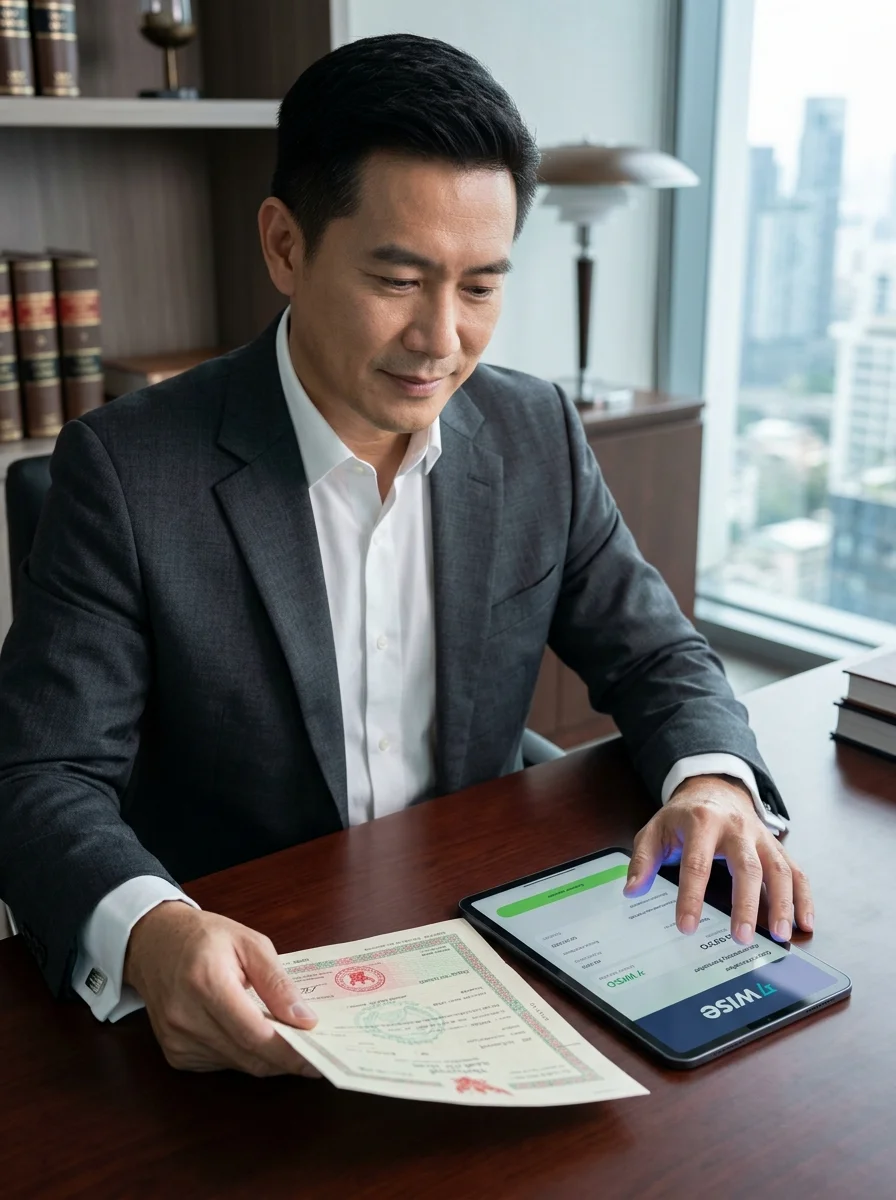
Request a copy of the Chanote title deed before signing any reservation agreement. This allows your legal representative to verify the true owner of the land and check for any existing mortgages.
Ensure your lease agreement includes a succession clause. Under Thai law, a lease terminates upon the death of the lessee unless the contract explicitly states the remaining term transfers to your heirs.
Negotiate the payment of the Specific Business Tax heavily during the offer stage. Developers or sellers often attempt to pass this 3.3% tax onto the buyer, even though standard practice dictates the seller should absorb it.
Verify the exact square meterage of an apartment before finalising the transfer. Developers sometimes alter the final dimensions during construction, and you should only pay for the exact space registered on the Land Department's title.
Keep all original FETF documents in a safe place. You will need these official bank certificates to repatriate your funds back to the UK without facing heavy taxation when you eventually sell the property.
Register your 30-year lease at the Land Department immediately upon completion. An unregistered lease is merely a private tenancy agreement and offers no legal protection if the freehold owner decides to sell the land.
Check the sinking fund status of older apartment buildings. A depleted sinking fund means you will likely face a hefty special assessment fee if the building requires major structural repairs or lift replacements.
Quick Reference Table
| Item | Detail | Notes |
|---|---|---|
| Foreign Ownership Route | Apartment Freehold or 30-Year Leasehold | Land freehold is strictly prohibited |
| Maximum Foreign Quota | 49% of total apartment floor space | Applies to freehold purchases only |
| Accepted Title Deed | Chanote (Nor Sor 4 Jor) | The only deed offering full ownership rights |
| Typical Purchase Costs | 1% to 2% of property value | Covers half the transfer fee and legal costs |
| Fund Transfer Requirement | Foreign Exchange Transaction Form (FETF) | Mandatory for freehold apartment registration |
| Legal Representation | Highly recommended but not legally mandated | Essential for checking lease renewal clauses |
| Typical Timescales | 30 to 60 days for completion | Depends heavily on fund transfer clearance |