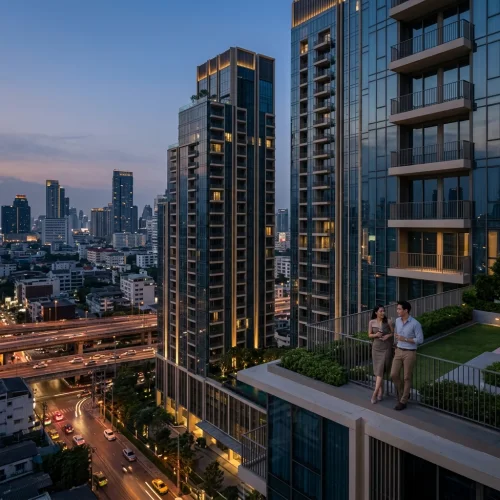
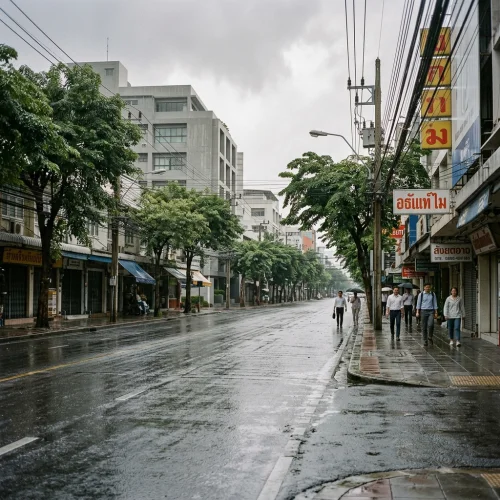
Bangkok possesses a dramatic urban microclimate where the sheer volume of tall skyscrapers traps the 80 percent baseline humidity, creating a thick, enveloping warmth entirely different from the breezy coastal provinces.
While the still air at street level makes the ambient temperature feel noticeably hotter than the 33°C forecast dictates, the city is perfectly engineered for this specific reality. You can instantly cut through this urban heat wall by grabbing a blissfully chilled bottle of local drinking water from an omnipresent street cart for a mere 10 THB / £0.23, keeping you completely refreshed while exploring the capital.
The Cool Season dominates the capital from mid-November through February, delivering magnificent 30°C to 32°C days and entirely tolerable 22°C to 24°C nights that make rooftop dining an absolute pleasure. March signals the abrupt start of the Hot Season, which peaks aggressively in April with daytime highs frequently hitting 38°C to 40°C, while nighttime temperatures stubbornly refuse to drop below 28°C. The mid-April heat in the city center is not just hot; it feels exactly like stepping directly into a running tumble dryer, though the nationwide Songkran festival brilliantly transforms this sweltering month into a glorious city-wide street water fight. From June to late October, the Rainy Season takes over the forecast, pulling daytime temperatures back down to a far more manageable 32°C to 34°C with 26°C nights, albeit accompanied by humidity levels that hover stubbornly around 85 percent. You will find that seeking refuge in an air-conditioned mega-mall during these sticky afternoons provides the perfect excuse to buy a beautifully layered, ice-cold Thai milk tea from a local vendor for 45 THB / £1.05.
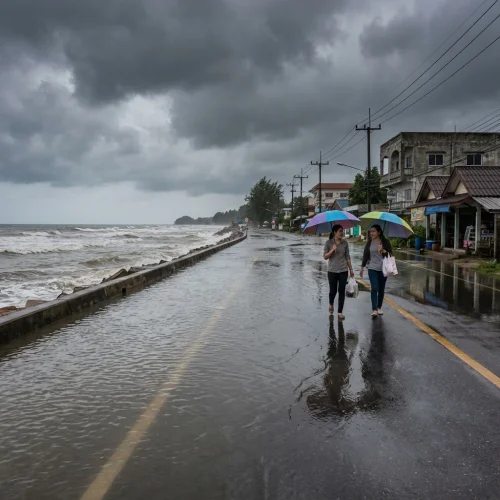
When the monsoon hits the capital, it rarely delivers a miserable, three-day grey drizzle, but instead unleashes an incredibly theatrical, sky-darkening deluge that routinely dumps an inch of rapid water between 4 PM and 6 PM before clearing to a starry sky. September and October carry the absolute highest risk of localised flooding, where the older municipal drainage systems temporarily back up and turn the lower sections of Sukhumvit Road into shallow streams. This standing water instantly paralyses the rush hour traffic and renders metered taxis useless, making the elevated BTS Skytrain your fastest and most reliable escape route across the city. Do not waste valuable luggage space packing expensive wet weather gear from home, as you can dodge the worst of the sudden downpours by purchasing a completely functional plastic poncho from any local corner shop for exactly 49 THB / £1.15. The torrential rain brings an immediate, spectacular reward by dropping the ambient temperature from 34°C down to a deliciously fresh 26°C in minutes, washing the smog from the sky and leaving the evening air perfectly crisp for a night market run.
AIR QUALITY & THE BURNING SEASON
Bangkok faces a distinct challenge with air quality between late January and early April, when agricultural burning across the central plains regularly pushes the local AQI above 150 and leaves a grey haze over the skyline. You can easily mitigate this entirely by purchasing a high-quality N95 mask from a local pharmacy for 35 THB / £0.80 to keep your lungs perfectly clear while walking outdoors. If your throat feels slightly scratchy after a few hours of exploring in the 34°C heat, the smartest escape strategy is to retreat into the hyper-purified, climate-controlled sanctuaries of major shopping complexes like Siam Paragon, where the indoor air is kept flawlessly clean and cool.
Navigating an average daily humidity of 80 percent with a UV index routinely maxing out at 11 requires a highly deliberate packing strategy focused entirely on constant airflow. Attempting to wear traditional heavyweight denim or cheap synthetic polyester in this specific climate is a major mistake, as these fabrics will trap 35°C heat against your skin and cause immediate physical misery. Opt exclusively for loose linen trousers, breathable cotton shirts, and advanced moisture-wicking activewear that allows the tropical breeze to actually reach your body. High-factor facial sunscreen is heavily taxed as an import and will cost you upwards of 450 THB / £10.35 at a Bangkok pharmacy, so you should absolutely pack three large bottles in your checked luggage from the UK to save money. To navigate the strict, fully-covered temple dress codes while avoiding heat exhaustion, wear your lightest athletic shorts around the city and buy a pair of breezy, lightweight elephant trousers from a street vendor for 150 THB / £3.45 to slip on right before entering the sacred grounds.
The dense urban humidity strips water from your body significantly faster than you realise, meaning you must front-load your major outdoor sightseeing between 7 AM and 11 AM before the midday heat drains your energy reserves. You can easily outsmart heat exhaustion by mixing a Royal-D electrolyte powder sachet, available at any local convenience store for 10 THB / £0.23, into your bottled water twice a day to instantly replace lost salts. While the concrete center has fewer mosquitoes than the islands, the beautifully landscaped hotel gardens and riverfront restaurants do harbor them between 5 PM and 7 PM. Spraying your ankles with a locally formulated DEET repellent ensures you can comfortably enjoy your riverside dinner without a single bite.
BEST TIME TO VISIT
The absolute ultimate window for visiting the capital lands between December and January, offering glorious 31°C days, deep blue skies, and practically zero rainfall. However, the true secret month is late November, right after the heavy monsoon drains away but weeks before the premium holiday pricing kicks in. You can cross the Chao Phraya River on a public ferry for a mere 16 THB / £0.36 under brilliant sunshine, enjoying the city at its absolute finest before the heavy winter crowds arrive.