Bangkok - The Name
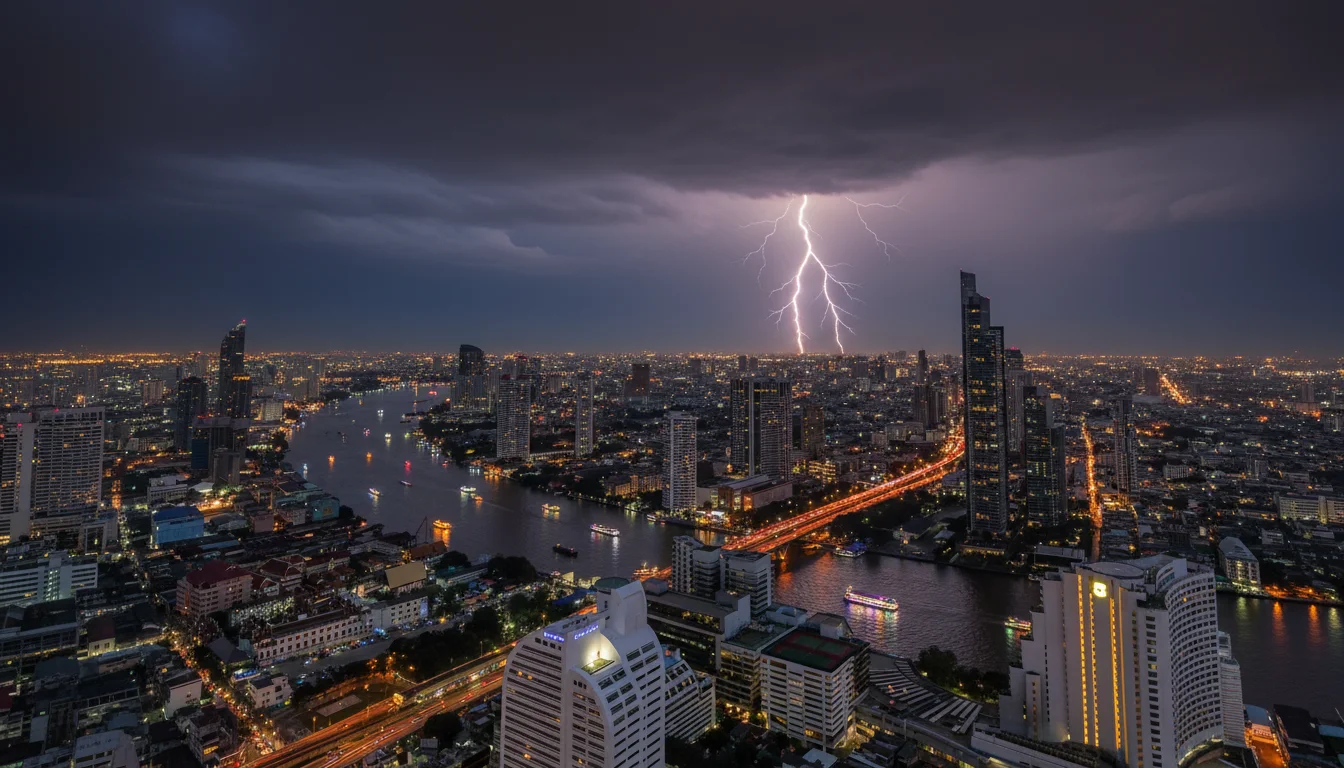
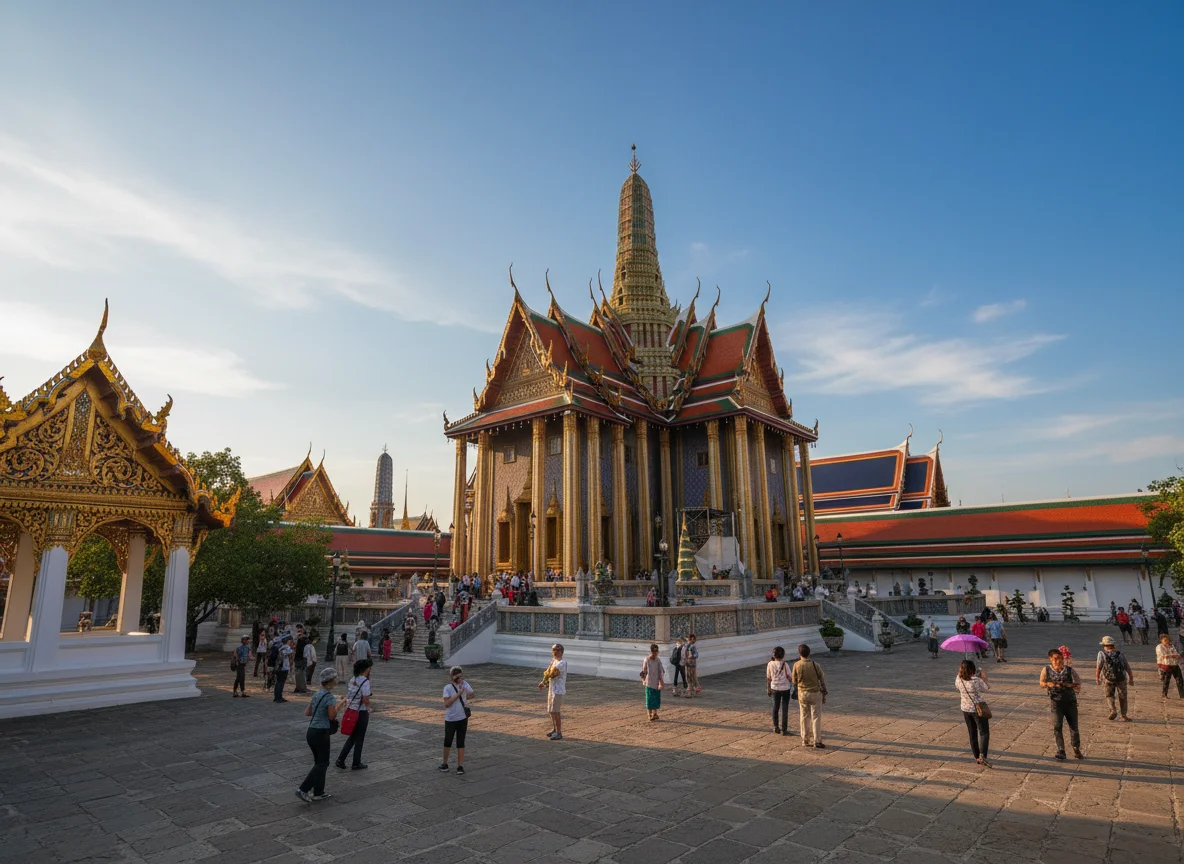
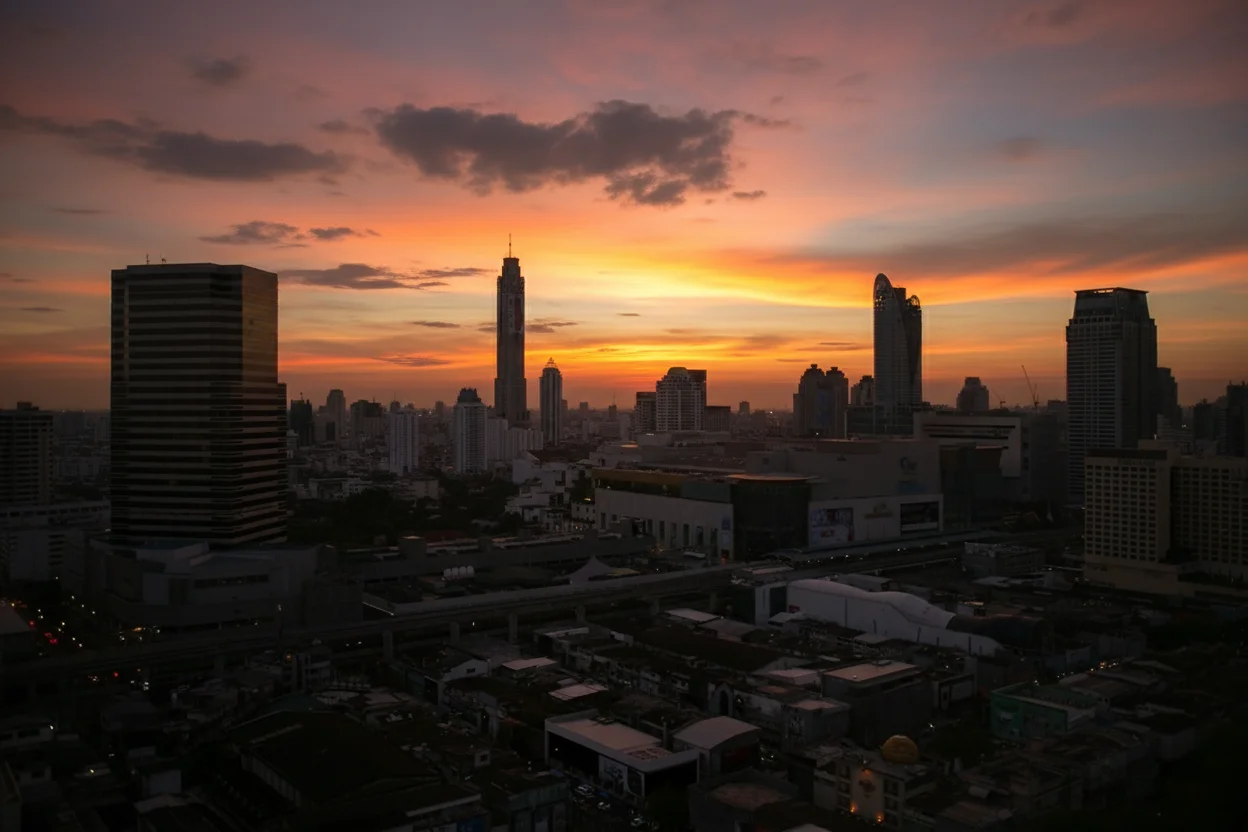
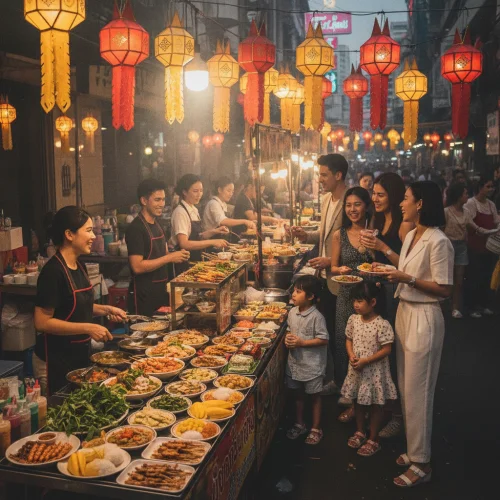
Stepping into Thailand's vibrant capital requires understanding a tale of two cities wrapped in a single metropolis known globally as Bangkok.
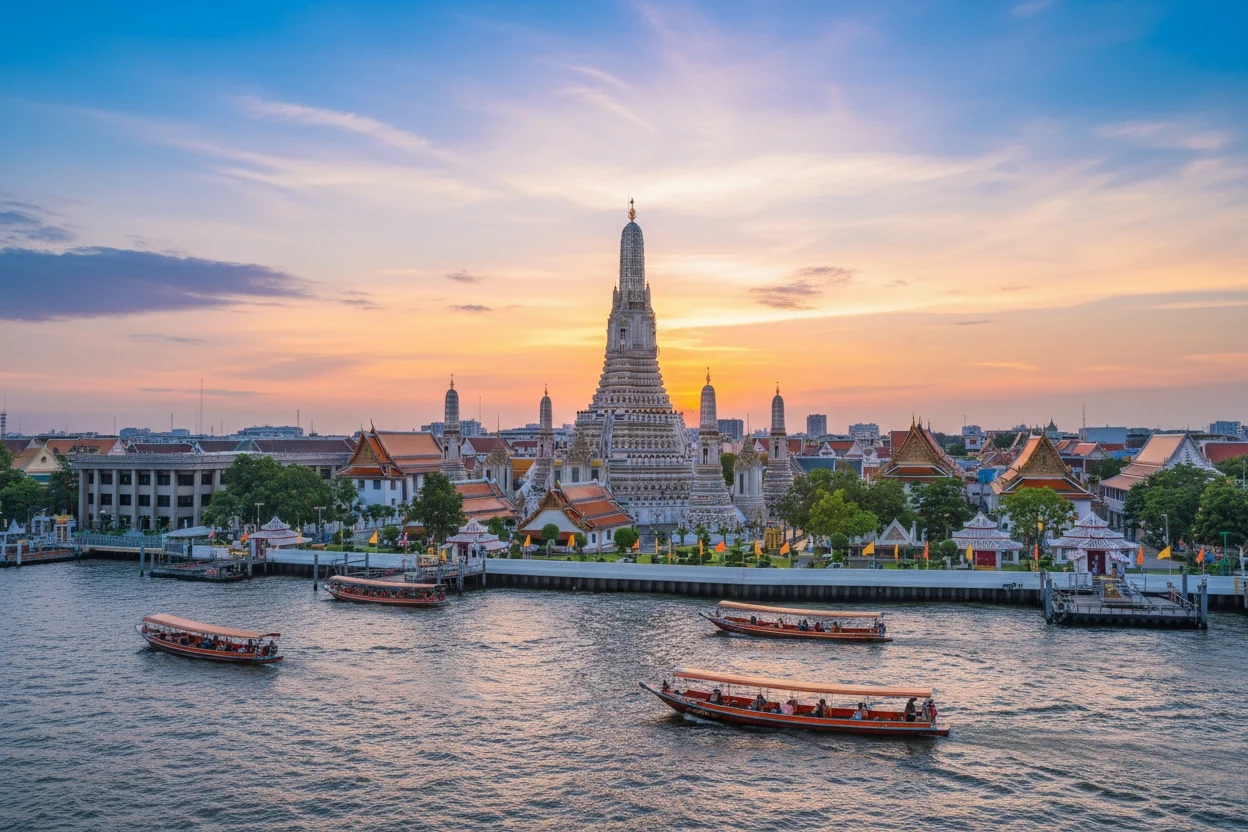
Locals, however, navigate the bustling streets of Krung Thep Maha Nakhon, a title translating to "the great city of angels." King Rama I birthed this majestic moniker in 1782 after shifting his royal seat from Thonburi across the water. He sought to crown his new domain with grandeur, drawing heavily upon Pali and Sanskrit linguistics to invoke Buddhist cosmology and secure divine protection.
Reciting the destination's true ceremonial title demands a deep breath, as it stands as a monumental linguistic achievement. The awe-inspiring designation, Krung Thep Maha Nakhon Amon Rattanakosin Mahinthara Ayuthaya Mahadilok Phop Noppharat Ratchathani Burirom Udomratchaniwet Mahasathan Amon Piman Awatan Sathit Sakkathattiya Witsanukam Prasit, echoes with meaning, proclaiming the site a "city of gods, great city of angels, supreme repository of divine jewels." Royal architects of identity further polished this sprawling honorific during the mid-19th century. Under the careful guidance of King Mongkut (Rama IV), the crown perfectly aligned the metropolis with the celestial hierarchies of Theravada Buddhist ideals.
Far removed from such royal poetry, the world at large clings to a humble geographical descriptor rooted in the Ayutthaya period spanning the 14th–18th centuries. Long before palaces dominated the skyline, a modest riverside settlement along the Chao Phraya River bore the name Bang Makok. Translating simply to a water-bound community ("bang") shaded by wild plum trees ("makok" or Spondias dulcis), this village caught the attention of early Portuguese and Dutch merchants. Sailing into these waters throughout the 16th–17th centuries, these European traders adopted the local village tag to identify their bustling commercial outpost situated directly opposite the royal compounds of Thonburi.
Global diplomacy ultimately cemented this rustic botanical nickname into international law. As Western trade agreements multiplied throughout the 19th century under the reigns of King Mongkut (Rama IV) and King Rama V, foreign mapmakers and politicians permanently locked the exonym into treaties. Today, a fascinating cultural split defines the modern landscape. Residents casually drop the abbreviated Krung Thep in daily conversation, saving the breathtaking ceremonial epic for highly auspicious official occasions, while outsiders continue booking flights to a phantom plum grove.
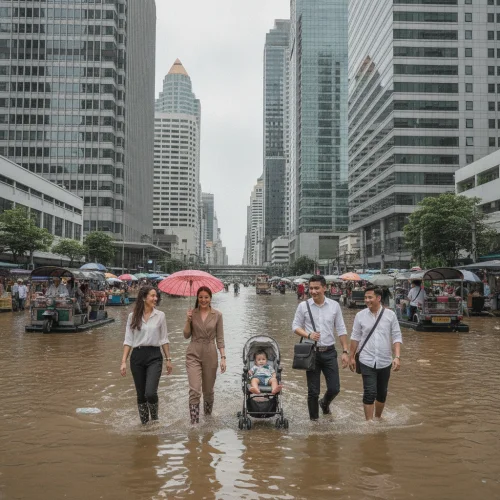
Expect 32C days and 80 percent humidity in Bangkok. Beat the 4 PM monsoon downpours by grabbing a 49 THB / 1.15 GBP local poncho at any corner shop.