Detox Retreats in Thailand
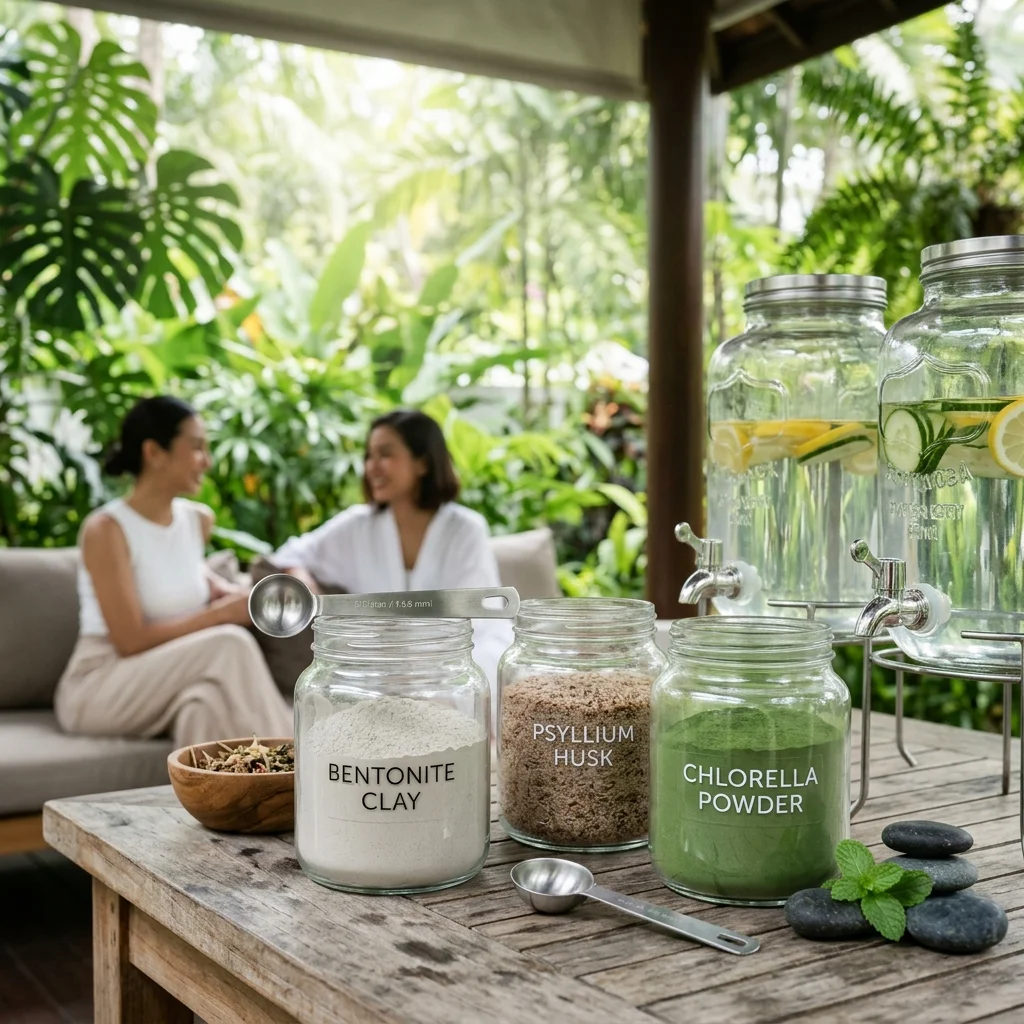
At established Thai fasting retreats, your daily schedule revolves less around spa treatments and more around precise measurements of psyllium husk, bentonite clay, and self-administered colemas. The reality of a tropical detox involves intense physical shifts, carefully monitored electrolytes, and a distinct departure from the holiday cocktails you might expect on a Thai island.
This guide breaks down exactly what a genuine detox programme in Thailand entails, separating medical reality from wellness marketing. You will learn the difference between juice fasts, liver flushes, and traditional Thai herbal cleanses. We cover the primary retreat hubs of Koh Samui, Koh Phangan, and Chiang Mai, alongside realistic costs, physical side effects, and essential medical precautions for UK visitors planning a self-directed or medically supervised cleanse.
The Reality of Detox Programmes vs Wellness Marketing
A genuine detox programme relies on rigorous physical protocols rather than casual green juices served beside a luxury swimming pool. Many high-end resorts market wellness holidays featuring daily yoga and light spa cuisine as a 'detox'. However, established clinical centres in Thailand operate very differently. You will consume strictly measured doses of bentonite clay and psyllium husk to bind toxins, while participating in daily self-administered colonic irrigation (colemas) using coffee or garlic solutions. Scientific evidence supporting the concept of bodily detoxification is firmly divided. Western medical professionals maintain that your liver and kidneys handle toxin removal naturally. Conversely, naturopathic practitioners argue that modern environmental pollutants and processed diets overwhelm these organs, requiring temporary fasting and intestinal cleansing to reset the system. If you book a commercial wellness resort, expect a relaxing holiday with calorie restriction. If you check into a dedicated fasting centre like The Source Herbal Detox in Koh Samui, expect a medically intensive schedule of supplements, enemas, and significant physical lethargy. Always scrutinise the daily schedule before paying your deposit to ensure the programme matches your actual goals.
Master Thai etiquette before your trip. Learn the rules of the wai, temple dress codes, communal dining, and how to avoid cultural mistakes in Thailand.
Popular Fasting and Cleansing Formats
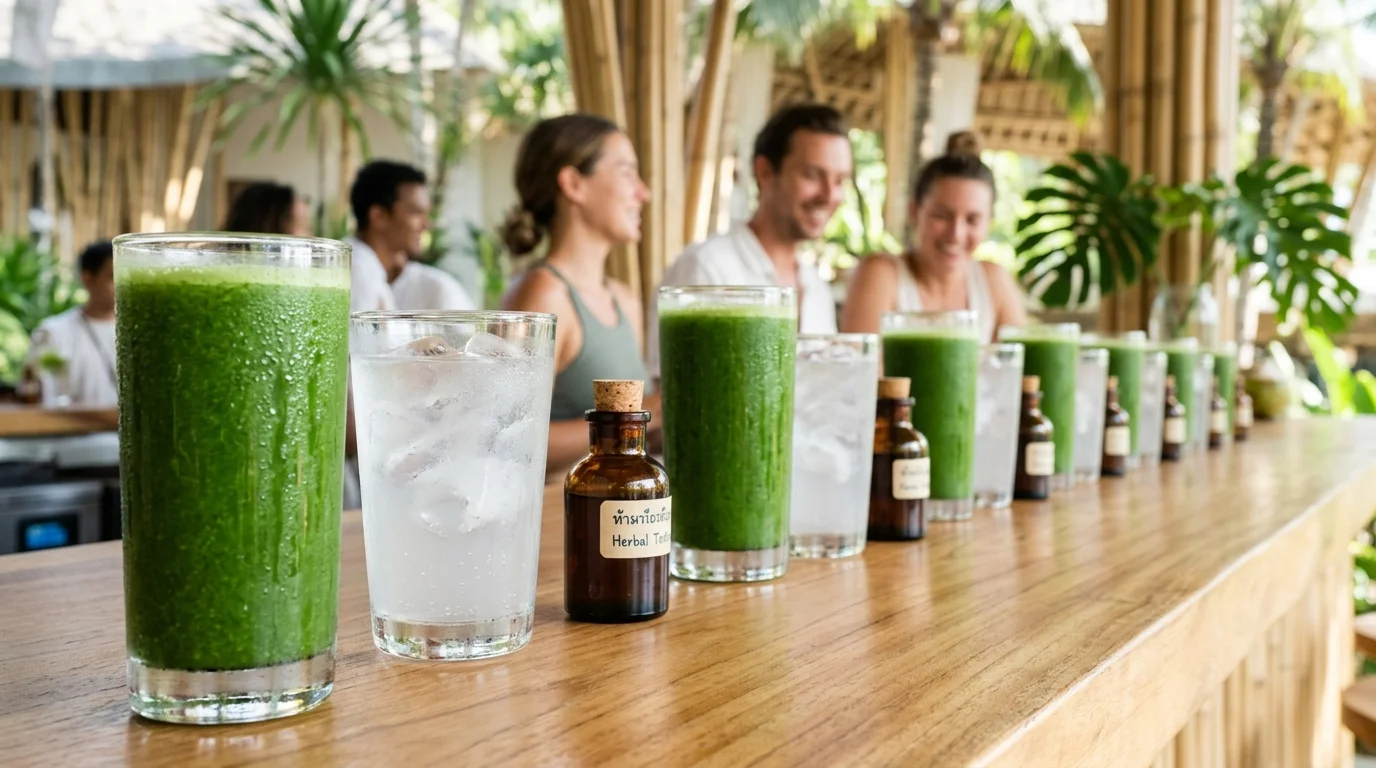
Thai retreats offer several distinct cleansing protocols ranging from mild juice fasts to highly intensive liver flushes. A standard juice fast replaces solid meals with cold-pressed local fruits and vegetables, delivering high vitamin content while resting your digestive tract. This is the most accessible entry point for British visitors trying a cleanse for the first time. Colon cleansing programmes step up the intensity significantly. These involve consuming natural bulking agents to draw out intestinal waste, combined with twice-daily colemas to flush the digestive system. Liver flush programmes are the most severe option available. These typically last for seven days, culminating in a specific protocol of drinking olive oil and Epsom salts to stimulate the gallbladder and liver into releasing bile and stones. You will find these intense regimens at dedicated centres like Orion Healing Centre on Koh Phangan. Traditional herbal detoxes focus heavily on ingesting bitter Thai botanicals rather than complete calorie restriction. Choose your format based on your prior fasting experience rather than jumping straight into an aggressive liver flush.
| Format | Intensity Level | Primary Method | Best Suited For |
|---|---|---|---|
| Juice Fasting | Mild to Moderate | Replacing meals with fruit and vegetable juices. | First-timers and those seeking a gentle digestive break. |
| Colon Cleansing | High | Fasting combined with bulking agents and daily enemas. | Experienced fasters seeking deep digestive clearing. |
| Liver Flush | Severe | Seven-day strict protocol ending with oil and Epsom salts. | Advanced wellness practitioners under supervision. |
| Thai Herbal Detox | Moderate | Calorie restriction paired with potent Thai botanical medicine. | Visitors wanting a culturally rooted healing experience. |
Traditional Thai Medicine vs Western Naturopathy
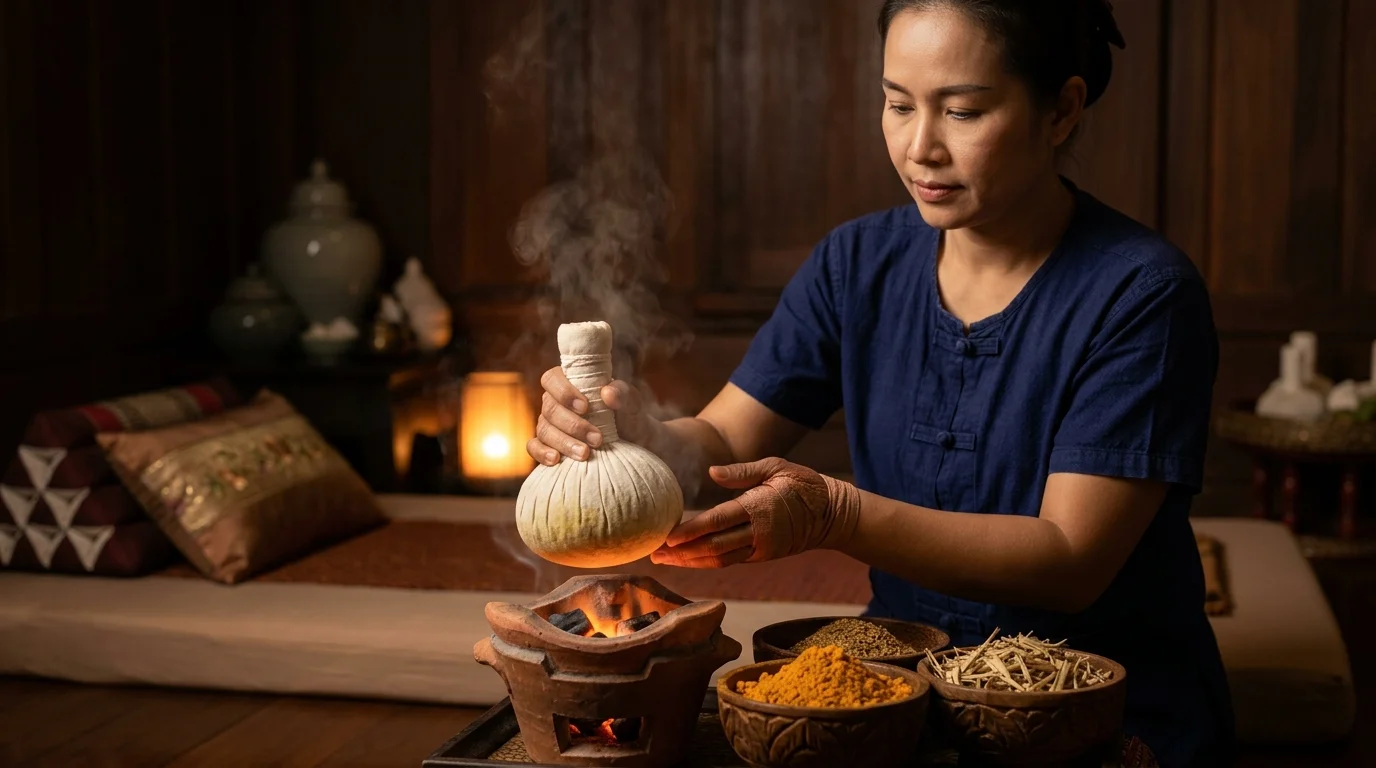
The approach to bodily cleansing differs fundamentally between ancient Thai medical traditions and modern Western naturopathy. Western-style retreats in Thailand focus heavily on measurable outputs and clinical procedures. You will encounter imported supplements, imported colon hydrotherapy machines, and strict schedules of nutrient timing. Conversely, Thai traditional medicine (TTM) approaches detoxification through balancing the body's four elements: earth, water, wind, and fire. A genuine TTM detox relies heavily on herbal pharmacology rather than starvation. You will drink potent decoctions made from local herbs like Andrographis paniculata (Fah Talai Jone) to clear heat and toxins from the blood. Physical treatments involve intense abdominal massage (Chi Nei Tsang) to stimulate organ function and release emotional tension held in the gut. Thai herbal steam baths infused with lemongrass, camphor, and galangal are used to open pores and induce sweating, forcing toxins out through the skin. Some clinics, such as Tao Garden in Chiang Mai, blend both philosophies effectively. For a deeply cultural experience, seek out a practitioner who incorporates Thai elemental diagnosis before prescribing your herbal regimen.
The Physical Reality of Fasting and Side Effects
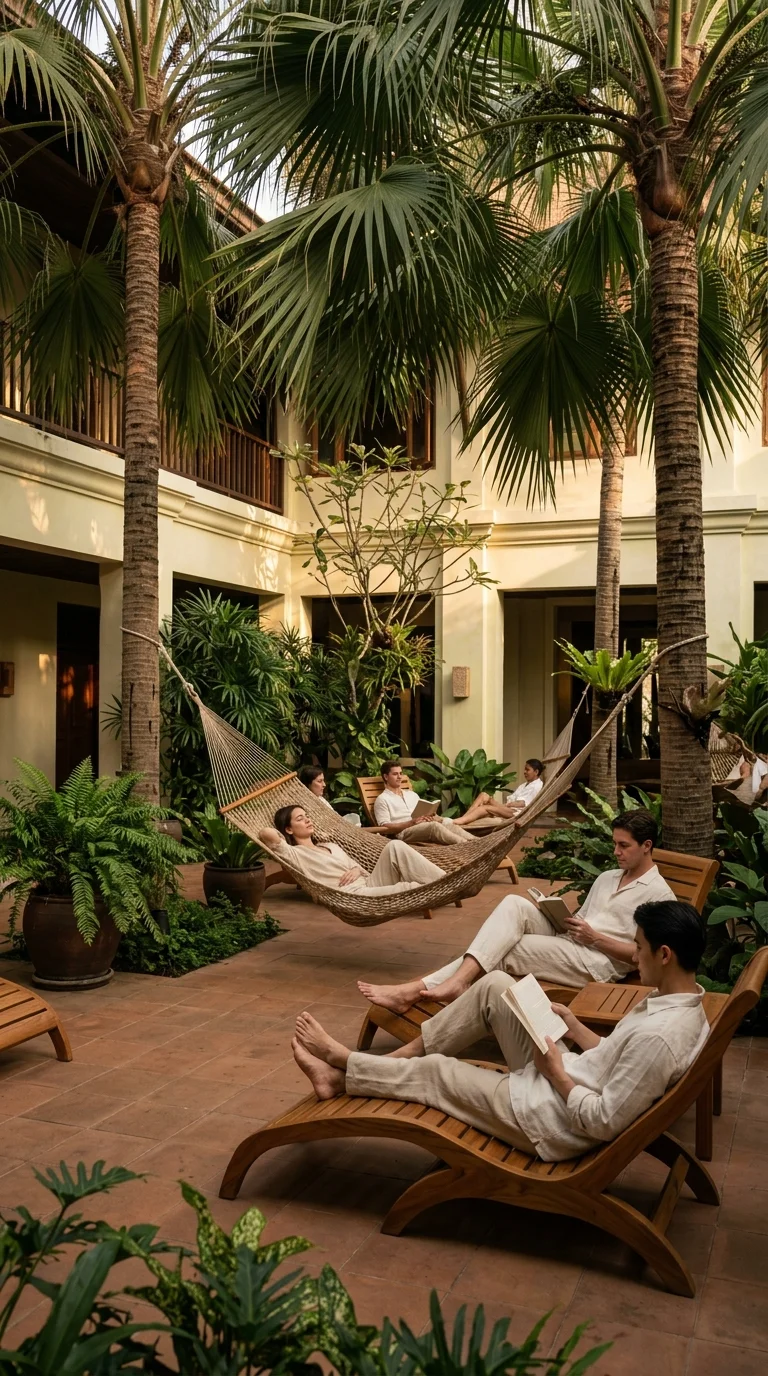
The first three days of any fasting or cleansing programme routinely trigger uncomfortable physical withdrawal symptoms. This period is universally known as the healing crisis. As your body switches from burning glucose to burning stored fat, you will likely experience deep lethargy, persistent dull headaches, and sudden temperature fluctuations. British visitors accustomed to daily caffeine and processed sugar will feel these effects most sharply. Joint aches and mild nausea are also completely normal during the initial 72 hours. You will spend a lot of time resting in your room or lying passively in a hammock. Do not plan any strenuous sightseeing or intense Muay Thai sessions during a fast. By the fourth morning, most participants report a sudden surge in mental clarity and physical energy, often described as a 'fasting high'. The heavy lethargy lifts, replaced by a sustained lightness. Reputable centres monitor your blood pressure and provide electrolyte broths to mitigate the worst of the dizziness. Bring plenty of reading material and embrace the physical downtime rather than fighting the exhaustion.
Medical Supervision and Pre-Existing Conditions
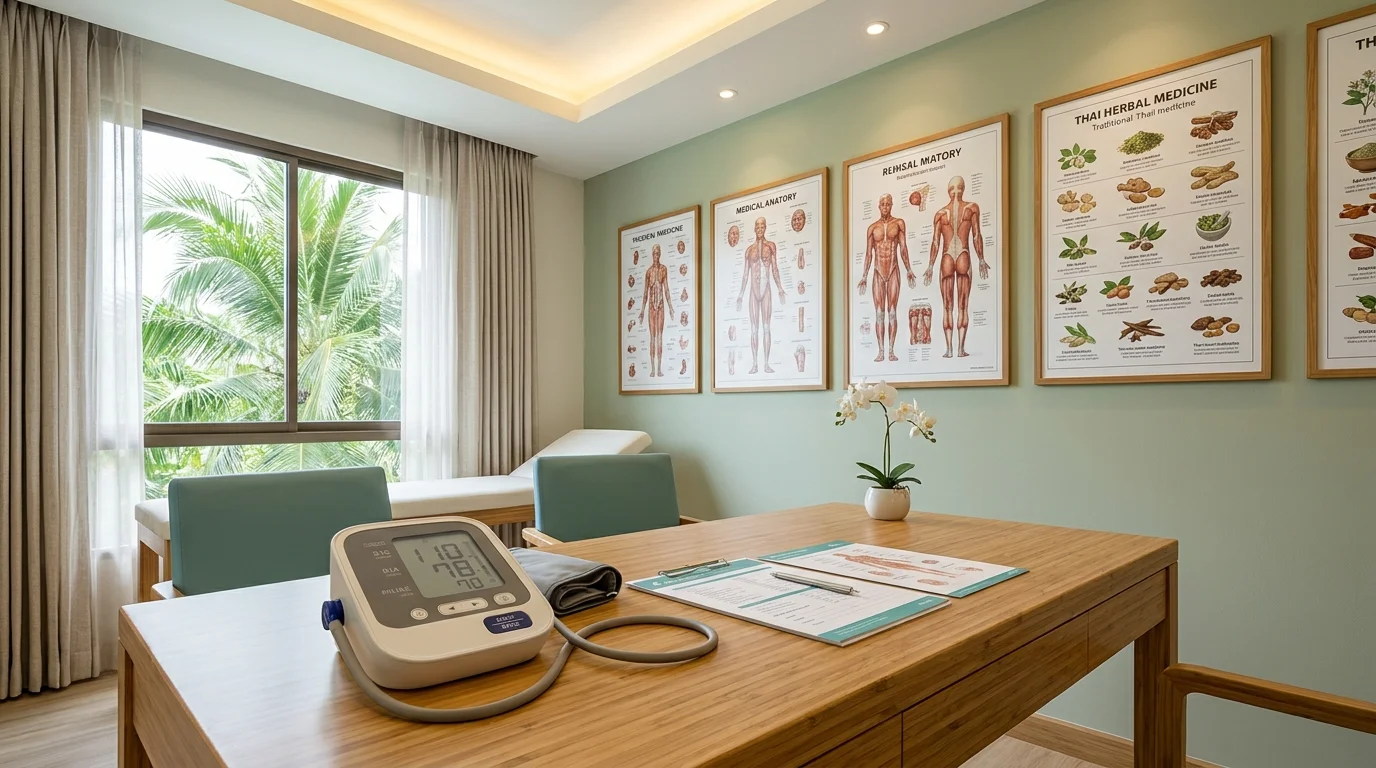
Booking a self-directed wellness retreat carries significant risks if you have unmanaged pre-existing health conditions. Thailand offers two distinct tiers of detox facilities. Medically supervised centres employ registered nurses, require comprehensive blood panels upon arrival, and keep doctors on call. Self-directed retreats simply provide the juices, herbs, and colonic equipment while leaving you to manage your own physical reactions. UK visitors with type 1 or type 2 diabetes, clinical hypotension, or a history of eating disorders must strictly avoid self-directed fasting. The sudden drop in blood sugar and blood pressure can cause fainting or severe hypoglycaemic events in the tropical heat. If you take prescription medication, a water or juice fast alters how rapidly your body absorbs these drugs. A medically supervised clinic like Absolute Sanctuary in Koh Samui will adjust your programme to ensure your medication remains effective. Always email your full medical history to the retreat director before paying a deposit. Ensure you receive written confirmation that their staff are qualified to monitor your specific health requirements safely.
Top Detox Retreat Destinations in Thailand
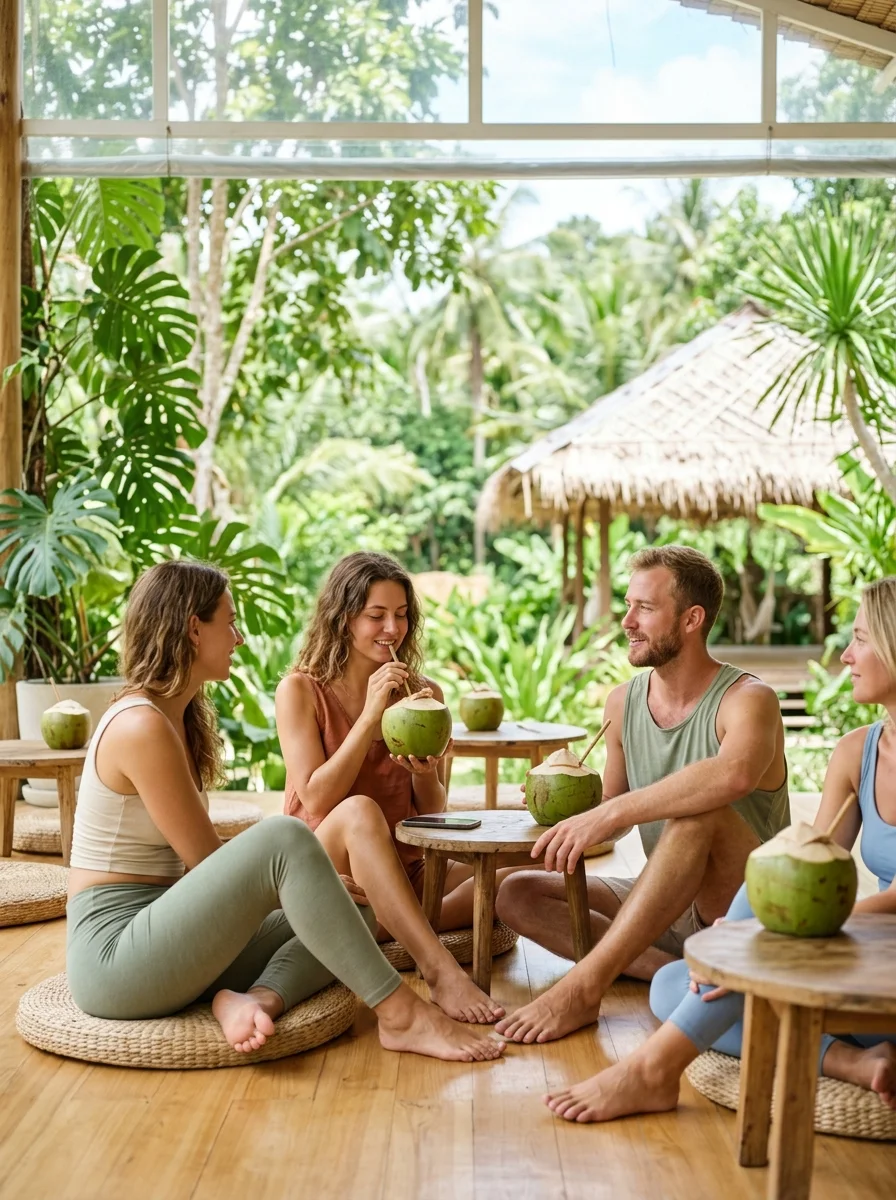
Koh Samui remains the undisputed capital of intensive detox programmes in Southeast Asia. The island’s Lamai and Lipa Noi areas are packed with established centres. Absolute Sanctuary offers premium, medically supervised cleanses with luxurious amenities, while The Source Herbal Detox provides rigorous, traditional fasting protocols in a more intimate setting. Koh Phangan attracts a slightly more bohemian crowd, heavily concentrated around the Sri Thanu area. Here, Orion Healing Centre and Ananda Yoga & Detox offer highly structured juice fasts and liver flushes at mid-range prices, surrounded by a supportive community of long-term wellness expatriates. In the north, Chiang Mai provides a cooler climate and a stronger focus on traditional holistic healing. Tao Garden Health Spa & Resort, located just outside the city, specialises in Chi Nei Tsang abdominal massage and integrative Eastern detoxification methods. The mountain air makes fasting significantly more comfortable than in the humid south. For a first-timer seeking a safe, highly structured introduction to fasting, Koh Samui offers the most professional and easily accessible infrastructure.
Realistic Costs and Budgeting
The price of a detox programme in Thailand varies wildly depending on the level of medical supervision, accommodation quality, and included treatments. Budget programmes typically offer basic fan-cooled bungalows, communal yoga, and daily juices or herbal supplements. Mid-range retreats provide air-conditioned rooms, daily massages, structured colon cleansing kits, and dedicated wellness consultations. Premium medical resorts charge significantly more. These luxury options include comprehensive blood testing upon arrival, full-time nursing staff, ozone therapy, high-end spa facilities, and imported nutritional supplements. Always check if the quoted price includes accommodation, as some centres price their detox packages and room rates separately. Most programmes run for seven to eleven days. Expect to pay entirely upfront when booking to secure your spot.
| Option | Cost (THB) | Cost (GBP approx) | Notes |
|---|---|---|---|
| Budget Self-Directed | 15,000 - 25,000 | 330 - 550 | Basic fan room, juices, self-administered colonics, communal yoga. |
| Mid-Range Structured | 35,000 - 55,000 | 780 - 1,220 | AC room, daily massages, structured consultations, herbal supplements. |
| Premium Medical | 80,000 - 150,000+ | 1,770 - 3,330 | Full medical supervision, blood tests, luxury accommodation, IV therapies. |
Essential Preparation Before You Arrive

You must eliminate caffeine, alcohol, and sugar from your diet seven days before flying to Thailand. Failing to taper off these substances results in severe withdrawal headaches during the first three days of your fast. Ensure your travel insurance explicitly covers elective wellness treatments and clinical therapies. Standard holiday policies frequently exclude medical emergencies resulting from voluntary dietary restriction or colon hydrotherapy. Do not plan a heavy welcome dinner in Bangkok before heading to your retreat island. Arriving at a fasting centre with a digestive tract full of heavy street food makes the initial cleansing process highly uncomfortable. You will need a careful transition diet of raw papaya and light soups for three days after your programme ends. Breaking a fast immediately with a rich Thai green curry will cause acute gastrointestinal distress.
Practical Tips for a Successful Thai Detox
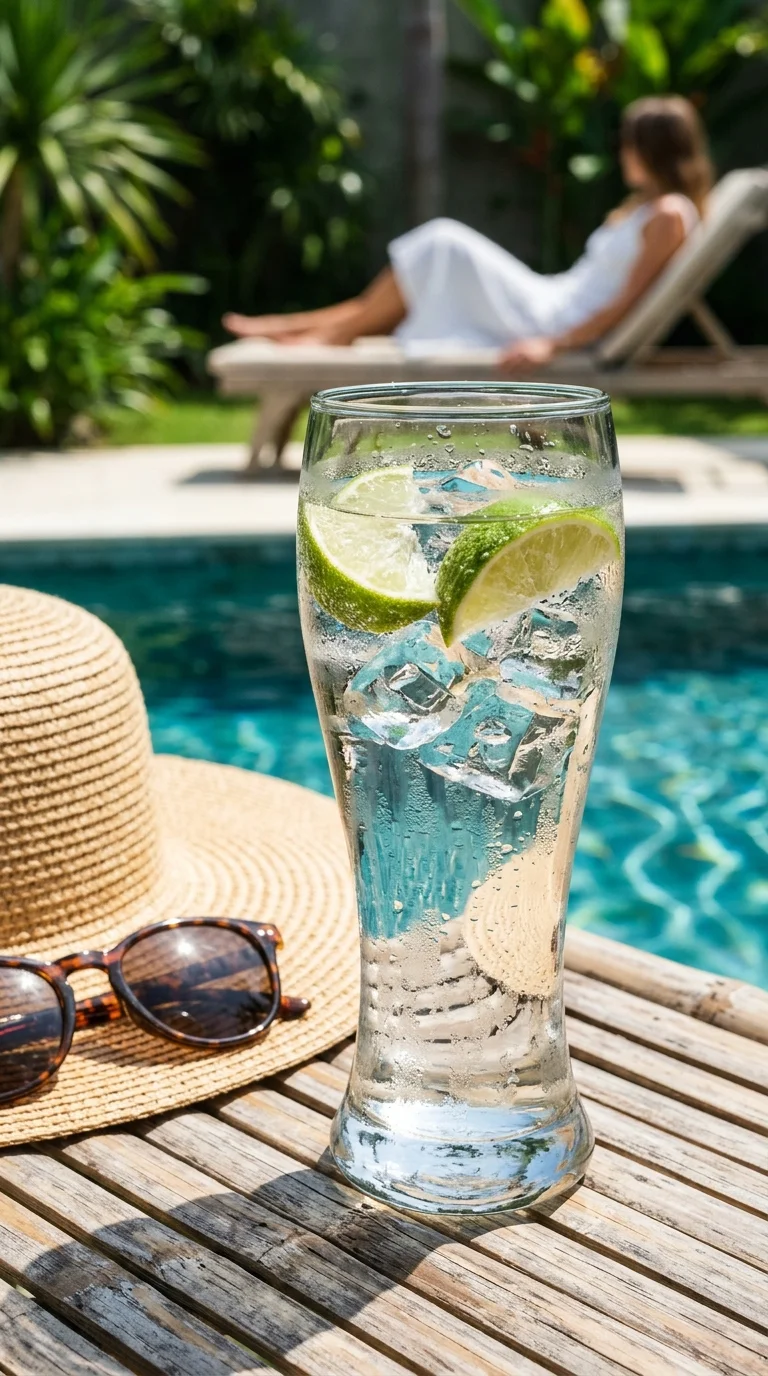
Drink significantly more water than you think is necessary. The combination of the Thai climate and the fasting process rapidly depletes your fluid levels.
Pack high-quality electrolyte sachets from the UK. Local Thai pharmacies sell rehydration salts, but they are often heavily loaded with artificial sugars that break your fast.
Bring several comfortable, loose-fitting cotton outfits with elasticated waists. Your abdomen will likely feel tender and bloated during the initial stages of a colon cleanse.
Schedule your detox for the end of your Thai holiday rather than the beginning. You will want to enjoy the famous local street food without restriction before committing to a fast.
Choose a retreat with an on-site swimming pool or easy ocean access. Floating in cool water provides immense relief when the physical lethargy of day three hits.
Download several audiobooks or long podcasts before arriving at the centre. You will have hours of low-energy downtime where reading a physical book feels like too much effort.
Inform the staff immediately if you feel dizzy when standing up. Tropical heat combined with low blood sugar requires rapid intervention with a natural coconut water boost.
Ensure your arrival in Thailand is entirely stress-free before beginning your intensive fasting programme.
Detox Programme Quick Reference
| Item | Detail | Notes |
|---|---|---|
| Best Location for First-Timers | Koh Samui | Highest concentration of medically supervised facilities. |
| Average Programme Length | 7 to 11 days | Shorter 3-day programmes are available but offer limited results. |
| Primary Fasting Formats | Juice, water, herbal, colon cleanse | Match the intensity to your previous fasting experience. |
| Key Medical Risk | Hypoglycaemia and dehydration | Tropical heat exacerbates the physical stress of calorie restriction. |
| Essential Pre-Detox Prep | Taper off caffeine and sugar | Begin this process 7 days before your flight to avoid severe headaches. |
| Best Time to Go | November to February | The cooler, dry season makes fasting significantly more comfortable. |
| Post-Detox Requirement | 3-day transition diet | Break the fast with raw papaya and light broths, not heavy Thai food. |