Buying Property in Pattaya
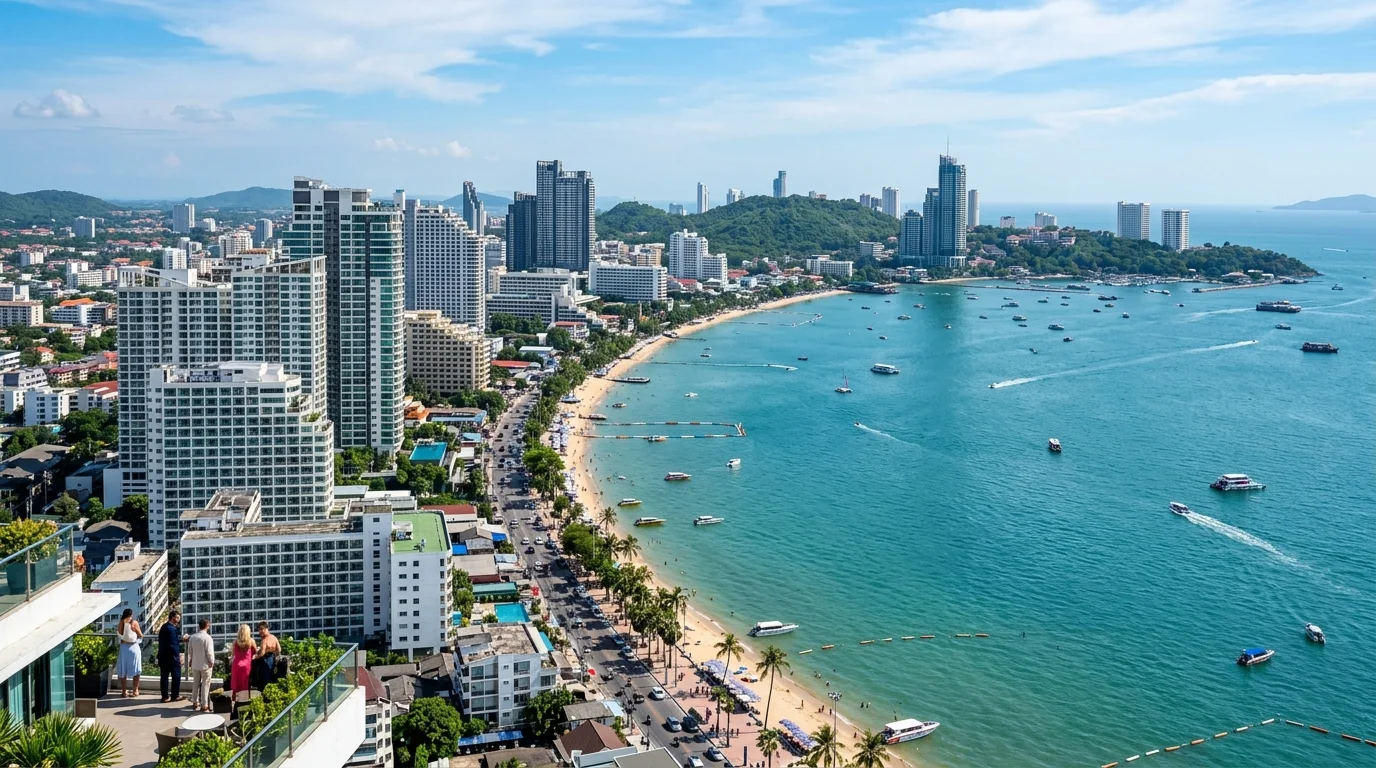
Foreign buyers often purchase off-plan apartments in heavily oversupplied Pattaya districts like Jomtien, only to discover their guaranteed rental yields evaporate upon completion. You can legally own a freehold apartment in your own name under the Thai Apartment Act, provided the building's total foreign ownership quota has not exceeded 49%.
This guide breaks down exactly how UK nationals can buy and invest in Pattaya property, covering realistic prices, legal ownership structures, and the genuine risks of market oversupply. It is designed for retirees, long-stay expats, and investors seeking yield, detailing the stark differences between central Pattaya's saturated apartment market and the quieter, higher-value northern districts. This is not for buyers seeking speculative short-term capital growth, which remains highly unlikely in this heavily developed coastal region.

Understanding the Pattaya Property Market and Buyer Profile
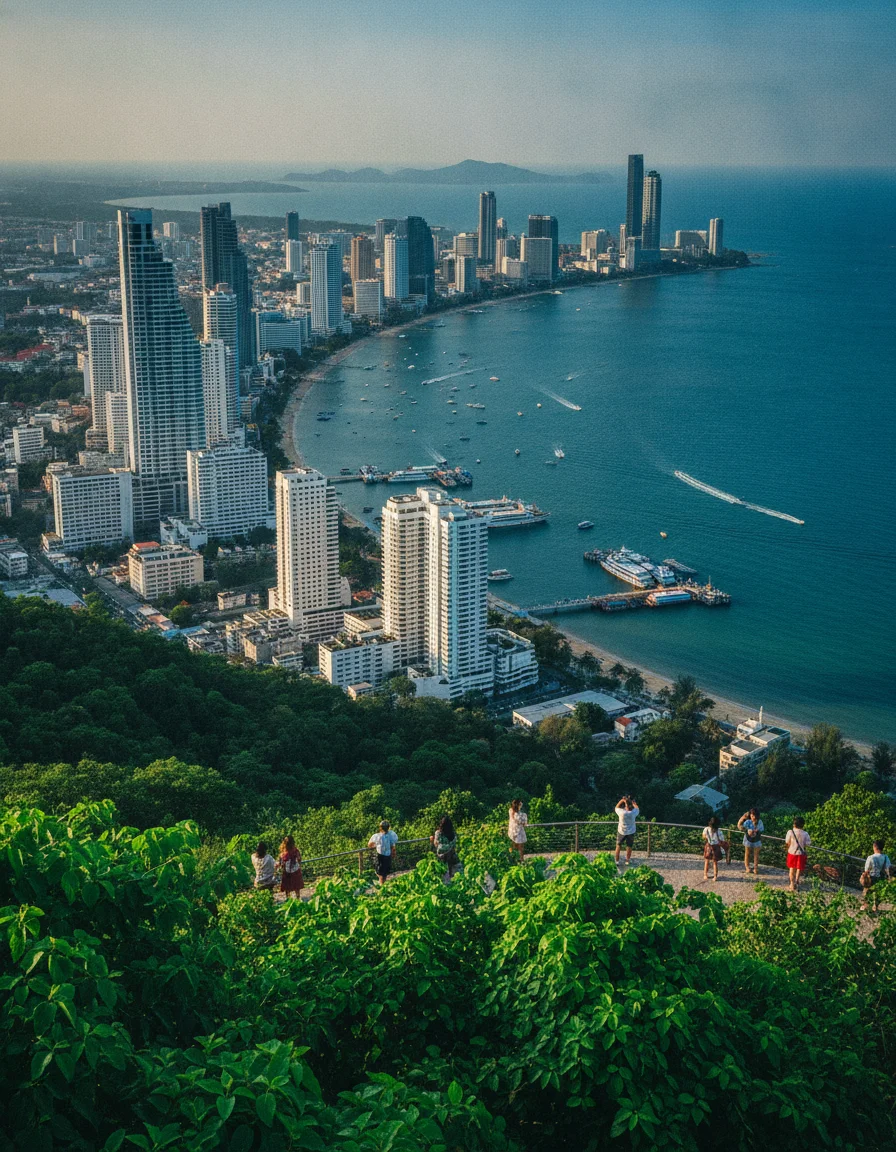
Pattaya attracts a distinct demographic driven by high rental yields, retirement affordability, and immediate proximity to Bangkok. This contrasts sharply with the premium luxury focus of Phuket or the corporate tenant base of the capital. The city draws a highly specific buyer profile consisting largely of UK retirees seeking a low-cost coastal lifestyle, long-stay expats working in the industrial estates of the Eastern Seaboard, and investors capitalising on the high-turnover holiday let market. Central Pattaya and Jomtien Beach cater heavily to the budget and mid-tier apartment sector. This creates dense development and intense competition for tenants. Conversely, the quieter Wongamat Beach area in the north offers genuine long-term value, attracting affluent domestic buyers and foreign executives who deliberately avoid the nightlife-heavy southern zones. The city's historical reputation as a budget destination actively suppresses resale values in the central districts. Capital appreciation is rarely an achievable goal here. Instead, informed investors focus entirely on cash flow from short-term rentals and annual expat leases. To succeed, you must separate aggressive developer marketing from actual tenant demand. Focus your property search on established buildings with strong management committees and proven rental histories. Do not rely on speculative off-plan projects promising unrealistic returns in oversaturated neighbourhoods.
Discover realistic rental prices in Thailand for UK expats. Compare monthly costs across Bangkok, Phuket, and Chiang Mai, and learn how to protect your deposit.
Legal Ownership Routes for Foreign Buyers in Pattaya
UK nationals can legally own an apartment freehold entirely in their own name, but purchasing a villa or landed property requires navigating strict foreign ownership restrictions and complex legal structures. The Thai Apartment Act allows foreign nationals to own up to 49% of the total saleable floor area within a registered apartment building. This freehold route offers the strongest legal protection available in Thailand. It grants you a government-issued Chanote title deed with your name registered directly at the local Land Department. If you intend to buy a villa in popular expat enclaves like East Pattaya or Na Jomtien, you cannot own the underlying land freehold. Instead, you must enter a long-term lease agreement. This lease is legally capped at a maximum of 30 years and registered formally against the land title deed. While property developers often market 90-year leases structured as three consecutive 30-year terms, only the first 30 years are guaranteed and legally enforceable under Thai civil law. Setting up a Thai limited company to hold the land freehold is heavily scrutinised by the government. Using nominee shareholders to bypass ownership laws is a criminal offence. Securing a freehold apartment remains the most secure, transparent, and liquid route for a UK buyer looking to invest capital in the region.
| Ownership Route | Legal Structure | Security Level | Notes |
|---|---|---|---|
| Apartment Freehold | Direct ownership under foreign quota | High | Buyer's name is registered directly on the Chanote title deed. |
| Apartment Leasehold | 30-year lease on Thai quota unit | Medium | Used when the 49% foreign quota is already full. |
| Villa Leasehold | 30-year registered land lease | Medium | Only the initial 30-year term is legally enforceable at the Land Department. |
| Corporate Ownership | Thai Limited Company holds land | Low | Heavily scrutinised by authorities; illegal if using nominee shareholders. |
Property Prices and Yields Across Pattaya's Key Districts
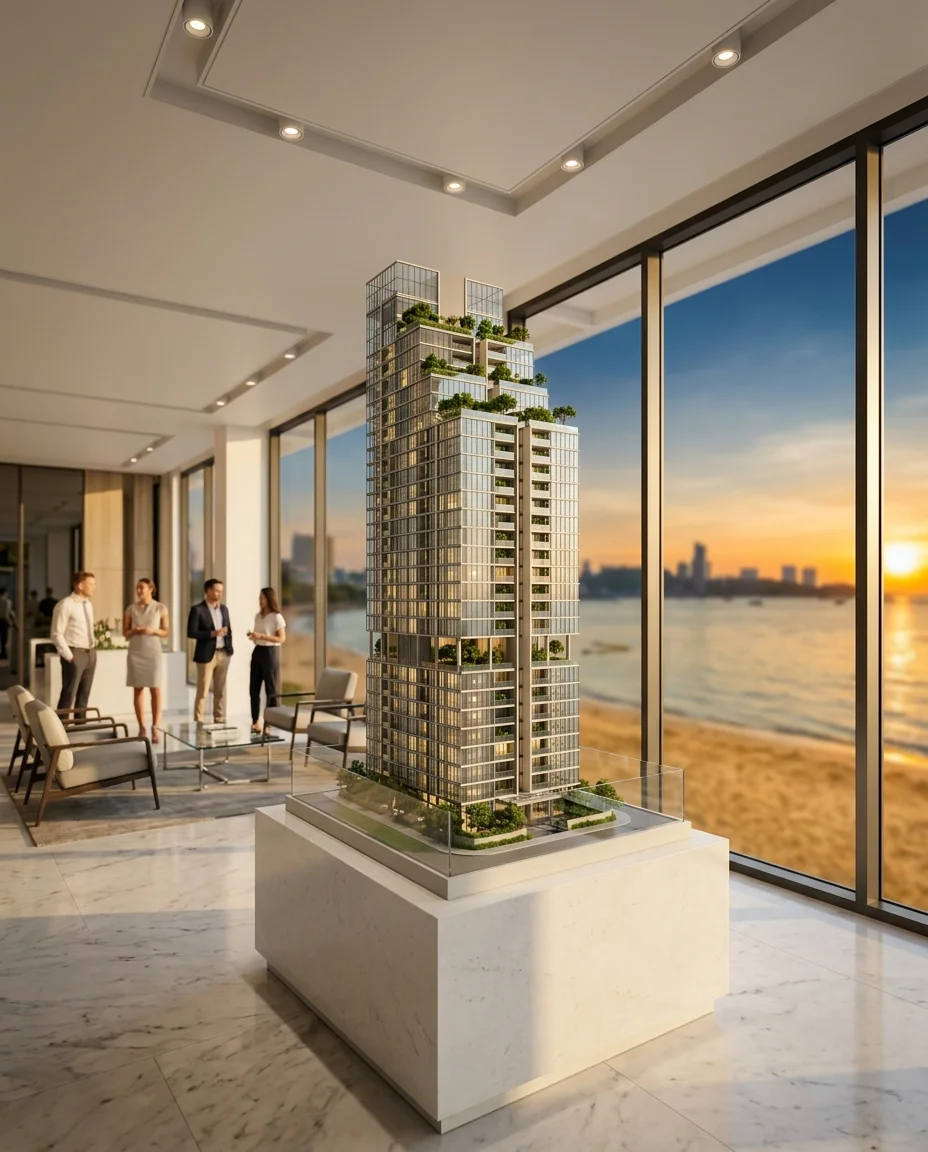
Purchase prices per square metre vary drastically depending on the specific district, with severe oversupply in certain southern zones creating distinct tiers of investment value and risk. In Central Pattaya and Jomtien Beach, an intense concentration of studio and one-bedroom apartments keeps entry prices remarkably low. These typically range from 60,000 THB to 85,000 THB (£1,330 to £1,880) per square metre. These areas target the mass holiday let market, offering gross rental yields of 6% to 8%. However, high vacancy rates during the low season and aggressive local competition often severely erode net returns. Pratumnak Hill commands a noticeable premium due to its elevation, restricted building heights, and quieter residential environment. Prices here generally sit between 80,000 THB and 110,000 THB (£1,770 to £2,440) per square metre. This appeals strongly to long-stay European retirees seeking annual leases. Wongamat Beach represents the top tier of the local property market. Luxury beachfront apartments here regularly exceed 140,000 THB (£3,110) per square metre. This northern enclave delivers the strongest capital protection in the city, supported heavily by wealthy Bangkok residents purchasing second homes. Na Jomtien is emerging as a practical compromise, offering newer beachfront developments with solid long-term lease prospects. Always verify the actual rental histories in a specific building rather than relying on a developer's projected yields.
| District | Average Price per Sqm | Target Demographic | Investment Outlook |
|---|---|---|---|
| Wongamat Beach | 120,000 - 150,000 THB | Affluent Thais, Executives | Strong capital protection, lower but stable yields. |
| Pratumnak Hill | 80,000 - 110,000 THB | European Retirees | Solid long-stay rental demand, limited new land. |
| Central Pattaya | 65,000 - 90,000 THB | Holidaymakers, Short-term | High gross yields but severe competition and void periods. |
| Jomtien Beach | 60,000 - 85,000 THB | Budget Expats, Tourists | Heavily oversupplied, poor resale value for small units. |
Navigating the Oversupply Issue and Protecting Resale Value
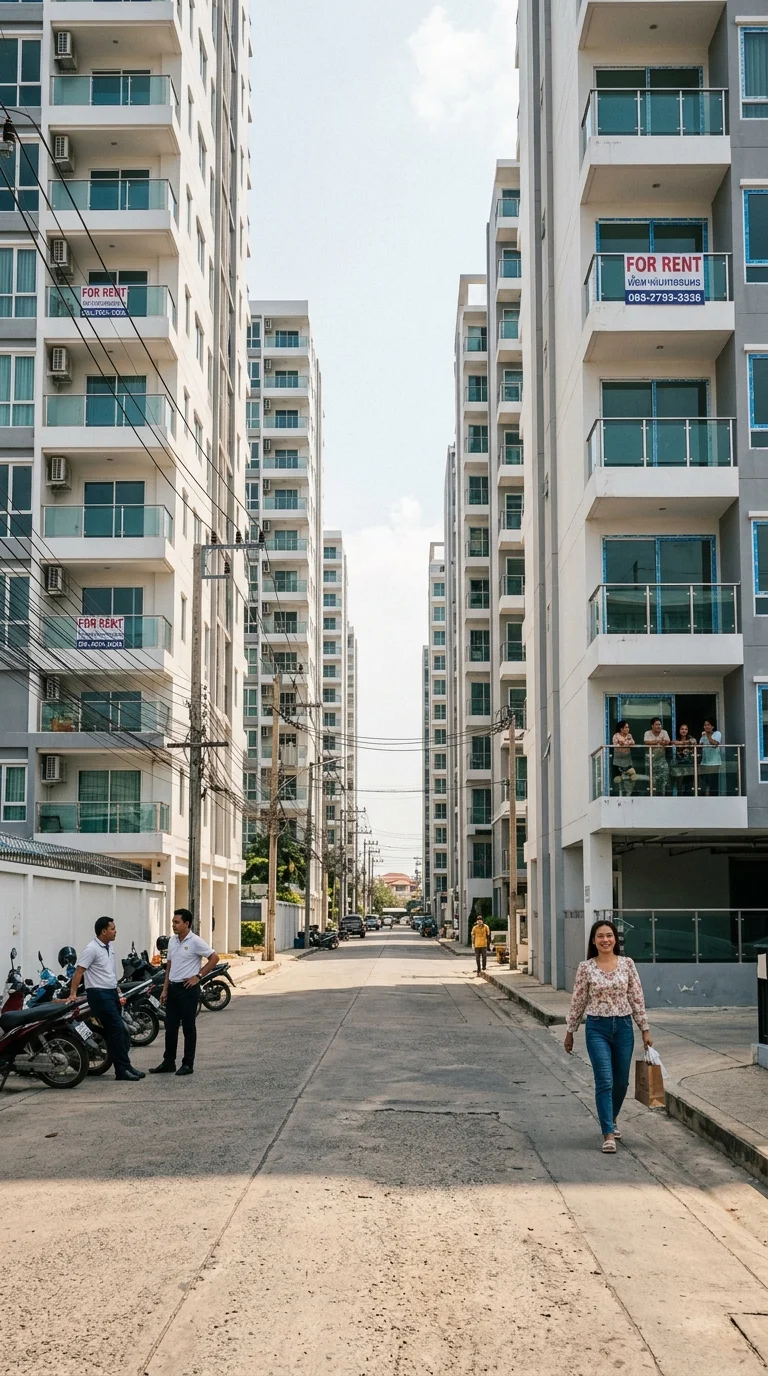
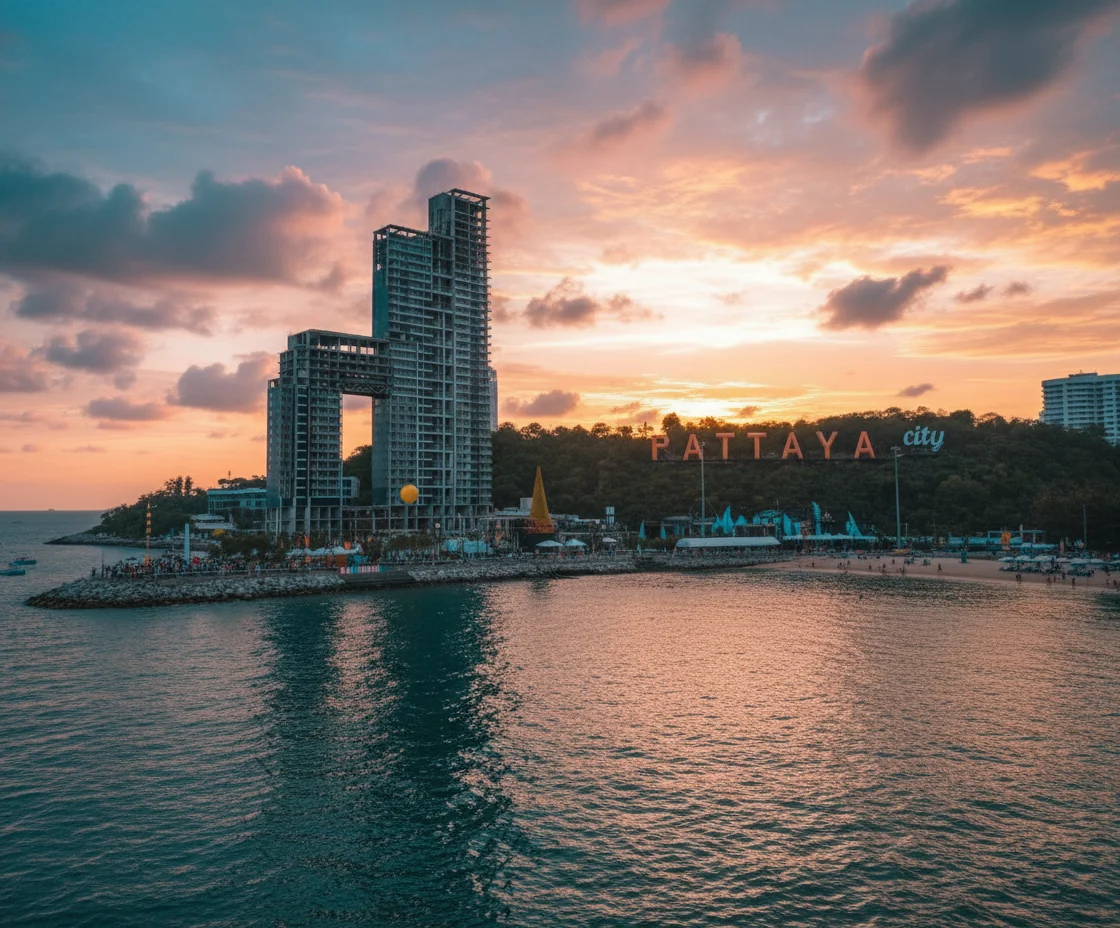
The relentless construction of dense apartment blocks in Jomtien and Central Pattaya creates a significant oversupply issue that depresses resale values. Developers heavily market off-plan studio units of 25 to 30 square metres to foreign buyers. They promise guaranteed rental returns that rarely materialise past the initial promotional period. Because the secondary market is flooded with identical small units, selling these properties quickly is difficult. The sheer volume of available rental stock gives tenants immense negotiating power. This pushes rental prices down and forces landlords to absorb maintenance fees out of pocket during long void periods. To protect your investment capital, you must deliberately buy against the prevailing trend of mass-market micro-apartments. Larger two-bedroom units of 70 square metres or more are comparatively rare. These spacious layouts are highly sought after by long-stay expat families and hold their value significantly better on the secondary market. Buildings with a high proportion of owner-occupiers also maintain better communal facilities than those dominated by transient short-term holiday lets. Prioritise unit size, layout, and building management quality over the initial purchase price to ensure your property remains desirable when you eventually decide to sell.
Funding Your Purchase and the Foreign Exchange Transaction Form
To legally register a freehold property in your name at the Land Department, all purchase funds must originate from outside Thailand in a foreign currency. The receiving Thai bank must convert the inbound British Pounds into Thai Baht and issue a Foreign Exchange Transaction Form (FETF) for any single international transfer exceeding 50,000 USD (approximately 1.8 million THB or £40,000). This critical document serves as legal proof that you have imported foreign capital into the country. This is a strict prerequisite for foreign freehold ownership under the Thai Apartment Act. When sending funds via a currency broker or your UK bank, the transfer instructions must explicitly state that the purpose is for purchasing an apartment. You must include the specific unit number and the exact building name on the wire transfer. If you transfer Thai Baht directly from a UK account, the Land Department will refuse to transfer the title deed into your name. Ensure your legal representative liaises directly with your currency broker to guarantee the payment routing meets all Thai regulatory requirements. Using a specialised foreign exchange broker rather than a high street bank will also secure a substantially better exchange rate on large capital transfers.
Transaction Costs and Ongoing Property Fees
When purchasing property in Pattaya, you must budget for specific government taxes and ongoing operational costs well beyond the headline purchase price. The standard Land Department transfer fee is 2% of the property's registered government valuation, which is typically split equally between the buyer and the seller. If the seller has owned the property for less than five years, a Specific Business Tax of 3.3% applies. Otherwise, a Stamp Duty of 0.5% is charged instead. While sellers usually cover these specific taxes in the secondary market, developers often try to pass them entirely onto buyers in off-plan contracts. You must also budget for independent legal fees, which generally range from 30,000 THB to 60,000 THB (£660 to £1,330) for comprehensive conveyancing and due diligence. Once you officially own the property, you are legally liable for monthly common area maintenance fees. These are usually charged between 40 THB and 80 THB per square metre and billed annually. Buyers of brand new units must also pay a substantial one-off sinking fund contribution, typically 400 THB to 600 THB per square metre, to cover future major building repairs.
| Cost Item | Rate or Amount | Paid By | Notes |
|---|---|---|---|
| Transfer Fee | 2% of registered appraisal value | Usually split 50/50 | Payable at the Land Department upon transfer. |
| Specific Business Tax | 3.3% of appraisal or sale price | Seller | Applies if the property is sold within 5 years of purchase. |
| Stamp Duty | 0.5% of appraisal or sale price | Seller | Applies if Specific Business Tax is not applicable. |
| Legal Fees | 30,000 - 60,000 THB (£660 - £1,330) | Buyer | Covers due diligence, contract review, and transfer representation. |
| Maintenance Fee | 40 - 80 THB per sqm per month | Buyer | Paid annually in advance for building upkeep. |
Common Mistakes and How to Avoid Them
Buying an apartment without verifying the exact foreign ownership quota ratio. If the building has already reached its 49% foreign allocation limit, you cannot hold the freehold title and will be forced into a significantly less secure leasehold agreement. Always instruct your lawyer to request a formal written quota confirmation from the building's juristic person before signing a reservation agreement.
Believing guaranteed rental return promises on speculative off-plan projects. When the developer's guarantee period expires, buyers frequently discover the actual market rent is drastically lower due to severe local oversupply in areas like Jomtien. Price the investment based solely on current secondary market rental rates for comparable nearby buildings.
Transferring purchase funds in Thai Baht directly from the UK. The Land Department will summarily reject the property transfer because you will not qualify for the mandatory Foreign Exchange Transaction Form required by law. Always send funds in British Pounds and let the receiving Thai bank perform the currency conversion onshore.
Using the seller's lawyer or property broker to handle the transaction. Relying on the developer's legal team leaves you exposed to biased contracts that heavily favour the seller in the event of construction delays or structural defects. Hire an independent Thai property lawyer to conduct objective due diligence and protect your deposit.
Practical Tips
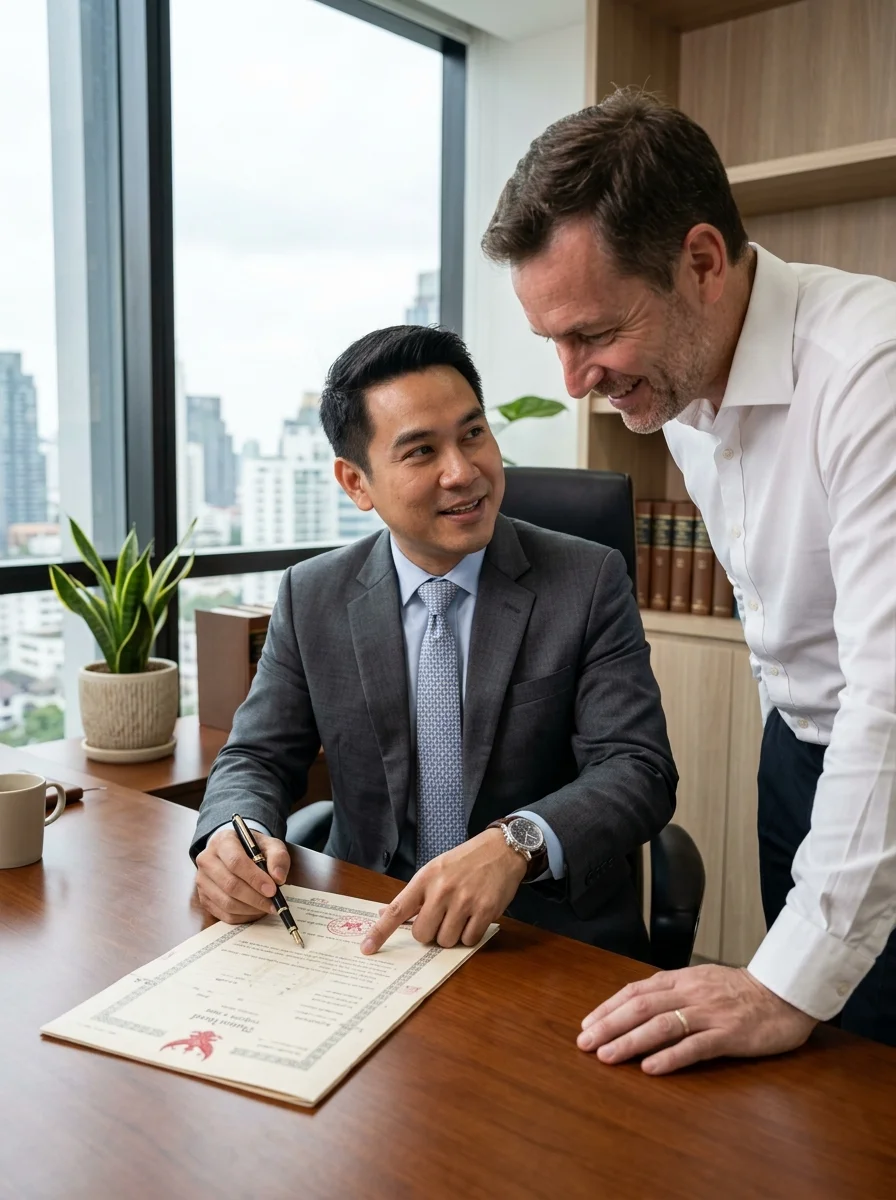
Verify the title deed type before negotiating any purchase price or paying a deposit. Ensure the property holds a full Chanote (Nor Sor 4 Jor) title, as this is the only deed granting full private ownership and accurately surveyed GPS boundaries.
Check the building's juristic person financial records and recent annual general meeting minutes. A severely depleted sinking fund indicates that upcoming major repairs to lifts or pools will require sudden emergency cash calls from all current owners.
Include a strict subject-to-finance clause if you are seeking a local mortgage from a Thai bank. Thai banks have extremely rigid lending criteria for foreign nationals, and you will lose your entire deposit if the contract lacks a refund provision for declined loan applications.
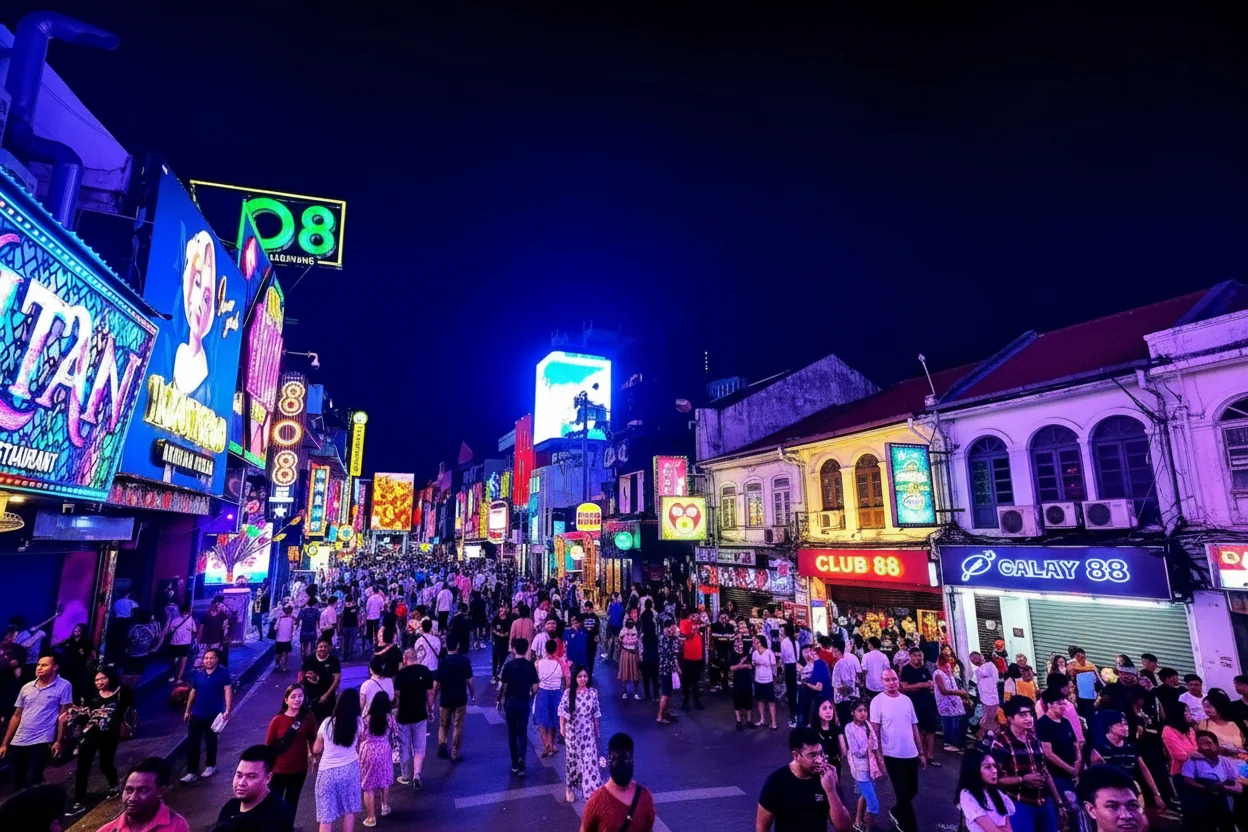
Inspect the specific unit for noise pollution at different times of the day before buying. Properties in Central Pattaya and lower Pratumnak often suffer from severe late-night noise from open-air entertainment venues, which drastically reduces long-term tenant appeal.
Review the exact terms of the sinking fund payment when buying an off-plan or newly completed unit. This is a substantial one-off cost calculated per square metre, and you must know exactly when the developer expects this payment to be settled.
Demand a highly detailed inventory list featuring photographs attached to the final sale contract. Disputes frequently arise upon transfer when sellers remove expensive air conditioning units or built-in furniture that you reasonably assumed were included in the sale price.
Ask your lawyer to check the building management office for outstanding common area fees. The Land Department will legally block the transfer of an apartment if the current seller has unpaid maintenance debts owed to the building's juristic person.
Quick Reference Table
| Item | Detail | Notes |
|---|---|---|
| Foreign Ownership Route | Freehold for apartments, Leasehold for land/villas | 30-year maximum legally enforceable lease term for land. |
| Maximum Foreign Quota | 49% of total saleable floor area | Applies only to registered apartment buildings. |
| Accepted Title Deed | Chanote (Nor Sor 4 Jor) | The only deed providing full private ownership and surveyed boundaries. |
| Typical Purchase Costs | 1% to 2% of property value | Excludes legal fees and ongoing maintenance charges. |
| Fund Transfer Requirement | Must enter Thailand in foreign currency | Required to obtain the mandatory FETF document. |
| Legal Representation | Not legally required but strictly advised | Essential for verifying foreign quota and title deeds. |
| Typical Timescale | 30 to 60 days for secondary market | Off-plan purchases depend entirely on construction schedules. |
| Key Oversupply Risk Zones | Jomtien Beach, Central Pattaya | High concentration of 25-30 sqm studio units. |