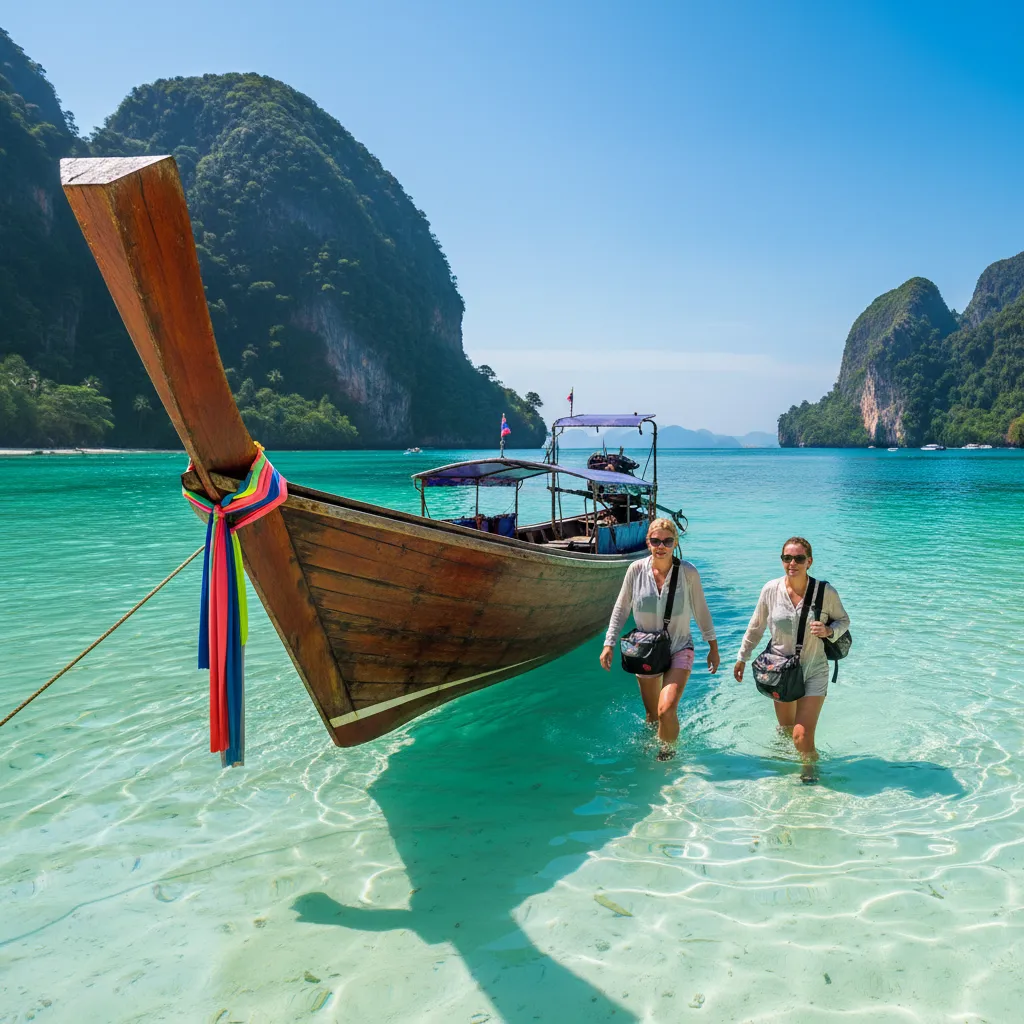
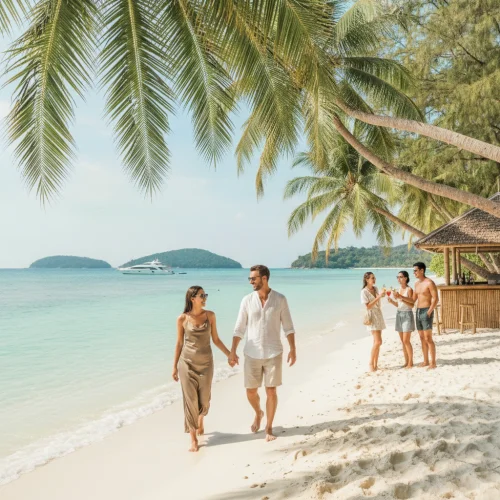
Similan Islands - Andaman Sea
The Similan Islands rank among the top ten dive destinations globally, offering reliable sightings of whale sharks and manta rays across an 11-island archipelago in the Andaman Sea. Access is strictly limited to a seven-month window each year to protect the fragile marine ecosystems and coral reefs.
Designated as a Marine National Park in 1982 and managed by the Thai Department of National Parks, Wildlife and Plant Conservation, the Similan archipelago consists of granite islands positioned 50 kilometres off the coast of Phang Nga province. The destination caters primarily to advanced scuba divers booking multi-day liveaboard expeditions and strong snorkellers taking fast catamaran day trips from Khao Lak. Because the park imposes strict daily visitor caps and closes entirely during the monsoon season, trips require precise advance planning. It sits firmly at the premium end of Thailand’s marine tourism market.

The Diving Experience and Marine Life
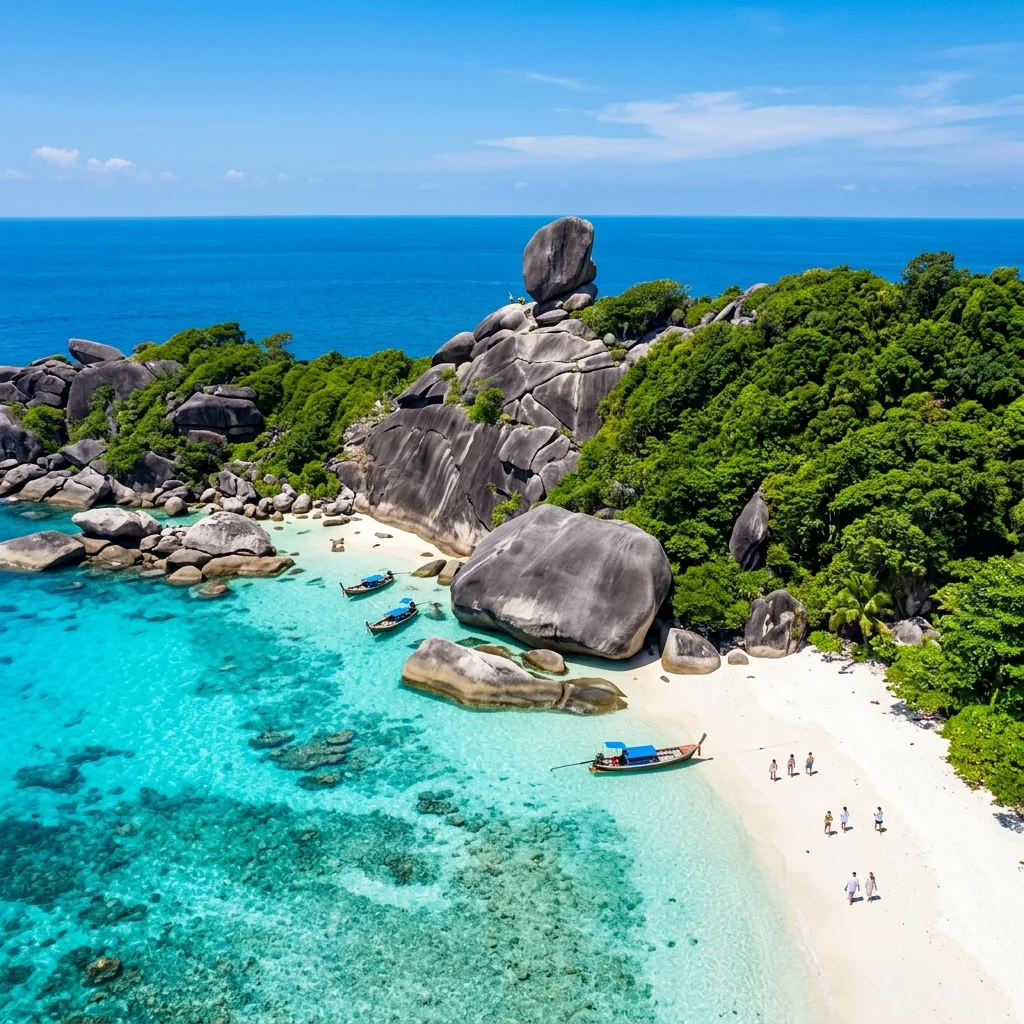
The underwater topography of the Similan Islands defines its global reputation among scuba divers. The western dive sites feature massive submerged granite boulders that create complex swim-throughs and deep drop-offs, while the eastern sites slope gently into expansive hard coral gardens. Elephant Head Rock (Hin Pusa) stands out as the most challenging site, demanding strong buoyancy control to navigate its labyrinth of rocky arches amid shifting currents.
Discover the best Krabi food, from fiery southern yellow curry at Chao Fah Night Market to hidden seafood kitchens on Koh Klang. Skip the tourist traps.
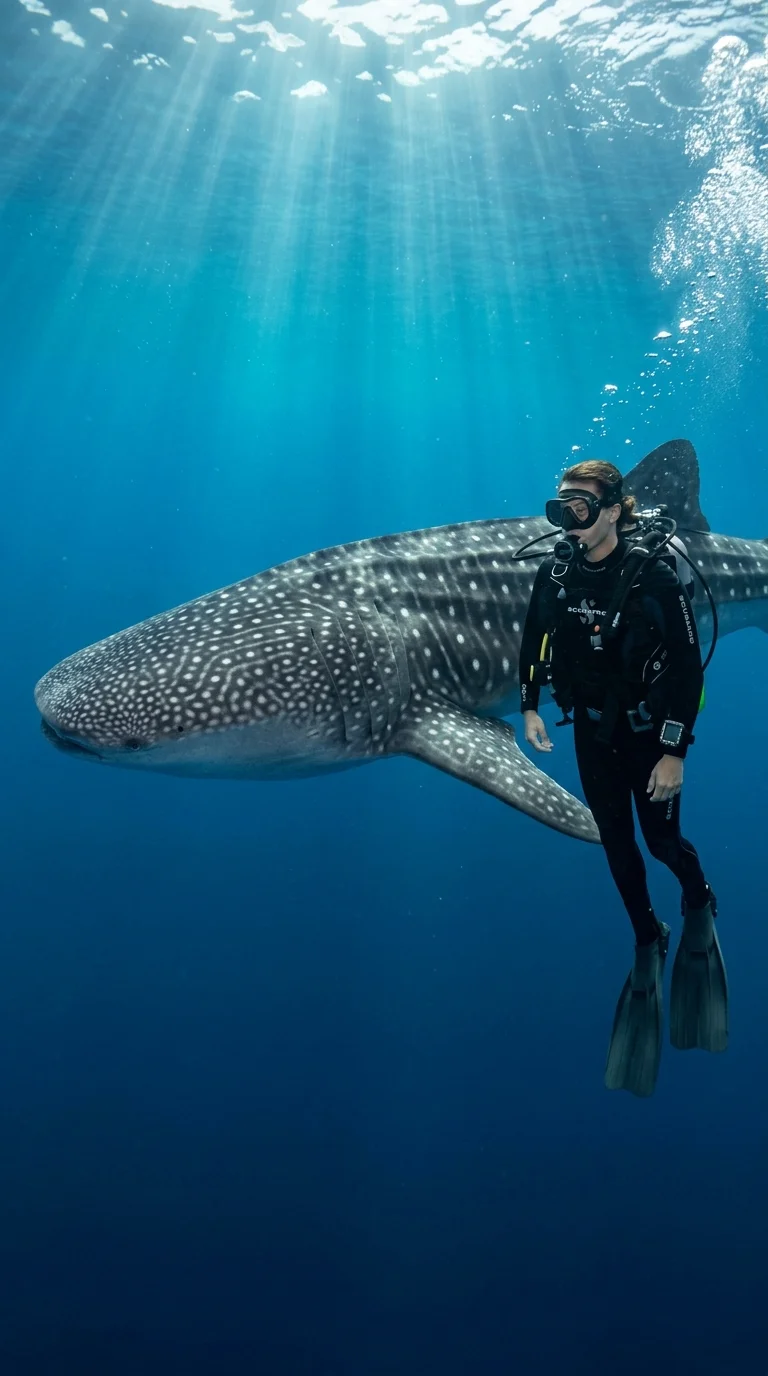
Marine life here is highly diverse and consistently present. Divers regularly encounter leopard sharks resting on the sandy bottom, while giant trevally and dogtooth tuna patrol the blue water for prey. The primary draw for many visitors remains the pelagic megafauna. Koh Bon, a limestone ridge just north of the main archipelago, serves as a known cleaning station for oceanic manta rays. Whale sharks frequently follow plankton trails through the deeper channels between February and April.
Advanced divers should request itineraries that include both the main Similan islands and the more exposed northern sites like Richelieu Rock to maximise large pelagic encounters.
Day Trips versus Liveaboard Expeditions
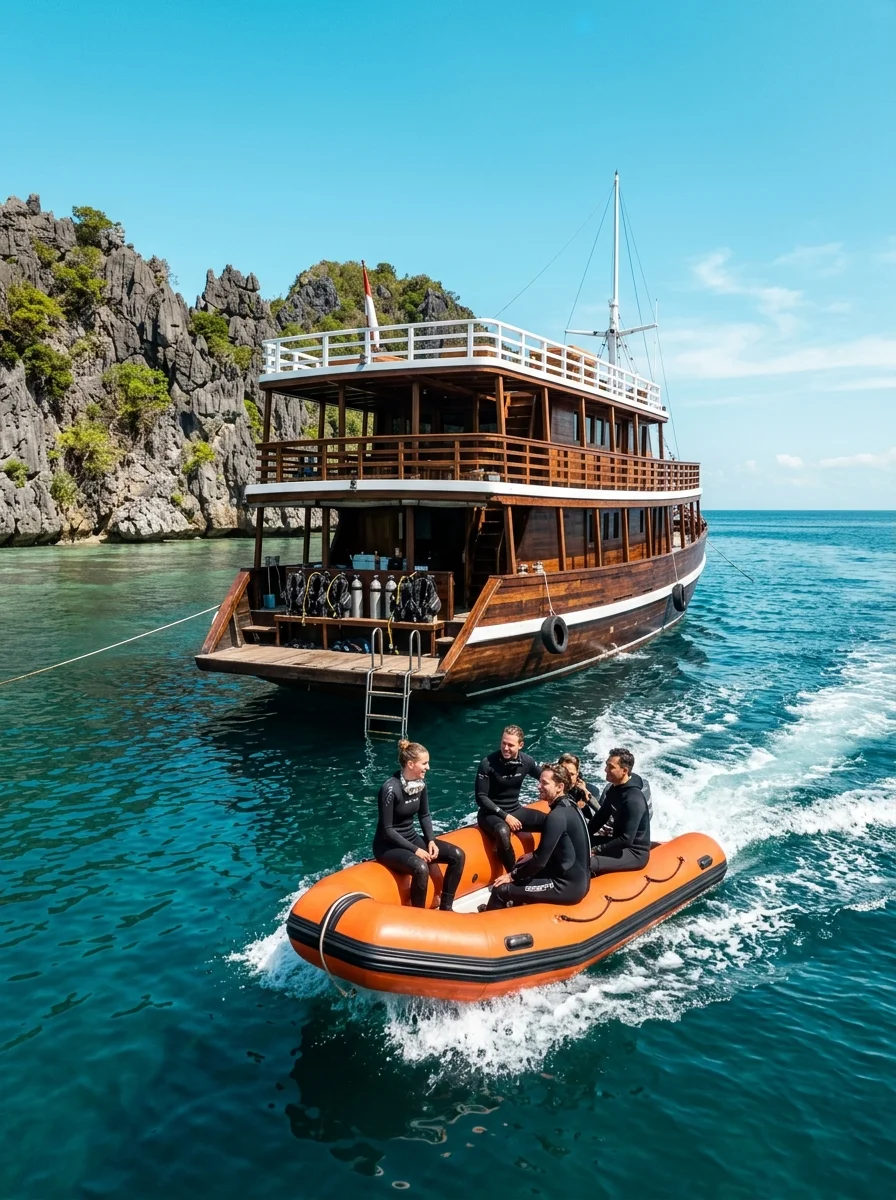
Choosing how to visit the archipelago dictates your entire experience. Day trips operate primarily out of Khao Lak, utilising large speedboats or power catamarans to cross the 50-kilometre stretch of open ocean. These tours typically depart at 8:00 AM and return by 4:30 PM, offering two separate snorkelling stops and a brief shore excursion. They suit visitors with limited time, but the boats run on rigid schedules and often arrive at sites simultaneously.
Liveaboard expeditions offer a completely different pace. These multi-deck vessels serve as floating hotels, typically running three to five-night itineraries. Staying on board allows divers to access remote sites like Koh Tachai early in the morning before the day-trip speedboats arrive. It also enables night diving, which reveals a completely different ecosystem of hunting moray eels, Spanish dancers, and sleeping parrotfish. Liveaboards provide dive decks, air-conditioned cabins, and dedicated camera stations for underwater photographers.
If your primary goal is scuba diving rather than casual sightseeing, a liveaboard expedition represents the most efficient and rewarding way to explore the park.
| Visit Type | Duration | Primary Audience | Key Advantage |
|---|---|---|---|
| Speedboat Day Trip | 8.5 hours | Snorkellers, time-poor visitors | Requires no overnight commitment |
| Short Liveaboard | 2 to 3 nights | Casual divers | Access to early morning dive sites |
| Full Expedition | 4 to 5 nights | Advanced divers, photographers | Covers northern sites and Richelieu Rock |
| Dedicated Snorkel Catamaran | 9 hours | Non-divers | Slower pace, stable platform |
Snorkelling and Non-Diver Activities
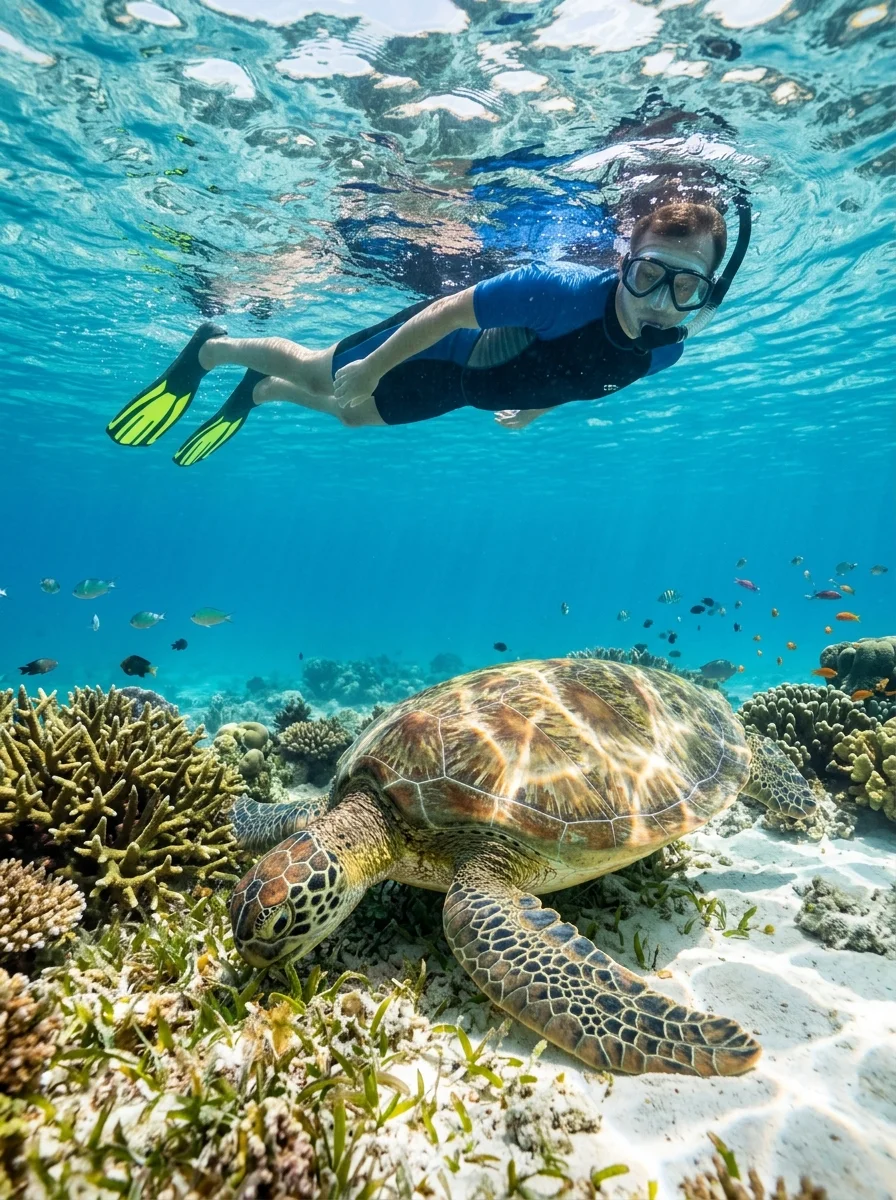
You do not need a scuba certification to appreciate the marine environment here. The eastern sides of the islands feature shallow, protected bays where hard coral reefs begin just metres from the surface. Princess Bay on Island 4 (Koh Miang) and Donald Duck Bay on Island 8 (Koh Similan) serve as the primary snorkelling locations.
The water clarity often exceeds 20 metres, allowing surface swimmers to observe blue-ringed angelfish, clownfish anemones, and large schools of yellow snapper. Green sea turtles frequently feed in these shallow zones and are accustomed to human presence, offering excellent observation opportunities provided you maintain a respectful distance. Shore excursions allow visitors to climb the famous Sailboat Rock on Island 8, which involves a short but steep scramble up a forested trail to reach a panoramic viewpoint over the bay.
Non-divers should book a dedicated snorkelling tour rather than riding as a passenger on a dive boat, as dive sites often lack shallow reefs suitable for surface viewing.
Seasonal Openings and Visibility Conditions
The Department of National Parks enforces a strict operational season for the Similan Islands, opening the marine park from 15 October to 15 May each year. Outside these dates, the entire archipelago closes to all visitor traffic. This closure serves two purposes: it allows the coral reefs a period of recovery without human interference, and it prevents boats from navigating the Andaman Sea during the dangerous southwest monsoon, which brings severe storms and massive swells.
Even within the open season, conditions vary significantly. November and December offer cooler water temperatures around 27°C, with high chances of encountering manta rays. By February and March, the water warms to 29°C, and visibility frequently peaks at 30 metres. Late April often brings plankton blooms; while this reduces visibility to around 15 metres, the nutrient-rich water attracts migrating whale sharks. Thermoclines—sudden layers of cold water—can sweep through dive sites at any time, dropping temperatures by several degrees in seconds.
Target late February or early March for the optimum balance of calm surface conditions, minimal rain, and peak underwater visibility.
Accommodation Options on Island 4
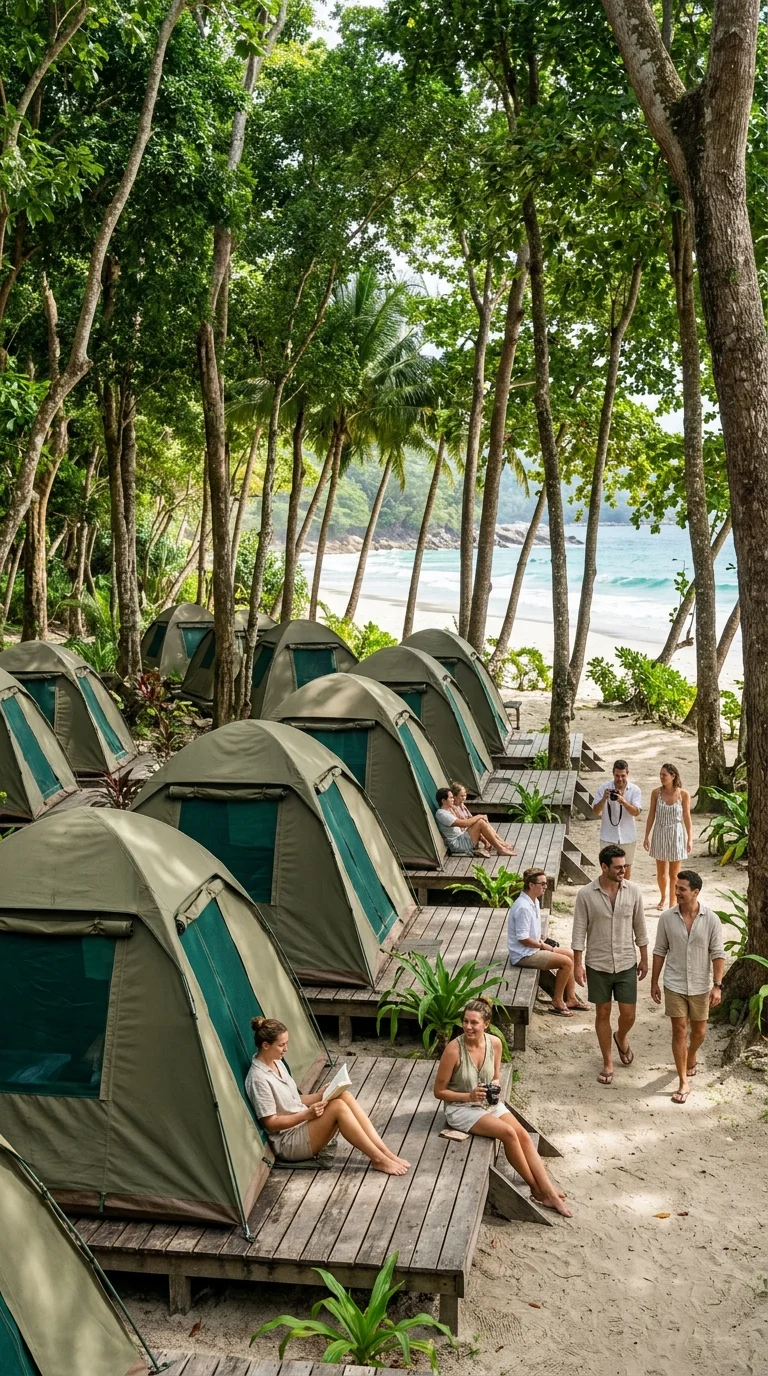
Overnight stays on the islands themselves are highly restricted and basic. The National Park authority operates the only land-based accommodation, located entirely on Koh Miang (Island 4). The park phased out commercial resort development decades ago to protect the environment.
Available options consist of simple air-conditioned bungalows named Chom View, and standard canvas tents pitched on wooden platforms near Princess Bay. The bungalows provide private cold-water bathrooms and basic electricity generated on the island, which runs only during specific evening hours. Tents offer a much rougher experience, utilising communal toilet and shower blocks. Staying on the island allows you to experience the beaches in complete silence after the day-trip speedboats depart at 3:00 PM. You will share the forest with Nicobar pigeons and large monitor lizards.
Book National Park accommodation exactly 60 days in advance through the official DNP portal, as the highly limited spaces sell out immediately upon release.
Location and Getting There
The Similan Islands sit in the Andaman Sea, approximately 50 kilometres west of the Thai mainland. Khao Lak serves as the primary gateway and logistical hub for the park. Most visitors fly into Phuket International Airport (HKT), which handles direct flights from the UK and major transit hubs.
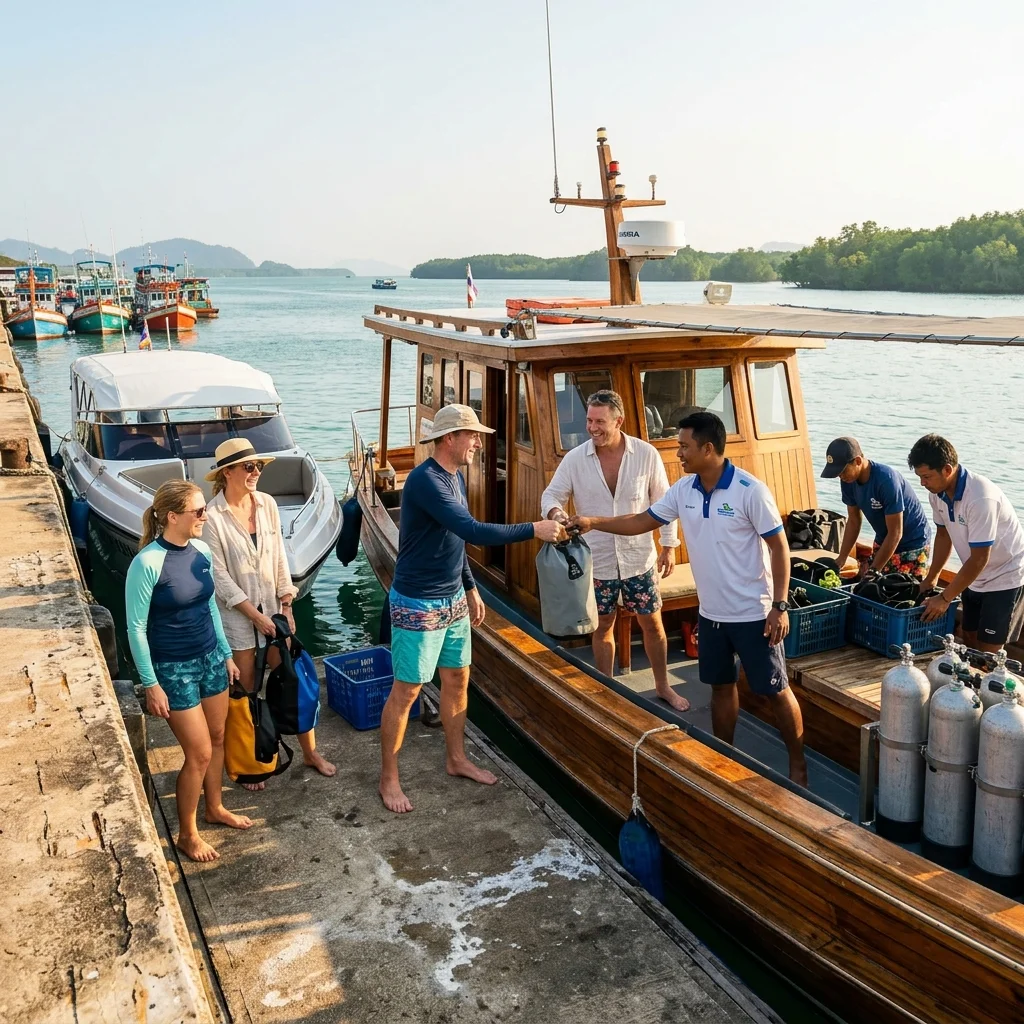
From Phuket airport, you must travel north by road to Khao Lak. A private taxi takes roughly 1 hour and 15 minutes and costs around 1,500 THB (£33). Almost all Similan bound vessels depart from Thap Lamu Pier, located just south of Khao Lak town. If you book a day trip or liveaboard, operators invariably include minivan transfers from your Khao Lak hotel to the pier. The speedboat crossing from Thap Lamu to the islands takes between 75 and 90 minutes depending on sea conditions, while heavier liveaboard vessels take up to four hours to make the same crossing.
Costs and Booking
Visiting the Similan Islands requires budgeting for both operator fees and mandatory government park charges. Day trips from Khao Lak typically cost between 2,500 THB and 3,500 THB (£55 to £77) per person, which covers speedboat transit, basic snorkelling equipment, lunch, and drinking water.
Liveaboard pricing depends heavily on cabin type and vessel standard. A basic three-night trip in a shared bunk cabin starts around 18,000 THB (£400), while a luxury five-night expedition in an en-suite master cabin can exceed 45,000 THB (£1,000). You must also pay National Park fees in cash. The entry fee is 500 THB (£11) per person, plus a daily diving fee of 200 THB (£4.50) if you are scuba diving. Scuba equipment rental usually costs an additional 600 to 800 THB (£13 to £17) per day.
| Option | Cost (THB) | Cost (GBP approx) | Notes |
|---|---|---|---|
| Speedboat Day Trip | 2,500 - 3,500 | £55 - £77 | Includes lunch and snorkel gear |
| Budget Liveaboard (Per Night) | 6,000 - 8,000 | £133 - £177 | Shared cabin, shared bathroom |
| Premium Liveaboard (Per Night) | 9,000 - 12,000 | £200 - £266 | En-suite cabin, nitrox often included |
| Full Scuba Gear Rental (Per Day) | 600 - 800 | £13 - £17 | Regulator, BCD, wetsuit, fins, mask |
| National Park Entry Fee | 500 | £11 | Mandatory one-off payment |
| National Park Dive Fee | 200 | £4.50 | Mandatory daily charge for divers |
Who It Suits Best
The Similan Islands suit experienced scuba divers, marine biology enthusiasts, and confident snorkellers comfortable in open water. It is an exceptional destination for underwater photographers seeking large pelagic species and macro life. It is not suitable for casual beachgoers looking for luxury beach clubs, families with infants, or anyone prone to severe seasickness. The long speedboat crossing and lack of mainland medical facilities mean visitors must be physically fit and comfortable on moving vessels for extended periods.
What to Know Before You Book
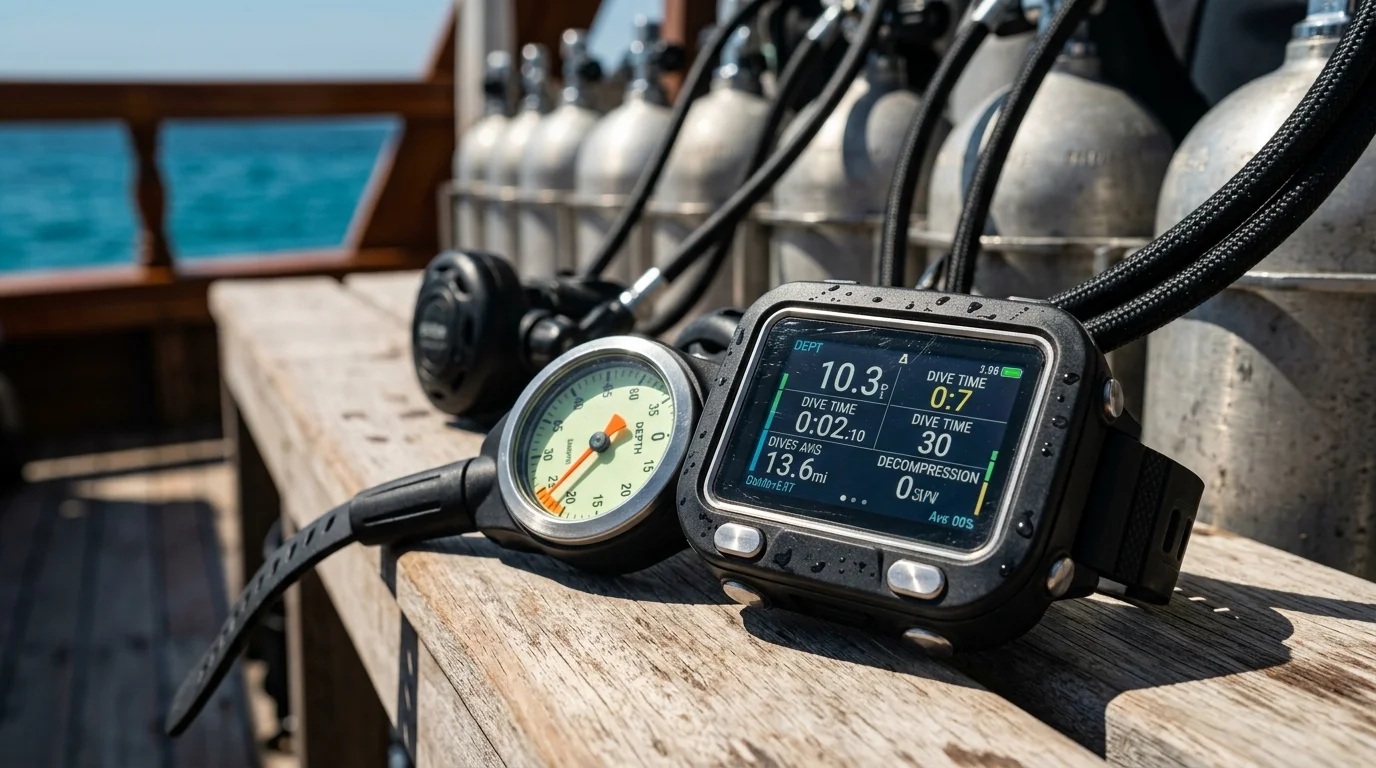
Park visitor caps restrict access strictly to 3,325 people per day. You must book your tour well in advance during the peak months of December and January, as operators cannot secure additional park tickets once the daily quota is met.
The National Park enforces a total ban on single-use plastics and chemical sunscreens. You will be fined if found with plastic water bottles, and you must bring reef-safe, mineral-based sun protection to prevent coral bleaching.
No alcohol is sold anywhere on the islands. If you are staying overnight in the National Park accommodation, you must bring your own supplies from the mainland.
Drone photography requires specific written permission from the Department of National Parks. Flying a drone without this permit will result in immediate confiscation of the equipment and a heavy fine by park rangers.
Practical Tips
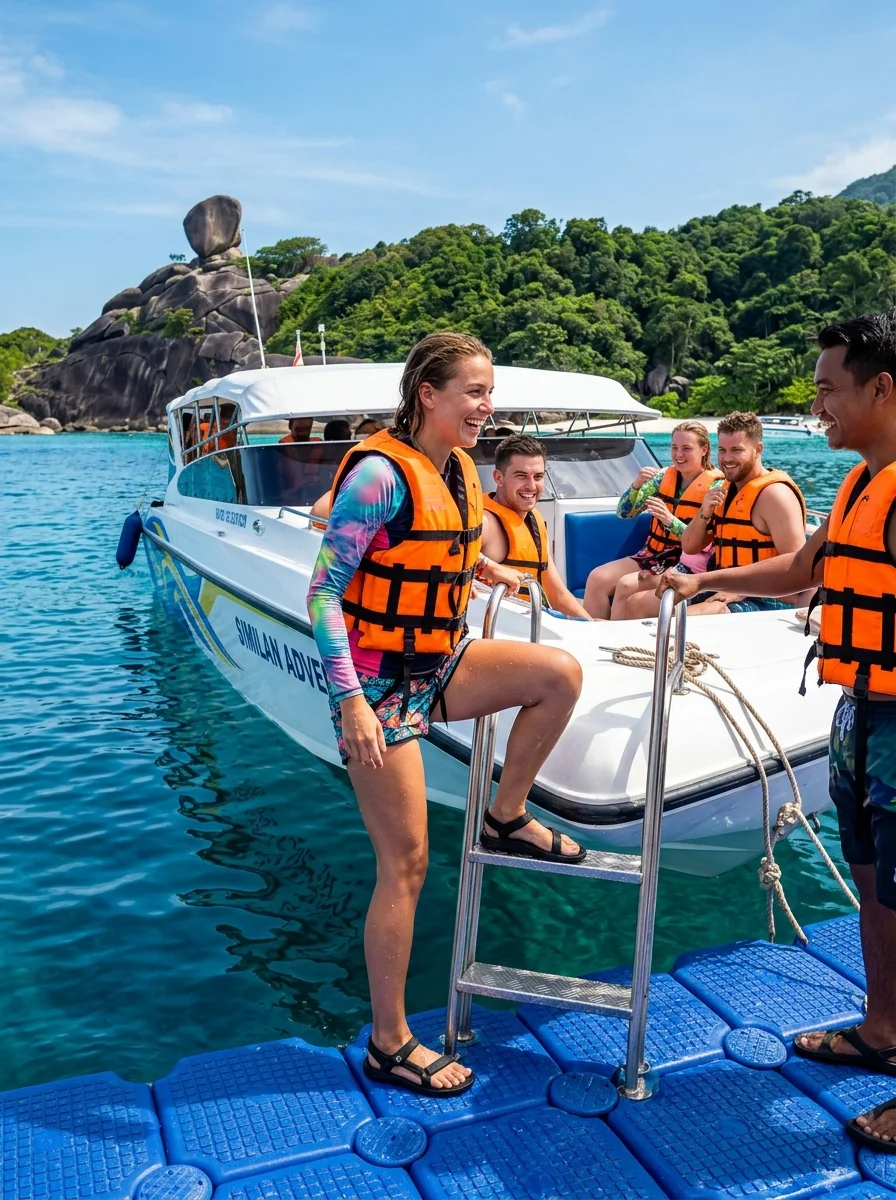
Take motion sickness medication 30 minutes before your boat departs Thap Lamu pier. The open ocean crossing can feature large rolling swells even on sunny days.
Wear a long-sleeved UPF-rated rash guard while snorkelling. The sun reflects intensely off the water, and sunstroke is a frequent issue for unprepared day-trippers.
Pack your electronics and spare clothes in a dedicated dry bag. Speedboats take on sea spray during the crossing, and standard backpacks will not protect your valuables.
Leave heavy footwear in your hotel on the mainland. Operators require all passengers to leave their shoes in a basket at the pier before boarding to protect the boat decks and island sand.
Carry small denomination Thai Baht for tipping your boat crew and dive guides. ATMS do not exist on the islands or on the boats, so you must bring all necessary cash from Khao Lak.
Bring a lightweight microfibre towel rather than a bulky hotel towel. They dry much faster in the humid sea air and take up significantly less space in your day bag.
Quick Reference Table
| Item | Detail | Notes |
|---|---|---|
| Property Name | Similan Islands Marine National Park | Known locally as Koh Similan |
| Location | Phang Nga, Andaman Sea | 50km west of Khao Lak mainland |
| Property Type | Marine National Park | Managed by Thai Government (DNP) |
| Operating Season | 15 October to 15 May | Closed entirely during monsoon |
| Accommodation | Island 4 (Koh Miang) | Basic DNP tents and bungalows only |
| Nearest Airport | Phuket International (HKT) | 75-minute drive to Thap Lamu pier |
| Transport Base | Khao Lak / Thap Lamu Pier | Departure point for 95% of boats |
| Main Activities | Scuba diving, snorkelling | World-renowned dive sites |
| Visitor Cap | 3,325 persons daily | Advance booking essential |
| Official Portal | nps.dnp.go.th | For booking island accommodation |