Khao Sam Roi Yot
This 98-square-kilometre marine national park features 300 dramatic limestone peaks that rise 605 metres vertically from the Gulf of Thailand coastline. It is home to the oldest freshwater marsh conservation area in Thailand, providing sanctuary to over 300 migratory bird species.
Khao Sam Roi Yot National Park, established in 1966 as Thailand’s first coastal national park, is managed by the Department of National Parks, Wildlife and Plant Conservation (DNP). Situated in Prachuap Khiri Khan province, this rugged environment serves active independent day-trippers, seasoned hikers, and nature photographers looking for a raw alternative to the manicured resort beaches of nearby Hua Hin. The park balances marine coastal habitats, mangrove forests, and steep limestone karst formations, catering primarily to outdoor enthusiasts who value physical exploration over resort-based leisure.

The Limestone Peaks and Coastal Landscapes
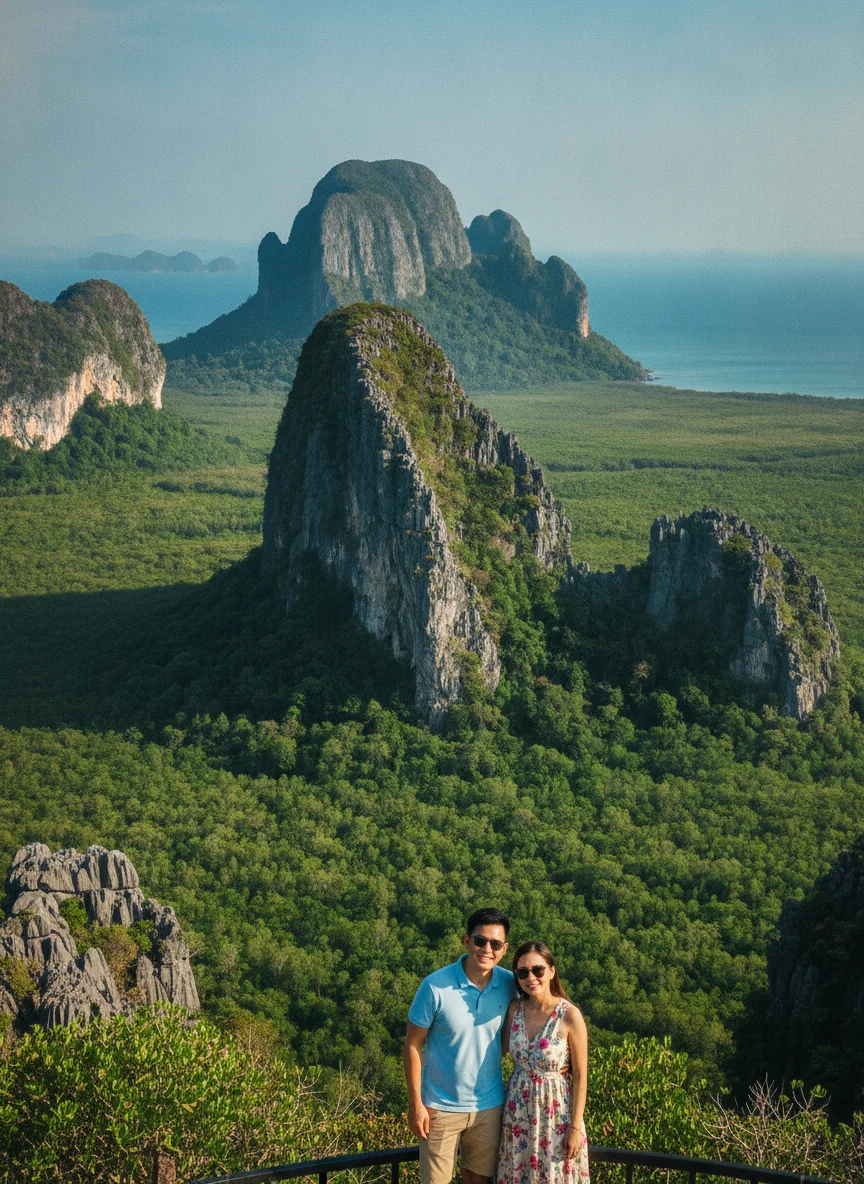
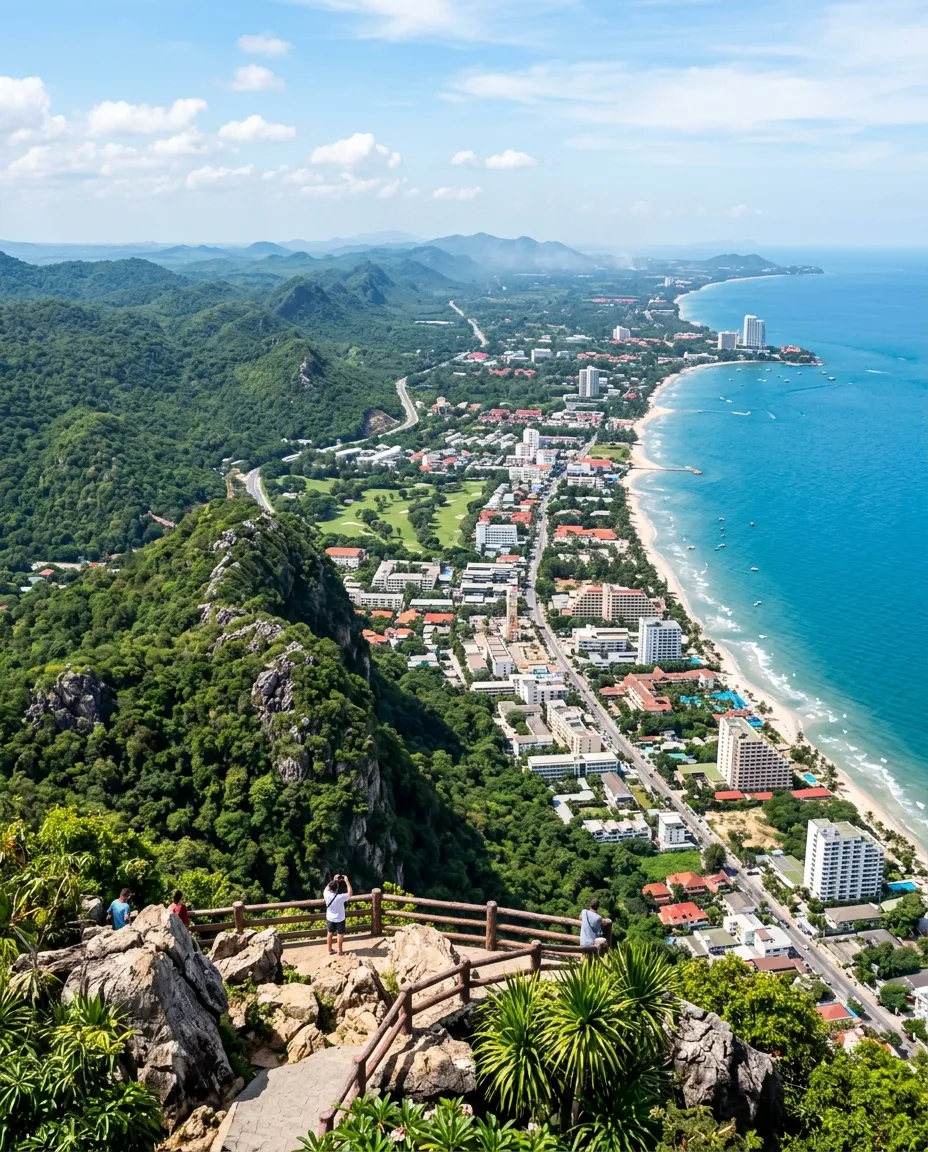
The defining feature of this protected territory is the dramatic series of grey limestone karst formations that shoot straight up from the coastal flatlands. These peaks, reaching heights of up to 605 metres at Khao Phra Phraya, create a formidable natural barrier that shapes the local microclimate and isolates the coastal beaches. Geologically, these karst formations are part of an ancient Permian limestone system that has been eroded over millions of years by tropical rainfall and marine action. This erosion has left behind a network of vertical cliffs, hidden sinkholes, and deep cavernous chambers. You will observe how the steep slopes are covered in hardy, drought-resistant vegetation, whilst the low-lying valleys support saline-tolerant scrub and expansive mudflats. The coastline itself is punctuated by two main sandy stretches, Hat Laem Sala and Hat Sam Phraya, which remain largely undeveloped due to their national park status. Walking along these beaches offers a stark contrast between the flat marine horizon and the imposing stone walls immediately inland. You should expect to spend at least half a day merely traversing the trails that wind between these geological giants to appreciate the sheer scale of the coastal wilderness.
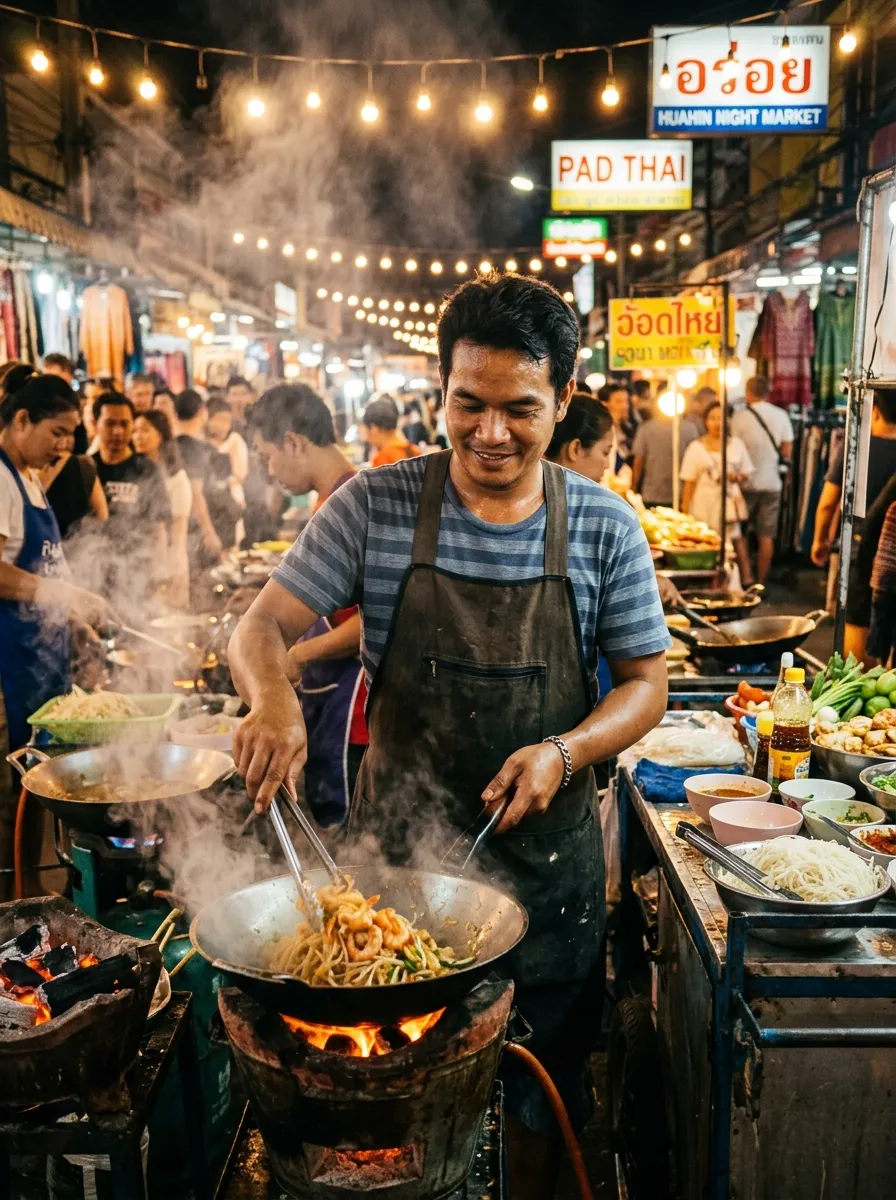
Discover the best of Hua Hin Food & Cuisine with our expert guide. Find the top spots for salt-crust grilled fish and mango sticky rice at local prices.
Phraya Nakhon Cave and the Royal Pavilion
The steep climb to the cavernous chambers of Phraya Nakhon Cave rewards you with the sight of a historic royal pavilion built inside a sunlit sinkhole. This natural cavern consists of two large chambers. The collapse of the limestone ceiling now allows shafts of daylight to penetrate the deep gloom. At the centre of the second chamber sits the Kuha Karuhas Pavilion, a four-gabled wooden structure constructed in 1890 for the visit of King Chulalongkorn (Rama V). The pavilion rests on a raised earthen mound, and when the sun reaches the correct angle, the structure is illuminated in a dramatic display of natural light. To reach this cavern, you must undertake a demanding 430-metre rocky ascent from Laem Sala Beach, climbing steep, uneven steps fashioned from rough-cut stone. These steps can become highly slippery in the humid conditions. You must time your trek carefully, aiming to arrive inside the chamber between 10:00 AM and 11:30 AM when the sun aligns with the collapsed roof. You should pack high-traction hiking boots and carry ample drinking water, as the humidity inside the cave system remains exceptionally high throughout the day.
| Route Option | Difficulty Level | Time Required | Associated Costs | Key Considerations |
|---|---|---|---|---|
| Overland Hike from Bang Pu | Strenuous | 45 - 60 minutes | Free (Park entry only) | Crosses a steep, rocky hill path before reaching Laem Sala Beach |
| Longtail Boat from Bang Pu | Easy | 10 - 15 minutes | 400 THB (£9) per boat | Bypasses the first hill; still requires the final 430m cave climb |
| Guided Day Tour from Hua Hin | Moderate | 6 - 8 hours total | 1,500 - 2,500 THB (£33 - £55) | Includes round-trip transport, park fees, and local guide |
| Independent Scooter & Hike | Strenuous | 2 - 3 hours (from Pranburi) | 250 THB (£5.50) daily rental | Maximum flexibility but requires navigating rural roads independently |
Thung Sam Roi Yot Freshwater Marsh and Boardwalk
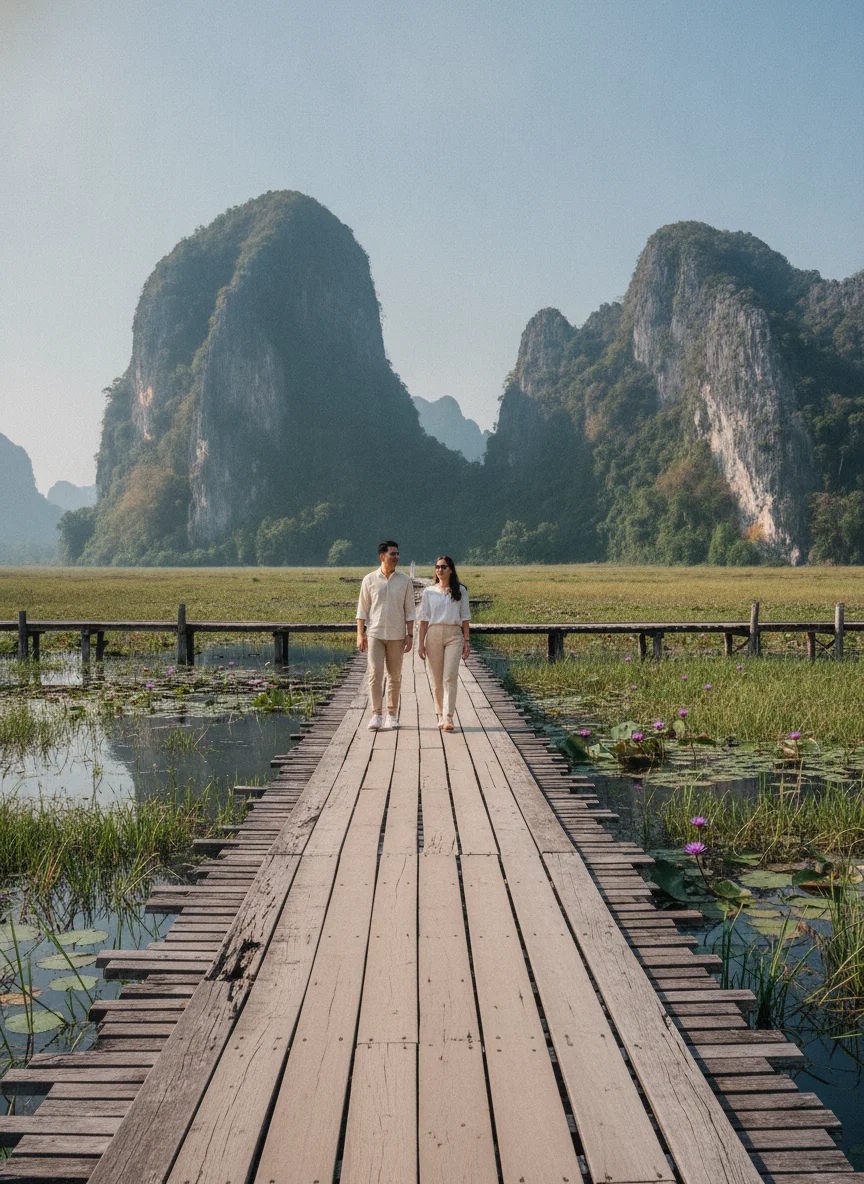
The western edge of the national park is dominated by the largest freshwater marsh in Thailand, covering nearly 37 square kilometres of wetlands. It is a critical habitat. Waterfowl, fish, and amphibians thrive here, protected under the international Ramsar Convention due to the area's ecological significance. A well-maintained wooden boardwalk extends over the marsh, allowing you to walk deep into the reed beds without disturbing the fragile aquatic ecosystem below. As you traverse this elevated pathway, you will find yourself surrounded by tall bulrushes, blooming lotus flowers, and a diverse population of birds. You can spot purple herons, bronze-winged jacanas, and various species of kingfishers darting between the reeds. The backdrop of sheer limestone cliffs contrasting with the flat, reflective water surface creates an exceptional environment for wildlife photography and quiet observation. However, parts of the wooden boardwalk are heavily exposed to the sun, with very little shade available along the route. You should plan your visit to the boardwalk during the early morning or late afternoon when bird activity peaks and the heat is less intense.
Bang Pu Village and Coastal Longtail Boat Journeys
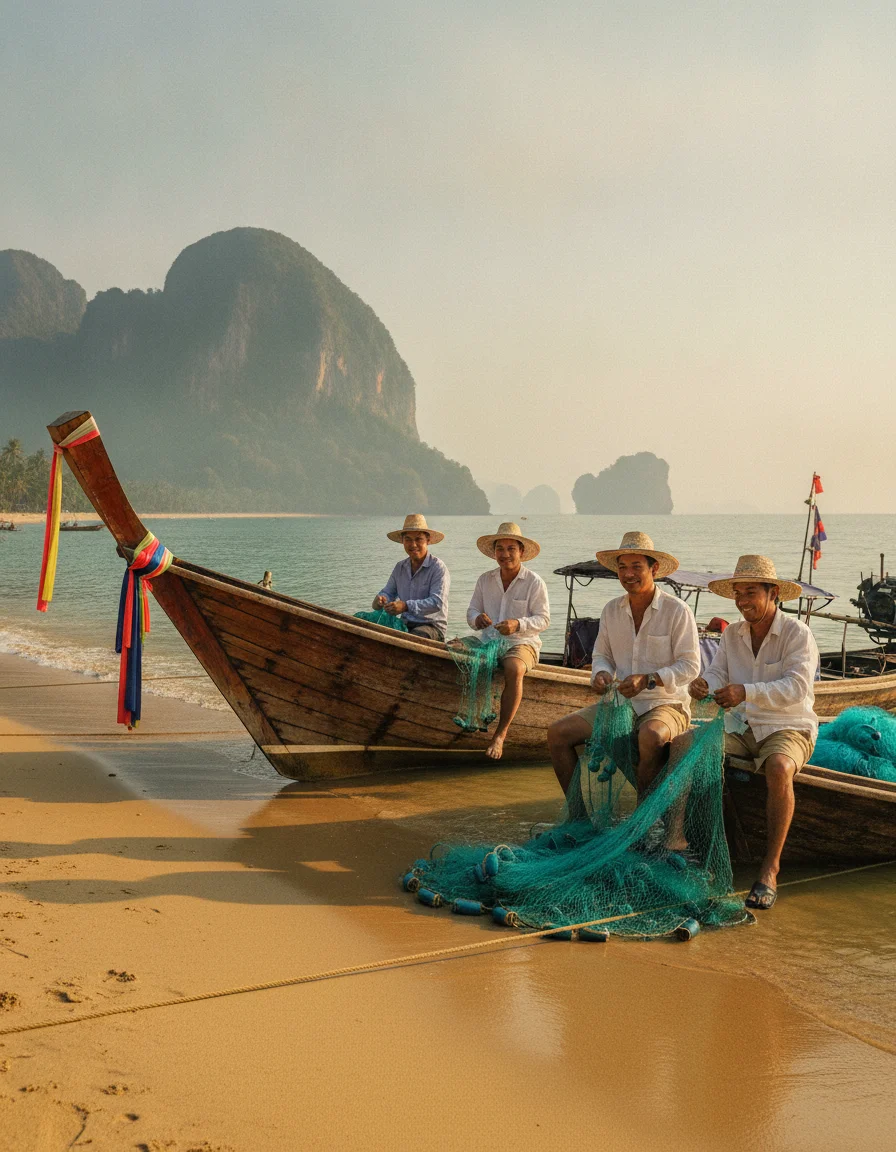
Bang Pu is a traditional fishing village located within a sheltered bay that serves as the primary staging point for visits to Phraya Nakhon Cave. It is a working settlement. Colourful wooden fishing vessels dock along the canal, whilst fresh seafood dries on racks near the shoreline. From the beach at Bang Pu, you can hire a private longtail boat to transport you around the rocky headland to Laem Sala Beach, bypassing the first strenuous overland climb. The boat journey takes approximately ten minutes, guiding you past sheer sea cliffs where you might spot white-bellied sea eagles nesting in the high crevices. The sea in this bay can become choppy during the afternoon winds, which sometimes leads to wet landings on the sandy beach of Laem Sala. Navigating this short marine route provides a classic Southern Thailand experience whilst supporting the local fishermen who operate these boat transfers. You should wear water-friendly footwear because you will need to wade through calf-deep water to board and disembark from the boats.
The Mangrove Forests and Klong Khao Daeng
The tidal estuaries of Khao Daeng canal offer an intimate look at the park’s dense mangrove forests and rich intertidal ecosystems. You can rent a kayak or hire a local motorboat to navigate the winding waters of Klong Khao Daeng, which snake through the limestone valleys for approximately four kilometres. The banks are thick with mangrove species such as Rhizophora and Avicennia, whose complex root systems stabilise the shoreline. They act as nurseries for young marine life. As you drift quietly along the canal, you are likely to spot mudskippers crawling on the exposed roots, blue-swimming crabs darting through the shallows, and monitor lizards basking on the muddy banks. The silence of the mangrove canyon is broken only by the calls of herons and the rustle of long-tailed macaques foraging in the canopy. This water-level perspective highlights the transition between the freshwater marshes on the west and the saltwater marine environment on the east. You should book a canal trip during high tide when the water is deep enough to allow boats to navigate the entire length of the mangrove channel.
Access Routes and Transport Logistics
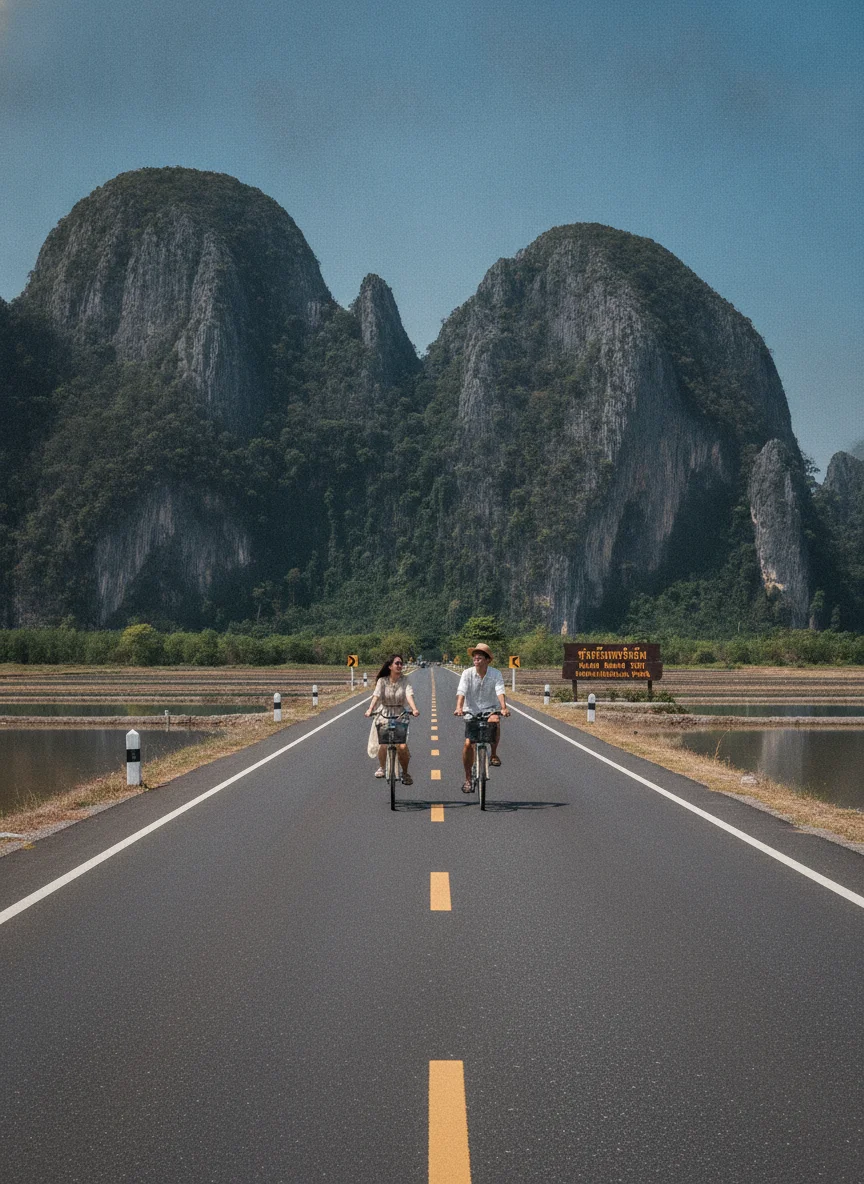
Khao Sam Roi Yot is situated in the Prachuap Khiri Khan province, roughly 50 kilometres south of the major resort town of Hua Hin and 30 kilometres south of Pranburi. There is no reliable public transport system connecting Hua Hin directly to the park attractions, meaning you must arrange your own transport. Renting a 125cc scooter in Hua Hin costs approximately 250 THB (£5.50) to 350 THB (£7.70) per day, offering maximum flexibility for the one-hour ride along Rural Road 4008. Alternatively, hiring a private taxi or driver for a round-trip day excursion from Hua Hin costs between 1,800 THB (£40) and 2,500 THB (£55), which is the safest and most comfortable option for families or groups. If you are travelling from Bangkok, you can take a train or minivan to Pranburi, and then hire a local songthaew or motorbike taxi to complete the remaining journey to the park entrance.
Entry Fees and Navigation Costs
The national park operates under a standard tier-pricing system managed by the Department of National Parks, which requires international visitors to pay a higher entry fee than Thai nationals. The standard day pass for international adults is 200 THB (approximately £4.50), whilst international children are charged 100 THB (£2.25). This single ticket grants you access to all key sites within the park, including Phraya Nakhon Cave, Khao Daeng Viewpoint, and the Thung Sam Roi Yot boardwalk, provided you visit them on the same calendar day. If you choose to hire a longtail boat at Bang Pu to bypass the first hill to Laem Sala Beach, this will cost an additional 400 THB (£9) per boat for a round trip, which can be split among up to six passengers. There are no mandatory resort fees, but you should budget 20 THB (£0.45) for vehicle parking at the main trailheads.
| Service or Option | Cost (THB) | Cost (GBP approx) | Notes |
|---|---|---|---|
| International Adult Entry | 200 THB | £4.50 | Valid for all major park sites for one calendar day |
| International Child Entry | 100 THB | £2.25 | Applicable for children aged 3 to 14 years old |
| Private Longtail Boat Hire | 400 THB | £9.00 | Round trip from Bang Pu to Laem Sala Beach, max 6 passengers |
| Motorbike Parking Fee | 20 THB | £0.45 | Payable at the Bang Pu or Thung Sam Roi Yot parking areas |
| Car Parking Fee | 40 THB | £0.90 | Payable at the official national park vehicle parking lots |
| Local Guide Service (Optional) | 300 - 500 THB | £6.60 - £11.00 | Available at the Phraya Nakhon trailhead; highly recommended for history |
Ideal Visitors and Travel Profiles
This rugged coastal park is perfectly suited for active independent travellers, keen hikers, and wildlife photographers who enjoy physical challenges and natural landscapes. It is an excellent destination for those looking to escape the commercialised beach scenes of Hua Hin in favour of empty beaches and quiet nature trails. However, it is not suitable for travellers with mobility issues, families with very young toddlers, or anyone seeking a resort experience with beachside service. The demanding climbs, high humidity, and basic facilities require a reasonable level of physical fitness and a willingness to sweat.
Essential Knowledge Before Visiting Khao Sam Roi Yot
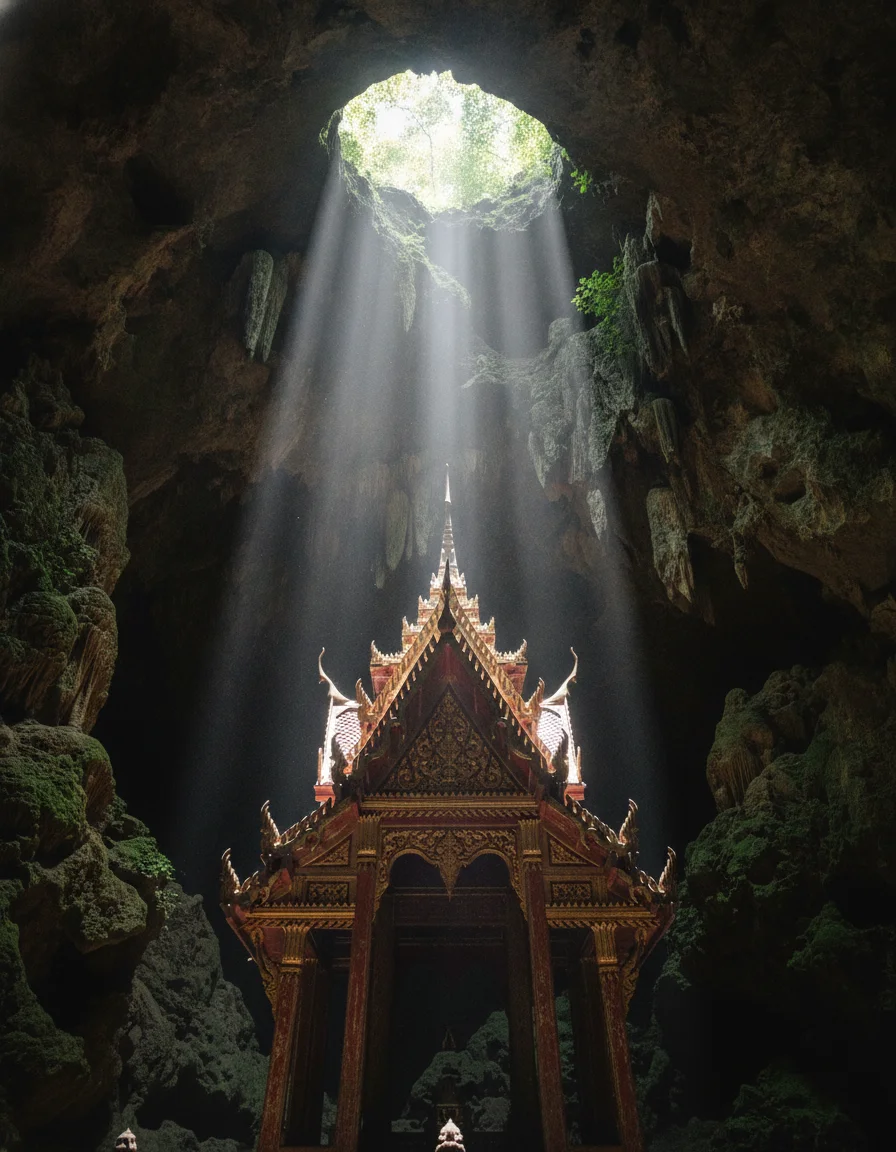
You will encounter aggressive wild macaques near the beaches and trailheads. These monkeys are highly habituated to humans and will actively attempt to steal food, water bottles, or loose items from your bags. The climb to Phraya Nakhon Cave is physically demanding and features sharp, uneven limestone steps. You must wear sturdy footwear with good grip to avoid slipping on the polished stone surfaces. There is very little shade at the Thung Sam Roi Yot marsh boardwalk. You will need to bring high-factor sunscreen, a wide-brimmed hat, and plenty of water to prevent heat exhaustion. The natural light effect at the Royal Pavilion only occurs during a specific mid-morning window. You must time your arrival inside the cave chamber between 10:00 AM and 11:30 AM to see the sun illuminate the structure.
Practical Advice for Explorers
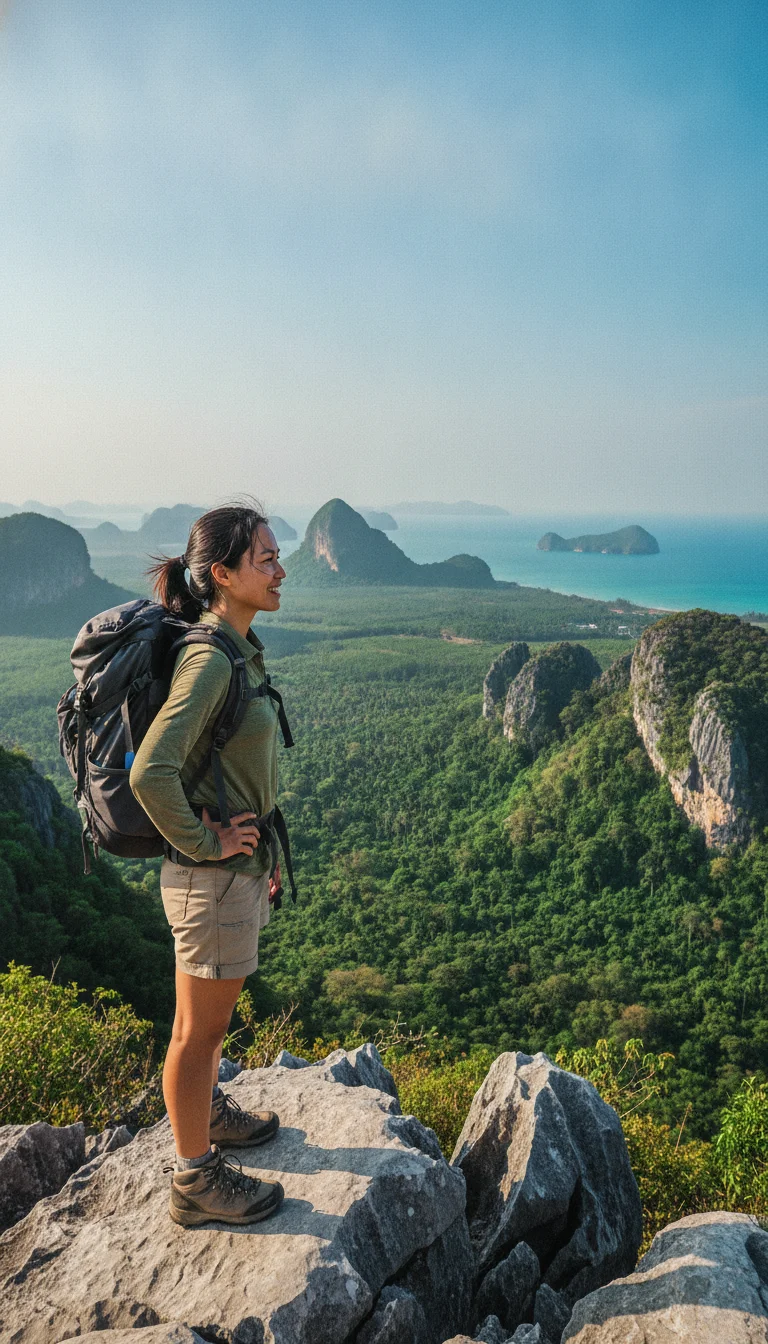
Footwear Selection
Pack proper hiking shoes instead of flip-flops. The sharp limestone rocks along the Phraya Nakhon trail can easily slice through soft soles and cause painful slips.
Cash Requirements
Carry sufficient cash in Thai Baht. The park ticket offices, boat operators, and local restaurants do not accept credit cards or international mobile payments.
Early Departure
Start your journey from Hua Hin by 08:00 AM. This early start ensures you reach the cave trailhead before the heat of the day peaks and allows you to arrive at the pavilion in time for the optimal sunlight angle.
Wildlife Protection
Keep all food and plastic bottles hidden in your backpack. Visible food or rustling bags will immediately attract the attention of the local macaque population, leading to aggressive confrontations.
Insect Prevention
Apply insect repellent before entering the mangrove and marsh areas. The standing water in these environments supports a large mosquito population, especially during the early morning and late afternoon hours.
Dry Bag Preparation
Bring a lightweight, waterproof dry bag for the longtail boat ride. Waves can splash over the side of the boat, and you will need to wade through water during boarding, risking damage to cameras and phones.
Tidal Calculations
Check the tide tables before planning a kayak trip on Klong Khao Daeng. Low tide can leave the canal too shallow for navigation, forcing you to drag your craft through thick mud.
Quick Reference Guide
| Item | Detail | Notes |
|---|---|---|
| Property Name | Khao Sam Roi Yot National Park | Established in 1966 |
| Location | Prachuap Khiri Khan Province, Thailand | Approximately 50 km south of Hua Hin |
| Property Type | Marine National Park and Coastal Destination | Managed by the Thai DNP |
| Category | Protected Conservation Area | Covers 98 square kilometres |
| Key Attractions | Phraya Nakhon Cave, Thung Sam Roi Yot Marsh | Includes Kuha Karuhas Royal Pavilion |
| Operating Hours | 08:00 AM - 04:30 PM | Open daily throughout the year |
| National Park Entry Fee | 200 THB (£4.50) | Valid for one calendar day across all sites |
| Facilities | Ranger stations, basic toilets, local food stalls | No luxury developments within the park |
| Accessibility | Challenging | Requires hiking and boat transfers; not wheelchair friendly |
| Nearest Airport | Hua Hin Airport (HHQ) or Bangkok Suvarnabhumi (BKK) | BKK is approximately 4 hours away by road |
| Distance to Beach | Located directly on the coast | Includes Hat Laem Sala and Hat Sam Phraya |
| Booking Platform | Klook / GetYourGuide | Best for booking day trips and private transfers |