Best Day Trips From Bangkok
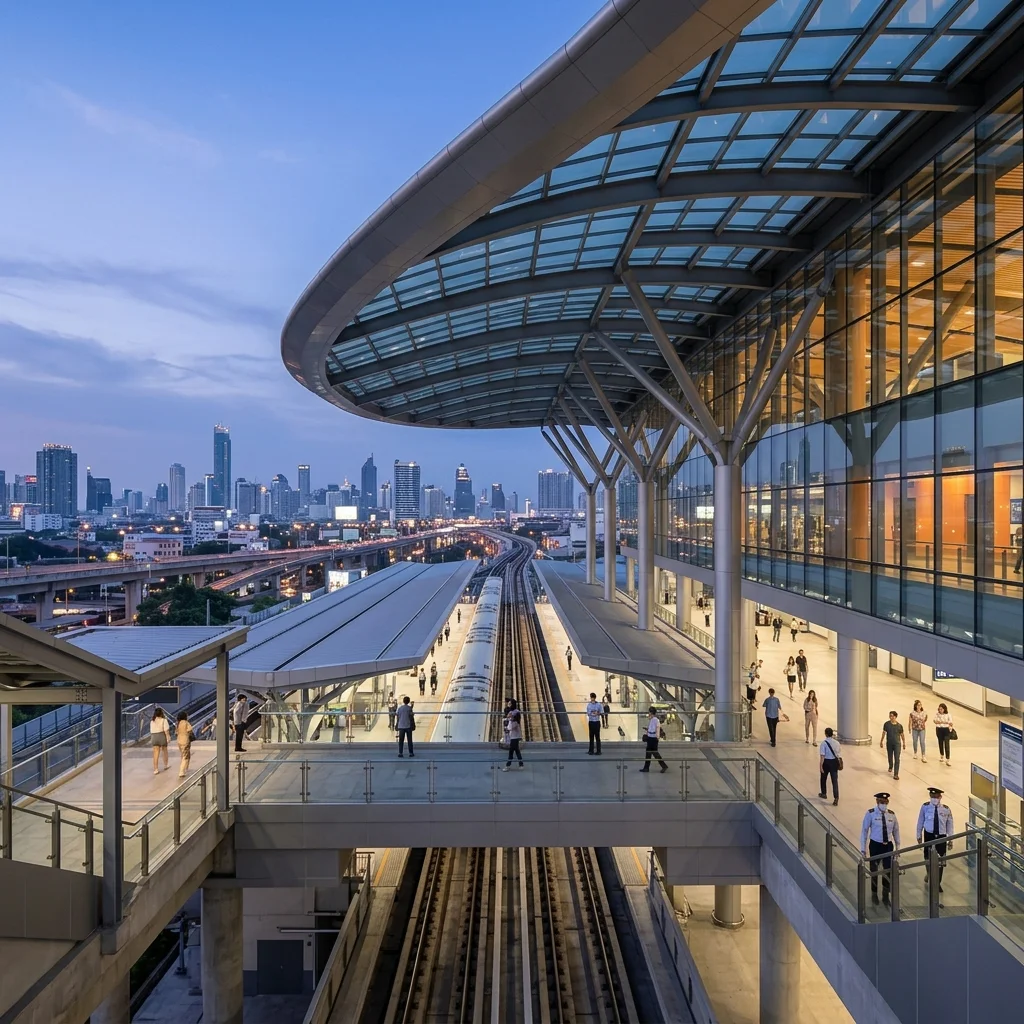
The 8:30 am train out of Bangkok's Krung Thep Aphiwat station clears the concrete sprawl in exactly forty minutes, swapping elevated highways for flooded rice paddies and the distant silhouette of ancient stupas. Escaping the capital requires only a few hundred baht and a willingness to trade air-conditioned shopping malls for jungle humidity and river breezes.
This guide details how to execute day trips from Bangkok to surrounding provinces within a three-hour radius. You will learn the logistical realities of reaching Ayutthaya, Kanchanaburi, Khao Yai, Hua Hin, and the floating markets independently versus using organised tours. It provides honest assessments of travel times, transport costs, and which destinations genuinely reward a day visit compared to those that demand an overnight stay to avoid exhaustion.
Temple Ruins and Floating Markets
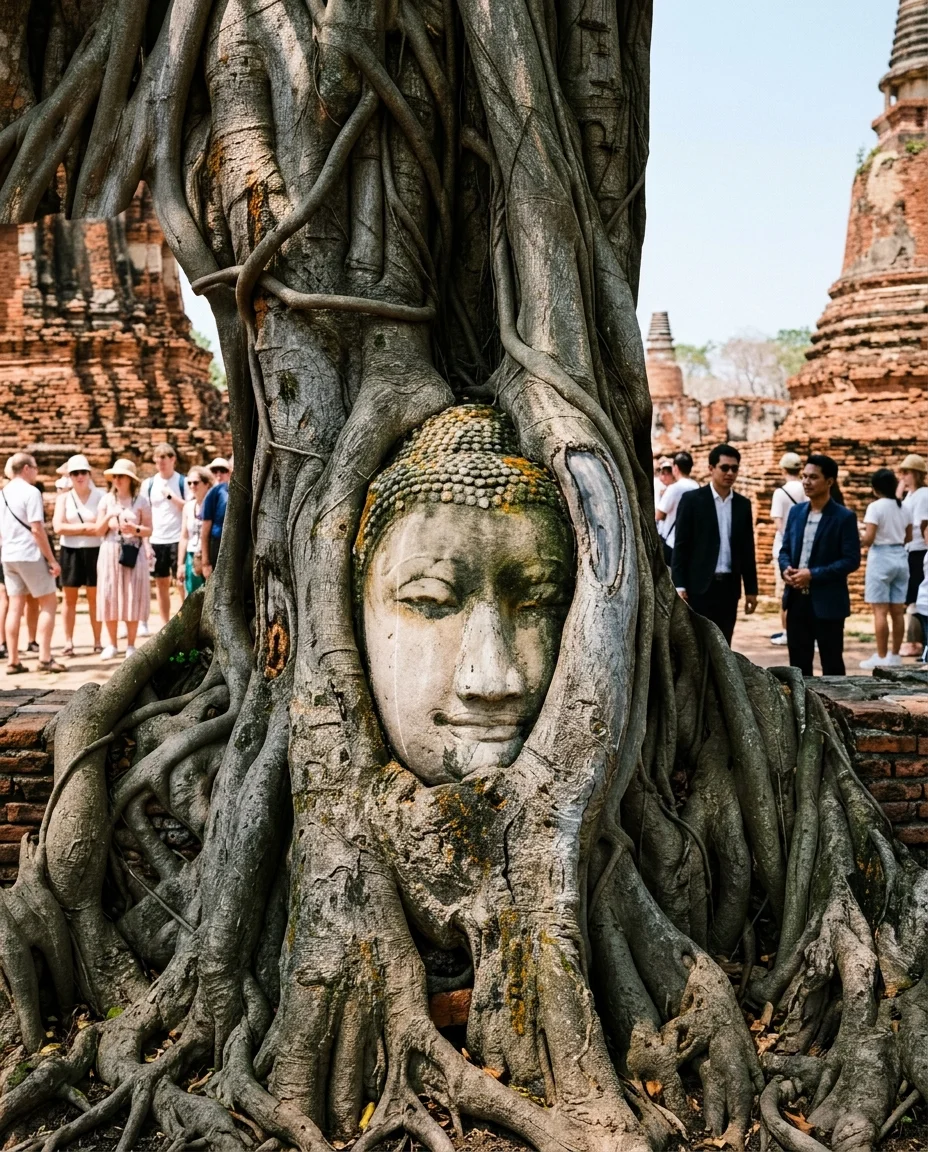
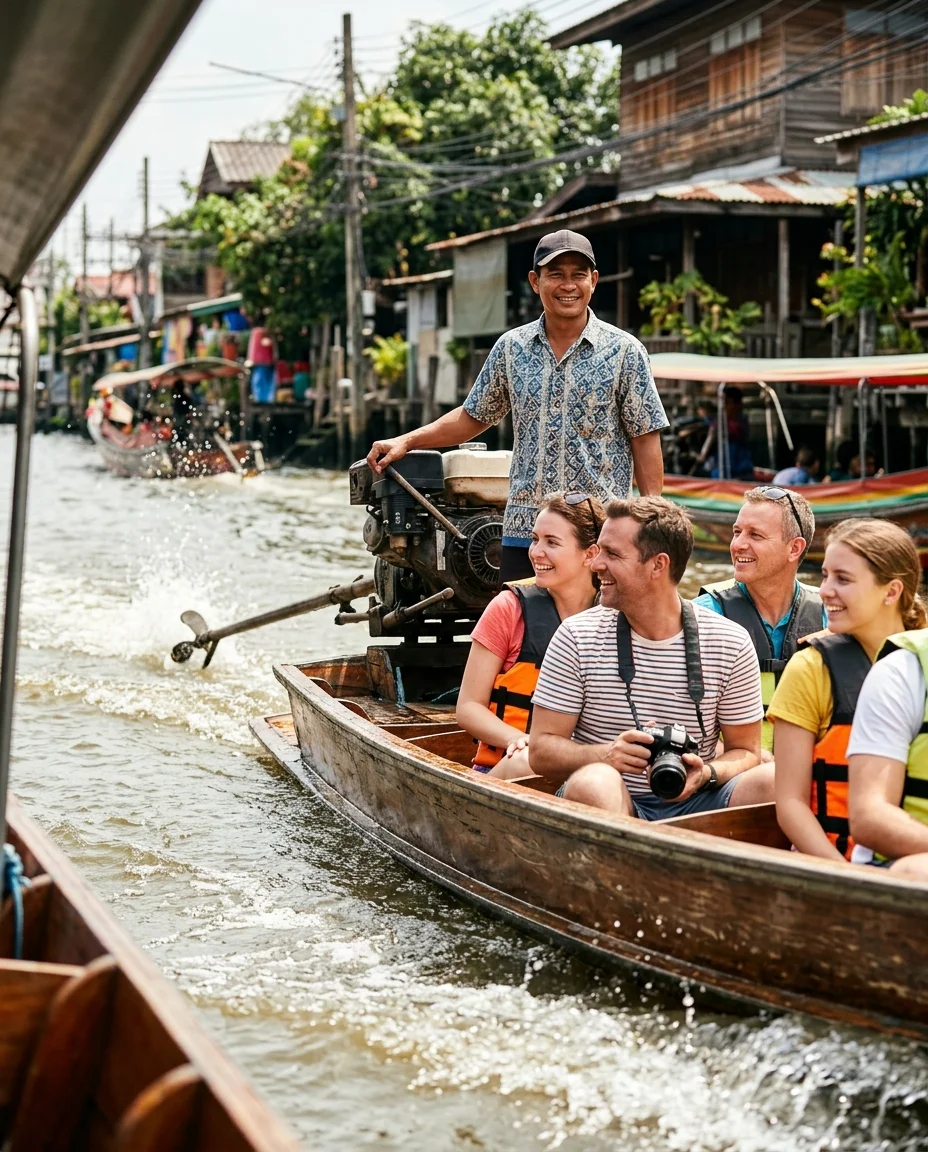
Ayutthaya demands your attention as the former capital of Siam. It is easily reachable by a 90-minute train ride from Bangkok. This vast archaeological site requires a solid four hours to explore the central island, moving between the crumbling brick prangs of Wat Ratchaburana and the sprawling monastery of Wat Phra Si Sanphet. Hiring a bicycle for 50 THB (£1.10) per day offers excellent freedom. Alternatively, tuk-tuks are available for a negotiated 600 THB (£13) for three hours, providing welcome shade from the brutal central plains sun. Damnoen Saduak floating market sits in Ratchaburi province, two hours southwest of Bangkok. Morning tours rush you here by 8:00 am. You will navigate congested canals filled with longtail boats selling coconut ice cream and mango sticky rice. Independent travel involves taking a minivan from the Southern Bus Terminal for 150 THB (£3.30), but the sheer volume of tourist traffic often makes this trip feel overly staged. By contrast, Amphawa floating market operates on weekend afternoons and evenings. It draws vast crowds of domestic tourists for canal-side seafood banquets. Amphawa feels noticeably more authentic than its rivals, leaning heavily on ancient wooden shophouses that line the Mae Klong river while firefly boat tours depart into the darkness after dusk. Combine floating markets with a temple ruin only if you book a private driver.
Plan your Phuket island day trip with our expert guide. Compare travel times, routes, and costs for Phi Phi, James Bond, Coral, and Racha.
| Destination | Travel Time from Bangkok | Primary Experience | Best Time to Visit |
|---|---|---|---|
| Ayutthaya | 90 minutes | Ancient ruins and cycling | Early morning |
| Damnoen Saduak | 120 minutes | Boat trading and photography | Before 9:00 am |
| Amphawa | 90 minutes | Grilled seafood and fireflies | Weekend late afternoons |
The Death Railway and River Kwai
Kanchanaburi carries a heavy historical weight. The town sits roughly three hours west of Bangkok by road or rail. This sprawling western province requires a brutally early start if you intend to return to the capital by nightfall. Most visitors arrive via the 7:50 am departure from Thonburi station. This slow, rattling third-class journey costs just 100 THB (£2.20). It crosses the famous black iron bridge before edging precariously along the wooden trestles of the Wang Po viaduct. Once there, you must prioritise your time carefully. Choose between the JEATH War Museum, the Commonwealth War Cemetery, and the actual rail journey itself. Attempting to add Erawan National Park's seven-tiered waterfalls to a single day trip usually ends in frustration, as the local bus from Kanchanaburi town takes another 90 minutes each way. Organised minibus tours pack all these sights into a twelve-hour marathon. The relentless pace leaves little room for reflection at the historical sites. Hiring a private taxi from Bangkok for 3,500 THB (£77) buys you back three hours of transit time, allowing you to dictate the schedule and pause wherever you choose. Ultimately, exploring the Death Railway independently provides a far more atmospheric experience than staring at it through the tinted windows of a tour group van.
Jungle Safaris and Coastal Escapes
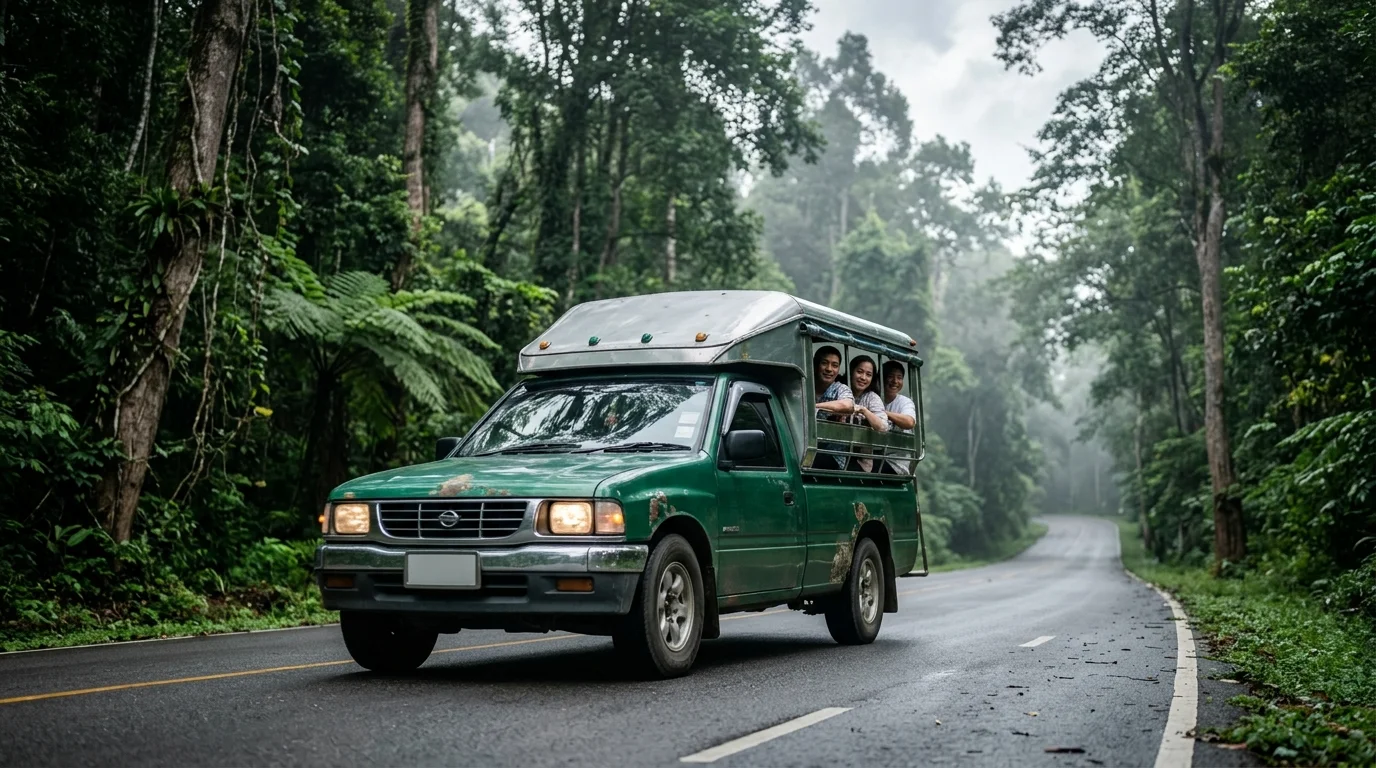
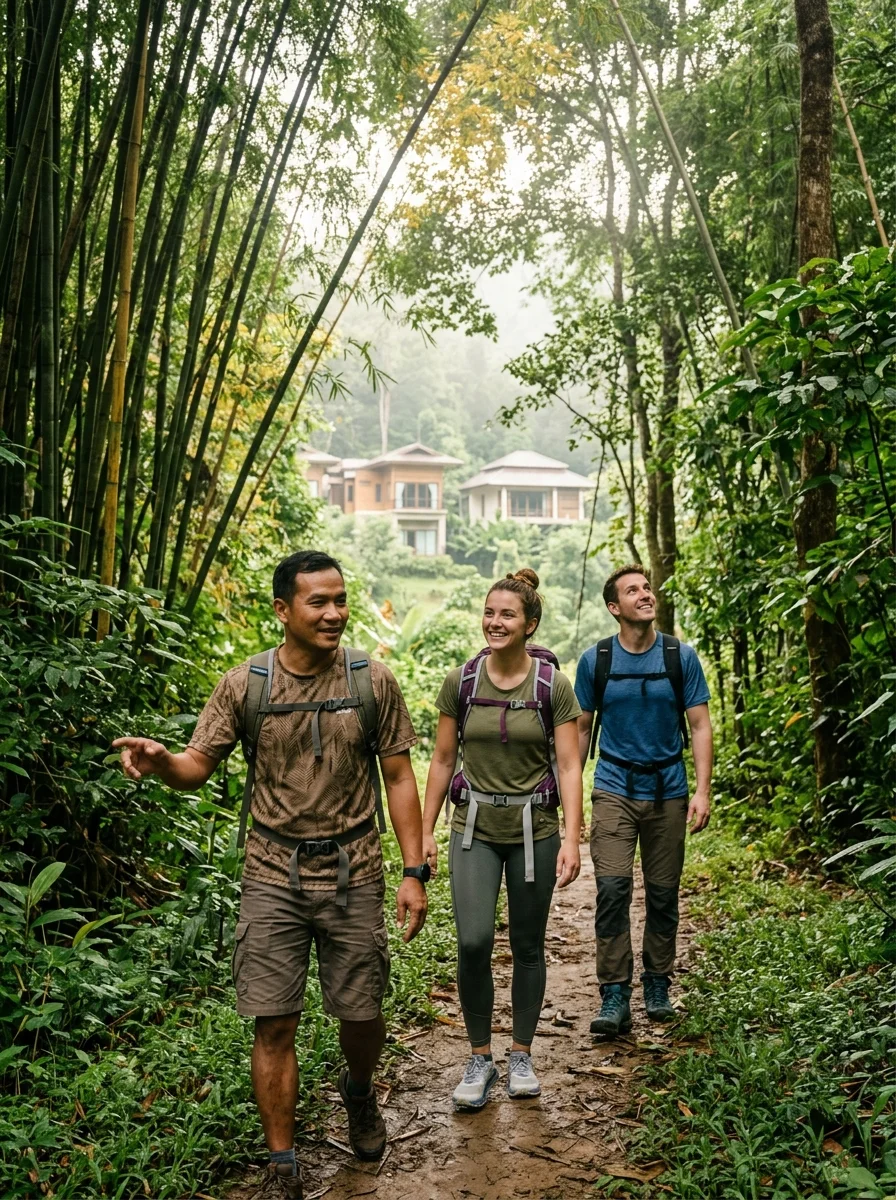
Khao Yai National Park and Hua Hin offer wildly different escapes from the concrete heat of the capital. Khao Yai represents Thailand's oldest national park. It sits a three-hour drive northeast, immersing you in wild elephant territory and dense monsoon forest. Public transport here proves woefully inadequate for day-trippers, as minivans only reach Pak Chong town, leaving you stranded 30 kilometres from the park gates. You must book a dedicated wildlife tour departing Bangkok at 6:00 am, costing around 2,500 THB (£55) per person, to actually spot gibbons and hornbills. Hua Hin presents a breezy coastal alternative. The royal resort town lies roughly two and a half hours south down the Gulf of Thailand. This destination swaps dense jungle for wide, sandy beaches and excellent kitesurfing conditions. Minivans from Ekkamai Eastern Bus Terminal cost 200 THB (£4.40) and drop you within walking distance of the main beach and the historic wooden railway station. While the water lacks the crystalline clarity of the southern islands, the town provides excellent giant prawns at the night market and a genuine ocean breeze. Booking a private transfer ensures you maximise your time on the sand rather than waiting at sweltering bus terminals.
| Destination | Transit Method | Journey Time | Key Attraction |
|---|---|---|---|
| Khao Yai | Private Tour | 3 hours | Wildlife spotting, jungle trails |
| Hua Hin | Minivan / Train | 2.5 hours | Wide beaches, seafood markets |
| Erawan | Bus via Kanchanaburi | 4 hours | Swimming in tiered waterfalls |
Independent Travel vs Organised Tours
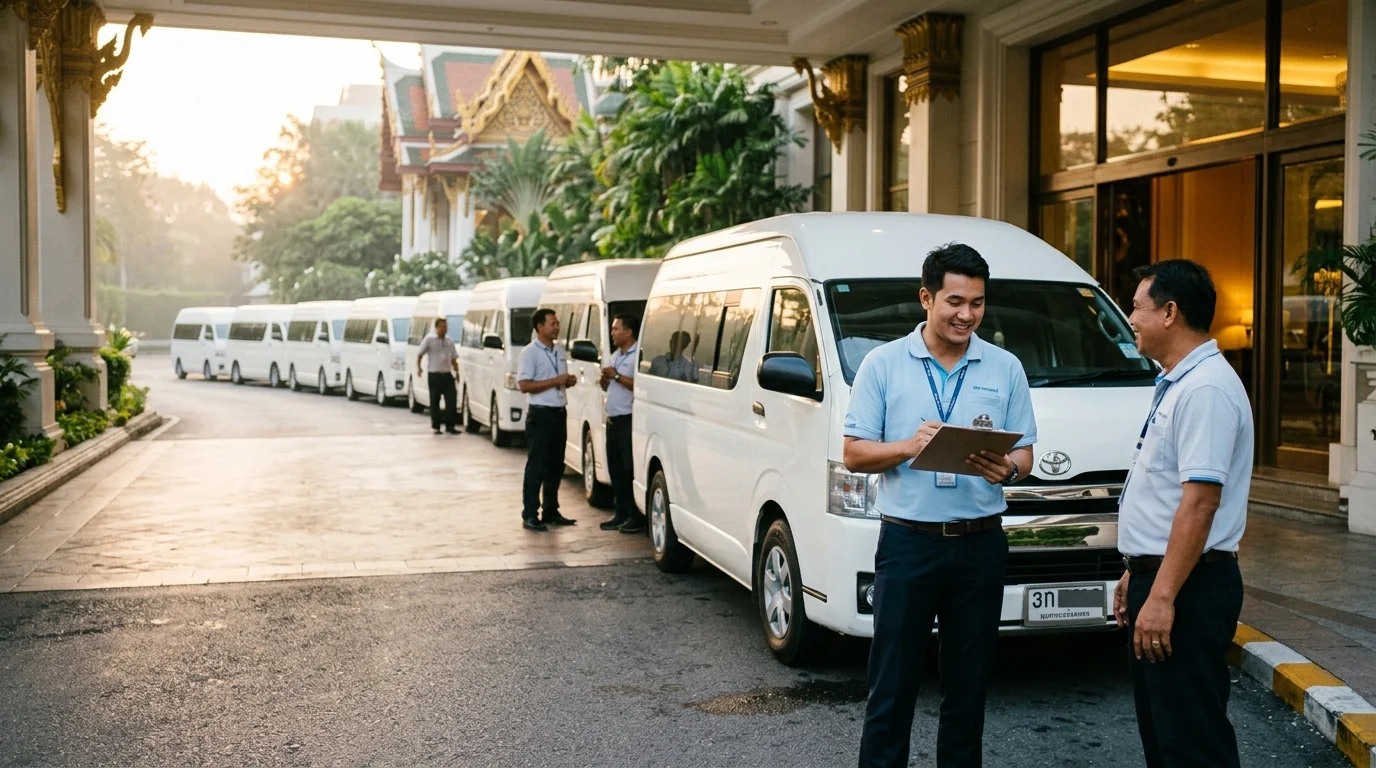
Deciding how to execute your day trip dictates your budget, comfort level, and the authenticity of your experience. Independent travel utilises Thailand's extensive public transport network. This approach keeps costs incredibly low while forcing you to navigate local timetables and language barriers. Minivans and ordinary trains rarely cost more than 300 THB (£6.60) return, but they occasionally run behind schedule and offer minimal luggage space. Organised group tours remove all logistical friction by collecting you directly from your Sukhumvit or Silom hotel. Companies like TakeMeTour and Oriental Escape consistently deliver reliable English-speaking guides and air-conditioned transit, charging between 1,500 THB (£33) and 3,000 THB (£66) depending on the itinerary. The major drawback of group travel remains the rigid schedule. You will inevitably find yourself forced to linger at souvenir stalls while rushing through the actual historical sites you came to see. Hiring a private car with a driver represents the middle ground, costing roughly 3,500 THB to 5,000 THB (£77 to £110) for a ten-hour day. This option guarantees point-to-point air-conditioned comfort while allowing you to skip the snake farms and gem galleries that group tours inevitably visit. Always negotiate the exact route and fuel inclusion before getting into a private vehicle.
The Verdict on Overnight Stays
Not every destination listed on a Bangkok tour brochure actually works well as a single-day excursion. Ayutthaya and the floating markets fit perfectly into a day trip format. You can depart at breakfast and return in time for evening drinks in Thong Lo. Kanchanaburi, however, stretches the definition of a day trip to its absolute breaking point. Spending six hours in a vehicle leaves you exhausted and drastically limits your time exploring the River Kwai or hiking the Erawan waterfalls. Khao Yai National Park also suffers heavily on a day trip schedule. The best wildlife spotting occurs at dawn and dusk when Bangkok-based tours are still stuck in transit. Hua Hin works fine for a rushed lunch and a swim, but the evening seafood market and relaxed coastal atmosphere are the actual reasons to visit. If your itinerary allows, book a riverside guesthouse in Kanchanaburi or a jungle lodge near Khao Yai for at least one night. Treating distant provinces as rapid checklist items ultimately results in more time spent looking at highway traffic than experiencing rural Thailand. Staying overnight transforms a stressful transit day into a genuine travel experience.
Top Transport Hubs and Tour Operators
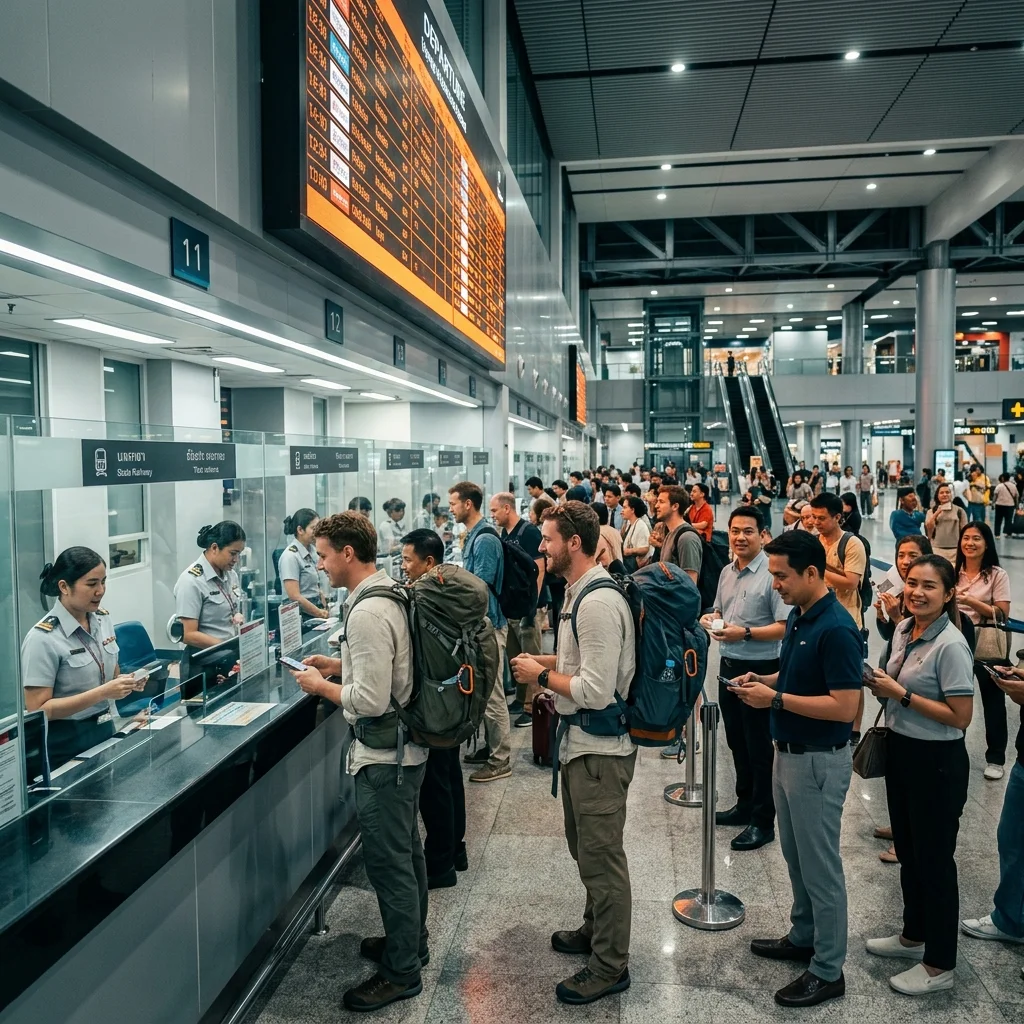
Securing the right transport or tour operator determines the success of your escape from the capital. For independent rail travel, head directly to Krung Thep Aphiwat Central Terminal for modern, air-conditioned trains heading north to Ayutthaya. Thonburi Railway Station remains your starting point for the classic, open-window third-class trains lumbering west toward Kanchanaburi. If you prefer road transport, the Mochit New Van Terminal handles routes north and northeast, including Pak Chong for Khao Yai. Ekkamai Eastern Bus Terminal serves as the most central hub for minivans heading south to Hua Hin and Pattaya.
When booking organised excursions, skip the generic street-side travel kiosks found along Khao San Road. Instead, use TakeMeTour for private, local-led experiences that focus heavily on food and culture, particularly for Amphawa and Ayutthaya. For large-scale, reliable group tours to Damnoen Saduak or the Death Railway, Oriental Escape operates a highly professional fleet of modern vehicles with strictly vetted drivers. Families wanting a private driver without a dedicated guide should book through Klook, which offers transparent pricing for daily car charters. First-time visitors should start by taking the train to Ayutthaya to grasp the rhythm of provincial travel before attempting complex minivan routes.
Transport and Tour Budgets
Escaping Bangkok scales dramatically in price depending on your demand for air-conditioning, privacy, and speed. Budget travellers using third-class trains and public minivans can easily execute a day trip for under 500 THB (£11), covering both transport and local street food. Mid-range budgets open up comfortable group tours, first-class train tickets, and decent restaurant lunches. These moderately priced excursions typically cost between 1,500 THB and 2,500 THB (£33 to £55) per person. Premium travellers opting for a private SUV charter, an English-speaking guide, and high-end riverside dining should expect to spend upwards of 5,000 THB (£110) per day. Entrance fees to national parks like Khao Yai remain fixed at 400 THB (£8.80) for foreigners, while historic temples usually charge a nominal 50 THB (£1.10) per site.
| Travel Style | Cost (THB) | Cost (GBP approx) | Notes |
|---|---|---|---|
| Independent Budget | 300 - 600 | £6.60 - £13 | Public trains, minivans, street food |
| Organised Group Tour | 1,500 - 3,000 | £33 - £66 | Shared minivan, guide, set lunch |
| Private Charter | 3,500 - 5,000+ | £77 - £110+ | Dedicated SUV, flexible schedule |
| Park Entrance Fees | 50 - 400 | £1.10 - £8.80 | Varies between temples and national parks |
Essential Preparation for Provincial Travel
Foreigner pricing applies at almost all national parks and historical sites outside the capital. You will pay up to ten times the local rate at places like Khao Yai and Erawan, so carry sufficient cash as these ticket booths rarely accept foreign credit cards.
Minivan drivers prioritise speed over passenger comfort on provincial highways. If you suffer from motion sickness, take medication before boarding and try to secure a seat near the front of the vehicle.
Temple dress codes apply strictly in Ayutthaya, even when ruins appear completely secular and crumbling. You must cover your shoulders and knees to enter the main historical compounds, or face being turned away by site wardens at the gates.
Traffic returning to Bangkok on Sunday evenings reaches gridlock proportions across all major inbound highways. Plan to arrive back in the city either before 4:00 pm or late in the evening to avoid sitting stationary in suburban traffic for hours.
Making the Most of Your Day Trip
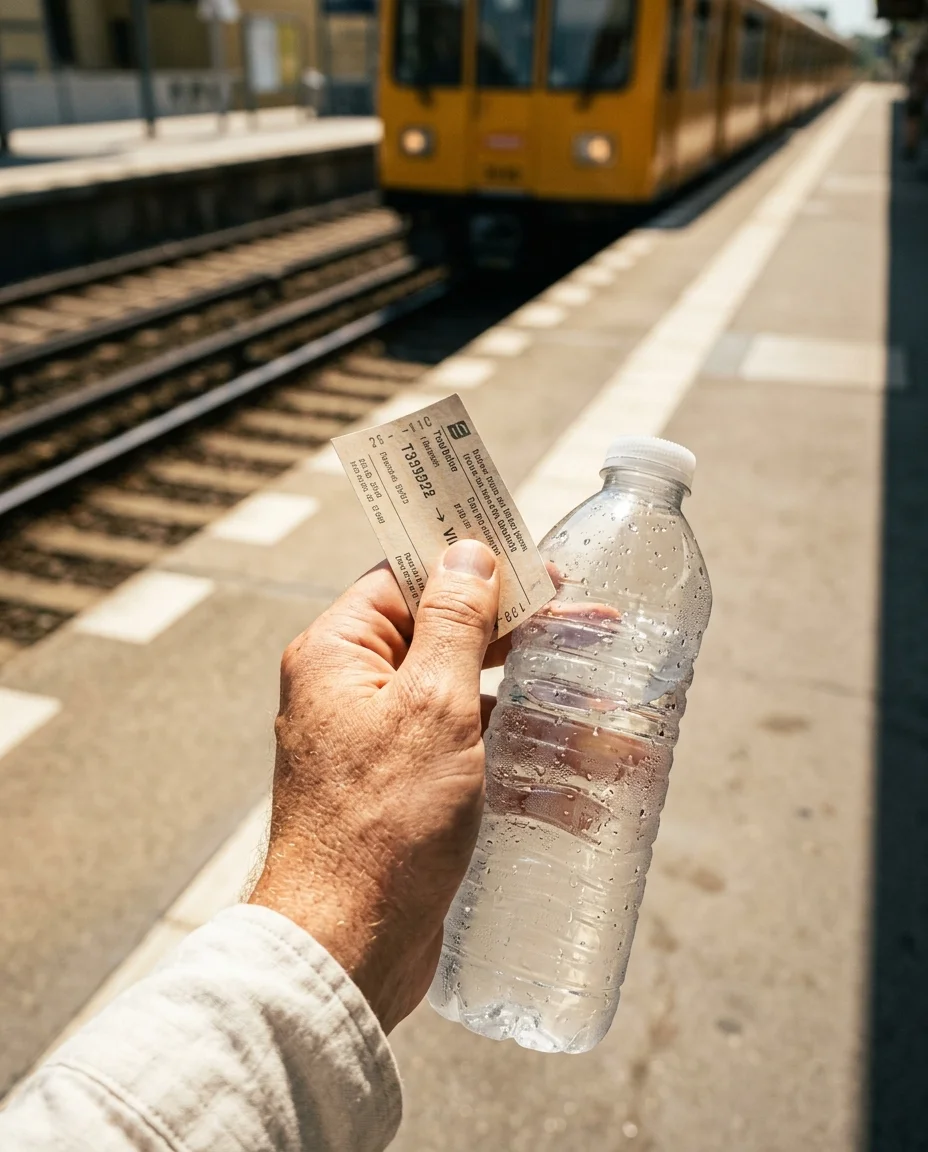
Download the State Railway of Thailand D-Ticket application before your trip. This allows you to check reliable train timetables and book air-conditioned seats to Ayutthaya or Hua Hin in advance.
Carry a dedicated power bank for your phone. Taking hundreds of photos and relying on GPS mapping drains batteries rapidly when moving through areas with weak cellular reception.
Pack a lightweight rain jacket or poncho regardless of the season. Sudden tropical downpours frequently hit Khao Yai and Kanchanaburi during the late afternoon, leaving unprepared hikers completely drenched.
Avoid booking tours that include elephant riding or tiger temples. These venues consistently fail basic animal welfare standards and operate purely as exploitative tourist traps.
Bring your own toilet paper and hand sanitiser. Provincial bus stations and rural train stops rarely supply these items in their public washrooms.
Start your journey as close to dawn as your schedule permits. Beating the midday heat and the arrival of massive tour buses fundamentally changes how you experience these locations.
Carry small denominations of Thai Baht. Vendors at floating markets and provincial food stalls rarely have change for a one thousand baht note early in the morning.
Verify the exact drop-off point with minivan drivers before departure. Some routes terminate at remote highway junctions rather than the actual town centre, forcing you to negotiate expensive local taxi rides.
Skip the stress of navigating rural bus terminals and secure a reliable vehicle for your group.
Day Trip Logistics at a Glance
| Item | Detail | Notes |
|---|---|---|
| Best Temple Trip | Ayutthaya | 90 mins via train, highly accessible |
| Best Floating Market | Amphawa | Weekend evenings only, authentic food |
| Best Wildlife Trip | Khao Yai National Park | Requires an organised tour or private car |
| Best Beach Trip | Hua Hin | 2.5 hours by road, great seafood |
| Most Demanding Trip | Kanchanaburi | Better suited to an overnight stay |
| Budget Travel Method | Third-class Train | Under 100 THB, slow but highly scenic |
| Premium Travel Method | Private Driver Charter | 3,500+ THB, flexible and comfortable |
| Essential App | SRT D-Ticket | For checking official train schedules |