Diving and Snorkelling in Thailand
At Richelieu Rock in the Andaman Sea, you can hover at 20 metres alongside a whale shark the size of a double-decker bus while schools of chevron barracuda block out the sun above. Thailand holds over 4,000 miles of coral reef, divided by a vast southern peninsula that creates two completely distinct diving seasons and environments.
This guide breaks down exactly how to navigate diving and snorkelling across Thailand, from choosing between the Gulf and the Andaman coast to understanding seasonal monsoon shifts. You will learn the true cost of securing a PADI Open Water certification on Koh Tao, how to identify environmentally responsible dive operators, and the critical differences between a heavily trafficked day-boat snorkel trip and a dedicated multi-day liveaboard expedition.

The Two Coasts and Monsoon Shifts
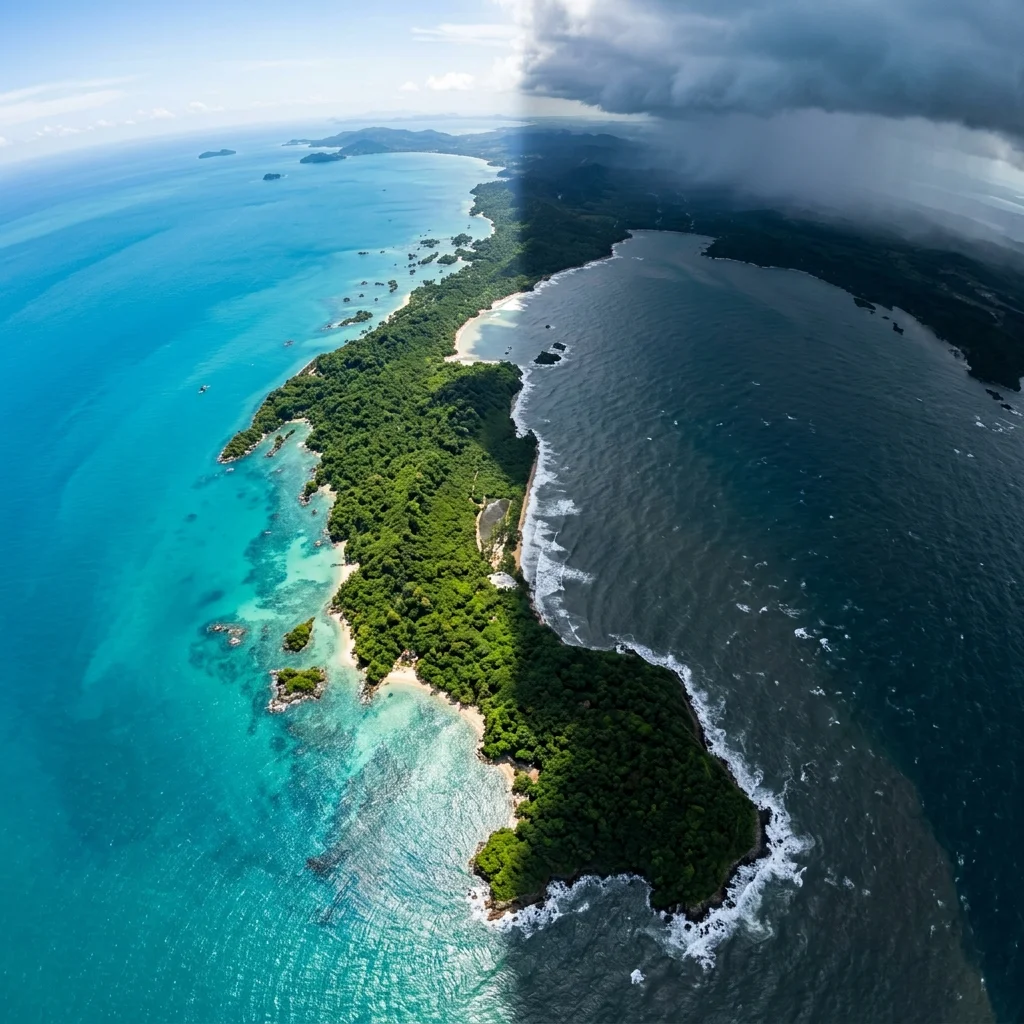
The defining factor of a Thai diving trip is deciding which side of the peninsula to visit based on the time of year. Thailand's diving is split into two primary zones: the Andaman Sea on the west coast, encompassing Phuket, Koh Phi Phi, Khao Lak, and the Similan Islands, and the Gulf of Thailand on the east coast, home to Koh Tao, Koh Samui, and Koh Phangan. The monsoon dictates everything. If you visit the Andaman coast between November and April, you get flat seas and visibility often exceeding 30 metres. However, from May to October, the southwest monsoon brings heavy swells, and marine parks like the Similans close entirely to visitors. Conversely, the Gulf of Thailand enjoys its calmest, clearest waters from February to September. November brings the northeast monsoon to the Gulf, turning the waters around Koh Tao into a churning, low-visibility washing machine. British divers often make the mistake of booking a summer holiday to Phuket in August, expecting clear waters, only to find red flags on the beaches and cancelled boat trips. Always align your flights with the correct dry season for your chosen coast to ensure safe, clear diving conditions.
Discover how to experience Muay Thai in Thailand. From watching ringside in Bangkok to booking the perfect training camp, plan your trip with honest advice.
| Region | Primary Dive Hubs | Peak Diving Season | Monsoon Closures / Poor Visibility |
|---|---|---|---|
| Andaman Sea | Phuket, Khao Lak, Koh Phi Phi | November to April | May to October (Similans closed) |
| Gulf of Thailand | Koh Tao, Koh Samui, Koh Phangan | February to September | November to January |
| Southern Gulf | Koh Lipe, Tarutao | December to April | June to September |
| Eastern Seaboard | Pattaya, Koh Chang | November to April | May to October |
Koh Tao and the Open Water Certification Factory
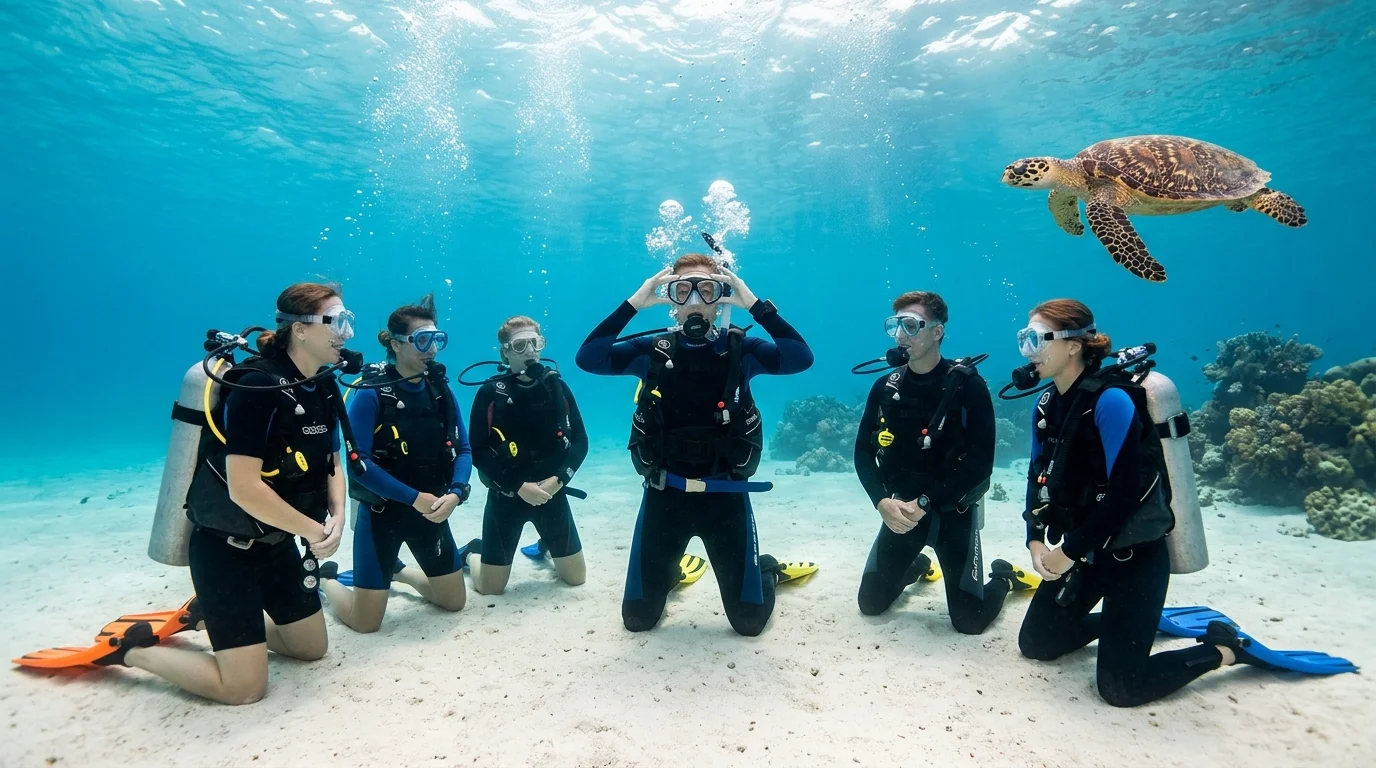
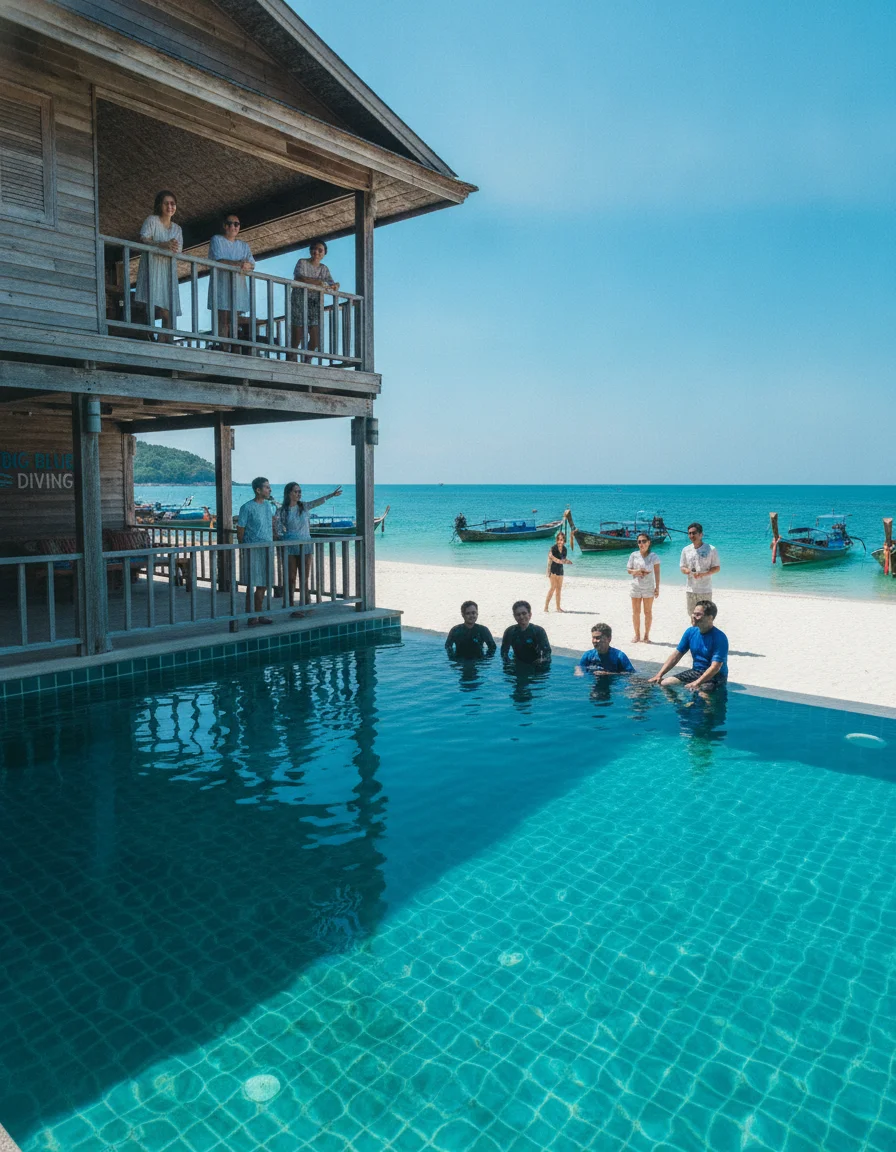
Koh Tao certifies more scuba divers than almost anywhere else on earth due to its dense concentration of competing dive schools and accessible shallow bays. The island operates as a highly efficient training hub, driving prices down while maintaining generally strict PADI, SSI, and RAID standards. A standard Open Water course takes three to four days. You spend your first morning in a classroom learning dive theory, followed by a confined water session in a swimming pool to practice essential skills like regulator recovery and mask clearing. The final two days involve four open water dives in the ocean, typically visiting sites like Japanese Gardens or Twins, maxing out at 18 metres. The sheer volume of students means some larger schools operate like conveyor belts, packing boats with dozens of divers and assigning up to eight students per instructor. Smaller, premium schools charge slightly more but cap groups at four students, offering a much calmer introduction to breathing underwater. Competition keeps costs low, but the cheapest option rarely delivers the best education. Look for schools that limit group sizes to four students per instructor rather than simply booking the lowest priced package available.
| School Tier | Average Cost (THB) | Class Size | Vibe and Focus |
|---|---|---|---|
| Budget Factory | 9,000 to 10,000 | 6 to 8 students | Highly social, party atmosphere, crowded boats |
| Mid-Range Independent | 11,000 to 12,500 | 4 students | Balanced, focused instruction, dedicated dive boats |
| Premium / Eco | 13,000 to 15,000 | 2 to 4 students | Marine conservation focus, highly personalised |
| Private 1-on-1 | 18,000 to 22,000 | 1 student | Completely tailored schedule, premium gear |
Snorkelling Day Trips Versus Liveaboard Expeditions
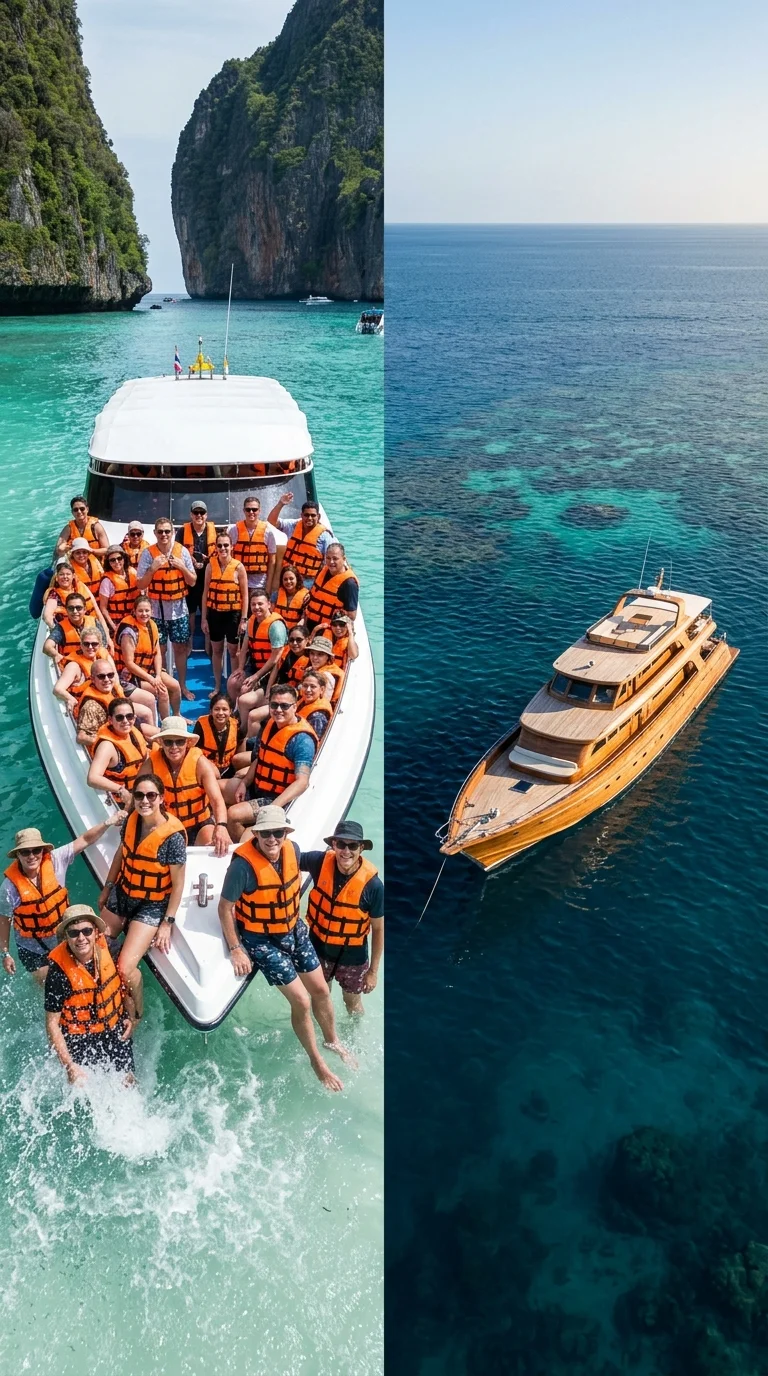
The gap between a basic island-hopping snorkel tour and a dedicated diving liveaboard is immense in both cost and environmental footprint. Mass tourism snorkelling trips operate out of major hubs like Phuket, Krabi, and Koh Samui. These speedboat tours cram up to forty people aboard, racing between shallow bays where inexperienced swimmers frequently stand on fragile corals. The experience feels chaotic, with hundreds of fluorescent life jackets bobbing in the same narrow cove. Liveaboard diving, by contrast, is a multi-day offshore expedition designed for certified divers. Vessels depart from Khao Lak or Phuket, heading to the Similan and Surin Islands for three to five days. You sleep in small cabins, wake at dawn, and dive up to four times a day. Meals are served on deck between dives, and the boats access remote pinnacles that day-trippers cannot reach. The atmosphere is deeply focused on the ocean, attracting a community of serious underwater photographers and marine enthusiasts. If you only want to snorkel, hire a private longtail boat early in the morning to avoid the mass-tourism fleet and reduce damage to heavily trafficked shallow reefs.
Navigating Top Dive Sites and Marine Life
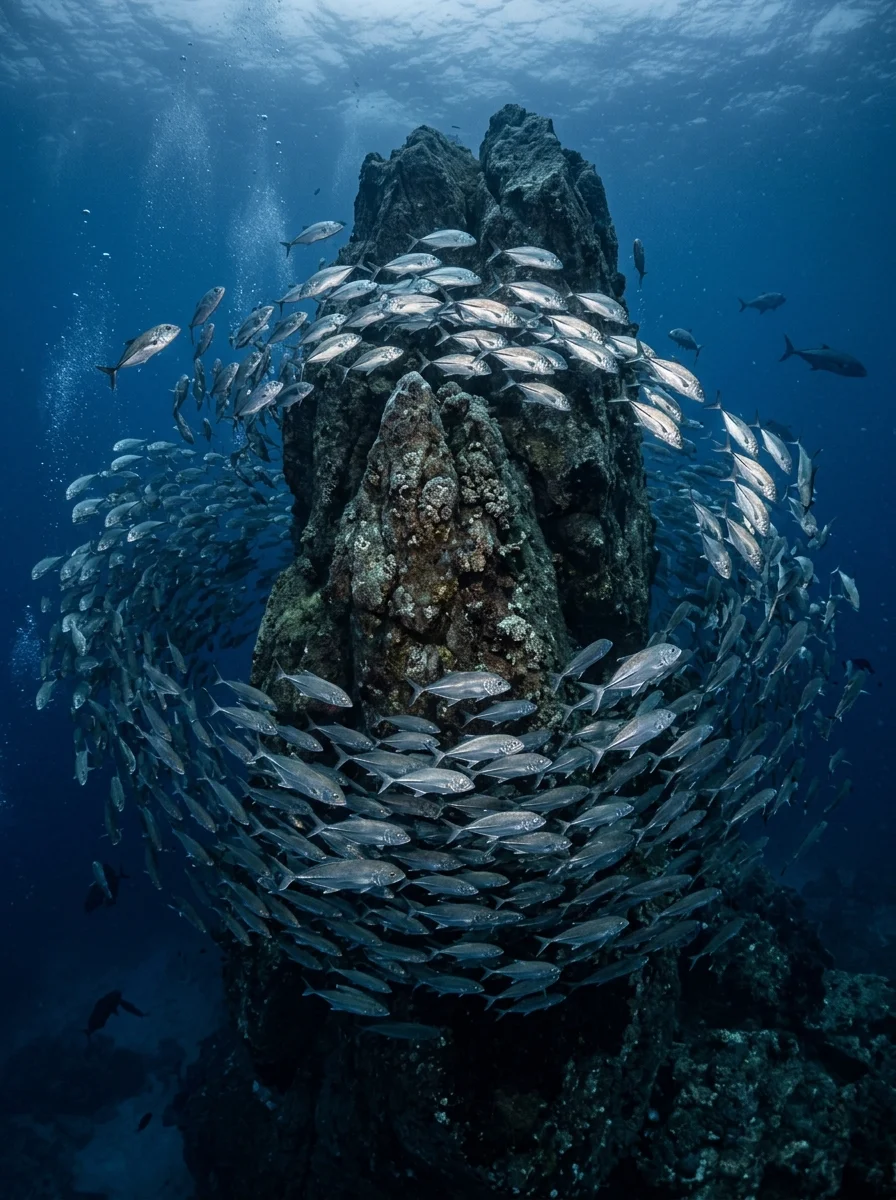
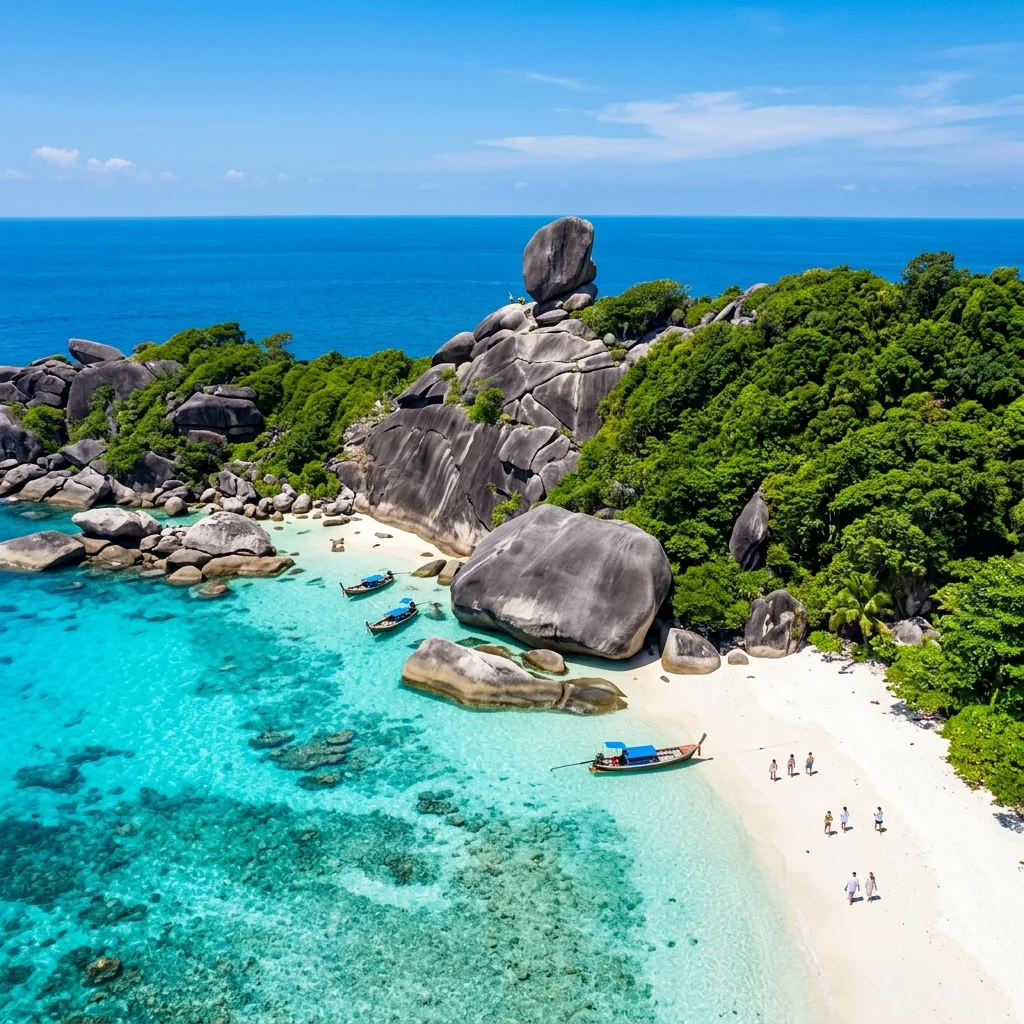
Experienced divers travel to Thailand specifically to log dives at a handful of globally recognised offshore pinnacles. Richelieu Rock, an isolated horseshoe-shaped reef in the Andaman Sea, represents the pinnacle of Thai diving. Covered in purple soft corals, it acts as a magnet for pelagic life, offering the highest chance of spotting migrating whale sharks and manta rays between February and April. Over in the Gulf of Thailand, Sail Rock sits midway between Koh Phangan and Koh Tao. This massive granite chimney rises 15 metres above the surface and drops to 30 metres below, featuring a vertical swim-through and frequent visits from massive schools of batfish and occasional bull sharks. Wreck divers head to the HTMS Sattakut off Koh Tao, a decommissioned Thai navy vessel deliberately sunk to create an artificial reef. UK divers used to cold, murky quarries will appreciate the 29-degree water, but you must remain vigilant regarding marine life. Titan triggerfish are notoriously territorial during their nesting season and will aggressively bite divers who swim too close to their crater-like nests. Advance booking is essential for liveaboards visiting the Similan Islands and Richelieu Rock, as national park authorities strictly cap daily diver numbers.
Identifying Reputable Operators and Conservation Practices
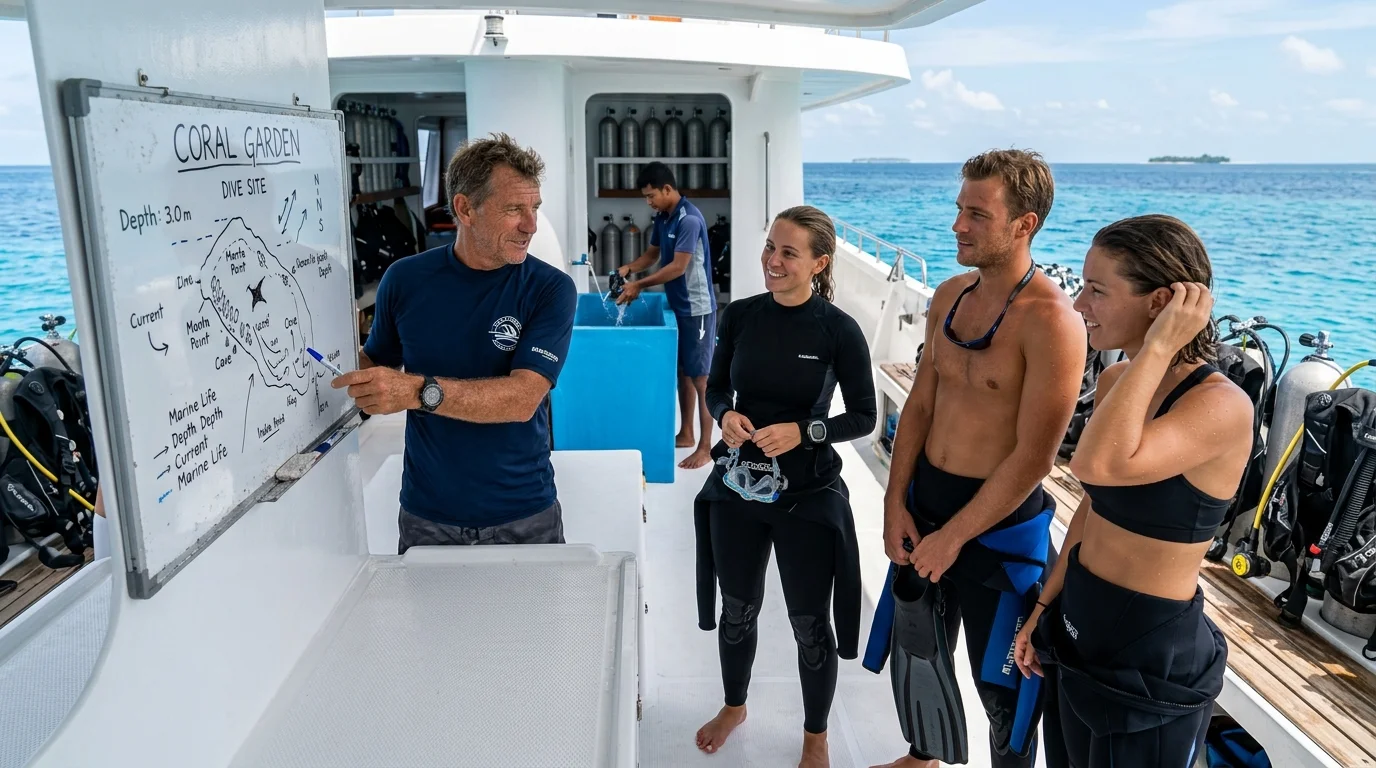
The rapid expansion of Thailand's dive industry has resulted in a vast disparity in equipment maintenance and environmental responsibility. Reputable dive centres replace their rental BCDs (Buoyancy Control Devices) and regulators every few years, service their compressors regularly to ensure clean breathing air, and employ experienced, legal foreign or Thai staff. Poorly maintained budget operations stretch their gear until it fails, handing students leaking masks, frayed hoses, and wetsuits held together by duct tape. Environmental ethics also vary wildly. Some operators actively anchor on reefs or allow their divers to touch marine life for photographs. Responsible centres, such as Black Turtle Dive on Koh Tao or Sea Dragon in Khao Lak, enforce strict no-touch policies, participate in regular reef clean-ups, and contribute to artificial reef projects. You can spot a good operator by walking into their shop and inspecting the rental room; tidy, dry, and modern equipment reflects a serious attitude towards safety. Always choose a dive centre that actively promotes neutral buoyancy workshops and reef conservation, even if it costs a few hundred baht more per dive.
The Best Dive Hubs in Thailand
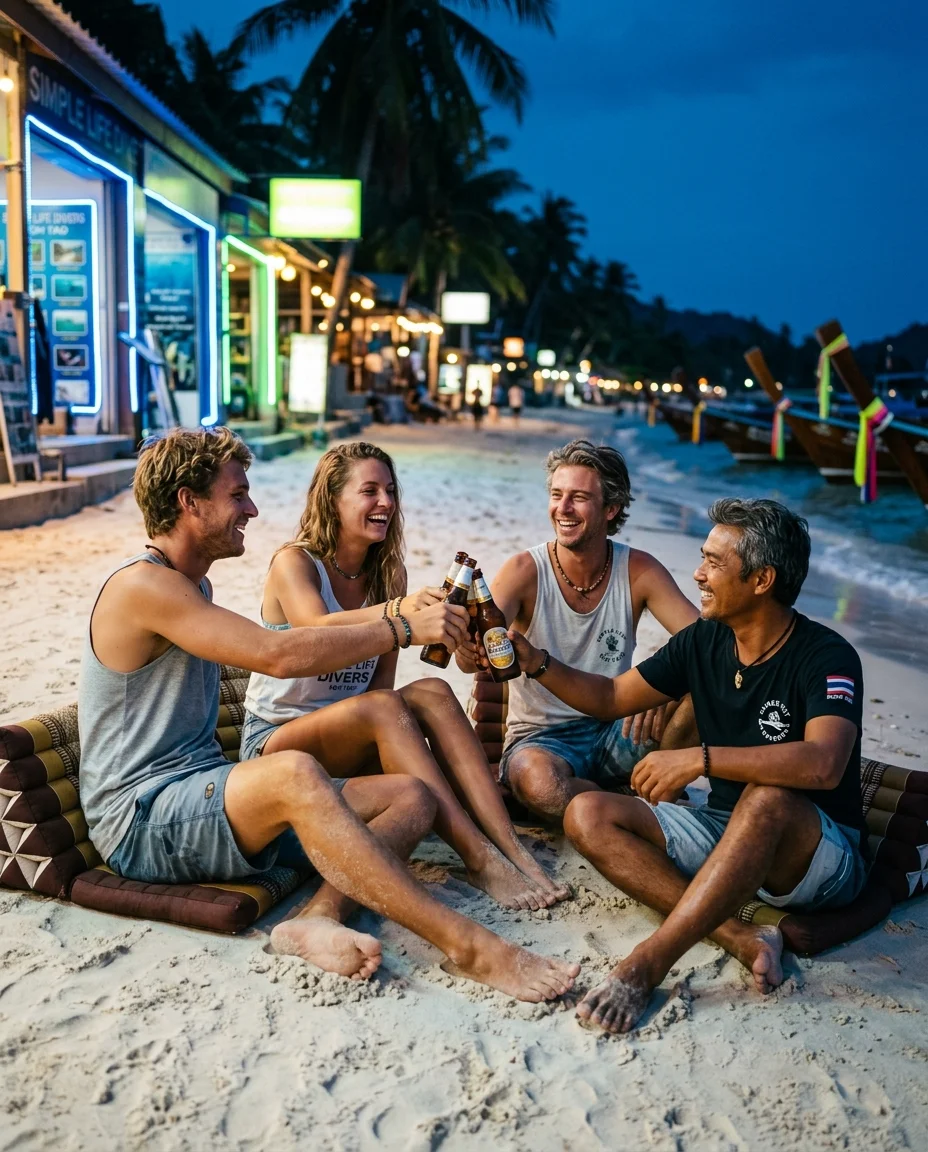
For absolute beginners looking to get certified, Sairee Beach on Koh Tao remains the undisputed starting point. Venues like Ban's Diving Resort offer massive, all-inclusive resort experiences, while Roctopus Dive provides a younger, highly professional, small-group alternative. If you are heading to the Andaman Coast to access the Similan Islands, base yourself in Khao Lak rather than Phuket. Khao Lak is a quiet, family-friendly strip of coastline lined with dive centres like Sea Bees and Similan Diving Safaris, which operate the boats heading directly to the national park.
For day trips in the Andaman, Chalong Pier in southern Phuket is the main departure point. From here, reputable outfits like Aussie Divers or Phuket Dive Tours run large, comfortable boats out to Racha Yai and Racha Noi, which offer excellent visibility and gentle currents for novices. Advanced divers hunting for macro life and quiet reefs should look to Koh Lanta in the deep south, where operators like Lanta Diver run trips out to the spectacular purple soft corals of Hin Daeng and Hin Muang. For a first-timer aiming to complete an Open Water course, head straight to Koh Tao in the Gulf for the best infrastructure and pricing.
COSTS AND BUDGETING
Scuba diving in Thailand is highly affordable compared to the Caribbean or Australia, but costs escalate quickly when you add liveaboards or premium equipment. Snorkelling remains cheap, though private charters offer significantly better value than mass tours if split among a group. National Park fees apply in marine reserves, costing 400 to 600 THB per day for divers, and are usually collected in cash on the boat. Prices below reflect typical costs for a UK visitor booking locally.
| Option | Cost (THB) | Cost (GBP approx) | Notes |
|---|---|---|---|
| Snorkel Day Trip (Join-in) | 1,200 - 1,800 | £26 - £40 | Speedboat, lunch included, very crowded |
| Private Longtail Boat Hire | 3,000 - 4,500 | £65 - £100 | Half-day, splits well for groups of 4 |
| PADI Open Water Course | 10,000 - 13,000 | £220 - £285 | 3-4 days, includes equipment rental |
| 2-Dive Day Trip (Certified) | 2,800 - 3,500 | £60 - £75 | Includes gear, lunch, guide |
| 4-Day Similan Liveaboard | 22,000 - 30,000 | £480 - £650 | Excludes park fees and gear rental |
| National Park Fee | 400 - 600 | £8 - £13 | Per day, mandatory in Similans/Phi Phi |
WHAT TO KNOW BEFORE YOU GO
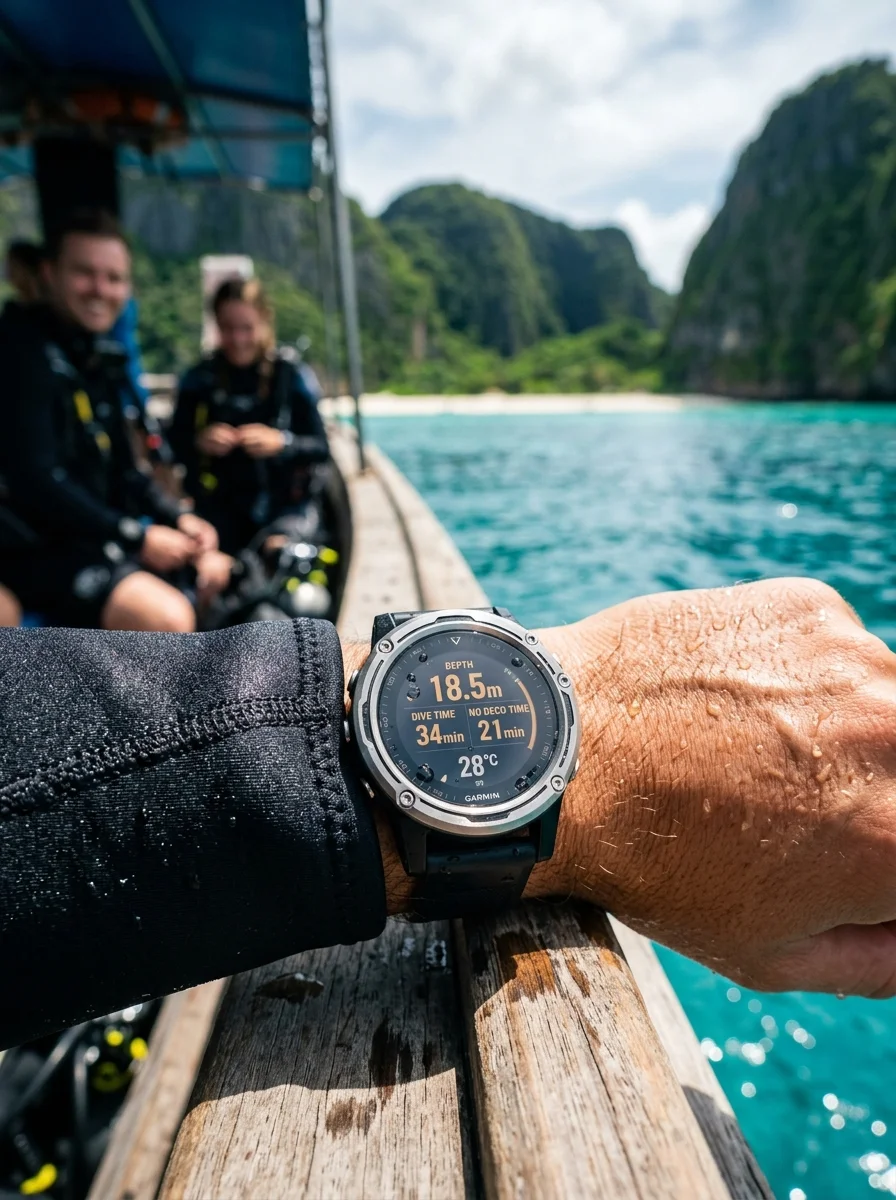
Flying after diving carries strict physiological rules. You must wait an absolute minimum of 18 hours, though 24 hours is strongly recommended, after your final dive before boarding a flight to avoid decompression sickness. This includes short domestic hops from Koh Samui or Phuket to Bangkok.
Standard travel insurance rarely covers scuba diving by default. You need to ensure your policy specifically covers diving up to the depth you are certified for (usually 18m for beginners, 30m for advanced), and explicitly includes hyperbaric chamber treatment and marine evacuation.
Thailand strictly bans reef-damaging sunscreens in all national marine parks. If you are caught using sunscreen containing oxybenzone, octinoxate, 4-methylbenzylidene camphor, or butylparaben, you face a fine of up to 100,000 THB.
Marine park fees must usually be paid in physical cash. Even if you have paid for your boat trip by card, the park rangers collect the entry fees directly, so always bring a dry bag with enough Thai Baht to cover your daily permit.
Practical Tips for Diving and Snorkelling
Always check the monsoon season for your specific coast before booking flights. The Andaman and Gulf coasts have opposite dry seasons, and a mistake here ruins the entire trip.
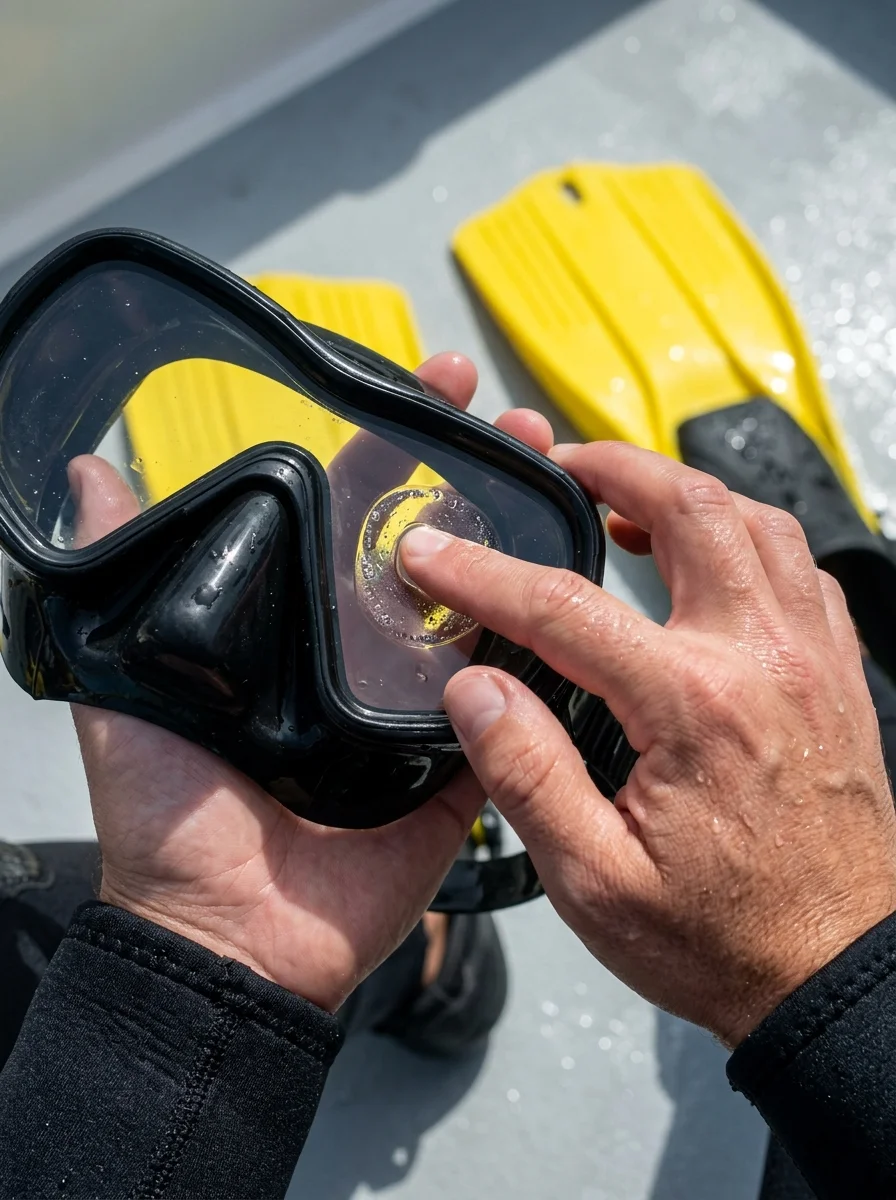
Bring your own well-fitting mask if you plan to dive or snorkel regularly. Rental masks frequently leak due to heavy use, and a leaking mask will quickly ruin an otherwise perfect encounter with a turtle.
Ask about the boat type before booking a day trip. Large wooden dive boats are slow but stable and comfortable, whereas speedboats get you there faster but slam brutally against the waves.
Hydrate aggressively before and after diving in the tropics. Dehydration significantly increases your risk of decompression sickness, and the intense Thai sun drains your fluids faster than you realise.
Respect the Titan triggerfish and learn to identify their nesting zones. If you see a large triggerfish guarding a crater in the sand, swim horizontally away, as they attack upwards in a cone shape.
Take seasickness tablets an hour before you step onto the boat. Once you feel nauseous on the water, the medication will not work, and the choppy boat rides to offshore pinnacles can test even strong stomachs.
Do not touch, stand on, or kick the coral reefs under any circumstances. Even a light brush from a plastic fin can destroy decades of coral growth and introduce fatal infections to the reef system.
QUICK REFERENCE GUIDE
| Item | Detail | Notes |
|---|---|---|
| Top Andaman Sites | Richelieu Rock, Similan Islands, Hin Daeng | Best from November to April. |
| Top Gulf Sites | Sail Rock, Chumphon Pinnacle, HTMS Sattakut | Best from February to September. |
| Average Water Temp | 28°C to 30°C | A 3mm shorty wetsuit or rash guard is sufficient. |
| Open Water Cost | Approx 11,000 THB (£240) | Takes 3 to 4 days to complete. |
| Liveaboard Hubs | Khao Lak, Phuket | Advance booking required due to park limits. |
| Banned Sunscreen | Oxybenzone, Octinoxate | 100,000 THB fine in National Parks. |
| Medical Requirements | Self-certification medical questionnaire | Asthma or heart conditions require a doctor's sign-off. |
| Flight Wait Time | 24 hours after final dive | Crucial for avoiding decompression sickness. |