Koh Jum
Koh Jum is an island of two halves and two names, where the towering 422-metre peak of Mount Pu dominates the mountainous north while the flat, sandy south remains completely devoid of 7-Eleven franchise stores or cash machines. This lack of commercial development means your daily schedule on this Andaman outpost is dictated strictly by the rise and fall of the tides rather than the tick of a clock.
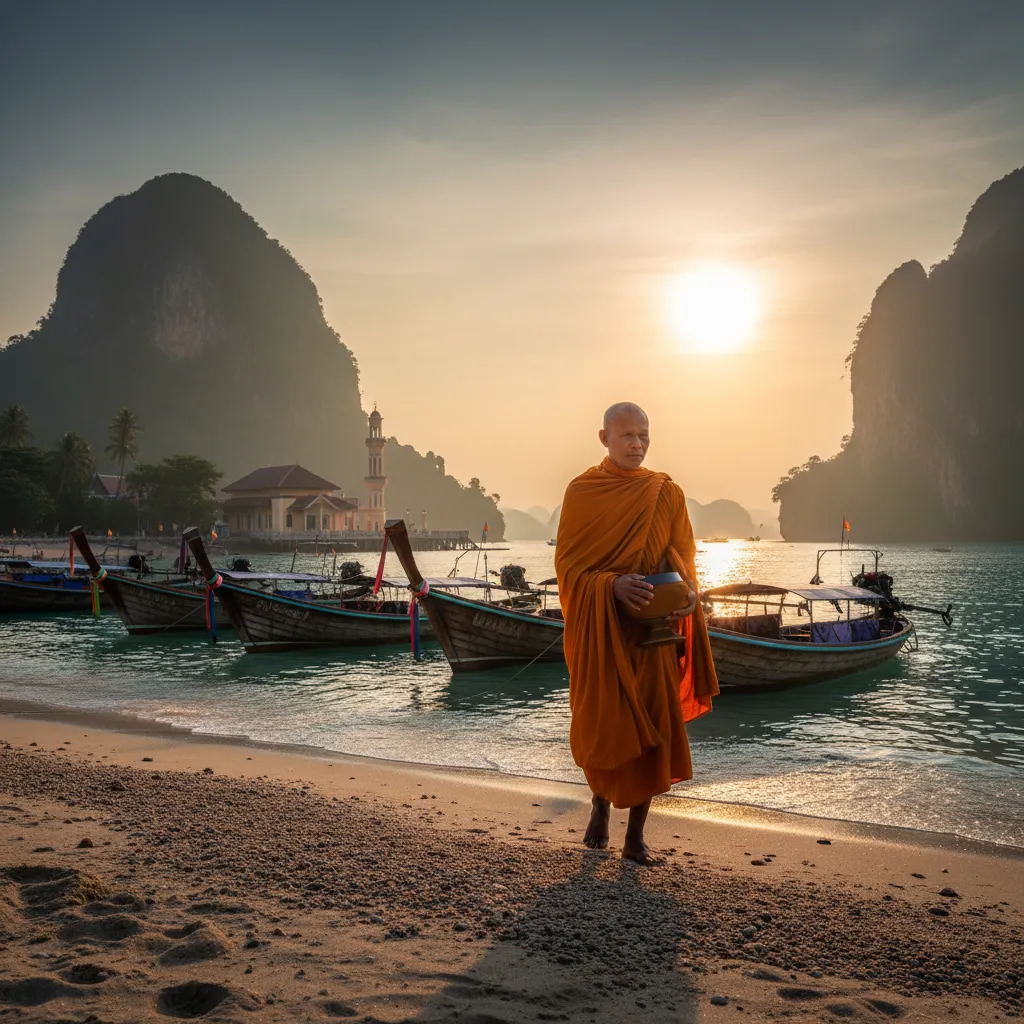
Situated in the Andaman Sea just 25 kilometres south of Krabi Town, Koh Jum offers a stark, quiet contrast to its highly commercialised neighbours like Phuket and Koh Lanta. The island is home to three main coastal villages where traditional Muslim fishing communities live alongside low-key tourist operations. Visitors are drawn here by the slow pace of life, the uncrowded beaches, and the opportunity to experience a traditional island lifestyle. It is an exceptional match for independent travellers, couples seeking quiet solitude, and slow-travel enthusiasts who value peace over active nightlife.

The Split Geography and Character of Koh Pu and Koh Jum
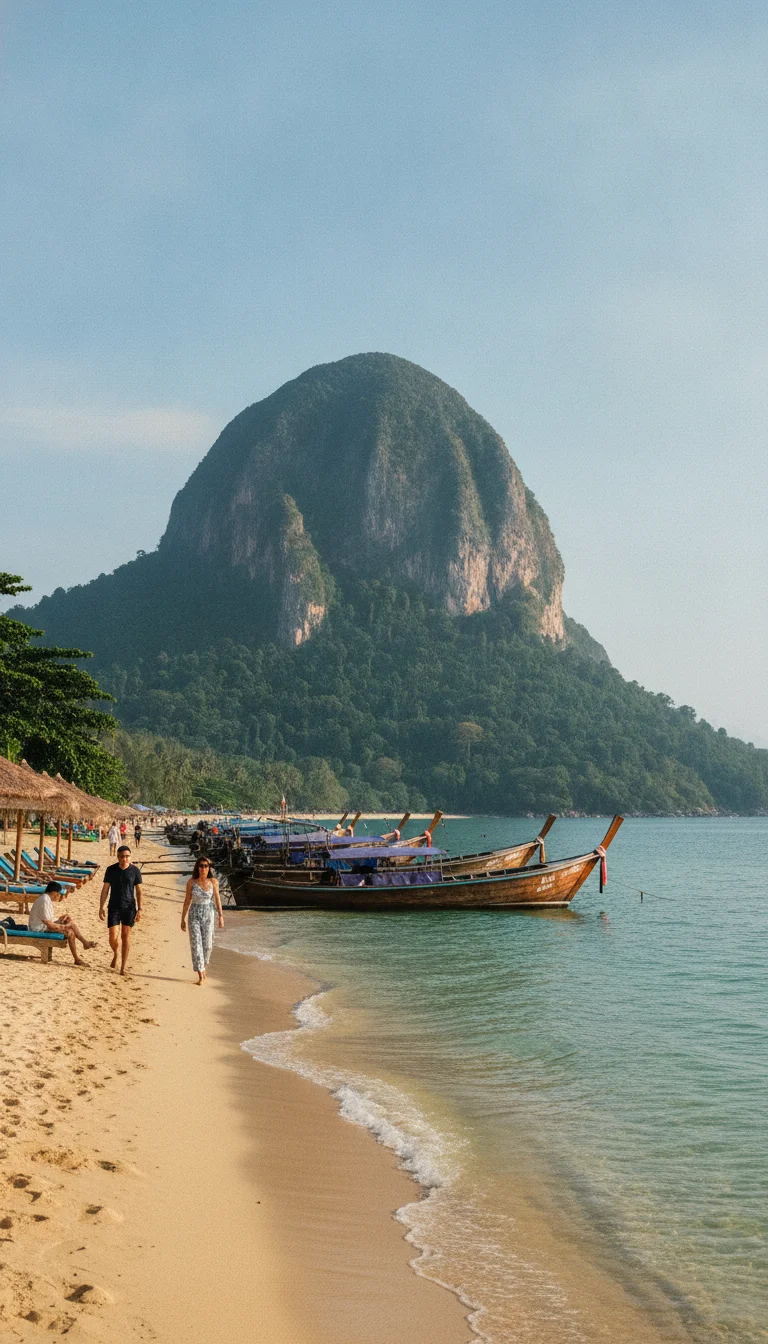
The physical makeup of Koh Jum is defined by its dramatic split between the mountainous, jungle-clad north and the low-lying, sandy south. In the north, the terrain rises sharply to the summit of Mount Pu, a rugged peak shrouded in dense rainforest where small-scale rubber plantations line the lower slopes. The southern half of the island contrasts sharply, flattening out into a series of sandy plains and mangrove estuaries where the main settlements are located. You will find three primary villages: Baan Koh Pu in the north, Baan Ting Rai in the centre, and Baan Koh Jum at the southern tip. These settlements are connected by a single, narrow concrete road that runs the length of the island. Traffic is limited to local scooters and occasional sidecar motorbikes, keeping noise pollution to a minimum. The atmosphere is resolutely local, with fishing nets drying outside wooden houses and small family-run shops serving as the main social hubs. To understand the island's layout, you should plan your base according to whether you prefer the rugged hills of the north or the easier access of the flat south.
Plan your trip to Koh Ngai, Krabi. Discover quiet beaches, coral reefs, transport from Trang, and top resort options in our detailed guide.
The Tide-Dependent West Coast Beaches
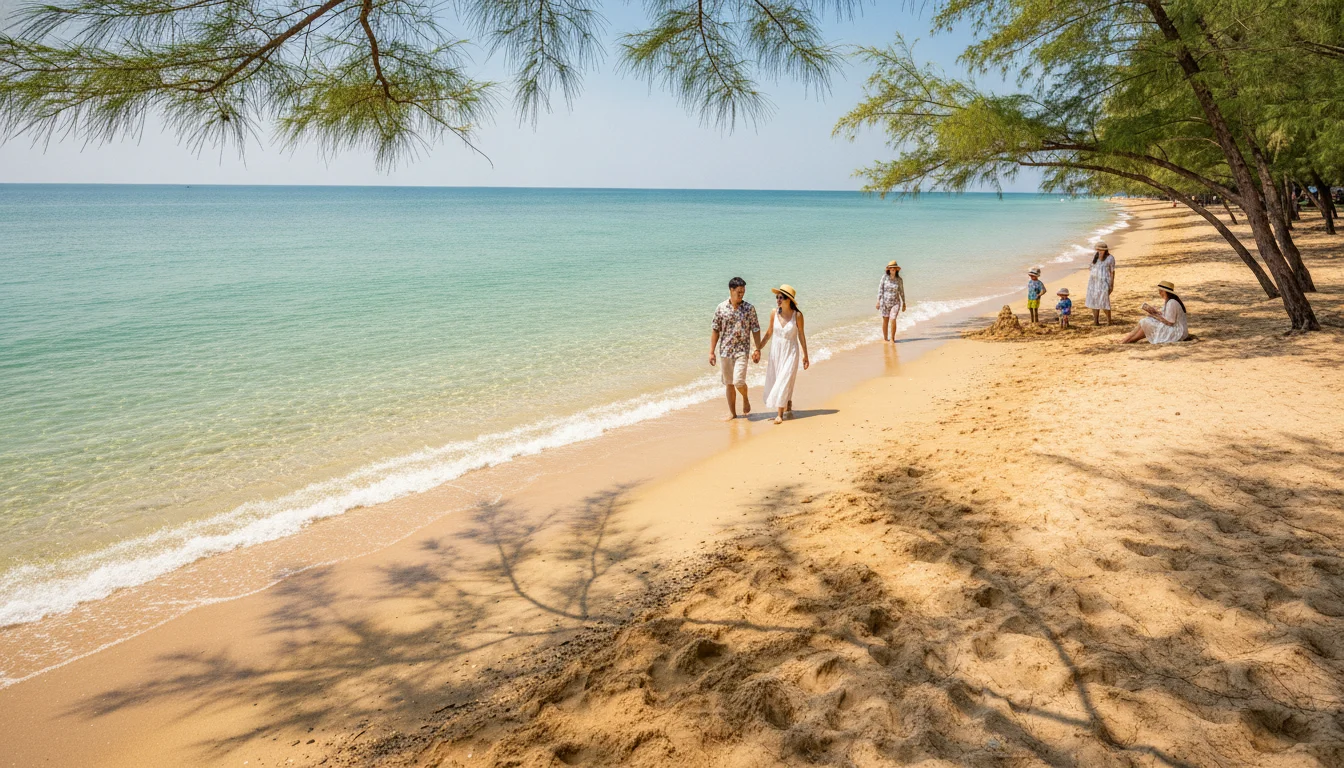
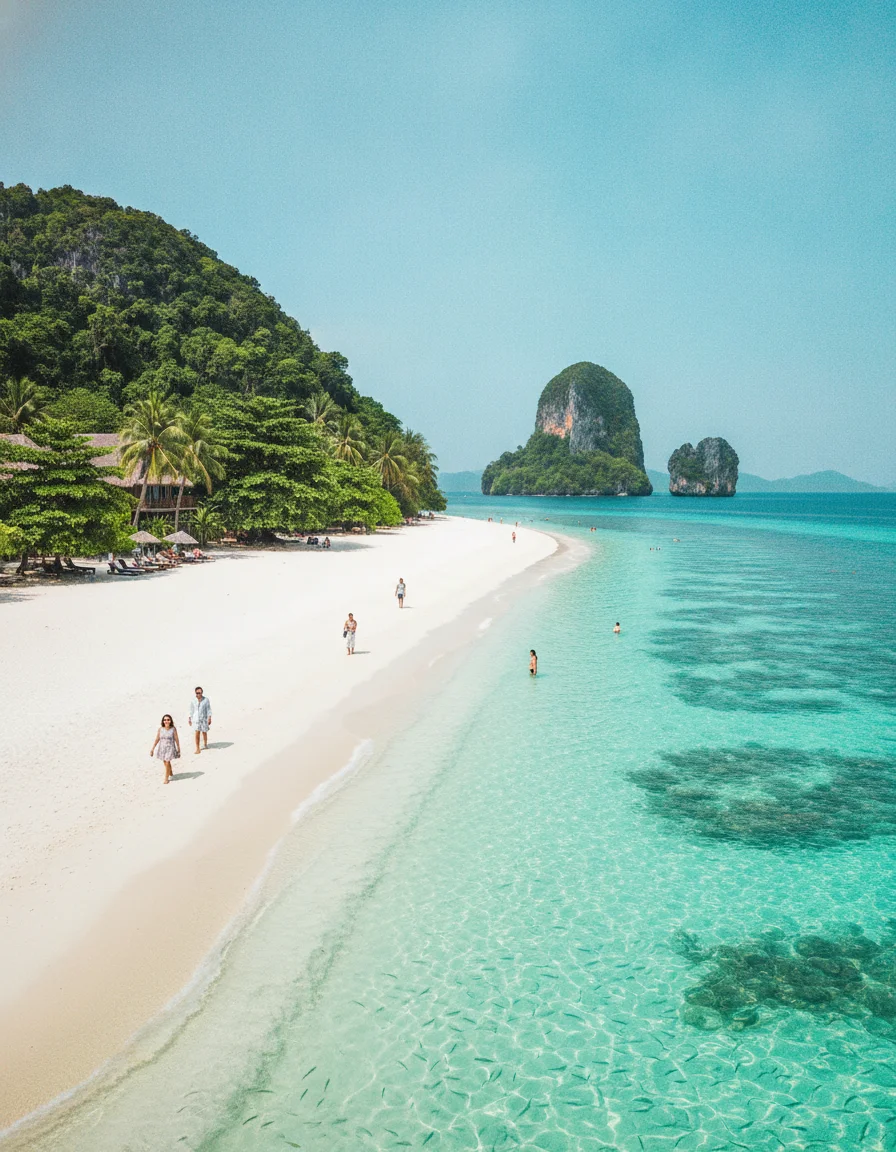
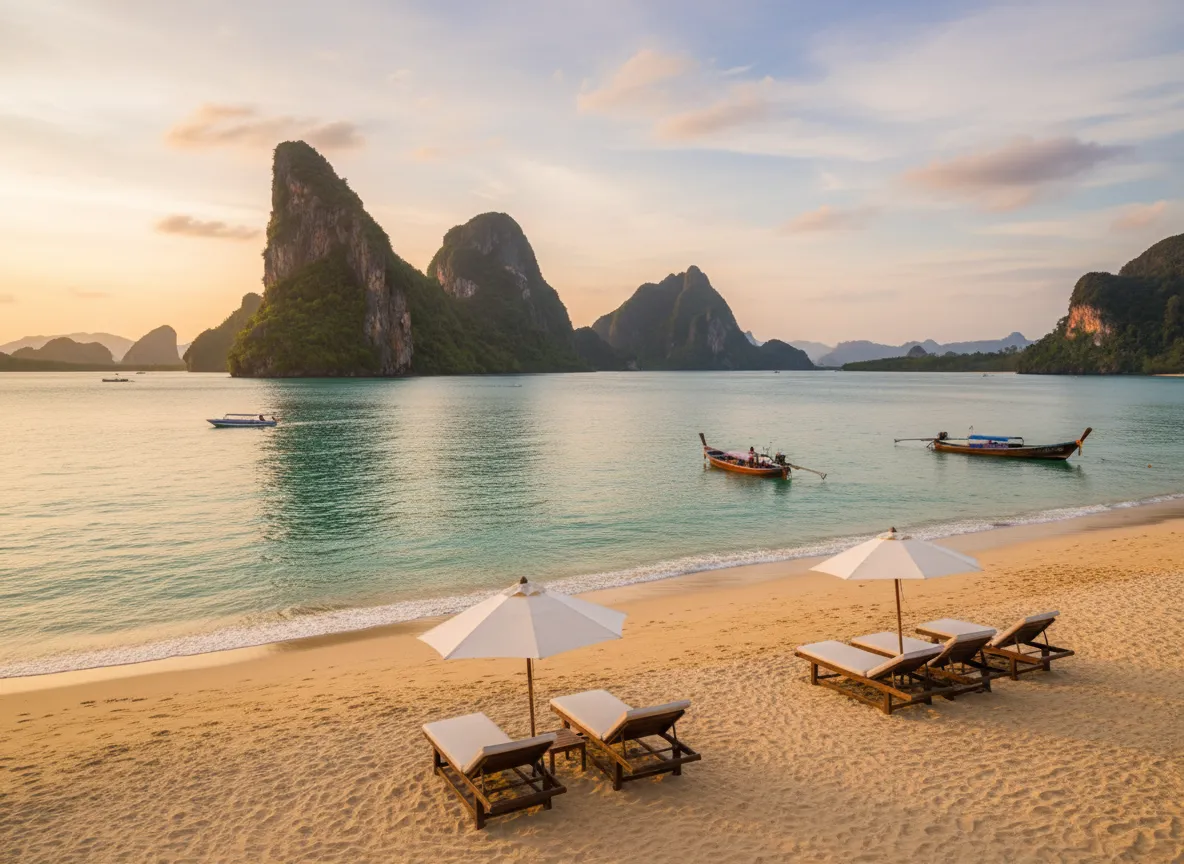
The beaches of Koh Jum run along the western coast, offering long stretches of golden sand that are highly susceptible to the daily tidal cycles of the Andaman Sea. Golden Pearl Beach is the most famous stretch, offering a wide band of soft sand that becomes highly swimmable at high tide. Further north, Ting Rai Beach presents a more rugged and rocky shoreline where dramatic boulders are exposed as the water level drops. This tidal movement is a crucial factor for swimmers, as low tide reveals vast flats of sharp rocks and sticky mud that make entering the water difficult without protective footwear. Andaman Beach, located south of Golden Pearl, offers a quieter alternative with shallower waters that are perfect for wading. There are no sun loungers for hire, jet skis are entirely absent, and you will share the shoreline mainly with crabs and sea birds. It is common to walk for twenty minutes along these sands without encountering another tourist, especially during the midday heat. Always check the local tide charts before heading out for a swim to avoid being stranded on the rocky shallows.
Local Seafood and Dining in the Coastal Villages
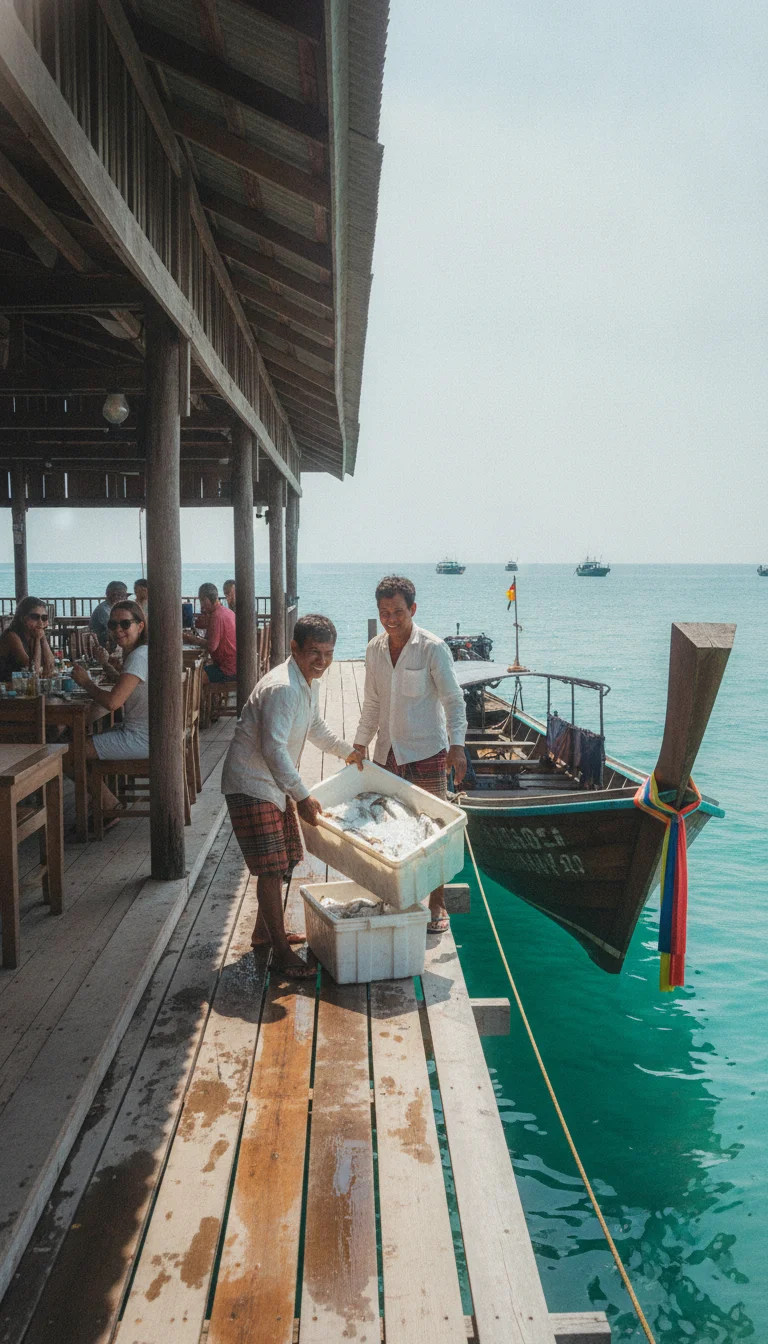
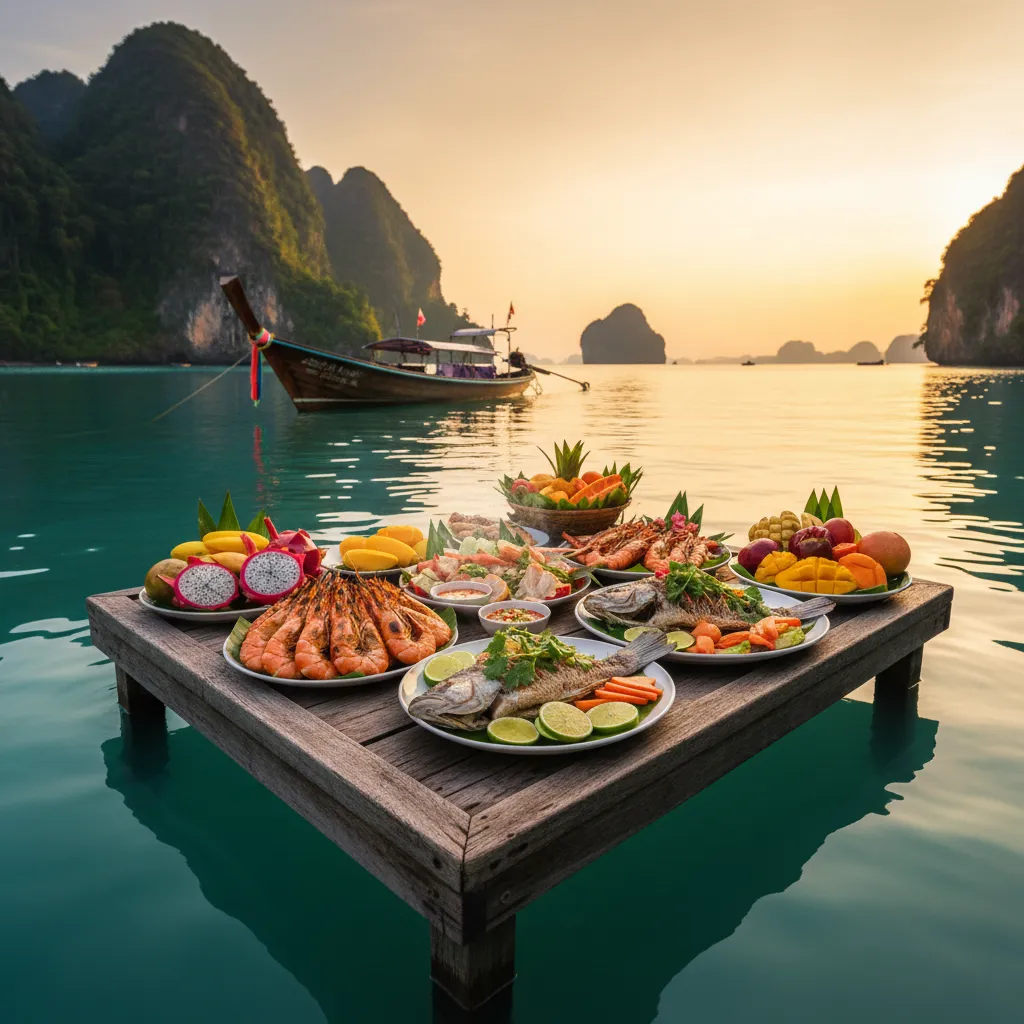
Dining on Koh Jum revolves around freshly caught seafood served in simple, family-run open-air establishments concentrated around the southern pier. At Baan Koh Jum, rustic eateries like Koh Jum Seafood serve dishes made with crabs and red snapper caught by local fishermen that very morning. You can sit on wooden decks built over the water, watching longtail boats glide across the channel while eating curries priced between 120 THB (£2.70) and 250 THB (£5.70). The food is authentically spiced, utilising local southern Thai ingredients like turmeric and stink beans. In the centre of the island, small roadside stalls offer basic dishes like Pad Thai for 60 THB (£1.40) or fresh fruit shakes for 50 THB (£1.10). There are no western chain restaurants or fast-food outlets anywhere on the island. Evening entertainment is limited to a few quiet beach bars, such as the Fu Bar or Rock Bar, where you can drink a local Singha beer for 80 THB (£1.80) under the stars. Carry plenty of cash to dinner as none of the local village restaurants accept credit cards or digital payments.
Traditional and Ecological Lodgings on the Coast
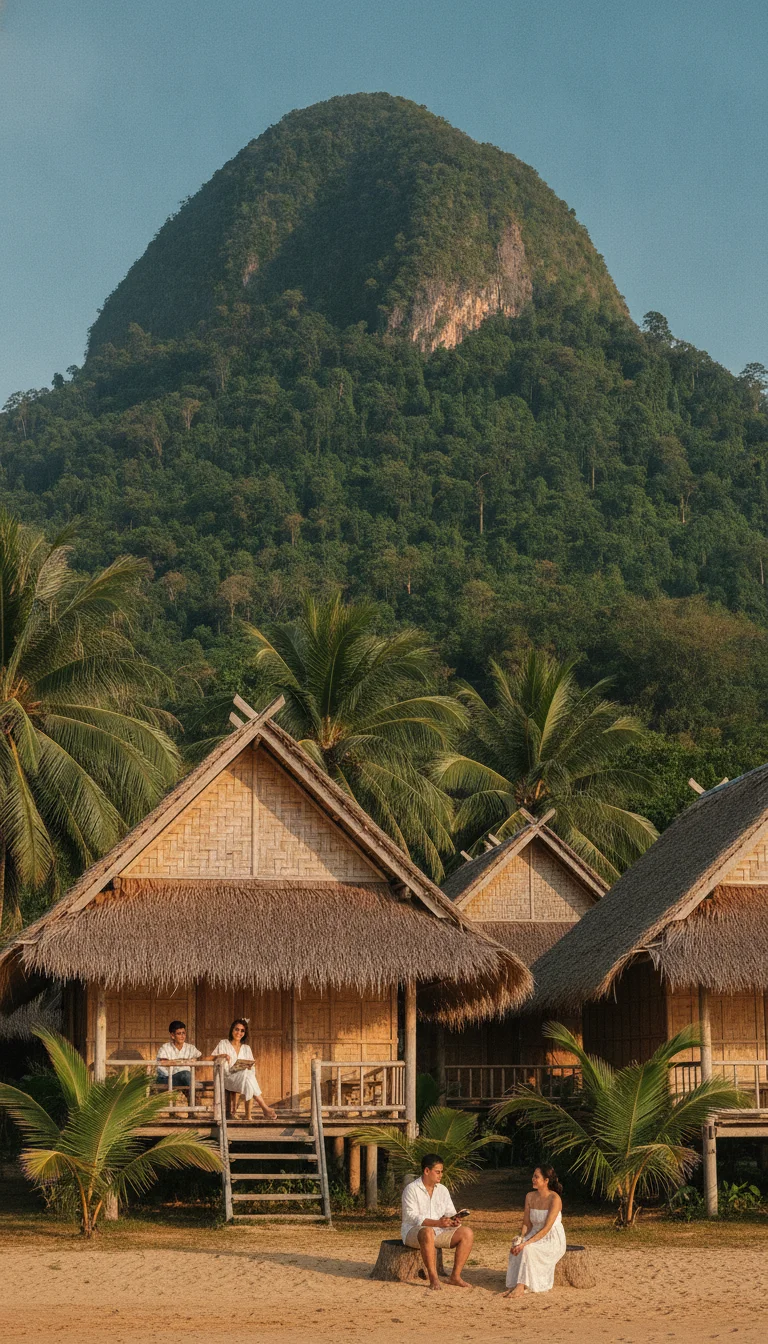
Accommodation on Koh Jum remains refreshingly low-impact, ranging from basic beachfront bamboo huts to solar-powered eco-resorts. You will not find high-rise hotels or massive concrete resorts here. Instead, family-run bungalow operations like Joy Bungalow or Woodland Lodge offer simple wooden cabins starting from 400 THB to 800 THB (£9.10 to £18.20) per night. These basic options usually feature cold-water showers, mosquito nets, and electricity that is sometimes limited to evening hours. For more comfort, eco-resorts like Koh Jum Beach Villas provide solar-powered luxury villas with private plunge pools, costing between 1,500 THB and 3,500 THB (£34.10 to £79.50) per night. These mid-range and higher-end properties are designed to blend into the coastal forest, preserving the natural tree canopy. It is highly recommended to book well in advance during the peak season from November to April, as the total number of rooms on the island is quite small. Choose a southern beach resort if you require reliable 24-hour electricity and air conditioning, which are less common in the rugged northern properties.
| Accommodation Type | Average Price Range (THB) | Key Features |
|---|---|---|
| Traditional Bamboo Bungalow | 400 THB - 800 THB (£9.10 - £18.20) | Cold water, fan, mosquito net, limited electricity |
| Mid-Range Eco-Resort | 1,500 THB - 3,500 THB (£34.10 - £79.50) | 24-hour electricity, hot water, ceiling fans, pool access |
| Luxury Eco-Villa | 4,000 THB - 8,000 THB (£91.00 - £182.00) | Air conditioning, private pool, beachfront location |
| Basic Guesthouse (Village) | 300 THB - 500 THB (£6.80 - £11.40) | Shared bathroom, local village location, fan-cooled |
Low-Key Island Activities and Explorations
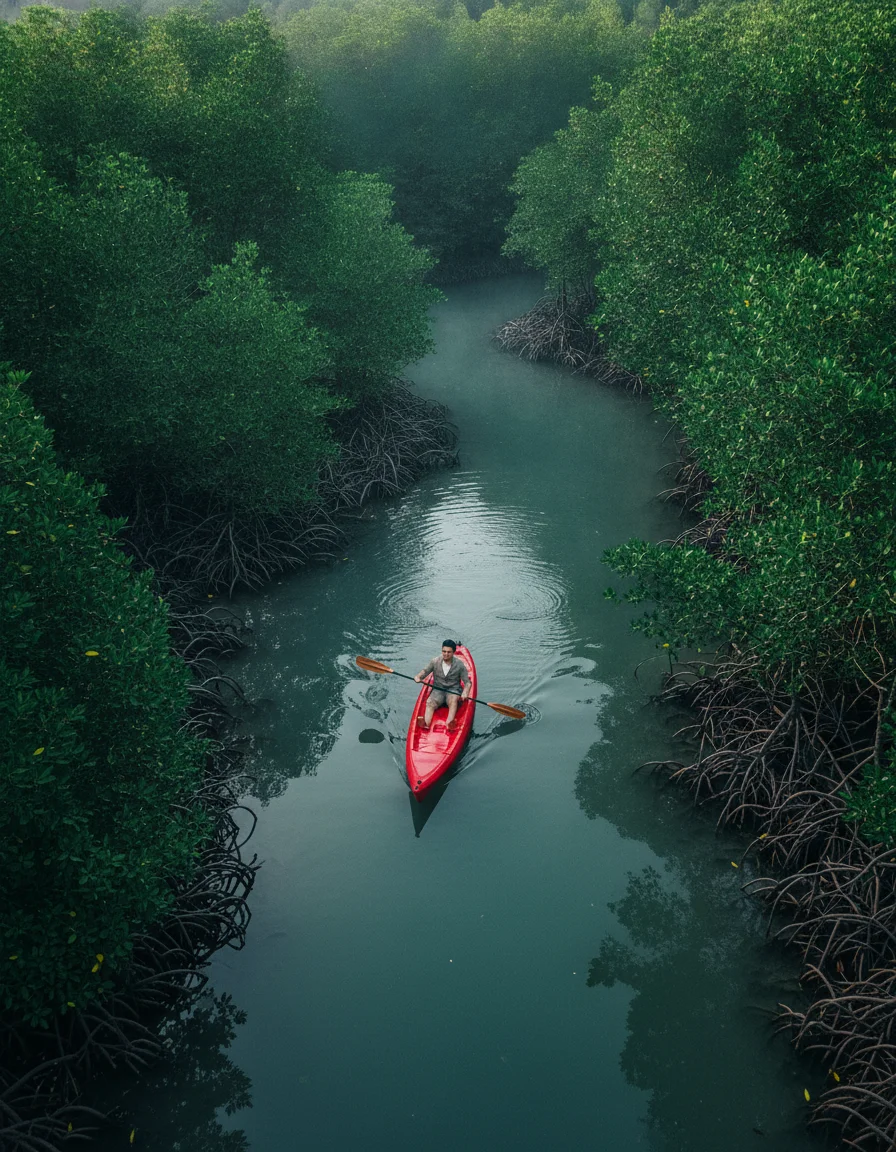
Activities on Koh Jum are self-directed and slow-paced, focusing on natural exploration rather than organised group tours. The most challenging activity on the island is hiking to the summit of Mount Pu, a demanding trek through thick jungle that requires a local guide to navigate the unmarked trails. This four-hour round trip costs around 1,000 THB (£22.70) per group and rewards hikers with views over the entire Krabi coastline. For a more relaxed day, you can hire a scooter for 250 THB (£5.70) per day to explore the quiet coastal roads and visit the fishing village of Baan Koh Pu. Here, you can observe traditional wooden houses on stilts and purchase hand-woven textiles directly from local artisans. Kayak rentals are available at most resorts for 100 THB (£2.30) per hour, allowing you to paddle through the peaceful mangrove forests on the eastern shore. There are no scuba diving centres on the island, though some resorts arrange longtail boat snorkeling trips to the nearby Koh Phi Phi marine park for 3,000 THB (£68.20) per boat. Rent a kayak during high tide to easily explore the mangrove channels on the eastern side of the island without scraping the shallow roots.
Getting There and Getting Around
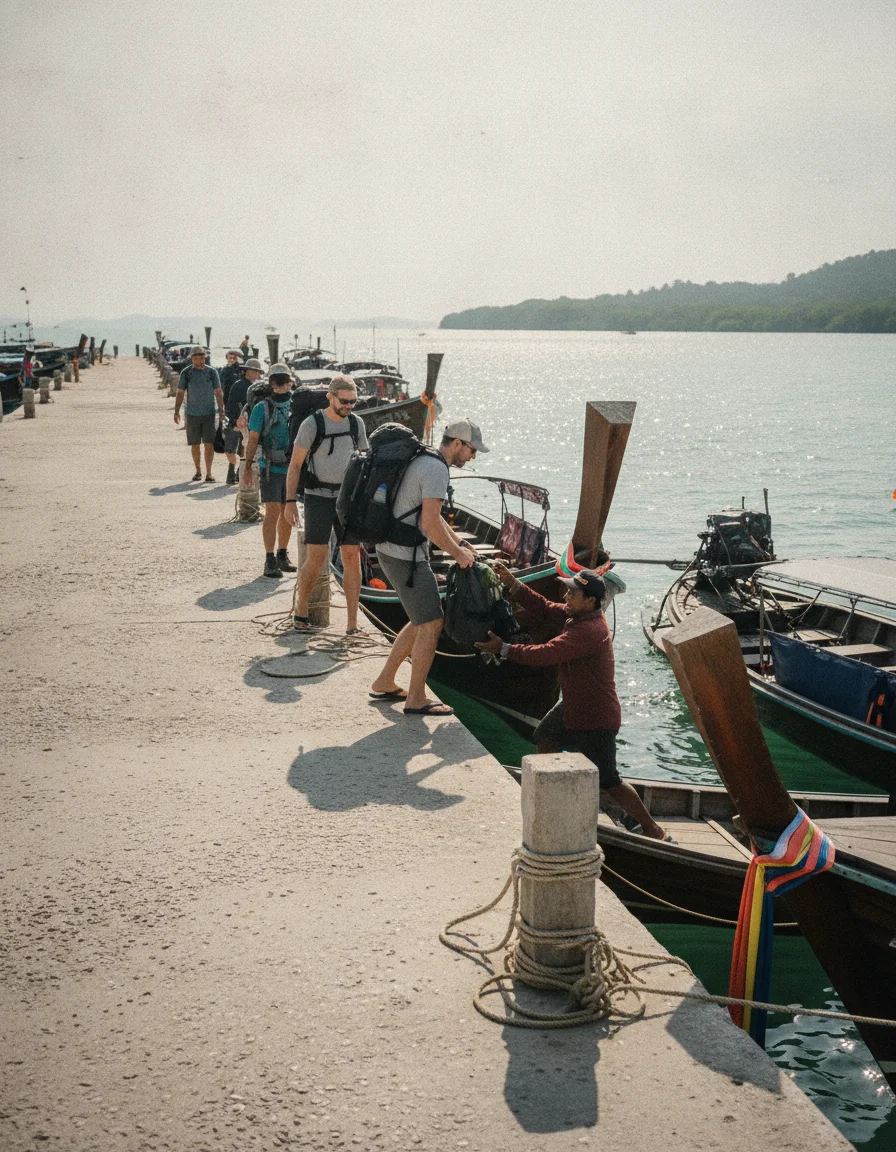
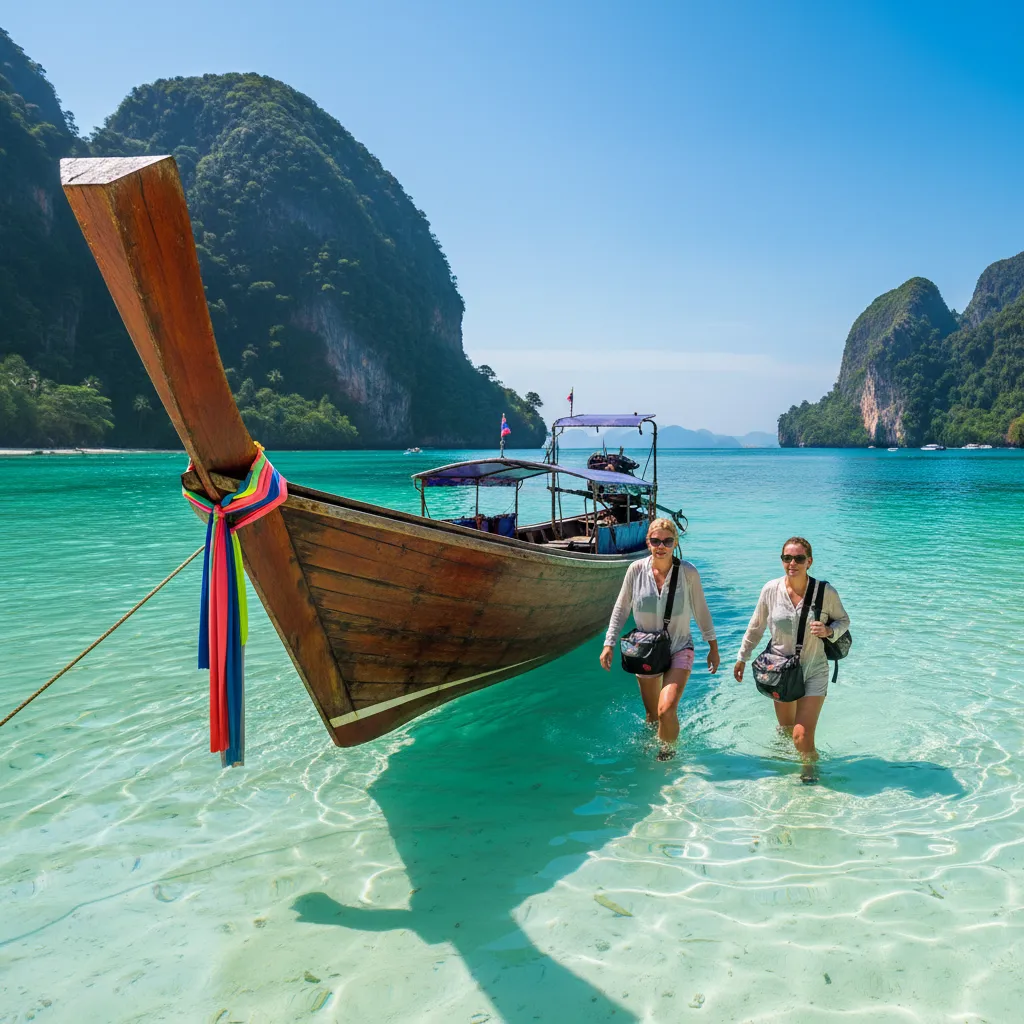
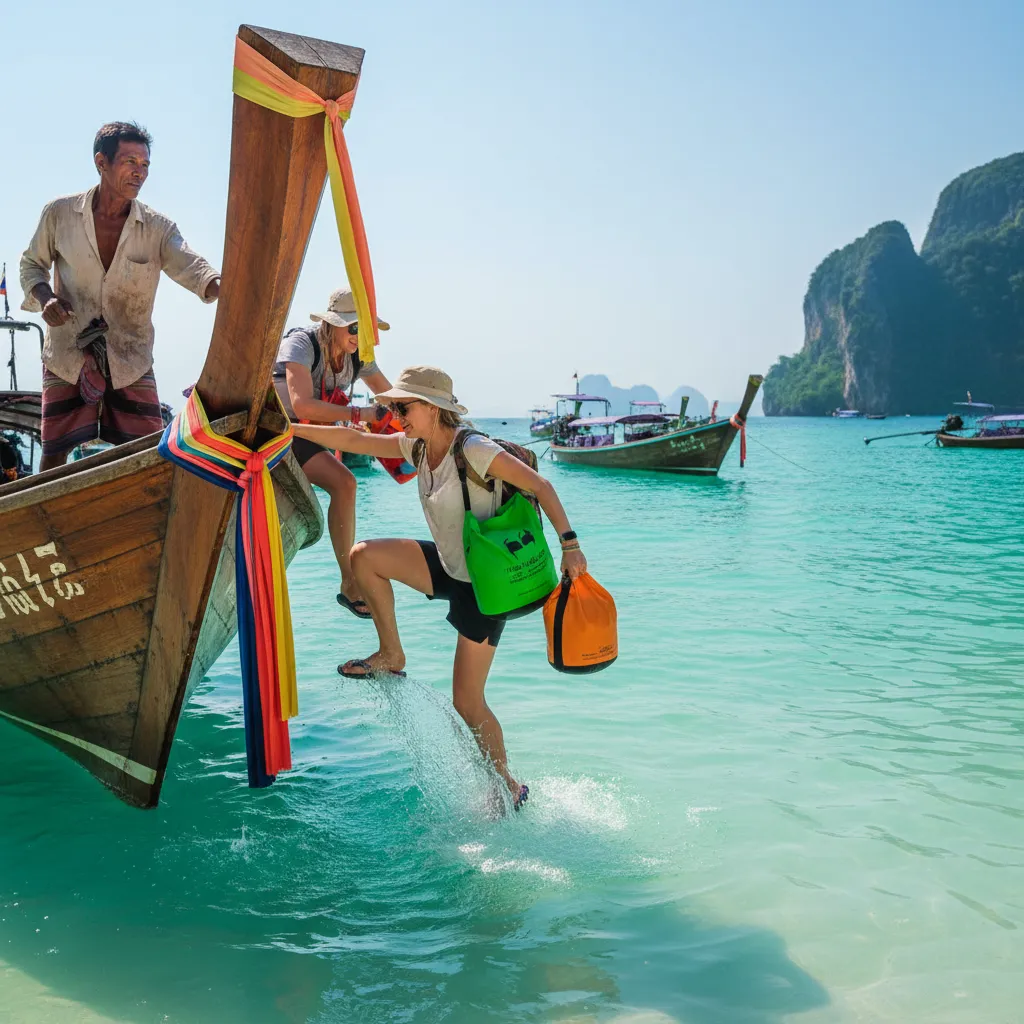
Reaching Koh Jum requires a combination of land and sea transport from the Krabi mainland. Most UK visitors fly into Krabi International Airport, from where you can take a private taxi for 800 THB (£18.20) or a shared local van to Laem Kruat Pier, a journey of roughly 40 minutes. At the pier, traditional wooden longtail boats depart daily for Koh Jum, costing approximately 100 THB (£2.30) per person for the 45-minute crossing. Alternatively, during the high season, larger passenger ferries operating between Krabi Town and Koh Lanta can drop you off at sea, where a local longtail boat will meet the ferry to transfer you to the beach. Once on the island, there are no car rentals or taxis. Your primary option is to hire a scooter for 250 THB (£5.70) per day, or use local motorcycle sidecars, which operate as informal taxis charging around 50 THB to 100 THB (£1.10 to £2.30) per journey.
Costs and Budgeting
Koh Jum offers excellent value for money compared to the nearby tourist hubs of Phuket and Koh Phi Phi, primarily because there are fewer opportunities for impulse spending. A budget traveller can easily get by on 1,000 THB (£22.70) per day, which covers a basic bamboo bungalow, local street food, and a scooter rental shared between two. A mid-range budget of 2,500 THB (£56.80) per day allows for a comfortable eco-resort room with air conditioning, dinners at sit-down seafood restaurants, and occasional activities like kayak rentals. For 5,000 THB (£113.60) per day, you can secure high-end villa accommodation, private longtail boat excursions, and premium dining. Since there are no large shopping malls or expensive tour operators, your main expenses will be accommodation and transport.
| Item | Budget (THB) | Mid-Range (THB) | Notes |
|---|---|---|---|
| Daily Accommodation | 400 - 800 THB | 1,500 - 3,500 THB | Budget is fan-only; mid-range includes pool access |
| Main Meals (Per Day) | 200 - 300 THB | 600 - 1,200 THB | Local village stalls vs beachfront seafood dining |
| Scooter Hire & Fuel | 250 - 300 THB | 300 - 400 THB | Fuel sold in glass bottles by the roadside |
| Local Transfers | 100 THB | 300 THB | Local longtail boat vs private motorbike sidecar |
Who It Suits
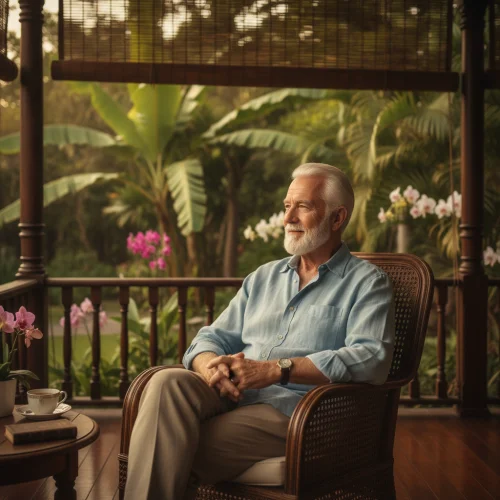
Koh Jum is an ideal sanctuary for independent travellers, couples seeking total relaxation, and slow-travel enthusiasts who want to disconnect from digital life. It is perfect for those who enjoy reading on a quiet veranda, walking along empty beaches, and experiencing traditional southern Thai village culture. However, it is entirely unsuitable for travellers seeking vibrant nightlife, shopping centres, organised excursions, or luxury resort amenities. Families with very young children might also find the rocky shores and lack of medical facilities challenging. If you require constant air conditioning, swim-up bars, and western comforts, you should look elsewhere.
What to Know Before You Go
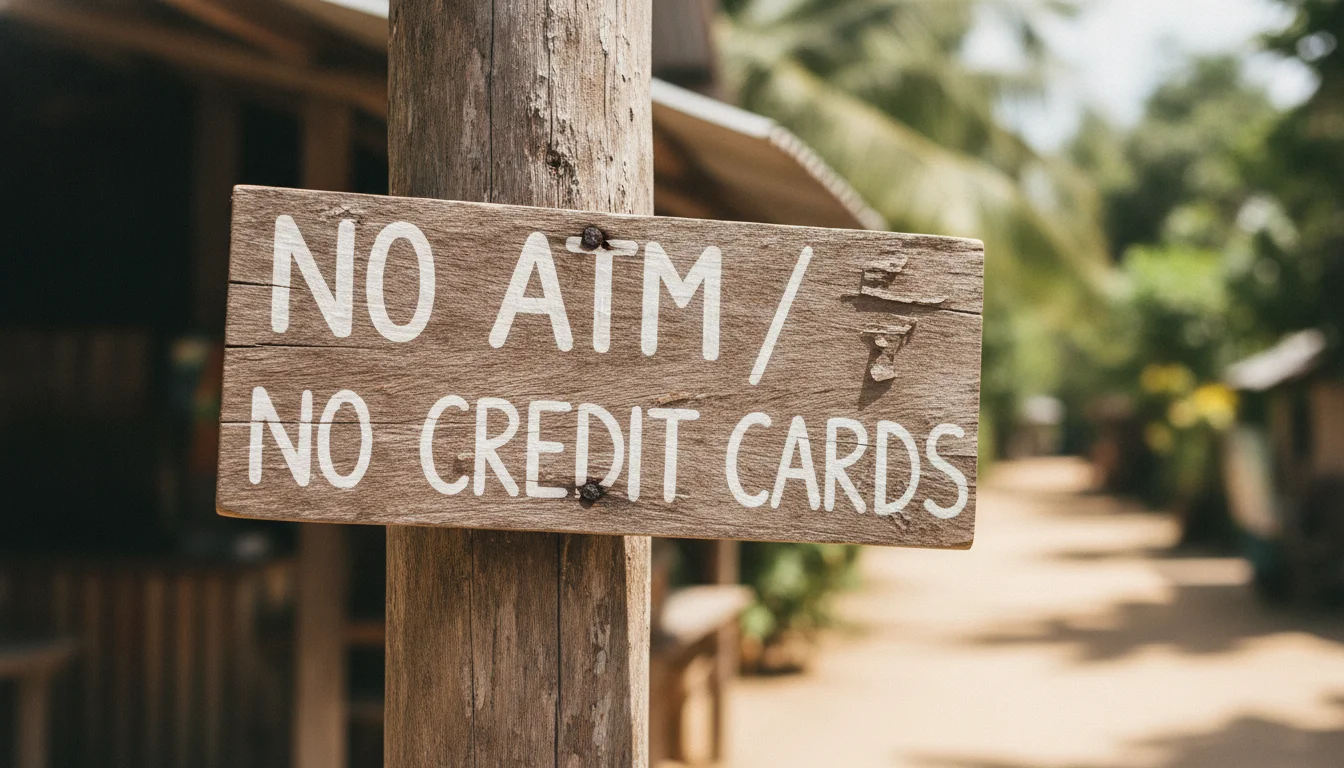
First, there are no ATMs or bank branches on Koh Jum. You must withdraw sufficient cash in Krabi Town or at the airport before boarding the ferry, as local businesses do not accept card payments. Second, the island is entirely devoid of western franchise convenience stores like 7-Eleven. This means you will need to buy sunscreen, toiletries, and snacks from small, family-run village shops where stocks are limited and prices are slightly higher due to shipping costs. Third, the local population is predominantly Muslim, meaning alcohol is not sold in village shops. You should respect local customs by dressing modestly when walking through the villages and only buying alcohol at tourist-oriented beach bars. Fourth, swimming is highly dependent on the daily tide cycle. You must consult local tide charts because low tide exposes sharp rocks and mudflats that make swimming impossible.
Practical Tips for Your Stay
Pack protective footwear
Bring a pair of sturdy reef shoes for walking in the water. The shallow waters are filled with sharp rocks and sea urchins that are exposed during low tide.
Secure enough cash beforehand
Carry more Thai Baht than you think you will need for your stay. There are absolutely no cash machines on the island, and exchange rates at the few places offering cash advances are highly unfavourable.
Dress respectfully in the villages
Cover your shoulders and knees when exploring Baan Koh Pu or Baan Koh Jum. The islanders are conservative Muslims, and dressing modestly shows respect for their traditional way of life.
Rent a scooter for island travel
Hire a semi-automatic scooter to explore the hilly northern roads safely. Walking between the northern and southern villages is impractical due to the distances and the intense tropical heat.
Purchase insect repellent early
Apply high-strength mosquito repellent containing DEET every evening. The island's dense forests and rubber plantations support a large mosquito population, especially around sunset.
Check your resort's electricity hours
Inquire about the power schedule of your accommodation before booking. Many budget bungalow operations shut off their generators during the day to conserve fuel.
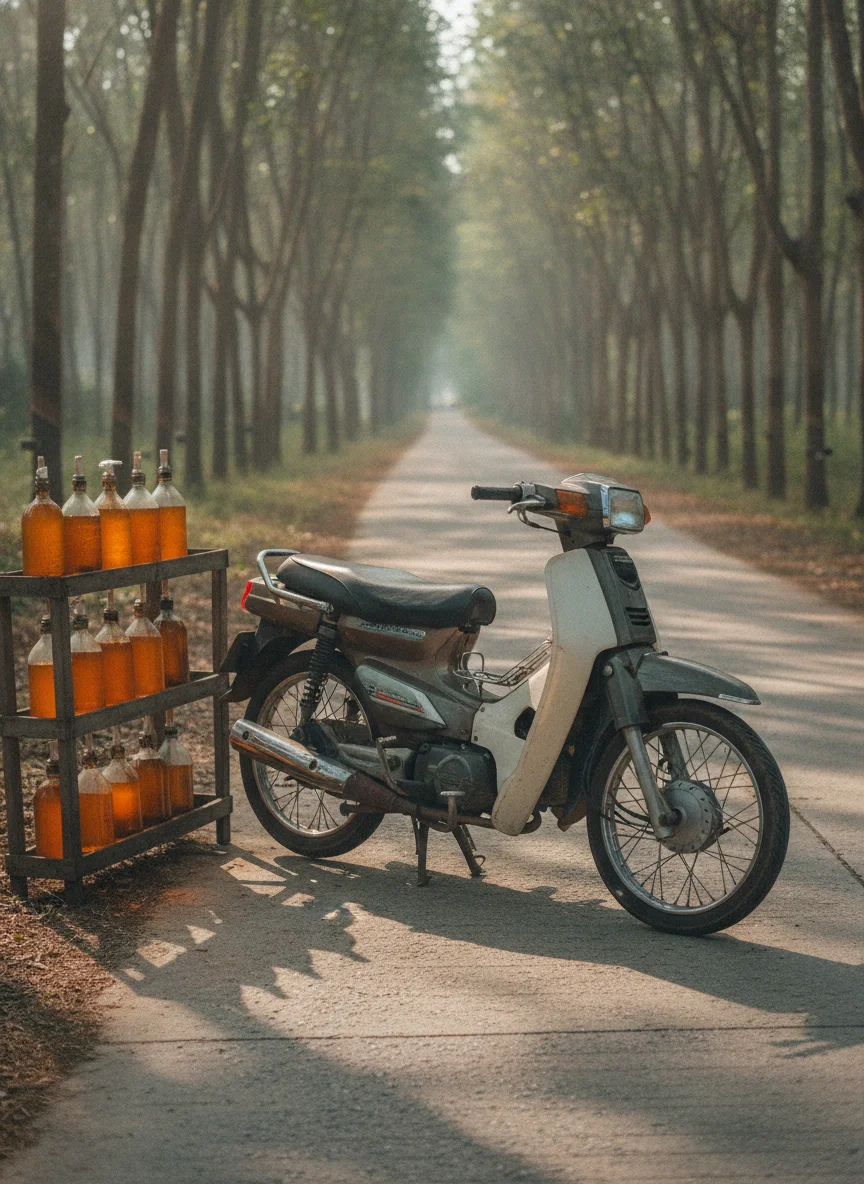
Buy petrol from local roadside bottles
Look for small wooden racks displaying glass whiskey bottles filled with orange liquid to refuel your scooter. These informal fuel stations are the only option on the island as there are no conventional petrol stations.
Quick Reference Guide
| Item | Detail | Notes |
|---|---|---|
| Location Name | Koh Jum (also known as Koh Pu) | The north is mountainous, the south is flat |
| Province | Krabi | Located in the southern region of Thailand |
| Region | Southern Thailand (Andaman Sea) | Known for its quiet, undeveloped atmosphere |
| Nearest Major City | Krabi Town | Located approximately 25 kilometres to the north |
| Nearest Airport | Krabi International Airport (KBV) | Flights arrive daily from Bangkok and regional hubs |
| Distance from Bangkok | Roughly 800 kilometres south | Requires a flight or overnight bus followed by a boat |
| Typical Visit Duration | 3 to 5 days | Ideal for travellers wanting to slow down and relax |
| Best Time to Visit | November to April | The dry season when sea conditions are calmest |
| Average Daily Budget | 1,500 THB (£34.10) | Highly affordable due to lack of commercial venues |
| Primary Transport | Scooter or motorcycle sidecar taxi | No cars or standard taxis are available on the island |
| Notable Landmarks | Mount Pu and Golden Pearl Beach | Mount Pu is 422 metres high and requires a guide |