Travelling by Train or Bus
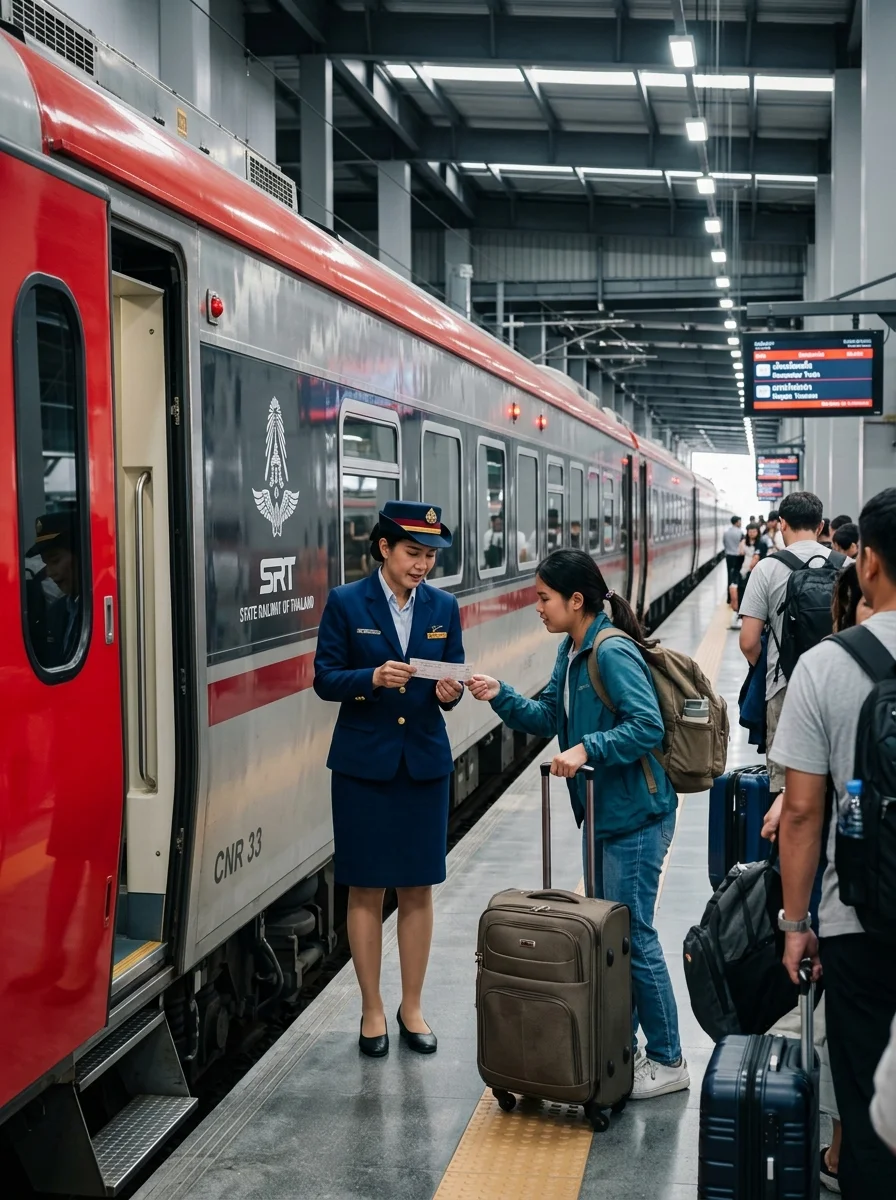
Stepping onto the Number 9 sleeper train at Bangkok’s Krung Thep Aphiwat station replaces a cramped domestic flight with a rolling hotel room that wakes you up in Chiang Mai. Navigating the Thai rail and long-distance bus networks requires understanding the difference between a state-run VIP coach and a private tourist minibus, saving you hours of discomfort on the road south.
This guide explains exactly how to navigate Thailand’s long-distance transport network, covering the State Railway of Thailand (SRT) routes and major inter-city bus operators. You will learn how to secure first-class sleeper berths, identify reliable VIP bus companies, and calculate realistic point-to-point journey times. By the end, you will be able to book the correct class of travel, avoid tourist-trap transport agencies, and plan reliable overland routes between Bangkok, Chiang Mai, Phuket, and the southern islands.

The State Railway of Thailand Network
The Thai railway system operates on four main lines radiating from Bangkok. This network offers a slow but highly reliable alternative to flying. The Northern Line terminates in Chiang Mai, the Southern Line stretches down to the Malaysian border at Padang Besar, the Northeastern Line splits toward Nong Khai, and the shorter Eastern Line serves Pattaya. Trains depart from Bangkok's Krung Thep Aphiwat Central Terminal, which replaced Hua Lamphong for long-distance routes in 2023. You will encounter several train types. These range from the modern Special Express, featuring Chinese-built CNR sleeper cars, to Ordinary services that stop at every rural station. The overnight Special Express Train 9 to Chiang Mai is the definitive favourite for UK travellers. It takes roughly 13 hours. Demand for this specific route keeps it running at near full capacity year-round. Southern routes, such as Train 85 to Surat Thani, integrate directly with ferry transfers to Koh Samui. Always book your SRT tickets well in advance through the official D-Ticket system.
Discover the exact best time to visit Thailand. Compare monsoon risks, regional weather splits, and seasonal costs to plan your perfect trip without overpaying.
| Train Type | Speed & Stops | Best For | Typical Route |
|---|---|---|---|
| Special Express | Fastest, limited stops | Overnight travel, maximum comfort | Bangkok to Chiang Mai (Train 9) |
| Express | Moderate speed, main stops | Budget overnight trips | Bangkok to Surat Thani |
| Rapid | Slower, frequent stops | Daytime inter-city travel | Bangkok to Phitsanulok |
| Ordinary | Very slow, stops everywhere | Short rural hops | Bangkok to Ayutthaya |
Choosing the Right Train Class
Thai trains are divided into three distinct classes. Each offers a vastly different level of comfort and privacy for long-distance travel. First-class sleepers are private, lockable, air-conditioned cabins containing two bunk beds and a washbasin. They are ideal for couples or solo travellers willing to buy out the whole room. Second-class sleepers remain the most common choice. These feature open-plan carriages where wide facing seats convert into upper and lower bunks, with heavy curtains providing privacy. The lower bunks are significantly wider. They also avoid the bright carriage lights, making them the superior choice over the cheaper upper bunks. Second-class seated carriages come in both air-conditioned and fan-cooled variants. These seats are perfectly fine for daytime journeys like Bangkok to Hua Hin, but they become deeply uncomfortable overnight. Third class consists of wooden or lightly padded benches with open windows. Keep third class strictly for short daylight hops of under three hours. Secure a lower second-class sleeper berth if first-class cabins are sold out.
| Class | Configuration | Comfort Level | Price Range (BKK to Chiang Mai) |
|---|---|---|---|
| First Class Sleeper | Private 2-berth cabin | High (A/C, lockable, washbasin) | 1,400 THB to 1,700 THB |
| Second Class Sleeper | Open-plan bunk beds | Medium (A/C, privacy curtains) | 900 THB to 1,100 THB |
| Second Class Seat | Reclining seats | Low to Medium (A/C or Fan) | 500 THB to 700 THB |
| Third Class Seat | Wooden/padded benches | Basic (Fan, open windows) | 200 THB to 300 THB |
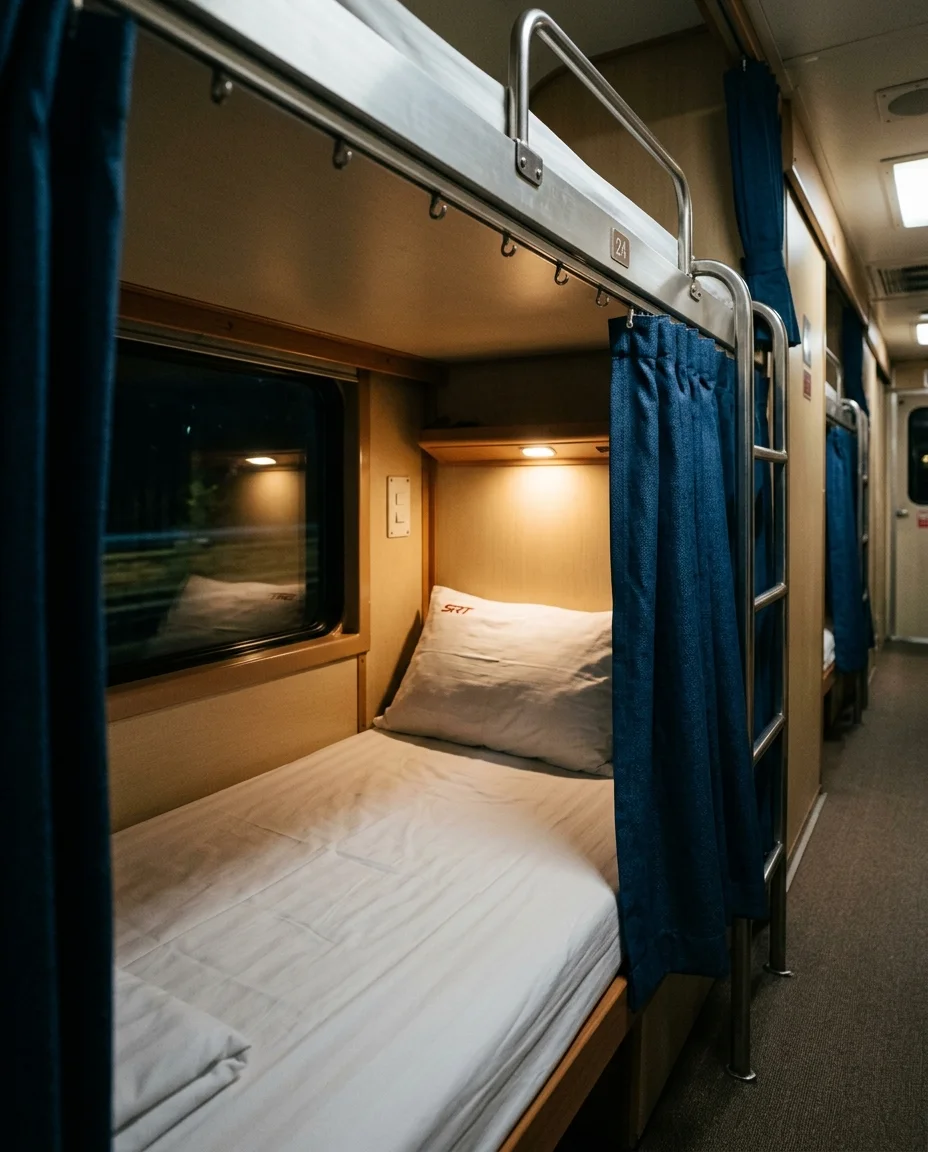
Booking the right seat requires acting early, especially for the popular sleeper services heading north and south. You can secure these routes online before you even pack your bags, ensuring you bypass the queues at Krung Thep Aphiwat.
Long-Distance VIP and Express Buses
Sponsored
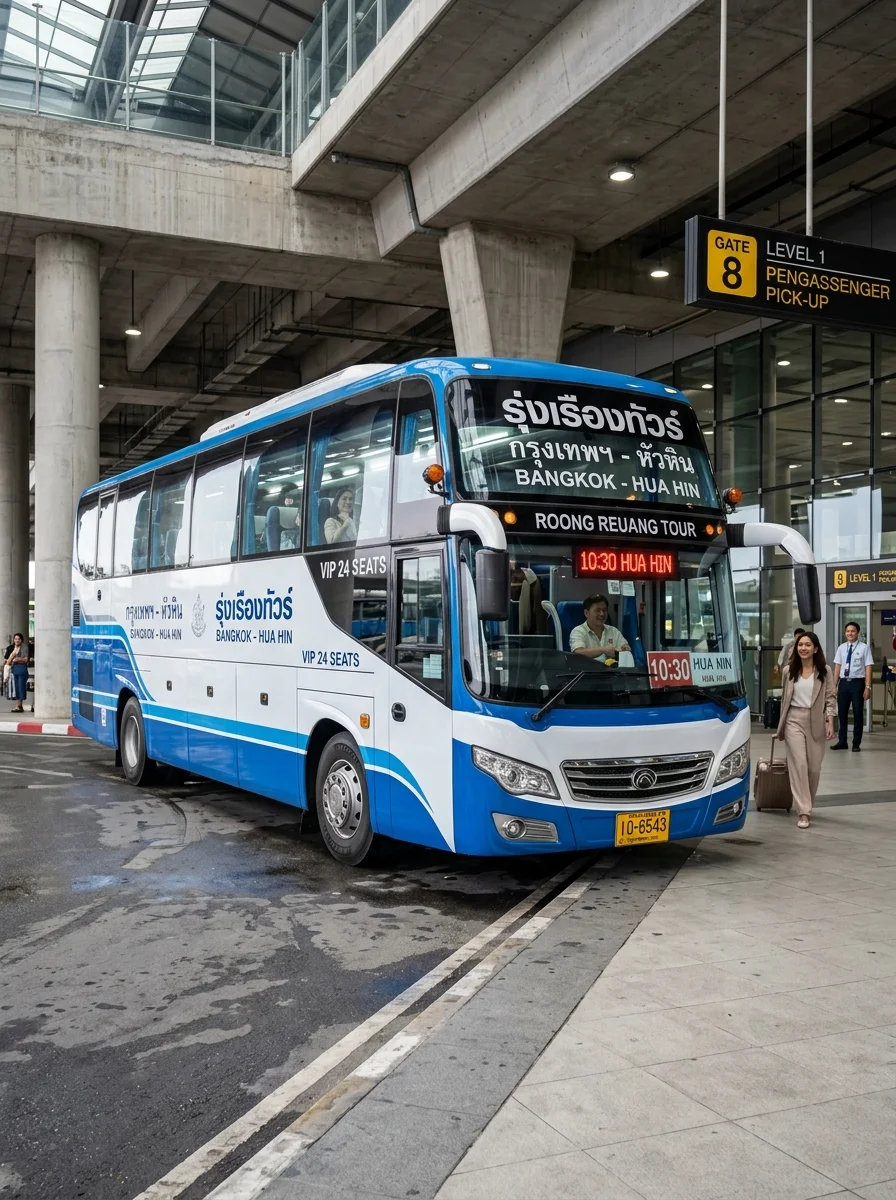
When trains are fully booked or do not serve your destination, long-distance buses provide the most extensive overland coverage in the country. Routes from Bangkok to Phuket, Krabi, and Chiang Rai rely entirely on buses, as no railway tracks reach these provinces. The government-run Transport Co. (BKS) operates from major terminals like Mo Chit and Sai Tai Mai, offering reliable, rigorously scheduled services. Private companies like Sombat Tour, Nakhonchai Air, and Green Bus run alongside BKS. These private operators often provide superior onboard service and newer fleets. You must distinguish between standard express buses and VIP buses. Standard buses use a 40 to 44-seat layout. VIP buses feature a 24-seat or 32-seat configuration with three wide, deeply reclining seats across the row instead of four. VIP tickets include blankets, snacks, an onboard toilet, and a scheduled meal stop at a highway service station. Avoid booking generic tourist minibuses from travel agents in areas like Khao San Road, as these are cramped and less heavily regulated. Always book a 24-seat VIP coach for any bus journey exceeding six hours.
| Bus Type | Seat Layout | Key Features | Best Used For |
|---|---|---|---|
| 24-Seat VIP | 3 seats per row (1+2) | Massive legroom, deep recline, meals | Overnight routes (10+ hours) |
| 32-Seat VIP | 3 seats per row (1+2) | Good legroom, comfortable recline | Medium to long routes (6-10 hours) |
| Standard Express | 4 seats per row (2+2) | Basic recline, tighter legroom | Daytime routes (under 6 hours) |
| Tourist Minibus | 10 to 12 seats | Very tight legroom, limited luggage | Short regional hops (2-4 hours) |
Key Overland Routes and Journey Times
Understanding realistic travel times is crucial because Thai traffic, highway checkpoints, and scheduled rest stops add significant hours to the distances shown on a map. The journey from Bangkok to Chiang Mai takes 10 to 12 hours by VIP bus. The same trip takes 13 hours by sleeper train. Travelling south from Bangkok to Phuket is a bus-only route taking up to 14 hours. These buses usually depart from Sai Tai Mai terminal in the late afternoon to arrive on the island by morning. Reaching the Gulf islands involves a hybrid approach. The standard overland method is a 10-hour overnight train or bus to Surat Thani or Chumphon, followed by a two to three-hour ferry crossing. Chiang Mai to Chiang Rai is a shorter route serviced exclusively by Green Bus. This trip takes three and a half hours winding through steep mountain roads. Factor in an extra hour of buffer time for any scheduled arrival, especially when connecting to a non-refundable flight or ferry.
| Route | Transport Mode | Approx Duration | Best Departure Time |
|---|---|---|---|
| Bangkok to Chiang Mai | Train (Special Express) | 13 hours | 18:10 (Train 9) |
| Bangkok to Phuket | VIP Bus | 12 to 14 hours | 17:00 to 19:00 |
| Bangkok to Koh Samui | Train + Ferry via Surat Thani | 14 to 16 hours | 19:30 (Train 85) |
| Chiang Mai to Chiang Rai | VIP Bus (Green Bus) | 3.5 hours | Morning departures |
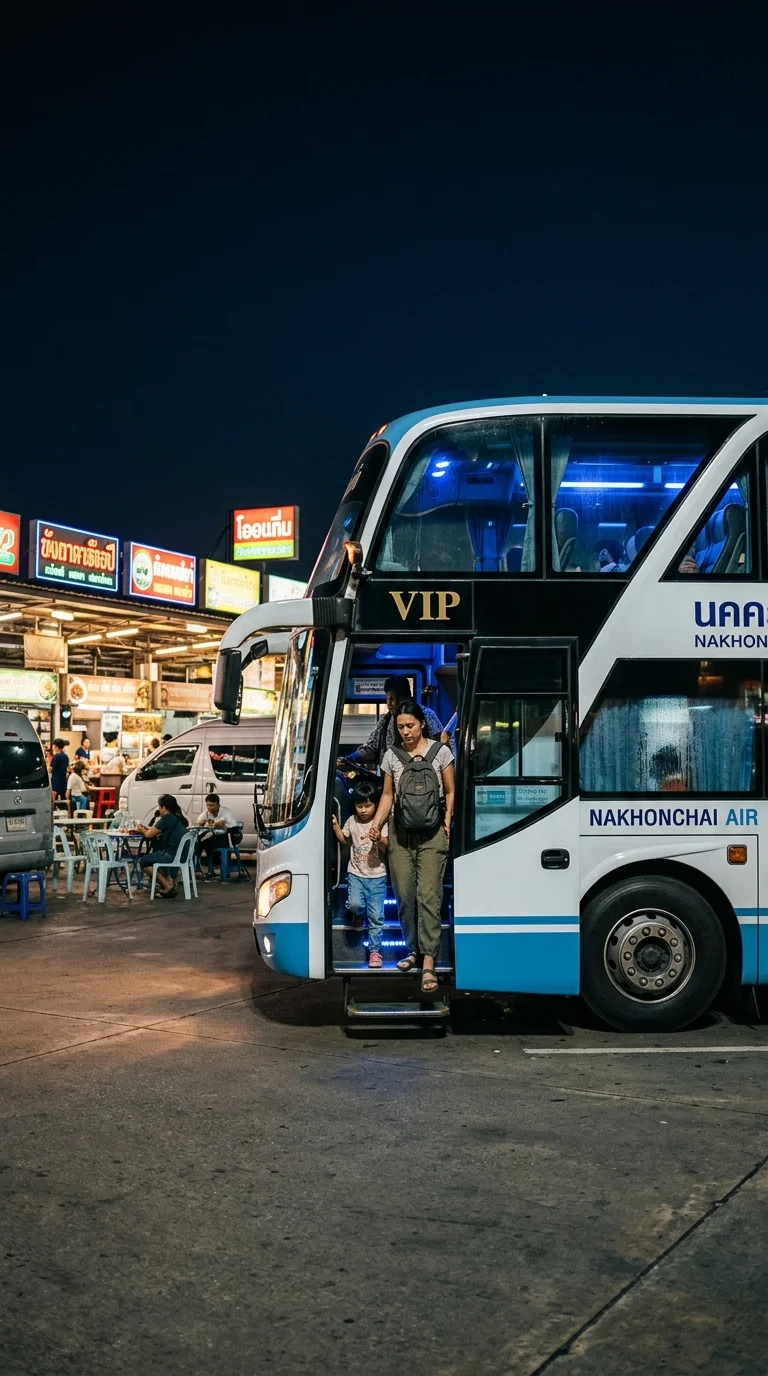
Long road journeys require careful planning, and knowing your exact departure terminal in Bangkok will prevent stressful dashes across the city. Booking platforms consolidate these terminal details and schedules so you can coordinate your connections smoothly.
Navigating Bus Terminals and Train Stations
Thailand’s major transport hubs are massive, functional complexes that demand a bit of strategic navigation upon arrival. Krung Thep Aphiwat Central Terminal in Bangkok is cavernous but clearly signposted in English. Departures here are split by region across different entrance gates. The Mo Chit Northern Bus Terminal is busy, functioning as a multi-storey maze of individual company ticket booths, food stalls, and waiting zones. Sai Tai Mai, the Southern Bus Terminal, sits far across the river in Thonburi. Reaching it requires at least an hour’s taxi ride from central Bangkok during afternoon traffic. When you arrive at any bus terminal, ignore the touts waiting by the taxi drop-off. Walk directly to the official ticket counters inside the main air-conditioned building. Most stations have surprisingly clean, paid toilets requiring a 3 THB to 5 THB coin. You will also find excellent, cheap food courts serving standard Thai dishes. Arrive at major bus terminals at least 45 minutes before departure to locate your specific boarding bay.
Costs and Budgeting
Overland travel in Thailand offers exceptional value. Prices scale logically alongside the level of comfort and privacy you require. Budget travellers can cross the country for under 700 THB (£15) by taking standard express buses or second-class fan trains. Be aware that the physical toll of these cheaper options on a 12-hour journey is high. Mid-range travel represents the sweet spot for most UK visitors. This bracket involves second-class air-conditioned sleeper trains or 32-seat VIP buses, costing between 800 THB and 1,200 THB (£17 to £26). Premium overland travel means booking a first-class private train cabin or a top-tier 24-seat bus. These luxury options push the price closer to 1,600 THB to 2,000 THB (£35 to £44). Flying domestic can sometimes appear cheaper on budget airlines during flash sales. Remember that trains and overnight buses save you the cost of a night’s accommodation.
| Option | Cost (THB) | Cost (GBP approx) | Notes |
|---|---|---|---|
| Budget (Fan train / Standard bus) | 300 - 700 THB | £6 - £15 | Uncomfortable for overnight travel |
| Mid-range (2nd Class Sleeper / 32-Seat VIP) | 800 - 1,200 THB | £17 - £26 | Best balance of cost and comfort |
| Premium (1st Class Train / 24-Seat VIP) | 1,600 - 2,000 THB | £35 - £44 | High privacy, maximum legroom |
Common Mistakes and How to Avoid Them
Booking an upper train berth expecting a window view is a classic error. The upper berths in second class lack windows and sit directly under the harsh air-conditioning vents, leaving you cold and unable to see outside. Always specify a lower berth when booking your ticket through the SRT portal.
Trusting travel agency VIP buses from tourist enclaves is another frequent blunder. These unofficial buses often cram passengers in, make unannounced stops at roadside shops, and suffer from poor security for luggage stored below. Stick to government-approved operators departing from official terminals like Mo Chit or Sai Tai Mai.
Underestimating the freezing temperatures on overnight transport catches out many travellers. Thai buses and trains run their air-conditioning at aggressively low temperatures, making it difficult to sleep if you are wearing shorts. Pack a fleece, long trousers, and thick socks in your day pack.
Arriving at Hua Lamphong station for a long-distance train is an outdated mistake. The SRT moved all long-distance departures to the new Krung Thep Aphiwat terminal in 2023, meaning you will miss your train if you go to the old station. Check your ticket carefully and direct your taxi to the new central terminal.
Practical Tips
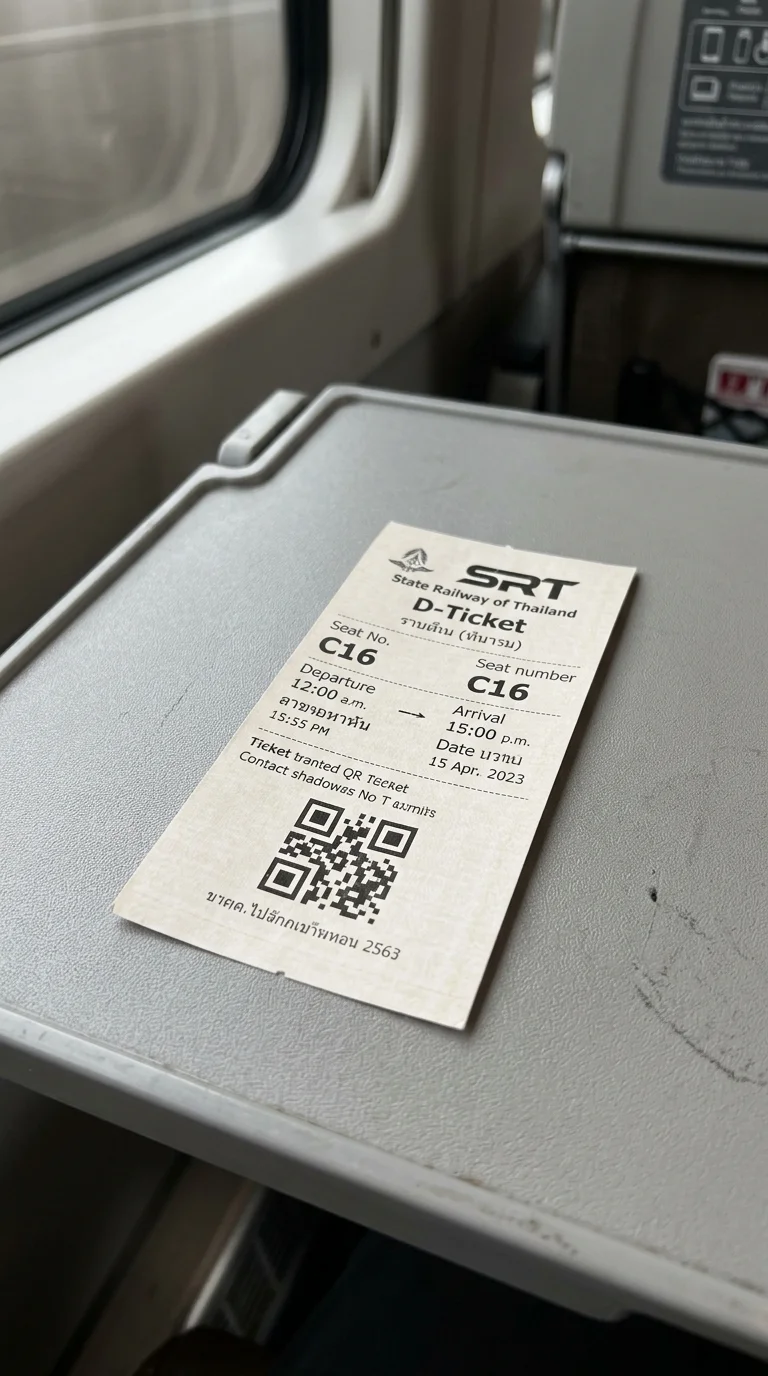
Book train tickets exactly 90 days in advance for peak season travel. First-class and lower second-class berths on the Chiang Mai and Surat Thani routes sell out within hours of release.
Keep your valuables in your bunk or seat with you at all times. While major operators are largely safe, occasional thefts from luggage stored in the lower holds of buses do occur.
Bring your own toilet paper and hand sanitiser for all overland journeys. Onboard bus toilets and train washrooms frequently run out of supplies halfway through a 12-hour trip.
Buy snacks and water before boarding your transport. Train dining cars are currently limited on many routes, and bus rest stops occur late in the night when you might already be hungry.
Take a photo of your bus licence plate when you disembark at a rest stop. Highway service stations host dozens of identical coaches, making it incredibly easy to board the wrong one in the dark.
Use the SRT D-Ticket website to check live train delays before leaving your hotel. Thai trains are notorious for accumulating minor delays that can stretch into hours by the time they reach their final destination.
Choose Nakhonchai Air or Sombat Tour for the highest standard of bus travel. These private companies maintain strict safety records, feature massage seats, and employ dual drivers for long routes.
Quick Reference Table
Keeping track of the different operators, terminals, and booking windows can feel overwhelming when planning your itinerary. Use this summary table to quickly reference the essential details for Thailand’s train and bus networks.
| Item | Detail | Notes |
|---|---|---|
| SRT Booking Window | Up to 90 days in advance | Essential for 1st and 2nd class sleepers |
| Main BKK Train Station | Krung Thep Aphiwat Central | Replaced Hua Lamphong for long routes |
| BKK Northern Bus Terminal | Mo Chit Bus Terminal | Serves Chiang Mai, Chiang Rai, Isan |
| BKK Southern Bus Terminal | Sai Tai Mai Bus Terminal | Serves Phuket, Krabi, Surat Thani |
| Best Train Class | 2nd Class Lower Sleeper | Wider bed, better privacy, no direct lights |
| Premium Bus Operators | Nakhonchai Air, Sombat Tour | Book 24-seat or 32-seat VIP coaches |
| Bus Baggage Limits | Usually 20kg to 25kg checked | Carry valuables in a small day pack |