Importing a Pet to Thailand from the UK
Importing a dog or cat from the United Kingdom to Thailand requires zero mandatory quarantine days, provided you secure your documentation in a precise sequence. Failing to meet even one timing window can result in your pet being turned back at the border.
This guide outlines the exact timeline, medical requirements, and permit processes needed to successfully relocate your pet from the UK to Thailand. It is designed for committed pet owners relocating permanently who require an actionable, regulatory roadmap. It is not for casual holidaymakers or owners of restricted flat-faced breeds. You will learn to navigate DEFRA clearances, Thai government approvals, and transit logistics.

Pet Microchipping and Primary Vaccinations
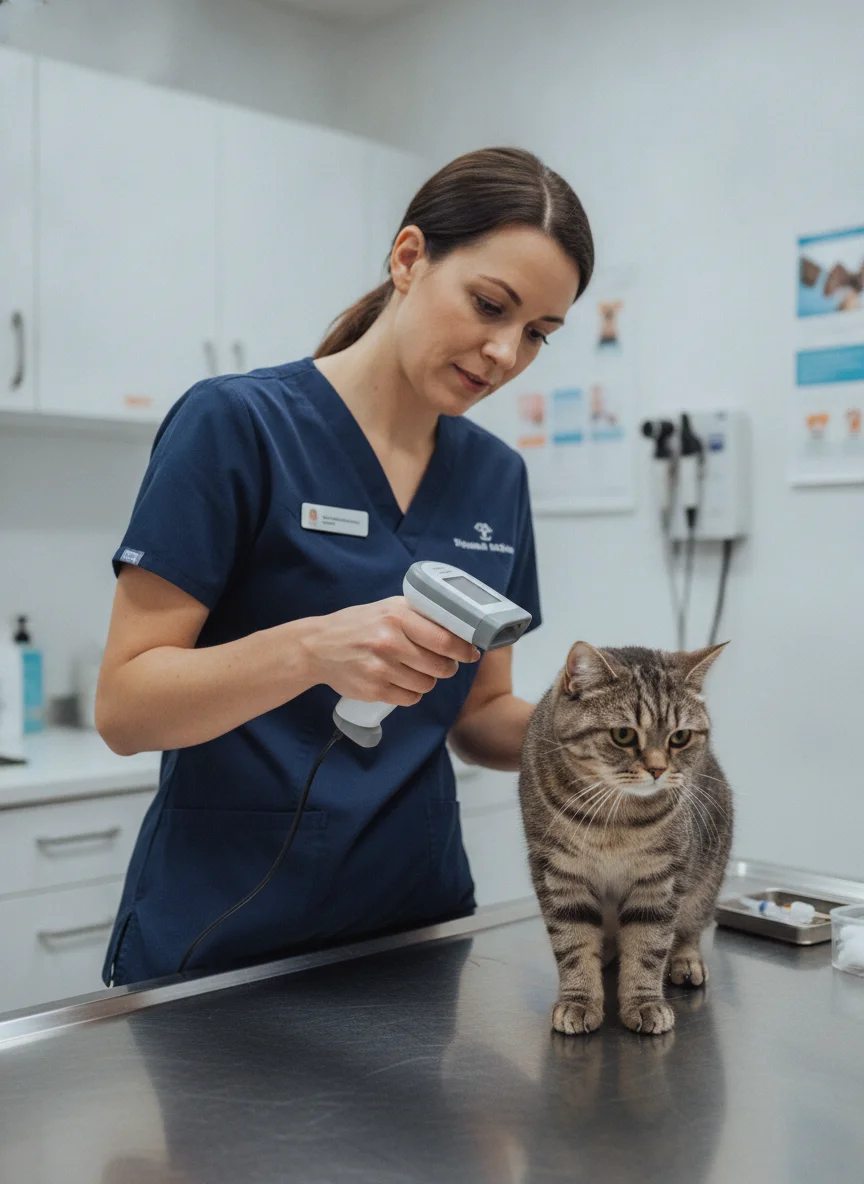
Relocating your pet to Thailand begins with establishing a compliant medical record, starting with an ISO-compliant microchip and specific vaccinations. Your veterinarian must implant a 15-digit microchip that complies with ISO Standard 11784 or 11785 before any export vaccinations are administered. If your pet has an older, non-compliant chip, you must carry your own compatible microchip reader throughout the journey. Once the microchip is active, your pet must receive a rabies vaccination. This vaccination must be administered at least 21 days before your departure date, but it must not be older than 12 months at the moment of your arrival in Bangkok. Dogs require vaccinations against Canine Distemper, Hepatitis, Leptospirosis, and Parvovirus, commonly grouped as the DHLP vaccine suite. Cats require protection against Feline Rhinotracheitis, Calicivirus, and Panleukopenia, which is known as the RCP vaccine. Your vet must record every vaccination with its corresponding batch number, manufacturer, and date of administration in your pet’s medical record. If any details are hand-written, the vet must stamp and sign next to them to prove authenticity. Having these records perfectly aligned prevents any discrepancies during official inspections.
Discover the reality of healthcare in Thailand for UK retirees. Navigate Non-O-A visa insurance mandates, age-related premiums, and private hospital costs.
Takeaway: Book your vet appointment at least two months before your target departure date to guarantee all vaccine windows are met.
| Vaccine / Medical Item | Dog Requirement | Cat Requirement | Validity Window |
|---|---|---|---|
| Microchip | 15-digit ISO 11784/11785 | 15-digit ISO 11784/11785 | Lifetime, must precede rabies vaccine |
| Rabies Vaccination | Mandatory booster | Mandatory booster | 21 days to 12 months prior to entry |
| Core Viral Vaccines | DHLP (Distemper, Hepatitis, Leptospirosis, Parvovirus) | RCP (Rhinotracheitis, Calicivirus, Panleukopenia) | Must be active and fully documented |
| Internal/External Parasites | Broad-spectrum treatment | Broad-spectrum treatment | Recommended within 14 days of departure |
Securing the Thailand Department of Livestock Development Import Permit
Sponsored
Obtaining a Department of Livestock Development import permit is a mandatory step that must be completed weeks before your flight. WARNING: You cannot obtain this import permit upon arrival at Suvarnabhumi Airport under any circumstances, and attempting to do so will result in your pet being refused entry, sent back to the UK, or held in quarantine. You must submit your application to the Bangkok Import and Export Animal Quarantine Station via email at least 15 working days before your travel date. Although the permit itself is free, the application requires preparing multiple documents, including a completed Form Ror. 1/1, a clear copy of your passport, your pet's complete vaccination record, and their microchip registration certificate. The DLD typically issues the permit with a 60-day validity window, meaning your travel date must fall strictly within this period. When submitting your email, use a clear subject line detailing your name, pet type, and arrival date. Scan all documents in high-resolution PDF format, as illegible files will result in your application being rejected, which resets the processing timeline. Having this digital permit printed and ready alongside your flight tickets is the only way to guarantee a smooth transition through Thai customs.
Takeaway: Submit your DLD import permit application exactly 30 days before your flight to allow ample time for corrections.
| Document Required | Format and Language | Purpose | Lead Time |
|---|---|---|---|
| Form Ror. 1/1 | PDF, Completed in English | Official application for animal importation | 15 to 30 working days before flight |
| Passport Photo Page | High-resolution colour scan | Identifies the owner or designated importer | Must match application details exactly |
| Vaccine Record | Signed, stamped vet book | Verifies rabies and core immunisations | Must show microchip number on same page |
| Flight Itinerary | PDF confirmation | Verifies arrival date and flight number | Crucial for the 60-day permit window |
DEFRA Export Health Certificates and United Kingdom Customs Procedures

Before leaving the United Kingdom, your pet must receive official clearance from the Department for Environment, Food and Rural Affairs to prove they are healthy enough to travel. You must secure an Export Health Certificate 3144, which must be completed and signed by a UK Official Veterinarian who holds the correct DEFRA authorisation. This certificate serves as the official declaration that your pet is free from clinical signs of infectious diseases and is fit to undertake the journey to Southeast Asia. Crucially, the final veterinary examination and the signing of the EHC must take place within 72 hours of your pet's scheduled departure time from the UK. Booking an appointment with an OV who understands this tight 72-hour window is critical, as a standard vet cannot sign off on these export documents. You must apply for the EHC online via the UK government's portal, which then forwards the digital certificate to your chosen OV for physical execution. Failure to present an EHC signed within this strict timeframe will invalidate your import permit upon arrival in Bangkok, potentially leading to immediate repatriation of your pet.
Takeaway: Confirm your veterinarian is an accredited Official Veterinarian and pre-book the 72-hour pre-flight examination well in advance.
| Step in EHC Process | Action Required | Responsibility | Recommended Timing |
|---|---|---|---|
| Online Application | Apply on the UK Gov portal | Pet Owner | 10 to 14 days before departure |
| Vet Verification | Assign EHC to an Official Vet (OV) | Pet Owner / Vet Clinic | Prior to submitting online application |
| Physical Examination | Check pet health and microchip | Official Veterinarian | Within 72 hours of the flight |
| Signing & Stamping | Physically sign the certificate | Official Veterinarian | Immediately after the examination |
Airline Travel Options and Breed Restrictions
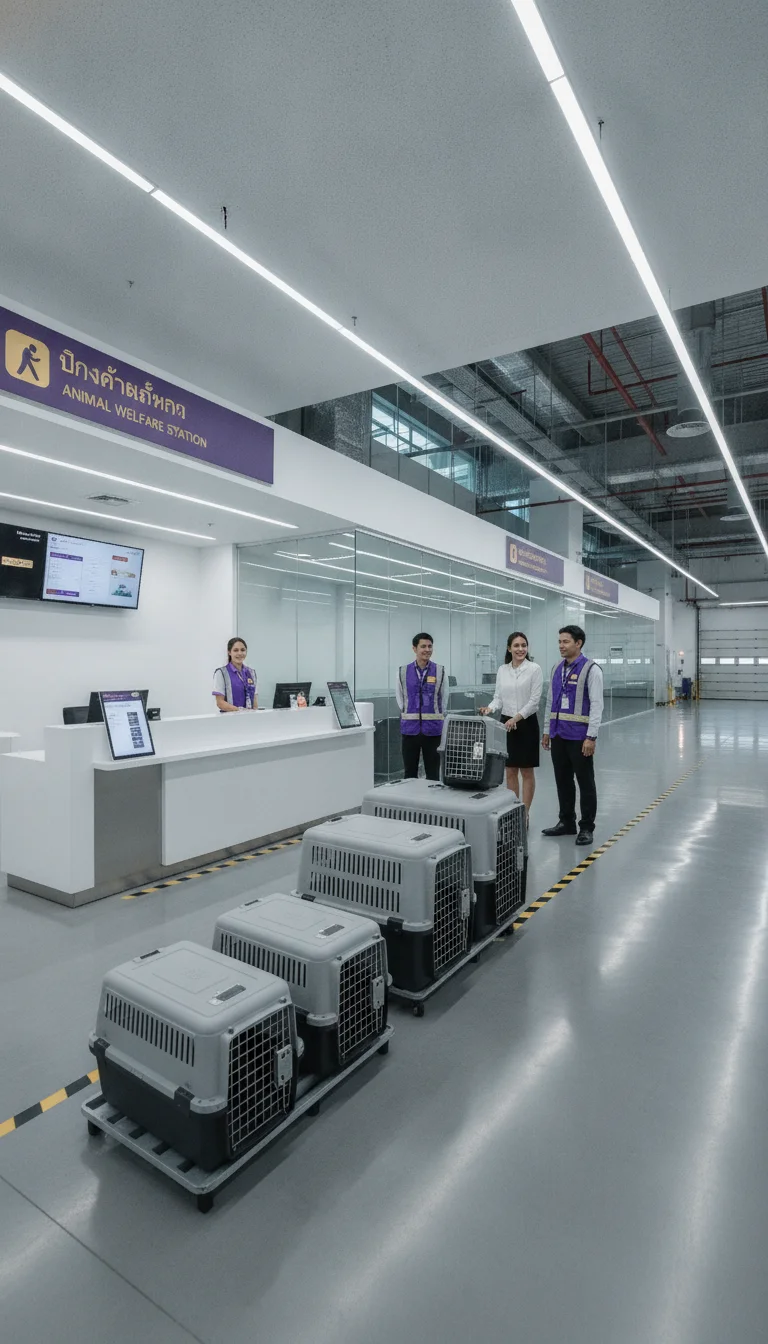
Selecting the correct airline and understanding breed-specific safety regulations is vital for your pet's physical safety and your financial planning. Most major carriers operating flights between the UK and Thailand enforce strict guidelines on how pets can travel, usually restricting them to manifest cargo or checked excess baggage. Thai Airways, a common choice for direct flights from London Heathrow, does not permit short-nosed dog and cat breeds due to high risks of respiratory distress at altitude. Restricted dog breeds include Pugs, Bulldogs, Boxers, and Boston Terriers, while restricted cat breeds include Persians and Himalayans. If you own a snub-nosed pet, you will need to seek specialised third-party pet shippers who work with alternative carriers like Lufthansa or Qatar Airways, which utilise temperature-controlled cargo holds. The cost of international pet transit varies drastically based on the volumetric size of the travel crate and the total weight of the animal. Standard plastic crates must comply with International Air Transport Association Live Animals Regulations, providing enough space for your pet to stand, turn around, and lie down naturally.
Takeaway: Check your airline's specific breed exclusion list and IATA crate guidelines before purchasing any travel hardware.
| Airline Carrier | Transport Method | Snub-Nosed Breed Policy | Climate Control |
|---|---|---|---|
| Thai Airways | Excess baggage or cargo | Strict ban on all brachycephalic breeds | Yes, in dedicated hold areas |
| Qatar Airways | Manifest cargo only | Strict limitations, seasonal restrictions apply | High-spec temperature-controlled holds |
| Lufthansa | Cargo and excess baggage | Restricted, requires specialised crates | Yes, regulated cabin pressure and temp |
| KLM Royal Dutch | Cargo or cabin (small pets) | Restricted, requires approval | Full environmental control in cargo |
Clearing Thai Customs and the Quarantine Exemption Process
Arriving at Suvarnabhumi Airport in Bangkok requires navigating a specific sequence of customs checks to secure your pet's official release without a quarantine period. Provided all of your paperwork is flawless, Thailand does not impose a mandatory quarantine period on cats and dogs arriving directly from the UK. Upon landing, you must immediately proceed to the Animal Quarantine Station located within the cargo terminal or near the baggage claim area, depending on whether your pet travelled as manifest cargo or excess baggage. You must present the original DEFRA Export Health Certificate, the DLD Import Permit, your pet's vaccination record, and your passport to the duty veterinary officer. The officer will physically inspect your pet to ensure they match the microchip details and show no visible signs of illness. You will be required to pay an import entry fee of 500 THB (£11.50) per animal, plus an additional space inspection fee of 1,000 THB (£23.00) if applicable. Once the officer stamps your documents, you will receive an import license, allowing you to pass through the final customs exit and begin your new life in Thailand.
Takeaway: Keep all original documents and three paper copies in your carry-on luggage for easy access at the Bangkok quarantine desk.
| Transport Category | Processing Location | Required Documents | Fees to Budget (approx) |
|---|---|---|---|
| Excess Baggage | Passenger Terminal AQS Desk | Original EHC, Import Permit, Passport | 500 THB (£11.50) per pet |
| Manifest Cargo | Cargo Terminal Free Zone | Air Waybill, EHC, Import Permit | 1,500 THB (£34.50) total fees |
| Clearing Agent | Cargo Terminal Customs Office | POA form, Copy of Owner's Passport | Agent fees apply (vary by service) |
| Transit/Transfer | Transit Lounge Holding Area | Onward ticket, EHC, Import Permit | No import fee if transiting under 24 hours |
Costs and Budgeting
Relocating a pet from the United Kingdom to Thailand involves a mix of significant upfront transport expenses and manageable monthly maintenance costs once you are settled in the country. Standard air transit fees for a cat usually range between 60,000 THB (£1,400) and 65,000 THB (£1,500), while dog shipping costs range between 60,000 THB (£1,400) and 195,000 THB (£4,500), depending strictly on the size of the travel container and the airline's cargo rates. Once you arrive, your monthly expenditures will focus on high-quality imported food and essential tropical health preventatives. Due to the high risk of mosquito-borne heartworm and tick-borne diseases in Southeast Asia, monthly spot-on treatments are mandatory for your pet's survival. Expect to budget between 2,200 THB (£50) and 4,300 THB (£100) per month for these medical supplies and premium imported nutrition. Routine veterinary care in Thailand is highly affordable compared to the UK, though specialised emergency care can increase costs.
| Item | Monthly Cost (THB) | Monthly Cost (GBP approx) | Notes |
|---|---|---|---|
| Premium Imported Pet Food | 1,500 THB - 3,000 THB | £35 - £70 | Based on medium dog or active cat |
| Heartworm & Tick Prevention | 450 THB - 850 THB | £10 - £20 | Essential monthly spot-on treatments |
| Routine Vet Check-up & Boosters | 800 THB - 1,500 THB | £18 - £35 | Highly affordable at local Thai clinics |
| Pet Grooming / Washing | 400 THB - 1,000 THB | £9 - £23 | Popular for long-haired breeds in hot climate |
Common Pet Relocation Mistakes and How to Avoid Them
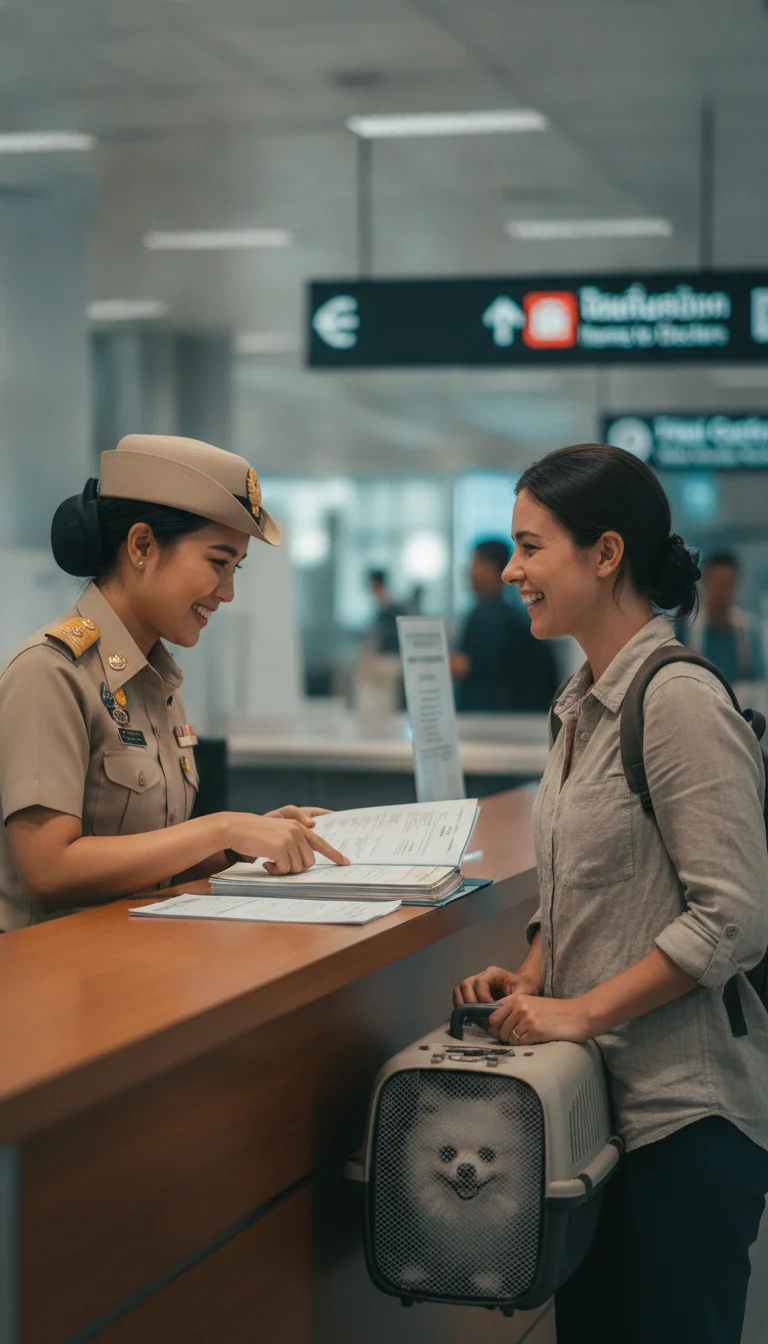
Assuming the import permit can be processed on arrival at Suvarnabhumi Airport. This mistake will lead to your pet being immediately rejected at the border and placed on the next flight back to the UK at your expense. You must submit your digital application to the DLD at least 15 working days before flying.
Miscalculating the strict 72-hour window for the DEFRA Export Health Certificate. If your vet signs the certificate too early, Thai authorities will declare the document invalid and refuse entry. Ensure your appointment with an accredited Official Veterinarian is scheduled exactly two days before your flight.
Neglecting year-round heartworm and tick preventative treatments in Thailand. The tropical climate supports a high population of mosquitoes and disease-carrying ticks that can cause fatal infections in unprotected pets. Establish a strict monthly preventative treatment routine immediately upon arrival.
Booking a flight with an airline that does not accept your pet's breed or crate size. Your pet will be denied boarding at Heathrow, leaving you with non-refundable tickets and delayed relocation plans. Verify all airline restrictions and purchase an IATA-approved container months in advance.
Practical Tips for Pet Owners in Thailand
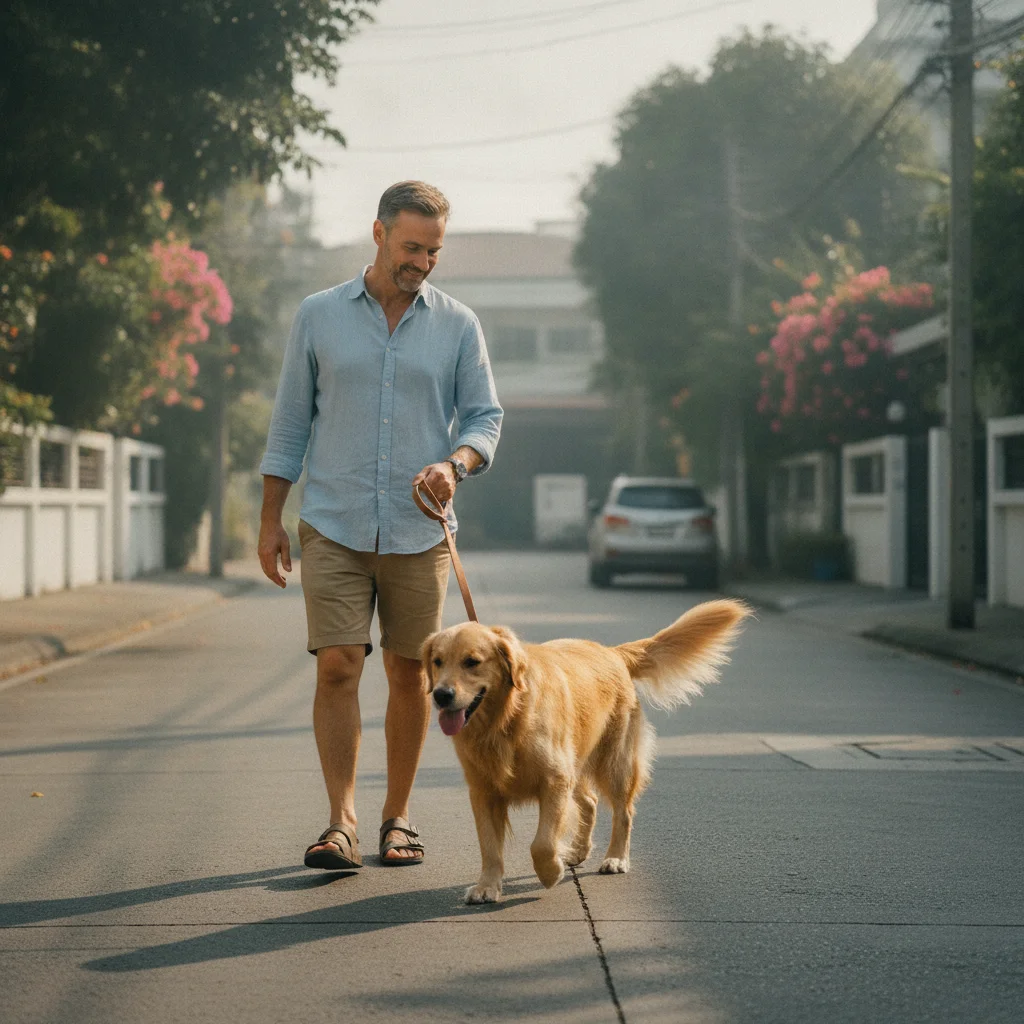
Invest in a heavy-duty, airline-approved plastic travel crate and place it in your living room months before the move. This allows your pet to acclimate to the confined space, reducing anxiety during the long-haul flight from London.
Hire a registered pet relocation agent who has direct communication channels with the Bangkok Animal Quarantine Station. They can streamline the bureaucratic process and handle any sudden regulation changes on your behalf.
Carry physical, laminated copies of all vaccination records and permits attached to the top of your pet's travel crate. This ensures that cargo handlers and veterinarians can access vital information instantly without opening the crate.
Schedule your flight to land in Bangkok during the early morning or late evening hours. Cooler temperatures during these times reduce the risk of heatstroke for your pet during tarmac transit and customs clearing.
Switch your pet to bottled water during their first two weeks in Thailand. The local tap water contains different mineral profiles and bacteria that can easily upset your pet's stomach.
Register with a 24-hour veterinary hospital immediately after finding your accommodation. Having a trusted clinic's contact details saved on your phone provides peace of mind during emergency situations.
Ensure your Thai rental lease explicitly states that pets are allowed before signing. Many Bangkok apartments enforce strict no-pet policies, which can result in immediate eviction if violated.
Move abroad with confidence — secure your pet's safe journey with a free relocation plan from our trusted partners.
Quick Reference Guide for Pet Relocation to Thailand
| Item | Detail | Notes |
|---|---|---|
| Import Permit | Free, from DLD | Must apply via email 15+ working days prior; not available on arrival |
| Rabies Vaccine | 21 days to 12 months prior | Must be administered after the microchip is implanted |
| Other Vaccines | DHLP (dogs), RCP (cats) | Must be fully documented with batch numbers and vet signatures |
| DEFRA Certificate | EHC 3144 required | Must be signed by an Official Vet within 72 hours of departure |
| Quarantine Period | 0 days (Exempt) | Only applies if all documentation is perfect on arrival |
| Average Transit Cost | £1,400 - £4,500 | Varies heavily based on animal size and carrier cargo rates |
| Breed Exclusions | Snub-nosed breeds restricted | Thai Airways and others ban flat-faced dogs/cats from flights |
| Primary Port of Entry | Suvarnabhumi Airport (BKK) | Animal Quarantine Station is open 24/7 for processing |