Where to Retire in Thailand
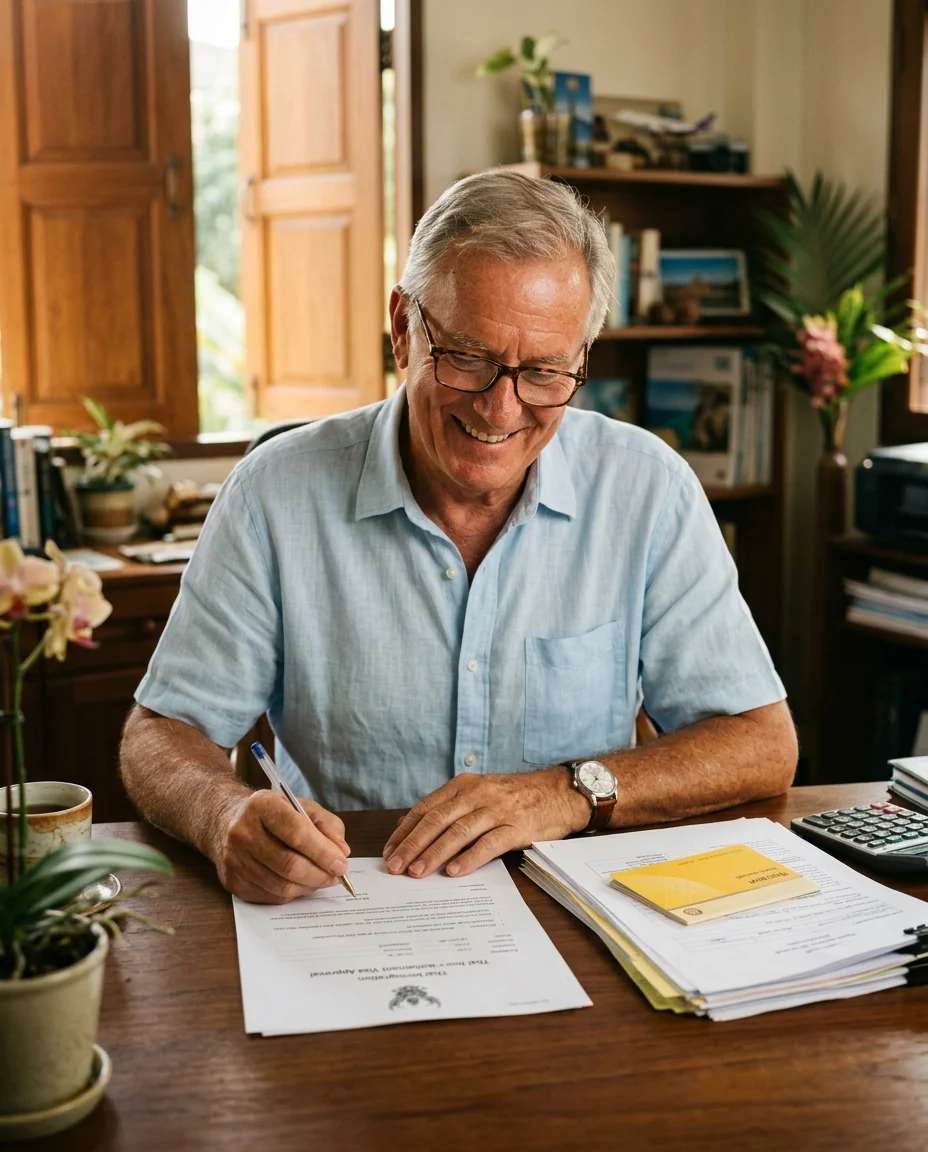
Retiring in Thailand requires either an 800,000 THB (£17,700) deposit in a Thai bank account or a guaranteed monthly pension of 65,000 THB (£1,440) to qualify for the Non-Immigrant O-A visa. Securing this financial proof must happen long before you choose between a beachfront apartment in Hua Hin or a mountain retreat in Chiang Mai.
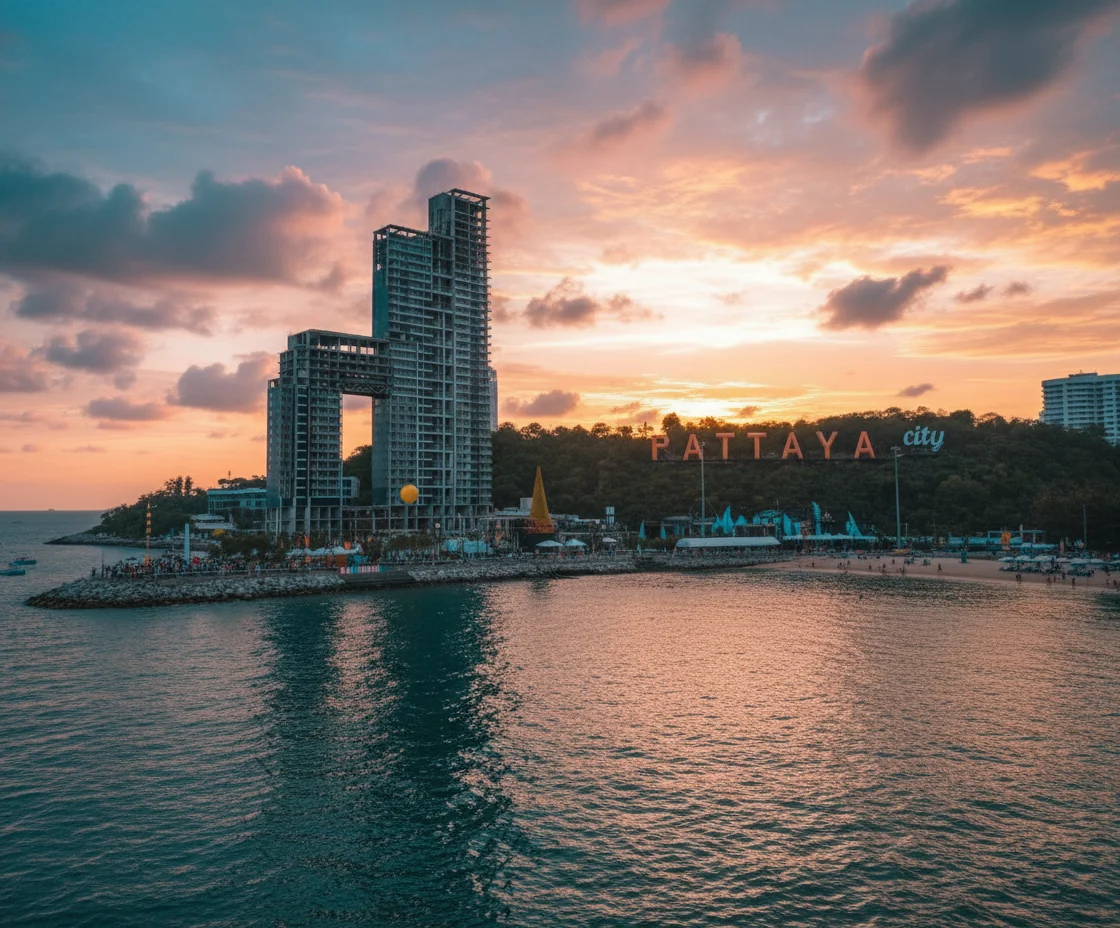
This page details exactly where UK nationals should retire in Thailand based on lifestyle preferences, budget constraints, and healthcare needs. We evaluate major expat hubs like Pattaya and Phuket against quieter regions such as Rayong and Udon Thani. This guide is specifically designed for British retirees who are ready to finalise their destination and need to understand the practical, daily trade-offs of each province. It is not for digital nomads.

Retirement Visas and Financial Requirements
Your legal right to retire in Thailand dictates your timeline and initial capital requirements. The standard route for UK nationals over 50 is the Non-Immigrant O or O-A visa, which demands strict financial compliance. You must demonstrate either a lump sum of 800,000 THB (£17,700) seasoned in a Thai bank account for two months prior to application, or a monthly income of 65,000 THB (£1,440) transferred directly from the UK. Alternatively, you can show a combination of both. Opening a Thai bank account on a tourist exemption to deposit these funds is increasingly difficult, often requiring an immigration agent or a long-term lease agreement to satisfy bank managers. The O-A visa also mandates specific levels of health insurance coverage, currently set at 3,000,000 THB (£66,600) for inpatient care. Ensure your UK police clearance and medical certificates are notarised and legalised before you submit your application to the Thai Embassy in London. Navigating this paperwork requires meticulous attention to detail, as any missing stamp will result in immediate rejection. Always start the visa process at least three months before your intended departure date.
Plan your remote work relocation to Thailand. Discover exact DTV visa requirements, living costs, banking setup, and accommodation tips for UK nationals.
| Visa Type | Financial Requirement | Key Conditions |
|---|---|---|
| Non-Immigrant O | 800,000 THB in bank or 65,000 THB/month | Apply in Thailand, requires initial tourist entry |
| Non-Immigrant O-A | 800,000 THB in bank or 65,000 THB/month | Apply in UK, requires police check and health insurance |
| LTR Wealthy Pensioner | USD 80,000/year pension | 10-year visa, exemption from 90-day reporting |
| Elite Visa (Privilege) | 900,000 THB to 5,000,000 THB one-off fee | 5 to 20 years, no age limit, no financial proof needed |
Cost of Living Across Different Regions
Sponsored
Your monthly expenditure will fluctuate dramatically depending on whether you choose an island, a major city, or a rural province. Phuket and Koh Samui command the highest premiums, where imported groceries and air-conditioned transport rapidly inflate budgets. A comfortable retirement on these islands typically requires upward of 80,000 THB (£1,770) per month to maintain a Western standard of living. Conversely, Chiang Mai and Hua Hin offer a balanced middle ground. You can rent a modern apartment, eat locally, and enjoy frequent rounds of golf for around 50,000 THB (£1,110) monthly without sacrificing essential amenities. If you move further afield to areas like Udon Thani or the Isaan region, living costs plummet. Retirees in these rural setups often live well on 35,000 THB (£770) a month, though this requires adapting to local markets and Thai-style housing. Factor in the hidden costs of transport when comparing these locations. Islands often require expensive taxis or private cars, whereas Chiang Mai and Pattaya have cheap, extensive shared transport networks via songthaews. Calculate your budget based on your target location rather than relying on a national average.
| Location | Average Monthly Budget (THB) | Lifestyle Profile |
|---|---|---|
| Phuket / Koh Samui | 80,000 - 120,000 | High-end island living, expensive transport |
| Hua Hin / Pattaya | 50,000 - 75,000 | Established expat hubs, coastal, moderate costs |
| Chiang Mai | 45,000 - 65,000 | Mountain city, cafe culture, seasonal burning season |
| Udon Thani / Isaan | 30,000 - 45,000 | Rural authenticity, heavily reliant on Thai language |
Comparing Beach, City, and Rural Lifestyles
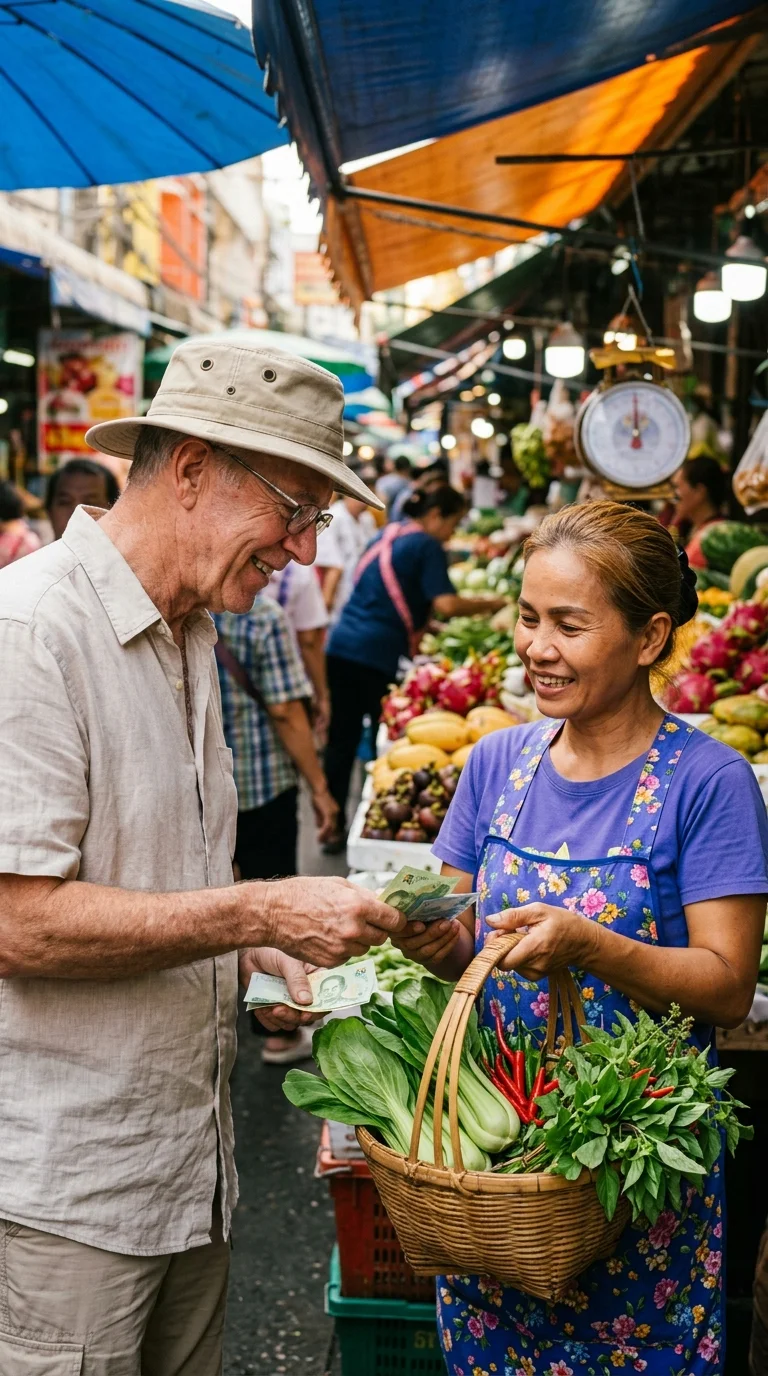
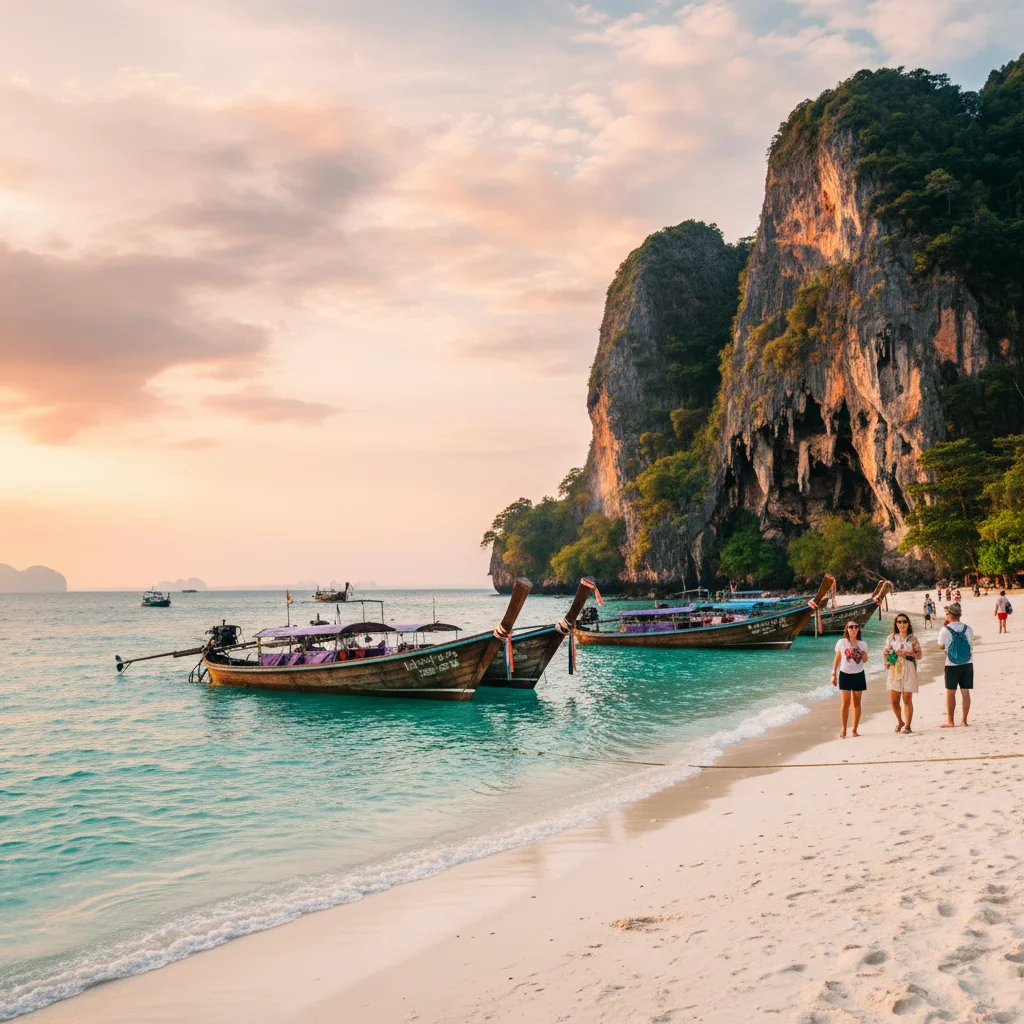
Choosing your daily environment dictates how you will spend your time and who you will interact with. Beach destinations like Phuket and Koh Samui cater heavily to outdoor, resort-style living, attracting retirees who want daily ocean access and an active social scene. The drawback is dealing with extreme humidity and navigating massive influxes of tourists during the high season. City retirement in Chiang Mai or Bangkok offers unmatched convenience, with vast shopping malls, diverse international dining, and established expat clubs. These urban centres provide a highly structured lifestyle where you can easily find English-language book clubs, golf societies, and volunteer groups. Rural retirement in provinces like Udon Thani offers an entirely different pace of life. You trade Western conveniences for a massive reduction in living costs and the opportunity to experience traditional Thai culture. Rural living requires significant independence, as you will not have a ready-made community of British expats to rely on. Spend at least two weeks in your chosen environment during the rainy season to ensure the lifestyle matches your expectations year-round.
| Lifestyle Profile | Top Locations | Key Benefits | Primary Drawbacks |
|---|---|---|---|
| Beach & Coastal | Phuket, Koh Samui, Pattaya | Ocean access, resort amenities | High costs, heavy tourist crowds |
| City & Urban | Chiang Mai, Bangkok | Excellent infrastructure, expat clubs | Traffic congestion, seasonal pollution |
| Rural & Provincial | Udon Thani, Isaan region | Very low costs, authentic culture | Isolation, lack of Western goods |
Finding Accommodation in Popular Hubs
Securing the right property involves understanding the distinct rental markets across Thailand's primary retirement destinations. Hua Hin attracts a quieter, golf-oriented demographic, with spacious pool villas typically leasing for 40,000 THB (£880) per month on a yearly contract. Pattaya offers dense apartment living where a sea-view one-bedroom apartment in Jomtien costs around 20,000 THB (£440) monthly. If you prefer the mountains, Chiang Mai provides low-density housing and older, larger apartments near the Nimman area for 15,000 THB (£330). Island property in Phuket and Samui is heavily seasonal. Landlords often refuse long-term leases during the high season from November to February, or they demand double the standard rate. When viewing properties, scrutinise the air conditioning units and check the water pressure, as these frequently cause issues in older buildings. Standard lease terms require a two-month security deposit plus the first month of rent paid upfront. Real estate agent fees are legally paid by the landlord, so never accept a charge for viewing properties. Negotiate a one-year lease only after spending a month in a short-term rental to test the neighbourhood.
| Property Type | Typical Location | Average Monthly Rent (THB) |
|---|---|---|
| Studio Apartment | Pattaya, Chiang Mai | 10,000 - 18,000 |
| 2-Bedroom Apartment | Phuket, Hua Hin | 25,000 - 45,000 |
| Detached Pool Villa | Hua Hin, Koh Samui | 40,000 - 80,000 |
| Traditional Thai House | Udon Thani, Isaan | 8,000 - 15,000 |
Healthcare Access and Infrastructure Setup

Proximity to international-standard medical care is the single most critical factor for older UK nationals relocating to Thailand. Bangkok, Phuket, and Chiang Mai host branches of top-tier private hospital groups like Bangkok Hospital and Samitivej. These facilities offer English-speaking specialists, immediate appointment availability, and exceptional diagnostic equipment. A routine specialist consultation costs around 1,500 THB (£33), making out-of-pocket payments viable for minor issues. However, inpatient care for serious conditions can easily exceed 500,000 THB (£11,100), necessitating comprehensive health insurance. If you retire in Hua Hin or Pattaya, you still have excellent private options, though highly complex surgeries might require a transfer to Bangkok. Setting up your daily infrastructure also varies by region. Getting a local SIM card from AIS or TrueMove and securing a fibre-optic internet connection is rapid in major hubs, often completed in a single afternoon. In rural areas, utility stability drops significantly, and power cuts during the rainy season are common. Pharmacies in major hubs stock most Western medications over the counter, but you must check the generic names. Always verify the distance to the nearest JCI-accredited hospital before signing a long-term lease.
| Location | Private Hospital Quality | Distance to Major Medical Hub |
|---|---|---|
| Phuket / Chiang Mai | Excellent (JCI Accredited) | Local, within 30 minutes |
| Hua Hin / Pattaya | Very Good | Local, but complex cases go to Bangkok |
| Koh Samui | Good (Basic Private) | Requires ferry/flight for major surgery |
| Udon Thani / Rayong | Adequate (Provincial) | 1 to 2 hours to major regional centre |
Exploring Lower-Cost Alternative Destinations
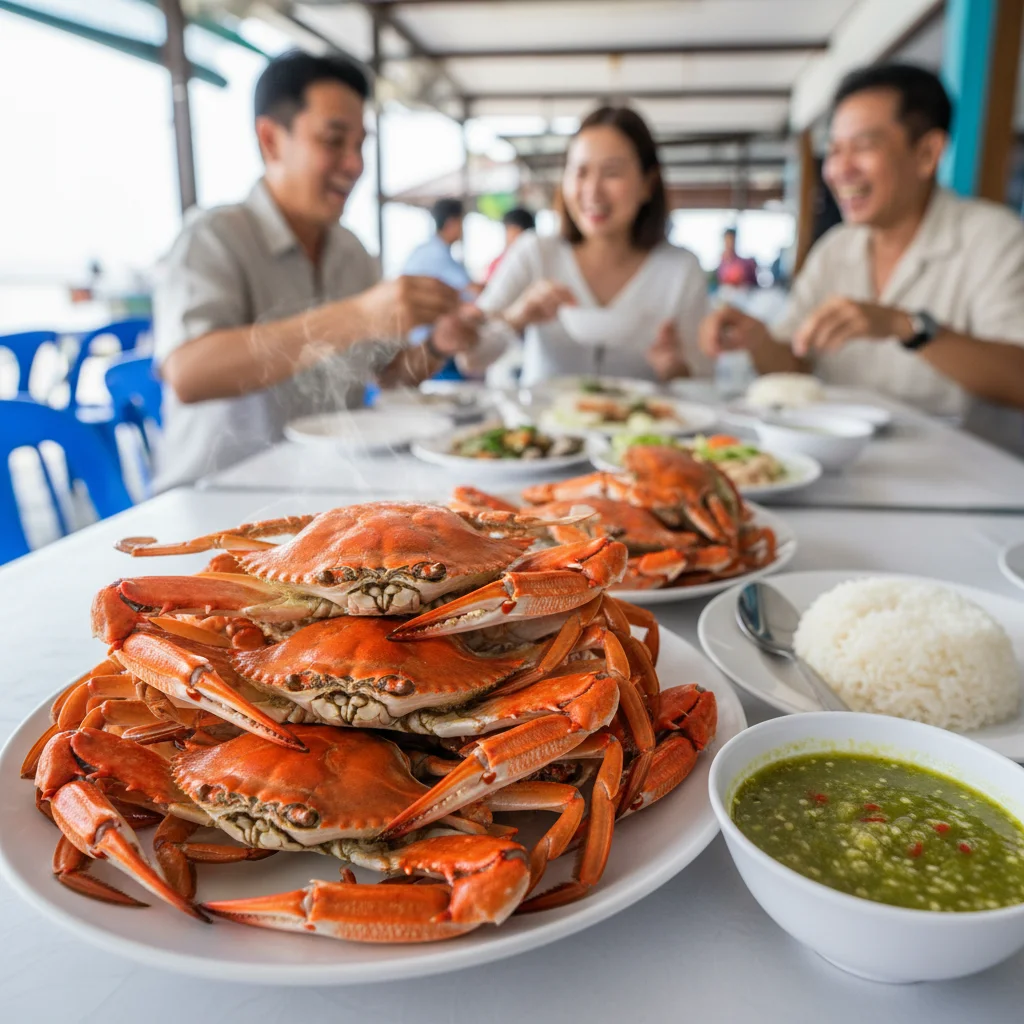
Stepping away from the heavily marketed expat centres reveals destinations that offer lower expenses and deeper cultural immersion. Rayong sits just down the coast from Pattaya but provides a much quieter beachfront lifestyle with access to excellent seafood markets and a growing community of long-term retirees. Cha-am offers a similar dynamic; it is Hua Hin’s sleepier neighbour, where rental prices drop by at least thirty percent for comparable beachfront properties. For those who prefer inland rural life, Udon Thani serves as the commercial hub of the Northeast. Retiring here means integrating into local Thai communities, as English is rarely spoken outside of major retail centres. You will need to learn conversational Thai and adapt to local food, as imported British goods are scarce. The trade-off is immense financial freedom, with spacious homes available for under 10,000 THB (£220) per month. These secondary locations lack direct international flights, meaning trips back to the UK require an internal flight or a long bus journey to Suvarnabhumi Airport. Choose these alternatives only if you prioritise cultural integration over Western convenience.
| Location | Key Advantage | Primary Drawback |
|---|---|---|
| Rayong | Industrial hub with quiet, affordable beaches | Limited English spoken, fewer expat amenities |
| Cha-am | Close to Hua Hin but significantly cheaper | Very quiet during weekdays, fewer international restaurants |
| Udon Thani | Extremely low cost of living, authentic culture | Far from the coast, intense summer heat |
| Chiang Rai | Cooler climate, lower cost than Chiang Mai | Severe air pollution during March and April |
Costs and Budgeting
Budgeting for a Thai retirement requires distinguishing between local living and maintaining a Western lifestyle. If you consume imported cheese, wine, and British branded goods, your grocery bill will equal or exceed UK prices. Rent is your largest variable; a comfortable middle-ground budget for a couple in a coastal hub like Hua Hin sits at around 65,000 THB (£1,440) per month. Utilities add a noticeable expense due to air conditioning, which can easily push electricity bills past 3,000 THB (£66) monthly during the hot season from March to May. Transport costs remain low if you buy a second-hand scooter, but running a car will add significant insurance and fuel costs. Socialising in expat bars or playing golf weekly will demand another 15,000 THB (£330) monthly. You must also budget for annual visa renewals, mandatory 90-day reporting transport, and comprehensive health insurance premiums. Build a buffer of ten percent into your budget to absorb currency fluctuations between the Pound and the Baht.
| Item | Monthly Cost (THB) | Monthly Cost (GBP approx) | Notes |
|---|---|---|---|
| Rent (1-Bed Apartment in Expat Hub) | 15,000 - 25,000 | 330 - 550 | Varies heavily by proximity to beach |
| Utilities (Electricity, Water, Internet) | 3,500 - 5,000 | 75 - 110 | Heavily dependent on air conditioning usage |
| Groceries (Mixed Local/Western) | 12,000 - 18,000 | 265 - 400 | Local markets reduce this significantly |
| Dining Out & Entertainment | 10,000 - 15,000 | 220 - 330 | Assumes eating out three times a week |
| Health Insurance (Age 60+) | 6,000 - 12,000 | 130 - 265 | Increases with age and medical history |
| Transport (Scooter & taxis) | 1,500 - 3,000 | 33 - 66 | Car ownership will double this figure |
Common Mistakes and How to Avoid Them
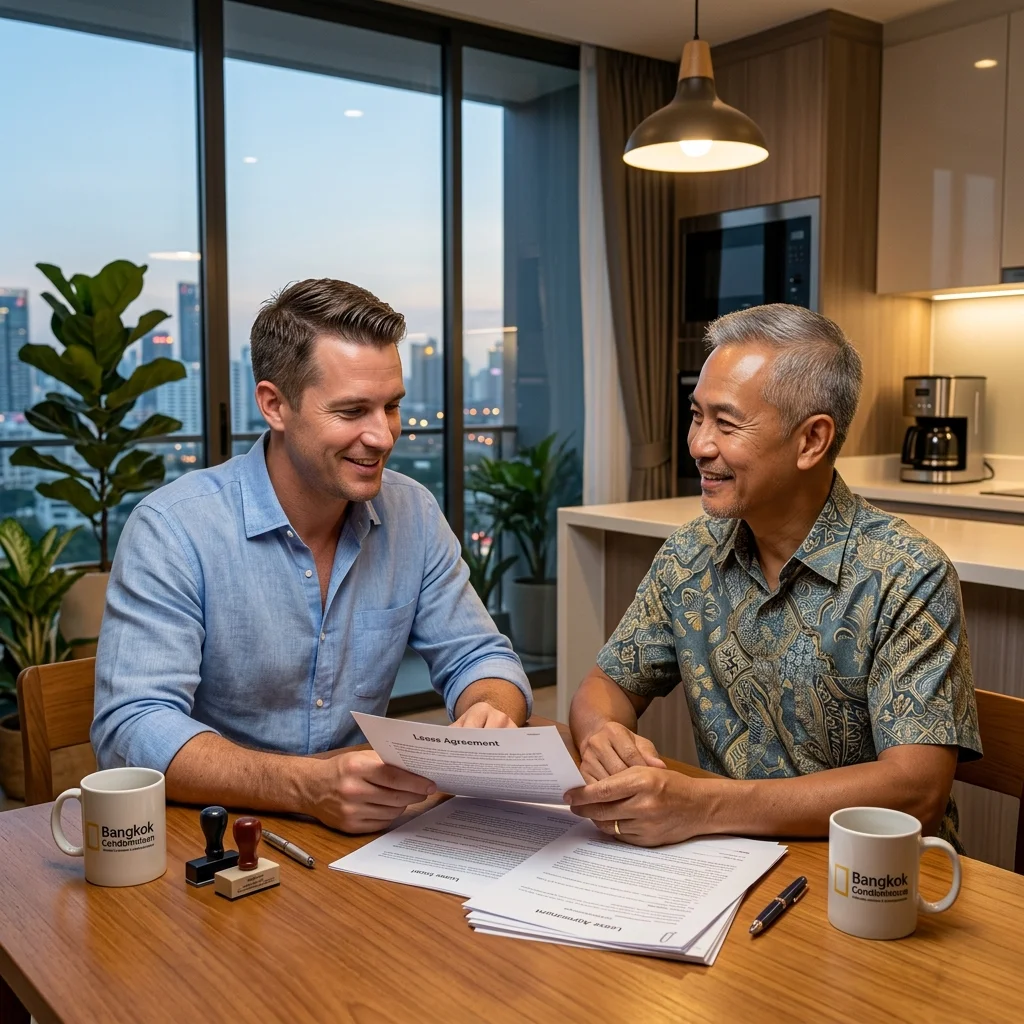
Assuming a tourist visa is sufficient for property hunting often leads to rushed, poor decisions when the thirty-day stamp nears expiration. This pressure causes retirees to sign bad leases on overpriced apartments just to secure an address for their long-term visa application. Secure a proper Non-Immigrant visa or book a one-month serviced apartment before committing to a year-long contract.
Failing to account for the burning season in Northern Thailand ruins the retirement dream for many who move to Chiang Mai. From February to April, the air quality becomes hazardous, forcing residents indoors and exacerbating respiratory conditions. Plan to travel back to the UK or rent a temporary apartment in the southern Thai islands during these months.
Paying landlord-inflated electricity rates drains monthly budgets rapidly over the course of a long-term lease. Many private apartment owners charge up to 8 THB per unit instead of the government rate of roughly 4 THB, doubling your cooling costs. Always stipulate in your lease that you will pay the Provincial Electricity Authority directly via their official billing system.
Underestimating the cost of health insurance as you age leaves many retirees financially exposed by their mid-seventies. Premiums jump significantly, and some insurers outright refuse policy renewals after age 80. Secure a guaranteed lifetime renewal policy early, or maintain a substantial ring-fenced emergency medical fund.
Practical Tips
Open a Thai bank account as soon as your long-term visa is approved. You will need this to set up direct debits for utilities, register for food delivery apps, and manage your annual visa financial requirements.
Join local expat Facebook groups for your specific town before you arrive. These communities provide immediate, on-the-ground advice regarding reputable plumbers, visa agents, and current rental market rates.
Register your residence with local immigration within 24 hours of moving into your permanent property. Your landlord should do this via the TM30 form, but the legal responsibility ultimately falls on you to ensure it is completed.
Obtain a Thai driving licence rather than relying indefinitely on an International Driving Permit. A local licence acts as an official ID card, often granting you local entry prices to national parks and attractions instead of the higher tourist rates.
Invest in a high-quality water filtration system for your kitchen sink. While municipal tap water is treated, the aging pipe infrastructure means it is not safe to drink, and buying bottled water daily is both costly and environmentally damaging.
Keep a physical folder of all your official documents, including passport copies, lease agreements, and bank books. Thai immigration and local government offices still rely heavily on physical paper trails rather than digital records.
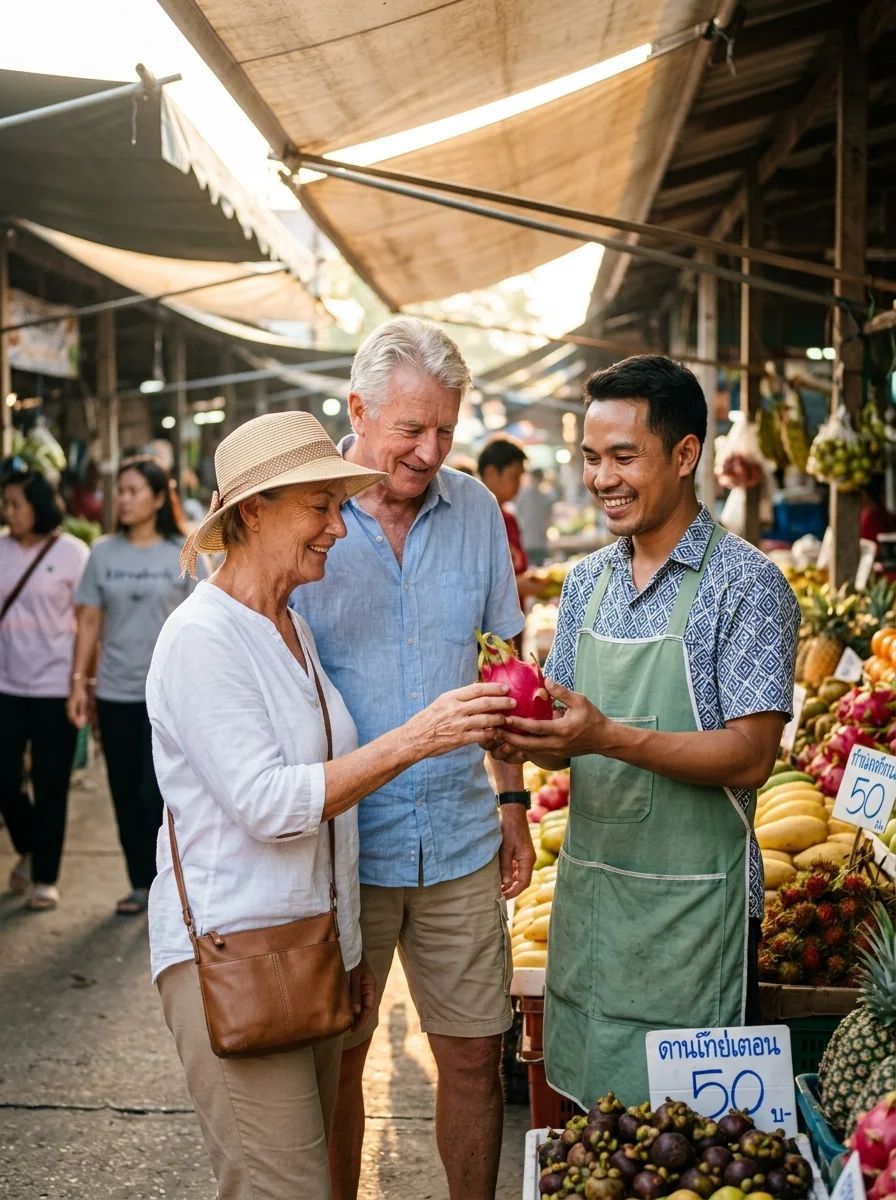
Learn the Thai numbers and basic food vocabulary within your first month. This small effort drastically improves your daily interactions at local markets and helps you avoid inflated tourist pricing.
Quick Reference Table
| Item | Detail | Notes |
|---|---|---|
| Primary Visa Route | Non-Immigrant O or O-A | Requires renewal every 12 months |
| Financial Requirement | 800,000 THB (£17,700) or 65,000 THB (£1,440)/month | Bank deposits must mature before application |
| Average Monthly Cost | 45,000 - 80,000 THB (£1,000 - £1,770) | Varies heavily between rural areas and islands |
| Typical Lease Term | 12 months | 2 months deposit plus 1 month rent in advance |
| Best Healthcare | Bangkok, Phuket, Chiang Mai | JCI-accredited hospitals available |
| Top Expat Hubs | Hua Hin, Pattaya, Chiang Mai | High English proficiency, Western amenities |
| Budget Alternatives | Udon Thani, Rayong, Cha-am | Requires basic Thai language skills |