Property in Chiang Mai, Thailand
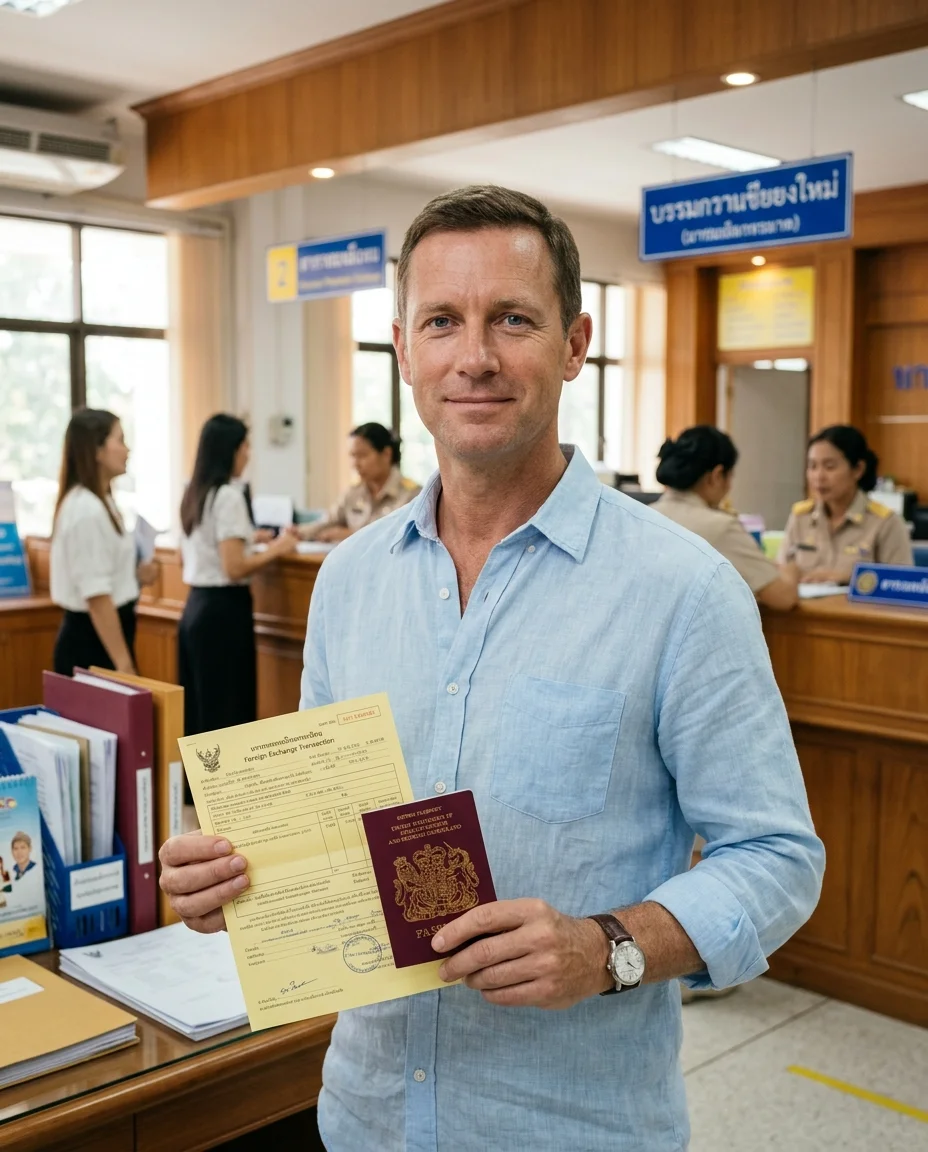
Foreign nationals cannot hold freehold title to land in Thailand, meaning any UK buyer purchasing a villa in Chiang Mai must rely on a registered 30-year leasehold for the land while owning the physical structure. Securing a freehold apartment requires transferring all purchase funds from outside the country in foreign currency to obtain the mandatory Foreign Exchange Transaction Form (FETF).
This guide explains exactly how UK nationals can legally purchase and invest in Chiang Mai property. We cover the specific foreign ownership quotas for apartments in central districts, the leasehold reality for family houses in the Hang Dong corridor, and realistic purchase costs per square metre. You will understand how digital nomad and retiree communities drive rental demand, and how the annual burning season directly impacts long-term yields. This information is for serious buyers seeking relocation or income, not those looking for short-term holiday lets.

The Chiang Mai Buyer Profile and Legal Ownership Routes
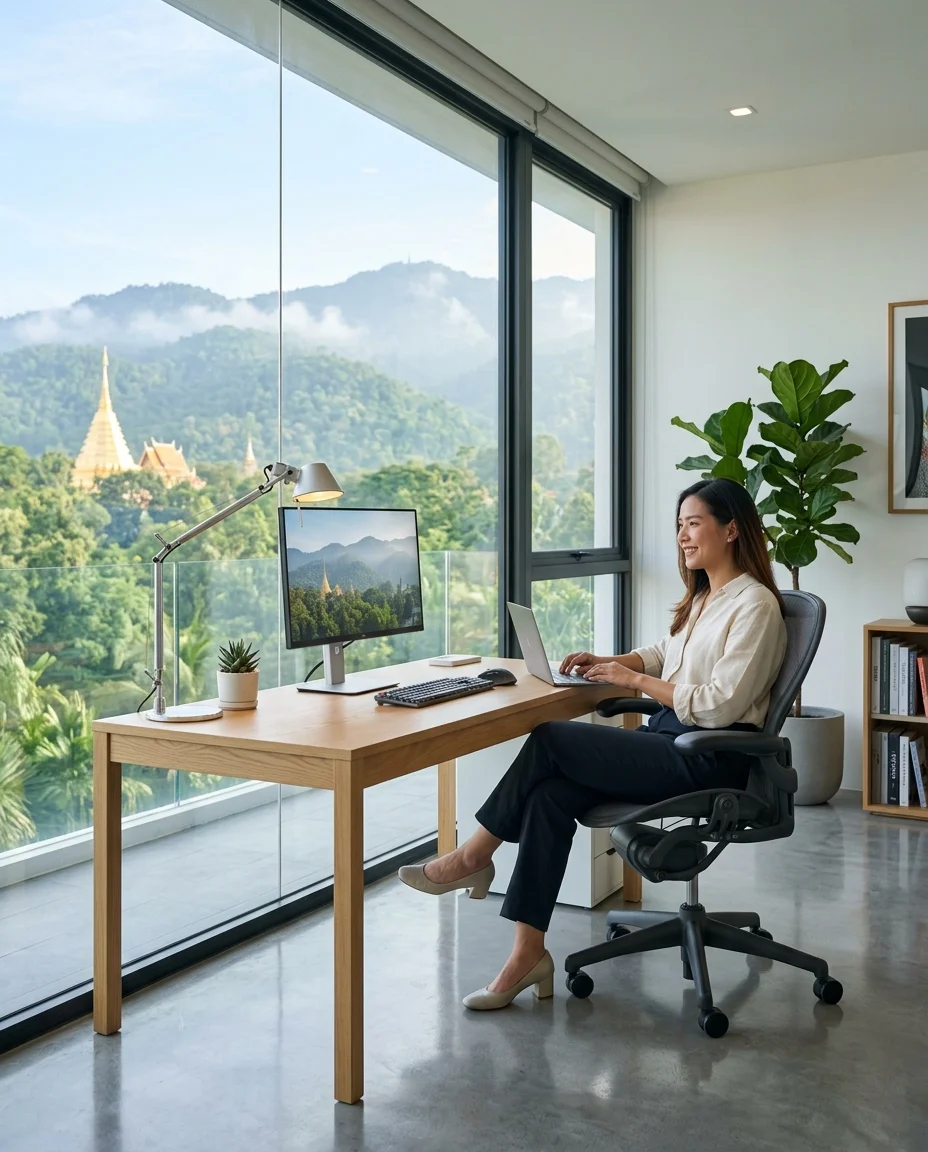
UK nationals buying in Chiang Mai fundamentally differ from the Phuket or Bangkok investor, prioritising long-term liveability and steady rental income over rapid capital appreciation. To own property outright, you must purchase a freehold apartment within a building's 49% foreign ownership quota. This legal structure requires you to transfer the entire purchase amount from a UK bank account into Thailand in Sterling or another foreign currency, ensuring the receiving Thai bank issues a Foreign Exchange Transaction Form (FETF). Without an FETF, the Land Department will refuse to register the title deed (Chanote) in your name. If you intend to buy a house or villa, Thai law strictly prohibits foreign freehold land ownership. Instead, you must negotiate a 30-year registered leasehold on the land plot at the local Land Office, while holding the freehold title to the physical building itself. Attempting to circumvent this using a nominee Thai company is illegal and leaves your entire investment exposed to state confiscation. Always verify the foreign quota status with the building juristic office before paying any reservation fee.
Navigate freehold and leasehold property in Thailand. Learn the legal facts about foreign quotas, 30-year leases, and how to secure your property purchase.
Apartment Markets in Nimman, Santitham, and the Old City
Prices and tenant demographics vary sharply across Chiang Mai's central apartment districts. Nimman remains the most expensive area, commanding between 85,000 THB (£1,880) and 120,000 THB (£2,660) per square metre for modern, foreign-quota units. This area attracts high-earning digital nomads and expats willing to pay a premium for walkability and immediate access to coworking spaces. Santitham offers a more realistic entry point for investors, with older but well-maintained apartments priced between 45,000 THB (£1,000) and 65,000 THB (£1,440) per square metre. The tenant base here is heavily local professionals and budget-conscious long-term expats. The Old City itself has severe building restrictions, meaning new apartment developments are non-existent, and the few older units available rarely enter the open market. Investors seeking strong rental demand must balance Nimman's high entry price against Santitham's lower yields but cheaper acquisition costs. Buying older units in Santitham requires careful checking of the building's sinking fund, as maintenance issues can quickly erode your rental income. Focus your search on buildings with proactive juristic management to protect your asset's long-term value.
| District | Average Price Per Sqm (THB) | Primary Tenant Demographic | Investment Characteristic |
|---|---|---|---|
| Nimman | 85,000 - 120,000 | High-income nomads, expats | High entry cost, strong demand |
| Santitham | 45,000 - 65,000 | Local professionals, budget expats | Lower entry cost, steady yield |
| Old City | N/A (Highly restricted) | Tourists, short-term visitors | Extremely limited supply |
| Jed Yod | 50,000 - 70,000 | Students, long-term expats | Emerging market, medium yield |
Villa Markets and Leasehold Reality in Hang Dong
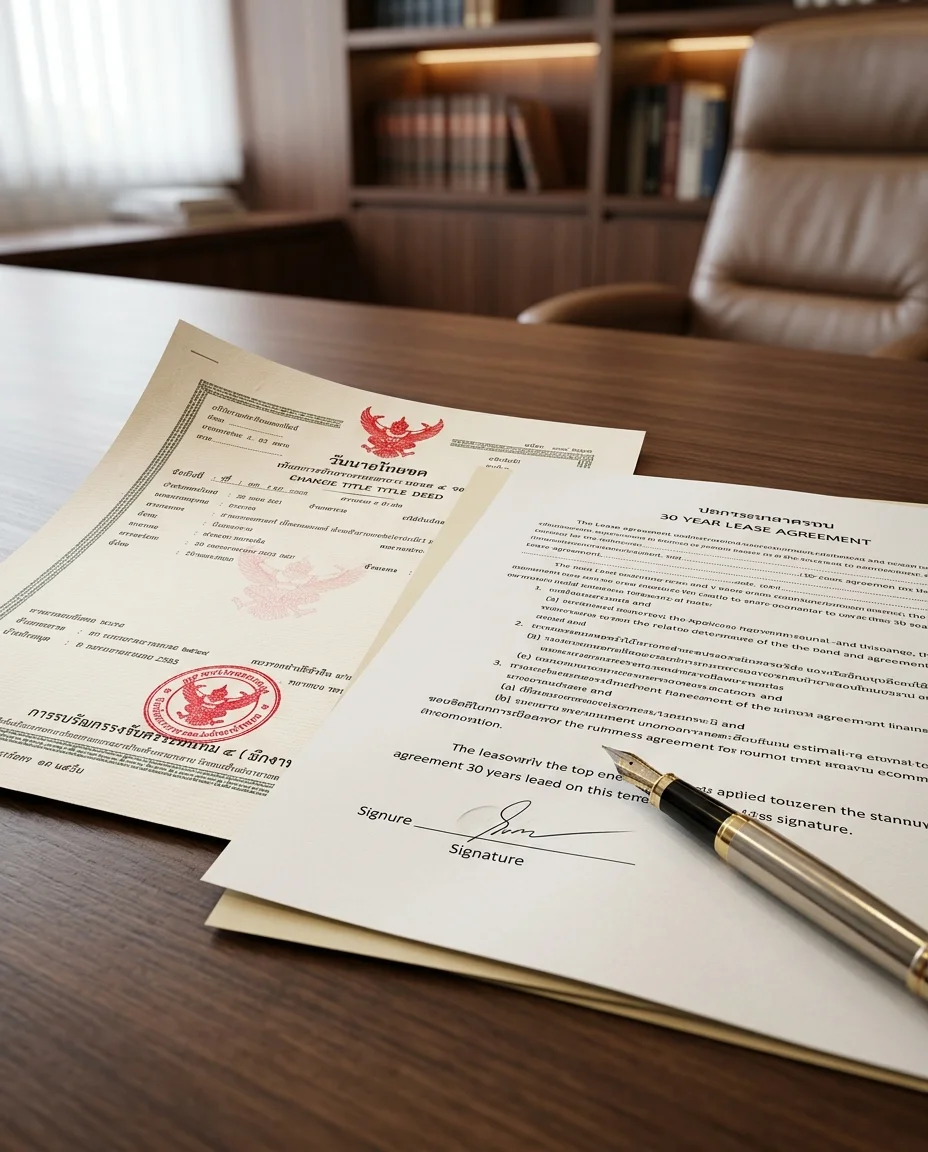
The Hang Dong corridor is the primary destination for UK families and retirees seeking detached houses or pool villas, largely due to its proximity to international schools. Land prices for villa plots in this area currently range from 15,000 THB (£330) to 25,000 THB (£550) per square Wah (a Thai measurement equal to four square metres). Because foreign nationals cannot own the land, you must legally structure your purchase by securing a 30-year registered lease on the land at the Hang Dong Land Office. The physical villa structure can be owned freehold and registered in your name. Many developers will offer a lease with two subsequent 30-year renewals, but these renewal clauses are contractual promises between you and the current landowner, not guaranteed rights under Thai property law. If the landowner dies or sells the freehold, enforcing a renewal can require lengthy litigation. You must ensure your lawyer registers the initial 30-year lease directly on the back of the Chanote title deed to guarantee your legal right of occupation. Always separate the land lease and the building purchase into two distinct legal agreements.
Rental Yields, Demand Drivers, and Capital Growth
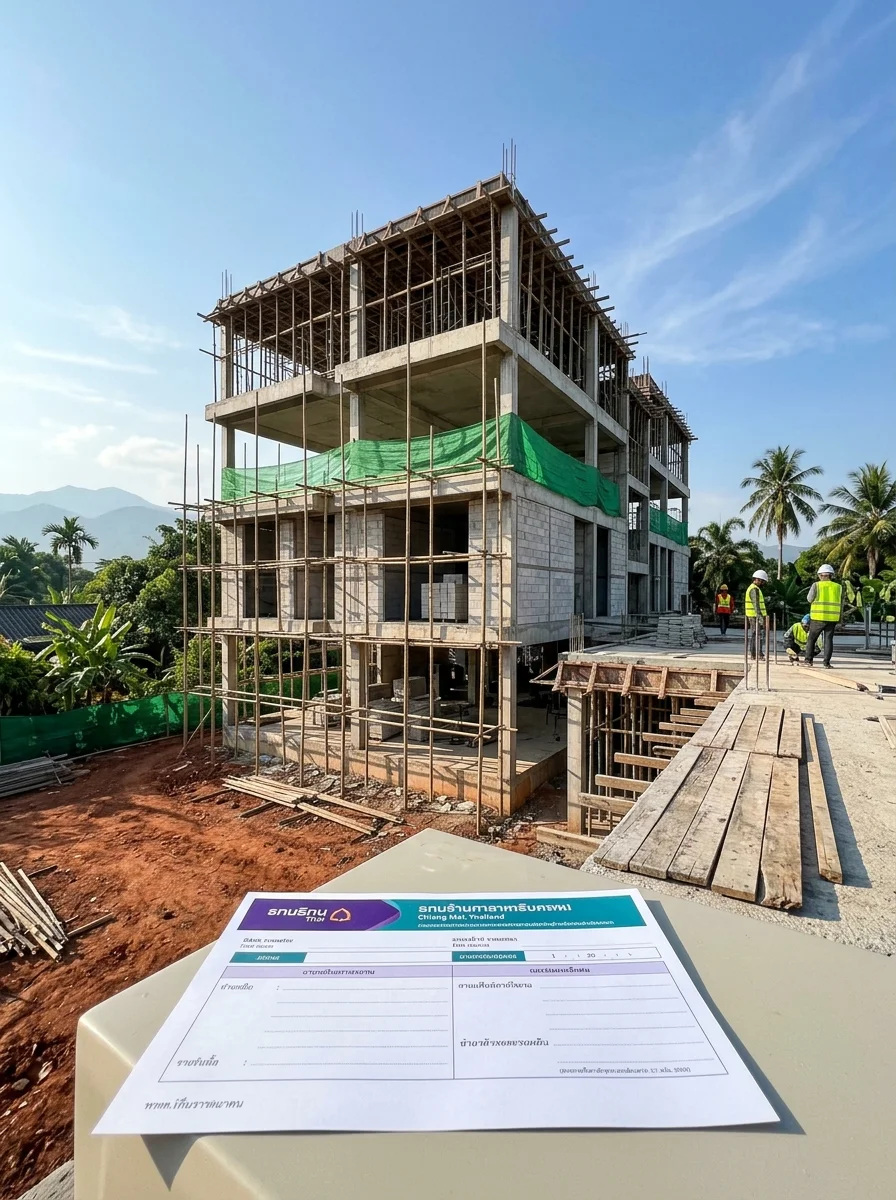
Chiang Mai operates as an income market rather than a capital growth market, offering starkly different returns compared to Bangkok. You can expect gross rental yields of 4% to 6% in Chiang Mai, whereas central Bangkok often struggles to exceed 4% due to heavily inflated purchase prices. The rental market is sustained by a massive influx of digital nomads arriving between October and February, alongside a stable, year-round population of UK and foreign retirees. However, property values in Chiang Mai appreciate slowly, typically growing at just 2% to 3% annually. This means your investment strategy must focus on consistent rental income rather than relying on a highly profitable future resale. When calculating your net yield, you must deduct the annual juristic fees, which average 35 to 55 THB per square metre per month for apartments. You must also account for the 12.5% housing and land tax if you rent out a villa on a commercial basis. Base your financial modelling on a ten-month occupancy rate to account for tenant turnover.
The Impact of the Burning Season on Property Value
The annual agricultural burning season, running from late February through April, fundamentally alters the Chiang Mai property market and long-term liveability. During these months, air quality frequently reaches hazardous levels, prompting wealthy expats and digital nomads to temporarily relocate to the Thai islands or return to Europe. This seasonal exodus creates a highly predictable void period for landlords relying on short-to-medium-term tenancies. Properties lacking high-grade integrated air purification systems or fully sealed PVC doors and windows suffer severe drops in rental desirability. When viewing apartments or villas, you must assess the HVAC infrastructure; retrofitting a property to handle PM2.5 pollution is an expensive capital outlay that cuts directly into your yield. Buyers often underestimate how this pollution impacts resale liquidity, as prospective purchasers visiting during March or April will heavily discount their offers. You should restrict your property search to developments that feature proper air filtration systems and enclosed communal areas to guarantee year-round tenant demand.
Transaction Costs and Property Fees
Purchasing property in Thailand involves specific state taxes and administrative fees calculated at the local Land Department. The primary cost is the Transfer Fee, set at 2% of the property's appraised value. For new build apartments, the developer legally must pay half (1%), leaving you to cover the remaining 1%. You will also encounter either Stamp Duty at 0.5% or a Specific Business Tax (SBT) at 3.3%, depending on how long the seller has held the property. While sellers typically pay the SBT, aggressive developers occasionally try to pass this onto foreign buyers in the contract terms. Legal representation is an absolute necessity, with a UK buyer typically spending between 30,000 THB (£660) and 80,000 THB (£1,770) for comprehensive due diligence and contract review. Property agents draw their commission (usually 3% to 5%) entirely from the seller, meaning you do not pay sourcing fees.
| Cost Item | Rate or Amount | Paid By | Notes |
|---|---|---|---|
| Transfer Fee | 2% of appraised value | Shared 50/50 | Law requires developers to split this equally |
| Specific Business Tax | 3.3% of registered value | Seller | Applies if seller owned property for under 5 years |
| Stamp Duty | 0.5% of registered value | Seller | Applies only if SBT is not applicable |
| Legal Fees | 30,000 - 80,000 THB | Buyer | Covers due diligence, contract review, and transfer |
| Agent Commission | 3% to 5% of sale price | Seller | Buyers do not pay agent fees in Thailand |
| Sinking Fund | 400 - 600 THB per sqm | Buyer | One-time payment for new apartments upon transfer |
| Maintenance Fee | 35 - 55 THB per sqm/month | Buyer | Ongoing annual cost for apartment upkeep |
Common Mistakes UK Nationals Make

Paying a non-refundable reservation deposit before conducting basic legal due diligence on the title deed. If the developer does not actually own the land or the property lacks the correct building permits, you will lose this money entirely with no legal recourse. You must hire a Thai property lawyer to perform a title search at the Land Department before transferring any funds.
Assuming a 30-year leasehold automatically guarantees you 90 years of land tenure through written renewal clauses. Under Thai civil law, lease renewals are not guaranteed rights attached to the land, but mere contractual promises that can be voided if the freehold changes hands. You must structure the initial 30-year lease correctly and understand that beyond year 30, your legal footing requires careful management.
Failing to secure a Foreign Exchange Transaction Form (FETF) by transferring funds into Thailand in Thai Baht rather than Sterling. Without an FETF proving the funds originated overseas in a foreign currency, the Land Department will legally block the transfer of a freehold apartment into your name. Always send funds in GBP and instruct the receiving Thai bank to execute the conversion.
Using a nominee Thai company structure to illegally bypass foreign land ownership restrictions and buy a freehold villa. The Thai government actively investigates and prosecutes foreign nationals using proxy shareholders, which leads to the forced liquidation of the company and the immediate loss of the property. You must use the legally recognised 30-year leasehold route for land instead of attempting to outsmart the system.
Practical Tips for Buying in Chiang Mai
Open a Thai bank account in person before initiating your property search. You need this account to safely receive your converted foreign funds and to set up direct debits for your annual property taxes and monthly juristic fees.
Verify the exact foreign ownership quota ratio of an apartment building directly with the juristic office manager. Even if a seller advertises a unit as foreign freehold, the building may have already hit its 49% legal limit, making a freehold transfer to you impossible.
Demand to see the Environmental Impact Assessment (EIA) approval document before buying off-plan property. Developers in Chiang Mai often start selling units before the EIA passes, and if the government rejects their application, the project will stall indefinitely.
Visit the specific street of your target property during late March to assess the actual air quality and dust accumulation. This gives you a factual baseline of the burning season's severity and helps you determine what grade of air filtration system you will need to install.
Review the minutes of the last three Annual General Meetings for any apartment building you intend to buy into. These documents legally record disputes over unpaid maintenance fees and reveal whether the building has sufficient capital in its sinking fund for major repairs.
Ensure your purchase contract clearly states the penalty clauses for late delivery if buying a new build villa in Hang Dong. Without strict daily financial penalties written into the agreement, Thai developers have no incentive to finish the construction on schedule.
Chiang Mai Property Reference
| Item | Detail | Notes |
|---|---|---|
| Foreign Ownership (Apartments) | Freehold available | Capped at 49% of the building's total floor area |
| Foreign Ownership (Land/Villas) | Leasehold only | Maximum legally registered term is 30 years |
| Accepted Title Deeds | Chanote (Nor Sor 4 Jor) | The only deed offering full, surveyed ownership rights |
| Fund Transfer Requirement | Foreign currency inward | Essential to generate the mandatory FETF document |
| Average Transfer Fee | 2% of appraised value | Usually split equally between buyer and seller |
| Legal Representation | Not legally required | Highly necessary to avoid fraud and contract errors |
| Typical Purchase Timescale | 3 to 6 weeks | Depends heavily on the speed of international bank transfers |