Chiang Rai City
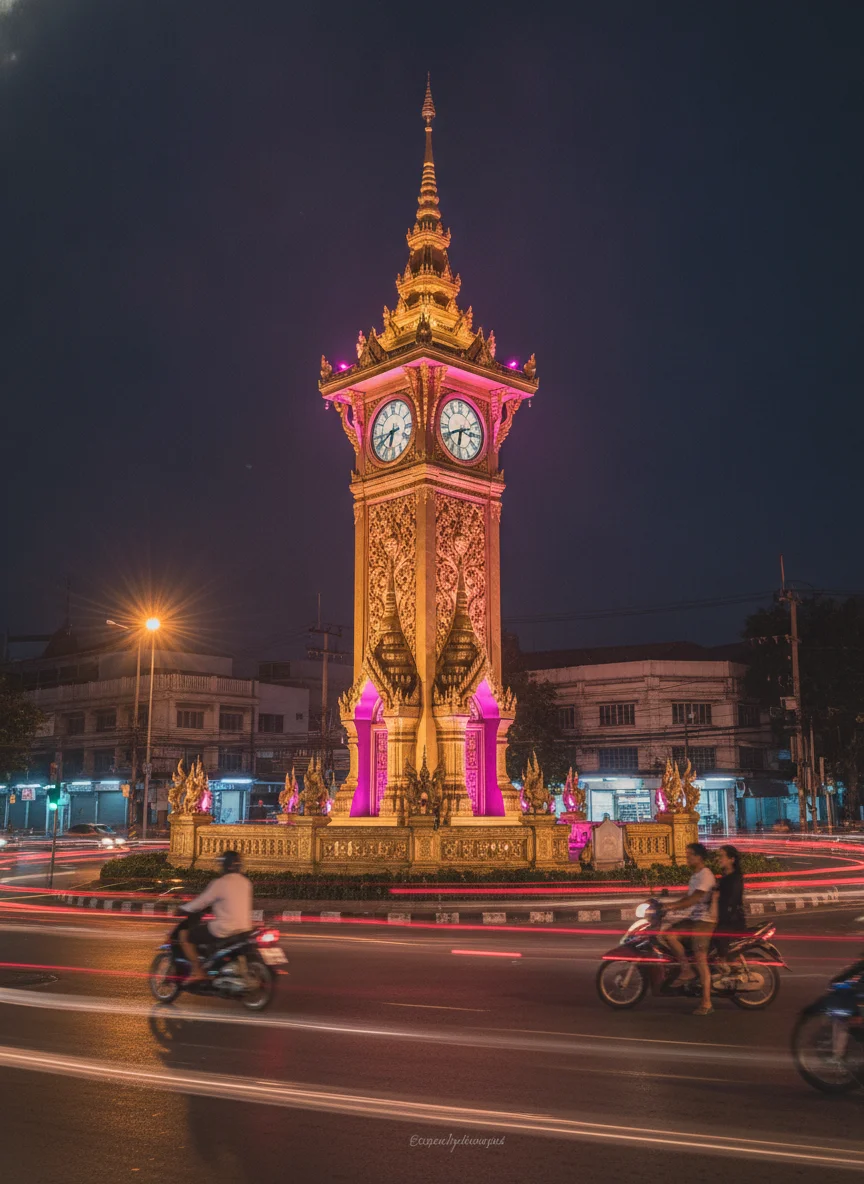
The golden clock tower designed by national artist Chalermchai Kositpipat hosts a nightly light and sound show that projects vivid colours across a sleepy intersection three times an evening. This historical northern settlement of Chiang Rai serves as the artistic counterweight to Chiang Mai, swapping mass commercial tourism for a slow-paced, creative community of resident painters, sculptors, and heritage preservationists.
Chiang Rai City sits in the flat basin of the Kok River valley, surrounded by the rugged limestone peaks of Thailand's far north. Established by King Mengrai in 1262 as the initial capital of the Lanna Kingdom, this low-rise city of roughly 70,000 residents now functions as a relaxed cultural outpost. It attracts independent travellers who prefer quiet exploration over high-energy nightlife. The compact grid of streets, dotted with traditional teak homes and contemporary galleries, suits cultural explorers, slow-travel enthusiasts, and digital nomads seeking an affordable, distraction-free base with a welcoming local community.

The Character and Valley Setting of Chiang Rai
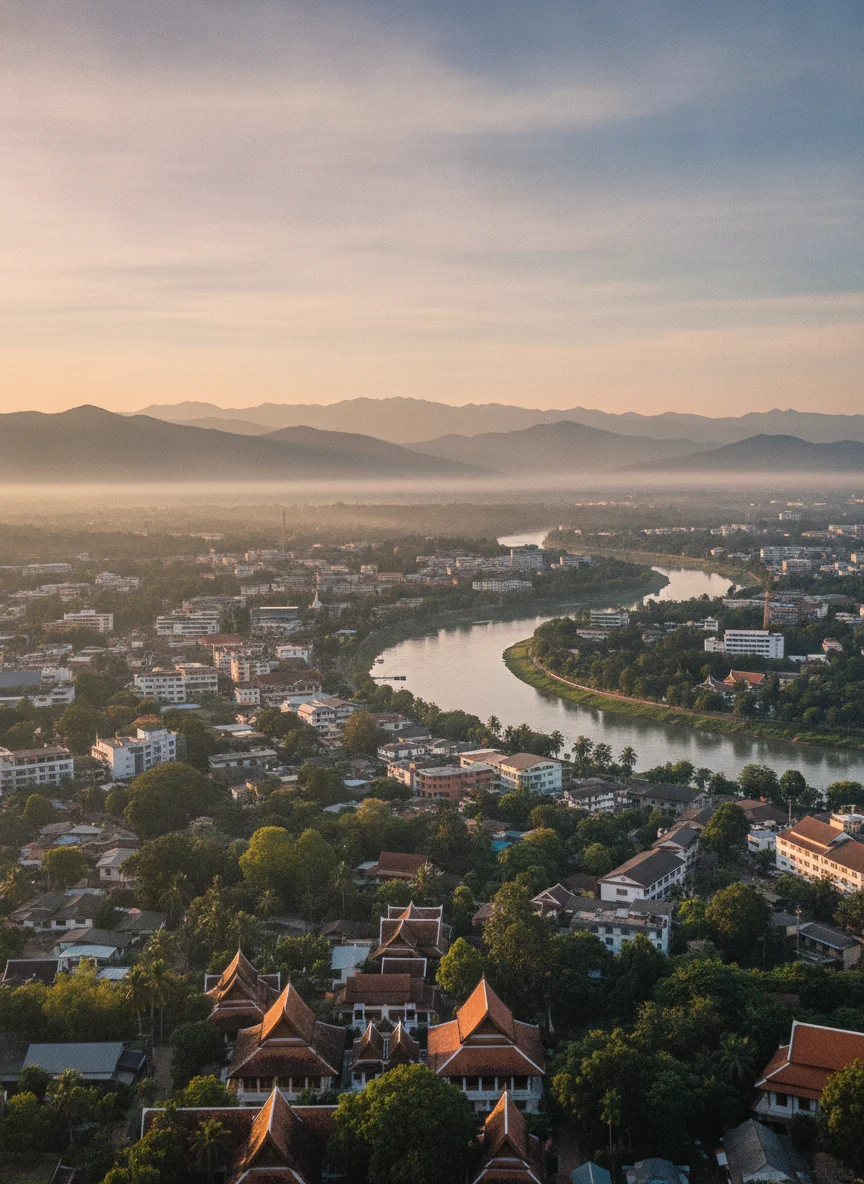
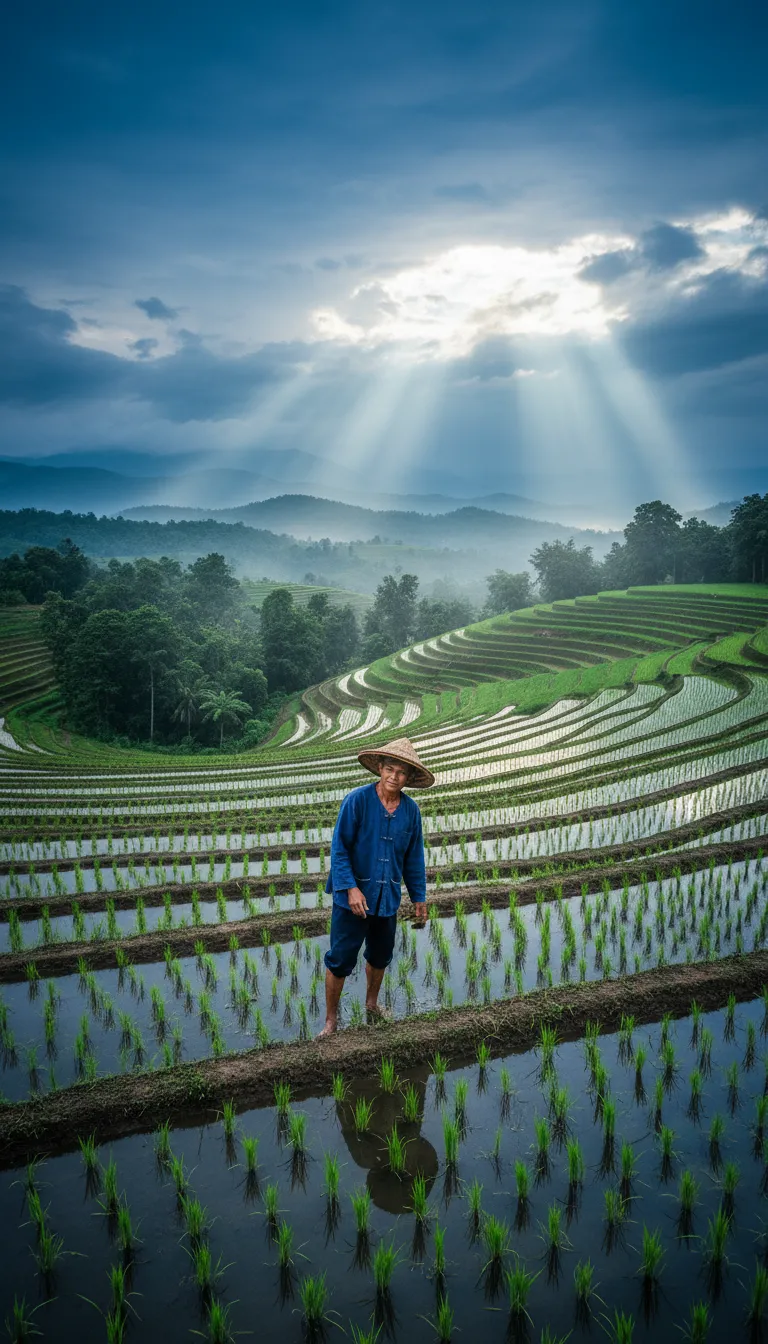
Chiang Rai City offers a slow, grounded atmosphere that contrasts sharply with the commercial energy of Chiang Mai, located some 200 kilometres to the southwest. The geographical setting in the fertile Kok River basin keeps the city flat and highly walkable, though the horizon is dominated by the dramatic peaks of the Daen Lao Range. This geographical containment has fostered a highly independent artistic identity. Local life moves at a quiet pace, revolving around early morning markets and slow evenings by the river. The small but tight-knit expat community of roughly 2,500 people consists largely of retired professionals, writers, and NGO workers who prefer the cheaper rents and peaceful streets to the crowded tourist hubs further south. While the dry season from November to February brings cooler evening temperatures, the city retains its slow, provincial character throughout the year. It remains free from the heavy traffic congestion that plagues other Thai hubs. You will find that locals are exceptionally welcoming and proud of their Lanna heritage. This makes daily interactions warm and straightforward. For visitors, this translates to an unhurried, authentic experience where you can observe daily northern Thai life without the pressure of aggressive street vendors.
Discover northern Thailand's artistic capital with this honest Chiang Rai travel guide. Find the best temples, local food, and boutique stays.
Plan to spend your first afternoon simply walking the grid of streets between Jet Yod Road and the river to adapt to the city's relaxed physical tempo.
Architectural Masterpieces and Historic Landmarks
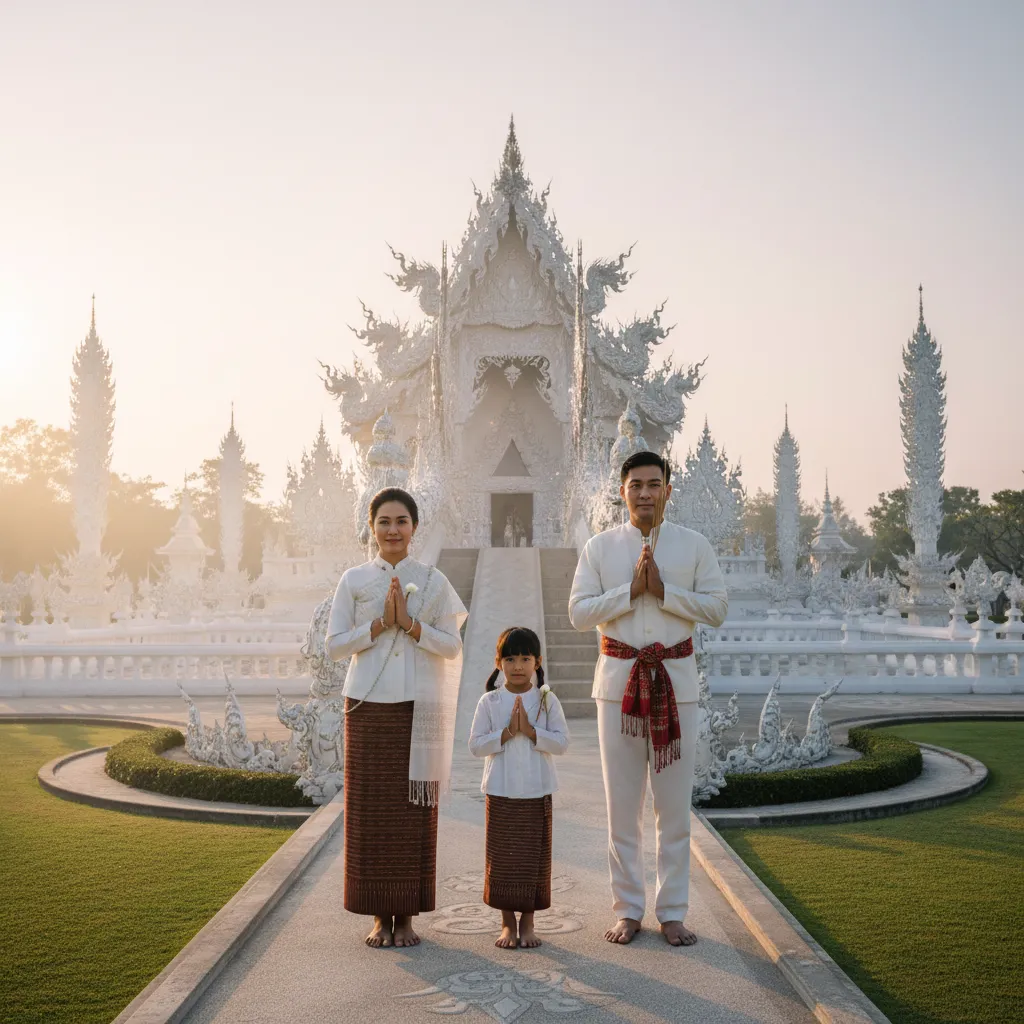
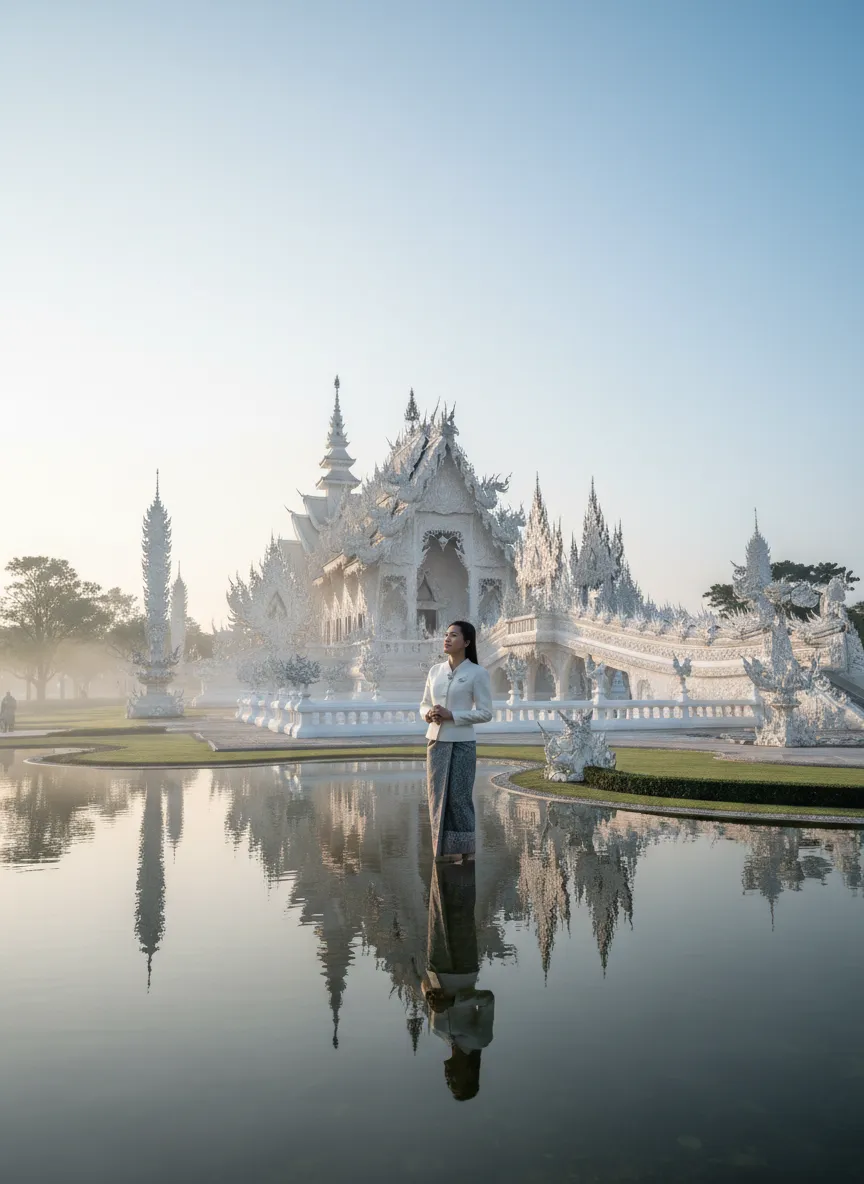
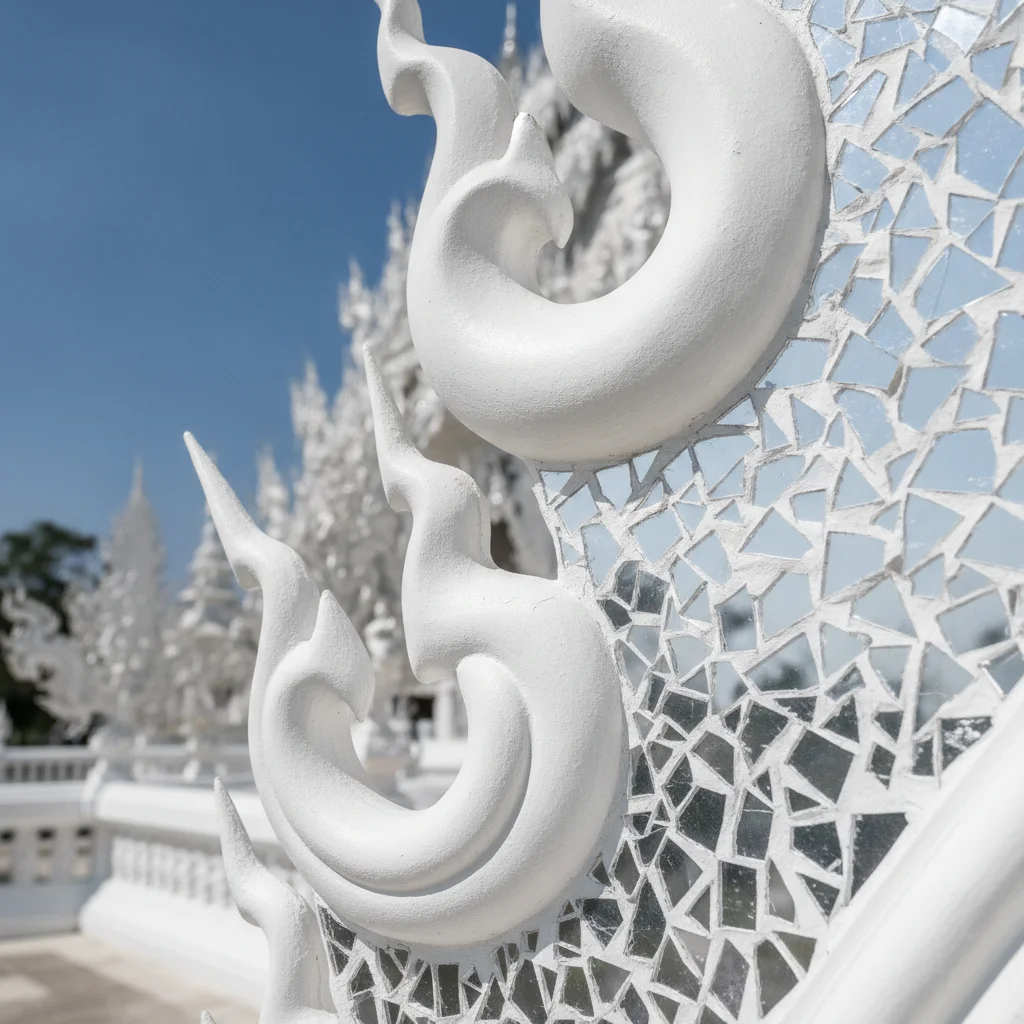
The architecture of Chiang Rai represents a bold, contemporary reimagining of traditional Buddhist themes led by visionary local artists. The city is globally recognised for Wat Rong Khun, known to international travellers as the White Temple, located 13 kilometres south of the centre. Designed by Chalermchai Kositpipat, this striking white plaster structure is decorated with pieces of mirrored glass that catch the light, symbolising the purity of the Buddha. To the north of the city lies the Baandam Museum, or Black House, created by Thawan Duchanee, which features a collection of dark wooden structures housing animal bones and skins. Closer to the city centre, the bright indigo walls of Wat Rong Suea Ten, the Blue Temple, present an equally dramatic visual experience. For historical grounding, the King Mengrai Monument on the five-way intersection pays tribute to the founder of the city and serves as a local shrine. These landmarks are easily accessible via local transport, with entry fees ranging from free for temples to 100 THB (£2.30) for foreign visitors at the White Temple.
Visit the White Temple at 8:00 AM sharp to avoid the tour buses that arrive from Chiang Mai later in the morning.
Northern Culinary Specialties and Dining Spots
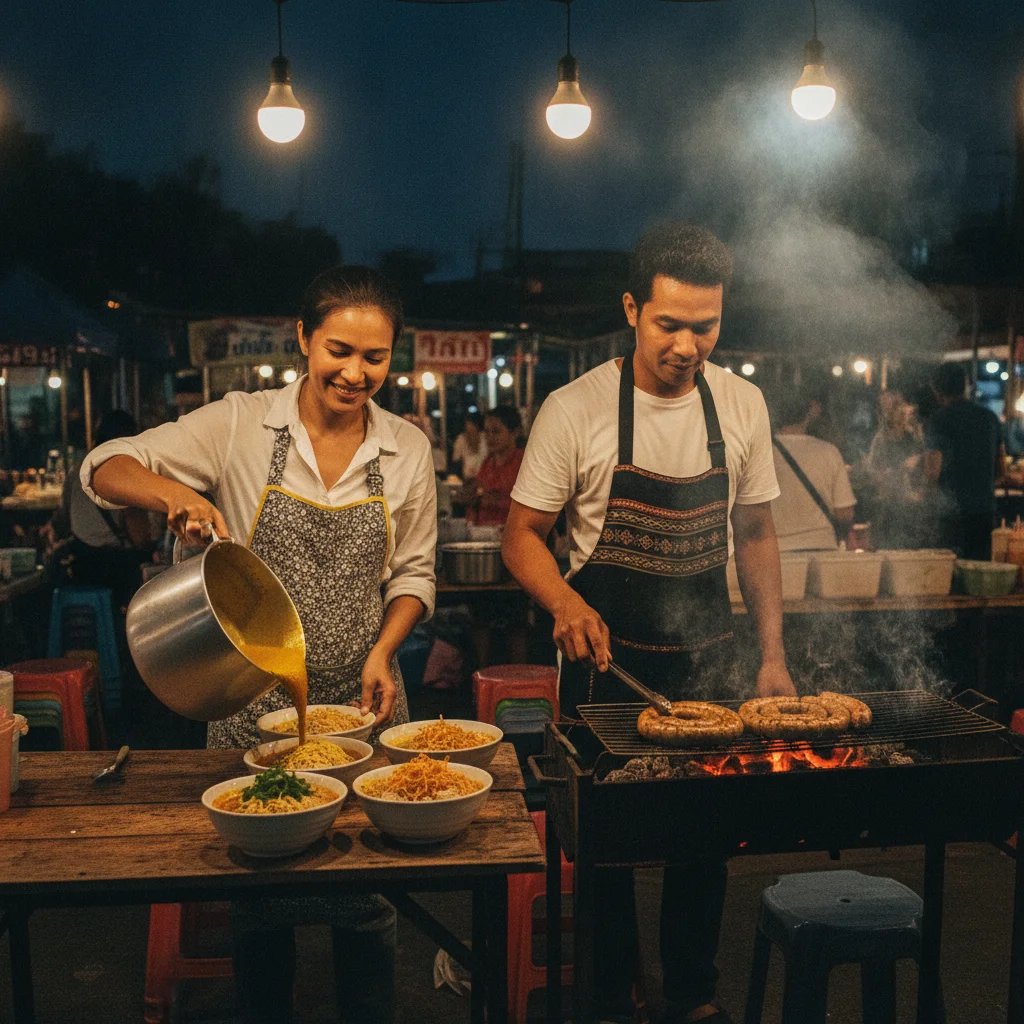
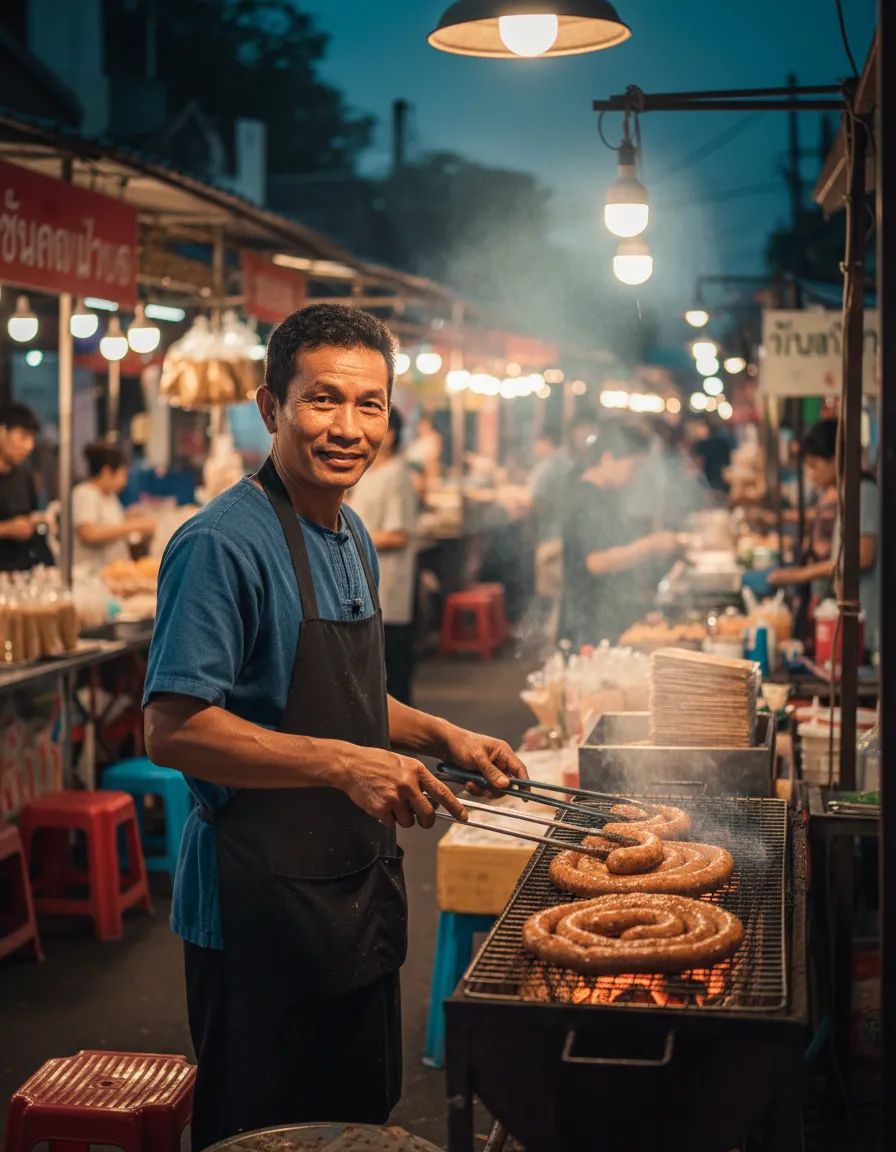
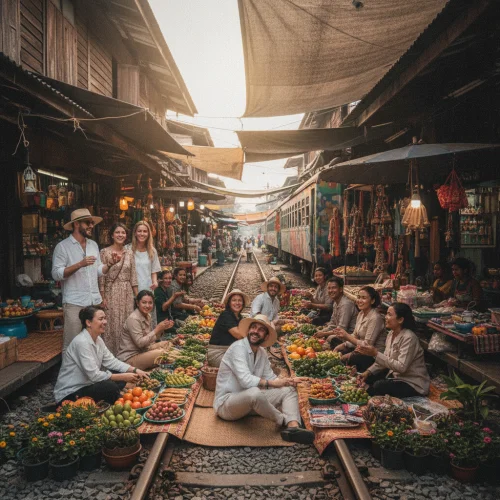
The culinary scene in Chiang Rai is defined by robust northern flavours that rely heavily on fresh mountain herbs, pork, and slow-cooked curries. The most famous dish here is khao soi, a yellow coconut curry noodle soup topped with crispy fried noodles and served with pickled mustard greens, raw shallots, and lime. You can find excellent bowls of this at local eateries for around 50 THB (£1.15). For a sit-down dining experience that introduces northern Lanna cuisine to international visitors, Barrab Restaurant near the Clock Tower serves high-quality local specialities including sai oua (spiced northern sausage) and nam prik ong (a pork and tomato dipping paste) with steamed vegetables. In the evening, the Chiang Rai Night Bazaar next to the bus terminal becomes the focal point for dining. Here, hundreds of wooden tables are surrounded by small food stalls selling hot pots, grilled fish, and local beers. The atmosphere is social and unpretentious, with prices that remain remarkably low compared to southern Thailand.
Head to the Night Bazaar around 7:00 PM to secure a table near the stage for the free traditional dance performances.
Accommodation Options Across All Budgets
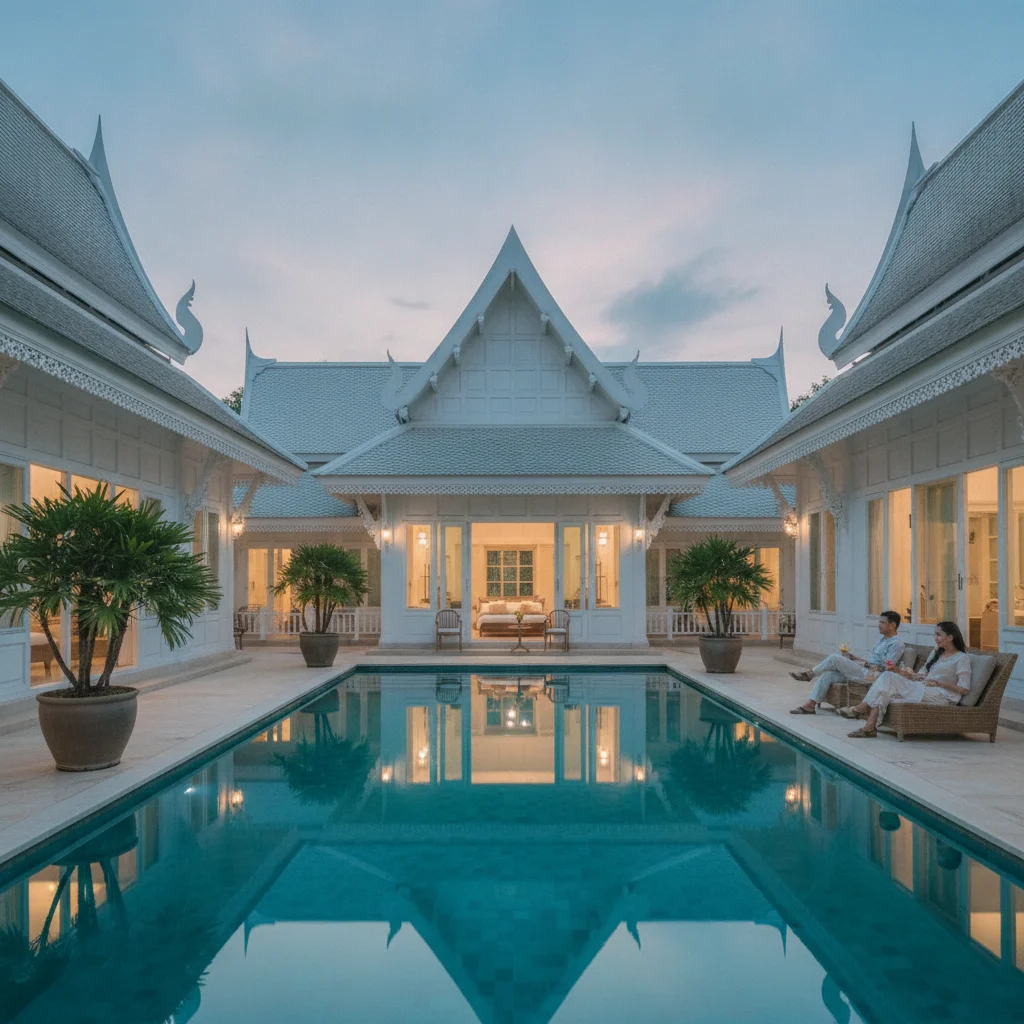
Finding the right base in Chiang Rai is straightforward as the city offers an excellent range of well-run properties that represent exceptional value for money. Budget travellers are well catered for at Spinomad Hostel, an exceptionally clean, design-focused hostel near the town centre where dorm beds start from 350 THB (£8.00) per night. If you prefer mid-range comfort, the Mora Boutique Hotel features stylish rooms with Lanna-inspired timber accents, a small swimming pool, and exceptional service starting at 2,500 THB (£57.00) per night. For those seeking luxury, The Riverie Chiang Rai sits on an island in the Kok River, offering five-star amenities, a massive swimming pool, and panoramic river views from 4,500 THB (£103.00) per night. The compact nature of the city means that wherever you stay, you are rarely more than a fifteen-minute walk or a short ride from key dining and cultural locations. Many boutique properties also provide complimentary bicycles, which are ideal for exploring the quiet, flat residential lanes.
| Accommodation Name | Style and Tier | Average Price per Night (THB) | Key Feature |
|---|---|---|---|
| Spinomad Hostel | Budget Design Hostel | 350 - 500 THB (£8 - £11) | Central location, modern cafe onsite |
| Mora Boutique Hotel | Mid-Range Boutique | 2,500 - 3,500 THB (£57 - £80) | Lanna styling, courtyard pool, free afternoon tea |
| The Riverie Chiang Rai | Upscale Riverfront Resort | 4,500 - 6,500 THB (£103 - £150) | Kok River views, expansive pool, rooftop dining |
| Nak Nakara Hotel | Mid-Range Family Hotel | 1,800 - 2,500 THB (£41 - £57) | Colourful interiors, outdoor pool, near Night Bazaar |
Book a mid-range boutique hotel within the central grid to enjoy easy walking access to both daytime cafes and evening markets.
Art Galleries and Local Creative Spaces
Chiang Rai has established itself as a major hub for contemporary Thai art, supported by a large community of resident creatives. The city's creative movement is anchored by Art Bridge Chiang Rai, an artist-run gallery located just north of the city near the airport. This space hosts rotating exhibitions featuring paintings, sculptures, and mixed-media installations by both established northern masters and emerging local students. Visiting this gallery is free, and it features an excellent riverside cafe where you can discuss the art over locally grown Arabica coffee. Smaller independent studios are tucked away in the lanes around Chatyot Road, where local painters often welcome visitors to watch them work. This creative environment is deeply influenced by the late Thawan Duchanee and Chalermchai Kositpipat, who have inspired a new generation of artists to merge traditional Lanna folklore with modern, sometimes provocative themes.
Spend a rainy morning exploring Art Bridge Chiang Rai to understand the social and political themes driving the contemporary northern art scene.
How to Get to Chiang Rai and Get Around
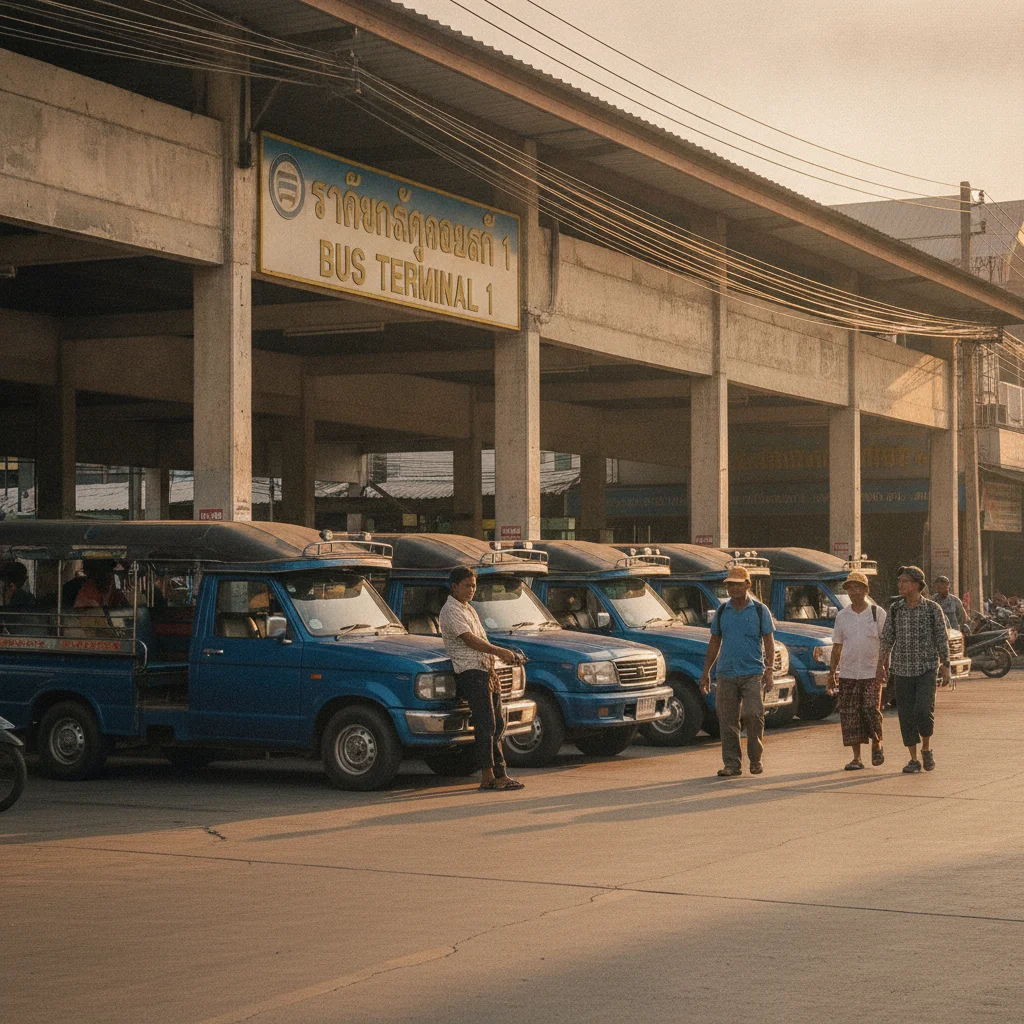
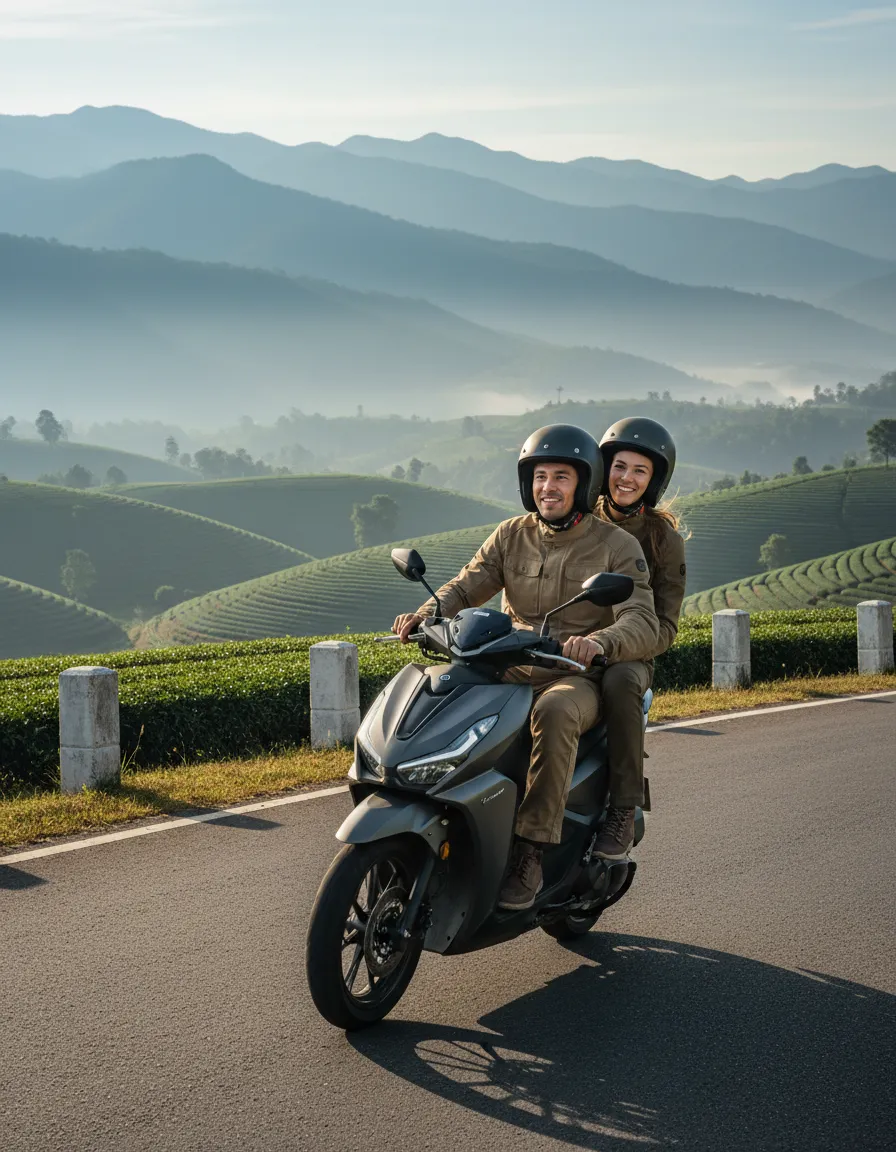
Reaching Chiang Rai is simple, with Mae Fah Luang Chiang Rai International Airport (CEI) located eight kilometres north of the city centre. Direct flights from Bangkok's Don Mueang or Suvarnabhumi airports take approximately one hour and fifteen minutes, with budget carriers offering tickets from 1,200 THB (£27) one way. If you prefer overland travel, VIP buses depart from Bangkok's Mo Chit Bus Terminal, taking about twelve hours for approximately 750 THB (£17). Once you arrive, navigating the flat streets of Chiang Rai is highly manageable. For short trips within the city centre, a traditional cycle-rickshaw or a tuk-tuk will cost between 60 to 100 THB (£1.40 to £2.30). Blue songthaews operate on set routes to outer attractions like the White Temple for 20 THB (£0.46). Alternatively, renting a 125cc scooter from a reputable local agency like Chiang Rai Big Bike Rentals costs around 250 THB (£5.70) per day, which gives you complete freedom to explore the surrounding valley.
Daily Costs and Holiday Budgeting
Chiang Rai remains one of the most affordable destinations in Thailand, offering excellent value for money compared to southern islands or even nearby Chiang Mai. A budget traveller can easily manage on 800 THB (£18) per day, which covers a hostel bed, street food meals, and public songthaew transport. Mid-range travellers spending around 2,500 THB (£57) per day can enjoy a comfortable boutique hotel room, sit-down meals at established restaurants, a scooter rental, and entrance fees to the main temples. For those seeking comfort, a budget of 5,500 THB (£126) per day allows for a five-star riverside resort stay, private air-conditioned taxi transfers, fine dining, and guided private tours.
| Item | Budget (THB) | Mid-Range (THB) | Notes |
|---|---|---|---|
| Daily Accommodation | 350 THB | 2,500 THB | Hostel dorm vs mid-range boutique hotel |
| Meals (Three per day) | 150 THB | 600 THB | Street food stalls vs mid-range restaurants |
| Local Transport | 40 THB | 250 THB | Songthaews vs daily scooter rental with fuel |
| Activities and Entry Fees | 50 THB | 300 THB | Free temples vs guided museum tours and White Temple |
Who Should Visit Chiang Rai City
Chiang Rai is ideally suited to slow-travel enthusiasts, cultural explorers, and active retirees who appreciate art, history, and a relaxed daily pace. It is a fantastic destination for digital nomads who require reliable internet and quiet workspaces without the expensive price tag of larger cities. However, this destination is not suitable for travellers seeking high-energy nightlife, beach activities, or extensive shopping malls. If your holiday priorities involve late-night clubbing, luxury brand shopping, or coastal scenery, you will likely find the provincial quietness of Chiang Rai disappointing.
Essential Knowledge Before Your Visit
First, the burning season from mid-February to April heavily affects air quality in the region. Agricultural burning causes thick haze, so you should avoid planning your trip during these months if you have respiratory issues. Second, conservative dress is strictly enforced at all major temples. You must cover your shoulders and knees to gain entry, particularly at the visually dramatic White and Blue temples. Third, the city shuts down surprisingly early compared to southern destinations. Most local restaurants and market stalls close by 9:00 PM, meaning you should plan your evening meals earlier than usual. Fourth, cash remains the dominant payment method for daily transactions. While hotels and upscale restaurants accept cards, you will need physical notes for markets, street food, and songthaews.
Practical Advice for First-Time Visitors
Time your evening walk
Plan to be at the golden clock tower intersection at exactly 7:00 PM, 8:00 PM, or 9:00 PM. This is when the light and sound show begins, turning the monument into a display of changing colours accompanied by traditional music.
Carry small bank notes
Always keep 20 and 100 THB notes handy when using local transport. Songthaew drivers and tuk-tuk operators rarely have change for large 1,000 THB notes.
Download the Grab application
Use the Grab ride-hailing app to secure fair prices for rides across town. This avoids the need to negotiate fares with local drivers who may overcharge tourists.
Rent a scooter with insurance
Ensure your rental agreement includes comprehensive insurance before riding into the surrounding hills. Mountain roads can be steep and unpredictable, making proper coverage essential.
Visit the fresh markets early
Wake up at 6:00 AM to explore the Municipal Market near Sanambin Road. This is when local hill tribe vendors arrive to sell fresh mountain produce and flowers.
Stay central for walking access
Choose accommodation within the grid defined by Phaholyothin Road and Sanambin Road. This keeps you within easy walking distance of the best dining options and the Night Bazaar.
Check museum opening days
Confirm the opening schedule for the Baandam Museum before travelling north. It occasionally closes for private Lanna cultural events or maintenance.
Chiang Rai City At-A-Glance
| Item | Detail | Notes |
|---|---|---|
| Location Name | Chiang Rai City | Capital of Chiang Rai Province |
| Province | Chiang Rai | Northernmost province in Thailand |
| Region | Northern Thailand | Lanna cultural region |
| Nearest Major City | Chiang Mai | Located 200 km to the southwest |
| Nearest Airport | Mae Fah Luang Chiang Rai Airport | 8 km north of the city centre |
| Distance from Bangkok | 800 kilometres | Approximately 1 hour 15 minutes by flight |
| Typical Visit Duration | 3 to 4 days | Allows time for city sights and day trips |
| Best Time to Visit | November to February | Cooler dry season with pleasant temperatures |
| Average Daily Budget | 1,500 THB (£34) | Comfortable mid-range standard |
| Currency Accepted | Thai Baht (THB) | Cash preferred for local vendors |
| Language | Thai (Northern Lanna dialect) | English widely understood in tourist spots |
| Primary Transport | Scooter, Tuk-Tuk, Songthaew | Highly walkable city centre |
| Notable Landmarks | Wat Rong Khun, Baandam Museum | Famous artistic monuments |