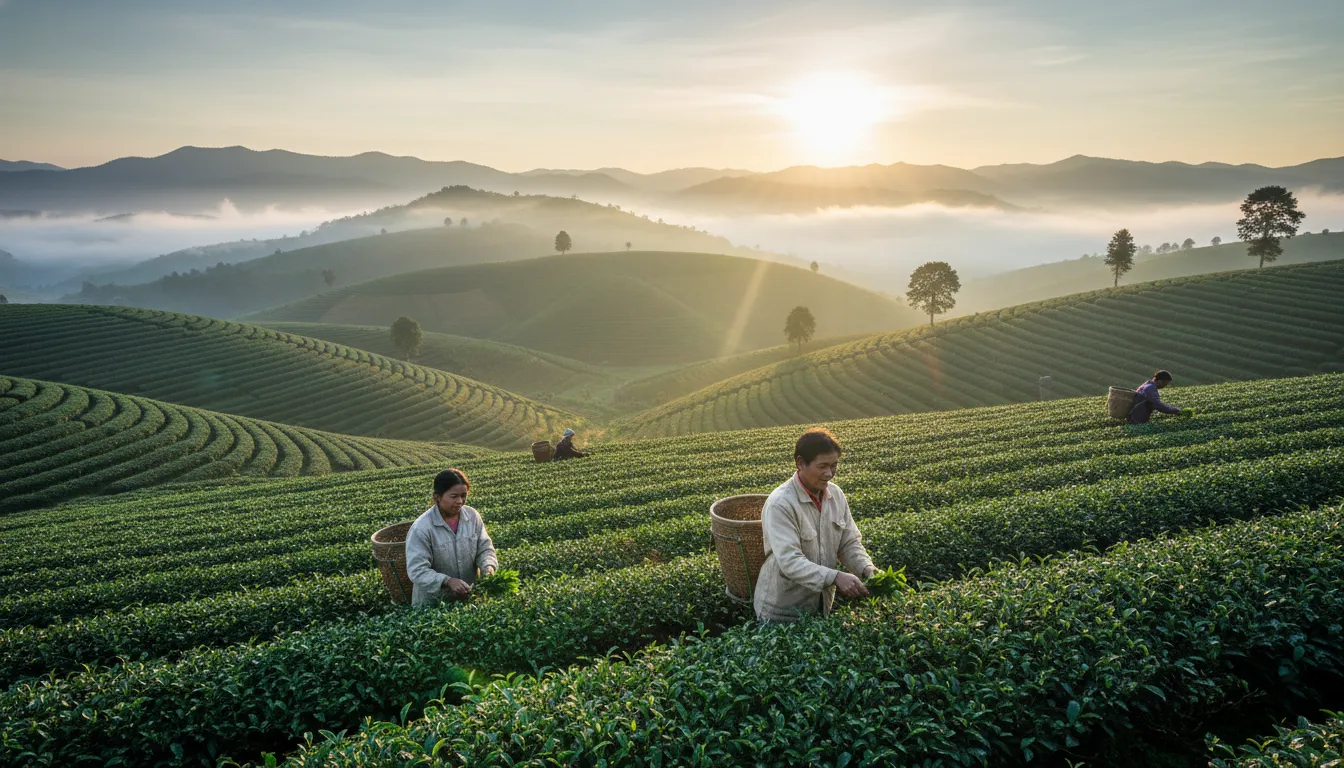
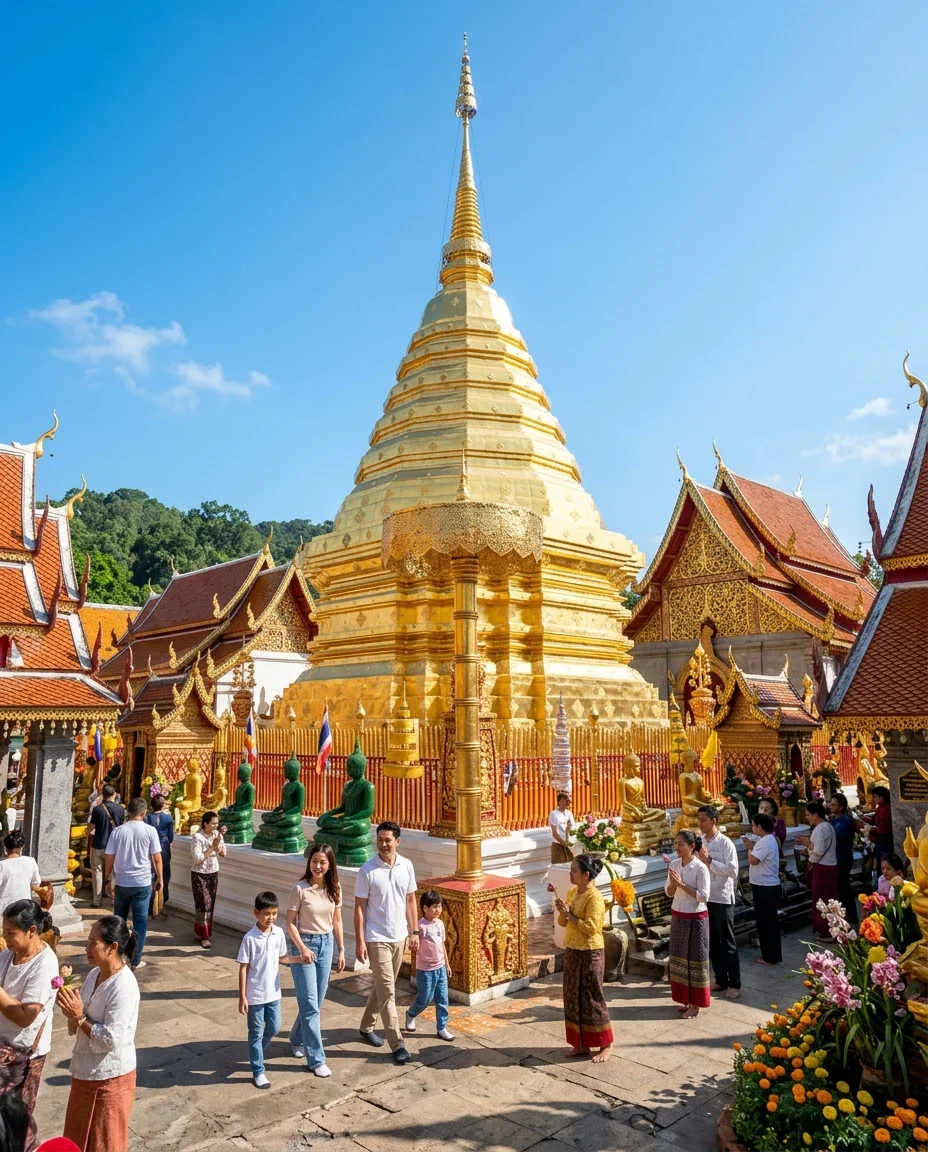
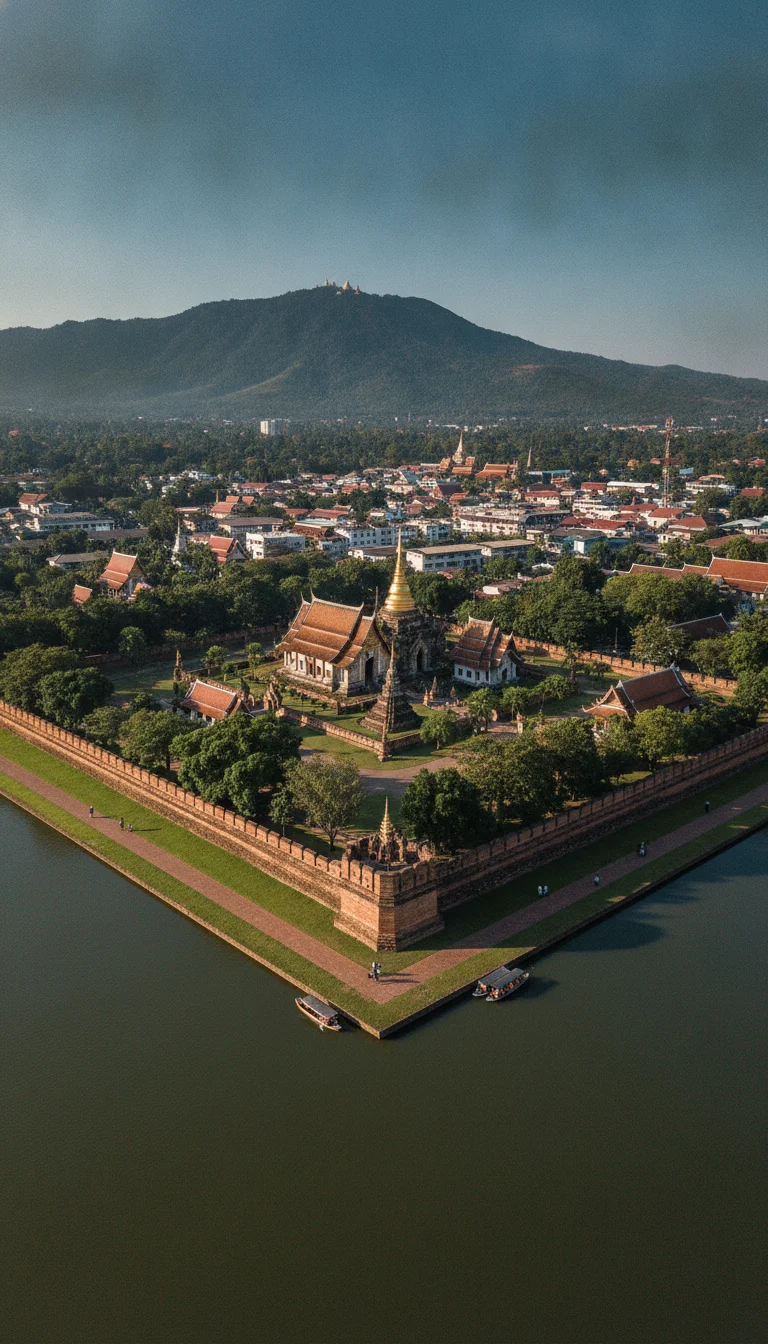
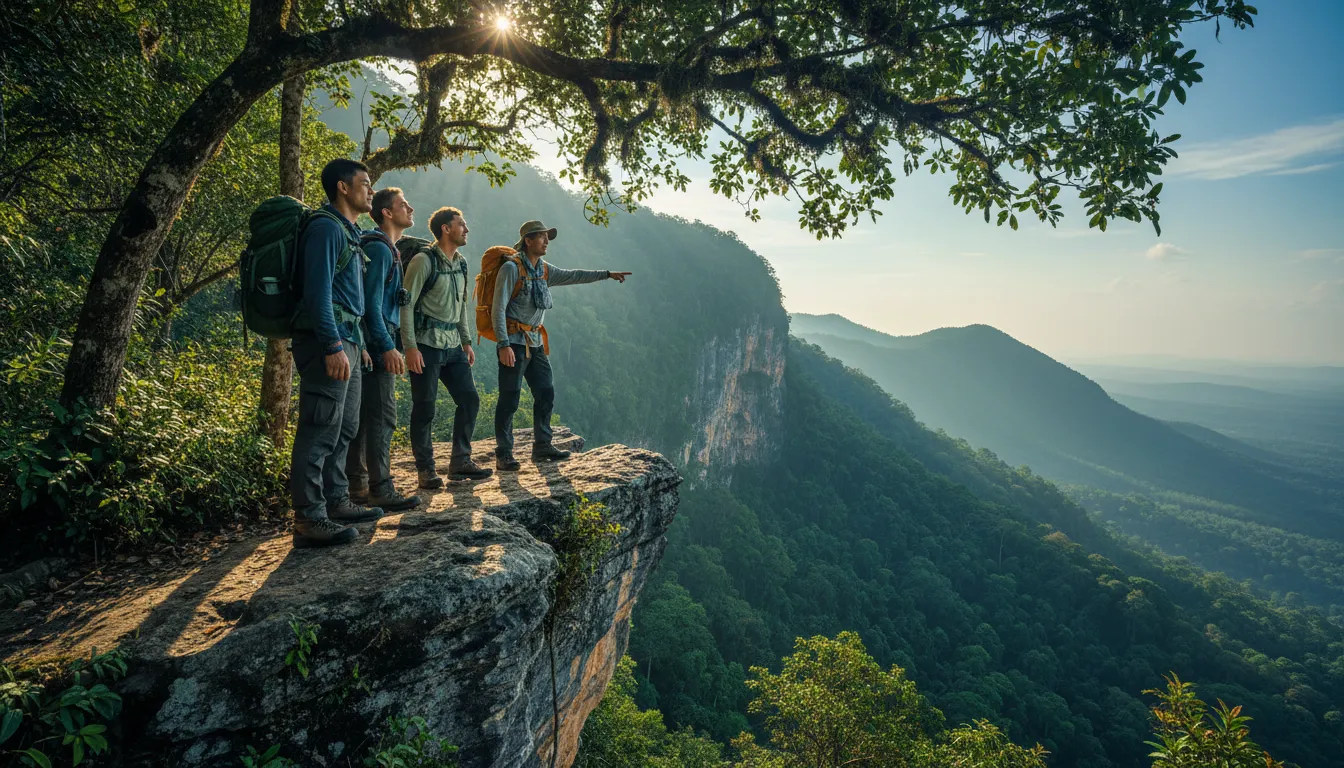
Up here in the far north, the elevation genuinely shifts the climate, granting you something practically unheard of in the rest of the country: a winter where you might actually need a jumper.
The annual agricultural fires do cast a heavy haze over the valleys in early spring, but time your trip right, and you are rewarded with Thailand’s most dramatic mountain silhouettes and a world-class local coffee culture.
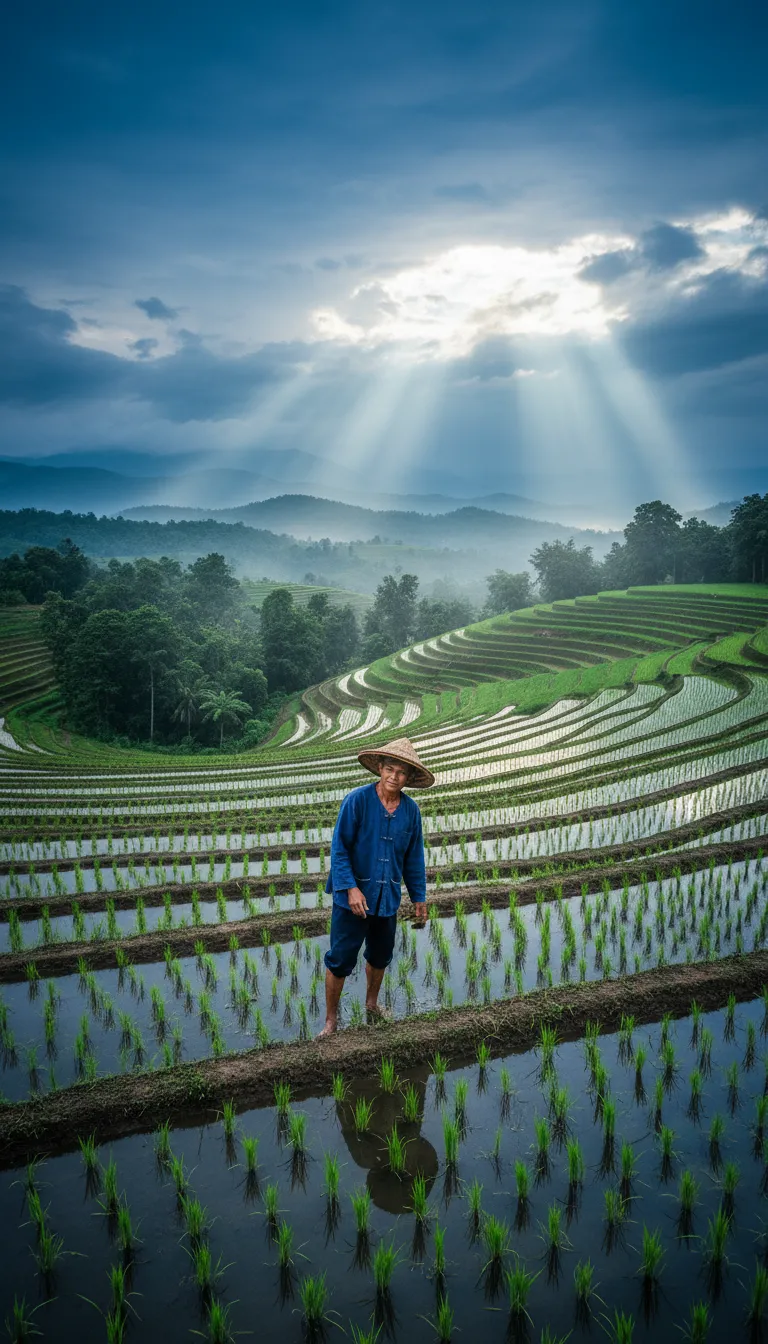
The year kicks off with the Cool Season from November to February, hitting its glorious peak in December and January. Daytime temperatures hover around a highly civilised 26°C, but nights plunge to 10°C to 14°C. Up on Doi Tung, it can even drop into single digits. It feels almost Mediterranean. Then comes the Hot Season from March through May. April is the absolute peak. The thermometer routinely smashes 38°C, and the air becomes incredibly dry. The April heat isn't just hot; it's a physical weight that demands respect and a strategic retreat to an air-conditioned cafe by noon. Finally, the Rainy Season rolls in from June to October. Temperatures drop back to a manageable 31°C by day and 23°C by night, but the humidity skyrockets. Rather than a miserable slog, this is when the northern landscapes truly wake up. The rice paddies turn an electric, neon green that you simply have to see to believe.
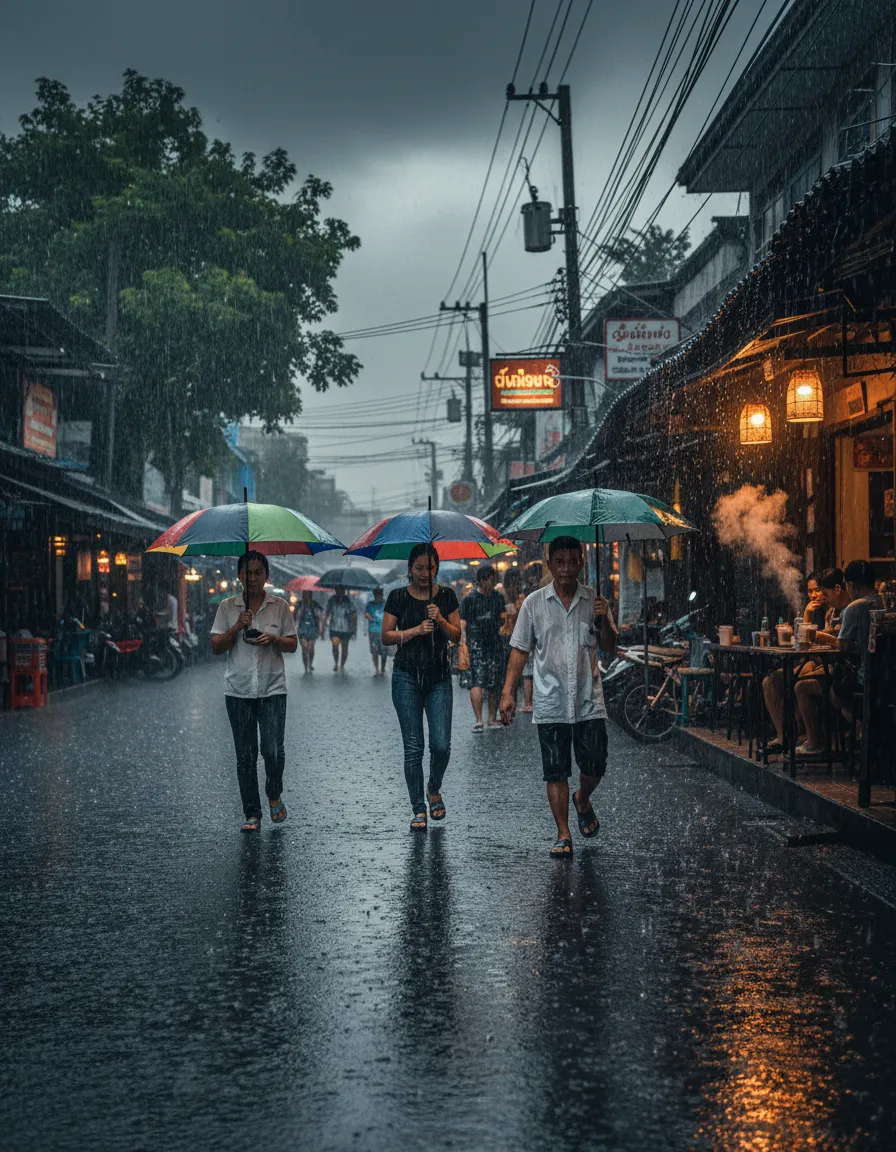
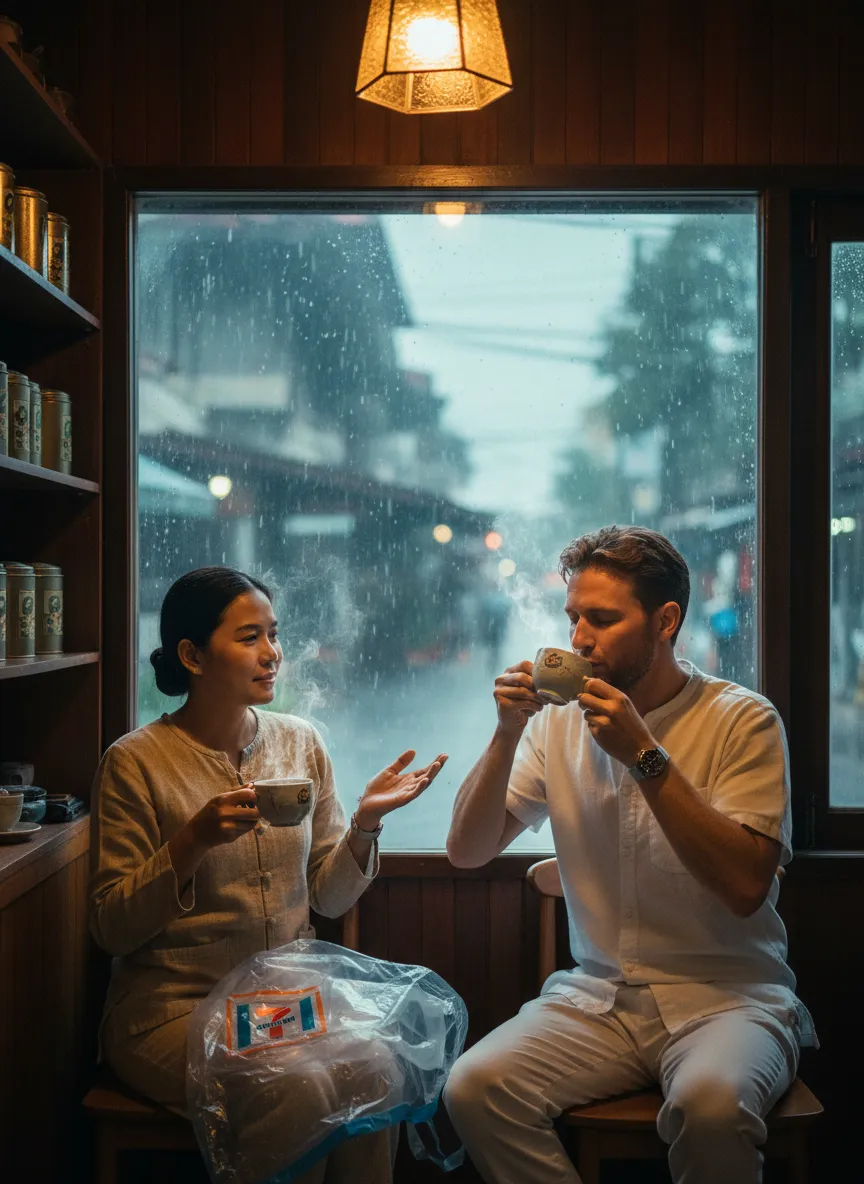
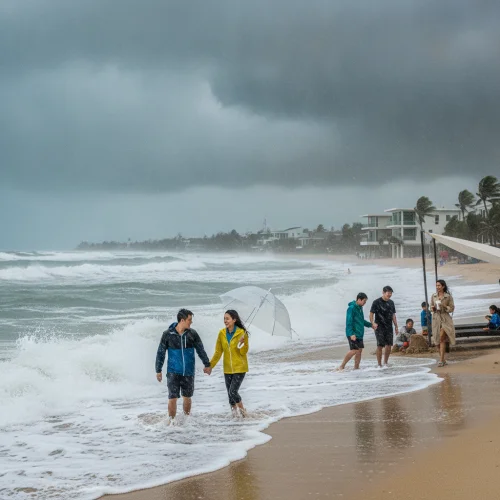
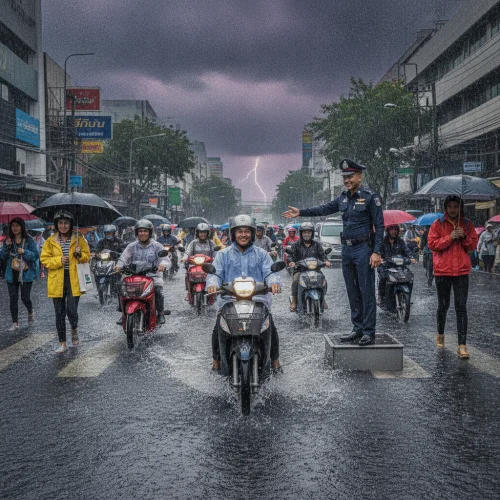
Northern rain rarely acts like a relentless British drizzle. Instead, from July to September, the monsoon builds up an oppressive humidity before dumping a theatrical, sky-cracking deluge around 4 PM. It usually lasts an hour or two, washing the dust away and leaving the evening air wonderfully cool. August and September bring the highest risk of the Kok River bursting its banks, which occasionally floods low-lying roads and makes the steep, twisting drive up to Mae Salong a bit too slick for comfort on a scooter. Don't let it ruin your plans. Simply duck into a local tea house and wait it out. If you get caught out, a standard plastic poncho from 7-11 will cost you 45 THB (GBP 1.05), which is a far better investment than a flimsy umbrella that the mountain winds will immediately turn inside out.
AIR QUALITY
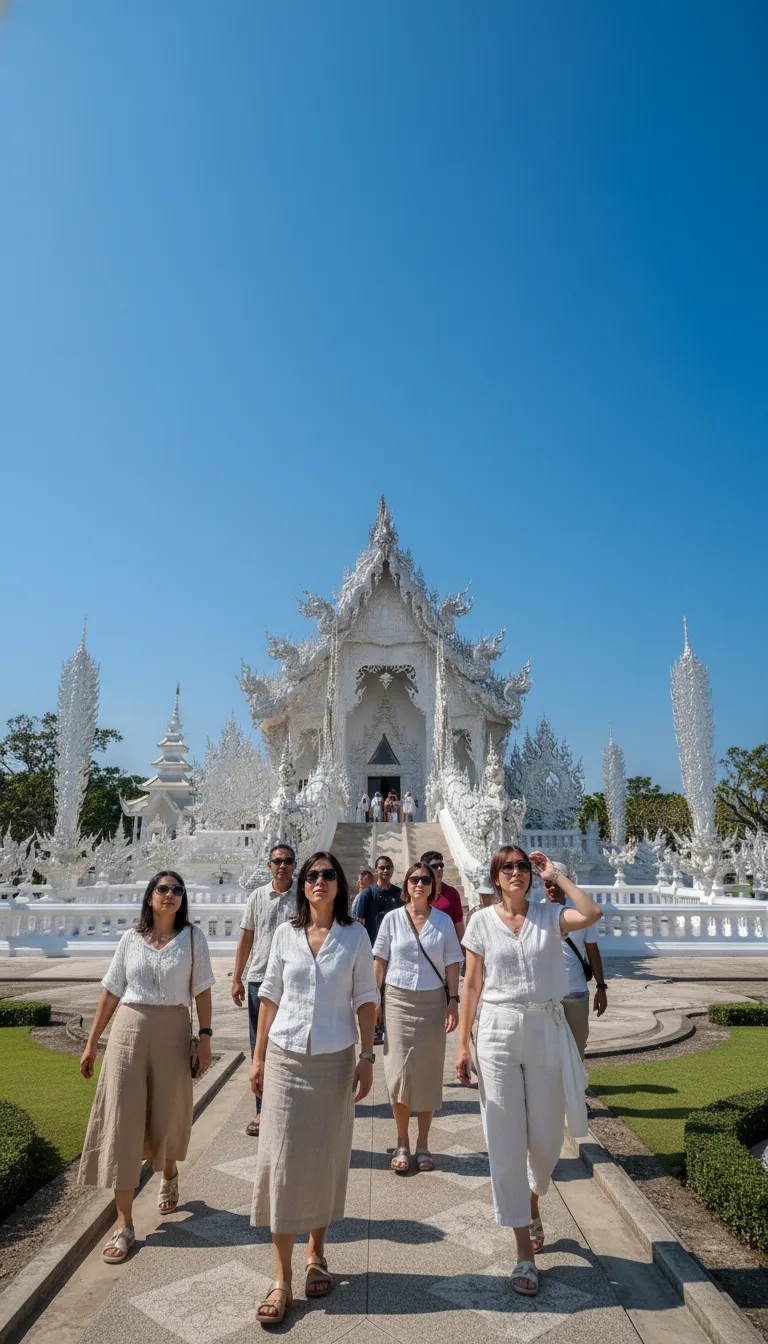
We need to talk frankly about the "Burning Season." From late February through April, agricultural fires across the region and neighbouring borders push the AQI to hazardous levels, often exceeding 200. The mountain views completely disappear behind a thick smog, and your throat will undoubtedly sting after an hour outside. Thankfully, an excellent 3M N95 mask costs just 60 THB (GBP 1.40) at any local pharmacy. If you happen to be here when the air turns sour, your best escape strategy is to hire a car and head to the cavernous, heavily air-conditioned galleries of the White Temple.
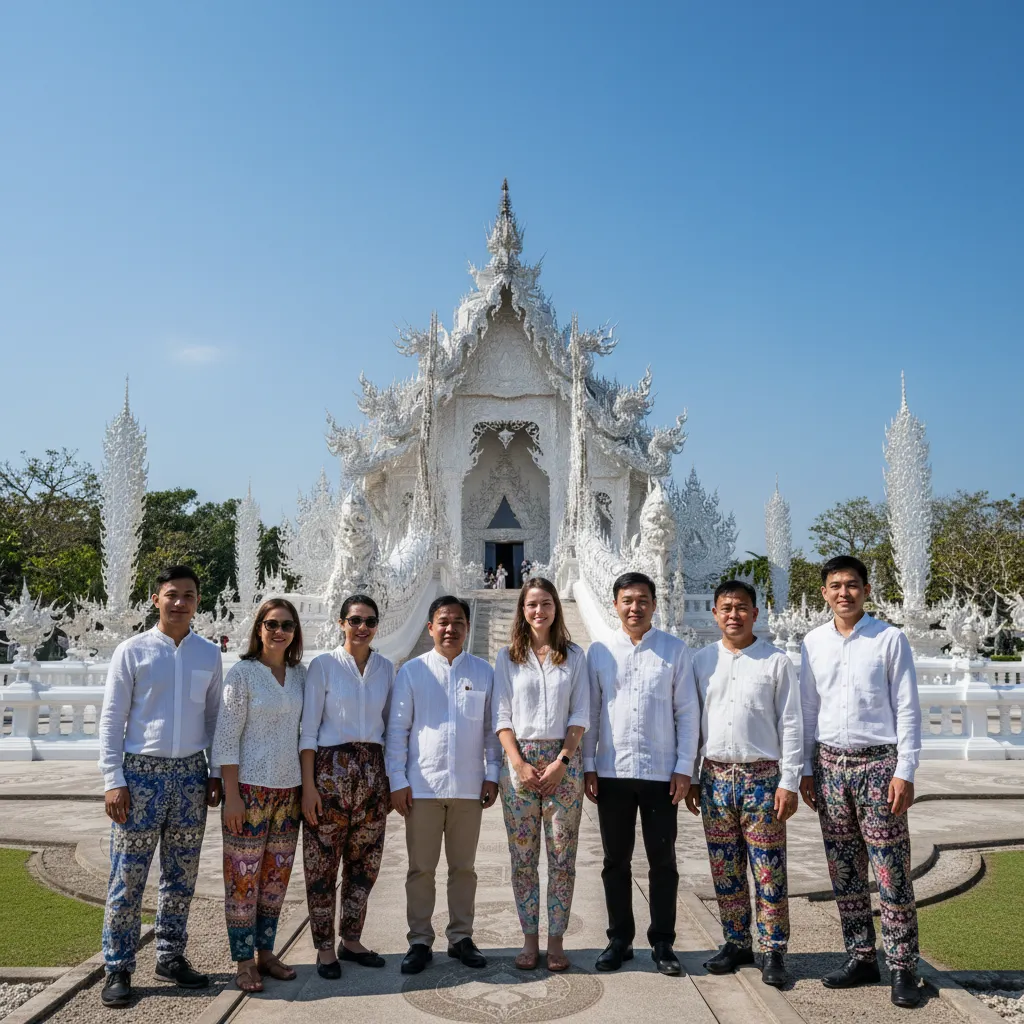
Leave the heavy denim jeans and polyester tops in the UK. Up here, a polyester shirt in 35°C heat functions exactly like a personal sauna, and you will be miserable within minutes. Pack loose linen and breathable cotton instead. The UV index is brutal, even on cloudy monsoon days. A decent bottle of high-SPF sunscreen like Nivea or Banana Boat costs an extortionate 490 THB (GBP 11.40) in local supermarkets, so absolutely bring a large bottle from home. You will be visiting a lot of temples, which strictly require covered knees and shoulders. Rather than sweltering in trousers all day, wear light shorts and carry a cheap cotton sarong or buy a pair of "elephant pants" at the night bazaar for 100 THB (GBP 2.35) to slip over your legs at the entrance.
The northern heat will strip your energy incredibly fast if you aren't careful. Counteract the sweating by picking up Royal-D electrolyte sachets at any 7-11 for just 7 THB (GBP 0.16) each; mix one into your water bottle daily. Schedule your temple runs and mountain treks for 8 AM, then embrace the local tradition of a midday rest until the shadows lengthen around 4 PM. Because this province is heavily forested and mountainous, mosquitoes are an aggressive reality year-round. Buy a local DEET spray immediately upon arrival to ward off the risk of dengue fever.
BEST TIME TO VISIT
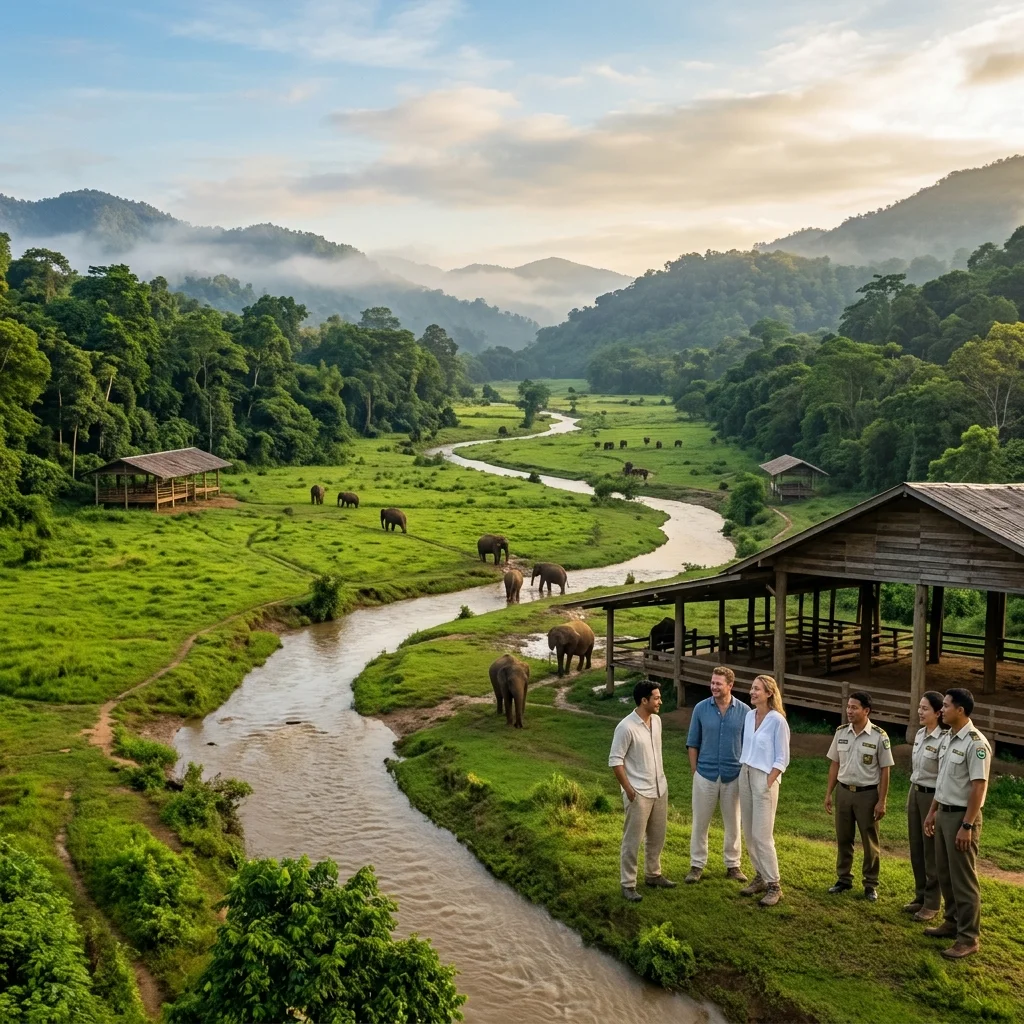
The absolute Goldilocks window is December to January, when the skies are sharp blue and the evenings require a light sweater. However, the true secret month is November. The heavy tourist crowds haven't yet arrived, the rivers are full, and the recent monsoon leaves the mountains draped in a spectacularly lush, dust-free green.