Unlike the dense public transit networks found further south, getting around this northern province relies heavily on your own two wheels or hired drivers.
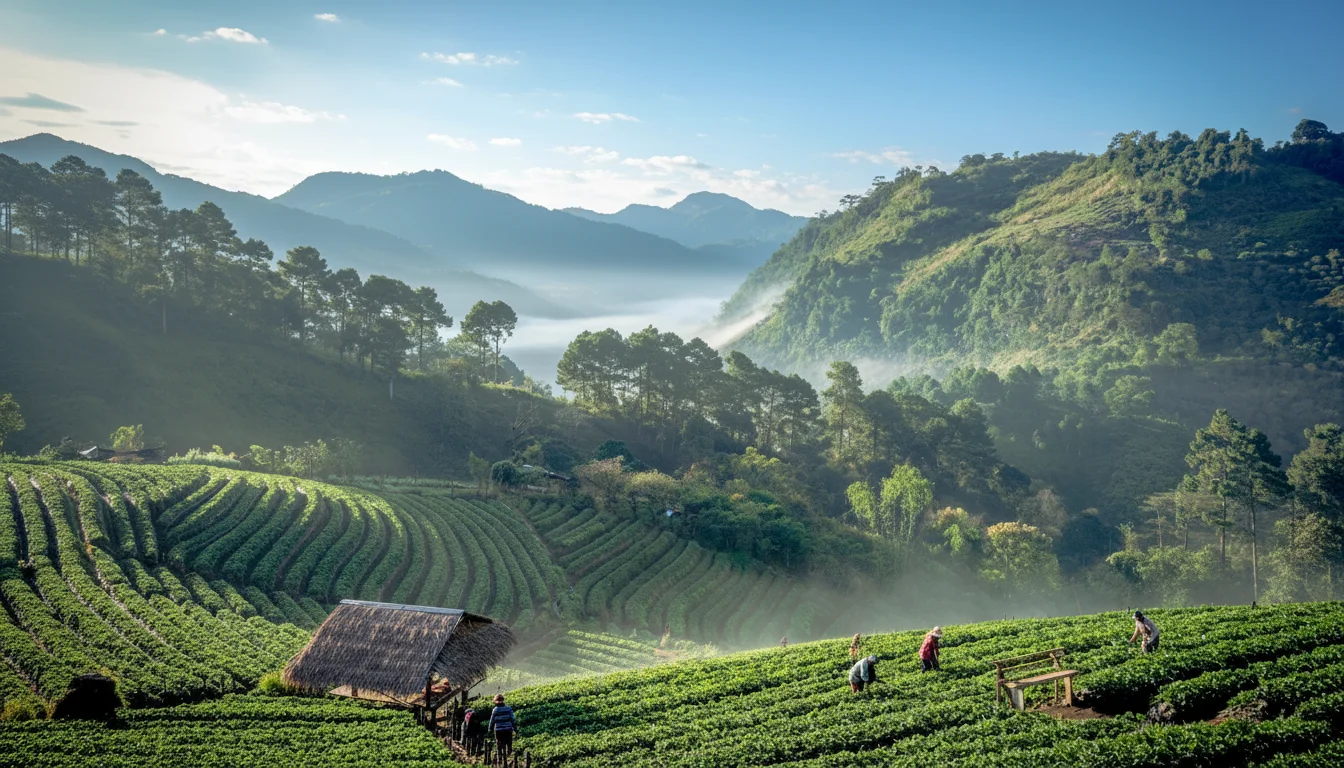
You will spend a fair bit of time on the road here because the best sights are scattered across wide, mountainous terrain. The payoff is absolute magic. You get to explore extraordinary contemporary temples and mist-draped tea plantations long before the crowded tour buses arrive from neighbouring provinces.
Flying from the UK requires a change in Bangkok, as there are no direct international flights to this northern outpost. Thai Airways and EVA Air run reliable overnight routes from Heathrow to Suvarnabhumi taking around eleven hours, costing roughly 28,000 THB (£650) return. From Bangkok, you have two distinct choices. Domestic flights with Thai Vietjet or AirAsia take a breezy 90 minutes and cost around 1,500 THB (£35) one-way. Watch out for their steep checked baggage fees, which often double the ticket price at checkout if you forget to add luggage during the initial booking. Alternatively, the Sombat Tour VIP overnight bus from Bangkok's Mo Chit terminal takes an exhausting thirteen hours but costs just 850 THB (£20). The bus features surprisingly wide reclining seats and includes a midnight noodle stop, making it a cracking option if you want to save a night's accommodation fee while you travel.
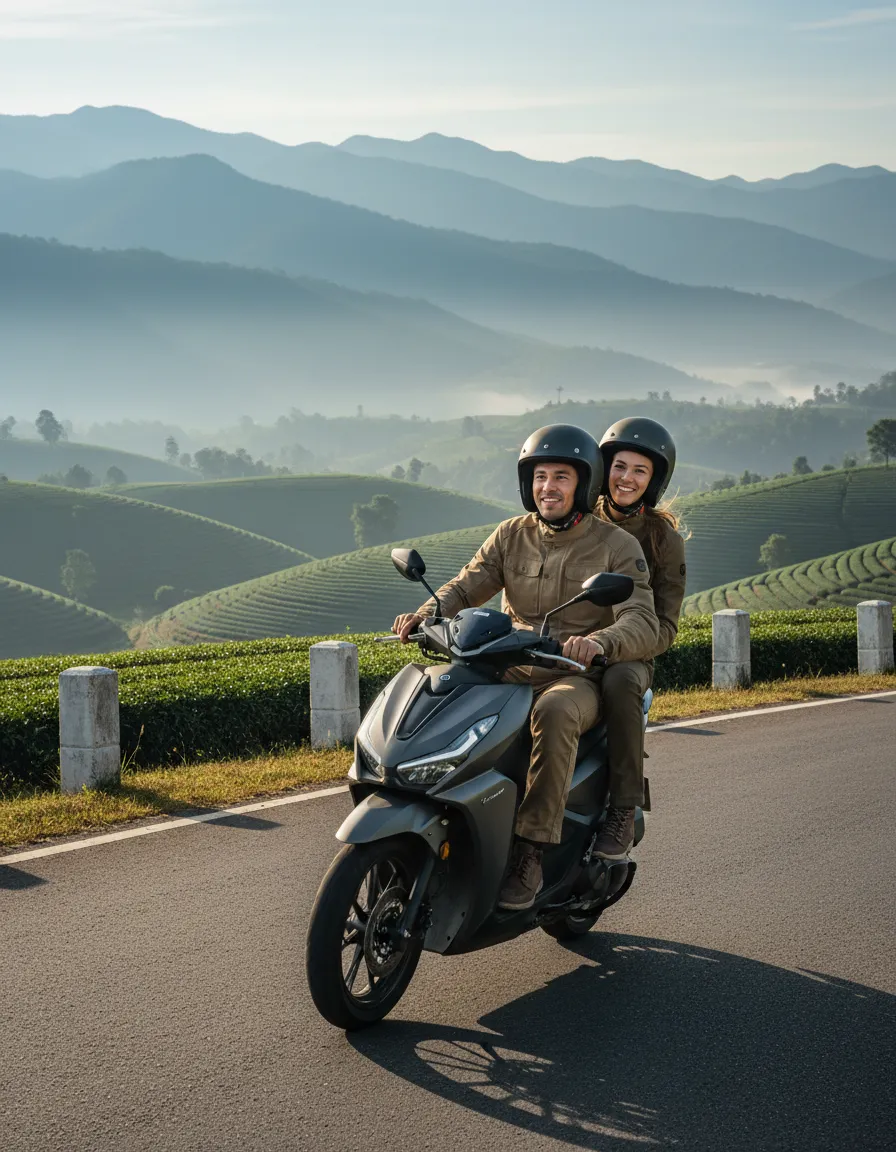
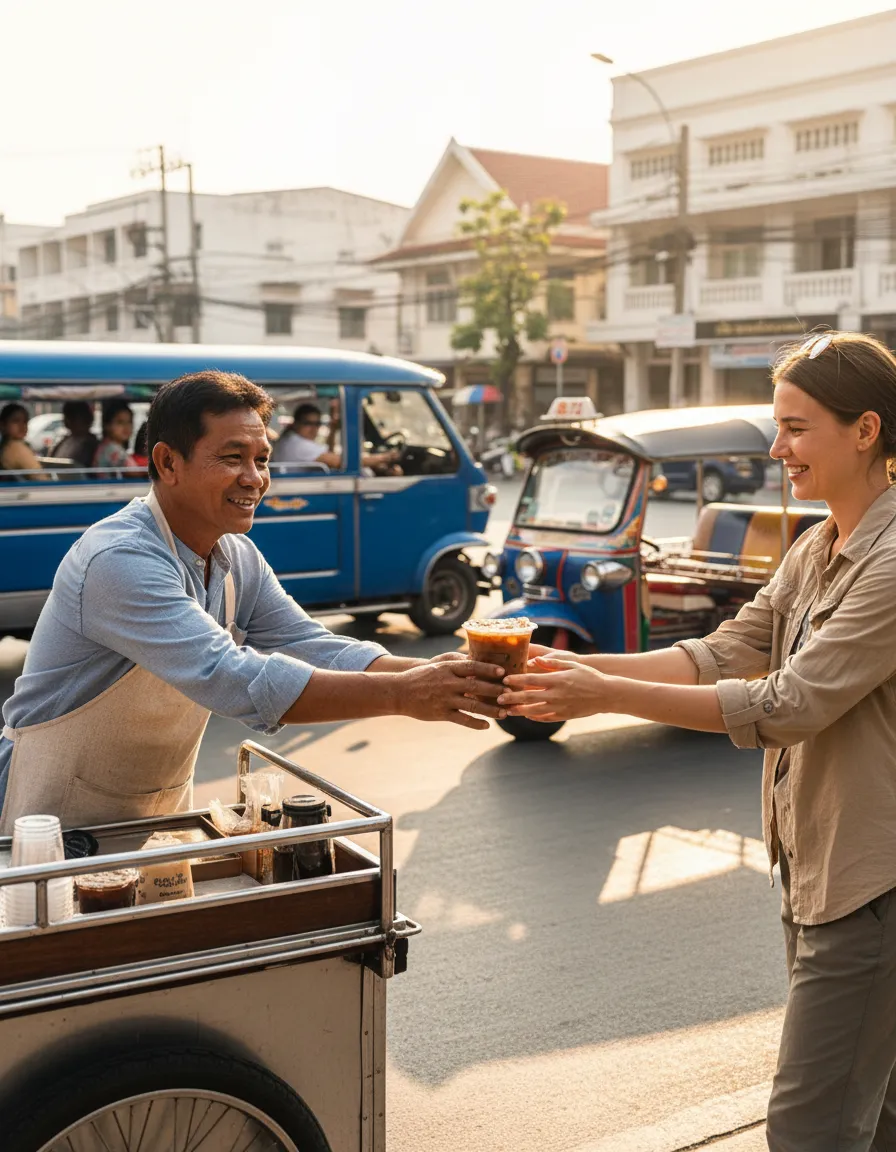
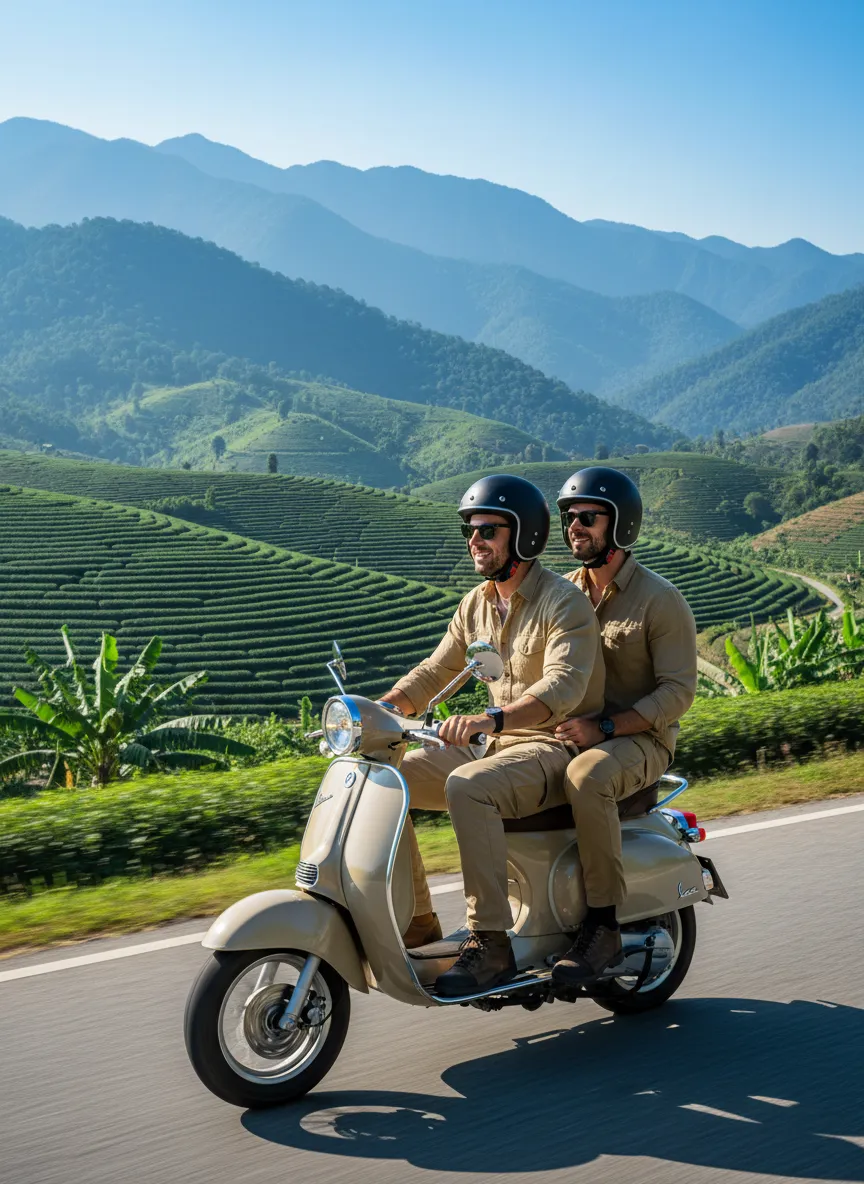
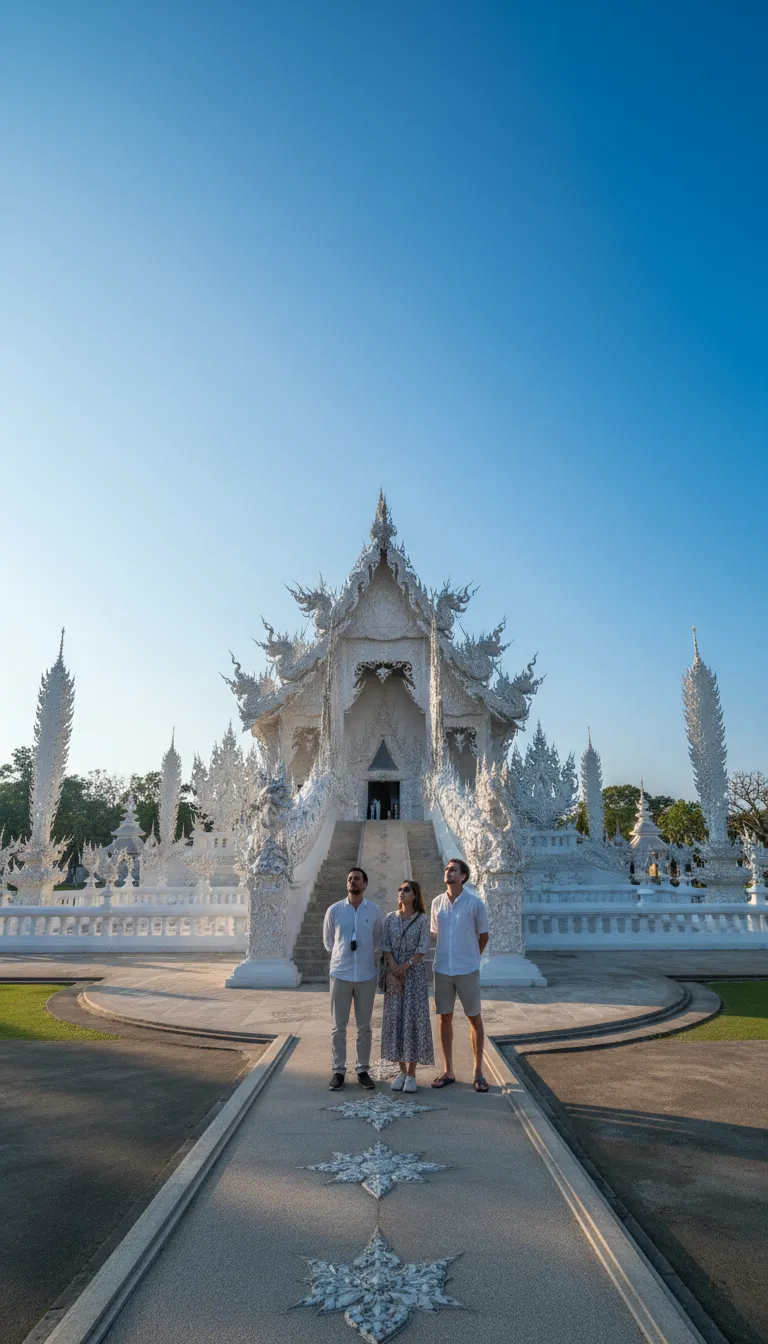
Public transport within the city limits is virtually non-existent, so you will need to rely on ride-hailing apps or local taxis. Grab and Bolt operate here, though Grab has vastly more drivers and shorter wait times. A typical cross-town journey costs around 80 THB (£1.80). Do not bother with InDrive, as you will likely stare at a searching screen for twenty minutes. For exploring the wider province, hiring a scooter from a reputable shop near the clock tower costs 250 THB (£5.80) per day. Just ensure you actually possess an international riding permit and proper motorcycle cover on your travel insurance policy. Local police frequently set up checkpoints on the main highway to the White Temple and will hand out 500 THB (£11.60) on-the-spot fines to unlicensed foreigners. Songthaews, the blue shared pickup trucks, run fixed routes from the main bus station to outlying districts for about 40 THB (£0.90), but they stop everywhere and depart only when full. Tuk-tuks wait near the night bazaar and will almost always quote 150 THB (£3.50) for a journey that a Grab driver would do for half the price. Always negotiate hard before getting in.
GETTING OUT
The most popular onward journey is the famous river trip to Luang Prabang in Laos. You must first take a two-hour local bus from Terminal 1 to the border town of Chiang Khong for 70 THB (£1.60), before catching the two-day slow boat down the Mekong, which costs roughly 1,400 THB (£32). If you are heading south to Chiang Mai, the Green Bus is your only sensible option. It takes three and a half hours, winding through incredibly scenic mountain passes, and a VIP seat costs 320 THB (£7.40). Book this bus at least three days in advance via their app, as it sells out constantly.
Mae Fah Luang International Airport is a tiny, single-terminal affair served mostly by Thai AirAsia, Nok Air, and Thai Lion Air. The airport sits just five miles from the city centre. The smartest way into town is the official CR Bus just outside the arrivals door. It costs a mere 28 THB (£0.65) and drops you right at Bus Terminal 1 in the city centre, saving you the inflated airport taxi flat rate.
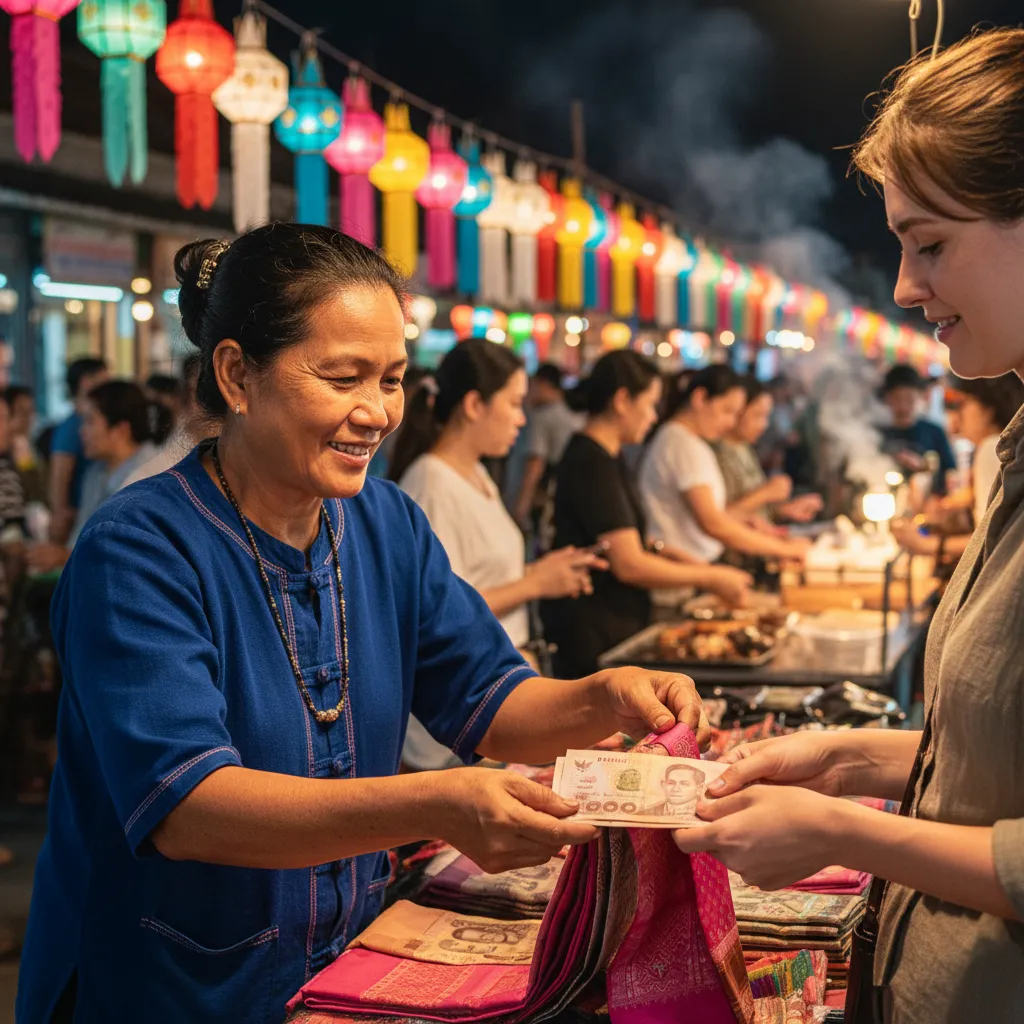
Your money goes remarkably far up here. A budget traveller can easily manage on £25 a day, a mid-range itinerary works beautifully on £60, while £150 secures absolute luxury with private drivers and boutique riverside suites. Cash remains king. Very few local restaurants or night bazaar vendors accept foreign cards. ATMs are everywhere, but they all charge a 220 THB (£5.10) withdrawal fee. To beat this, bring crisp UK bank notes and exchange them at SuperRich near the clock tower, which consistently offers rates far superior to any bank. Always carry plenty of 20 and 50 THB notes for temple donations and street food.
CONNECTIVITY
Pick up an AIS tourist SIM at Bangkok airport before flying north, as they offer the most robust coverage in these mountainous border regions. A 30-day unlimited data package costs about 900 THB (£21). Hotel wifi in the city centre is generally excellent and perfectly suited for video calls. Be prepared for total signal blackouts when driving through the valleys towards Doi Tung or the Golden Triangle, where your phone might occasionally try to connect to expensive Myanmar or Laos roaming networks.
UK passport holders receive a 60-day visa exemption upon arriving in Thailand. Standard two-pin flat or round plugs deliver 220V electricity, so a universal adapter is essential. Tipping is not mandatory, but leaving a 50 THB (£1.15) note for a helpful maid or rounding up a taxi fare by 20 THB (£0.45) is highly appreciated. Keep the tourist police number, 1155, saved in your phone just in case. One crucial detail most visitors miss: the city shuts down surprisingly early. If you want a proper sit-down meal, ensure you order before eight in the evening.