Koh Kood - Trat
Koh Kood is Thailand’s fourth-largest island but remains the only one of its size without a single 7-Eleven, McDonald's, or set of traffic lights. This 105-square-kilometre landmass in the far east of the Gulf of Thailand prioritises ancient rainforest canopies over the high-density development found on neighbouring Koh Chang.
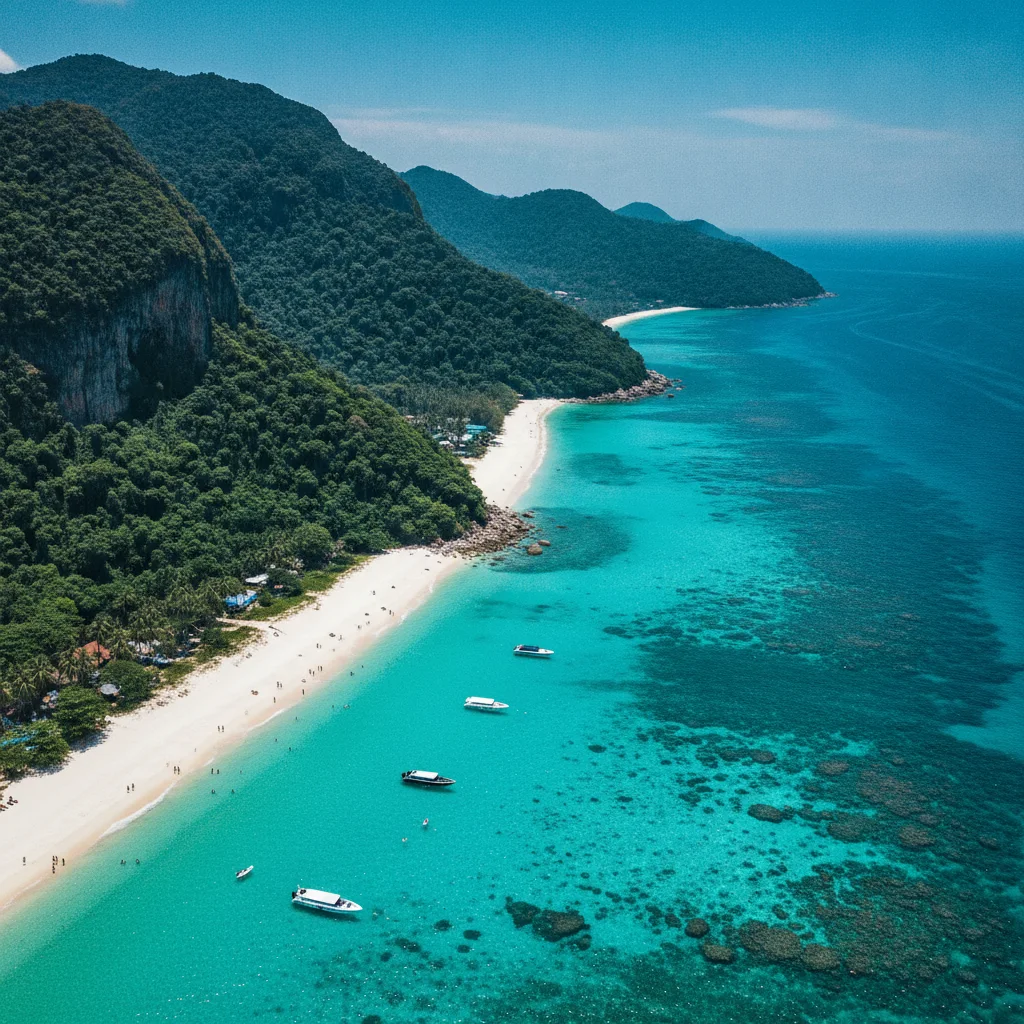
Koh Kood sits in the Trat Province, positioned closely to the maritime border with Cambodia and roughly 315 kilometres from Bangkok. This is an island defined by its slow pace, characterized by thick primary jungle, tidal mangrove forests, and a coastline of white sand bays that remain largely empty even during the peak season. It draws a specific demographic of visitors who value silence and natural surroundings over nightlife or convenience, making it a primary choice for couples, solo writers, and slow-travel enthusiasts. Unlike the rocky or rugged terrain of other eastern islands, Koh Kood offers a soft, low-lying landscape that feels more like an expansive private estate than a public tourist destination.
The Island Layout and Geographical Character
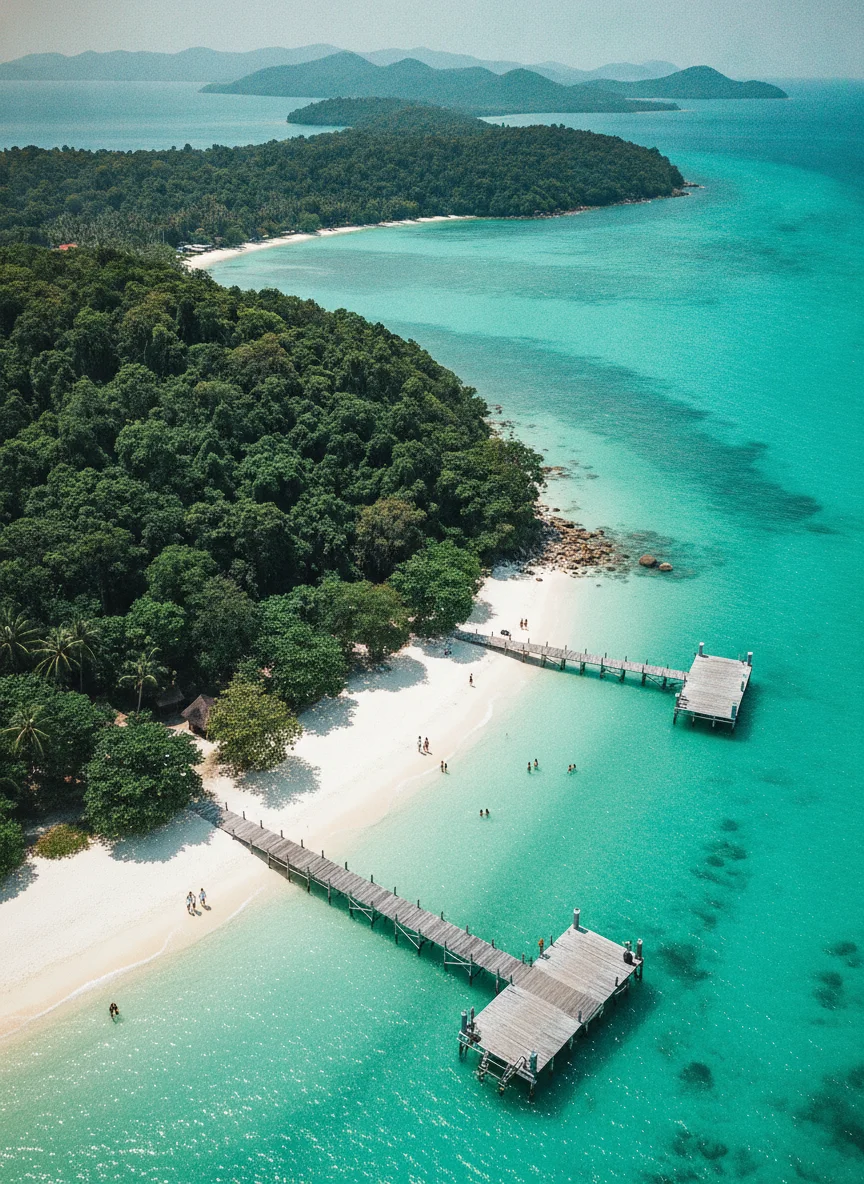
The geography of Koh Kood is remarkably consistent, consisting of a mountainous interior wrapped in one of the most well-preserved rainforests in Southeast Asia. Most of the infrastructure and accommodation are concentrated along the western coast, where the sunset views and calmer waters provide the ideal conditions for beach resorts. You will not find a central town or a main high street here; instead, the island is connected by a single, winding concrete road that snakes through the jungle, linking various bays and small family-run clusters of businesses. To the east, the terrain becomes even more inaccessible, dominated by steep cliffs and the heavy military presence of the Royal Thai Navy near the Cambodian border. This lack of a central hub means that your experience of the island is dictated by which bay you choose to stay in, as travelling between them requires a deliberate journey through the forest. The air here is noticeably cleaner than in Bangkok, filled with the scent of damp earth and salt rather than exhaust fumes. You should expect a landscape that feels untamed, where the jungle frequently encroaches onto the tarmac of the main road.
Discover Koh Chang, Thailand's forested island. From Khlong Phlu Waterfall to Bang Bao Pier, plan your trip with our detailed UK traveller's guide.
Ancient Forests and Inland Waterways
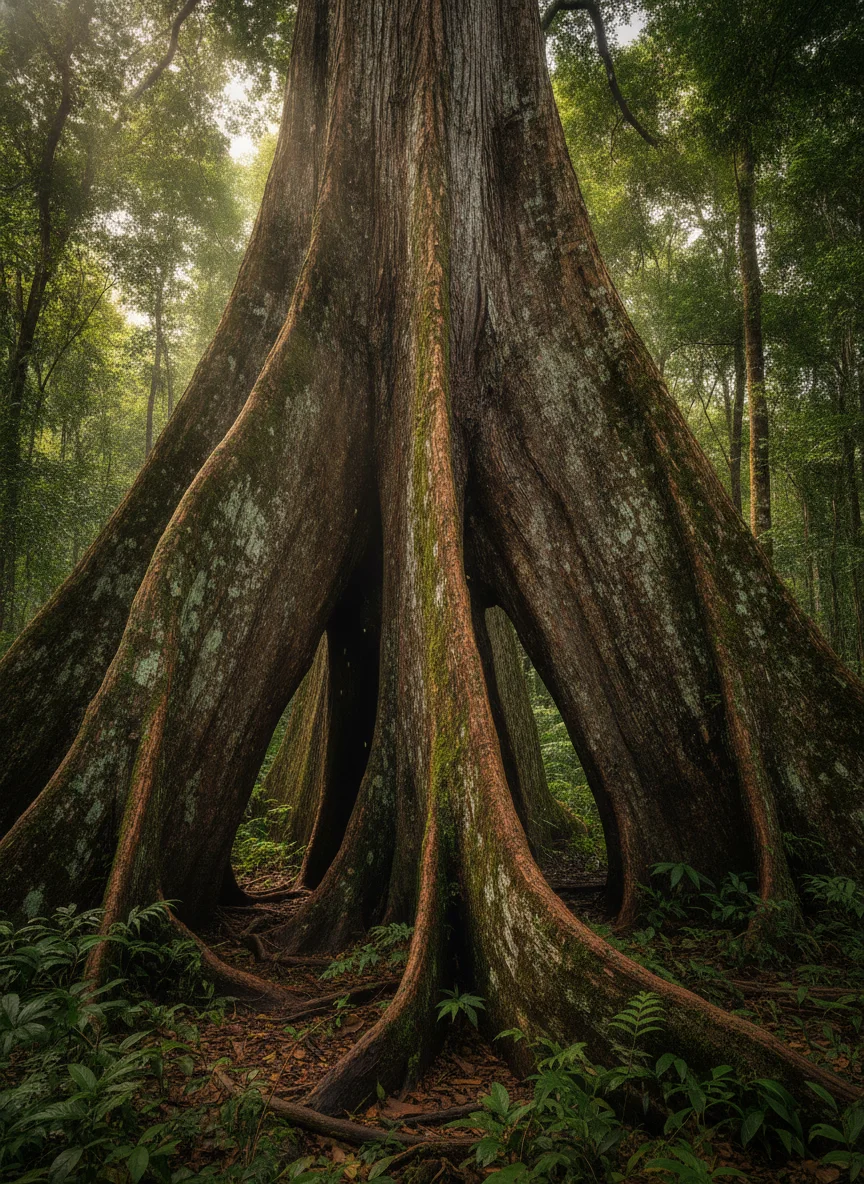
Deep within the island's interior lie natural landmarks that predate the arrival of modern tourism by centuries, specifically the ancient Makka trees. These "Big Trees," as they are known locally, are located near the centre of the island and include a 500-year-old specimen and a slightly younger 200-year-old companion. Reaching them involves a short trek into the humid forest, where the scale of these giants becomes apparent against the backdrop of the surrounding teak and rubber plantations. Beyond the flora, the island is famous for its freshwater systems, most notably the Klong Chao Waterfall. This three-tiered fall is the most popular inland site, featuring a large, deep pool at the base where you can swim in cool, mountain-fed water. It is best visited in the morning to avoid the small groups that arrive via kayak from the nearby estuary. Two other falls, Klong Yai Kee and Huang Nam Keaw, offer more secluded alternatives, though their flow can diminish significantly during the late dry season in March and April. These inland features provide a necessary break from the coastal heat and highlight the island's ecological diversity.
Seafood Traditions and Estuary Dining
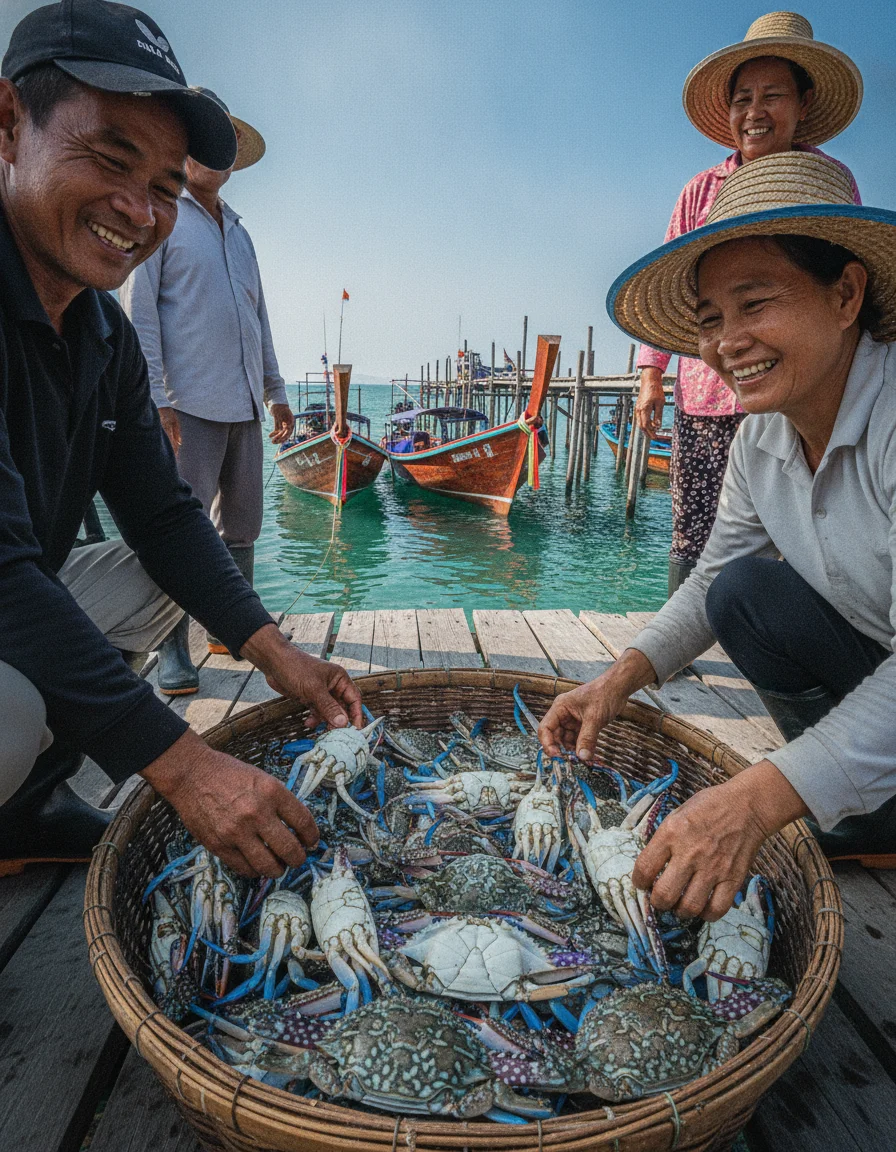
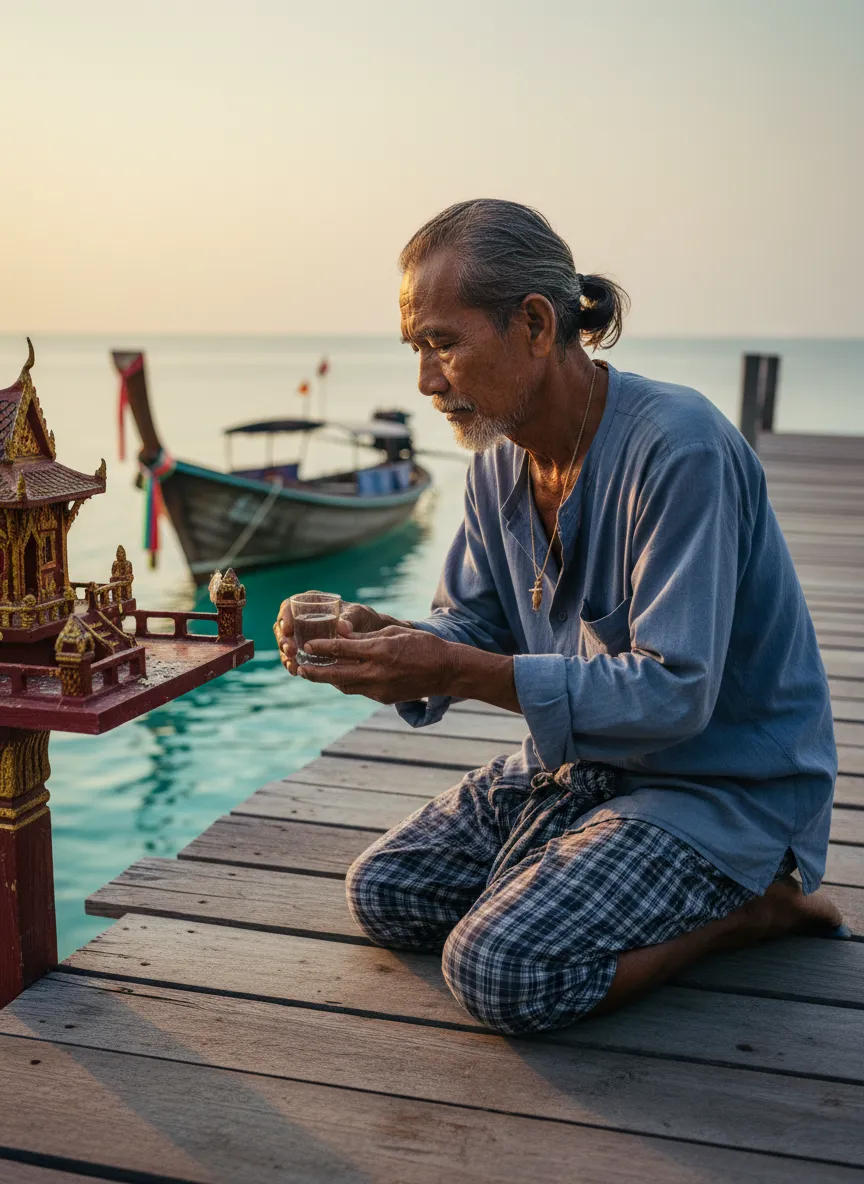
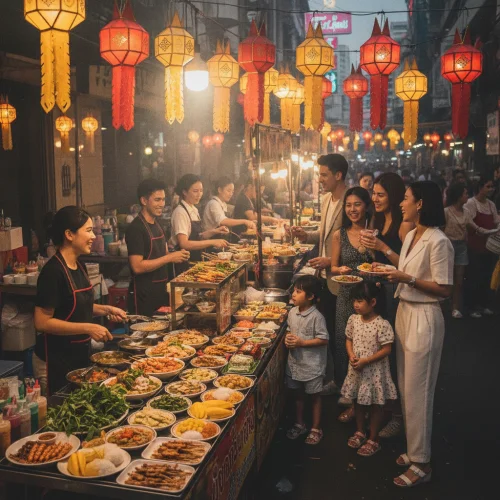
The culinary landscape of Koh Kood is split between the high-end resort kitchens and the traditional stilted fishing villages of Ao Salad and Ao Yai. Ao Salad, located on the northeastern tip, is the primary entry point for many ferries and serves as a working hub for the local fishing fleet. Here, you can walk along wooden boardwalks to find small, no-frills restaurants serving blue swimmer crab, spotted grouper, and mantis shrimp caught that same morning. For a different atmosphere, the Mangrove Restaurant, situated on the Klong Chao estuary, offers a setting where you can dine on the water’s edge. They specialise in local Trat province recipes, such as spicy seafood salads and massaman curries that use locally harvested coconut milk. Prices in these local spots are higher than on the mainland due to the logistics of island transport, with a meal for two typically costing between 600 THB and 1,200 THB (£13 to £27). You will find that most dining concludes early, with many independent kitchens closing their doors by 9:00 PM. This reinforces the island's reputation as a place for early risers rather than night owls.
Lodging from Barefoot Simplicity to Ultra-Luxury
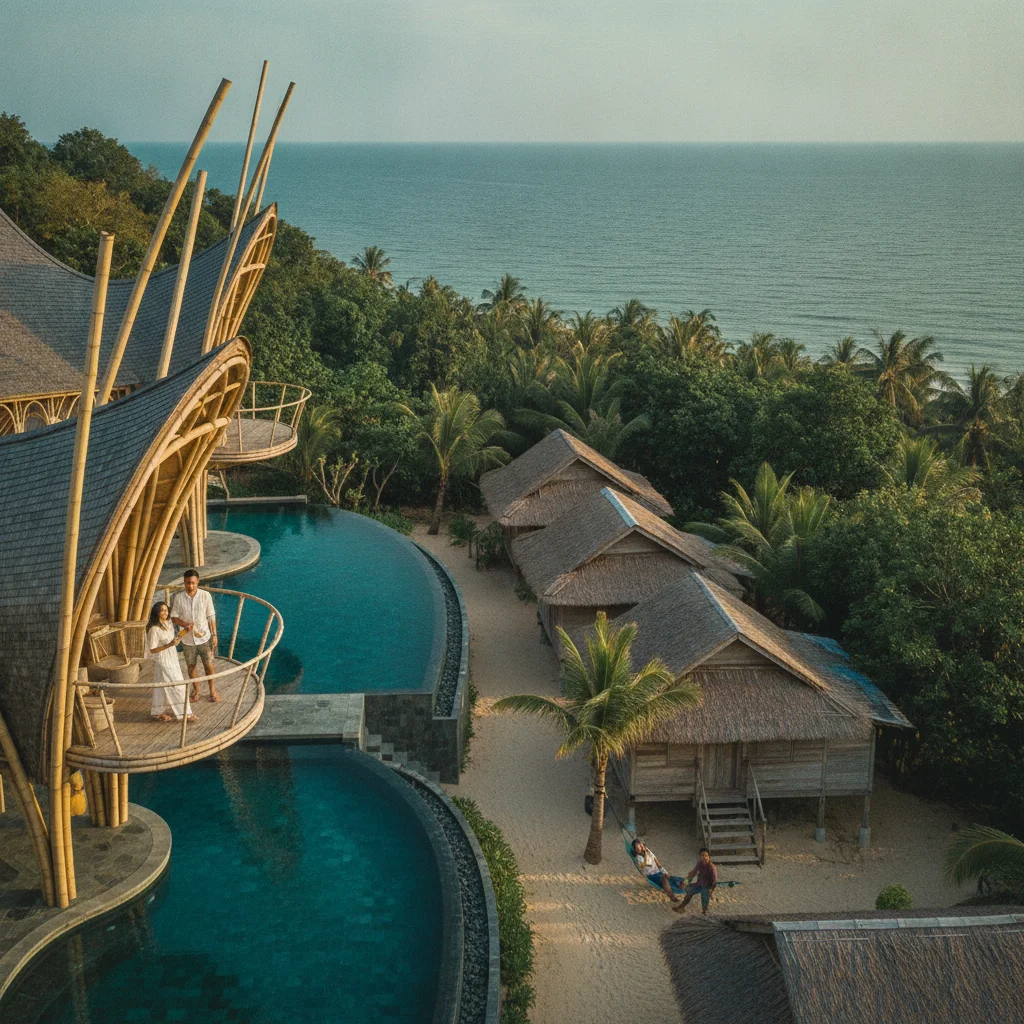
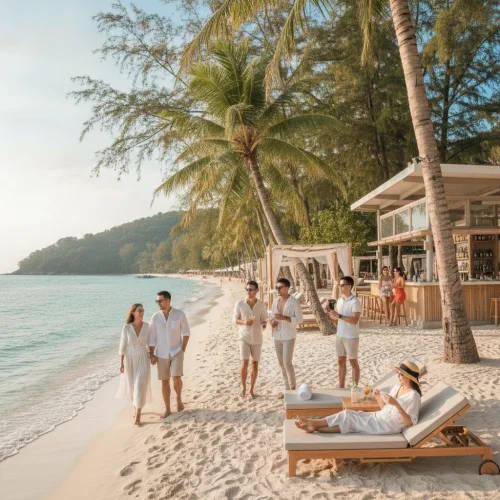
Accommodation on Koh Kood is diverse, ranging from some of the most expensive villas in the world to basic fan-cooled huts for backpackers. At the pinnacle of the market is Soneva Kiri, an ultra-luxury eco-resort located on the northern peninsula, famous for its "No News, No Shoes" philosophy and private plane transfers. For those with a more modest budget, Shantaa Resort on the west coast offers a mid-range experience focused on quietude and traditional Thai hospitality, with villas spread across a sprawling hillside. Budget travellers generally gravitate toward Siam Beach Resort on Bang Bao Bay, where simple bungalows sit directly on one of the island's best swimming beaches. Prices vary wildly: a luxury villa can exceed 50,000 THB (£1,100) per night, while a mid-range room costs around 3,500 THB (£78), and budget options start at 800 THB (£18). Regardless of the price point, most resorts emphasise low-impact construction and integration with the natural forest. You should book well in advance for the peak months of December and January, as the limited number of rooms across the island leads to high occupancy.
Coastal Exploration and Marine Life
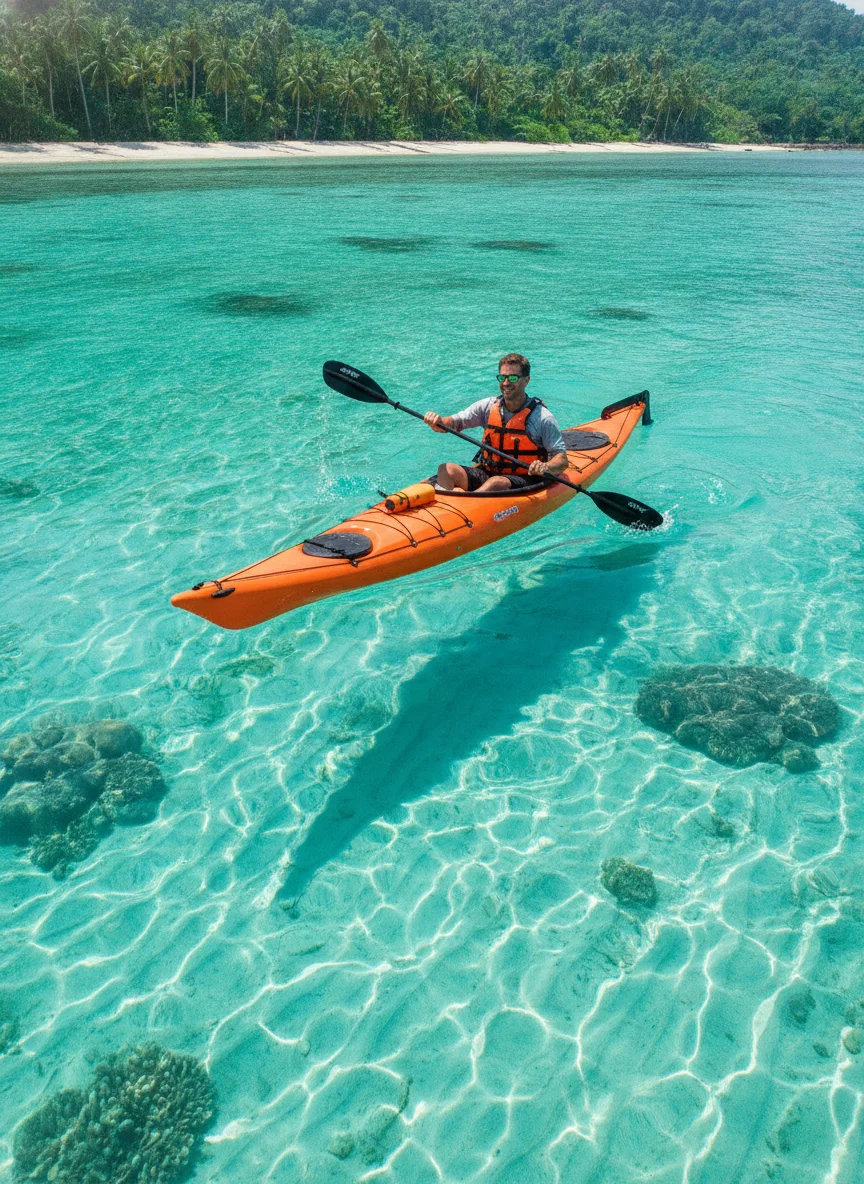
Water activities on Koh Kood are focused on the surface rather than deep-sea exploration, as the surrounding waters are shallow and exceptionally clear. Sea kayaking is the most practical way to explore the coastline, allowing you to move between bays like Klong Chao and Bang Bao without using the road. Many visitors paddle up the Klong Chao river, where the mangroves create a natural tunnel that leads toward the waterfall. For snorkelling, the best spots are found around the small offshore islands of Koh Rang, which is part of the Mu Ko Chang National Park. Day trips to Koh Rang usually cost around 1,200 THB (£27) per person and include equipment and lunch. While the coral health around Koh Kood itself is variable, the visibility is often superior to that of Koh Samui or Koh Phangan. Diving is available through a few small operations on the island, primarily catering to beginners or those looking for relaxed, shallow dives. You should bring your own high-quality snorkel gear if you plan to explore daily, as resort-provided equipment can be aged.
The East Coast and Remote Outposts
The eastern side of Koh Kood remains the island's last frontier, largely untouched by the tourism development seen on the west. This area is dominated by the Ao Yai fishing village, which sits at the end of the main island road and offers a glimpse into a way of life that predates the resorts. The village is built entirely on stilts over the water, with a long concrete pier that serves as the social and commercial heart of the community. Visiting Ao Yai requires a long scooter ride through some of the island's densest forest, passing through rubber plantations where you can see the sap being collected in small bowls. There are no major beaches on this side, but the seafood restaurants here are considered the most authentic and best value on the island. The presence of the Royal Thai Navy nearby ensures that the eastern forests remain protected and largely uninhabited. This side of the island provides a stark contrast to the manicured lawns of the western resorts, offering a sense of isolation that is rare in modern Thailand. It is the best place to witness the sun rise over the Gulf, provided you are willing to make the journey in the pre-dawn darkness.
Getting There and Getting Around
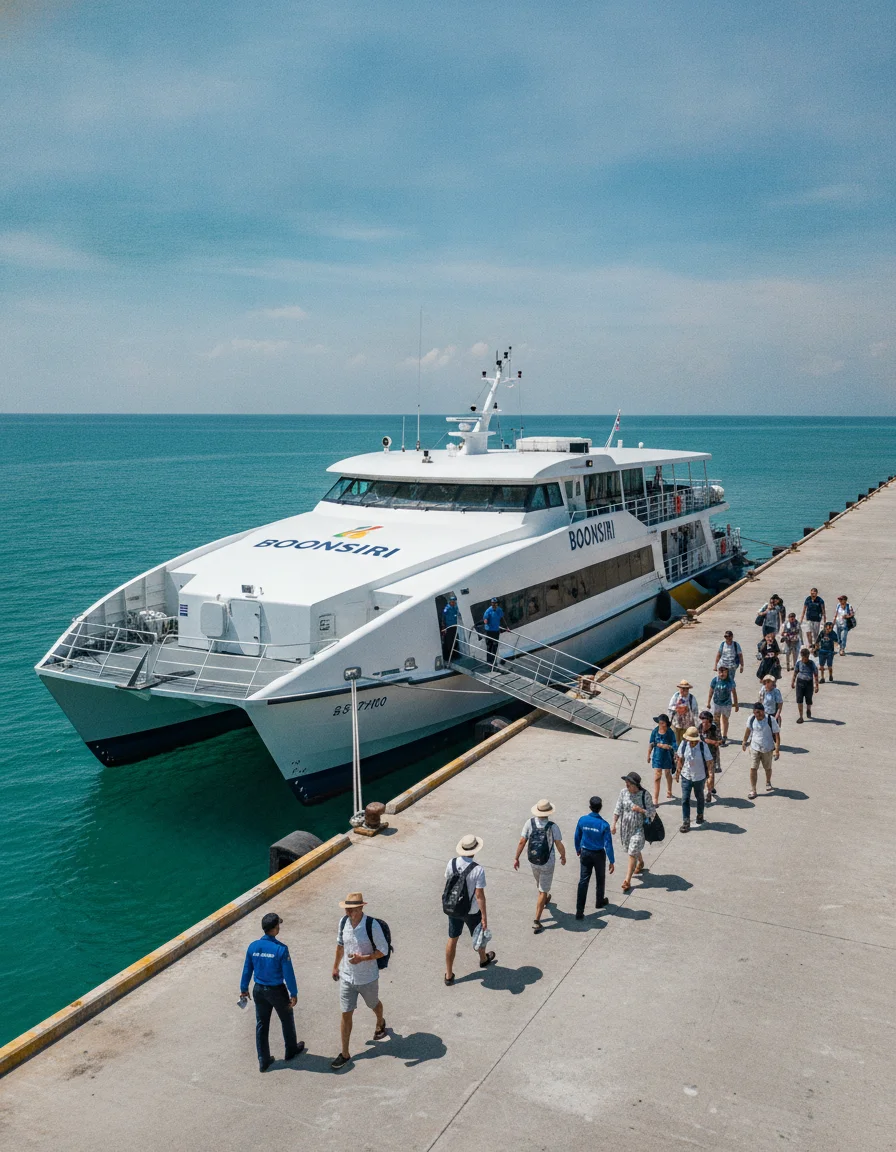
Reaching Koh Kood from Bangkok requires a coordinated effort involving a bus or private car and a ferry. Most UK travellers depart from the Ekkamai Eastern Bus Terminal in Bangkok, taking a 5:00 AM or 6:00 AM bus to the city of Trat or directly to Laem Sok Pier, which costs approximately 300 THB (£6.70). From Laem Sok, the Boonsiri high-speed catamaran is the most reliable operator, charging 600 THB (£13.30) for the 75-minute crossing to the island. Once you arrive at the island's pier, a shared songthaew (pick-up truck) is usually included in your ferry ticket to take you to your resort. On the island, transport is limited as there are no car rentals or public taxis. Renting a 125cc semi-automatic or automatic scooter is the standard way to get around, costing between 250 THB and 350 THB (£5.50 to £7.80) per day. The roads are paved but can be steep and sandy in places, so caution is required if you are an inexperienced rider. Walking between bays is generally not feasible due to the distances and the heat.
Costs and Budgeting
Koh Kood is more expensive than the average Thai island due to its remote location and the lack of competition from large chains. A budget traveller should plan for at least 1,500 THB (£33) per day, which covers a basic fan room, local meals, and a scooter rental. Mid-range visitors, staying in air-conditioned bungalows and dining at a mix of resort and local restaurants, should budget around 3,500 THB (£78) per day. For those seeking luxury, the sky is the limit, especially at resorts like Soneva Kiri where a single dinner can exceed the weekly budget of a backpacker. Alcohol is also slightly more expensive here, with a large Chang beer in a local shop costing 70 THB (£1.55) compared to 55 THB on the mainland. It is essential to bring enough cash, as ATMs are rare and frequently run out of money or do not accept certain foreign cards.
| Item | Budget (THB) | Mid-Range (THB) | Notes |
|---|---|---|---|
| Basic Room | 800 | 2,500 | Prices double in peak season |
| Daily Scooter | 250 | 350 | Petrol is sold in glass bottles |
| Local Meal | 150 | 450 | Includes one drink and main |
| Ferry (Return) | 1,200 | 1,200 | Fixed price for all operators |
| Waterfall Entry | 0 | 0 | Most natural sites are free |
Who It Suits
Koh Kood is the ideal destination for couples on a honeymoon or long-term travellers looking to "unplug" from the digital world for a week. It suits those who enjoy nature, reading, and early nights, as the island lacks any significant party scene or late-night bars. If you require the convenience of 24-hour convenience stores, a wide variety of international cuisines, or a fast-paced social life, you will likely find Koh Kood frustratingly quiet. It is also a favourite for families with young children who prefer calm, shallow waters over the wavy beaches of the Andaman coast.
What to Know Before You Go
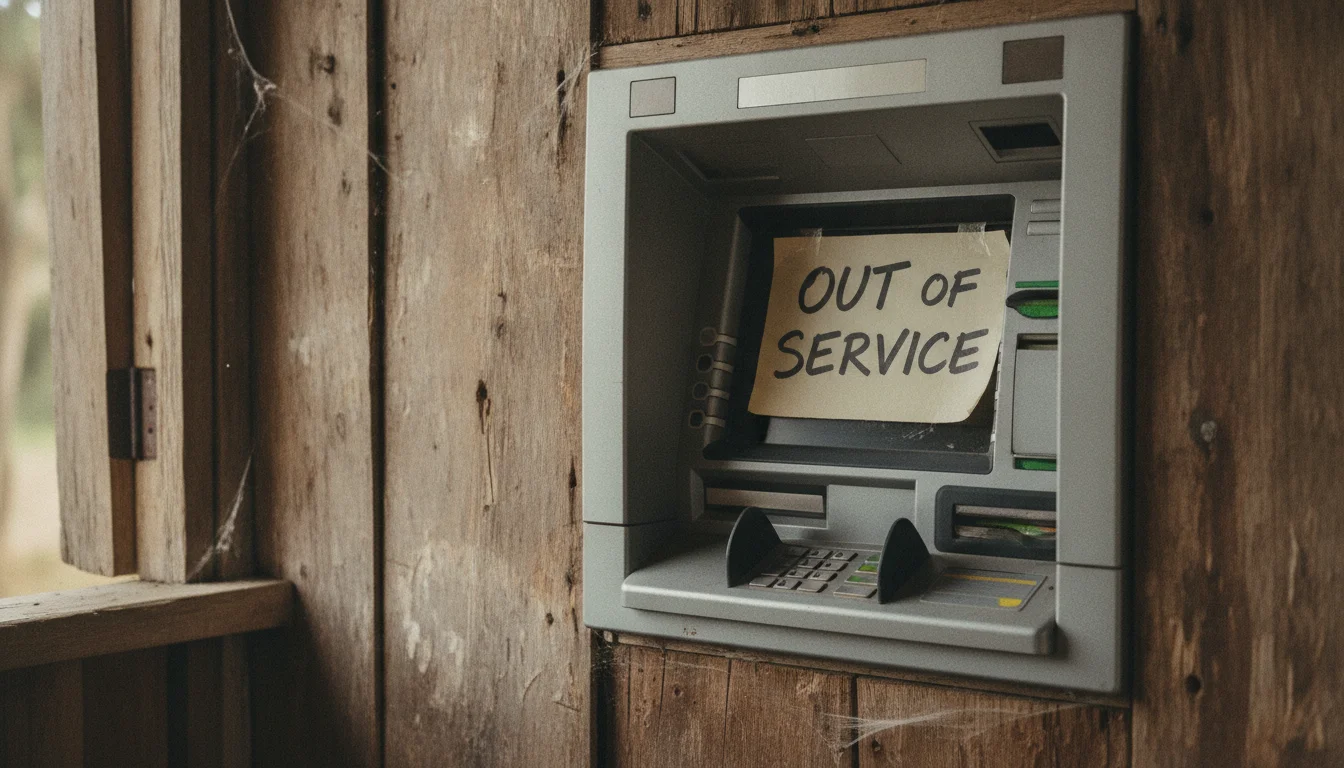
There are only a handful of ATMs on the entire island, and they are notoriously unreliable. You should withdraw all the Thai Baht you think you will need in Bangkok or Trat to avoid being stranded without funds. Sandflies can be a significant nuisance on certain beaches, particularly during the late afternoon. Bring a high-quality insect repellent or use coconut oil, which locals swear by to prevent the flies from biting. Internet connectivity is generally good in resorts, but the signal can drop out entirely when you are travelling through the forested interior. If you rely on GPS to navigate the island's winding roads, download offline maps before you leave the mainland. Finally, the island essentially shuts down during the monsoon season from June to October. Many resorts close entirely and ferry services become infrequent and uncomfortable due to high swells.
Practical Tips

Book the Boonsiri ferry in advance during the high season. This operator is the most popular because they provide a bus-and-boat combo from Bangkok that simplifies the entire journey.
Always wear a helmet and closed-toe shoes when riding a scooter. The island's roads are often covered in a thin layer of sand which makes braking on hills particularly dangerous for the inexperienced.
Visit the Klong Chao Waterfall before 10:00 AM. This allows you to enjoy the pool before the midday heat and the arrival of the organised kayak groups.
Carry a reusable water bottle to reduce plastic waste. Many resorts on Koh Kood participate in the Trash Hero programme and offer free refills to help protect the island's fragile ecosystem.
Try the "Tree Pod" dining at Soneva Kiri if your budget allows. It is the island's most famous experience, where you are hoisted into the rainforest canopy in a bamboo pod for breakfast or high tea.
Pack a lightweight waterproof jacket even in the dry season. Sudden tropical showers are common due to the island's high elevation and dense forest cover, which traps moisture.
Respect the local fishing communities when visiting Ao Salad or Ao Yai. These are working villages, so dress modestly and ask permission before taking close-up photographs of people or their homes.
Quick Reference Table
| Item | Detail | Notes |
|---|---|---|
| Location Name | Koh Kood (Ko Kut) | Often spelled both ways |
| Province | Trat | Eastern Thailand |
| Region | Eastern Gulf | Near Cambodia border |
| Nearest Major City | Trat | 1-hour ferry away |
| Nearest Airport | Trat (TDX) | Served only by Bangkok Airways |
| Distance from BKK | 315 km | Approx 5-6 hours total travel |
| Typical Visit | 4 to 6 days | Enough to see all major bays |
| Best Time to Visit | Nov to April | Dry season with calm seas |
| Daily Budget | 2,500 THB | Average for a comfortable stay |
| Currency | Thai Baht (THB) | Cash is king here |
| Language | Thai | Basic English in resorts |
| Primary Transport | Scooter | No public taxis or cars |
| Landmark | Klong Chao Waterfall | The island's main inland site |