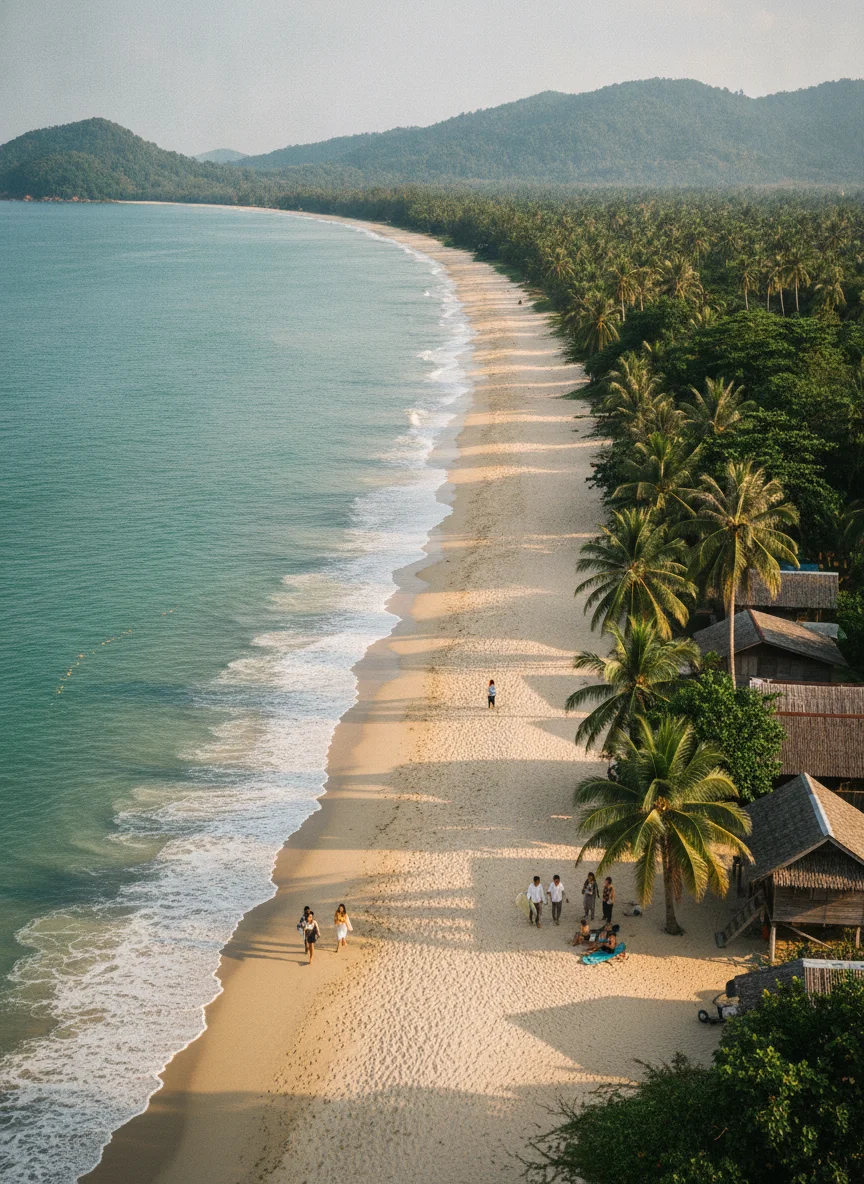
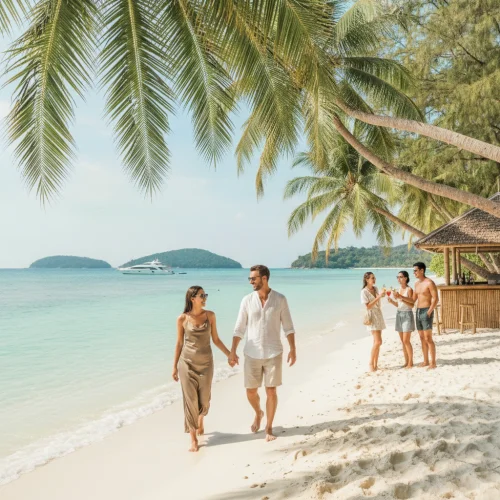
The dual personality of this southern gulf island is its truest defining feature, though most visitors only ever see the neon-soaked half of the equation.
While the southern beaches throb with bass drops and bucket cocktails, the deep-rooted community of coconut farmers and sea gypsies quietly carries on with their ancestral rhythms just a few miles north. It is a place where deep spiritual asceticism and unrestrained hedonism share the exact same stretch of sand, entirely unbothered by one another.
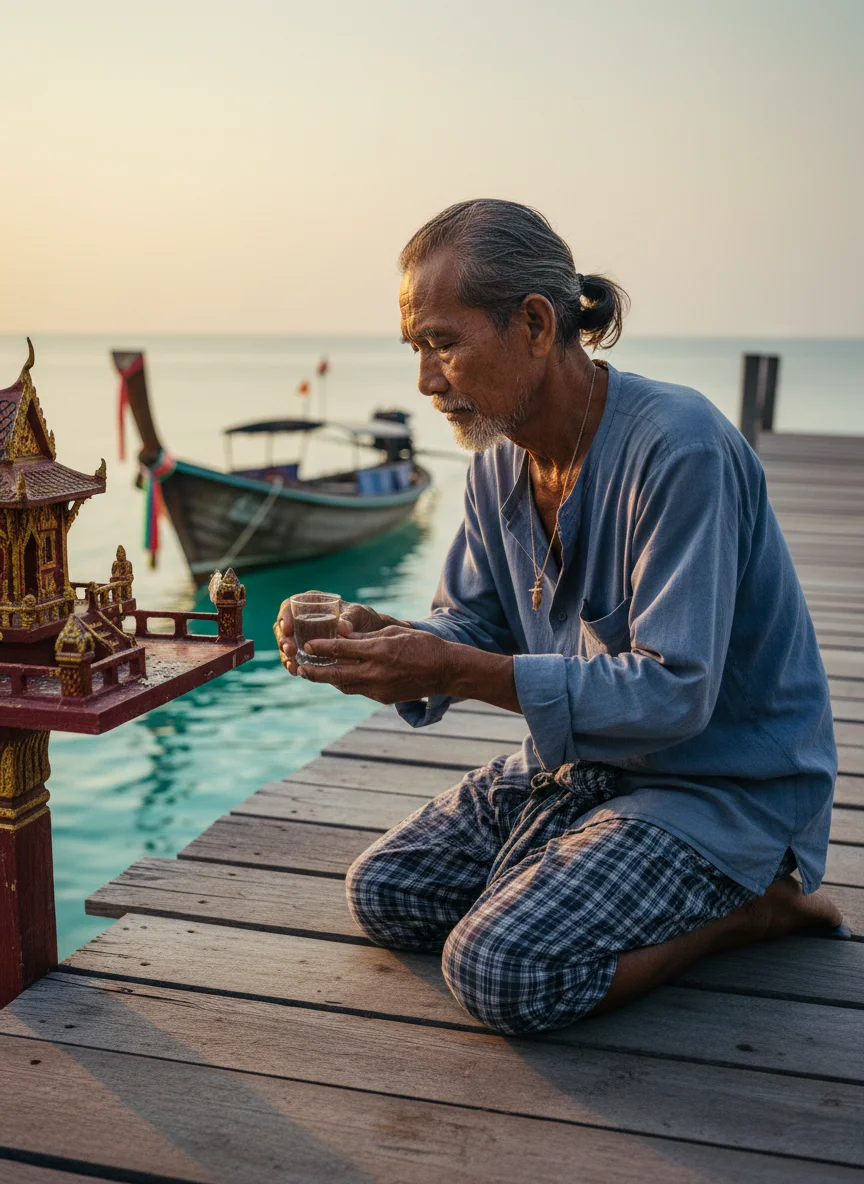
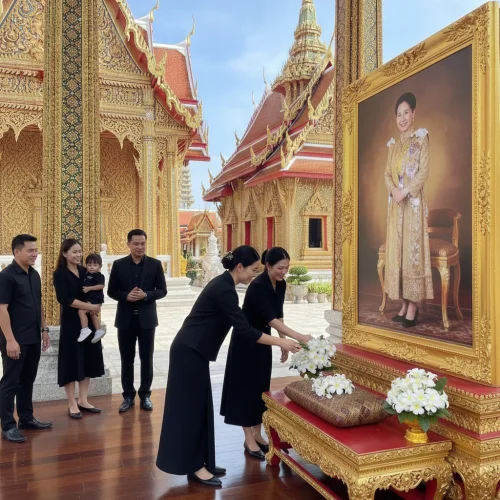
Faith here is deeply pragmatic and inextricably linked to the sea. You will often see fishermen quietly offering small shots of local rum or sweet red soda to the spirit houses guarding the piers before setting out for the night catch. It is a striking contrast to the textbook serenity of mainland Buddhism. Wat Phu Khao Noi is the oldest temple on the island and remains entirely free to enter, though a donation of 100 THB (about 2.20 GBP) is proper etiquette. If you want a deeper dive, Wat Kow Tahm offers a rigorous meditation retreat, asking roughly 500 THB (11 GBP) per day for board. The custom that catches most visitors off guard is the blessing of the full moon itself. Long before the party crowds claimed the lunar cycle, local monks chanted specifically during this phase to pacify the tides. Some older abbots quietly maintain this practice while the electronic music thumps down the coast.
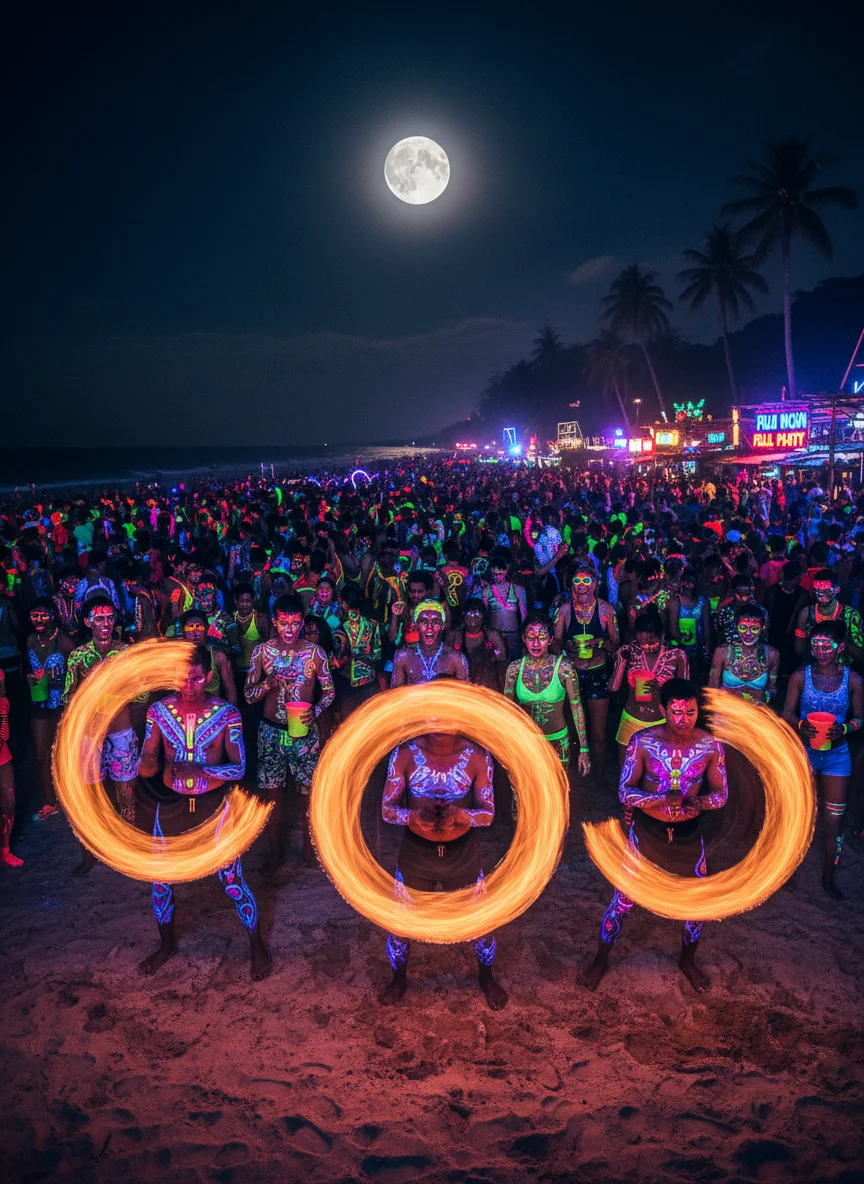
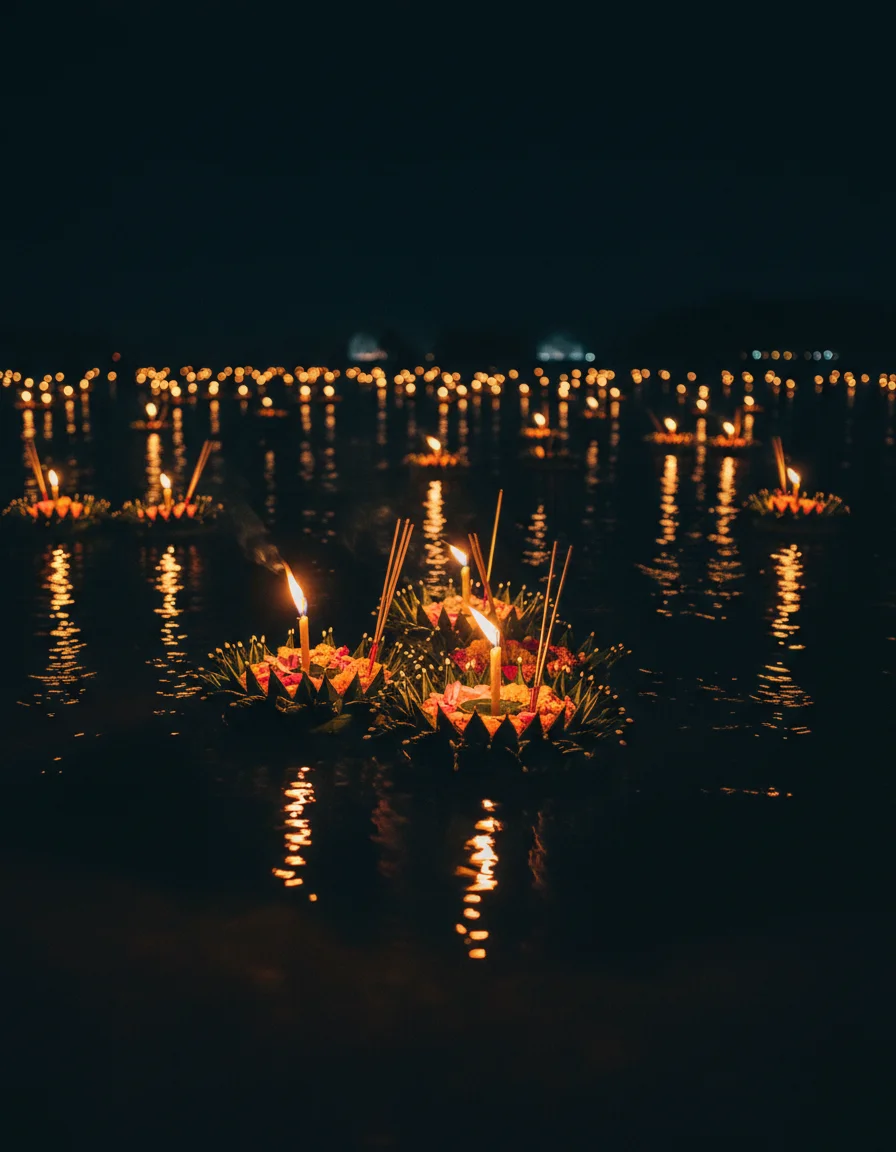
The lunar calendar dictates absolutely everything on this island. The Full Moon Party is naturally the elephant in the room, occurring every month. Viewing it merely as a tourist invention ignores how entirely the local economy bends to accommodate it. What most guides skip is the sheer logistical ballet local families perform, transforming sleepy beaches into massive infrastructure hubs overnight. Expect total transport gridlock and inflated ferry prices for three days either side. Beyond the lunar raves, Songkran in April takes on a distinctly island flavour. Rather than the industrial water wars of Bangkok, celebrations here happen on the backs of pickup trucks navigating steep jungle roads. It feels wonderfully unpolished. Loy Krathong in November is perhaps the most poignant time to visit. Watching hundreds of banana-leaf floats drift onto the Gulf of Thailand against the pitch-black horizon is genuinely moving. The transport impact is minimal, but you will find raucous beach bars significantly dialed back as locals prioritise paying respect to the water spirits over selling cheap vodka.
TRADITIONS & CUSTOMS
Living comfortably among the islanders requires a firm grasp of spatial hierarchy. The head is sacred and the feet are dirty, which means propping your sandy toes up on a restaurant chair is a remarkably quick way to lose the respect of your host. Because of the heavy yoga and wellness migration to the western coast, a hyper-specific local custom has emerged where long-term expats and locals exchange a modified wai. It is slightly lower and far more relaxed, distinguishing residents from passing backpackers. The most common cultural mistake Westerners make here is assuming the notorious party reputation means a total suspension of Thai modesty laws. Riding a scooter shirtless or walking through a local market in a bikini is deeply offensive to the older generation of islanders who still view this as a conservative fishing community. Simply throwing a sarong over your shoulders instantly changes how you are treated.
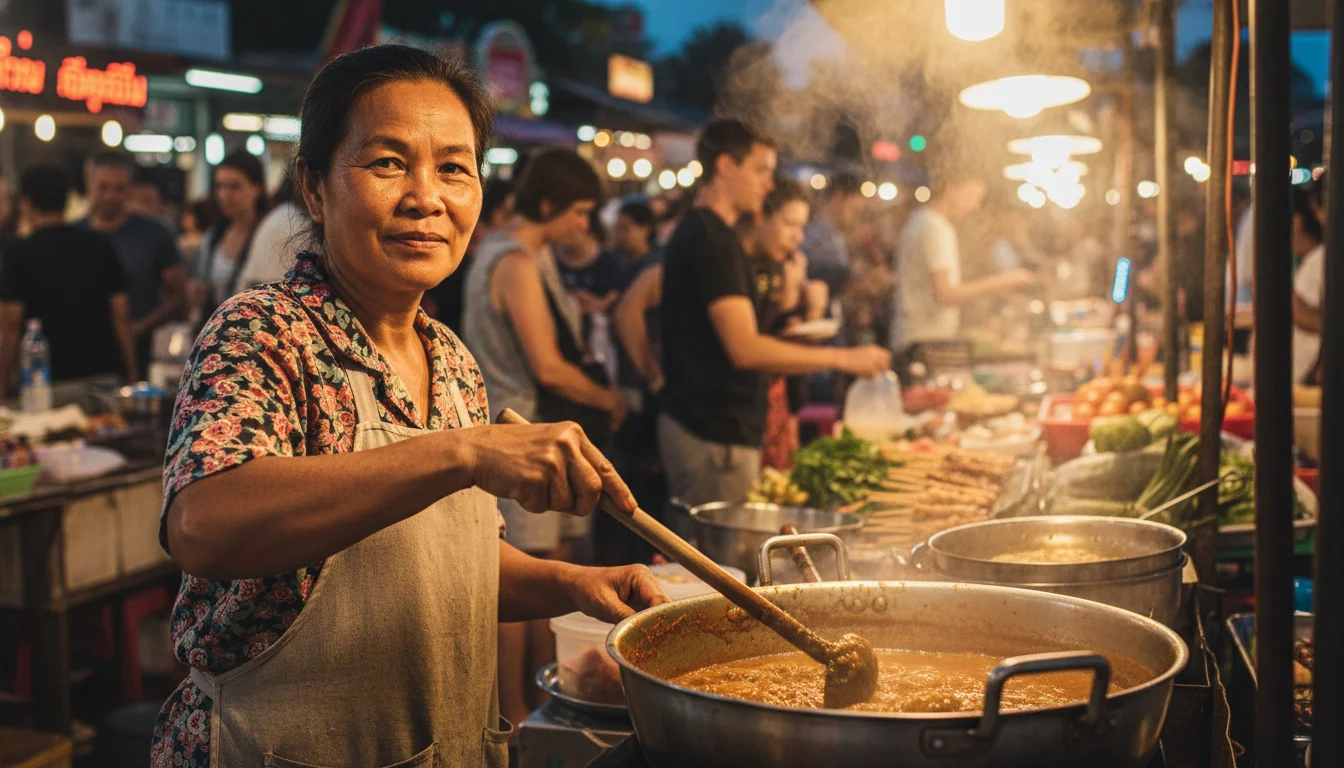
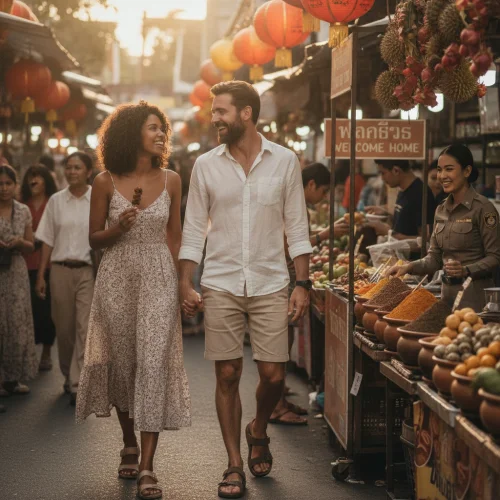
The artistic heritage of the island is surprisingly tactile, rooted deeply in coconut shell carving and sustainable weaving. Before mass tourism arrived, every part of the palm tree was utilised. You can still find genuine, hand-carved coconut wood bowls and utensils at the Thong Sala night market, usually costing around 250 THB (5.50 GBP) a piece. Be acutely aware of the mass-produced bamboo wind chimes flooding the souvenir stalls near Haad Rin. These are almost universally imported from factories on the mainland. Authentic local craft will feel slightly irregular and heavy in the hand, sold directly by the artisans rather than generic beach vendors.
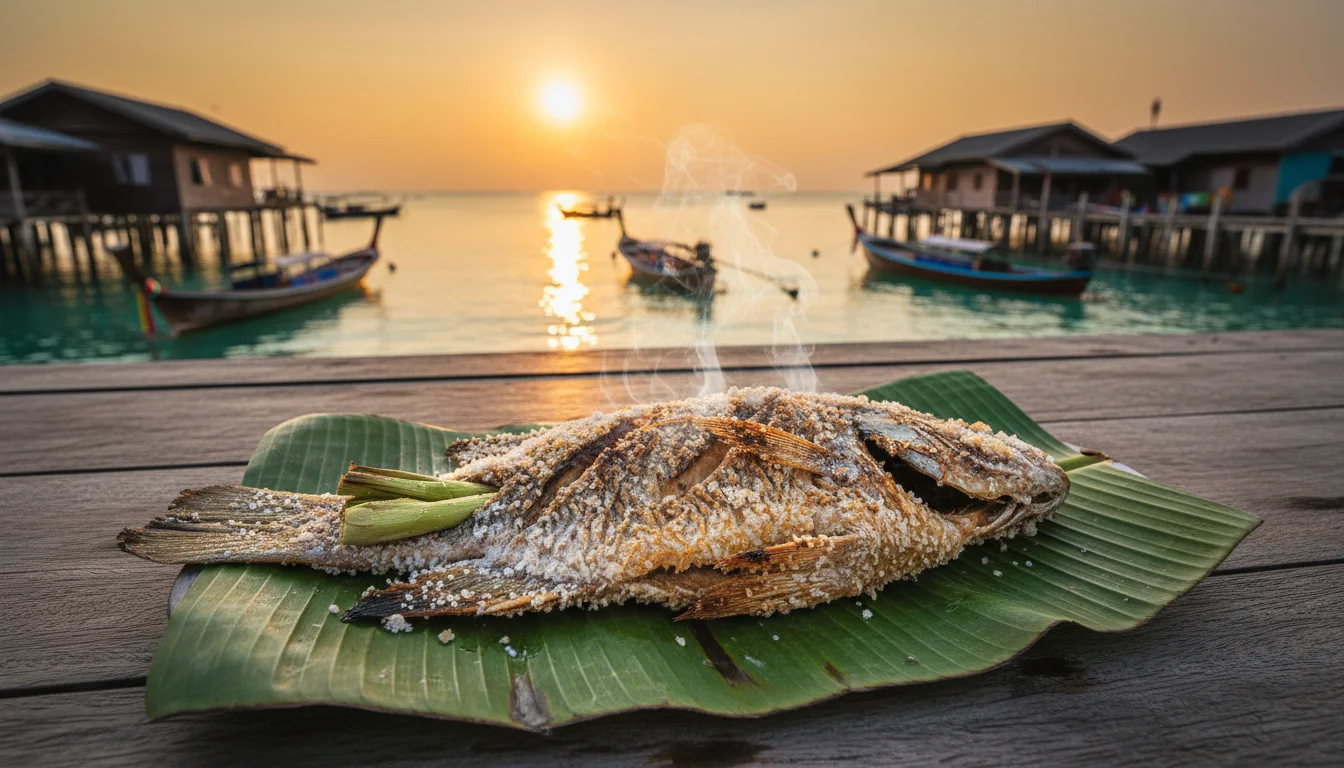
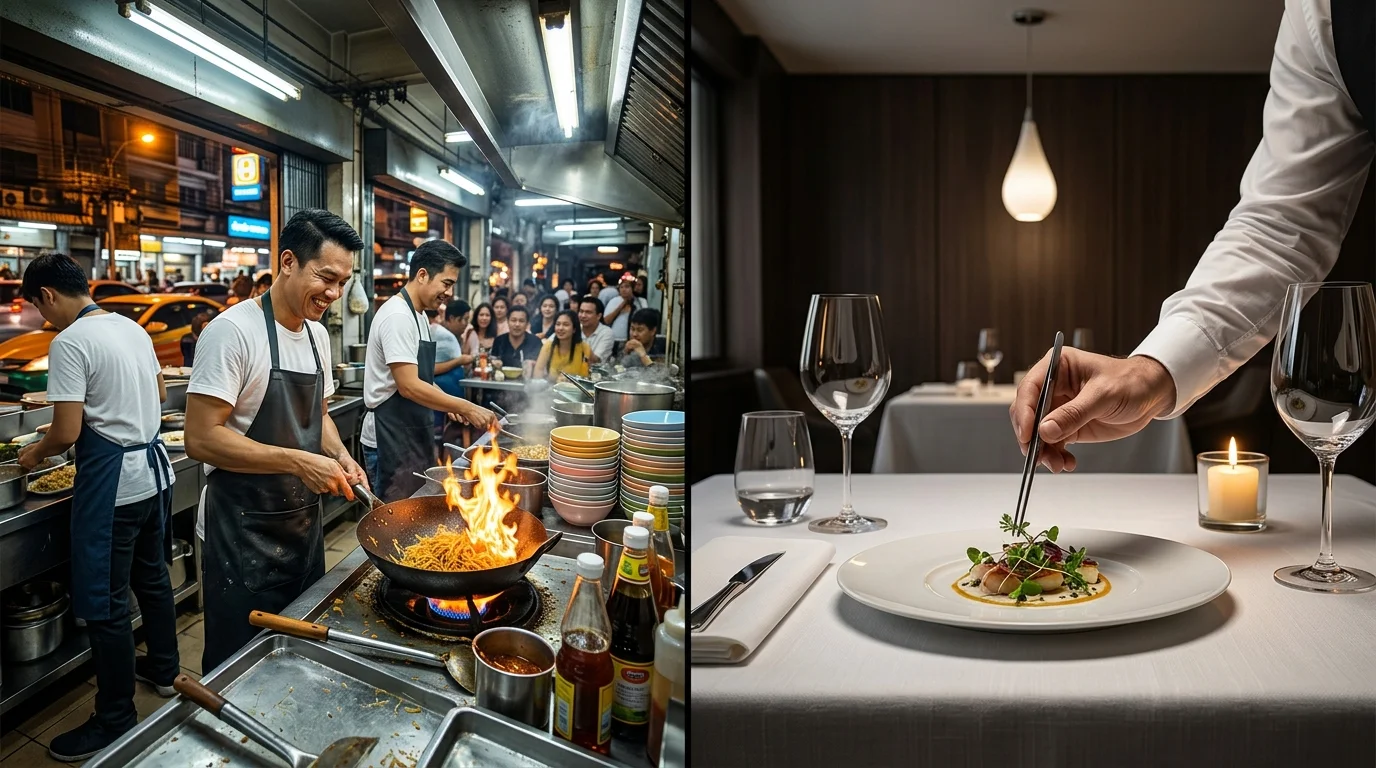
Eating here is an inherently communal act that dissolves social boundaries. A proper local meal revolves around a shared bowl of Gaeng Som, a fiercely sour and spicy yellow curry made with fresh barracuda caught that same morning. It is never eaten alone. You order it alongside mild, cooling dishes to share with the entire table, balancing the intense heat. This communal dining is how islanders check in on each other. Taking the last bite from a shared plate is considered incredibly bad form unless explicitly offered, as leaving a small amount signals that the host has provided ultimate abundance.
LANGUAGE & COMMUNICATION
The southern dialect spoken here is notoriously fast and cuts words entirely in half. Instead of the standard greeting, learning to say 'Pai nai' (where are you going?) functions as a friendly checking-in rather than a demand for your itinerary. Using this will make market vendors instantly smile. If you want to grasp the basics properly, a beginner language class at a local school costs roughly 400 THB (8.80 GBP) for an hour.
Always remove your shoes before stepping onto the wooden decking of any local home or small shop, even if it looks like an outdoor space. Do not touch the intricate flower garlands hanging from the rearview mirrors of songthaews, as these are blessed items protecting the vehicle. When discussing the full moon events with older locals, focus on the lunar significance rather than the alcohol consumption. A hyper-specific island rule involves the ubiquitous stray dogs. Do not feed a beach dog directly outside a local's business, as you are inadvertently assigning them ownership and financial responsibility for that animal in the eyes of the community.