Guide to Retiring to Thailand
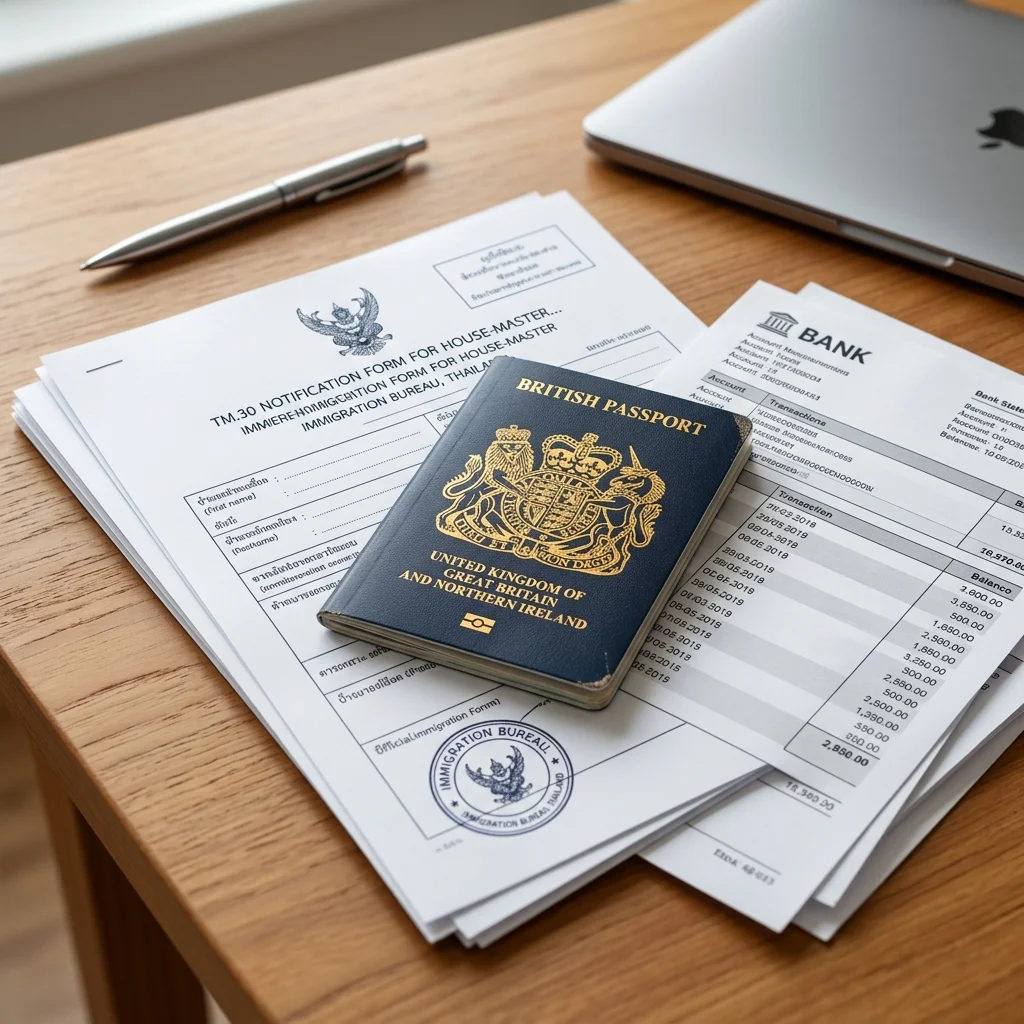
Securing a Thai retirement visa as a UK national requires proving a sustained bank balance of 800,000 THB (£17,300) or a monthly income of 65,000 THB (£1,400). The process demands precise documentation of your pension, mandatory health insurance coverage, and accepting that your UK state pension freezes at the rate it stands when you relocate.
This page outlines the complete retirement journey for UK nationals moving to Thailand, covering visa requirements, financial thresholds, healthcare obligations, and the reality of drawing a British pension abroad. It helps you assess whether a Thai retirement is legally and financially viable for your circumstances before you commit to the move. This guide is for serious planners ready to tackle immigration paperwork and long-term budgeting, not for tourists seeking casual extended holidays.

Navigating the Non-Immigrant O-A and O Visa Routes
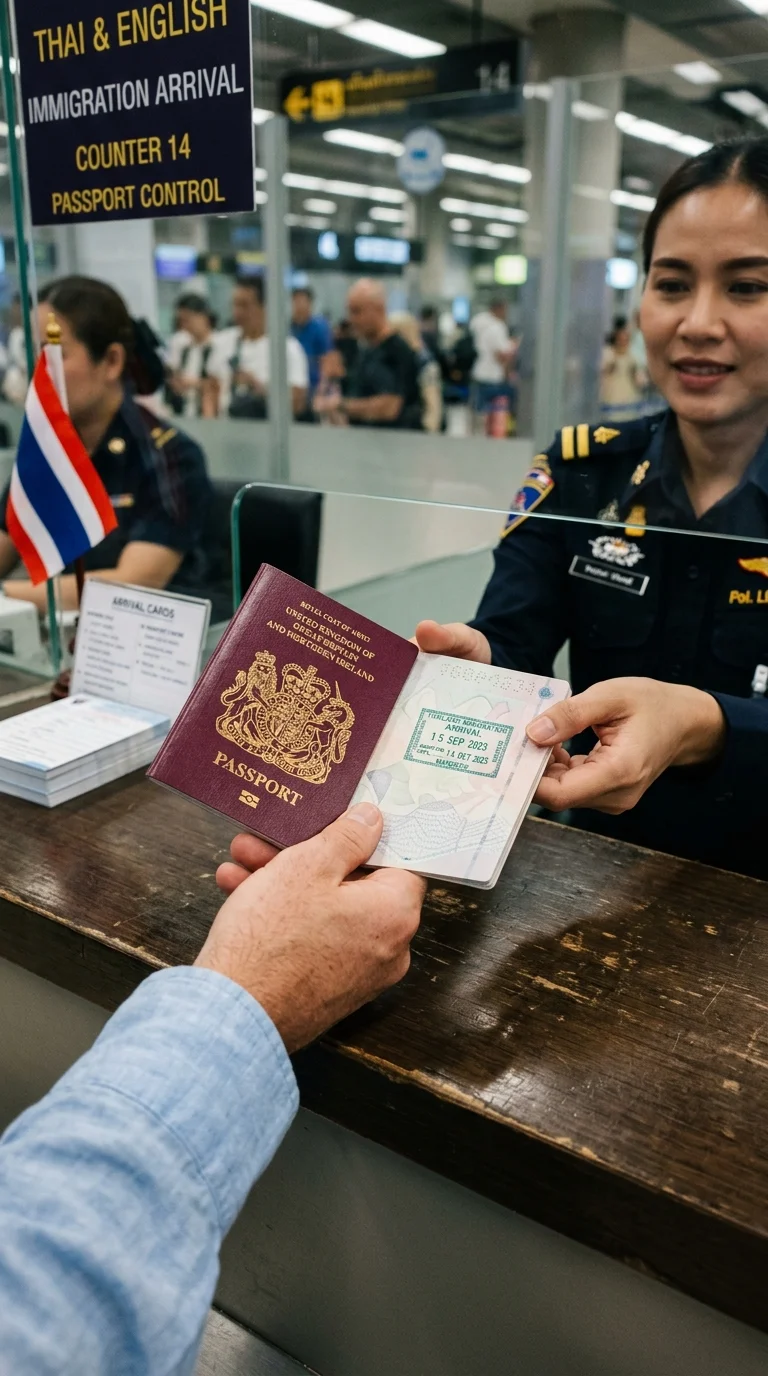
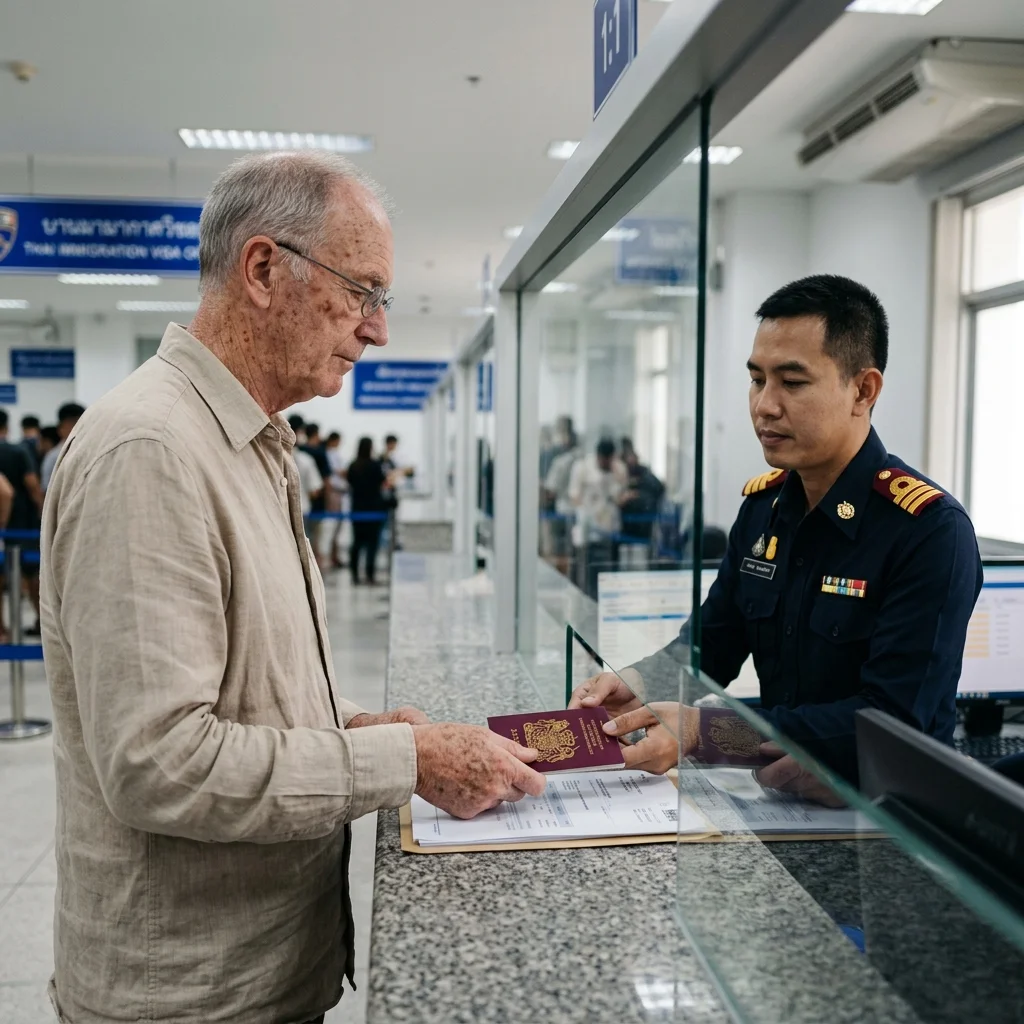
Securing your legal right to retire in Thailand hinges on choosing between the Non-Immigrant O and O-A visa categories. The Non-Immigrant O-A visa, typically applied for from the UK via the Thai Embassy in London, grants a one-year stay but mandates police clearance, medical certificates, and specific Thai-approved health insurance. You must demonstrate a bank balance of 800,000 THB (£17,300) held for two months prior to application, or a guaranteed monthly income of 65,000 THB (£1,400). Alternatively, many UK retirees enter Thailand on a standard tourist visa or exemption, convert to a Non-Immigrant O visa at a local Thai immigration office, and subsequently apply for a one-year retirement extension. This domestic route entirely bypasses the stringent UK-side police check and medical certificate requirements of the O-A, though the financial thresholds remain identical. The financial proof must come from an individual Thai bank account in your name only, meaning joint UK accounts cannot be used directly to satisfy immigration officers. Processing times vary by province, but securing the initial visa usually takes three to four weeks. Prepare your financial documentation meticulously to avoid application rejection.
Move your dog or cat from the UK to Thailand with our comprehensive guide to vaccinations, DEFRA certificates, and DLD import permits.
| Visa Route | Application Location | Key Requirements |
|---|---|---|
| Non-Immigrant O-A | Thai Embassy in London | 800k THB / 65k THB monthly, Police Check, Medical, Mandatory Insurance |
| Non-Immigrant O (Conversion) | Local Thai Immigration Office | 800k THB / 65k THB monthly, No Police Check, Insurance varies by extension |
| LTR Visa (Wealthy Pensioner) | Thai Embassy or E-Visa online | $80,000 USD annual income, $250,000 USD health insurance, 10-year validity |
| Retirement Extension | Local Thai Immigration Office | Annual renewal of O or O-A, proof of 800k THB seasoned for 3 months prior |
Managing Your UK Pension and Tax Liabilities
Sponsored
Structuring your retirement income effectively requires understanding exactly how the UK state pension operates once you become a legal Thai resident. Thailand does not have a reciprocal social security agreement with the UK, meaning your British state pension will be permanently frozen at the exact rate it is paid when you emigrate. You will not receive the annual triple-lock increases, effectively diminishing your purchasing power over a twenty-year retirement as regional inflation rises. Private pensions, such as SIPPs or final salary schemes, can be drawn down locally, but transferring them into Thailand introduces new tax complexities. From January 2024, the Thai Revenue Department enforces a strict rule taxing all foreign income brought into the country by tax residents in the calendar year it is earned. You must declare this imported income and potentially pay Thai personal income tax, though the UK-Thailand Double Taxation Agreement prevents you from being taxed twice on the exact same money. You will need to file a P85 form with HMRC to inform them of your permanent departure and apply for your pension to be paid gross. Consult an international tax advisor to structure your drawdowns legally and efficiently.
Choosing the Right Retirement Location
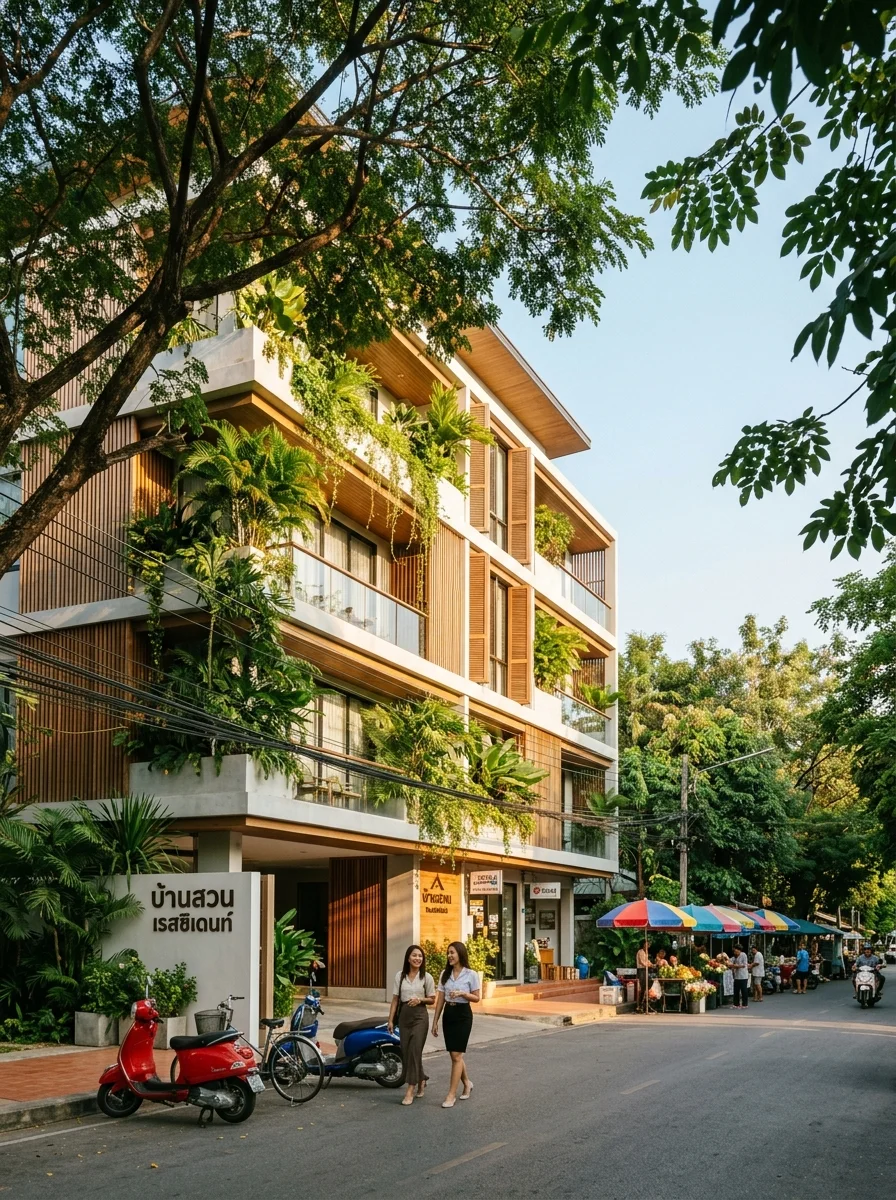
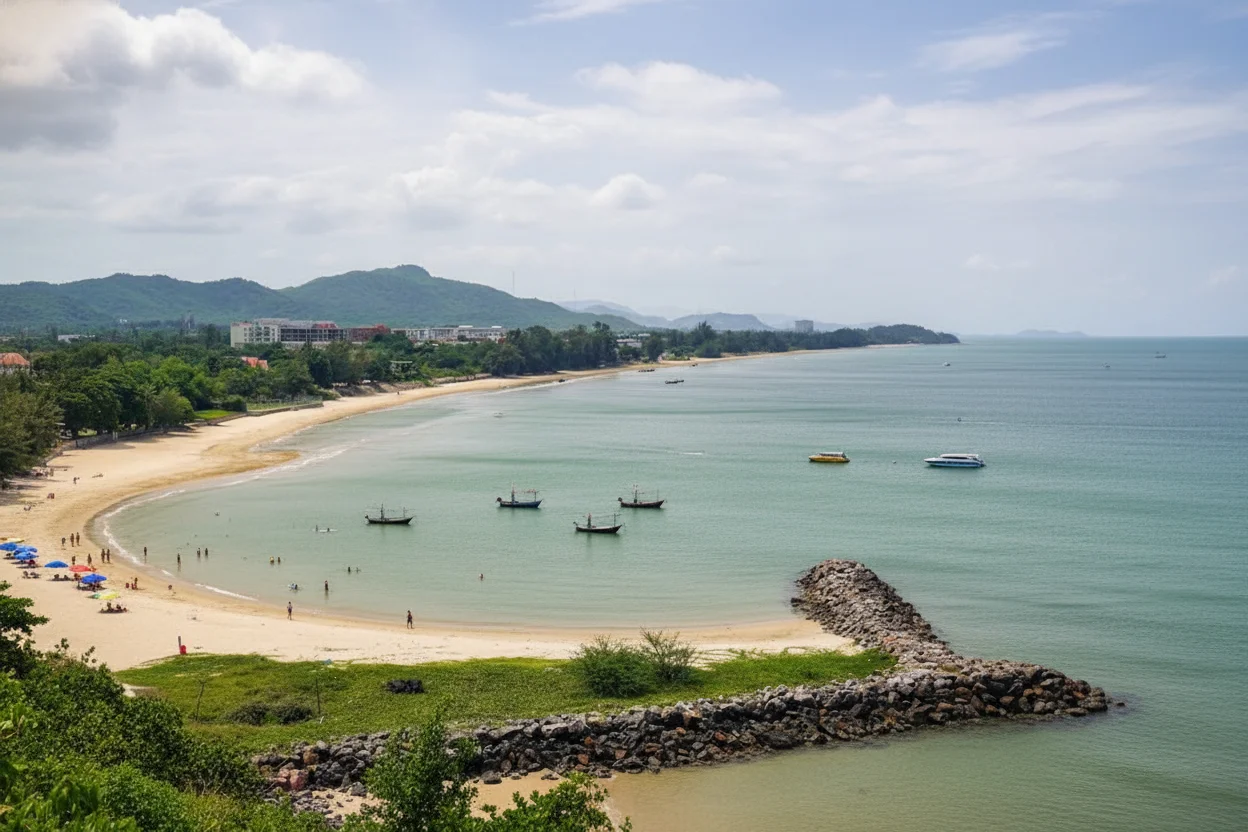
Selecting your primary base in Thailand determines your daily expenses, climate comfort, and access to necessary expat infrastructure. Chiang Mai remains the primary hub for UK retirees seeking a cooler climate and lower living costs, with a modern one-bedroom apartment renting for around 15,000 THB (£325) monthly. However, northern residents must contend with the annual 'burning season' from February to April, which severely impacts air quality and forces many indoors. Hua Hin offers a coastal alternative with a heavily established British retirement community, excellent golf courses, and reliable private hospitals, demanding a slightly higher rental budget of 25,000 THB (£540). Bangkok provides superior healthcare facilities and unhindered transport via the BTS Skytrain, but the intense urban heat, humidity, and higher accommodation costs averaging 35,000 THB (£760) deter many on a fixed pension. Phuket and Koh Samui deliver the traditional island lifestyle, yet they command the absolute highest cost of living in the country, often requiring a monthly budget exceeding 100,000 THB (£2,170) for a comfortable standard. Prioritise proximity to an international hospital and an active expat community when finalising your destination.
| Location | Average Monthly Rent (1-Bed) | Key Expat Drawbacks |
|---|---|---|
| Chiang Mai | 15,000 THB (£325) | Severe air pollution from February to April |
| Hua Hin | 25,000 THB (£540) | Older demographic, limited public transport options |
| Bangkok | 35,000 THB (£760) | High costs, intense urban heat, heavy traffic |
| Phuket | 40,000 THB (£870) | Expensive groceries, high transport costs, heavy tourism |
Navigating the Thai Healthcare System
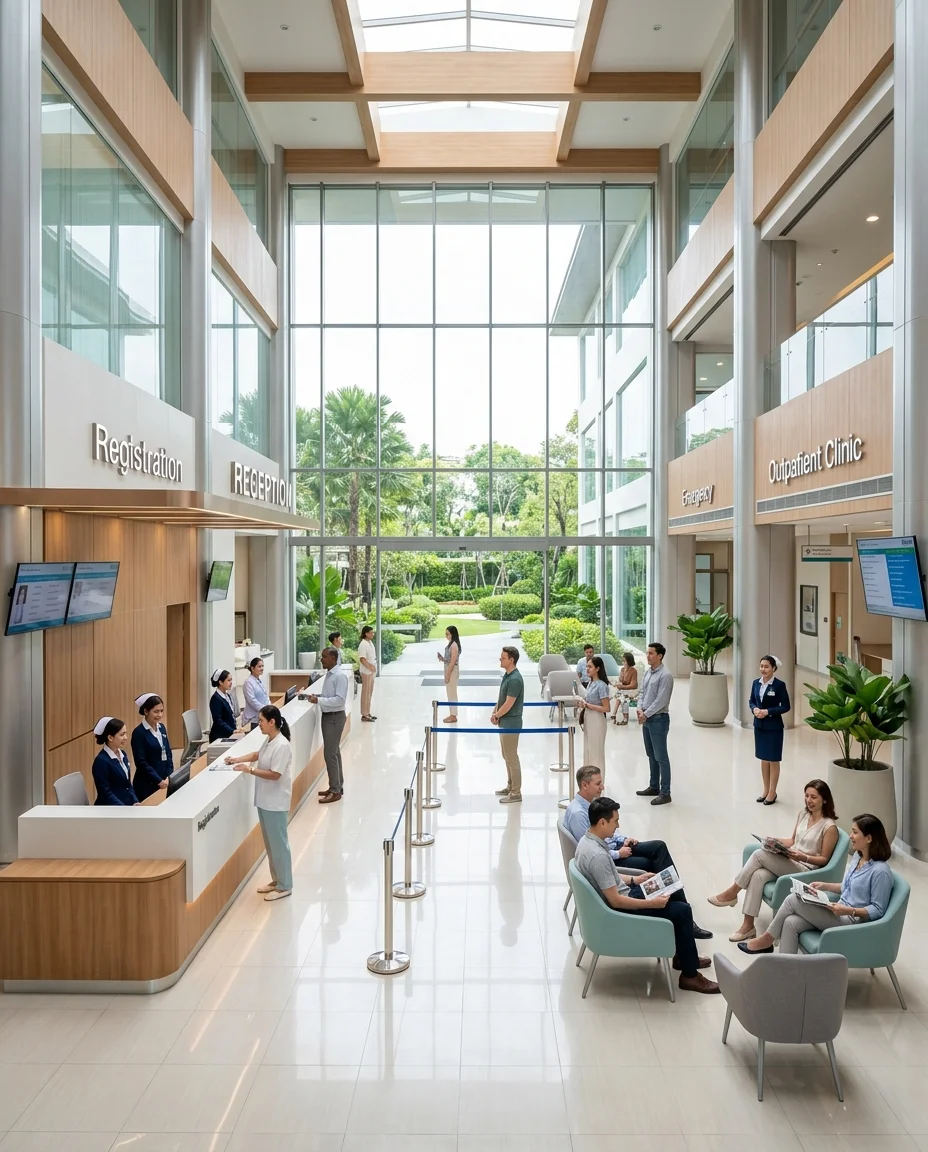
Accessing reliable medical care is the single largest ongoing liability for a UK retiree leaving the protection of the NHS. Thailand operates a dual-track medical system, and while public government hospitals are highly affordable, they suffer from severe overcrowding and a distinct lack of English-speaking administrative staff. UK retirees rely almost entirely on the private hospital network, which offers excellent standards of care but operates strictly on a fee-for-service basis. An overnight stay in a top-tier Bangkok facility like Bumrungrad or Samitivej can easily exceed 30,000 THB (£650) just for the room and basic nursing care. Comprehensive inpatient medical insurance is therefore critical, and if you hold a Non-Immigrant O-A visa, a minimum coverage of 3,000,000 THB (£65,000) is legally mandated for your stay. Premiums for a 65-year-old applicant typically start at 80,000 THB (£1,730) annually and increase sharply with age. Pre-existing conditions are almost universally excluded by domestic Thai insurers, forcing many older expats to self-insure by maintaining a dedicated medical emergency fund of at least 1,000,000 THB (£21,700). Secure comprehensive health insurance before you arrive to protect your retirement capital from sudden medical emergencies.
| Healthcare Option | Typical Cost / Premium | Best Suited For |
|---|---|---|
| Private International Insurance | 80k - 150k THB annually | Full inpatient and outpatient cover, O-A visa compliance |
| Thai Domestic Insurance | 50k - 90k THB annually | Basic inpatient cover, strictly capped room rates |
| Self-Funding (Out of Pocket) | 1m+ THB dedicated reserve | Retirees with pre-existing conditions denied by insurers |
| Public Government Hospitals | 500 THB per consultation | Minor ailments where wait times are not an issue |
Securing Long-Term Accommodation
Securing a long-term lease requires navigating Thai property laws which strictly prohibit foreigners from owning land outright. You can legally own a apartment unit freehold, provided the building's total foreign ownership does not exceed 49 percent of its total floor space. For most retirees, renting is the lower-risk strategy, allowing flexibility to change locations as health or lifestyle needs evolve over time. Standard residential leases run for twelve months, requiring a two-month security deposit and the first month's rent paid upfront in cash or via domestic bank transfer. When viewing properties, verify whether the electricity is billed directly at the government rate of approximately 4.5 THB (£0.10) per unit, as some unscrupulous landlords apply a heavy surcharge. Unfurnished apartments are exceptionally rare; most apartments come fully equipped with white goods and furniture, though you will need to purchase your own bedding and kitchenware. Ensure your landlord registers your presence with local immigration within 24 hours of your arrival by filing a TM30 form, as failing to do so will block your future visa extensions. Always insist on a formal, English-translated lease agreement before transferring any deposit funds.
Establishing Your Daily Life and Social Network
Integrating into local life requires deliberate effort to build a support network outside of the transient tourist infrastructure. Isolation is a significant risk for UK retirees who fail to establish daily routines or connect with the local expat community. Opening a Thai bank account is your first administrative hurdle; you will need your passport, a long-stay visa, a certificate of residency from immigration, and often an introductory letter from your embassy. Bangkok Bank and Kasikorn Bank are generally the most receptive to foreign retirees. For day-to-day communication, AIS and TrueMove offer highly reliable 5G mobile networks, with unlimited data packages costing around 800 THB (£17) monthly. Building a social life involves joining local clubs, such as golf societies, rotary clubs, or specific expat groups found in Chiang Mai and Hua Hin, which provide crucial advice on navigating local bureaucracy. While English is widely spoken in commercial areas and hospitals, learning basic conversational Thai drastically improves your daily interactions in markets and with service staff. Establish a structured weekly routine immediately to smooth your transition from a working life in the UK to retirement in Thailand.
Anticipated Monthly Retirement Costs
Maintaining a comfortable retirement in Thailand requires a highly realistic assessment of your monthly outgoings. While local street food and provincial public transport are incredibly cheap, maintaining a Western lifestyle with imported groceries, regular air conditioning, and comprehensive medical insurance quickly elevates your baseline budget. A single UK retiree living in a mid-tier destination like Hua Hin or Chiang Mai should anticipate spending between 65,000 THB (£1,400) and 85,000 THB (£1,840) per month. Rent for a modern one-bedroom apartment will consume a significant portion of this, alongside utility bills heavily influenced by your daily air conditioning usage. Imported British food items carry high import duties, making local wet markets far more economical for daily sustenance. You must also factor in the prorated monthly cost of your annual visa renewal, mandatory health insurance premiums, and occasional domestic travel. Establish a robust budget buffer to account for currency fluctuations between the Pound and the Baht.
| Item | Monthly Cost (THB) | Monthly Cost (GBP approx) | Notes |
|---|---|---|---|
| 1-Bed Apartment Rent | 15,000 - 35,000 THB | £325 - £760 | Varies heavily by city and proximity to transport |
| Utilities (Electric, Water, Internet) | 3,000 - 5,000 THB | £65 - £110 | Highly dependent on daily air conditioning usage |
| Groceries & Dining Out | 15,000 - 25,000 THB | £325 - £540 | Assumes a mix of local markets and Western restaurants |
| Transport (BTS/Local taxis) | 3,000 - 6,000 THB | £65 - £130 | Lower if walking or using local songthaews |
| Health Insurance (Prorated) | 6,500 - 12,500 THB | £140 - £270 | Increases significantly for retirees over 70 |
| Visa Extensions & Admin | 1,000 - 2,000 THB | £20 - £40 | Covers annual fees, photos, and transport to immigration |
Common Mistakes and How to Avoid Them

Failing to maintain the required immigration bank balance is a critical error. If your balance dips below 800,000 THB before your visa extension, officers will reject your renewal. Hold this capital in an untouched account dedicated solely to visa compliance. Assuming your UK state pension increases annually is a dangerous financial misstep. Because the pension freezes upon relocation, your spending power will erode through inflation. Model your budget with a fixed pension figure and use investments for inflationary gaps. Neglecting the TM30 address report causes severe bureaucratic headaches. If your landlord fails to report your return within 24 hours, you face blocked visa renewals. Remind your landlord to file the TM30 receipt whenever you re-enter your property. Ignoring exclusions on local health insurance leaves you financially exposed. Domestic policies aggressively cap room rates, leaving you liable for hospital shortfalls. Purchase international health insurance guaranteeing full inpatient coverage without strict sub-limits.
Practical Tips for a Smooth Transition
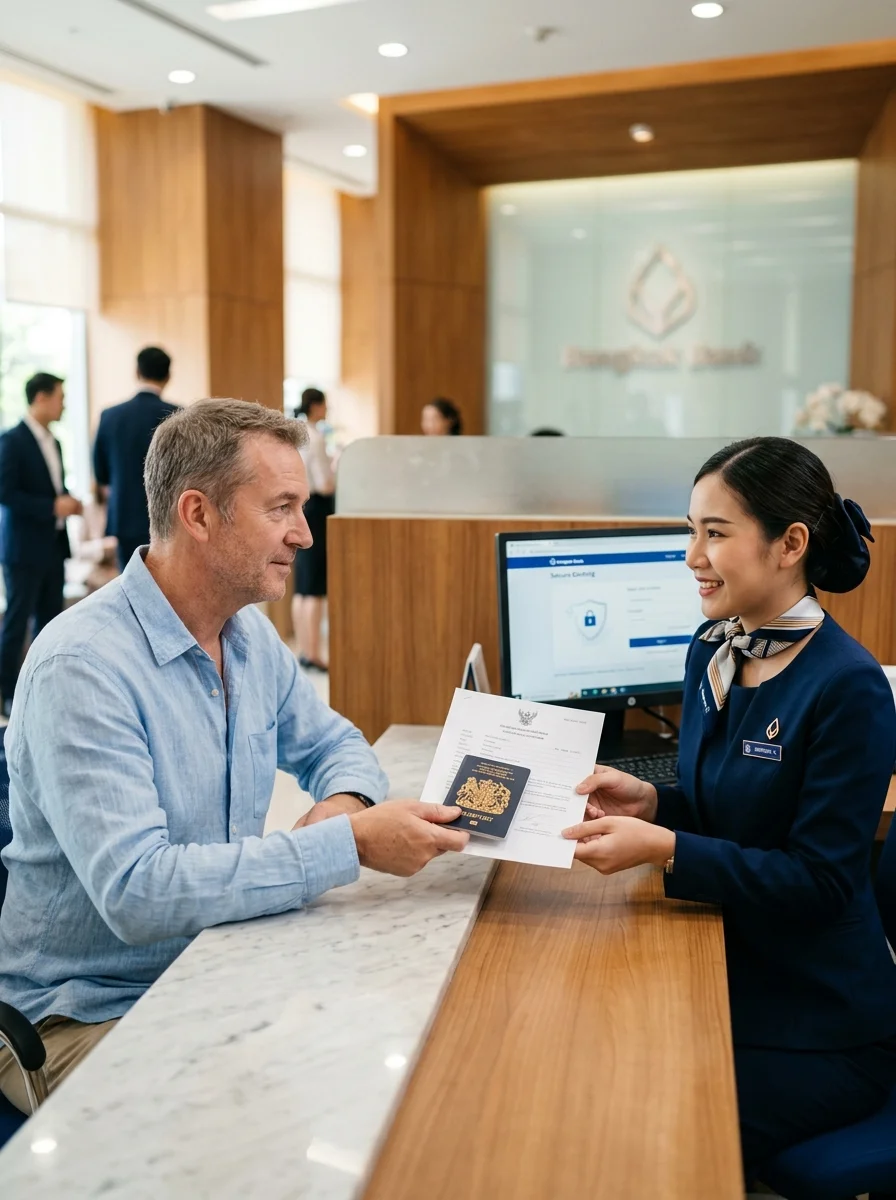
Open a Thai bank account on a tourist visa before applying for your retirement extension. Bangkok Bank allows tourists to open accounts if they present a residency certificate from their embassy or local immigration office.
Prepare your police clearance certificate well in advance if applying for the O-A visa from the UK. The ACRO police certificate process can take several weeks, and the document is only valid for a limited window before submission.
Retain every single bank slip and passbook update related to international transfers. Thai immigration requires a clear, documented paper trail proving your 800,000 THB originated from overseas.
Register with the UK government's Tell Us Once service and notify HMRC via the P85 form. This ensures your tax status is updated to non-resident, allowing your private pension drawdowns to be processed without emergency UK tax codes.
Join regional expat Facebook groups for real-time recommendations on reliable legal and visa agents. Local regulations are interpreted differently by individual immigration offices, and ground-level advice is invaluable.
Never hand over your passport to an unlicensed visa agent promising a shortcut. Fraudulent stamps will result in immediate deportation and a permanent ban from re-entering Thailand.
Set up a specialist currency transfer account like Wise or Revolut before you leave the UK. High street banks charge exorbitant fees and poor exchange rates for regular monthly pension transfers to Thailand.
Retirement Relocation Quick Reference
| Item | Detail | Notes |
|---|---|---|
| Primary Visa Routes | Non-Immigrant O-A or Non-Immigrant O | O-A requires UK police check and medical; O does not. |
| Financial Threshold | 800,000 THB savings OR 65,000 THB monthly income | Savings must be seasoned in a Thai bank account. |
| UK State Pension | Frozen at date of relocation | No annual triple-lock increases once resident in Thailand. |
| Healthcare Requirement | Mandatory for O-A visa (3m THB cover) | Private international insurance strongly recommended. |
| Average Monthly Cost | 65,000 - 85,000 THB (£1,400 - £1,840) | Dependent on location and lifestyle choices. |
| Typical Lease Term | 12 Months | Requires two months' deposit and first month upfront. |
| Best Expat Areas | Chiang Mai, Hua Hin, Bangkok, Phuket | Coastal areas carry higher living costs than the north. |
| Property Ownership | Apartment freehold permitted | Foreigners cannot legally own land outright. |