Thailand's education sector is actively exploring enhanced collaboration between international and local schools, a development with significant implications for British expatriates. Discussions highlight distinct educational approaches and ongoing efforts to bridge perceived gaps within the system.
Navigating School Choices
Parents frequently consider international schools for strong English language teaching, creative thinking, and analytical skills. A key difference noted is the development of soft skills, such as confidence in presenting ideas, which may receive less emphasis in some Thai public schools. International schools also tend to prioritise punctuality, order, and mindfulness practices to support student well-being. Additionally, some parents select international schools for social ecosystems and status, reflecting aspects of local culture and family priorities.
Prioritising Suitability
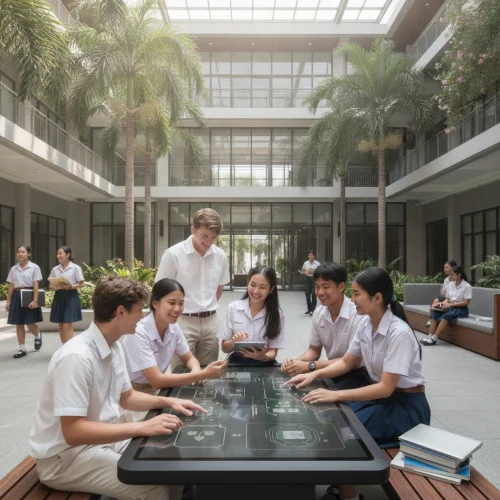
Experts stress that the most crucial factor for expat families is finding the right school for the child, rather than focusing solely on prestige or cost. A costly institution may not be effective if it does not suit the student's individual needs. The ideal school might be a nearby establishment offering suitable facilities, qualified staff, and tuition fees that align with family circumstances. Core academic knowledge, such as physics, is broadly consistent across different school systems. The value often lies in how schools foster collaboration and real-world application of knowledge, preparing students for future challenges.
Future Collaboration and Integration
The Ministry of Education views the private sector, including international schools, as a valuable partner. The Office of the Education Council has engaged with the British Chamber of Commerce on educational cooperation. Current initiatives aim to pair international schools with local public schools in sister-school partnerships. These partnerships seek to share best practices and enhance quality. Proposals also suggest international schools could open facilities, like science laboratories, to Thai students during evenings or weekends. This fosters shared learning opportunities. Such integration could benefit the wider educational landscape, potentially offering more diverse options for expat families in the long term.
Reviewed by the Thailand Guide Editorial Team • Last reviewed: 10 June 2026
This page is provided for general information only. While we aim for accuracy, details can change — please verify anything important independently before relying on it.