Elephant Sanctuaries Thailand
The anatomical structure of an Asian elephant's spine features upward-pointing bony protrusions that make bearing weight on their back physically damaging, yet thousands of tourists still pay to ride them in Thailand every day. Distinguishing a genuinely ethical sanctuary from a heavily marketed riding camp requires looking past the venue's name and watching exactly how the animals are treated.
This guide explains how to identify and visit a genuinely ethical elephant sanctuary in Thailand. You will learn the critical difference between authentic rescue centres and commercial camps that exploit the "sanctuary" label for profit. The page covers the history of captive elephants, specific red flags like hooks or bathing shows, realistic costs for UK visitors, and detailed profiles of highly respected venues like Elephant Nature Park and Boon Lott’s Elephant Sanctuary.

The History of Working Elephants in Thailand
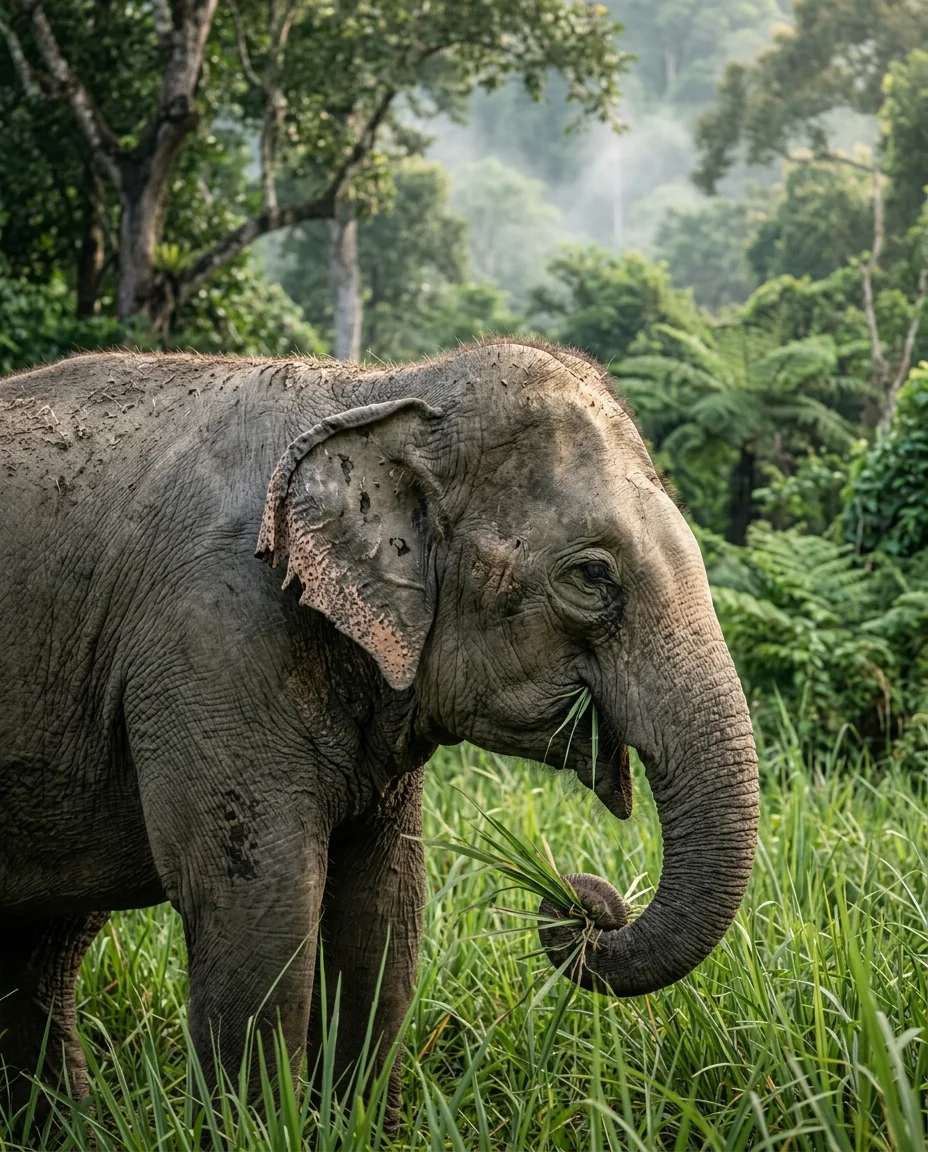
Understanding the current sanctuary landscape requires looking at Thailand's logging ban of 1989. For decades, thousands of captive elephants and their mahouts worked in the nation's teak forests. They hauled massive timber loads through dense, unforgiving jungle terrain. When the government outlawed commercial logging to protect remaining forests, these working animals suddenly had no legal employment. Because a single adult elephant consumes up to 150 kilogrammes of food daily, mahouts turned to the rapidly expanding tourism industry to fund their survival. This shift birthed the elephant riding camps and performance shows that dominated Thai tourism throughout the 1990s and 2000s. The transition saved the animals from starvation. However, it trapped them in a cycle of unnatural labour that continues today. Many older elephants currently living in rescue centres still bear the physical scars of their logging days. You will often see these alongside newer injuries sustained from carrying heavy metal benches for tourists. A genuine sanctuary visit directly funds the retirement of these overworked animals, allowing them to finally roam without a job to do.
Discover how to experience Muay Thai in Thailand. From watching ringside in Bangkok to booking the perfect training camp, plan your trip with honest advice.
The Physical Reality of Elephant Riding
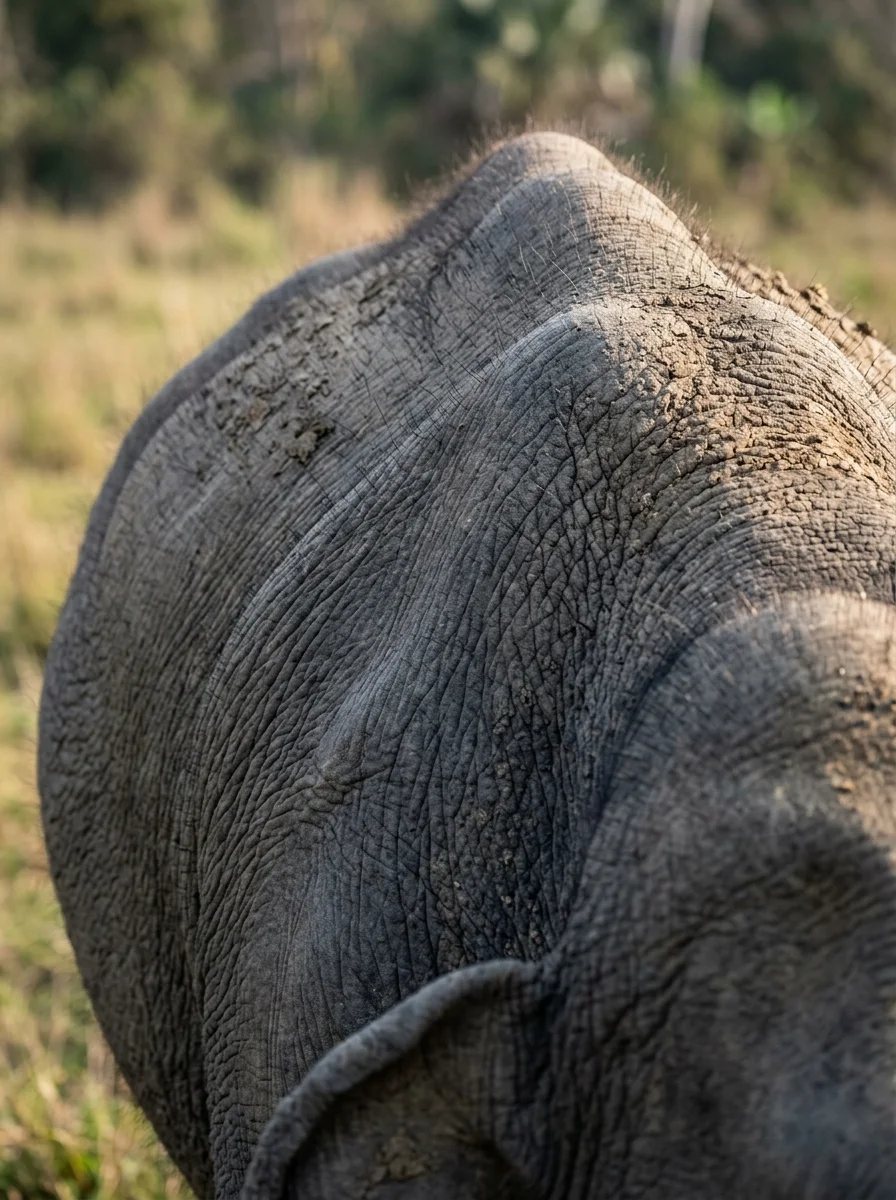
Despite their immense size and apparent strength, an elephant's skeletal structure cannot safely support weight on its back. The vertebrae of an Asian elephant feature sharp, upward-facing neural spines that lack the thick layer of muscle found in horses or camels. When operators strap a heavy iron or wooden howdah across this ridge, the constant friction and downward pressure cause severe spinal deformation. Adding the weight of two or three adult tourists compounds this trauma. The physical harm extends far beyond the spine. Breaking a young elephant's spirit for riding involves extreme confinement, sleep deprivation, and the use of bullhooks. Even camps offering bareback riding require the animal to submit to control mechanisms that rely entirely on fear and pain. Modern veterinary science universally condemns the practice. This reality has prompted travel companies worldwide to remove riding camps from their itineraries. Before booking any elephant encounter, physically check the itinerary for any mention of riding, trekking, or sitting on the animals.
| Practice | Physical Impact | Ethical Verdict |
|---|---|---|
| Chair Riding (Howdah) | Severe spinal damage, skin abrasions, chronic pain | Highly unethical |
| Bareback Riding | Spinal stress, requires fear-based control methods | Unethical |
| Bathing with Tourists | Stress from forced interaction, water contamination | Questionable |
| Observation Only | Zero physical impact, natural behaviour encouraged | Fully ethical |
Spotting the Fake Sanctuaries
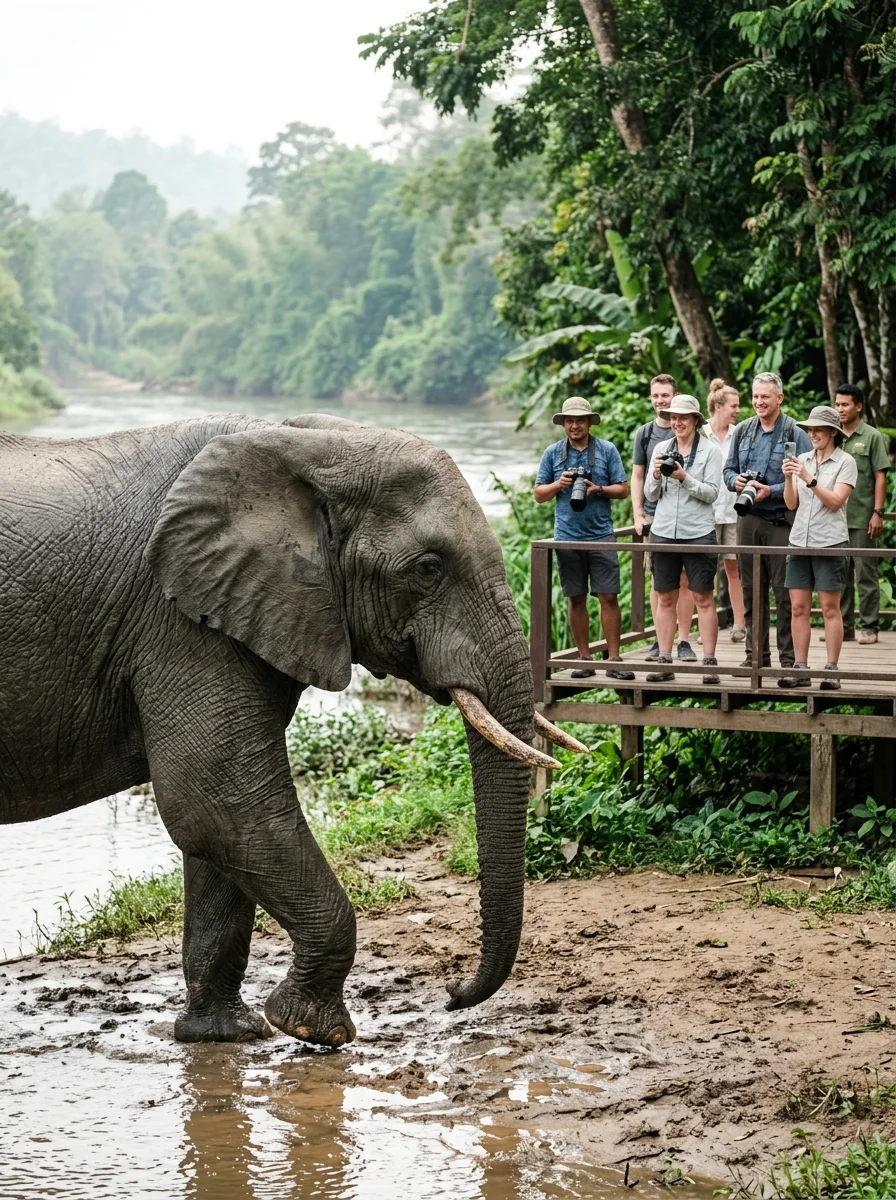
The word sanctuary carries no legal weight in Thailand. This loophole allows commercial riding camps to rebrand themselves without changing their abusive practices. Many venues simply removed the riding chairs but kept the bullhooks, forcing elephants to perform unnatural behaviours like painting pictures or posing for tourists. A critical red flag is guaranteed close interaction. If an itinerary promises that you will hug, bathe, or hand-feed every elephant, the facility prioritises tourist entertainment over animal welfare. Bathing is particularly problematic. Elephants naturally use mud and water to regulate their body temperature and protect their skin from insects. Forcing them into the water multiple times a day with screaming groups of tourists disrupts this vital natural behaviour and frequently leads to skin infections. You should also watch the mahouts closely in promotional videos. If they carry sharp hooks or nails concealed in their hands, the animals are being controlled through fear. Always look for facilities that enforce a strict hands-off policy where elephants dictate their own movements.
What a Genuine Visit Actually Involves
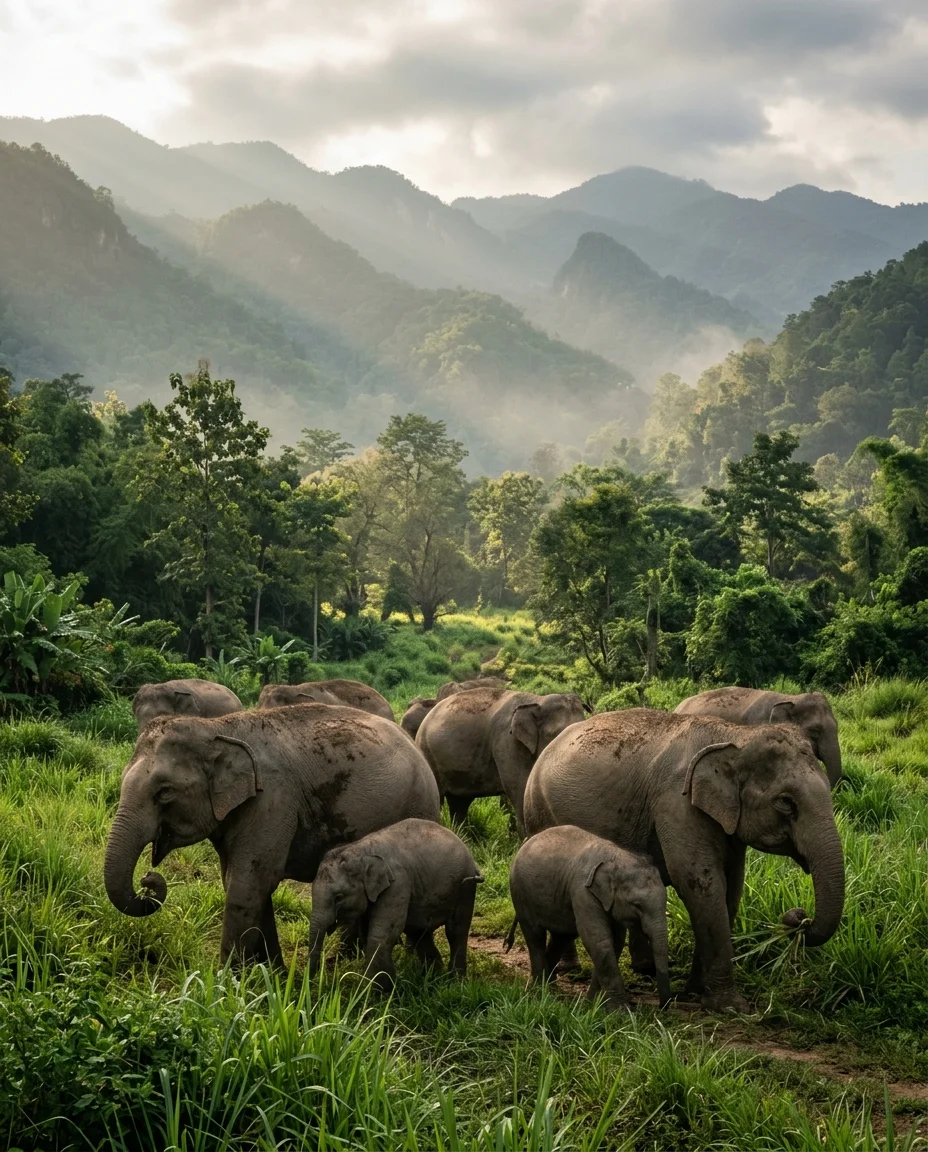
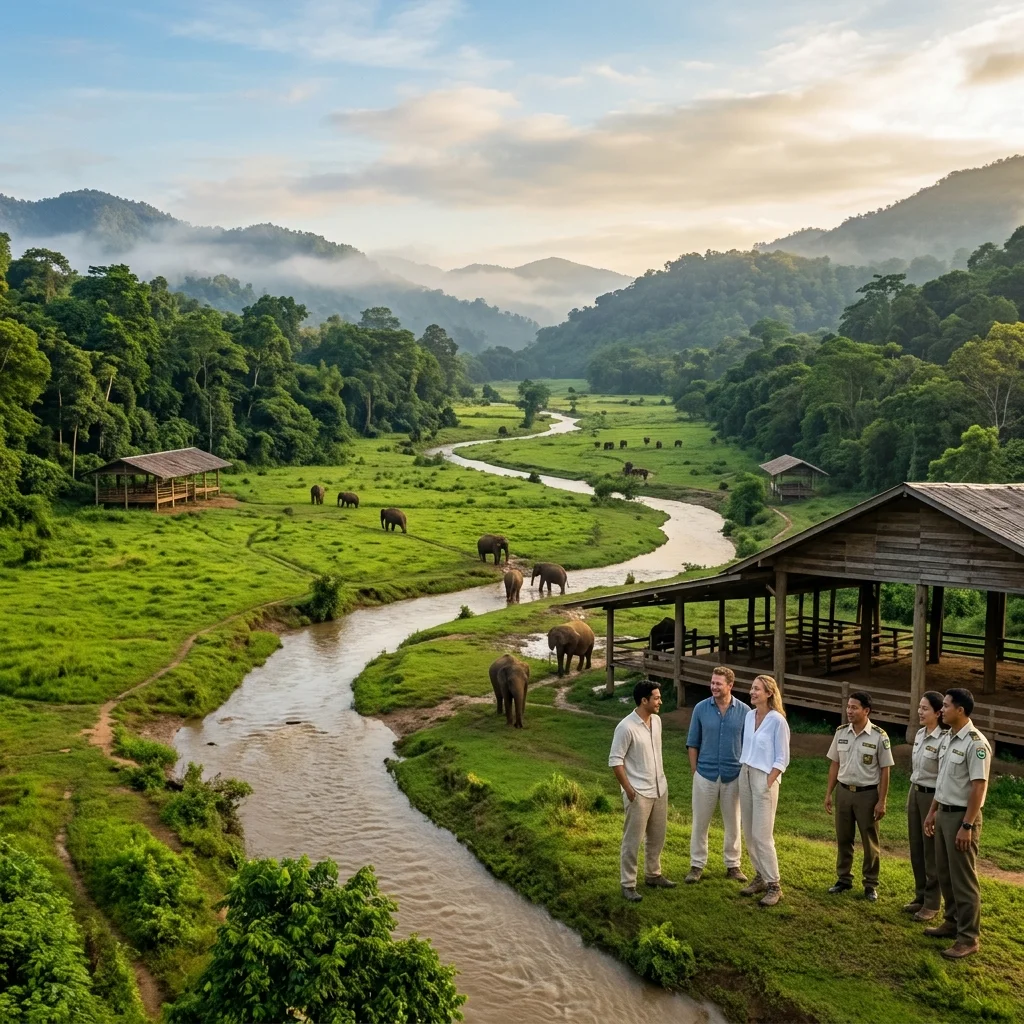
A truly responsible elephant encounter focuses entirely on observation, allowing you to witness these complex mammals socialising on their own terms. When you arrive at a verified rescue centre, the day typically begins with an educational briefing. You will learn about elephant anatomy, herd dynamics, and the specific rescue histories of the resident animals. Instead of a scheduled performance, you will spend your time walking alongside the herd at a respectful distance. You can watch them forage through the jungle, scratch against trees, and bathe in mud pits. Guests often help volunteers prepare enormous baskets of watermelons, pumpkins, and bananas. Staff then place these in designated feeding areas rather than handing them directly to the trunks. The pace is incredibly slow. Movements and moods of the elephants dictate the entire schedule. There are no loud speakers, no concrete show rings, and no pressure on the animals to interact with visitors. Expect to spend hours simply watching them communicate through low rumbles and subtle physical gestures. Bring a camera with a good zoom lens so you can capture their intricate social behaviours without encroaching on their personal space.
Why Ethical Centres Cost More
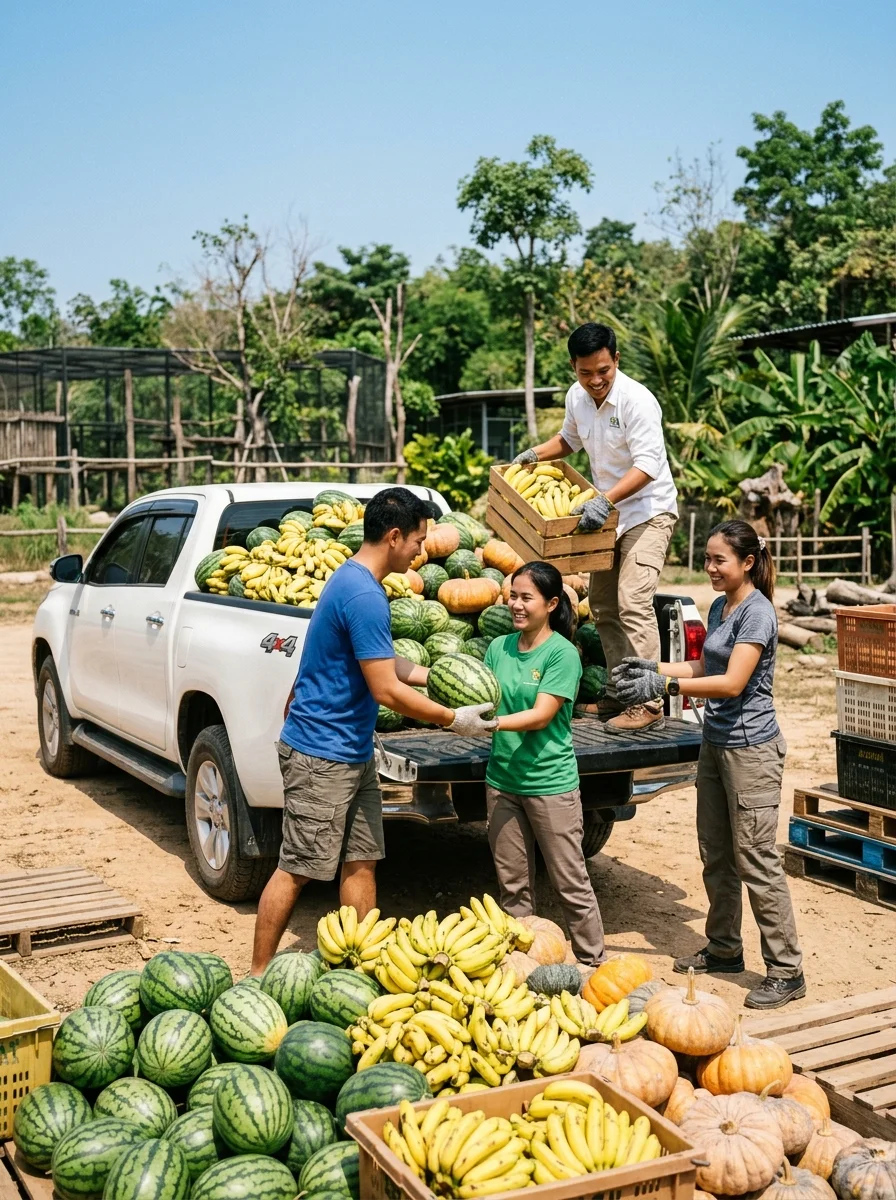
Operating a legitimate sanctuary requires massive financial resources. This explains why ethical observation programmes cost significantly more than traditional riding camps. A single rescued elephant consumes roughly ten percent of its body weight in fresh vegetation and fruit every single day. Beyond the staggering grocery bill, genuine sanctuaries employ full-time veterinary staff. These experts treat the complex chronic injuries that rescued animals arrive with, from landmine amputations to spinal deformations. Facilities must also lease or purchase vast tracts of land so the herds can roam freely. Unethical camps avoid this expense by chaining their animals in small concrete enclosures. Furthermore, ethical centres pay their mahouts a fair, living wage. This ensures they do not need to exploit the animals for extra tips from tourists. Riding camps can charge low entry fees because they pack hundreds of visitors into rushed, high-volume sessions that keep the elephants working continuously. Paying a higher fee at a verified sanctuary ensures your money directly supports land acquisition, medical care, and the rescue of more elephants.
| Expense Category | Ethical Sanctuary | Commercial Riding Camp |
|---|---|---|
| Land Requirements | Hundreds of acres for free roaming | Small concrete pens and a riding track |
| Medical Care | Full-time vets, specialised treatments | Minimal or non-existent veterinary care |
| Tourist Volume | Low volume, strict daily limits | High volume, continuous rotation |
| Food Quality | High-grade fresh fruit and varied vegetation | Basic, cheap fodder to minimise costs |
How to Verify Credentials Before Booking
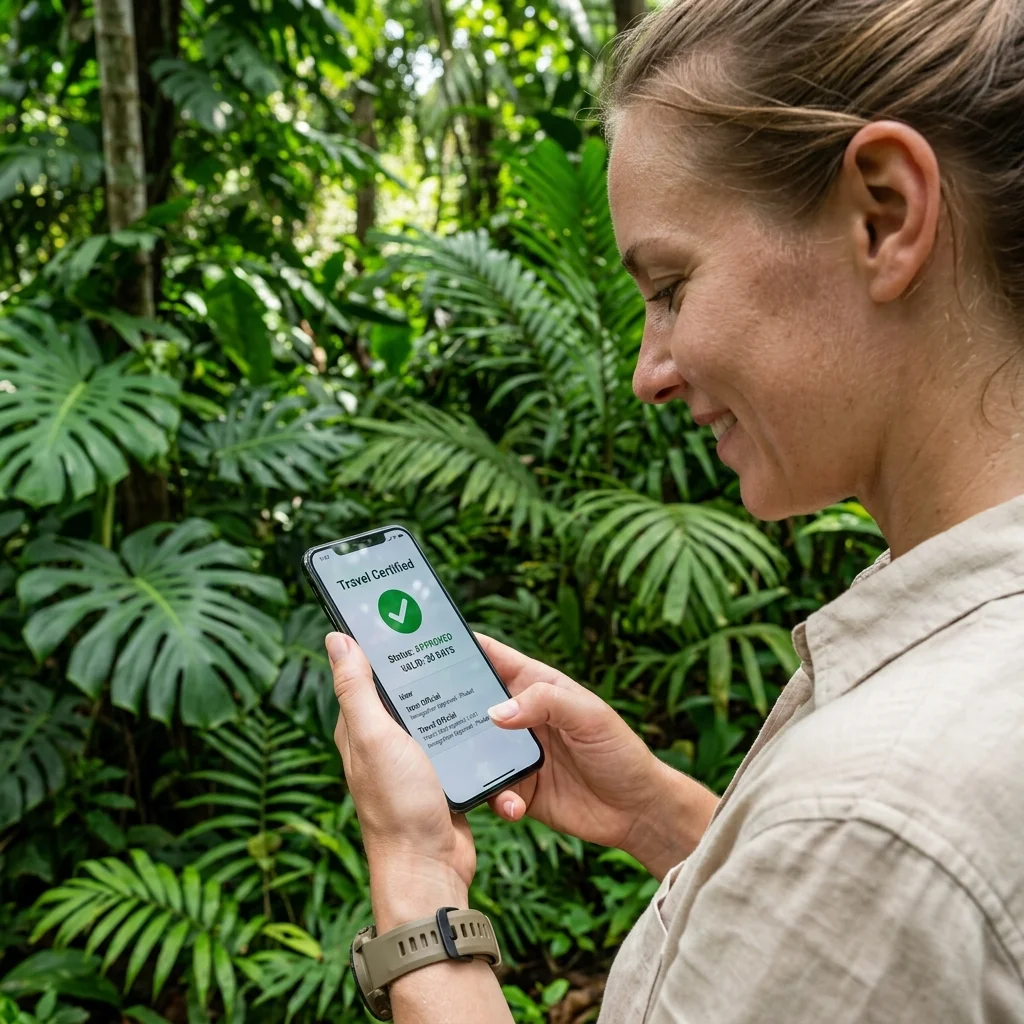
Independent verification remains the most reliable way to ensure your money does not fund animal cruelty. Do not rely on standard travel review websites alone. Many well-meaning tourists simply cannot identify subtle signs of distress or hidden bullhooks. Instead, check the facility against the databases of recognised global animal welfare organisations. Groups like World Animal Protection or the Asian Captive Elephant Standards conduct rigorous, unannounced audits. They inspect food quality, veterinary care, enclosure sizes, and mahout working conditions. You should also scrutinise the venue's own social media accounts for recent photos. If you see tourists sitting on trunks or elephants painting canvases, cross the venue off your list immediately. Reputable centres publish detailed transparency reports about their funding, rescue operations, and long-term conservation goals. They will also happily answer direct questions about their chaining policies and veterinary protocols via email. Taking thirty minutes to research a facility's true credentials prevents you from accidentally supporting the very exploitation you want to avoid.
The Best Ethical Sanctuaries in Thailand
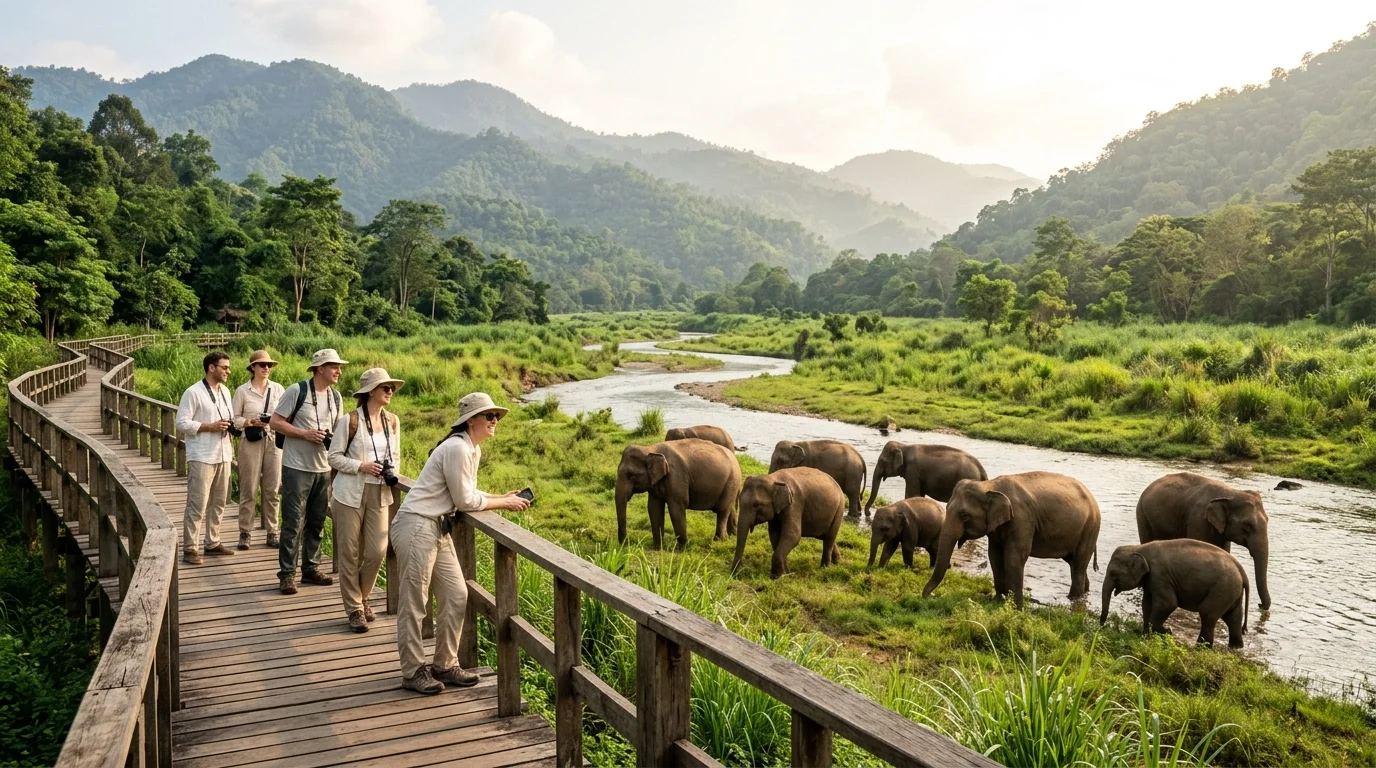
Northern Thailand remains the primary hub for legitimate elephant rescue operations, though excellent facilities exist across the country. Elephant Nature Park in Chiang Mai stands as the pioneer of the ethical movement. Founded by Lek Chailert, this expansive sanctuary houses dozens of rescued elephants alongside hundreds of dogs and cats. They offer strict observation-only visits. Further south in Sukhothai, Boon Lott’s Elephant Sanctuary provides an incredibly intimate experience. They limit visitor numbers drastically. This allows guests to walk with a small family of rescued elephants through deeply forested terrain. Down in the southern islands, the Phuket Elephant Sanctuary borders the Khao Phra Thaeo National Park. They operate a pioneering canopy walkway. This lets visitors observe the animals from above without disturbing their natural routines. In Kanchanaburi, ElephantsWorld focuses heavily on caring for sick and elderly animals. They provide a peaceful retirement home on the banks of the River Kwai. For a first-timer wanting a deeply educational and highly verified experience, Elephant Nature Park in Chiang Mai offers the most comprehensive introduction to ethical elephant care.
Costs and Budgeting
Visiting a genuine ethical sanctuary requires a higher budget than a standard tourist attraction. This reflects the immense cost of ethical animal care. A standard half-day observation visit at a reputable centre typically starts around 2,500 THB (£55). Full-day programmes range from 3,500 THB to 6,000 THB (£77 to £133) depending on the location and group size. These usually include transport from a major city and a substantial vegetarian lunch. Premium experiences can cost between 8,000 THB and 15,000 THB (£177 to £333). These higher tiers involve overnight stays in sanctuary lodges or highly restricted small-group walks. While cheaper options exist, you must approach them with extreme caution. Any facility charging less than 1,500 THB (£33) for a half-day is likely cutting corners on animal welfare, veterinary care, or mahout wages.
| Option | Cost (THB) | Cost (GBP approx) | Notes |
|---|---|---|---|
| Half-Day Observation | 2,500 - 3,500 | £55 - £77 | Includes basic transport and educational briefing |
| Full-Day Programme | 3,500 - 6,000 | £77 - £133 | Immersive observation, lunch, and longer jungle walks |
| Overnight Sanctuary Stay | 8,000 - 15,000 | £177 - £333 | Accommodation on site, early morning observations |
| Unethical Riding Camp | 800 - 1,500 | £17 - £33 | Avoid these; low cost indicates exploitation and poor care |
What to Know Before You Go
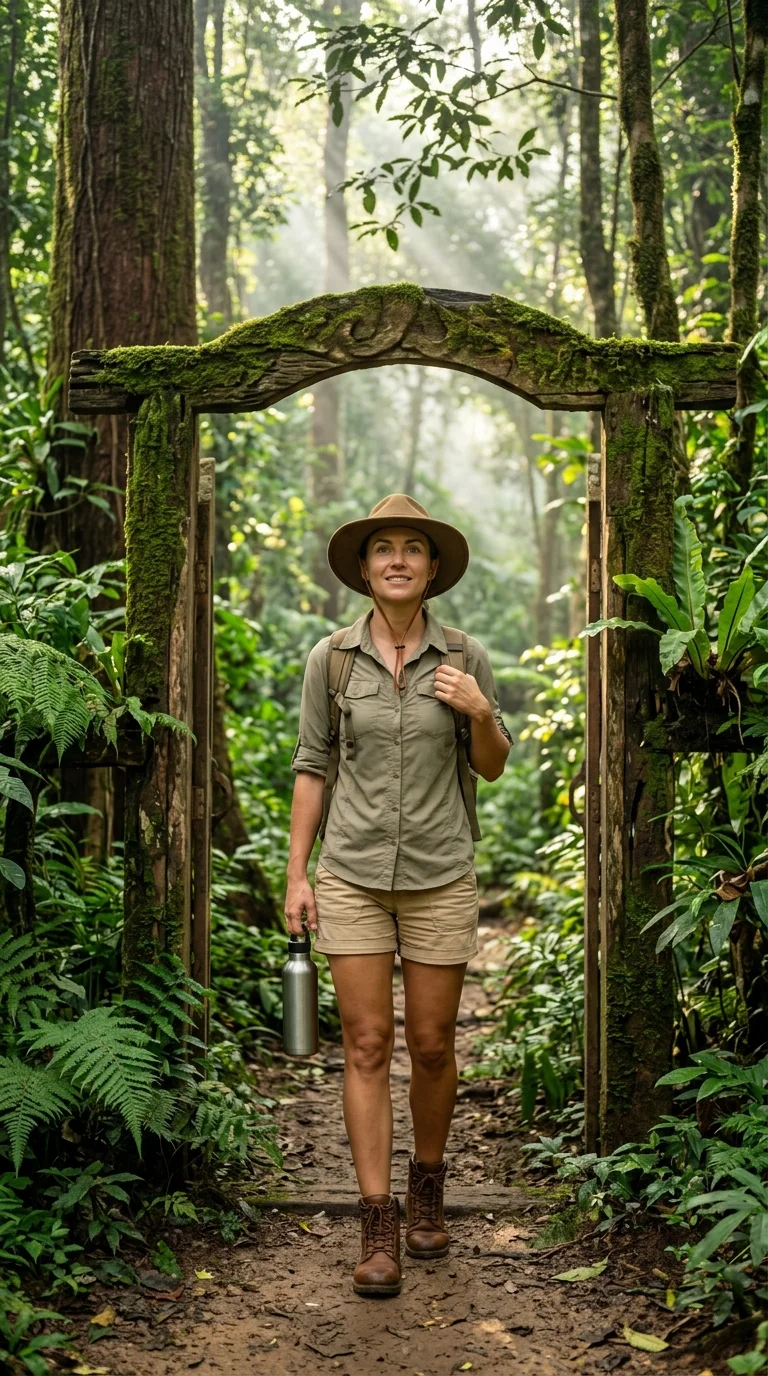
Book your visit months in advance, especially for highly regarded venues like Boon Lott's Elephant Sanctuary. Genuine sanctuaries strictly limit their daily visitor numbers to prevent animal stress, meaning they sell out incredibly fast during the UK winter travel season. Prepare for serious heat and humidity throughout the day. You will spend hours walking through unshaded jungle terrain where temperatures soar. Wearing lightweight, long-sleeved clothing protects you from aggressive mosquitoes and brutal midday sun without causing overheating. Understand that plans change based entirely on the elephants' moods. If a herd decides to retreat deep into the forest away from the viewing areas, the guides will not force them back for your benefit. Bring plenty of small Thai Baht notes for your visit. While the main fee is prepaid, you will want cash to tip your guides, purchase sanctuary merchandise, or buy extra snacks from the local village vendors.
Practical Tips
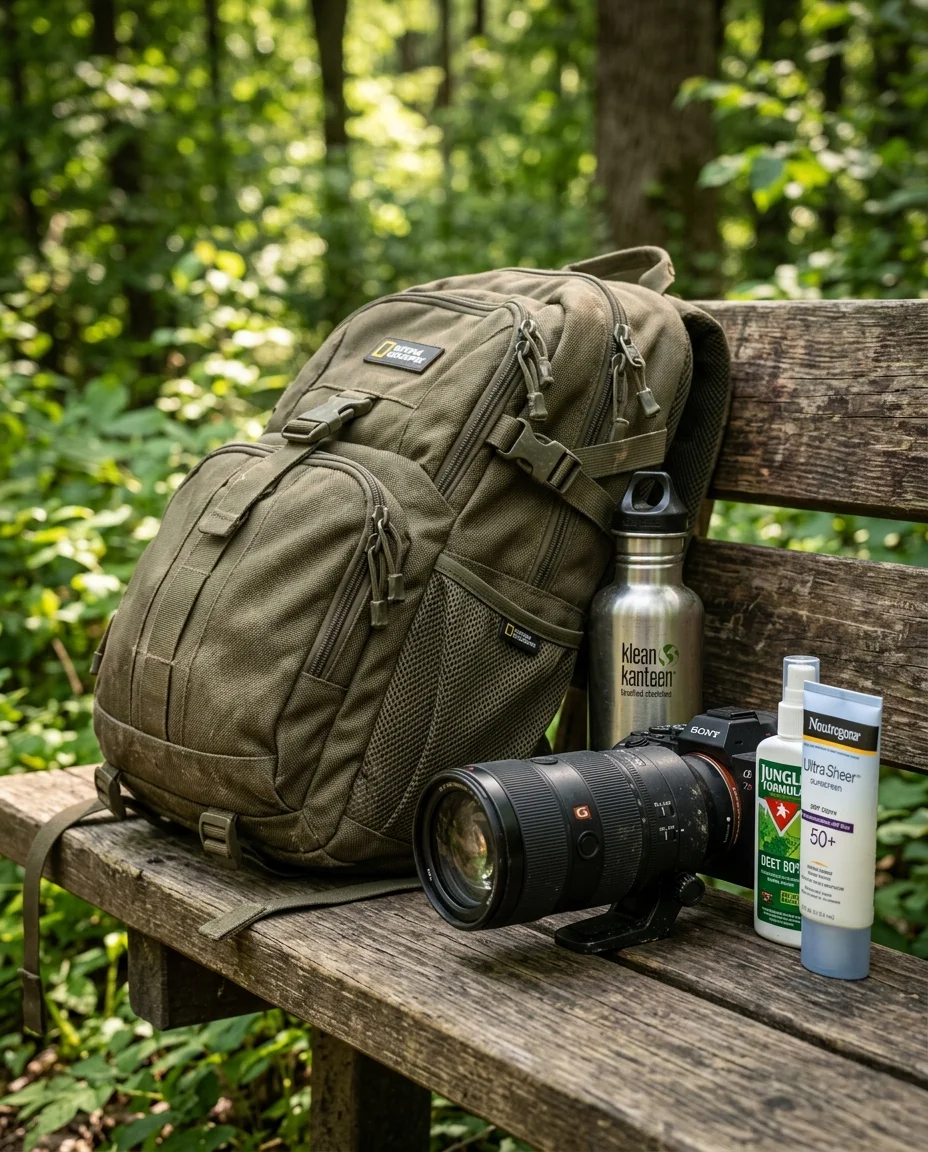
Wear sturdy, closed-toe walking shoes rather than sandals or flip-flops. You will be navigating uneven jungle trails, thick mud, and heavy undergrowth throughout the day. Apply an insect repellent containing DEET before you arrive at the sanctuary. The dense vegetation and proximity to large water sources create a perfect breeding ground for aggressive mosquitoes. Pack a high-quality camera with a strong zoom lens. Because ethical sanctuaries enforce strict distance rules, a zoom lens ensures you get incredible close-up shots without invading the animals' space. Leave your drone at your hotel. The high-pitched buzzing of drone motors severely stresses the elephants and is strictly banned at all legitimate rescue centres. Carry a large refillable water bottle to stay hydrated. Most ethical centres provide purified water refill stations to minimise single-use plastic waste in the jungle environment. Wear clothing that you do not mind getting ruined. Even without direct contact, the combination of red jungle dust, sudden rain showers, and muddy trails will stain light-coloured fabrics permanently.
Ensure your travel insurance covers jungle trekking and wildlife observation before you travel.
Quick Reference Table
| Item | Detail | Notes |
|---|---|---|
| Best Region | Northern Thailand (Chiang Mai) | Highest concentration of verified ethical sanctuaries. |
| Key Red Flags | Riding, shows, chains, bullhooks | If an itinerary mentions these, do not book. |
| Average Cost | 3,500 THB (£77) for a full day | High costs reflect the genuine expense of ethical care. |
| Booking Timeline | 2 to 6 months in advance | Ethical venues limit visitor numbers and sell out fast. |
| Physical Fitness | Moderate | Requires walking several kilometres on muddy, uneven terrain. |
| What to Wear | Sturdy shoes, breathable layers | Avoid bright, neon colours that might startle the animals. |
| Interaction Level | Observation only | Genuine sanctuaries enforce strict hands-off policies. |