Thailand Property - Phuket Villas


Foreign nationals cannot legally own land in Thailand, meaning a Phuket villa purchase inherently requires navigating long-term leasehold agreements or establishing a heavily regulated Thai corporate structure. Buying a property without securing the underlying land rights through a Land Department registered lease or a compliant corporate entity leaves your entire investment legally unprotected.
This page breaks down exactly how UK nationals can safely invest in Phuket villas, covering the reality of ownership structures, regional pricing, and calculating realistic rental yields. It will help you choose between leasehold and corporate ownership routes while identifying which neighbourhoods offer genuine capital appreciation. This guide is built for serious investors and lifestyle buyers planning a secure purchase, not for short-term holidaymakers looking for rentals.

Legal Ownership Structures for Phuket Villas
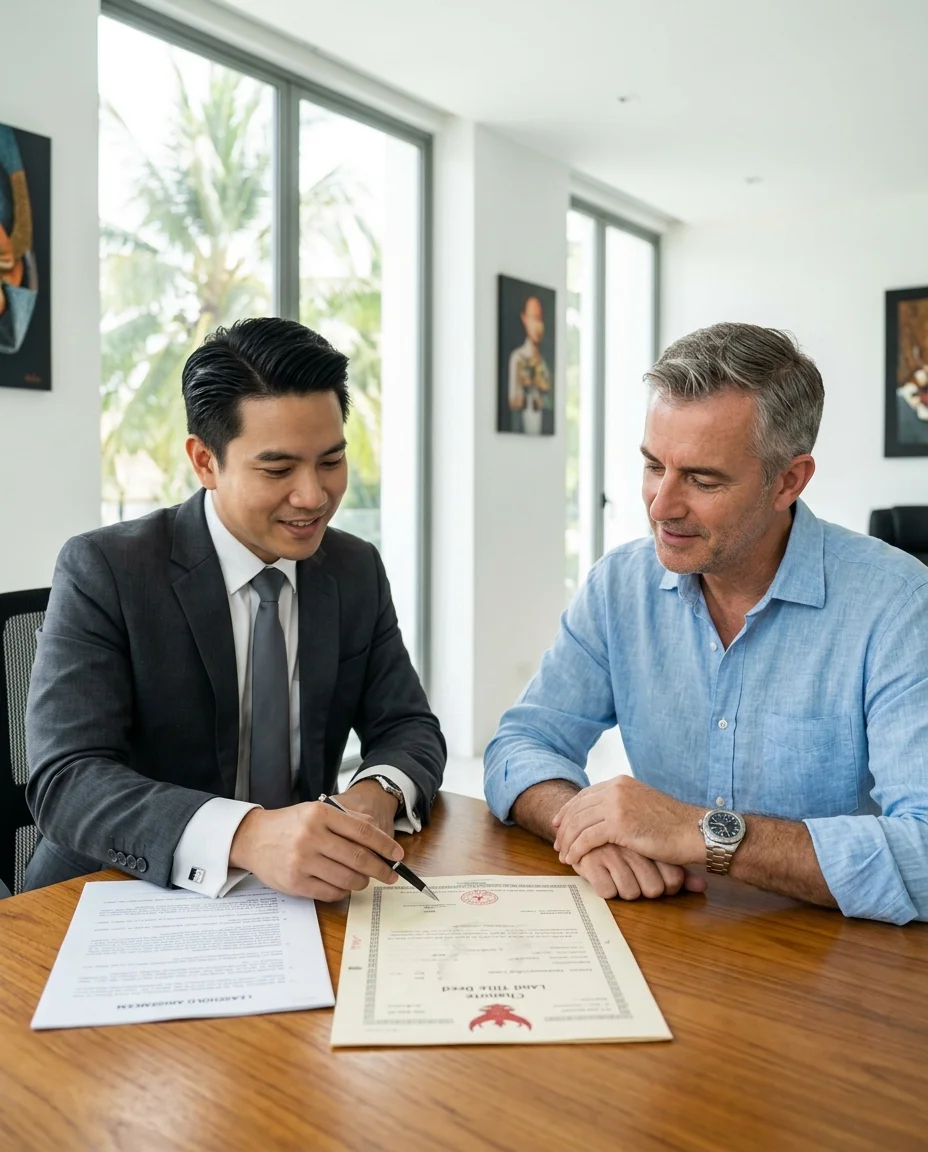
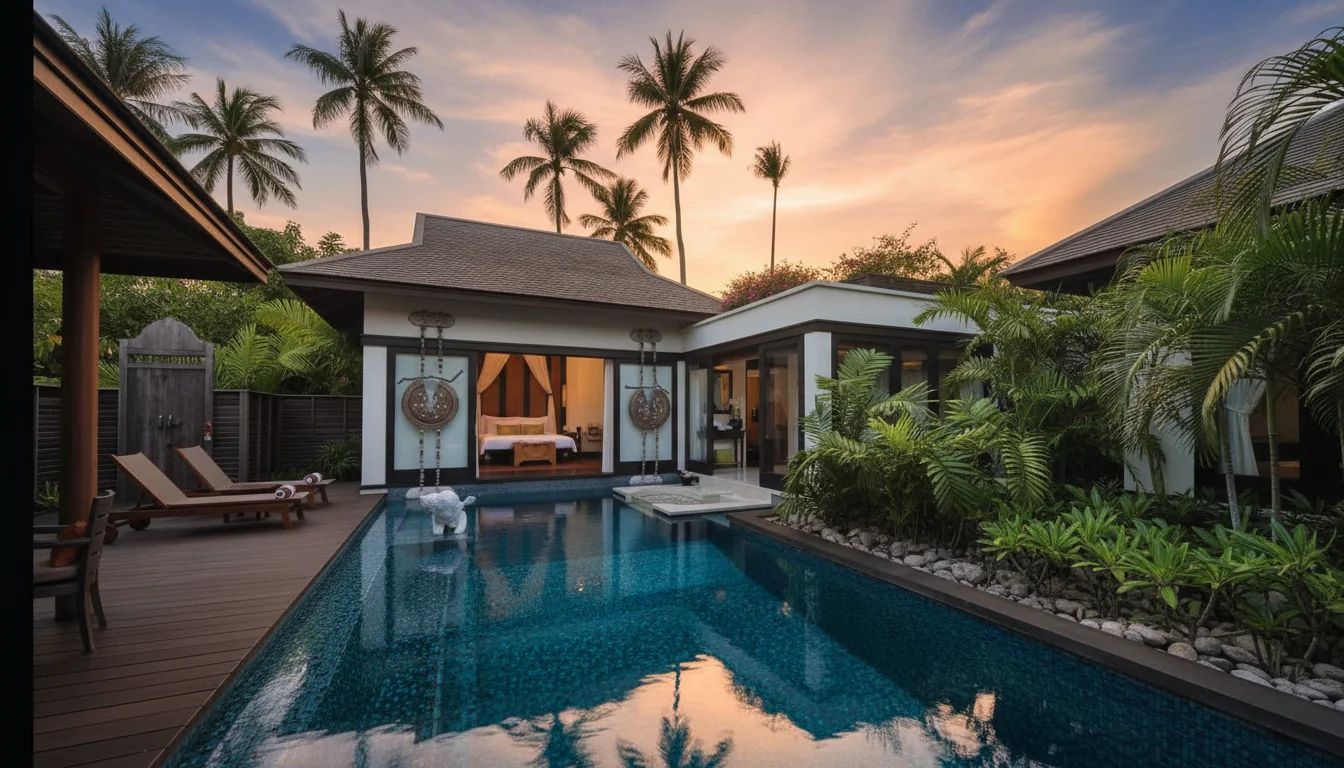
The strict prohibition on foreign freehold land ownership dictates every villa transaction in Thailand. You have two primary legal routes to secure a villa in Phuket: a 30-year registered leasehold or purchasing through a Thai Limited Company. The leasehold structure is the most transparent and legally secure method for foreign buyers. You register a 30-year lease directly at the local Land Department, granting you unhindered rights to occupy and use the property. Developers often draft contracts promising two subsequent 30-year renewals, though Thai law currently only guarantees the initial 30-year term. Securing these renewals requires meticulously drafted succession clauses to bind future landowners. Alternatively, some buyers establish a Thai Limited Company to hold the freehold land title. This requires the company to be at least 51% Thai-owned, with the foreign buyer holding 49% of the shares. The Thai government routinely scrutinises these structures to detect illegal nominee shareholders who hold no genuine financial interest in the business. Relying on a company structure requires ongoing accounting, annual tax filings, and strict adherence to corporate compliance. Base your decision entirely on your long-term exit strategy and risk tolerance.
A complete guide for UK nationals buying or investing in Koh Samui property. Navigate leaseholds, Thai companies, villa yields, and local due diligence.
| Ownership Structure | Legal Basis | Security Level | Ongoing Compliance |
|---|---|---|---|
| Registered Leasehold | Civil and Commercial Code | High (for initial 30 years) | None required |
| Thai Limited Company | Corporate Law | Moderate (scrutiny risks) | Annual audits and tax returns |
| Apartment Freehold | Apartment Act | Very High (direct ownership) | Common area fee payments |
Key Villa Markets and Realistic Purchase Prices
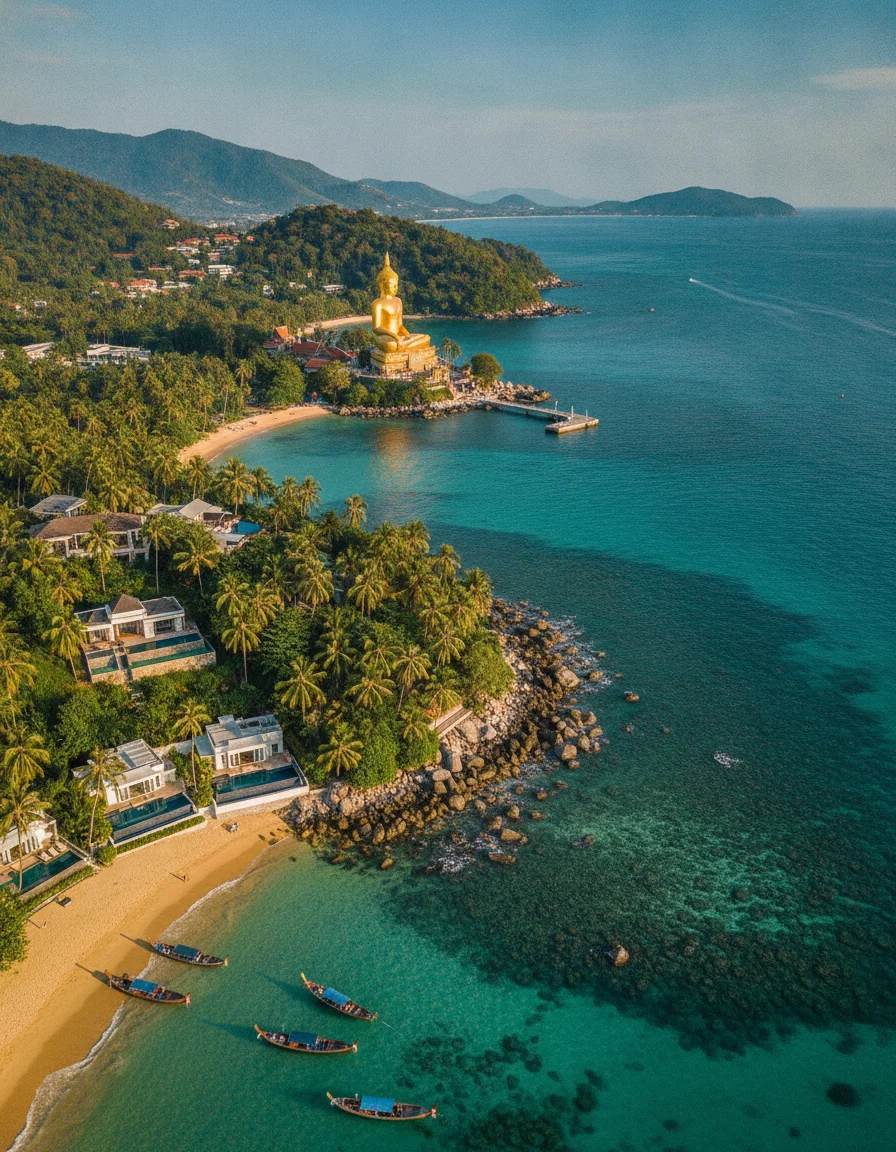
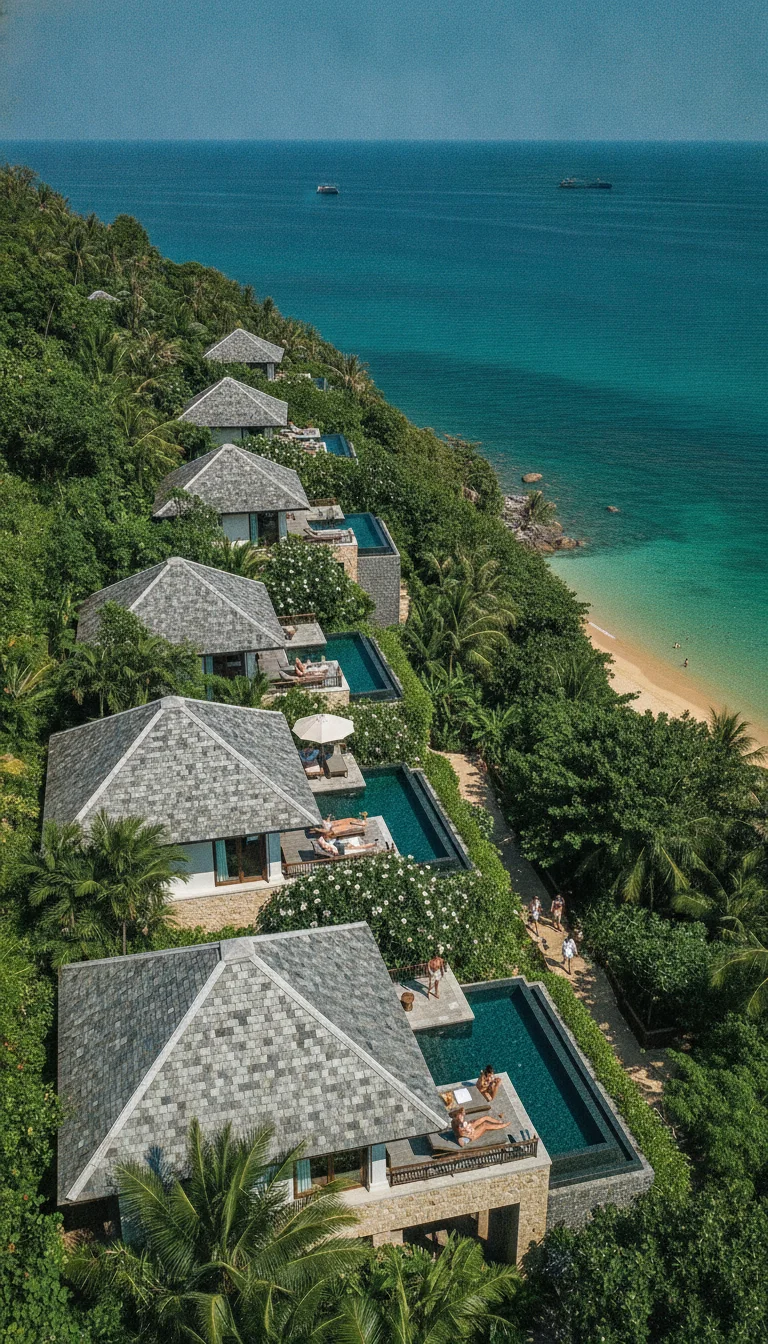
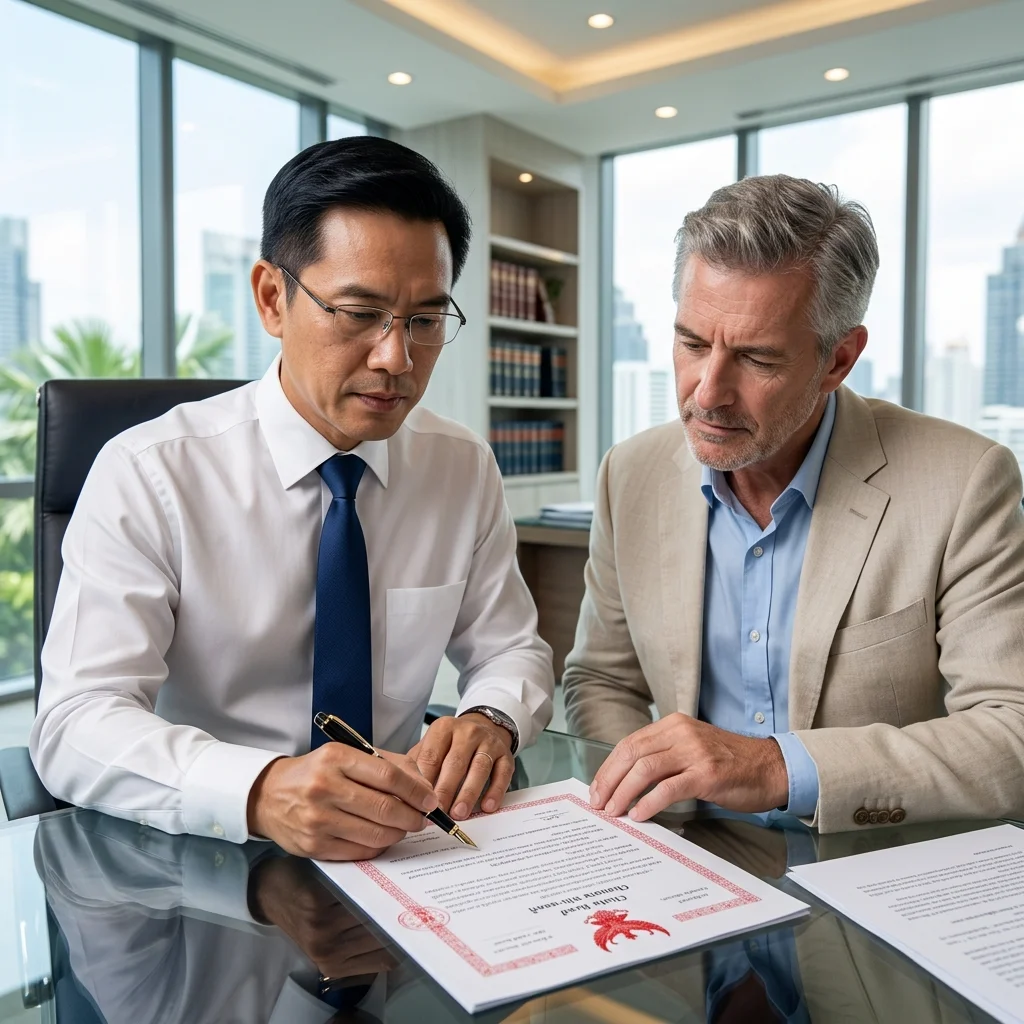
Purchase prices across Phuket vary drastically based on infrastructure, community amenities, and proximity to international schools. Laguna and Cherng Talay dominate the high-end expat market. This area caters heavily to families and remote workers, driving mid-range villa prices between 25,000,000 THB (£555,000) and 45,000,000 THB (£1,000,000). Luxury estates within the Laguna complex frequently exceed 80,000,000 THB (£1,770,000). Further south, Rawai and Nai Harn offer a completely different investment profile. These neighbourhoods attract retirees and long-term expats seeking a quieter lifestyle away from the primary tourist zones. Entry-level budget villas in Rawai start around 12,000,000 THB (£266,000), offering smaller plots but solid access to local amenities. Moving to the east coast, the Cape Panwa area provides secluded luxury. Properties here are scarce, usually perched on hillsides, and appeal to older buyers or ultra-high-net-worth individuals. Prices in Cape Panwa rarely fall below 50,000,000 THB (£1,110,000). Always align your chosen location with your specific investment goals, as tenant demographics differ sharply between the north and south of the island.
| Location | Target Demographic | Typical Entry Price | Investment Profile |
|---|---|---|---|
| Laguna & Cherng Talay | Families, affluent expats | 25,000,000 THB | High capital appreciation |
| Rawai & Nai Harn | Retirees, remote workers | 12,000,000 THB | Steady long-term rental yields |
| Cape Panwa | Ultra-high-net-worth buyers | 50,000,000 THB | Low liquidity, high privacy |
Rental Yields and the Impact of Seasonality

Calculating realistic rental returns in Phuket requires a deep understanding of the island's severe seasonal fluctuations. Holiday lets generate substantially higher gross income than long-term rentals, but they carry intense operational costs and seasonal risks. During the peak season from November to April, a well-managed mid-range villa in Cherng Talay can command up to 300,000 THB (£6,660) per month. Once the monsoon season arrives in May, occupancy rates plummet. Daily rates often drop by 50%, and properties can sit empty for weeks. Developers frequently market guaranteed rental yields of 7% to 10% based solely on peak season projections. These guarantees rarely survive closer inspection, as they often exclude high management fees, maintenance costs, and sinking fund contributions. Long-term tenancies offer a much safer alternative for risk-averse investors. Securing a tenant on a 12-month contract typically yields a stable net return of 5% to 6%. This approach eliminates seasonal vacancy anxiety and drastically reduces wear and tear on the property. Always model your financial projections on a 12-month average rather than peak monthly performance.
Navigating Oversupply and Finding Genuine Value
Certain pockets of Phuket suffer from a distinct oversupply of generic holiday villas, directly threatening future capital appreciation. The rapid development boom in central Cherng Talay has flooded the market with identical three-bedroom pool villas. Developers heavily market these off-plan projects to foreign buyers using aggressive sales tactics and unrealistic rental promises. Buying into an oversaturated estate means you will eventually compete against dozens of identical properties when you decide to sell or rent. Genuine long-term value exists in established estates with proven management teams and limited plot availability. Properties built five to ten years ago often feature significantly larger land plots than new builds, providing better privacy and intrinsic value. Look for locations with strict zoning laws or geographical constraints that prevent further mass development nearby. An older villa requiring a minor renovation often represents a far smarter financial move than paying a premium for a new build in a crowded development. Prioritise land size and community maturity over glossy modern finishes when assessing long-term value.
Financing Options and Structuring Your Fund Transfer
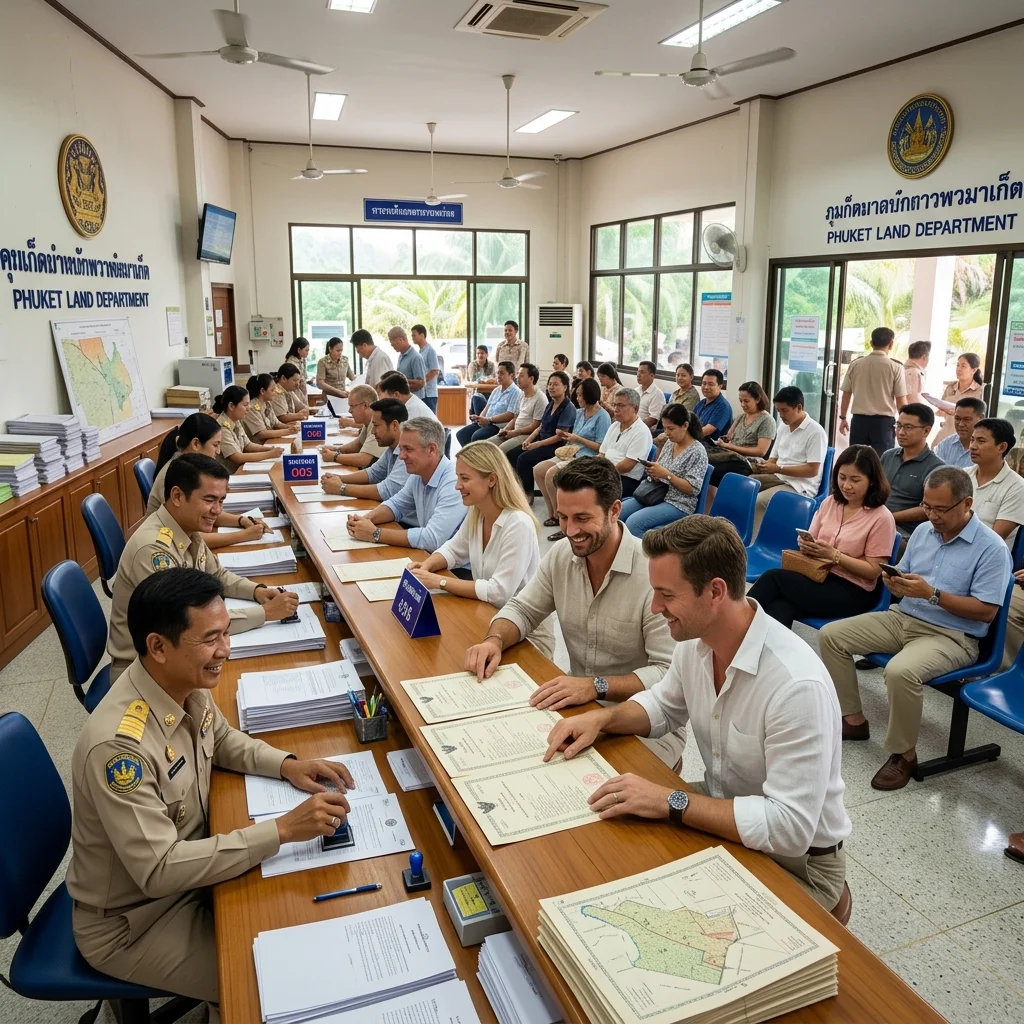
Securing local finance as a foreign national in Thailand is exceptionally difficult, meaning you must prepare to fund your villa purchase entirely in cash. Thai banks generally do not issue mortgages to foreigners without a long-standing work permit, permanent residency, or a Thai spouse. Even when approved, the lending terms are highly restrictive, often capping loan-to-value ratios at 50% with uncompetitive interest rates. You will almost certainly need to transfer the full purchase amount from the UK. The legal mechanics of this transfer are critical. To legally repatriate your funds in the future, the money must enter Thailand as foreign currency and be converted to Thai Baht by the receiving Thai bank. The receiving bank will then issue a Foreign Exchange Transaction Form (FETF) for any transfer exceeding 50,000 USD (approximately 1,800,000 THB or £40,000). The Land Department requires this specific document to prove the funds originated overseas before they will register the transfer of ownership. Never transfer funds directly in Thai Baht from your UK account, as this breaks the regulatory chain required for the FETF.
Due Diligence, Title Deeds, and Access Rights
A villa's structural integrity and its surrounding infrastructure require exactly the same level of legal scrutiny as the underlying land title. You must ensure the land is held under a Chanote (Nor Sor 4 Jor) title deed. This is the only land title in Thailand that accurately maps boundaries using GPS coordinates and grants full private ownership rights. Purchasing a villa on a lesser title, such as a Nor Sor 3 Gor, exposes you to severe boundary disputes with neighbours or the forestry department. Beyond the title deed, you must legally verify your access rights to the property. Many Phuket villas sit on plots accessed via private roads owned by the developer or a third party. If a registered servitude (right of way) is not attached to your specific title deed, the road owner can legally block your access or demand extortionate transit fees at any time. You should also hire an independent structural engineer to assess the build quality, particularly the retaining walls on hillside plots. Never sign a reservation agreement until your lawyer has verified the title deed, access rights, and zoning regulations.
Transaction Costs and Ongoing Fees
Purchasing a Phuket villa triggers a specific set of transaction costs that you must factor into your initial budget. The Thai government levies a transfer fee of 2% on the appraised value of the property. If the seller has owned the property for less than five years, a Specific Business Tax of 3.3% applies. If they have owned it for more than five years, a Stamp Duty of 0.5% replaces the Specific Business Tax. The seller also pays a Withholding Tax calculated on an income sliding scale, generally between 1% and 3%. In standard practice, the buyer and seller split the 2% transfer fee, while the seller absorbs the business, stamp, and withholding taxes. You must also budget between 100,000 THB (£2,220) and 150,000 THB (£3,330) for comprehensive legal representation. Ongoing costs include a common area management fee, usually calculated per square metre of your land plot, and an annual land and building tax.
| Cost Item | Rate or Amount | Paid By | Notes |
|---|---|---|---|
| Transfer Fee | 2% of appraised value | Usually split 50/50 | Payable at the Land Department |
| Specific Business Tax | 3.3% of registered value | Seller | Applies if owned under 5 years |
| Stamp Duty | 0.5% of registered value | Seller | Applies if owned over 5 years |
| Withholding Tax | 1% to 3% variable | Seller | Calculated on seller's income |
| Legal Fees | 100,000 to 150,000 THB | Buyer | Covers due diligence and contracts |
Common Mistakes and How to Avoid Them

Signing reservation agreements without legal review is a critical error. This binds you to developer-friendly terms and risks your deposit if due diligence uncovers severe land issues. Always have your lawyer insert a "subject to clear title" refund clause before transferring any reservation funds.
Assuming developer promises regarding road access are legally binding leaves you vulnerable. Without a registered servitude on the Chanote title, you have no legal right to use the access road. You must instruct your lawyer to verify the servitude status at the Land Department.
Transferring funds in Thai Baht directly from a UK bank account creates massive repatriation issues. The Thai bank will not issue the required Foreign Exchange Transaction Form (FETF) if the money arrives already converted. You must transfer the funds in British Pounds and let the Thai bank perform the conversion.
Trusting off-plan completion dates without penalty clauses guarantees severe delays. Developers routinely miss deadlines, leaving you without a property or rental income. Ensure your contract includes strict daily financial penalties for late delivery.
Practical Tips for a Secure Villa Purchase

Hire an independent structural surveyor before purchasing any resale villa. High humidity and heavy monsoon rains cause rapid degradation to concrete foundations and flat roofs in Phuket.
Demand a full breakdown of the estate's sinking fund and common area fee history. Poorly managed estates quickly fall into disrepair, destroying your property's capital value and rental appeal.
Verify the exact zoning regulations surrounding your chosen plot. Agricultural zoning nearby could mean a noisy commercial farm opens next door, ruining your quiet lifestyle investment.
Check the legal history of the developer before committing to an off-plan project. A developer with a track record of abandoned projects or withheld title deeds presents an unacceptable financial risk.
Keep all original bank transfer documents and the FETF in a secure safe. You will absolutely need these physical documents when you eventually sell the property and wish to transfer the proceeds back to the UK.
Inspect the property during a heavy rainstorm if possible. This is the only reliable way to check for severe roof leaks, poor site drainage, and localised road flooding.
Ensure your lease agreement includes a clear succession clause. This protects your family by allowing the lease to be legally transferred to your heirs in the event of your death.
Quick Reference Guide
| Item | Detail | Notes |
|---|---|---|
| Foreign Land Ownership | Prohibited | Land must be leased or held in a Thai company |
| Maximum Lease Term | 30 years | Renewals are contractual, not guaranteed by law |
| Accepted Title Deed | Chanote (Nor Sor 4 Jor) | Offers full GPS mapped boundaries and rights |
| Typical Transfer Fee | 2% of appraised value | Usually split 50/50 between buyer and seller |
| Fund Transfer Requirement | FETF document required | Funds must enter Thailand in foreign currency |
| Legal Representation | Highly Recommended | Essential for title searches and contract review |
| Typical Timescale | 30 to 60 days | Varies based on due diligence and fund transfers |