Digital Nomad Community
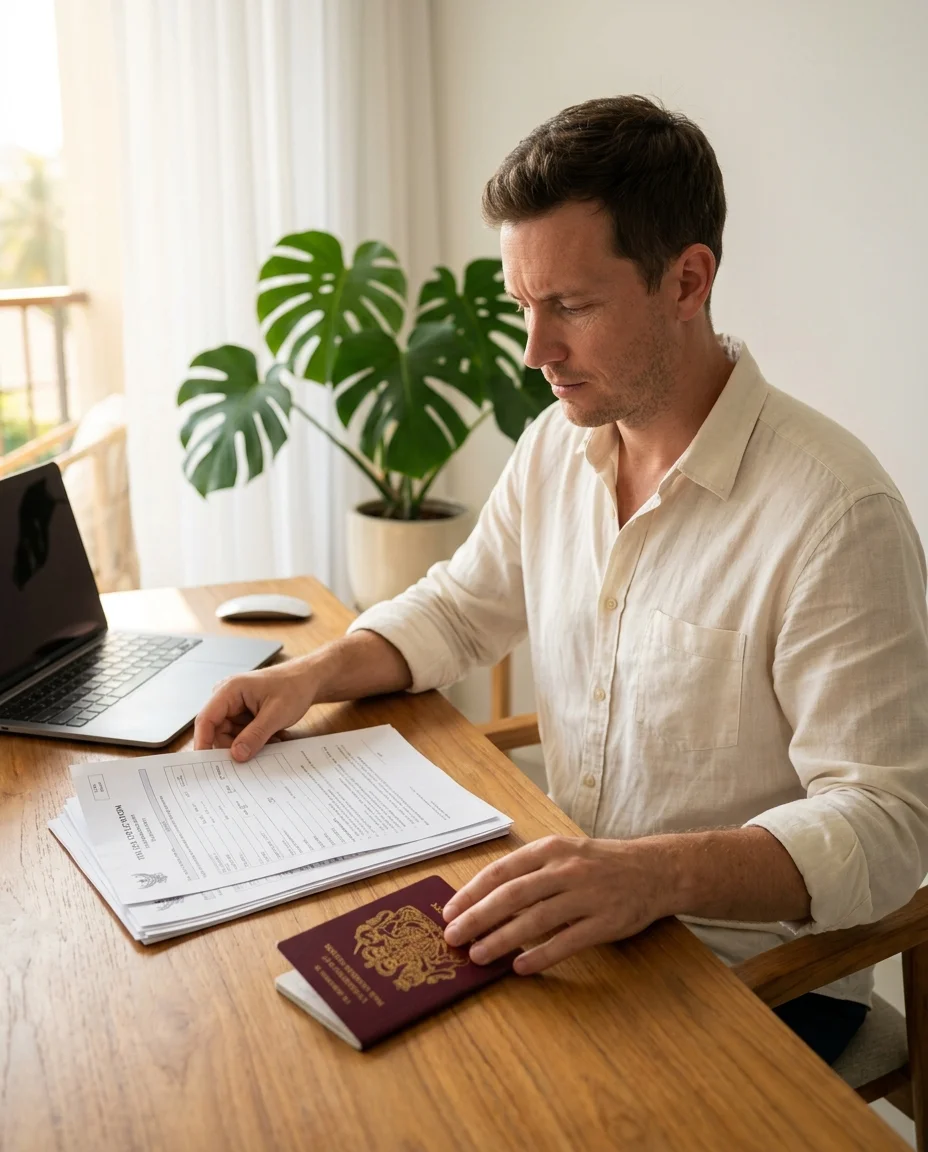
Securing the new Destination Thailand Visa (DTV) allows UK remote workers to stay for up to 180 days per entry over five years, instantly shifting the focus from border runs to building a sustainable lifestyle. Understanding where established professionals actually congregate is the key to bypassing the transient backpacker circuit and finding genuine peers.
This guide details exactly how to navigate Thailand’s digital nomad scene as a UK remote worker. You will learn where the established communities are based, how to transition from transient networking to genuine friendships, and the reality of seasonal isolation. This is for professionals building a long-term base under the DTV or LTR visa routes. It is not for backpackers or gap-year travellers looking for short-term party hostels.

Visas And Legal Foundations For Remote Workers
The introduction of the Destination Thailand Visa (DTV) fundamentally shifted the remote worker demographic. Previously, the community was heavily segmented. You either met transient tourists executing border runs or older expatriates holding retirement visas. The DTV requires applicants to demonstrate a 500,000 THB (£11,000) bank balance alongside a verifiable employment contract or professional portfolio. This actively filters the community towards established professionals. Securing this visa before you depart the UK eliminates the constant anxiety of immigration checks. It allows you to sign standard 12-month residential leases instead of relying on expensive, short-term holiday rentals. This legal stability translates directly into social capital. You will quickly find that long-term residents are significantly more willing to invest time in building genuine friendships when they know you are legally permitted to remain for the next five years. Conversely, UK nationals entering on the Long-Term Resident (LTR) visa face a much higher threshold. They must prove a minimum annual income of $80,000 (£63,000). This demographic largely congregates in the premium corporate circles of Bangkok, entirely detached from the traditional nomad scene. Secure the DTV via the Thai e-Visa system in the UK to signal your long-term status to potential landlords and peers.
Compare Thailand's best digital nomad cities. Discover visa routes, living costs, and co-working spaces to plan your UK relocation. Read our full guide.
| Visa Route | Income / Financial Requirement | Maximum Stay per Entry | Ideal For |
|---|---|---|---|
| Destination Thailand Visa (DTV) | 500,000 THB (£11,000) balance | 180 days (extendable) | Freelancers and remote employees |
| Long-Term Resident (LTR) | $80,000 (£63,000) annual income | 10 years | High-earning corporate workers |
| Tourist Visa (TR) | Proof of onward travel | 60 days | Short-term scouting trips only |
| Education Visa (ED) | Varies by language school | 1 year (conditional) | Those studying Thai full-time |
Choosing Your Nomad Base And Accommodation
Sponsored
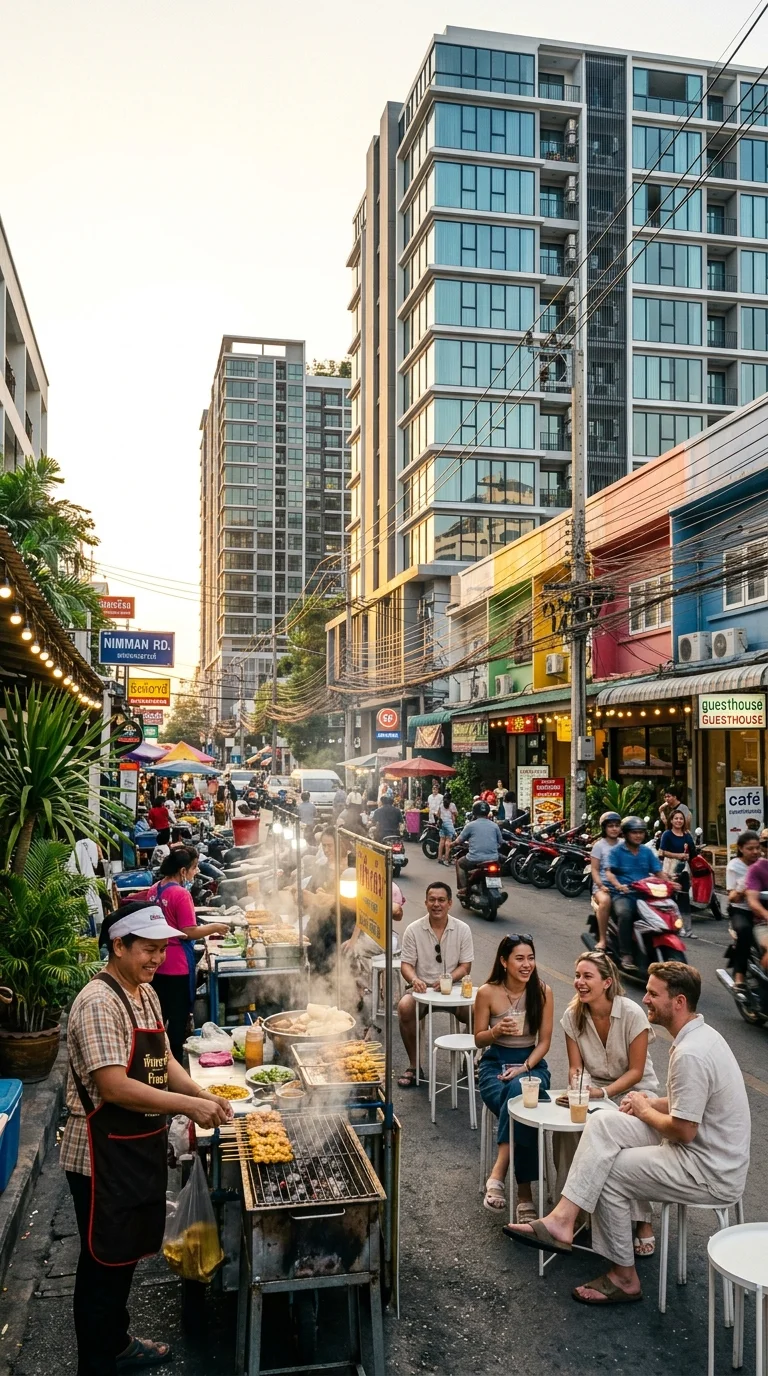
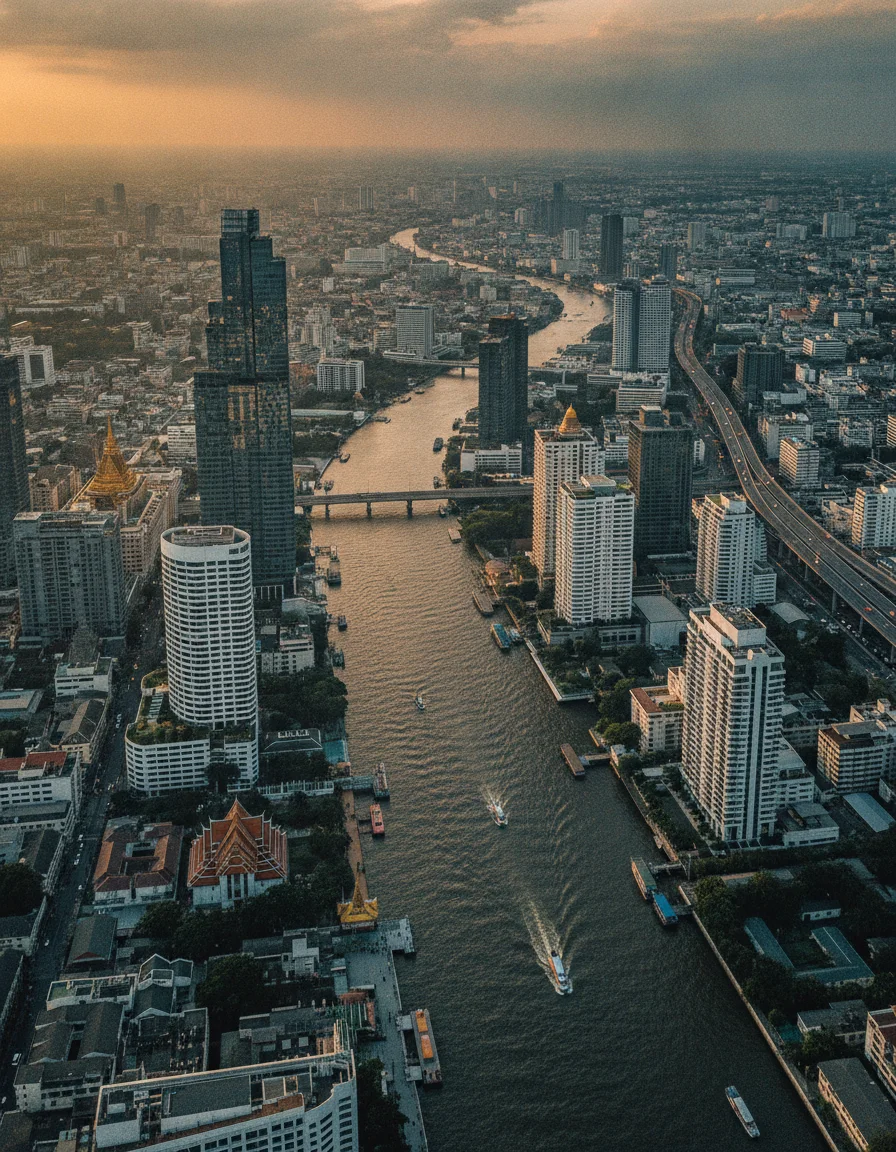
Selecting the correct province dictates whether you encounter a transient holiday crowd or an established professional community. Chiang Mai remains the primary hub for remote work. Specifically, the Nimman and Santitham neighbourhoods attract heavy concentrations of expats. Here, you can secure a modern one-bedroom apartment from 12,000 THB (£265) per month on a six-month lease. The community in the north is dense and highly organised. Most residents work in tech, e-commerce, and creative industries. Bangkok appeals to corporate remote workers and agency owners. This community clusters along the Sukhumvit BTS line between Asok and Ekkamai. Expect to pay around 25,000 THB (£555) for equivalent accommodation in the capital. Phuket attracts a higher-income, lifestyle-focused demographic around Rawai and Bang Tao. However, rental costs frequently exceed 40,000 THB (£885) during the high season between December and March. For a quieter environment, Koh Lanta offers a tight-knit ecosystem of slow-travelling professionals. You must accept slower internet infrastructure and a complete absence of modern high-rise apartments. Regardless of location, committing to a 12-month contract requires a standard two-month security deposit paid upfront. Base yourself in Chiang Mai or Bangkok for your first three months to tap into established networks before committing to a remote island lease.
| Nomad Hub | Average 1-Bed Rent (THB) | Community Focus | Internet Reliability |
|---|---|---|---|
| Chiang Mai (Nimman) | 12,000 - 18,000 | Tech, creative, e-commerce | Excellent (Fibre common) |
| Bangkok (Sukhumvit) | 25,000 - 35,000 | Corporate, agency owners | Exceptional (5G everywhere) |
| Phuket (Rawai) | 35,000 - 50,000 | Fitness, lifestyle, high-income | Good (Occasional outages) |
| Koh Lanta | 10,000 - 15,000 | Slow travel, community-driven | Moderate (Storm dependent) |
Co-working Spaces And Social Anchors

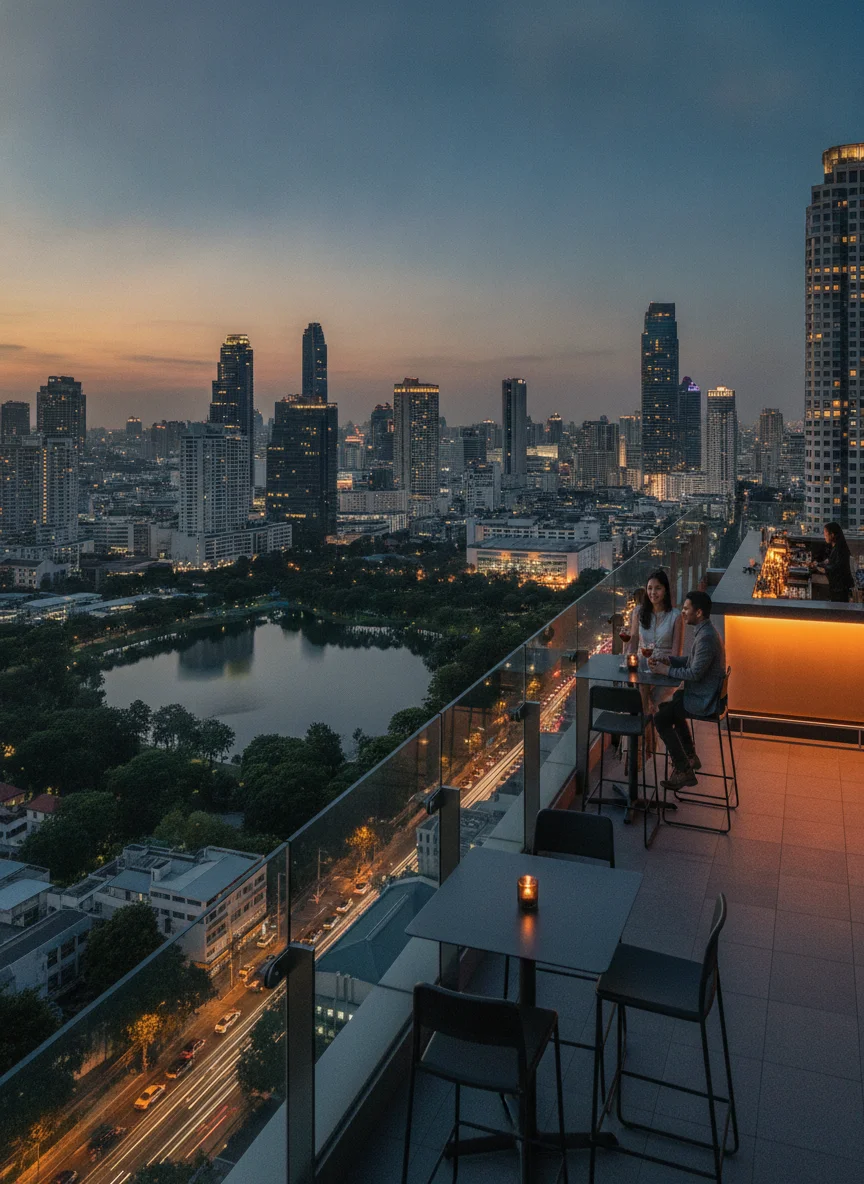
Working exclusively from your apartment rapidly leads to profound isolation. A co-working space membership is a necessary early investment for your mental well-being. These facilities function as the primary social anchors for the UK remote working community. They bridge the difficult gap between professional networking and personal friendships. In Chiang Mai, spaces like Yellow or Punspace charge approximately 3,500 THB (£77) per month. This grants access to 24/7 facilities and a structured calendar of events. Bangkok’s premium spaces cost closer to 6,000 THB (£133) monthly. The true value lies in their weekly structured events. You will find skill-sharing workshops, Friday evening mixers, and dedicated mastermind groups. It is vital to distinguish between surface-level networking events designed to sell online courses and genuine community gatherings. To bypass the highly transactional nature of the scene, join niche Facebook groups before you arrive. Engaging in non-work-related hobbies remains the most reliable method for forming deep friendships. Try joining local Muay Thai camps, cycling clubs, or language exchanges. Budget for a dedicated co-working desk to establish a daily routine and force regular interaction with established residents.
| Co-working Space | Location | Monthly Cost (THB) | Social Vibe |
|---|---|---|---|
| Yellow | Chiang Mai | 3,500 | Tech-heavy, frequent evening mixers |
| The Hive | Bangkok | 6,000 | Professional, structured workshops |
| True Digital Park | Bangkok | 7,500 | Corporate networking, large scale |
| KoHub | Koh Lanta | 6,500 | Highly communal, shared meals |
Overcoming Isolation And Seasonal Shifts
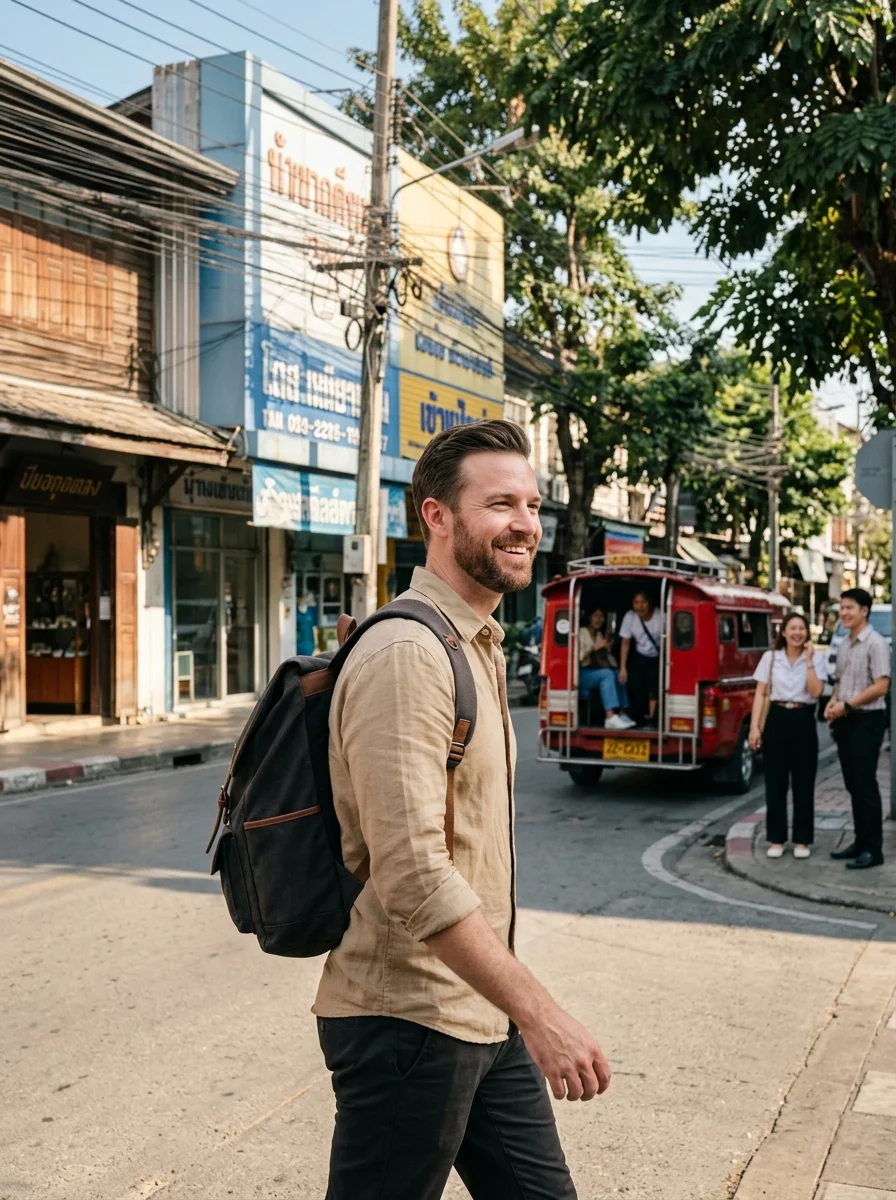
The social landscape across Thailand fluctuates violently with the seasons. This presents distinct challenges for year-round residents. Between December and February, hubs like Phuket and Chiang Mai are flooded with short-term visitors escaping the European winter. This influx creates a high-energy environment. Surface-level networking thrives, but genuine connection becomes difficult amid the continuous turnover of new arrivals. The community hollows out significantly between March and May. In the northern provinces, the annual crop burning season drives air quality to hazardous levels. Established remote workers relocate temporarily to southern islands like Koh Phangan or out of the country entirely. If you choose to remain behind, this period feels intensely isolating. Compared to Bali’s heavily wellness-focused crowd, Thailand’s established community is distinctly pragmatic. Surviving the quiet season requires accepting these mass migrations as a standard part of the lifestyle. You must intentionally build a micro-community of permanent residents. Look for peers who hold 12-month leases and share your long-term commitment to navigating the seasonal extremes. Plan your own temporary relocation or heavily invest in local Thai friendships to weather the mass exodus during the northern burning season.
| SE Asia Hub | Peak Season | Quiet / Poor Weather Season | Community Demographic |
|---|---|---|---|
| Thailand (North) | Nov - Feb | Mar - May (Burning Season) | Pragmatic, comfort-oriented |
| Thailand (South) | Dec - Mar | Sep - Nov (Monsoon) | Lifestyle and fitness focused |
| Bali (Indonesia) | Jun - Aug | Dec - Mar (Rainy Season) | Wellness, spiritual, crypto |
| Da Nang (Vietnam) | Feb - May | Sep - Dec (Typhoon Season) | Fast-paced, entrepreneurial |
Healthcare, Insurance, And Routine Medical Access
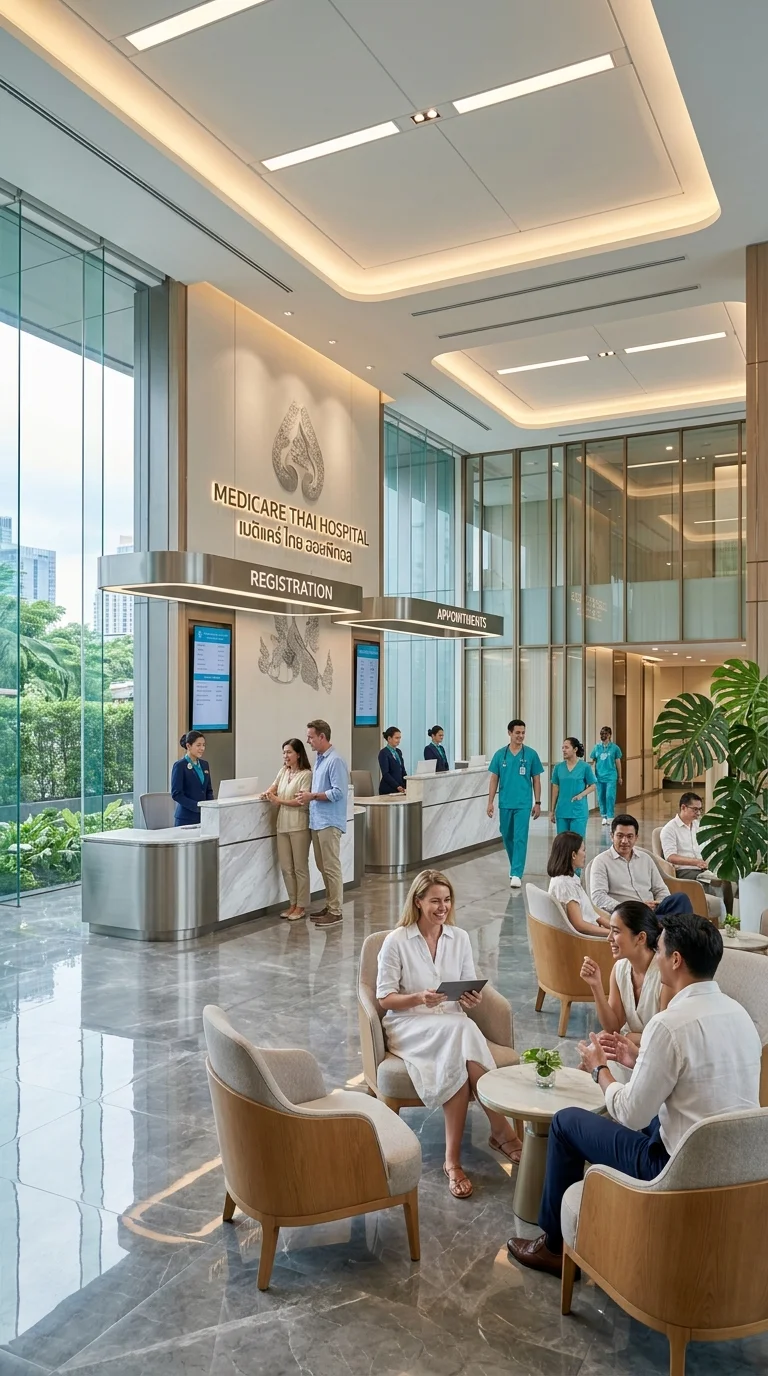
Thailand operates a two-tier healthcare system. As a remote worker from the UK, you will rely entirely on the private sector. The standard of private medical care in major hubs is exceptionally high. Many doctors in Bangkok and Chiang Mai have trained internationally. However, without access to the NHS, securing comprehensive international health insurance is mandatory. A standard inpatient and outpatient policy for a 35-year-old UK national costs between 45,000 THB (£1,000) and 70,000 THB (£1,550) annually. Relying on basic travel insurance is a severe risk. These policies explicitly exclude residents and will be voided once you sign a residential lease. For routine issues, local pharmacies are highly capable. They can dispense many medications over the counter that would require a prescription in the UK. When choosing your nomad base, consider proximity to major facilities. Koh Lanta offers an excellent community, but serious medical emergencies require a speedboat transfer to the mainland. Purchase a dedicated expat health insurance policy before you arrive, ensuring it covers long-term residency rather than short-term travel.
| Healthcare Option | Monthly Premium (THB approx) | Coverage Scope | Best Suited For |
|---|---|---|---|
| Premium International | 6,000 - 8,000 | Inpatient, outpatient, dental | Long-term residents needing full cover |
| Regional (SE Asia) | 3,500 - 5,000 | Inpatient and major emergencies | Budget-conscious remote workers |
| Local Thai Private | 2,500 - 4,000 | Basic inpatient care | Younger expats with high risk tolerance |
| Travel Insurance | Voided upon residency | Emergency repatriation only | Short trips before lease signing |
Managing Finances, Taxes, And Local Banking
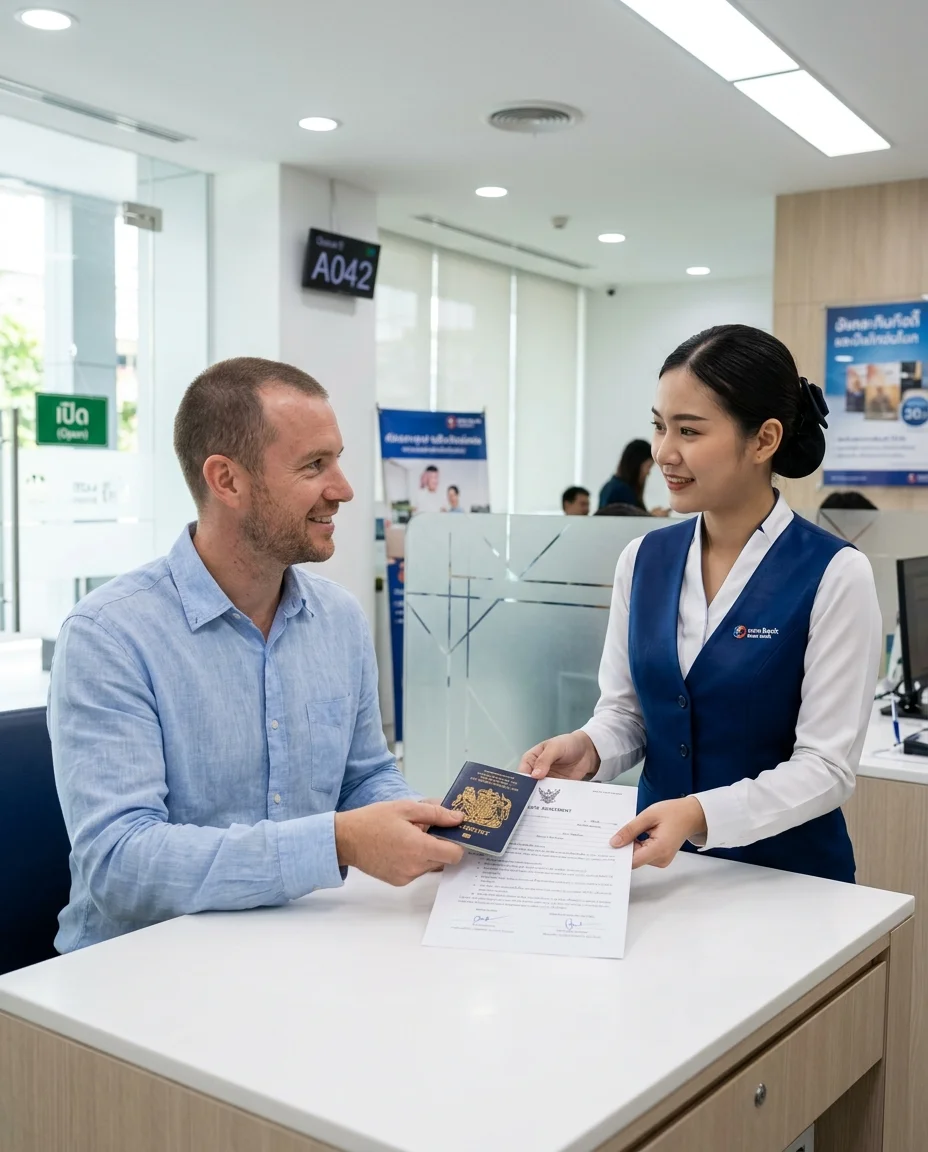
Establishing a functional financial setup separates transient visitors from established residents. UK nationals operating as remote workers must navigate both currency exchange fees and local banking restrictions. Until recently, opening a Thai bank account on a tourist visa was nearly impossible. This has changed for long-term visa holders. Holding a DTV or an LTR visa alongside a 12-month residential lease allows you to open accounts with major institutions. A local account is essential for accessing PromptPay. This national QR-code payment system is used by almost every cafe, co-working space, and street vendor. To fund your local life, transferring GBP to THB via Wise or Revolut is the most cost-effective method. It avoids the punitive exchange rates offered by high-street banks. Tax residency is another critical factor to consider. If you spend more than 180 days in Thailand within a calendar year, you are legally considered a Thai tax resident. Recent changes mean that foreign-sourced income brought into Thailand is now subject to personal income tax. Careful financial planning with a cross-border tax specialist is required to avoid double taxation with HMRC. Open a Thai bank account immediately upon securing your long-term lease to eliminate international transaction fees and access the national QR payment network.
| Financial Service | Primary Use Case | Monthly Fees | Accessibility for UK Nomads |
|---|---|---|---|
| Bangkok Bank | Receiving international funds | None | Requires DTV/LTR and lease |
| Kasikornbank (KBank) | PromptPay QR daily spending | None | Requires lease and work permit/visa |
| Wise (UK Account) | Converting GBP to THB | Per transaction | Essential pre-departure setup |
| Revolut (UK Account) | ATM withdrawals in Thailand | Tier dependent | Good backup, high weekend fees |
Costs And Budgeting
Living as a remote worker in Thailand requires a carefully structured budget, as the temptation to spend heavily on networking events and Western comforts can rapidly drain your resources. A comfortable, middle-tier lifestyle in a major hub like Chiang Mai or Bangkok will cost a single UK professional between 50,000 THB (£1,110) and 80,000 THB (£1,775) per month. This baseline assumes you rent a modern one-bedroom apartment, maintain a dedicated co-working desk, and eat a mix of local street food and mid-range international meals. Transport costs remain low if you rely on the BTS in Bangkok or rent a monthly scooter for 3,000 THB (£65) elsewhere. Comprehensive health insurance is non-negotiable and will add around 4,500 THB (£100) to your monthly outgoings. Remember to factor in the amortised cost of your visa. The DTV costs 10,000 THB (£220) upfront but covers you for five years, making the monthly burden negligible.
| Expense Item | Monthly Cost (THB) | Monthly Cost (GBP approx) | Notes |
|---|---|---|---|
| Rent (1-Bed Apartment) | 18,000 | 400 | Based on a 12-month lease in Chiang Mai |
| Utilities & Internet | 2,500 | 55 | Air conditioning usage drives this cost |
| Co-working Membership | 4,000 | 90 | Essential for community and routine |
| Food & Groceries | 15,000 | 335 | Mix of local street food and Western meals |
| Transport (Scooter/BTS) | 3,000 | 65 | Monthly scooter rental or transit pass |
| Health Insurance | 4,500 | 100 | Comprehensive regional coverage |
| Entertainment & Social | 10,000 | 220 | Mixers, weekend trips, and dining out |
Common Mistakes And How To Avoid Them

Relying entirely on transient Facebook groups for social life guarantees burnout. You will constantly repeat introductory conversations as short-term visitors continuously arrive and depart. Transition into closed mastermind groups or local sports clubs where membership remains consistent.
Signing a 12-month lease in Chiang Mai without experiencing the burning season traps you in a hazardous environment. When PM2.5 pollution peaks between March and May, respiratory discomfort will force you indoors. Negotiate a six-month lease initially, or ensure your budget allows for a temporary relocation south.
Treating tourist exemptions as a long-term remote work solution creates immense legal anxiety. Immigration officials at Suvarnabhumi Airport actively deny entry to individuals showing a pattern of repeated border runs. Secure the Destination Thailand Visa (DTV) from the UK before departing.
Working exclusively from your apartment to save money often leads to profound isolation. The lack of incidental social contact combined with the UK time difference rapidly deteriorates mental health. Budget for a dedicated co-working desk to enforce a routine and guarantee human interaction.
Practical Tips

Open a Thai bank account using your DTV or long-term lease agreement as soon as you arrive. This allows you to use the PromptPay QR code system, which is essential as many local cafes and co-working spaces no longer accept cash.
Join the "Bangkok Expats" or "Chiang Mai Digital Nomads" Facebook groups three months before your flight. You can secure lease takeovers from departing UK nationals, often bypassing the standard two-month deposit requirement.
Purchase a local SIM card from AIS or TrueMove directly at the airport and convert it to an annual post-paid plan. Reliable 5G data tethering is a necessary backup when tropical storms knock out the fibre optic connection at your villa.
Shift your core working hours to align with the Thai morning rather than the UK morning. Completing your deep work before 2 PM local time frees your afternoons for networking events and avoids the intense isolation of working until midnight.
Register your residential address with local immigration via a TM30 form within 24 hours of moving in. Failure to ensure your landlord completes this specific legal requirement will block you from opening bank accounts or extending your stay.
Download the Grab and Bolt applications before leaving the UK and link them to a fee-free card like Monzo or Starling. This prevents you from negotiating with local taxi touts and provides traceable transport when navigating new neighbourhoods after evening networking events.
Attend niche Meetup events focused on specific technical skills or hobbies rather than generic nomad mixers. You will filter out the transient backpacker crowd and meet established professionals who actually hold long-term ties to the country.
Quick Reference Table
| Item | Detail | Notes |
|---|---|---|
| Primary Visa Route | Destination Thailand Visa (DTV) | 500k THB (£11,000) proof of funds required |
| Average Monthly Cost | 50,000 - 80,000 THB (£1,110 - £1,775) | Varies heavily by location and lifestyle |
| Typical Lease Term | 6 to 12 months | 2 months rent required as a security deposit |
| Healthcare | Private international insurance | Essential, as NHS access is lost upon relocation |
| Best Expat Areas | Chiang Mai (Nimman), Bangkok (Sukhumvit) | Chiang Mai is cheaper; Bangkok is more corporate |
| Co-working Cost | 3,500 - 7,500 THB per month | Crucial for building a consistent social circle |
| Major Social Challenge | Seasonal migration and isolation | Requires proactive networking and local hobbies |