Choosing Your Thai Base: Bangkok or Pattaya for UK Expats
Deciding where to establish your new life in Thailand as a UK expat often comes down to a choice between the country's relentless capital and its most famous coastal city. This comparison pits the high-energy sprawl of Bangkok, with its complex web of BTS Skytrain lines and historic canal-side districts, against the 30-kilometre coastal ribbon of Pattaya in Chonburi Province. While both locations offer comprehensive modern infrastructure and extensive international communities, they cater to fundamentally different lifestyles and daily budgets. Whether you are seeking a high-octane career hub or a relaxed coastal retirement where a 10 Baht songtheaw serves as your primary transport, understanding the concrete trade-offs between these two hubs is essential.

Bangkok
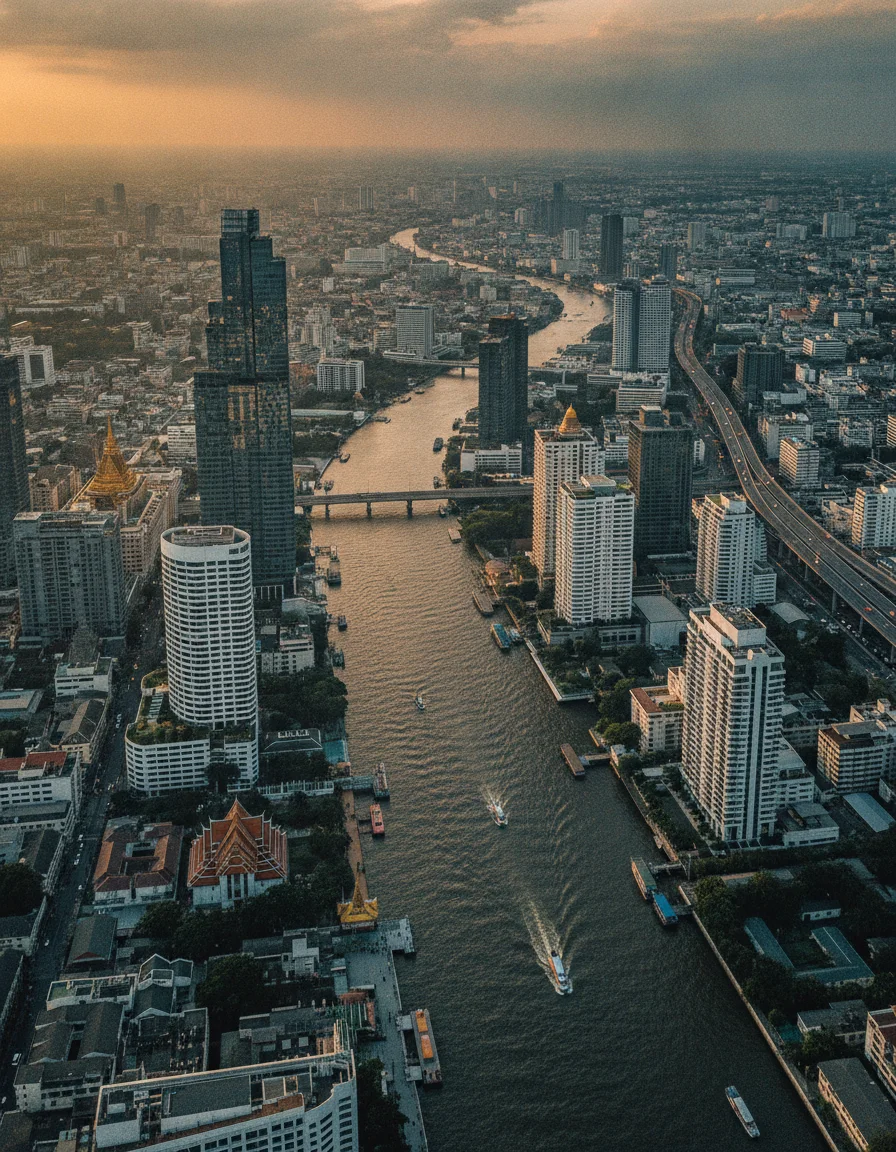
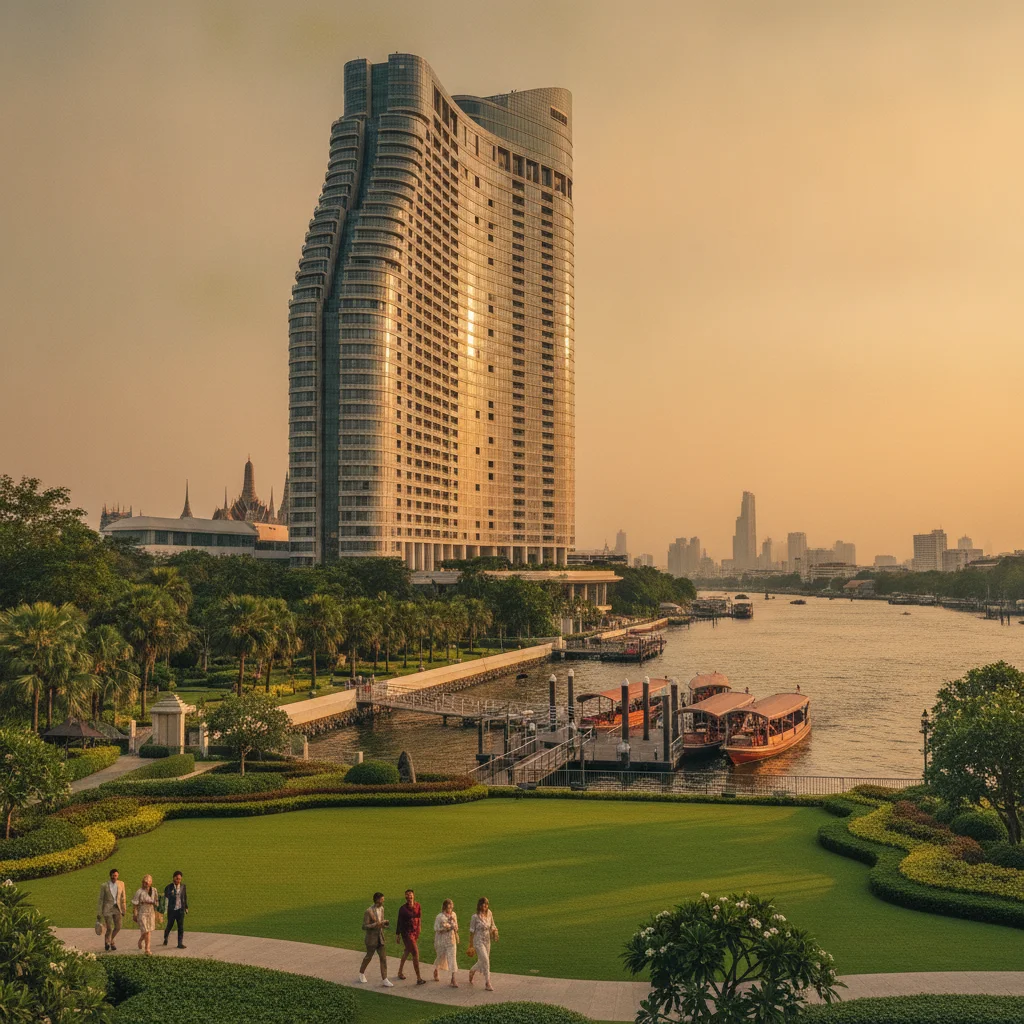
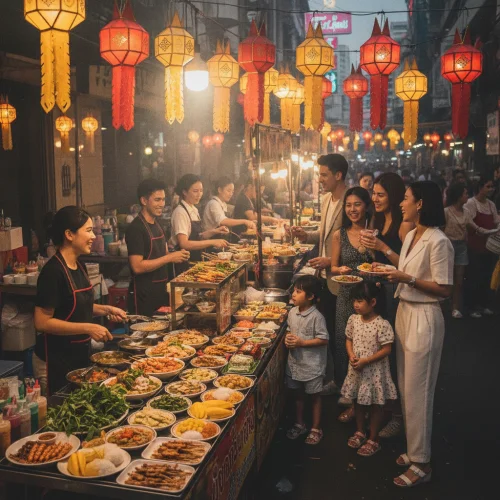
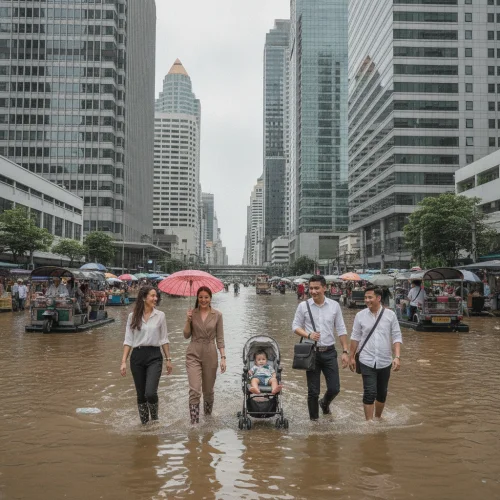
Bangkok stands as a sprawling urban metropolis that serves as Thailand's primary economic and cultural engine, sitting squarely at the premium end of the country’s real estate and lifestyle market. The character of the city is defined by a sharp contrast where towering steel skyscrapers throw shade over century-old wooden canal homes, creating a high-energy environment that can feel overwhelming to newcomers. For your daily expenses, you can expect a wide financial spread, with street food meals starting at a modest 80 THB (£1.78) while dining experiences like the crab omelette at Raan Jay Fai cost 1,400 THB (£31.11). Navigating this giant requires relying heavily on the BTS Skytrain, which costs between 17 and 62 THB per journey, alongside the MRT Metro and orange flag river boats to bypass the city's notorious traffic. This capital city suits career-driven professionals, culinary enthusiasts, and active urbanites who thrive on constant movement and major retail hubs like ICONSIAM. Conversely, it is highly unsuitable for expats seeking a slow-paced lifestyle or those relocating with very young children who will struggle with crowded pavements, intense midday heat exceeding 35 degrees Celsius, and heavy vehicle exhaust. The most critical practical restriction you must accept here is the chronic road congestion that completely freezes key areas during peak rush hours from 07:30 to 09:30 and 17:00 to 19:30 daily. During the cooler, dry season from November to February, the climate becomes much more manageable, though the sheer density of the concrete jungle ensures that heat retention remains a permanent feature of daily life. Overall, it functions as a high-octane global hub where your budget can scale from a basic 1,200 THB (£26.67) daily outlay to premium luxury suites costing upwards of 22,000 THB (£488.89) per night.
Pattaya
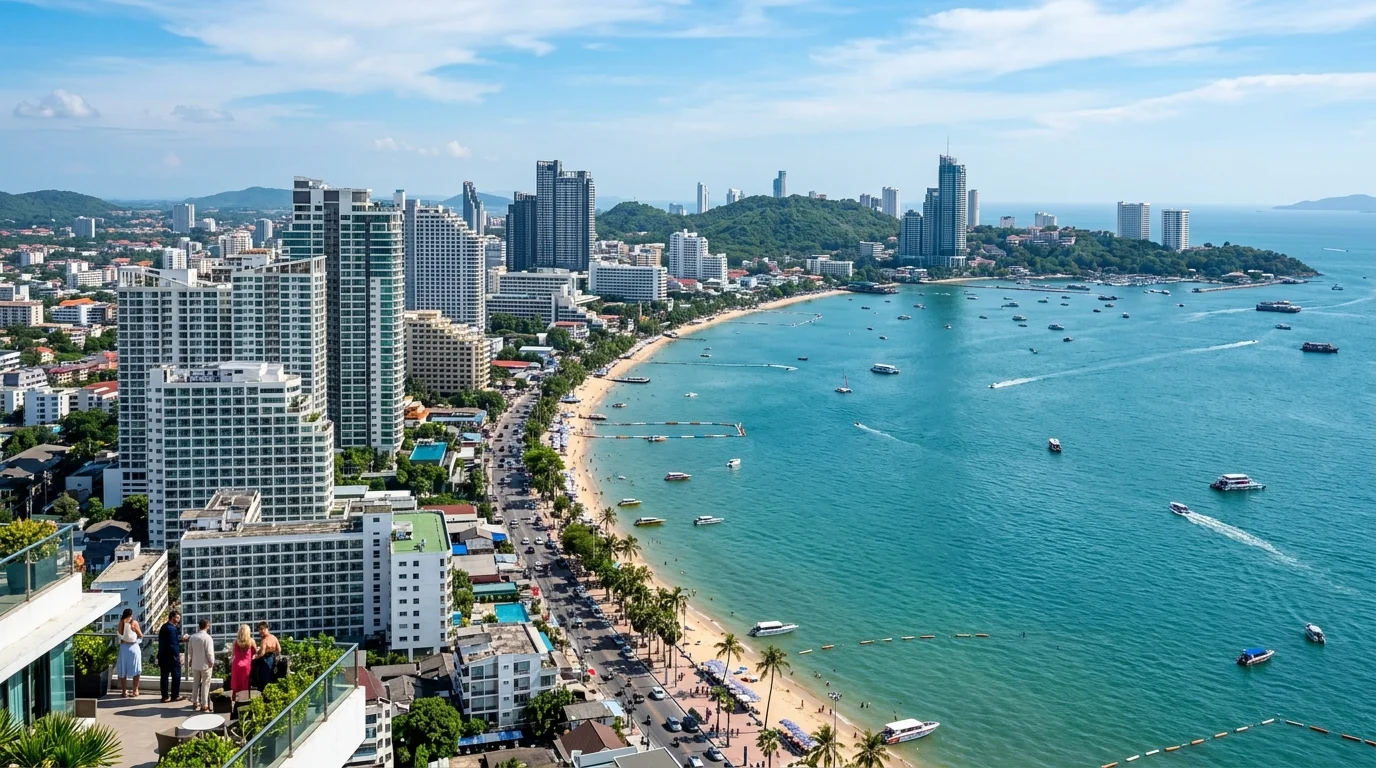
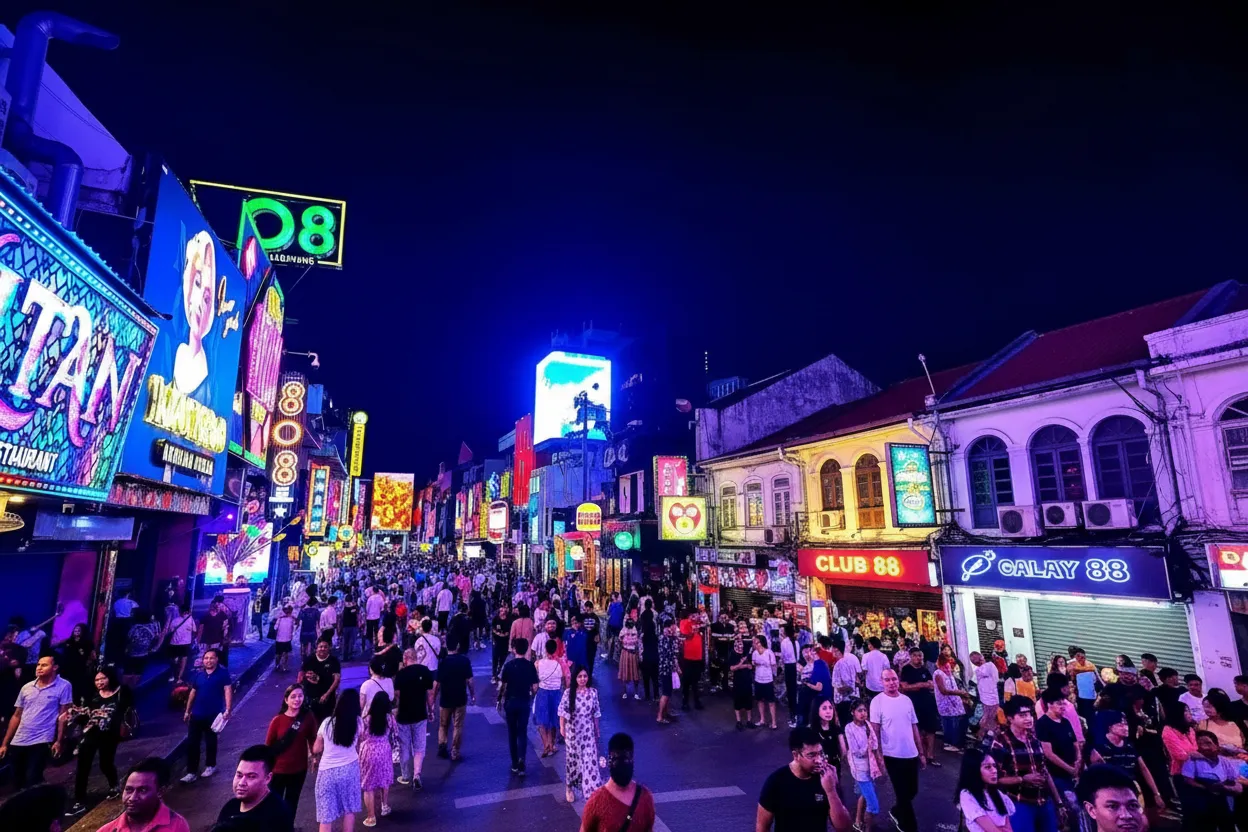
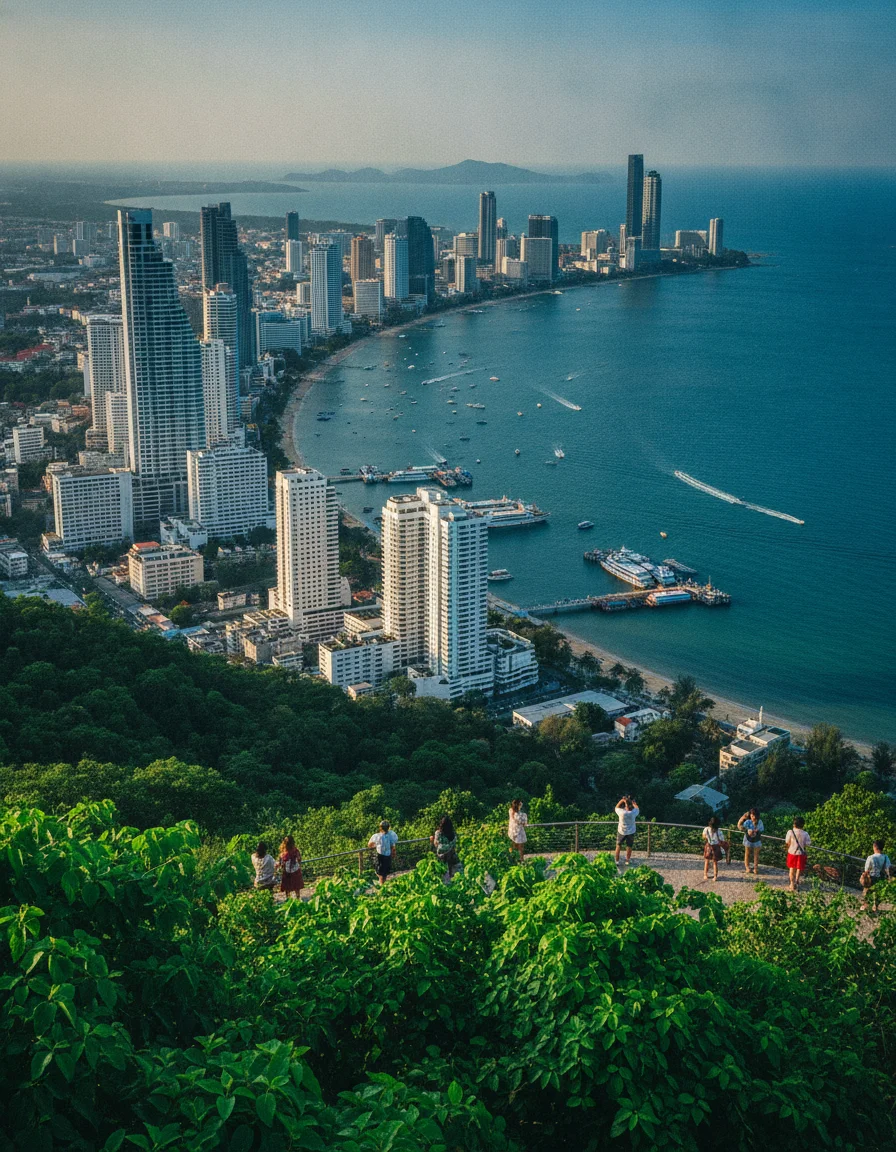
Located 150 kilometres southeast of Bangkok in Chonburi Province, Pattaya is a massive, functional coastal metropolis that serves as a major weekend playground for domestic and international residents alike. The city's geography is divided into distinct neighbourhoods, ranging from the quiet northern coves of Wong Amat and the residential heights of Pratumnak Hill to the family-oriented southern stretch of Jomtien and the frantic, neon-drenched central streets. Your daily budget here is generally lower than in the capital, with mid-range living averaging £75 to £80 per day, street food costing between 50 and 150 THB, and local transport facilitated by a flat-rate 10 THB dark blue songtheaw loop. For leisure, you have access to over 20 championship golf courses, international-standard hospitals, and extensive shopping complexes like Terminal 21, alongside cultural landmarks like the all-wood Sanctuary of Truth. It is highly suited to retirees, golfers, and budget-conscious expats who want a seaside location with full urban convenience and quick access to Bangkok via a 131 THB bus from Ekkamai. However, it is poorly suited to those seeking pristine coastal swimming on the mainland or individuals who are sensitive to the loud, late-night noise of the central entertainment districts which often runs until 4 AM. The single most critical practical drawback of settling here is the poor water quality in the city centre, making the main beach completely unsuitable for swimming due to high coliform bacteria levels. To find clean water and sandy shores like Tien or Samae beaches, you must take a 45-minute ferry costing 30 THB to the nearby island of Koh Larn. The local pavements also present a daily physical challenge, being notoriously uneven with hidden gaps that require constant vigilance when walking.
A 2018 restoration transformed 2.7 kilometers of Pattaya's main beach from 3.4 to 35 meters wide. This expanded shoreline, plus quieter Jomtien and island ferr…
Financial Realities and Cost of Living
Understanding how your pounds sterling convert into daily life in Thailand requires looking past simple currency rates. Bangkok presents a highly polarised economic landscape. You can comfortably survive on cheap street food and budget apartments, but the temptation to spend is constant. A mid-range hotel room in the capital sits around 3,200 THB (£71.11) per night, whereas long-term rentals in premium commercial districts like Sukhumvit or Silom command significant monthly premiums. Dining out can also drain your reserves quickly. A quick meal at an air-conditioned food court inside SookSiam will only set you back around 80 THB (£1.78), but entering high-end restaurants or indulging in celebrated local venues like Raan Jay Fai for a 1,400 THB (£31.11) crab omelette instantly elevates your cost of living to western European levels.
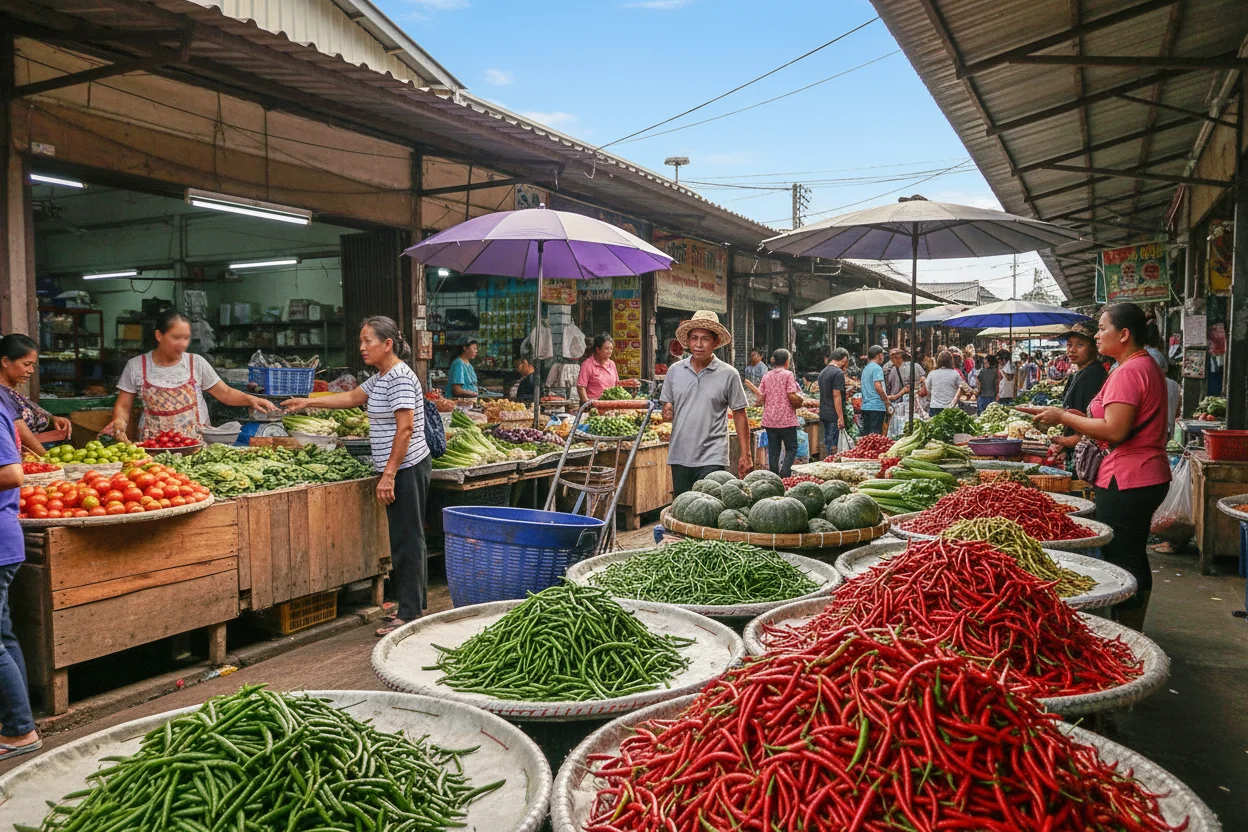
Pattaya operates on a more predictable, affordable financial scale. Your daily budget here can easily be capped at £75 to £80 for a highly comfortable lifestyle, which includes dining out regularly and renting a modern condominium with a rooftop pool. Accommodation in this coastal city is remarkably cost-effective, with mid-range hotel rooms averaging £40 to £60 per night, and basic guesthouses starting as low as £15. Food costs are similarly subdued. Local markets, such as the Naklua Fish Market (Lan Pho), allow you to purchase fresh seafood like jumbo tiger prawns for roughly 400 THB per kilogram, which can then be grilled on-site for a nominal fee. Even your social budget stretches further in Chonburi, with local beers costing between 70 and 120 THB, compared to the inflated prices found in Bangkok's trendy rooftop lounges.
Infrastructure, Transport, and Daily Commuting
The physical act of moving around your chosen city will dictate your daily frustration levels. Bangkok is notorious for traffic jams that can turn a simple five-kilometre journey into a multi-hour ordeal. If you live off the main transit grid, you are at the mercy of roads that freeze completely during peak morning and evening rush hours. To survive here as an expat, you must align your life with the rail networks. The BTS Skytrain and MRT Metro are clean, fast, and highly efficient, with fares ranging from 17 to 62 THB per trip. For riverfront travel, the orange flag boats offer a highly practical alternative for just 16 THB, allowing you to bypass the concrete congestion entirely.
Pattaya offers a completely different, less formal approach to transit. The entire central area is served by a highly practical system of dark blue songtheaws, or baht buses, which run a continuous one-way loop along Beach Road and Second Road for a flat rate of just 10 THB. This makes owning a car or relying on expensive taxis largely unnecessary for daily errands. When you do need point-to-point private transport, local expats recommend using the Bolt mobile application, which offers far more competitive rates than Grab. For international travel, Pattaya sits in a highly advantageous position. You can reach Suvarnabhumi Airport in 90 to 120 minutes via the Roong Reuang coach for 143 THB, or take a private taxi for approximately 1,500 THB. This close proximity to the capital's main airport makes international departures highly convenient.
Lifestyle, Environment, and the Daily Pace
Your physical well-being and daily happiness will depend heavily on whether you prefer a high-octane urban environment or a slower coastal tempo. Bangkok is a sensory assault. The air can be thick with vehicle exhaust, and the midday heat routinely climbs past 35 degrees Celsius, reflecting off the endless concrete and steel. Pavements are crowded, often forcing you to step into the road to bypass street vendors or construction. Despite this intensity, the city offers unparalleled cultural depth, from the historic temples of Phra Nakhon like Wat Pho, where a traditional massage costs 420 THB, to the massive maze of Chatuchak Weekend Market. It is a city that never sleeps, offering a sophisticated, high-energy lifestyle for those who thrive on constant stimulation.
Pattaya offers a split personality that can be tailored to your specific preferences. The central core of the city is loud, commercial, and frantic, dominated by nightlife venues that blast music until 4 AM. However, you can easily escape this noise by settling in the northern coves of Wong Amat or the elevated residential enclave of Pratumnak Hill. Jomtien, located to the south, provides a relaxed, family-friendly environment with wider coastal paths and a slower pace. The biggest compromise of living in Pattaya is the state of the water. The sea directly off the central city beach contains high levels of coliform bacteria, making it completely unsuitable for swimming. To enjoy a proper beach day, you must travel to the nearby island of Koh Larn, where clean, sandy spots like Tien and Samae beaches offer safe swimming, reachable via a 30 THB ferry from Bali Hai Pier.
Expats Comparison Table: Bangkok versus Pattaya
| Bangkok | Pattaya | |
|---|---|---|
| Location and Setting | Central Thailand on the Chao Phraya River delta, divided into historical, modern commercial, and quiet canal districts. | Chonburi Province, Eastern Gulf of Thailand, stretching along a 30km coastal ribbon divided into five distinct districts. |
| Daily Mid-Range Budget | Approximately 3,200 THB (£71.11) per day for mid-range living and accommodation. | Approximately £75 to £80 (3,375 to 3,600 THB) per day for comfortable seaside living. |
| Primary Local Transport | Integrated BTS Skytrain (17–62 THB), MRT Metro, and 16 THB orange flag river boats. | Flat-rate 10 THB dark blue songtheaw loop buses and the competitive Bolt mobile application. |
| Signature Experience | Eating legendary street food like the 1,400 THB crab omelette at Raan Jay Fai in Phra Nakhon. | Exploring the massive all-wood Sanctuary of Truth or playing on more than 20 championship golf courses. |
| Biggest Practical Drawback | Severe traffic congestion that completely freezes roads from 07:30 to 09:30 and 17:00 to 19:30 daily. | Highly contaminated city centre sea water with high coliform bacteria, rendering the main beach unswimmable. |
| Best Climatic Season | Cooler dry season from November to February with lower humidity, though midday temperatures still top 35°C. | First two weeks of November for quiet roads and calm seas, during the broader November to February dry window. |
| Target Expats and Residents | Active professionals, urban adventurers, digital nomads, and cultural explorers. | Retirees, coastal-seeking families in Jomtien, keen golfers, and Eastern European travellers. |
| Nearest International Airport | Suvarnabhumi Airport (BKK), 30km east of the centre, reached via the 45 THB Airport Rail Link in 30 minutes. | Suvarnabhumi Airport (BKK), 90 to 120 minutes away via the 143 THB Roong Reuang coach service from Jomtien. |
Expats Verdict and Recommendations
If you are a young professional seeking career growth and networking opportunities, Bangkok is the undisputed winner. The capital offers immediate access to major commercial districts like Silom and Sukhumvit, alongside highly reliable transit infrastructure like the BTS Skytrain, which allows you to completely bypass the daily 07:30 to 09:30 road gridlock. You will find a highly dynamic professional environment, vast co-working spaces, and a level of culinary and cultural sophistication that a coastal holiday town simply cannot replicate. While you must tolerate the intense heat and crowded streets, the professional and social rewards of living in the country's primary economic engine make the daily chaos worthwhile.
If you are a retired couple or a family looking for a relaxed lifestyle with outdoor leisure, Pattaya is the superior choice. This coastal city allows you to enjoy a far lower cost of living, with highly comfortable mid-range budgets of £75 to £80 per day and highly affordable fresh produce from locations like the Naklua Fish Market. By choosing to settle in quieter, leafy areas like the northern coves of Wong Amat or the family-oriented southern stretch of Jomtien, you can entirely avoid the rowdy 4 AM nightlife of the central core. Furthermore, having access to over 20 championship golf courses and high-quality international hospitals ensures that your retirement or family life is well-supported by modern conveniences without the overwhelming sensory stress of the capital.